2 Types Of Asbestos
Asbestos, a word that often brings a shiver down your spine, was once celebrated for its incredible heat resistance and durability. Used extensively in construction and various industries for decades, it's now widely known for its severe health risks. If you're dealing with an older property or simply curious, understanding the dangers starts with knowing what you're up against. So, let's talk about the 2 types of asbestos that were most commonly encountered and why they matter.
Understanding Asbestos: A Quick Overview
Before we dive into the specifics of the two main types, let's quickly recap what asbestos is. It's a naturally occurring fibrous mineral, highly valued for its fire resistance, insulating properties, and strength. These qualities made it a popular choice for everything from building materials to car parts. Unfortunately, when its fibers become airborne and are inhaled, they can cause serious lung diseases, including asbestosis, mesothelioma, and lung cancer.
The crucial takeaway here is that while all asbestos is dangerous, not all asbestos is created equal. The physical characteristics of the fibers play a significant role in their potential harm. This is where distinguishing between the primary categories becomes incredibly important for safety and identification.
The Two Main Types Of Asbestos You Should Know
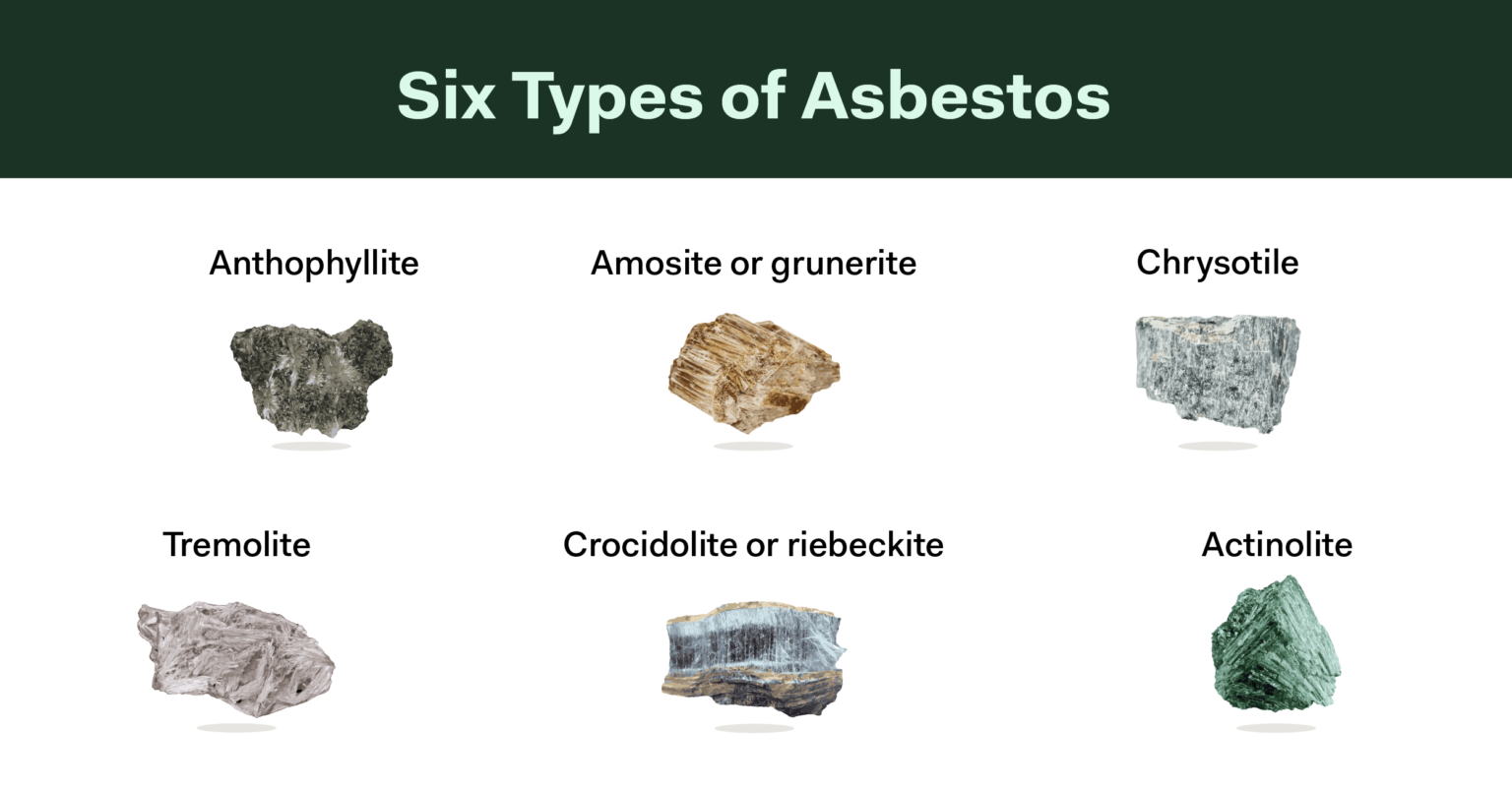
Asbestos minerals are broadly classified into two major groups based on their fiber shape and chemical composition: Serpentine and Amphibole. While both pose health risks, their distinct characteristics influence their applications and potential for harm. Let's explore each of these 2 types of asbestos in detail.
1. Serpentine Asbestos: Chrysotile (White Asbestos)
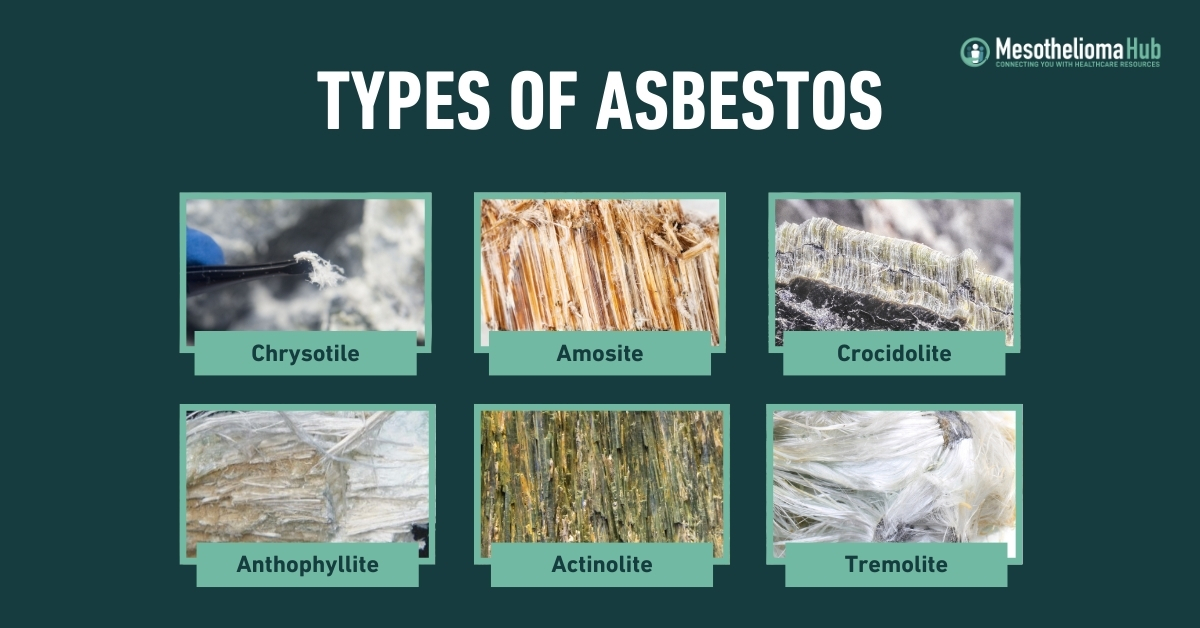
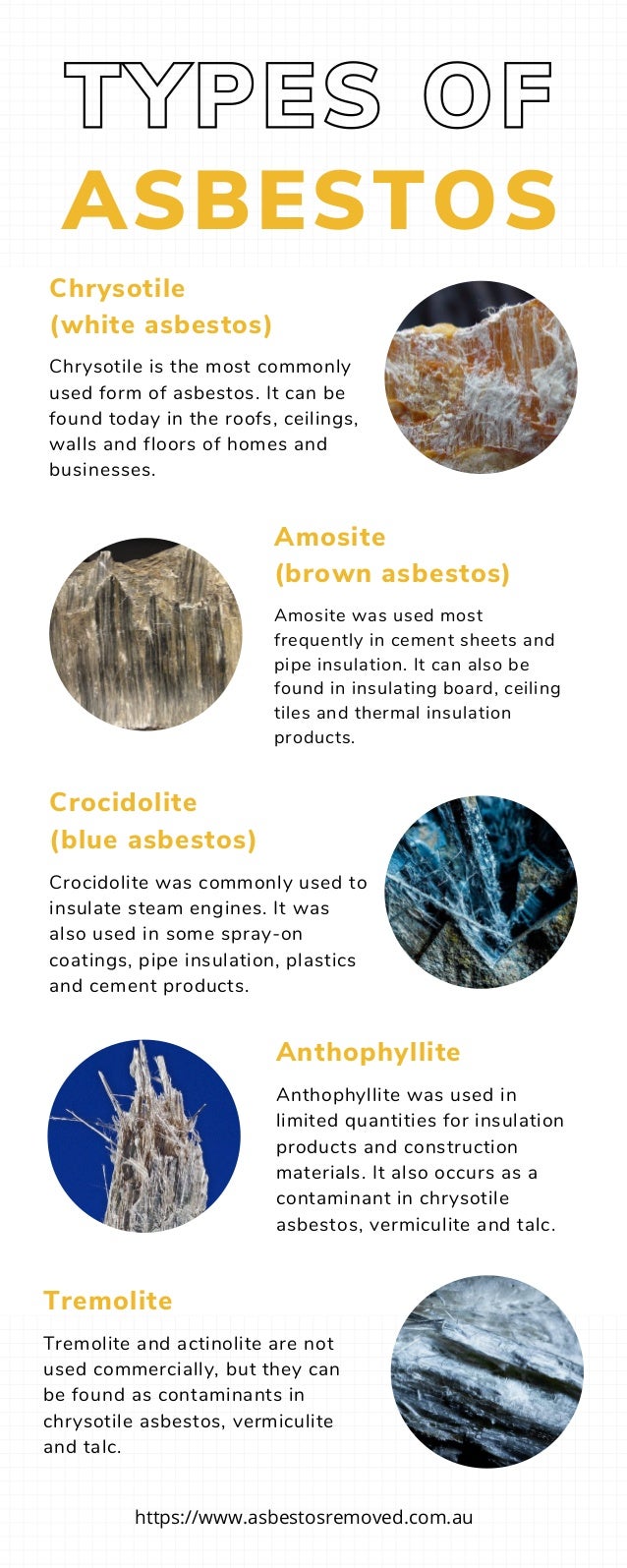
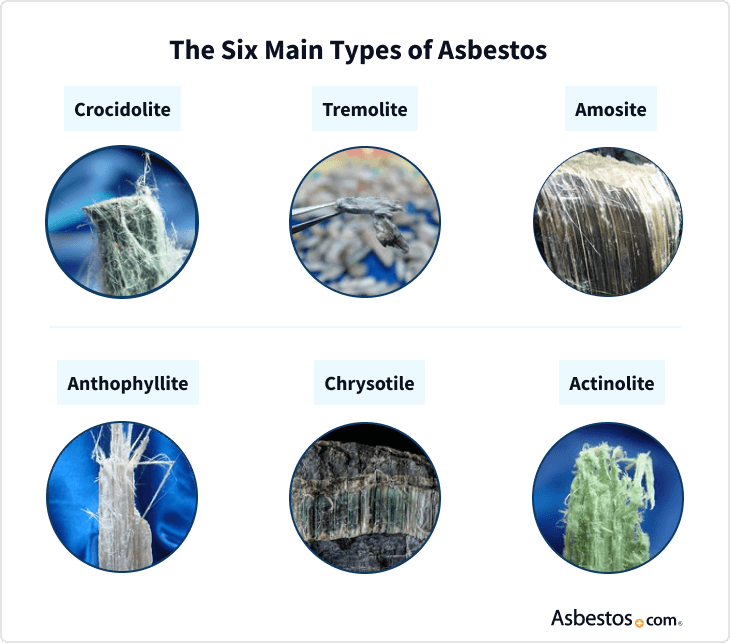
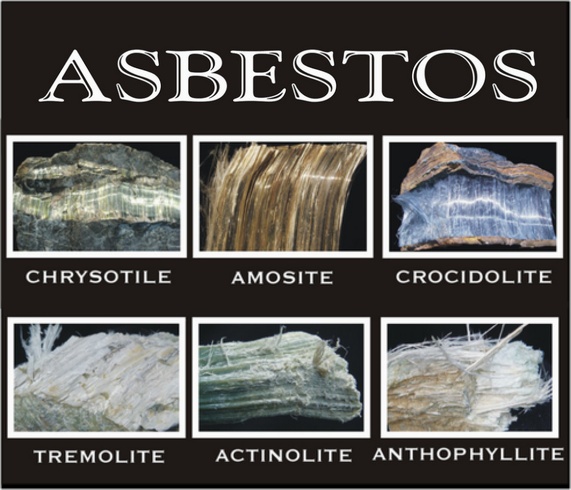
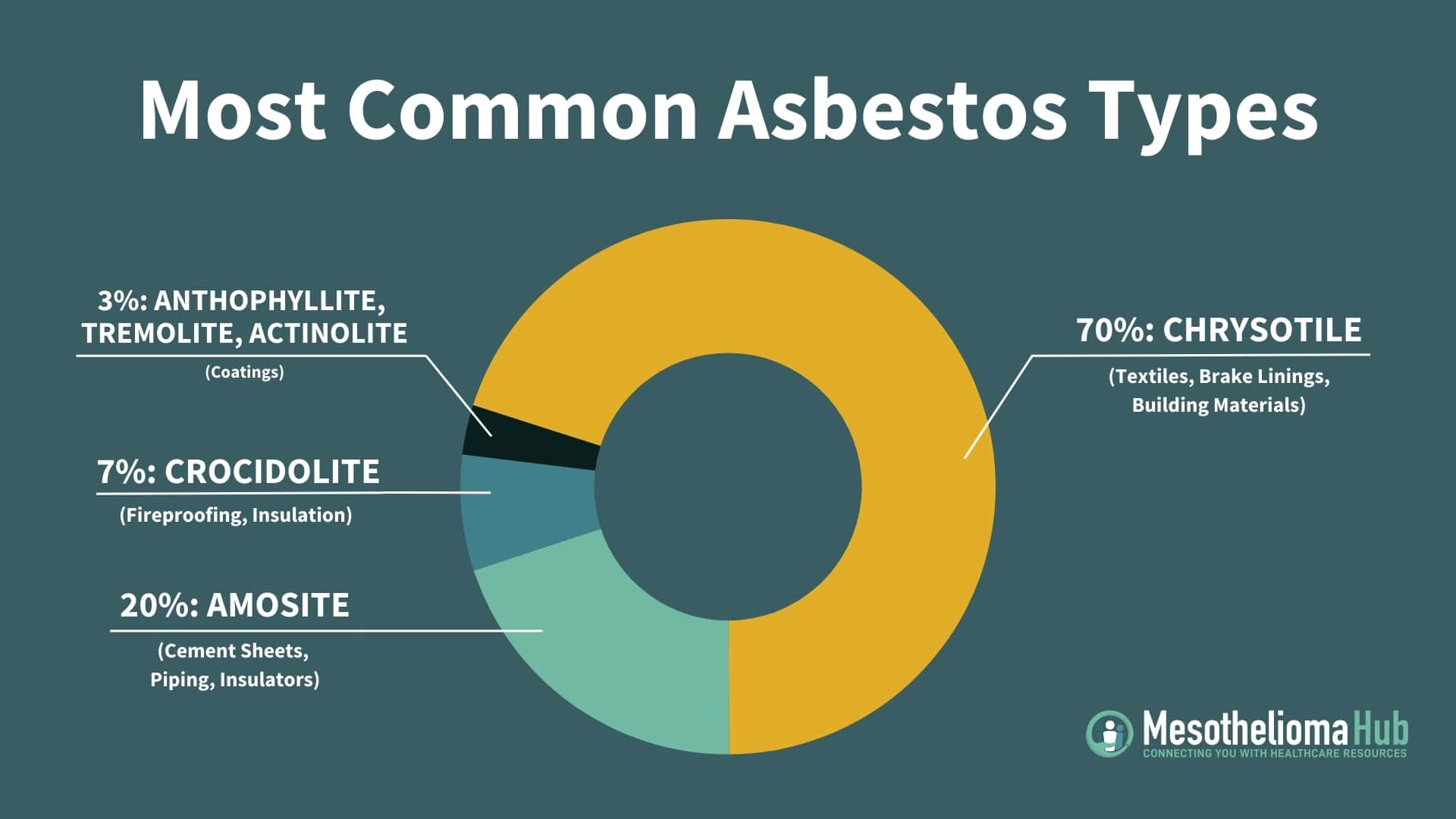
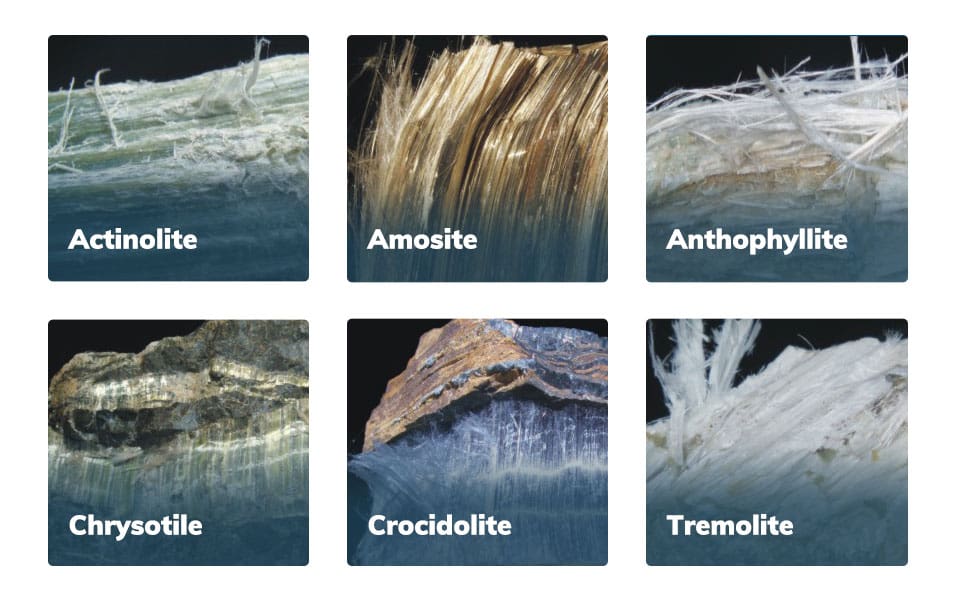
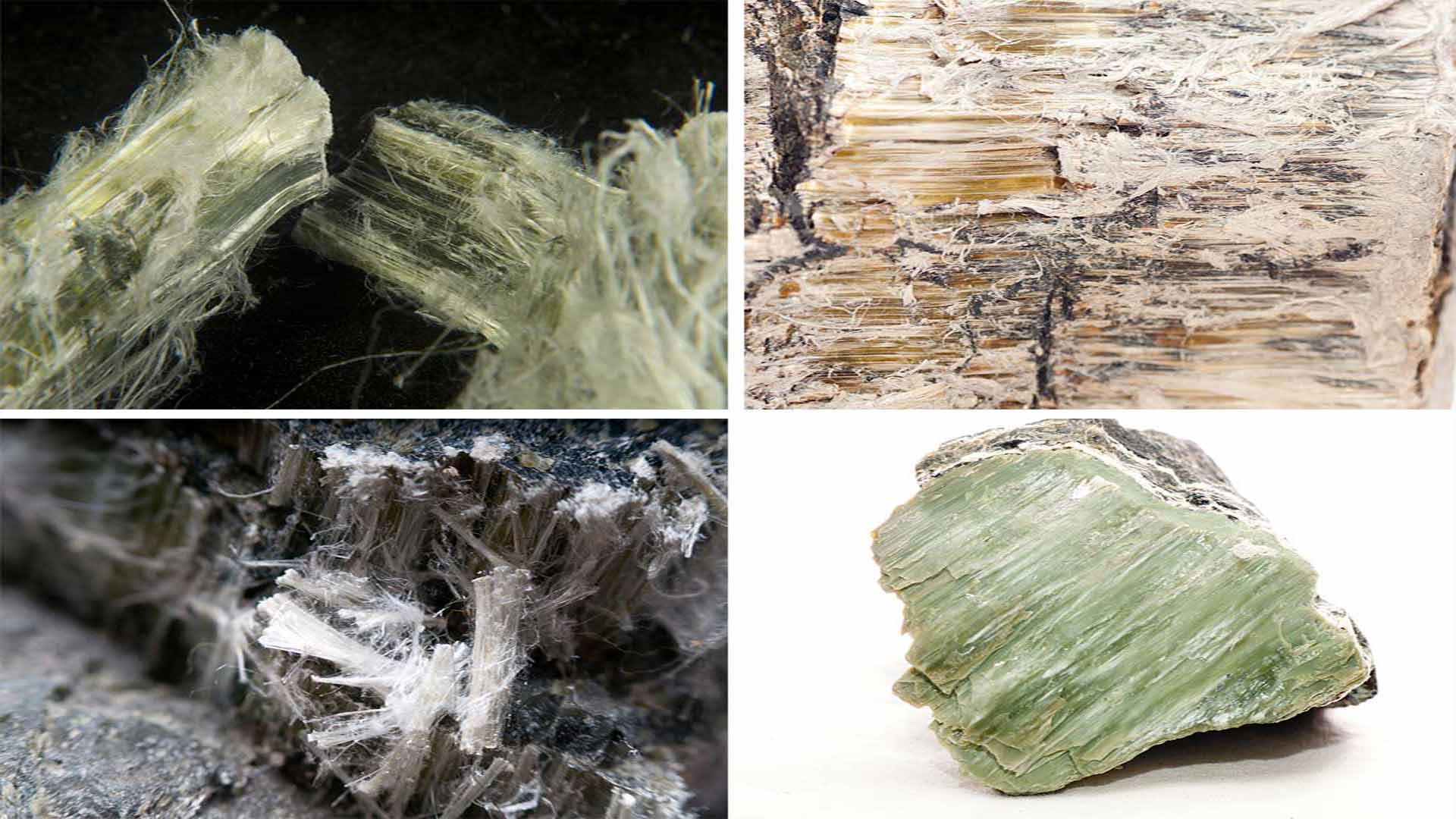
Chrysotile is by far the most common type of asbestos, accounting for about 95% of asbestos used worldwide. It's often referred to as "white asbestos" due to its color. The key characteristic of serpentine asbestos is its curly, flexible fibers, which resemble a coil or snake (hence "serpentine"). These fibers are generally softer and more pliable than their amphibole counterparts.
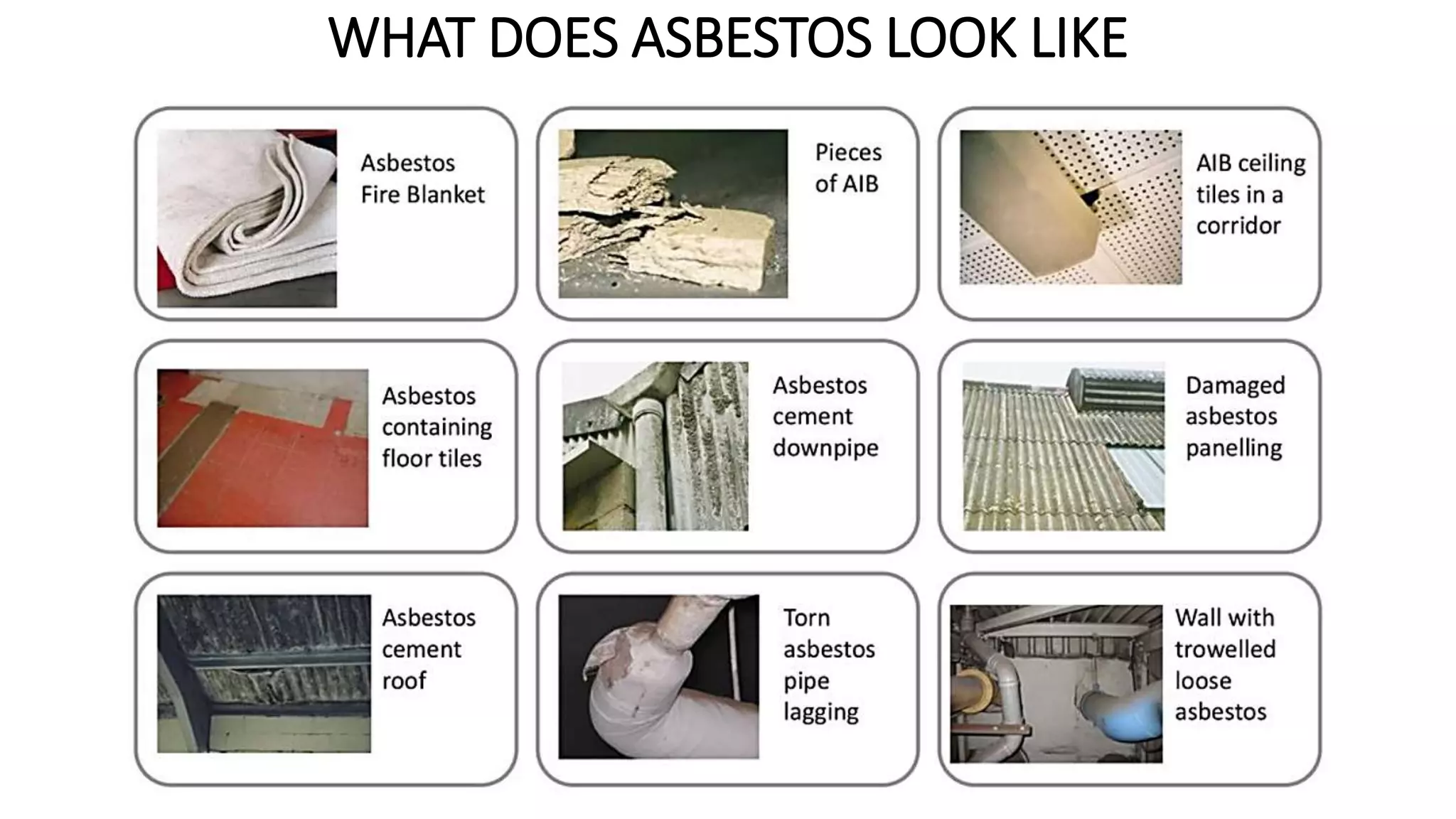
Historically, chrysotile was used extensively because its flexibility made it easy to weave and incorporate into various products. You'd find it in:
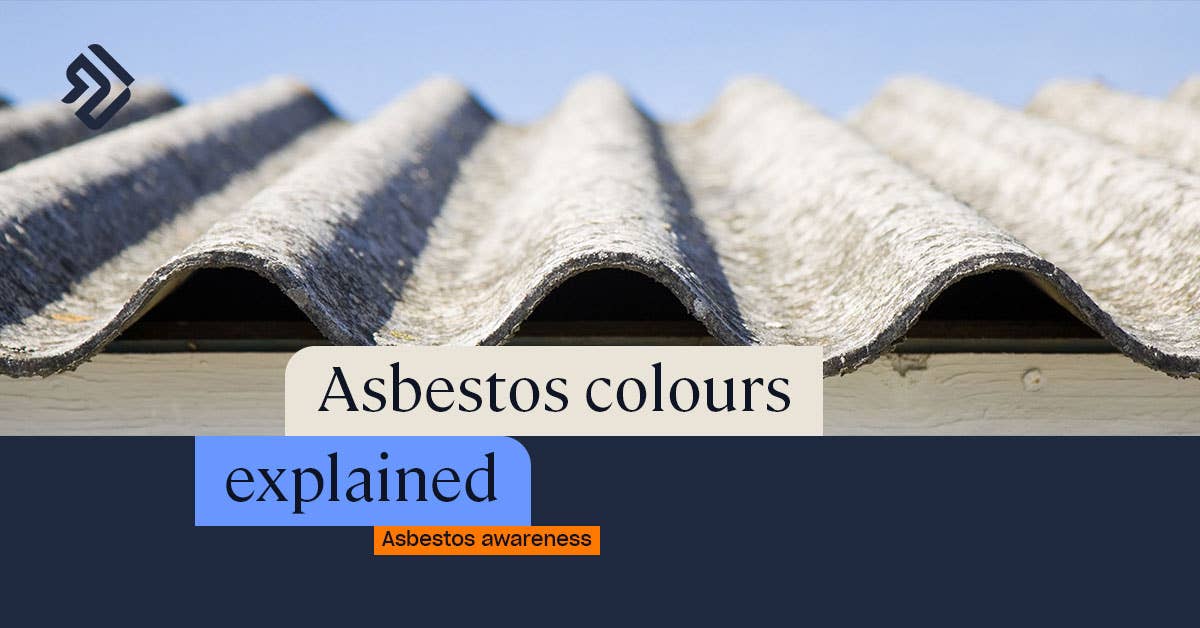
- Roofing materials (shingles, felts)
- Gaskets and seals
- Brake linings and clutch pads
- Insulation for pipes, ducts, and boilers
- Cement products (pipes, sheets)
- Vinyl floor tiles and mastics
While often considered less hazardous than amphibole forms because its curly fibers are theoretically easier for the body to expel, it is still extremely dangerous and a known cause of serious diseases.
2. Amphibole Asbestos: The Less Common, More Dangerous Types
In contrast to the curly fibers of chrysotile, amphibole asbestos types have straight, needle-like, and brittle fibers. These straight, rigid fibers are more likely to become lodged in the lung tissue once inhaled, making them generally considered more potent in terms of their health risks. There are several forms of amphibole asbestos, but two stand out for their widespread historical use and higher associated danger:
Crocidolite (Blue Asbestos)
Crocidolite is known as "blue asbestos" and is recognized as the most dangerous of all asbestos types. Its very fine, sharp fibers are highly resistant to acids and heat. It was primarily used in:
- Sprayed coatings for fireproofing
- Pipe insulation and lagging
- Cement products
- Filter materials
Its high tensile strength and resistance made it popular in specific applications despite its known toxicity.
Amosite (Brown Asbestos)
Often called "brown asbestos," Amosite was the second most commonly used type in the United States. Its fibers are also straight but typically coarser than crocidolite. Amosite was favored for its excellent fire retardant and insulation properties. You would often find it in:
- Thermal insulation products
- Insulation boards
- Ceiling tiles
- Fire protection for structural steel
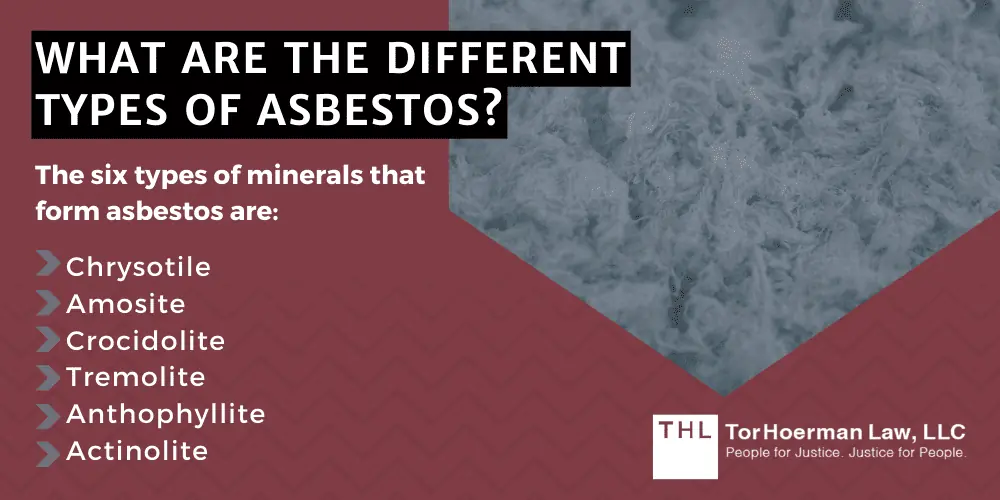
Other less common amphibole types include Anthophyllite, Tremolite, and Actinolite, which are usually found as contaminants in other minerals but can also pose significant health risks.
Why Differentiating Matters
Knowing the differences between the 2 types of asbestos isn't just academic; it has practical implications. While both serpentine and amphibole asbestos are dangerous, the specific fiber characteristics influence the risk level and the methods required for safe handling and removal. Amphibole asbestos, with its needle-like fibers, is generally considered to pose a higher risk of serious disease. Always consult with certified professionals if you suspect asbestos is present in your property.
Conclusion
Understanding the 2 types of asbestos – Serpentine (Chrysotile) and Amphibole (Crocidolite, Amosite, etc.) – is crucial for anyone encountering this hazardous material. While chrysotile was more widely used, the amphibole types are generally considered more dangerous due to their fiber structure. Remember, any form of asbestos can be lethal if disturbed. Always prioritize safety and professional assessment when dealing with asbestos-containing materials. Stay informed, stay safe!
Frequently Asked Questions (FAQ)
- What are the primary 2 types of asbestos?
- The primary two types of asbestos are Serpentine asbestos, primarily Chrysotile (white asbestos), and Amphibole asbestos, which includes Crocidolite (blue asbestos) and Amosite (brown asbestos).
- Is one type of asbestos more dangerous than the other?
- While all asbestos is hazardous, amphibole types (like crocidolite and amosite) are generally considered more dangerous due to their straight, needle-like fibers that can more easily become lodged in lung tissue. However, chrysotile (serpentine) is still a significant health risk.
- How can I tell which type of asbestos I have?
- You cannot reliably identify the type of asbestos by visual inspection alone. Only laboratory testing of a sample by a qualified professional can accurately determine the presence and type of asbestos. Never attempt to sample asbestos yourself.
- Where are these 2 types of asbestos commonly found?
- Chrysotile is often found in roofing, insulation, brake pads, and cement products. Amphibole types like crocidolite were used in sprayed coatings and pipe insulation, while amosite was common in insulation boards and ceiling tiles. Their presence is typical in buildings constructed before the 1980s.
2 Types Of Asbestos
2 Types Of Asbestos Wallpapers
Collection of 2 types of asbestos wallpapers for your desktop and mobile devices.
Captivating 2 Types Of Asbestos View Concept
This gorgeous 2 types of asbestos photo offers a breathtaking view, making it a perfect choice for your next wallpaper.
Amazing 2 Types Of Asbestos Artwork for Desktop
Discover an amazing 2 types of asbestos background image, ideal for personalizing your devices with vibrant colors and intricate designs.
Spectacular 2 Types Of Asbestos Moment Nature
Find inspiration with this unique 2 types of asbestos illustration, crafted to provide a fresh look for your background.

Crisp 2 Types Of Asbestos Moment Digital Art
This gorgeous 2 types of asbestos photo offers a breathtaking view, making it a perfect choice for your next wallpaper.

Crisp 2 Types Of Asbestos Artwork for Mobile
Find inspiration with this unique 2 types of asbestos illustration, crafted to provide a fresh look for your background.

Stunning 2 Types Of Asbestos Background Photography
This gorgeous 2 types of asbestos photo offers a breathtaking view, making it a perfect choice for your next wallpaper.
Spectacular 2 Types Of Asbestos Background for Your Screen
Immerse yourself in the stunning details of this beautiful 2 types of asbestos wallpaper, designed for a captivating visual experience.
Exquisite 2 Types Of Asbestos Picture Photography
Immerse yourself in the stunning details of this beautiful 2 types of asbestos wallpaper, designed for a captivating visual experience.

Detailed 2 Types Of Asbestos Capture for Mobile
Discover an amazing 2 types of asbestos background image, ideal for personalizing your devices with vibrant colors and intricate designs.

Lush 2 Types Of Asbestos Wallpaper in 4K
Find inspiration with this unique 2 types of asbestos illustration, crafted to provide a fresh look for your background.
Breathtaking 2 Types Of Asbestos Moment Illustration
Transform your screen with this vivid 2 types of asbestos artwork, a true masterpiece of digital design.
High-Quality 2 Types Of Asbestos Image Nature
Discover an amazing 2 types of asbestos background image, ideal for personalizing your devices with vibrant colors and intricate designs.
Artistic 2 Types Of Asbestos Artwork Photography
Find inspiration with this unique 2 types of asbestos illustration, crafted to provide a fresh look for your background.
Stunning 2 Types Of Asbestos Scene Illustration
Find inspiration with this unique 2 types of asbestos illustration, crafted to provide a fresh look for your background.
Vibrant 2 Types Of Asbestos Scene Concept
Experience the crisp clarity of this stunning 2 types of asbestos image, available in high resolution for all your screens.
Breathtaking 2 Types Of Asbestos Moment Photography
Transform your screen with this vivid 2 types of asbestos artwork, a true masterpiece of digital design.
Beautiful 2 Types Of Asbestos Scene Art
Explore this high-quality 2 types of asbestos image, perfect for enhancing your desktop or mobile wallpaper.
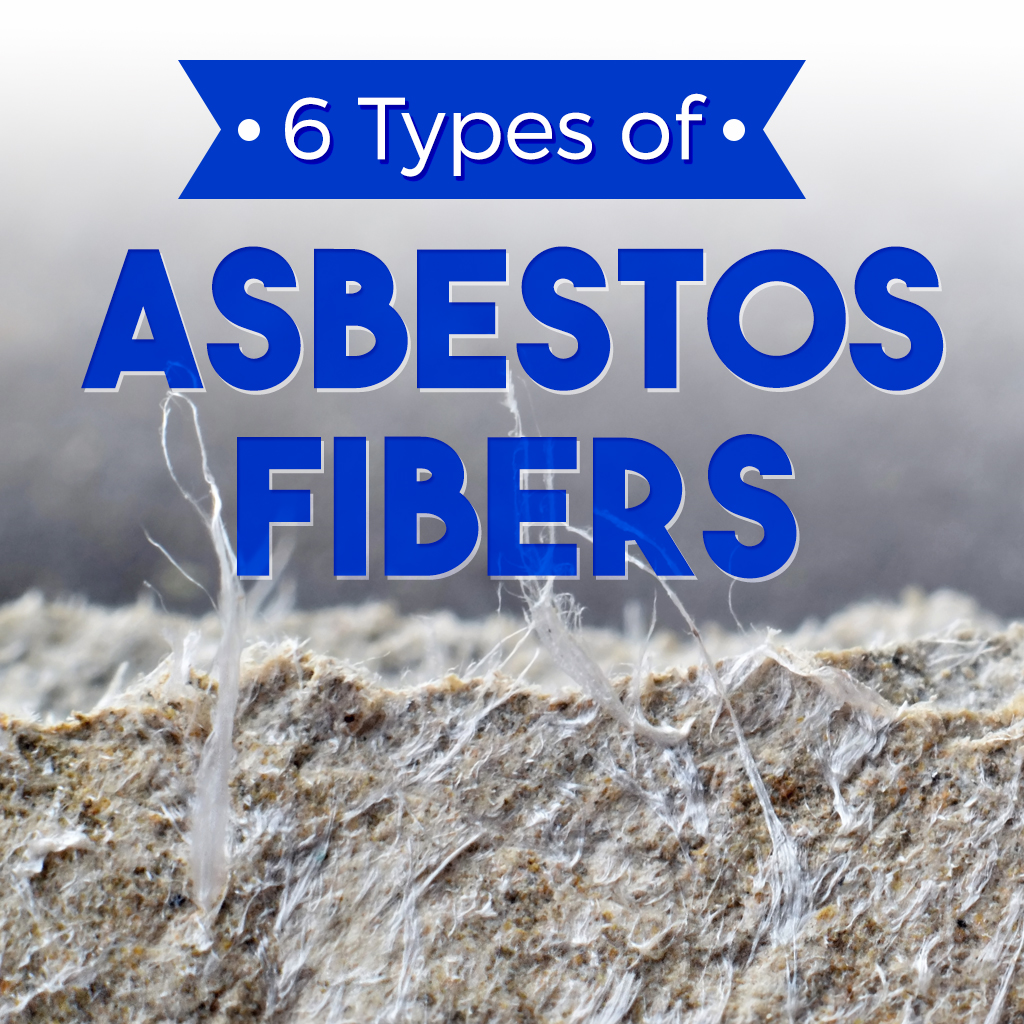
Stunning 2 Types Of Asbestos Artwork for Your Screen
This gorgeous 2 types of asbestos photo offers a breathtaking view, making it a perfect choice for your next wallpaper.

Beautiful 2 Types Of Asbestos Landscape for Desktop
Explore this high-quality 2 types of asbestos image, perfect for enhancing your desktop or mobile wallpaper.

Serene 2 Types Of Asbestos Picture for Your Screen
Experience the crisp clarity of this stunning 2 types of asbestos image, available in high resolution for all your screens.
Download these 2 types of asbestos wallpapers for free and use them on your desktop or mobile devices.