Mesothelioma Pathophysiology: A Friendly Guide to Understanding How It Happens
Hey there! If you're looking for answers about Mesothelioma, you've come to the right place. Understanding the "how" behind this challenging disease can be incredibly helpful, and that's exactly what we'll explore today. We're going to dive into Mesothelioma Pathophysiology – basically, how this cancer starts, develops, and affects the body – in a way that's easy to grasp. Think of this as your straightforward guide to understanding the science without getting bogged down in overly technical jargon.
So, let's break down the journey of how mesothelioma takes hold, from its root cause to its impact on cells. We'll cover everything you need to know about its progression.
What Exactly is Mesothelioma Pathophysiology?
When we talk about pathophysiology, we're discussing the functional changes associated with a disease or injury. In the context of mesothelioma, it's about understanding the specific biological and physiological mechanisms that cause the disease to develop and progress. It helps us see the complete picture from the initial exposure right through to the cellular changes that mark cancer.
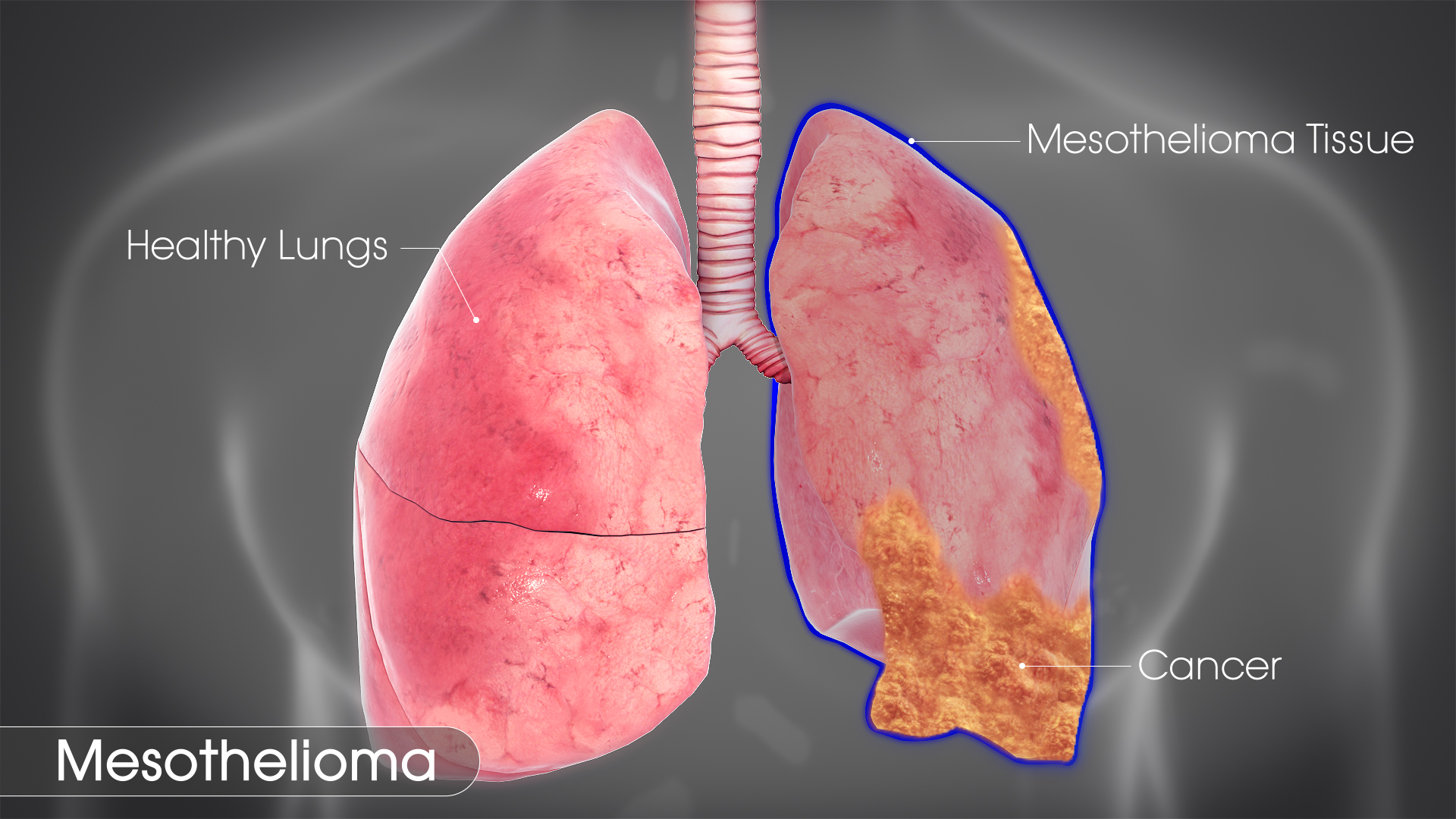
Essentially, it's the story of how normal cells go awry and become cancerous, specifically within the delicate linings of your organs. This journey is complex, but its roots are surprisingly clear: asbestos exposure.
The Root Cause: Asbestos Exposure
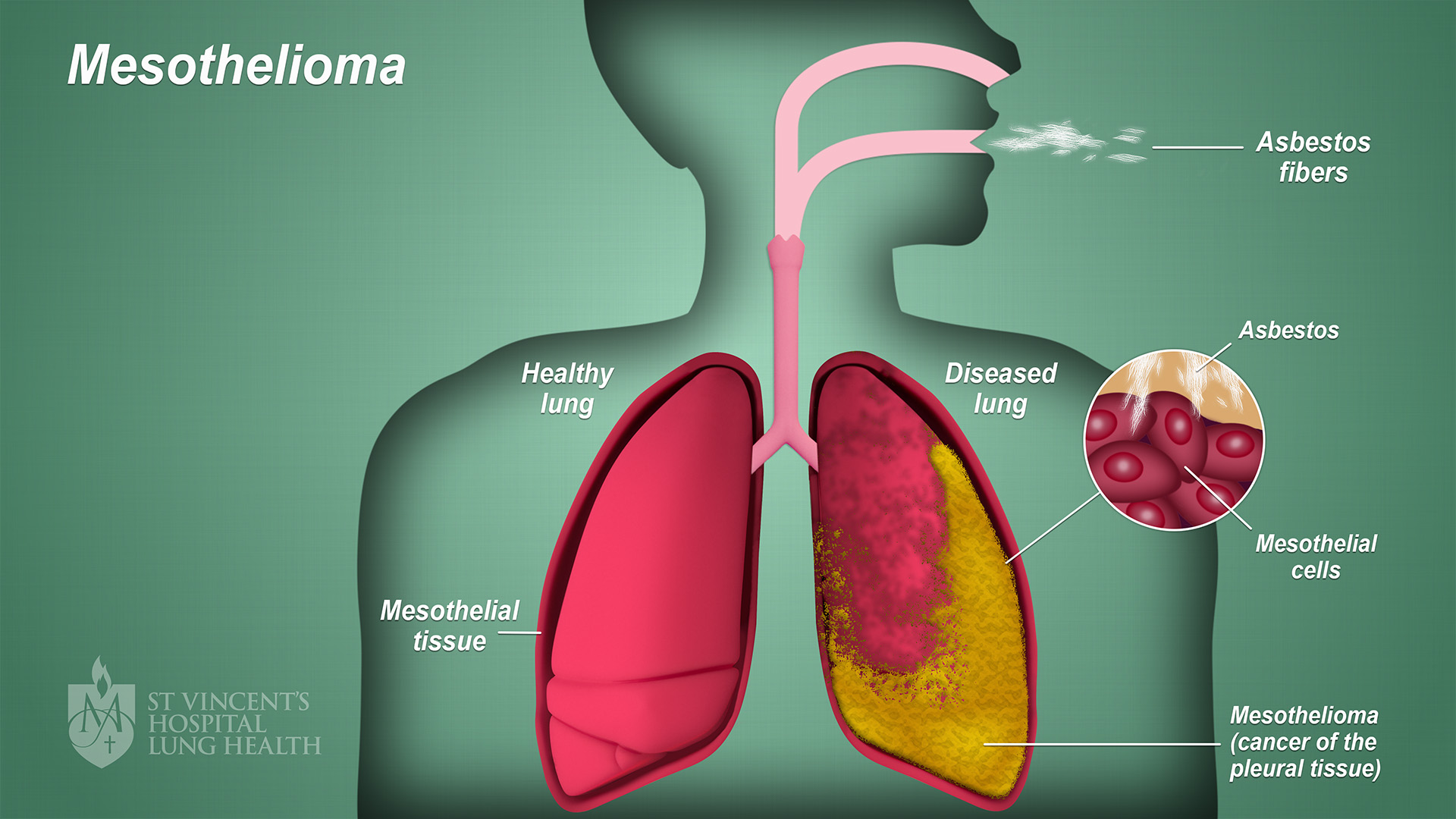
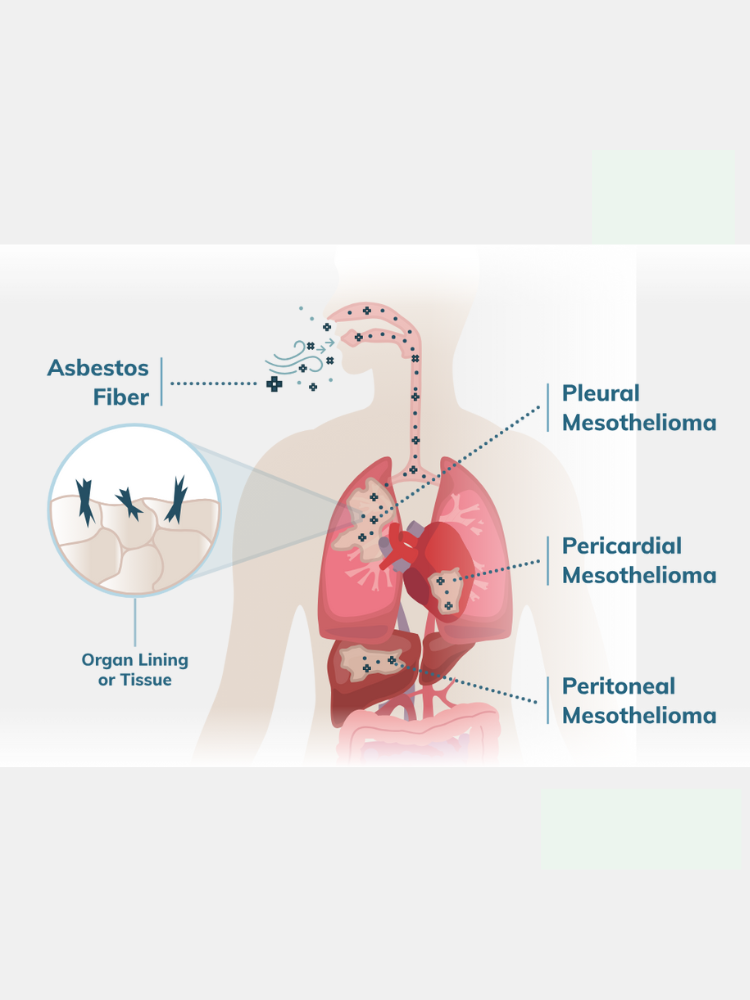
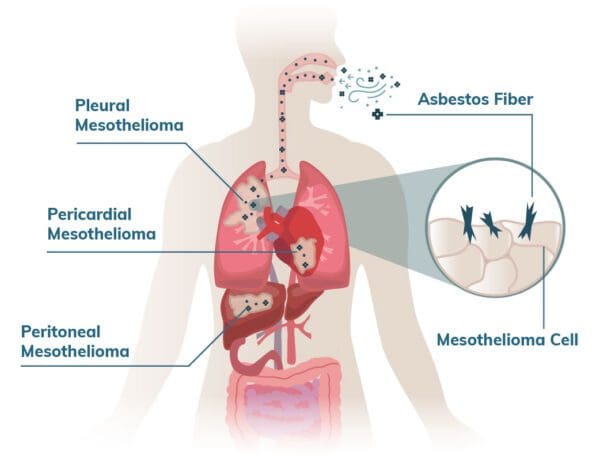
The undisputed primary cause of mesothelioma is exposure to asbestos fibers. These microscopic fibers, once inhaled or ingested, are incredibly durable and can become lodged in the body's tissues. They are too small to be expelled and too tough for the body to break down easily.
Over decades, these trapped fibers wreak havoc, leading to the cellular changes characteristic of mesothelioma. This long period between exposure and diagnosis is known as the latency period, which can sometimes be 20 to 50 years or even longer.
How Asbestos Fibers Lead to Cancer
So, how do these tiny fibers manage to cause such a devastating disease? It's a multi-step process involving inflammation, cell damage, and genetic mutations.
Inflammation and Cell Damage
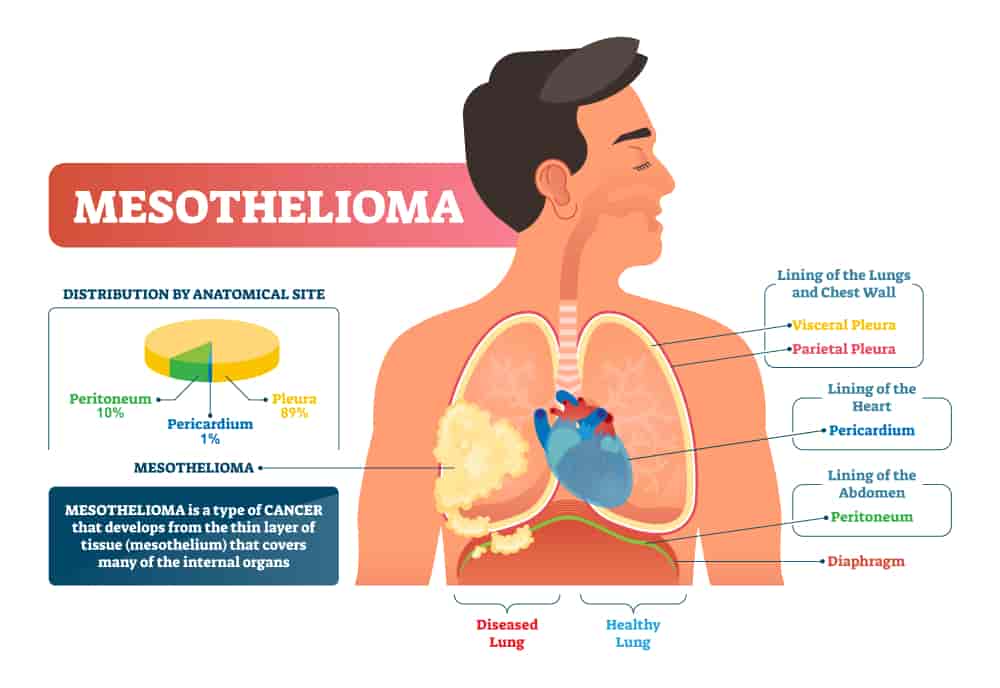
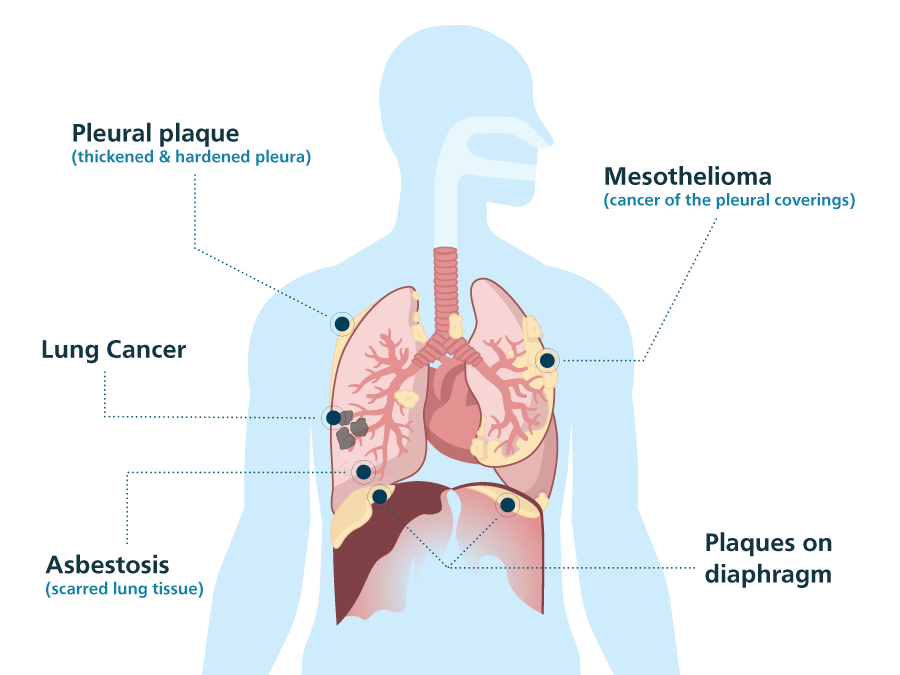
Once asbestos fibers are embedded in the pleura (lining of the lungs) or peritoneum (lining of the abdomen), they cause chronic inflammation. The body tries to fight off these foreign invaders, but because they can't be removed, the inflammatory response persists. This continuous inflammation leads to oxidative stress and cellular damage, irritating the mesothelial cells that line these cavities.
Over time, this irritation can cause scarring and changes in the cells, creating an environment ripe for cancerous transformation.
Genetic Mutations
The chronic inflammation and direct physical irritation from asbestos fibers can also lead to DNA damage within mesothelial cells. This damage can result in genetic mutations, particularly in tumor suppressor genes like BAP1. When tumor suppressor genes are mutated, they can no longer do their job of preventing uncontrolled cell growth.
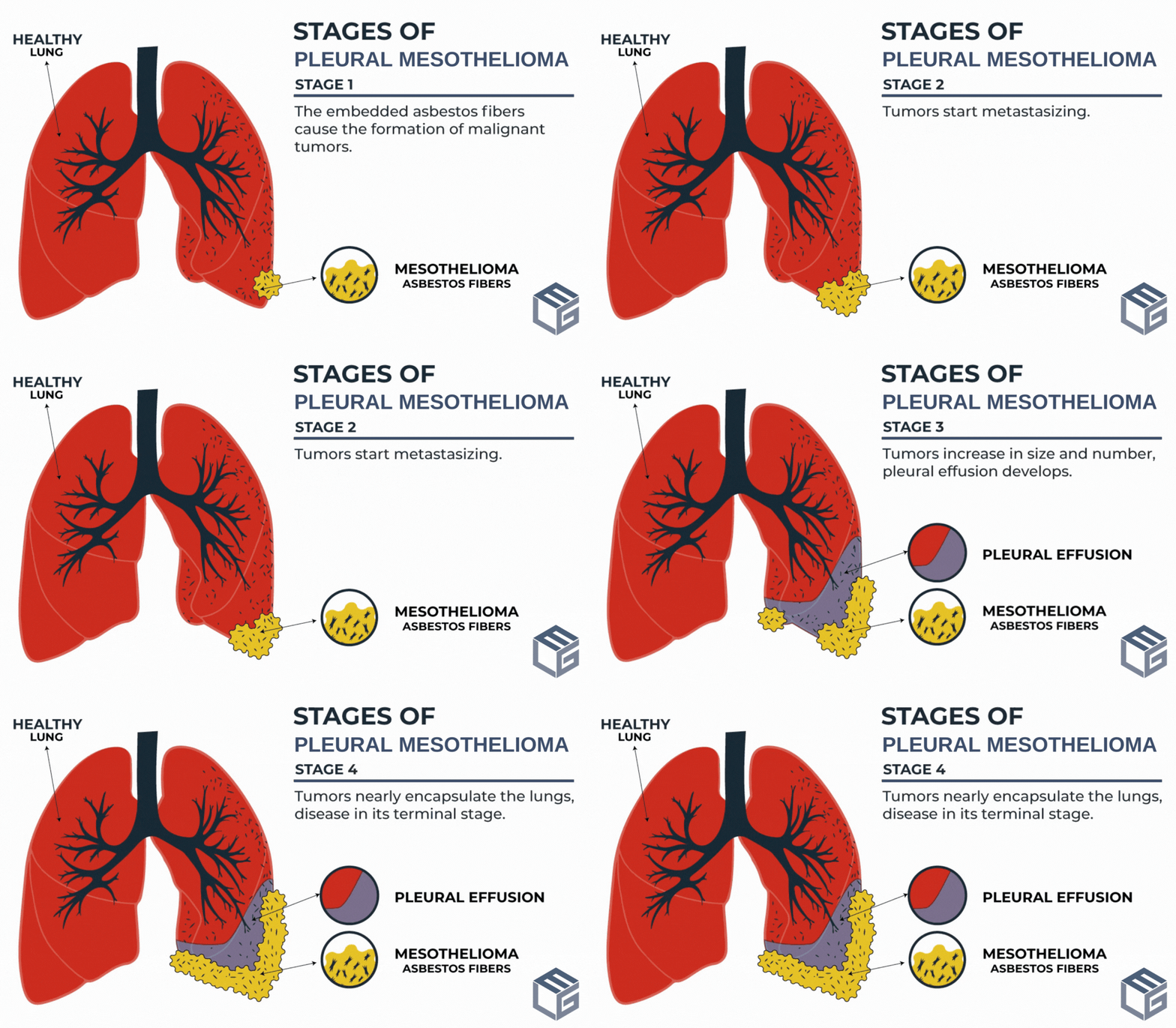
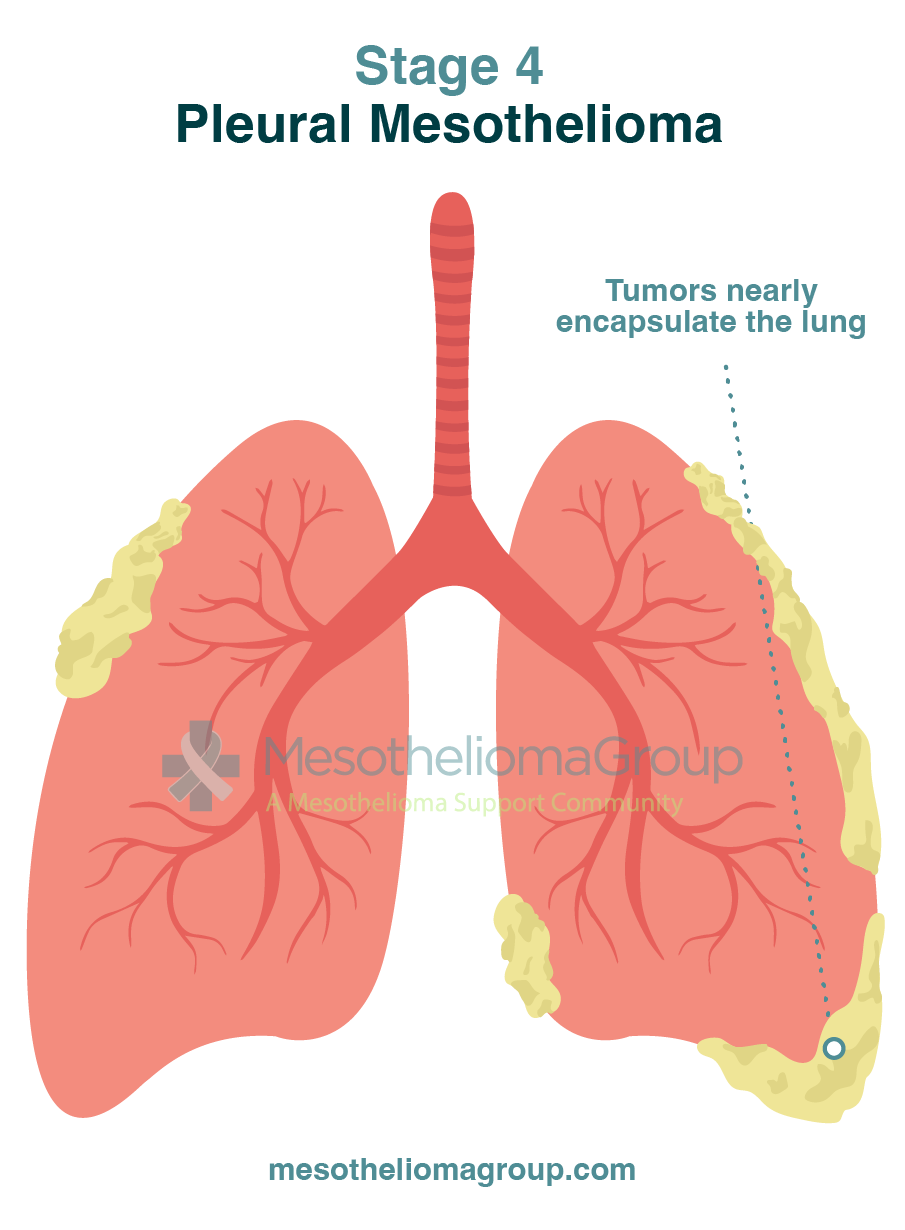
These mutated cells then begin to divide rapidly and uncontrollably, forming tumors and ultimately leading to mesothelioma. It's a slow but relentless process.
Types of Mesothelioma and Their Impact
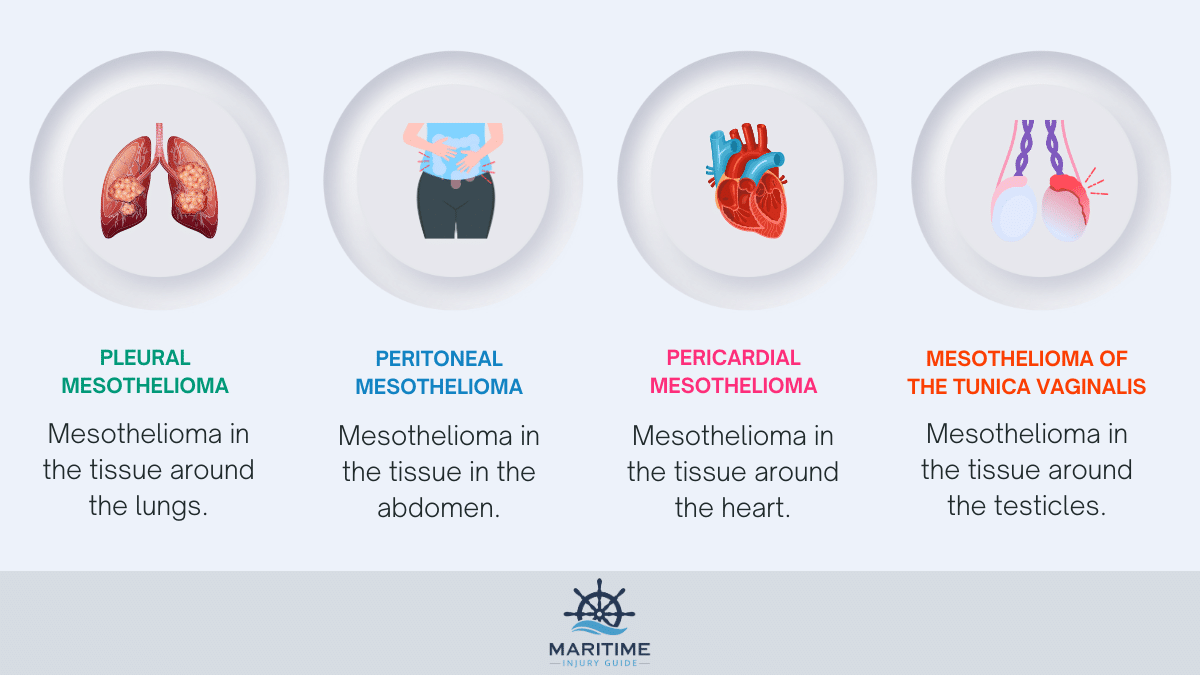
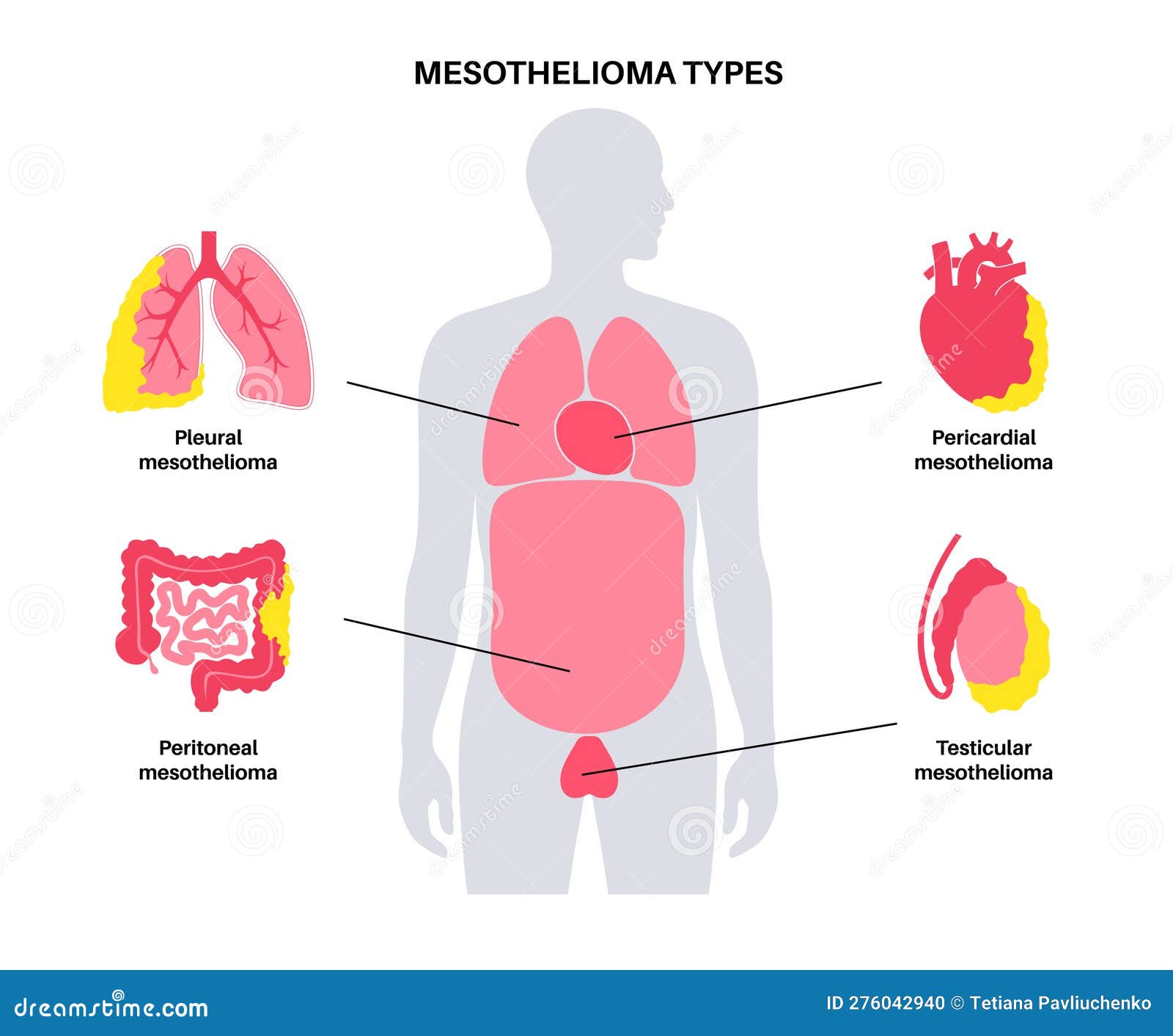
Mesothelioma isn't just one type of cancer; it can affect different parts of the body, though the pathophysiology remains similar. The most common form is pleural mesothelioma, which affects the lining of the lungs. Other less common types include peritoneal (abdomen), pericardial (heart lining), and even testicular mesothelioma.
The location of the tumor dictates the specific symptoms experienced, such as breathing difficulties for pleural mesothelioma or abdominal pain for peritoneal mesothelioma.
Cell Types and Prognosis
Beyond location, mesothelioma is also classified by its cell types, which can influence the disease's behavior and treatment options. There are three main types:
- Epithelioid: This is the most common type, typically associated with a better prognosis. These cells grow in a more organized pattern.
- Sarcomatoid: This type is less common and generally more aggressive, with spindle-shaped cells that grow more erratically.
- Biphasic: As the name suggests, this type contains a mixture of both epithelioid and sarcomatoid cells. Its prognosis usually falls between the other two.
Understanding the cell type is crucial for doctors to tailor the most effective treatment plan for each patient.
Conclusion
We hope this journey through Mesothelioma Pathophysiology has made the complex science a bit clearer for you. In summary, it all starts with the persistent irritation from asbestos fibers, leading to chronic inflammation, cellular damage, and ultimately, genetic mutations. These mutations allow cells to grow uncontrollably, forming tumors in the protective linings of the body's organs. Knowing how this disease develops is the first step toward understanding its challenges and the importance of early diagnosis and effective treatment strategies. If you have more questions, don't hesitate to seek professional medical advice.
Frequently Asked Questions (FAQ)
- What is Mesothelioma Pathophysiology?
- It's the study of how mesothelioma develops and progresses in the body, from initial asbestos exposure to cellular changes and tumor formation. It explains the "how" behind the disease.
- How does asbestos cause Mesothelioma?
- Microscopic asbestos fibers, when inhaled or ingested, become lodged in the body's linings. They cause chronic inflammation and direct cellular damage, leading to DNA mutations that can turn normal cells into cancerous ones.
- Can Mesothelioma spread?
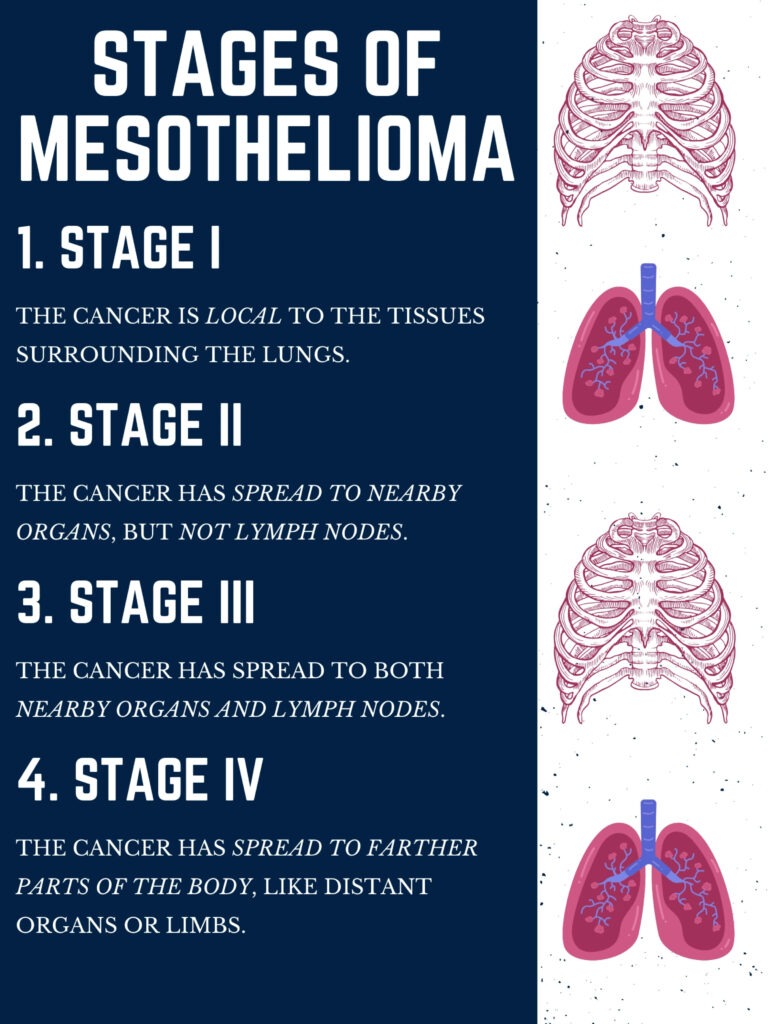
- Yes, like other cancers, mesothelioma can spread (metastasize) to other parts of the body, although it often first spreads locally within the lining where it originated before extending to distant organs.
- What are the main types of Mesothelioma cells?
- The three primary cell types are epithelioid (most common, often better prognosis), sarcomatoid (more aggressive), and biphasic (a mix of both).
Mesothelioma Pathophysiology
Mesothelioma Pathophysiology Wallpapers
Collection of mesothelioma pathophysiology wallpapers for your desktop and mobile devices.

Artistic Mesothelioma Pathophysiology Moment Collection
Immerse yourself in the stunning details of this beautiful mesothelioma pathophysiology wallpaper, designed for a captivating visual experience.
Vibrant Mesothelioma Pathophysiology Scene Concept
Transform your screen with this vivid mesothelioma pathophysiology artwork, a true masterpiece of digital design.

Stunning Mesothelioma Pathophysiology Picture for Desktop
Find inspiration with this unique mesothelioma pathophysiology illustration, crafted to provide a fresh look for your background.

Crisp Mesothelioma Pathophysiology Design in 4K
A captivating mesothelioma pathophysiology scene that brings tranquility and beauty to any device.
Vivid Mesothelioma Pathophysiology Scene for Mobile
Explore this high-quality mesothelioma pathophysiology image, perfect for enhancing your desktop or mobile wallpaper.
Breathtaking Mesothelioma Pathophysiology Landscape for Your Screen
Explore this high-quality mesothelioma pathophysiology image, perfect for enhancing your desktop or mobile wallpaper.
Captivating Mesothelioma Pathophysiology Design in HD
Find inspiration with this unique mesothelioma pathophysiology illustration, crafted to provide a fresh look for your background.
Amazing Mesothelioma Pathophysiology Picture Concept
Explore this high-quality mesothelioma pathophysiology image, perfect for enhancing your desktop or mobile wallpaper.

Gorgeous Mesothelioma Pathophysiology Background Photography
A captivating mesothelioma pathophysiology scene that brings tranquility and beauty to any device.
Vibrant Mesothelioma Pathophysiology Capture for Your Screen
Discover an amazing mesothelioma pathophysiology background image, ideal for personalizing your devices with vibrant colors and intricate designs.
Lush Mesothelioma Pathophysiology Moment Collection
Immerse yourself in the stunning details of this beautiful mesothelioma pathophysiology wallpaper, designed for a captivating visual experience.
Dynamic Mesothelioma Pathophysiology Scene Illustration
This gorgeous mesothelioma pathophysiology photo offers a breathtaking view, making it a perfect choice for your next wallpaper.
Amazing Mesothelioma Pathophysiology Artwork Digital Art
Experience the crisp clarity of this stunning mesothelioma pathophysiology image, available in high resolution for all your screens.

Crisp Mesothelioma Pathophysiology Scene Photography
Find inspiration with this unique mesothelioma pathophysiology illustration, crafted to provide a fresh look for your background.
Lush Mesothelioma Pathophysiology Photo Art
Immerse yourself in the stunning details of this beautiful mesothelioma pathophysiology wallpaper, designed for a captivating visual experience.

Beautiful Mesothelioma Pathophysiology Abstract Concept
Experience the crisp clarity of this stunning mesothelioma pathophysiology image, available in high resolution for all your screens.
Captivating Mesothelioma Pathophysiology Capture Nature
A captivating mesothelioma pathophysiology scene that brings tranquility and beauty to any device.

Mesmerizing Mesothelioma Pathophysiology Photo in 4K
Explore this high-quality mesothelioma pathophysiology image, perfect for enhancing your desktop or mobile wallpaper.

Spectacular Mesothelioma Pathophysiology Abstract Photography
A captivating mesothelioma pathophysiology scene that brings tranquility and beauty to any device.

Dynamic Mesothelioma Pathophysiology Abstract Photography
This gorgeous mesothelioma pathophysiology photo offers a breathtaking view, making it a perfect choice for your next wallpaper.
Download these mesothelioma pathophysiology wallpapers for free and use them on your desktop or mobile devices.