Understanding 1Ac Diabetes: Your Friendly Guide to the A1C Test
If you've recently been diagnosed with diabetes or are trying to understand your long-term blood sugar management, you've likely heard terms like A1C, HbA1c, or perhaps even "1Ac Diabetes." While "1Ac" is often a shorthand or slight misspelling, it refers to the crucial A1C test that provides a detailed picture of your glucose control.
This test is one of the most important tools your healthcare team uses. It doesn't just tell you what your blood sugar is right now; it reveals your average blood sugar level over the past two to three months. Ready to decode what these numbers mean and how you can actively manage them? Let's dive in.
Decoding the A1C Test: What Does 1Ac Diabetes Really Mean?
When we talk about "1Ac Diabetes," we are talking about how diabetes is monitored using the hemoglobin A1c (HbA1c) test. This simple blood test measures the percentage of your red blood cells that have sugar (glucose) attached to them. This process is called glycation.
Because red blood cells live for about three months, the test gives a fantastic long-term average. Think of it as a comprehensive report card rather than just a pop quiz.
The Science Behind HbA1c
Hemoglobin is a protein inside your red blood cells responsible for carrying oxygen. When sugar enters your bloodstream, it naturally binds to this hemoglobin. The higher your blood sugar levels have been over time, the more glucose sticks to the hemoglobin.
The A1C test then reports this binding as a percentage. For instance, an A1C of 7% means 7% of your hemoglobin is coated in sugar. Understanding this basic science helps us appreciate why consistent management is so critical for "1Ac Diabetes" control.
Why the A1C is Better Than Daily Tests
Daily glucose tests—those quick finger pokes—are essential for immediate decision-making, such as dosing insulin or responding to a low. However, they only offer a snapshot of that exact moment.
The A1C test offers stability and perspective. It prevents doctors and patients from being misled by a few days of perfect eating leading up to a check-up. Here are some key benefits of monitoring your 1Ac Diabetes status with this test:
- It reflects true long-term glucose control.
- It predicts the risk of developing diabetes complications (like nerve and kidney damage).
- It helps fine-tune medication and lifestyle plans based on sustained results.
- It is less susceptible to daily stress, diet fluctuations, or temporary illness.
Understanding Your 1Ac Numbers
The most confusing part of dealing with "1Ac Diabetes" is understanding what the numbers actually mean in real life. These results are typically reported as a percentage, but your doctor may also translate that into an Estimated Average Glucose (eAG) reading, which uses the familiar mg/dL units.
Target Ranges and What They Indicate
Target ranges can vary based on your age, whether you have other health conditions, and how long you've had diabetes. However, there are general guidelines used to diagnose and manage 1Ac Diabetes.
- **Normal Range (No Diabetes):** Below 5.7%. This indicates excellent blood sugar control over the past months.
- **Pre-diabetes:** 5.7% to 6.4%. This is a crucial warning zone, suggesting blood sugar levels are elevated but not yet high enough for a full diabetes diagnosis.
- **Diabetes Diagnosis:** 6.5% and above.
- **Typical Target for Managed Diabetes:** Below 7.0%. For many adults, achieving and maintaining an A1C below 7% is the primary goal to prevent long-term complications.
Always discuss your personal A1C goal with your doctor. Some elderly patients or those with severe hypoglycemia risk might have a slightly higher, individualized target.
High vs. Low 1Ac Scores
A high A1C (above 8% or 9%) signals that your body has been running on consistently high sugar levels. This significantly increases your risk for complications such as cardiovascular disease, neuropathy (nerve damage), and kidney failure.
Conversely, a score that is too low (sometimes below 6.0-6.5%) might suggest successful management, but it could also mean you are experiencing frequent low blood sugar episodes (hypoglycemia). This is why balance is key when managing 1Ac Diabetes; you want control, not drastic swings.
If your results are outside the target range, your doctor will likely recommend adjusting medications, diet, or exercise to help bring your numbers back into a safer zone.
Practical Steps for Managing Your 1Ac Diabetes Score
The good news is that your 1Ac is not set in stone. Because it reflects your average sugar levels over the past three months, consistent positive changes now will directly impact your next test result.
Managing your A1C involves a combination of medication adherence, smart eating, and regular physical activity. Consistency in these areas is the biggest factor in seeing improvement.
Lifestyle Changes That Impact A1C
Controlling "1Ac Diabetes" means making daily choices that support stable blood sugar. These changes don't have to be drastic, but they must be sustainable over time.
Diet and Nutrition Strategies
What you eat is arguably the most significant lever you can pull to lower your A1C. Focus on foods that stabilize glucose rather than causing rapid spikes.
This doesn't mean eliminating all carbohydrates, but rather choosing high-fiber, complex carbs and pairing them with healthy fats and proteins. Portion control is also non-negotiable.
Key dietary adjustments include:
- Prioritizing whole foods (vegetables, lean meats, whole grains).
- Reducing intake of refined sugars and sugary drinks.
- Monitoring carbohydrate intake consistently (carb counting or consistent carb schedules).
- Increasing soluble and insoluble fiber intake.
The Role of Physical Activity
Exercise is a powerhouse for A1C reduction. When you move, your muscles use glucose for energy, pulling it directly from your bloodstream. This action naturally lowers your sugar levels, even without the help of insulin.
Aim for a mix of aerobic activities (like brisk walking, swimming, or cycling) and strength training. Even 30 minutes of moderate activity most days of the week can yield significant improvements in your 1Ac Diabetes management.
Working Closely with Your Healthcare Team
Medication, whether oral drugs or injected insulin, plays a critical role in reaching your A1C goals. It is vital to take your medicine exactly as prescribed and never adjust doses without consulting your doctor.
Regular appointments with an endocrinologist, a certified diabetes care and education specialist (CDCES), and a dietitian are essential. These professionals can tailor your plan based on your latest 1Ac results and help you navigate the complexities of managing "1Ac Diabetes" successfully.
Conclusion
Understanding "1Ac Diabetes" simply means understanding the importance of the A1C test. This powerful measurement offers a transparent look at how well you have been managing your blood sugar over the long haul.
By focusing on consistent healthy eating, regular exercise, and strict adherence to your medical plan, you can confidently lower your A1C score and significantly reduce the risk of diabetes complications. Take control of your numbers today—your future health depends on it!
Frequently Asked Questions (FAQ) about the A1C Test
- What is the difference between A1C and HbA1c?
- There is no difference. HbA1c (Hemoglobin A1c) is the full, scientific name for the test, while A1C is the common abbreviation. The term "1Ac Diabetes" simply refers to the condition as monitored by this test.
- How often should I get my A1C checked?
- If your diabetes is well-controlled and stable, your doctor may recommend testing every six months. If your 1Ac score is above target or if you have recently changed medications, testing may be required every three months until levels stabilize.
- Can stress affect my A1C score?
- Indirectly, yes. Stress causes your body to release hormones that can raise blood sugar levels. If you experience chronic, unmanaged stress over weeks or months, it can certainly contribute to a higher average A1C score.
- If I crash diet before the test, will it lower my A1C?
- No. Because the A1C measures the average blood sugar level over the previous 90 days, changes made just a few days or even a week before the test will have minimal impact on the overall result. Consistent, long-term effort is key to improving your 1Ac Diabetes score.
- Are there conditions that make the A1C test inaccurate?
- Yes, certain conditions can affect the test. These include severe anemia, recent significant blood loss, kidney failure, or certain types of inherited blood disorders (like sickle cell trait). If you have one of these conditions, your doctor may use alternative monitoring methods.
1Ac Diabetes
1Ac Diabetes Wallpapers
Collection of 1ac diabetes wallpapers for your desktop and mobile devices.

Amazing 1ac Diabetes Artwork for Mobile
Experience the crisp clarity of this stunning 1ac diabetes image, available in high resolution for all your screens.

Beautiful 1ac Diabetes Wallpaper in 4K
Discover an amazing 1ac diabetes background image, ideal for personalizing your devices with vibrant colors and intricate designs.

Spectacular 1ac Diabetes Image Nature
This gorgeous 1ac diabetes photo offers a breathtaking view, making it a perfect choice for your next wallpaper.

Serene 1ac Diabetes View Nature
Experience the crisp clarity of this stunning 1ac diabetes image, available in high resolution for all your screens.

Exquisite 1ac Diabetes Photo Nature
Find inspiration with this unique 1ac diabetes illustration, crafted to provide a fresh look for your background.
Breathtaking 1ac Diabetes View Illustration
Transform your screen with this vivid 1ac diabetes artwork, a true masterpiece of digital design.
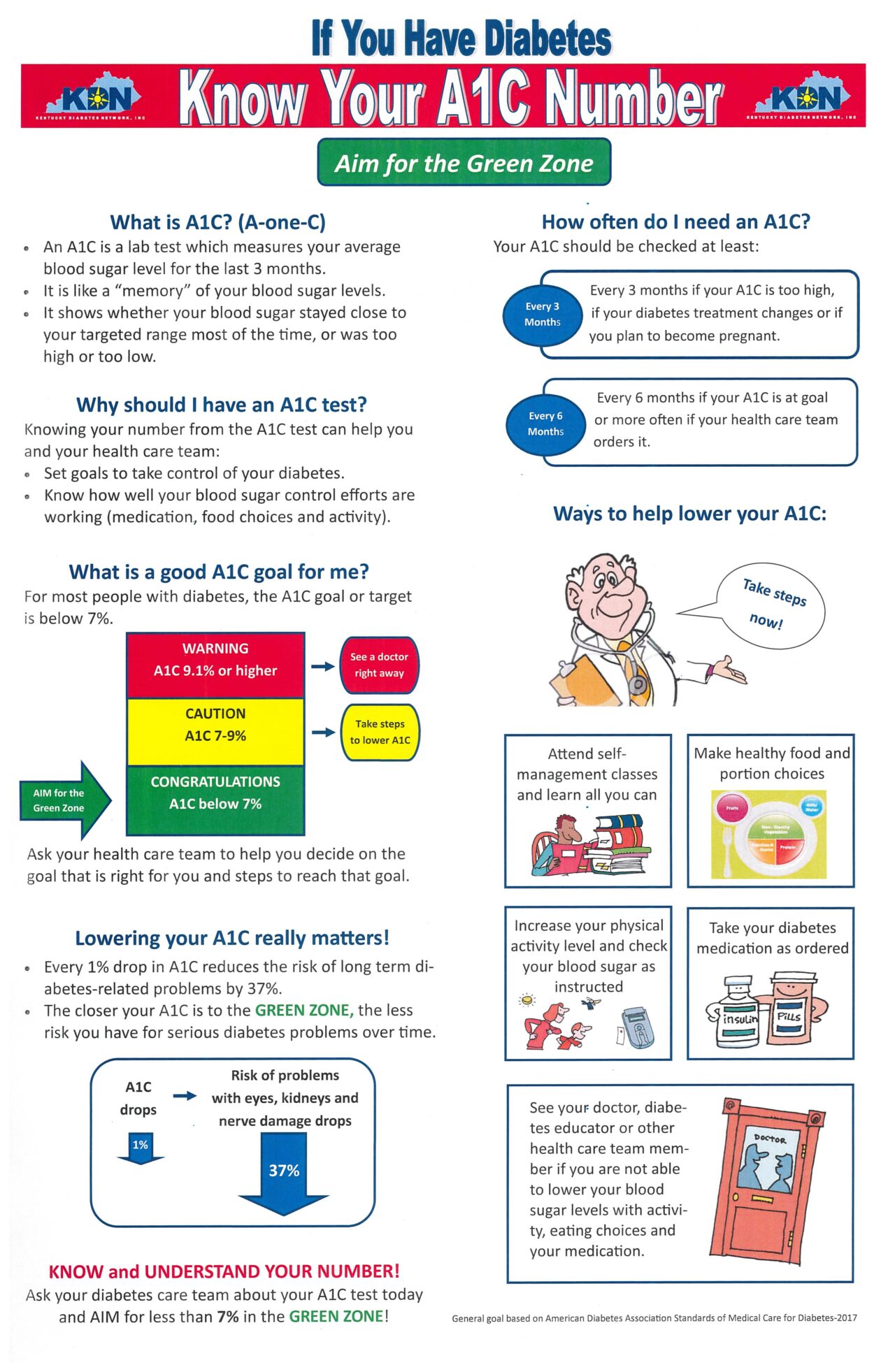
Spectacular 1ac Diabetes Wallpaper Illustration
A captivating 1ac diabetes scene that brings tranquility and beauty to any device.

Breathtaking 1ac Diabetes Landscape Photography
Transform your screen with this vivid 1ac diabetes artwork, a true masterpiece of digital design.

Detailed 1ac Diabetes Wallpaper in HD
Explore this high-quality 1ac diabetes image, perfect for enhancing your desktop or mobile wallpaper.
Exquisite 1ac Diabetes Image Concept
A captivating 1ac diabetes scene that brings tranquility and beauty to any device.

Vivid 1ac Diabetes Photo in 4K
Explore this high-quality 1ac diabetes image, perfect for enhancing your desktop or mobile wallpaper.

Mesmerizing 1ac Diabetes Picture Illustration
Experience the crisp clarity of this stunning 1ac diabetes image, available in high resolution for all your screens.
:max_bytes(150000):strip_icc()/A1CLevels_final-b7bc709b6a5f4653b9a3497caec75016.png "Captivating 1ac Diabetes View Art")
Captivating 1ac Diabetes View Art
Find inspiration with this unique 1ac diabetes illustration, crafted to provide a fresh look for your background.

High-Quality 1ac Diabetes Capture Art
Transform your screen with this vivid 1ac diabetes artwork, a true masterpiece of digital design.

High-Quality 1ac Diabetes Scene Illustration
Explore this high-quality 1ac diabetes image, perfect for enhancing your desktop or mobile wallpaper.

Gorgeous 1ac Diabetes Abstract Digital Art
A captivating 1ac diabetes scene that brings tranquility and beauty to any device.

High-Quality 1ac Diabetes Picture Digital Art
Discover an amazing 1ac diabetes background image, ideal for personalizing your devices with vibrant colors and intricate designs.

Spectacular 1ac Diabetes Wallpaper Photography
Immerse yourself in the stunning details of this beautiful 1ac diabetes wallpaper, designed for a captivating visual experience.

Crisp 1ac Diabetes Photo Illustration
Immerse yourself in the stunning details of this beautiful 1ac diabetes wallpaper, designed for a captivating visual experience.

Dynamic 1ac Diabetes Picture in HD
Find inspiration with this unique 1ac diabetes illustration, crafted to provide a fresh look for your background.
Download these 1ac diabetes wallpapers for free and use them on your desktop or mobile devices.