Diabetes How To Treat: Your Complete Guide to Taking Control
If you or a loved one has recently been diagnosed, the question "Diabetes how to treat?" is probably top of mind. It's understandable to feel overwhelmed, but we want you to know that living a healthy, full life with diabetes is absolutely achievable. Treatment isn't a one-size-fits-all approach; it's a personalized journey combining lifestyle adjustments, careful monitoring, and, when necessary, medication.
This guide will walk you through the essential steps for managing both Type 1 and Type 2 diabetes. We'll break down complex medical jargon into easy-to-digest information, ensuring you feel confident and prepared to partner with your healthcare team.
Understanding the Basics of Diabetes Treatment
At its core, diabetes treatment aims to keep your blood sugar levels within a target range determined by your doctor. Managing this chronic condition requires consistent daily effort. When seeking advice on Diabetes how to treat, remember that the core pillars are diet, exercise, medication, and regular monitoring.
Ignoring high blood sugar (hyperglycemia) can lead to serious long-term complications, affecting the heart, kidneys, nerves, and eyes. Conversely, properly controlling your blood sugar significantly reduces these risks, allowing you to maintain a high quality of life for decades to come.
The Role of Lifestyle Changes in Diabetes Management
For many people, particularly those with Type 2 diabetes, lifestyle modifications are the most potent tools in their treatment arsenal. These changes aren't temporary fixes; they are essential components of your long-term health plan.
Diet: Your First Line of Defense
What you eat directly impacts your blood glucose levels. Focusing on balanced nutrition, rather than restrictive dieting, is key. Think of food as fuel that needs to be managed strategically.
Working with a registered dietitian specializing in diabetes (RDN) is highly recommended. They can help you create a meal plan tailored to your preferences and specific medical needs.
Core dietary strategies include:
- Carbohydrate Counting: Learning how many carbs are in your meals helps you dose insulin or adjust medication effectively.
- Choosing Complex Carbs: Opt for whole grains, beans, and vegetables, which are high in fiber and release glucose slowly.
- Limiting Sugary Drinks and Processed Foods: These cause rapid blood sugar spikes.
- Incorporating Lean Protein and Healthy Fats: These help keep you full and stabilize blood sugar between meals.
Physical Activity and Blood Sugar
Exercise is incredibly beneficial because it makes your body more sensitive to insulin. When you are active, your muscles use glucose for energy, automatically lowering the glucose concentration in your blood.
The general recommendation is 150 minutes of moderate-intensity activity per week. This doesn't mean grueling gym sessions; it could be brisk walking, cycling, or swimming.
- Start small—even 10 minutes of walking after dinner makes a difference.
- Check your blood sugar before and after exercise, especially when starting a new routine, to prevent hypoglycemia (low blood sugar).
- Aim to include resistance training (like lifting weights) a few times a week, as building muscle mass further improves insulin sensitivity.
Medical Management and Medications: Diabetes How To Treat Effectively
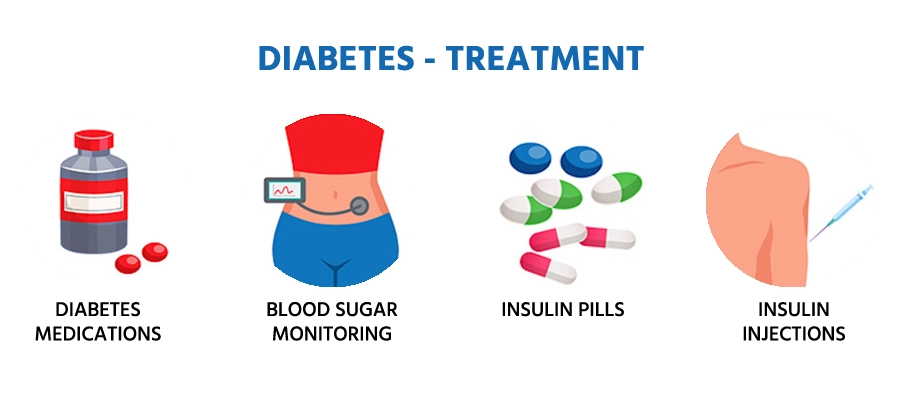
While lifestyle changes are crucial, most individuals require medication to effectively manage their blood sugar over time. The type of medication depends heavily on the specific type of diabetes you have and how much insulin your body is still producing.
Diabetes How To Treat Type 2: Oral and Injectable Non-Insulin Drugs
For Type 2 diabetes, treatment typically starts with oral medications designed to improve how your body uses insulin or reduce glucose production in the liver. Metformin is often the first-line treatment due to its effectiveness and proven track record.
Other popular medication classes include:
- Sulfonylureas: These stimulate the pancreas to make more insulin (e.g., glipizide, glyburide).
- DPP-4 Inhibitors: These help lower blood sugar without causing weight gain (e.g., sitagliptin).
- SGLT2 Inhibitors: These work by prompting the kidneys to remove sugar from the body through urine. They are also beneficial for heart and kidney health (e.g., canagliflozin, empagliflozin).
- GLP-1 Receptor Agonists: Injectable medications that slow digestion and boost insulin production when blood sugar is high. These often lead to weight loss and improved heart outcomes (e.g., liraglutide, semaglutide).
Insulin Therapy: A Closer Look
Insulin is essential for everyone with Type 1 diabetes, as their pancreas produces little to no insulin. Many people with Type 2 diabetes also eventually require insulin if oral medications no longer provide adequate control. Do not view needing insulin as a failure; it is simply a progression of the disease.
There are several types of insulin, categorized by how quickly they act and how long they last:
Rapid-Acting Insulin
Taken just before meals to cover the carbohydrate intake. Examples include Humalog, Novolog, and Apidra. They start working almost immediately and peak quickly.
Long-Acting (Basal) Insulin
Provides a steady background level of insulin for 18–24 hours, keeping blood sugar stable overnight and between meals. Examples include Lantus, Levemir, and Tresiba. This is the foundation of many insulin regimens.
Monitoring and Emotional Health
Effective management means constantly gathering data. Your blood sugar numbers tell the story of how your body is reacting to food, medication, stress, and activity.
Mastering Blood Sugar Monitoring
How often you check your blood sugar depends on your treatment plan. Those using insulin may check multiple times per day. Others may check once daily or less often.
Many people now benefit from Continuous Glucose Monitors (CGMs). These devices eliminate the need for frequent finger pricks by measuring glucose levels in interstitial fluid every few minutes. CGMs offer real-time data and alarms, providing invaluable insights into glucose trends and fluctuations.
Furthermore, regular A1C testing (every 3-6 months) provides an average blood sugar level over the past three months. This measurement is crucial for determining the overall success of your current treatment plan.
Mental Health Matters Too
Managing diabetes is relentless, and it's common to experience feelings of stress, frustration, or burnout. This condition, often called "diabetes distress," can affect your adherence to treatment plans. It is crucial to address this component of your health.
Don't hesitate to seek support. Talk to your family, join a local support group, or consult a therapist who specializes in chronic illnesses. Mental well-being is integral to answering Diabetes how to treat successfully.
Conclusion: Taking the Next Step in Treating Diabetes
Understanding Diabetes how to treat is the first huge step toward empowerment. Whether you manage Type 1 or Type 2 diabetes, remember that the cornerstone of successful treatment involves active participation, careful lifestyle choices, and consistent monitoring. There are more tools, medications, and technologies available now than ever before.
The best treatment plan is always a collaboration. Maintain open communication with your endocrinologist, primary care provider, and diabetes educator. By staying informed and consistent, you can minimize the impact of diabetes and enjoy a thriving life.
Frequently Asked Questions (FAQ)
- What is the most common medication used for Type 2 diabetes?
- The most common first-line medication is Metformin. It works primarily by decreasing glucose production in the liver and increasing insulin sensitivity.
- Can Type 2 diabetes be cured solely through diet and exercise?
- While Type 2 diabetes currently has no cure, significant lifestyle changes (diet, exercise, and weight loss) can often lead to remission, where blood sugar levels return to normal range without medication. However, consistent lifestyle adherence is essential to maintain remission.
- How often should I see my doctor if I have diabetes?
- Typically, you should see your doctor or endocrinologist every 3 to 6 months for check-ups and A1C tests. You also need annual comprehensive exams, including dilated eye exams and foot checks.
- What is the target A1C level for most adults?
- The target A1C level for most non-pregnant adults is below 7%. However, personalized goals vary based on age, other existing health conditions, and risk of hypoglycemia. Always confirm your specific target with your healthcare team.
- Is stress truly related to blood sugar control?
- Yes, absolutely. When the body is stressed, it releases hormones like cortisol, which prompt the liver to release more glucose for energy, leading to temporary spikes in blood sugar. Managing stress is a key, often overlooked, part of figuring out Diabetes how to treat.
Diabetes How To Treat
Diabetes How To Treat Wallpapers
Collection of diabetes how to treat wallpapers for your desktop and mobile devices.

Spectacular Diabetes How To Treat Scene Nature
This gorgeous diabetes how to treat photo offers a breathtaking view, making it a perfect choice for your next wallpaper.

Vibrant Diabetes How To Treat Design Concept
Experience the crisp clarity of this stunning diabetes how to treat image, available in high resolution for all your screens.
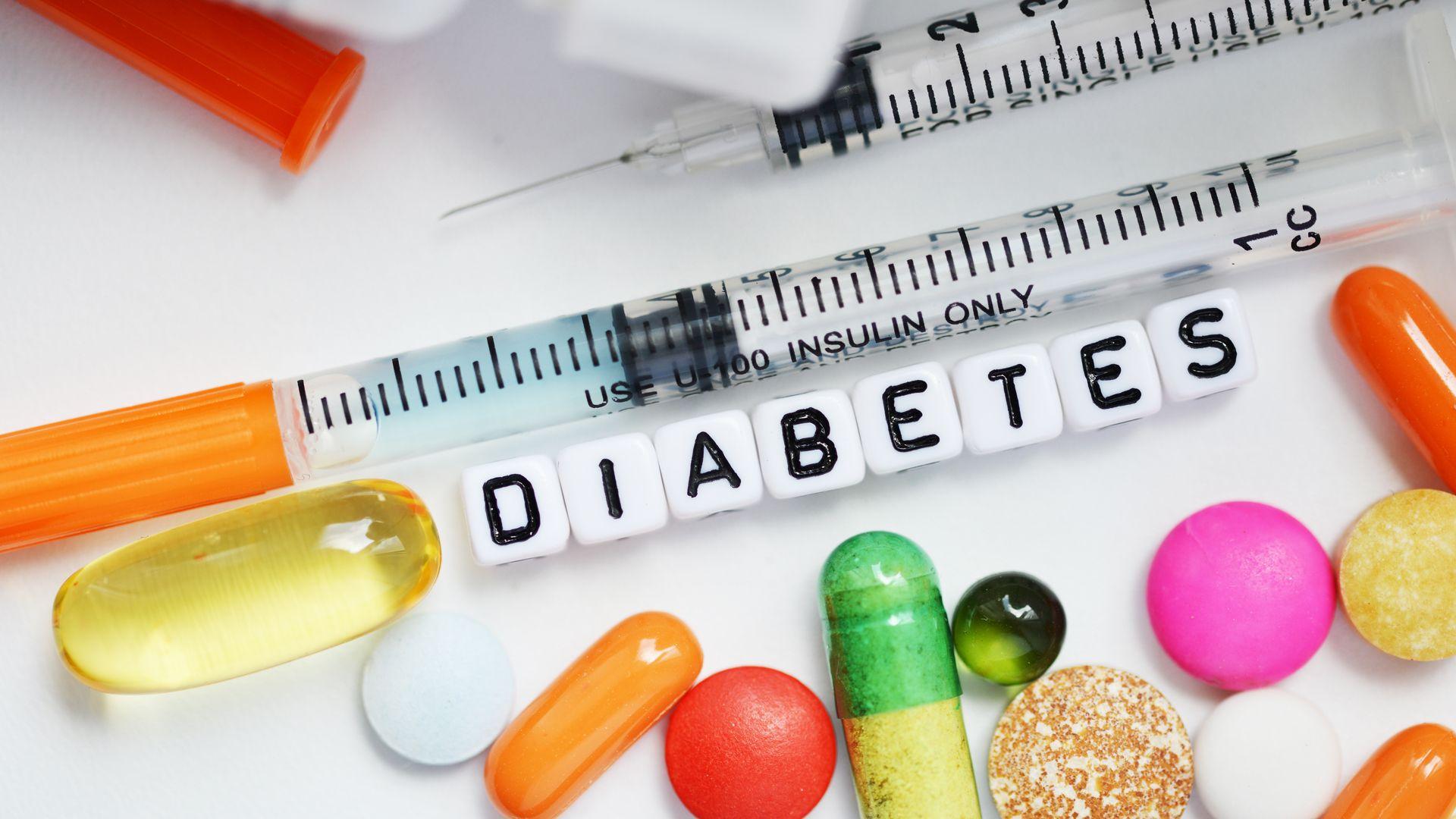
High-Quality Diabetes How To Treat Photo Collection
Experience the crisp clarity of this stunning diabetes how to treat image, available in high resolution for all your screens.

Breathtaking Diabetes How To Treat Landscape Photography
Transform your screen with this vivid diabetes how to treat artwork, a true masterpiece of digital design.
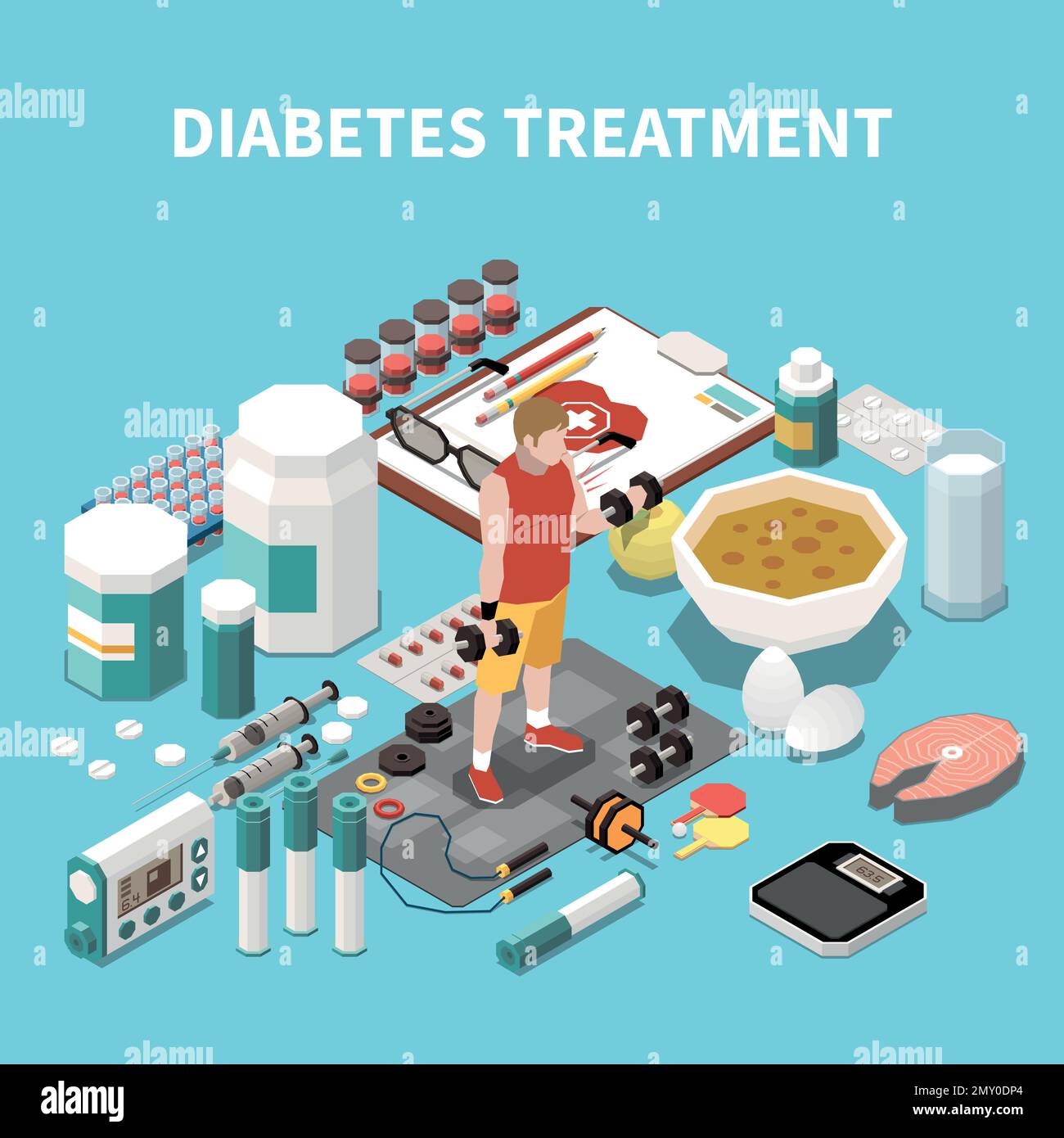
Artistic Diabetes How To Treat Abstract Illustration
A captivating diabetes how to treat scene that brings tranquility and beauty to any device.

Lush Diabetes How To Treat Artwork Photography
A captivating diabetes how to treat scene that brings tranquility and beauty to any device.

Amazing Diabetes How To Treat Landscape in 4K
Explore this high-quality diabetes how to treat image, perfect for enhancing your desktop or mobile wallpaper.

Amazing Diabetes How To Treat Artwork for Mobile
Experience the crisp clarity of this stunning diabetes how to treat image, available in high resolution for all your screens.
Serene Diabetes How To Treat Scene in HD
Explore this high-quality diabetes how to treat image, perfect for enhancing your desktop or mobile wallpaper.
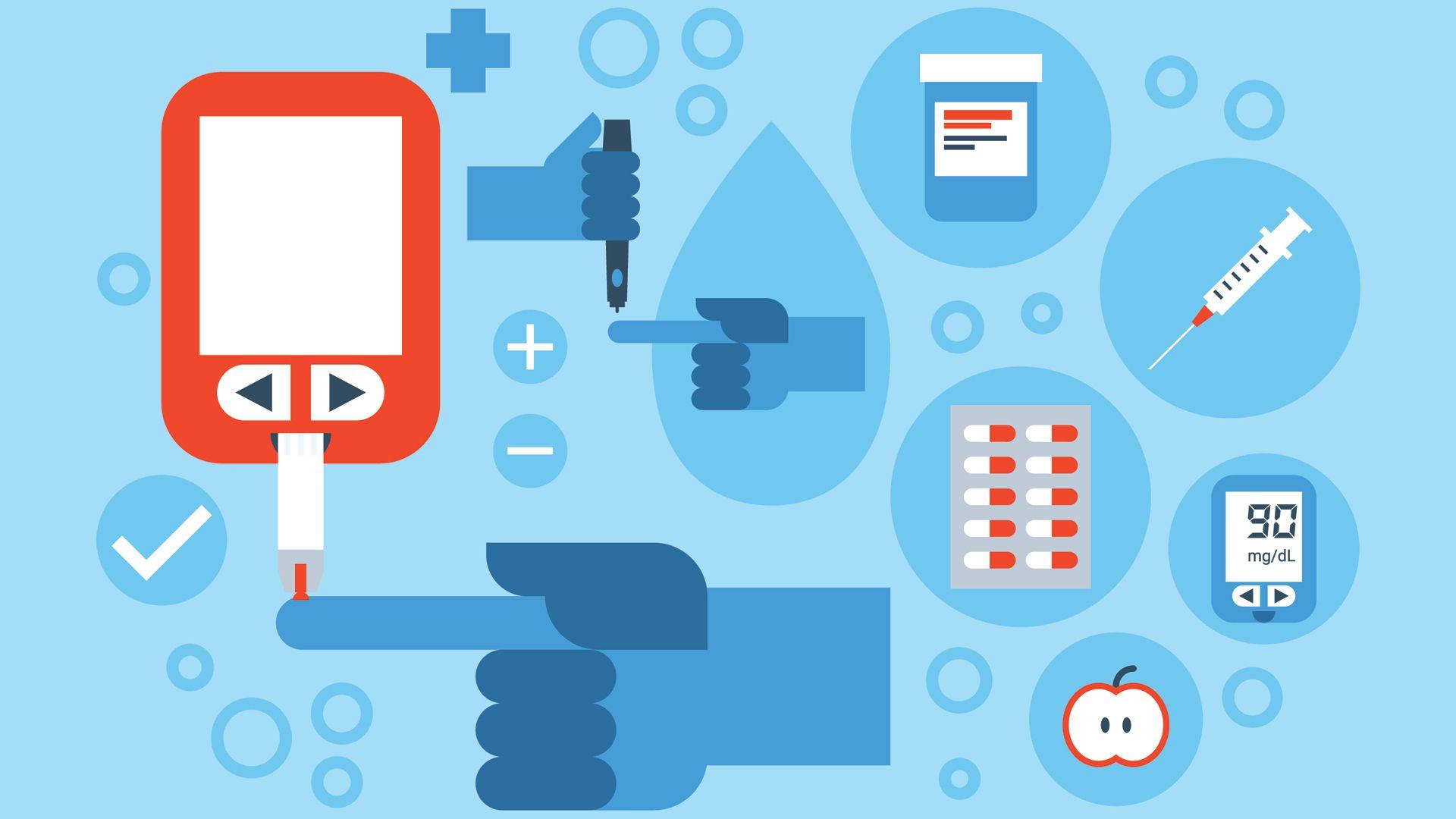
Breathtaking Diabetes How To Treat View in 4K
Explore this high-quality diabetes how to treat image, perfect for enhancing your desktop or mobile wallpaper.
High-Quality Diabetes How To Treat Capture Art
Transform your screen with this vivid diabetes how to treat artwork, a true masterpiece of digital design.

High-Quality Diabetes How To Treat Scene Illustration
Explore this high-quality diabetes how to treat image, perfect for enhancing your desktop or mobile wallpaper.

Serene Diabetes How To Treat Scene Art
Transform your screen with this vivid diabetes how to treat artwork, a true masterpiece of digital design.

Beautiful Diabetes How To Treat Wallpaper for Your Screen
Transform your screen with this vivid diabetes how to treat artwork, a true masterpiece of digital design.
Dynamic Diabetes How To Treat Photo Collection
A captivating diabetes how to treat scene that brings tranquility and beauty to any device.
Mesmerizing Diabetes How To Treat Abstract for Your Screen
Explore this high-quality diabetes how to treat image, perfect for enhancing your desktop or mobile wallpaper.
Vivid Diabetes How To Treat Background Collection
Discover an amazing diabetes how to treat background image, ideal for personalizing your devices with vibrant colors and intricate designs.

Serene Diabetes How To Treat View Nature
Experience the crisp clarity of this stunning diabetes how to treat image, available in high resolution for all your screens.

Mesmerizing Diabetes How To Treat Scene Nature
Transform your screen with this vivid diabetes how to treat artwork, a true masterpiece of digital design.
High-Quality Diabetes How To Treat View Art
Transform your screen with this vivid diabetes how to treat artwork, a true masterpiece of digital design.
Download these diabetes how to treat wallpapers for free and use them on your desktop or mobile devices.