Diabetes Pediatric Guidelines: Everything You Need to Know (The Friendly Guide)
Finding out your child has diabetes can feel overwhelming. It's a huge adjustment, and suddenly, you're navigating a world of blood sugar checks, insulin doses, and carbohydrate counting. But take a deep breath! You are not alone. This comprehensive and friendly guide breaks down the essential Diabetes Pediatric Guidelines to help you manage this journey with confidence and knowledge.
These guidelines are constantly evolving, built on the latest research to ensure your child lives a healthy, happy, and fulfilling life. We aim to translate complex medical advice into practical steps that fit your family's routine. Let's dive into the core principles endorsed by leading pediatric endocrinology organizations.
Understanding Type 1 Diabetes in Children
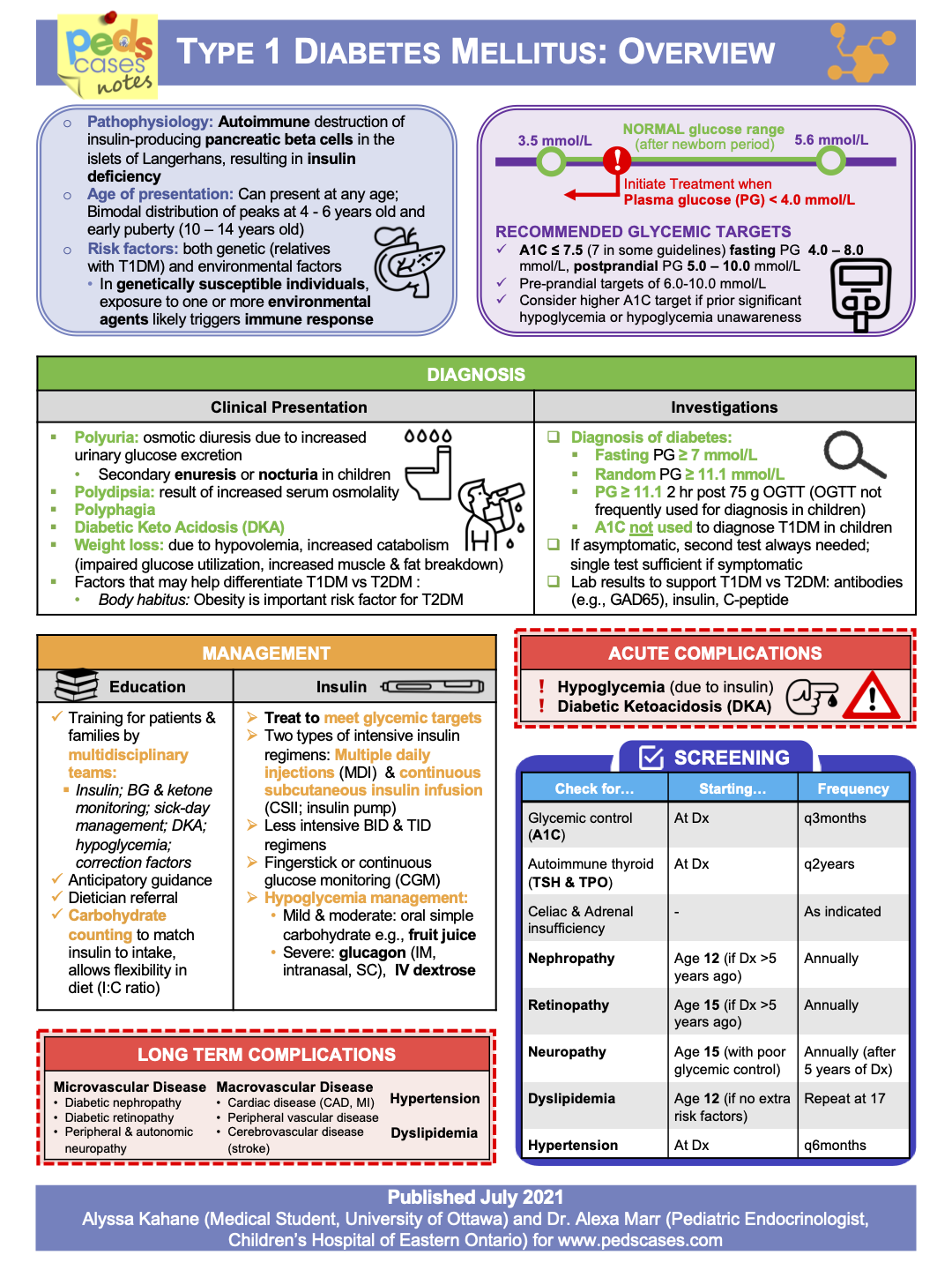
When we talk about childhood diabetes, we are usually referring to Type 1 Diabetes (T1D). This is an autoimmune condition where the body mistakenly attacks the insulin-producing cells in the pancreas. Insulin is vital because it allows glucose (sugar) to enter the cells for energy.
Without insulin, sugar builds up in the bloodstream, leading to hyperglycemia. Recognizing the signs early is crucial, which is why parent education and immediate intervention are a key part of all modern Diabetes Pediatric Guidelines.
Initial Diagnosis and Immediate Steps
The initial period following diagnosis, often called the 'honeymoon phase' or the stabilization period, requires intensive education and emotional support. Your medical team will focus on stabilizing blood sugars and teaching you the fundamentals of management, ensuring safety first.
The immediate steps outlined in standard clinical guidelines include:
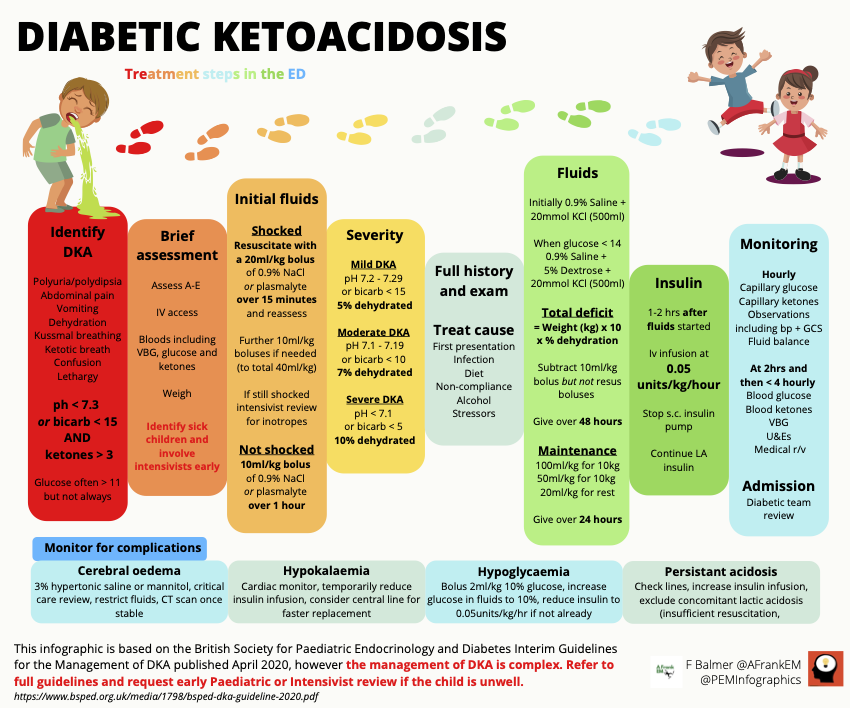
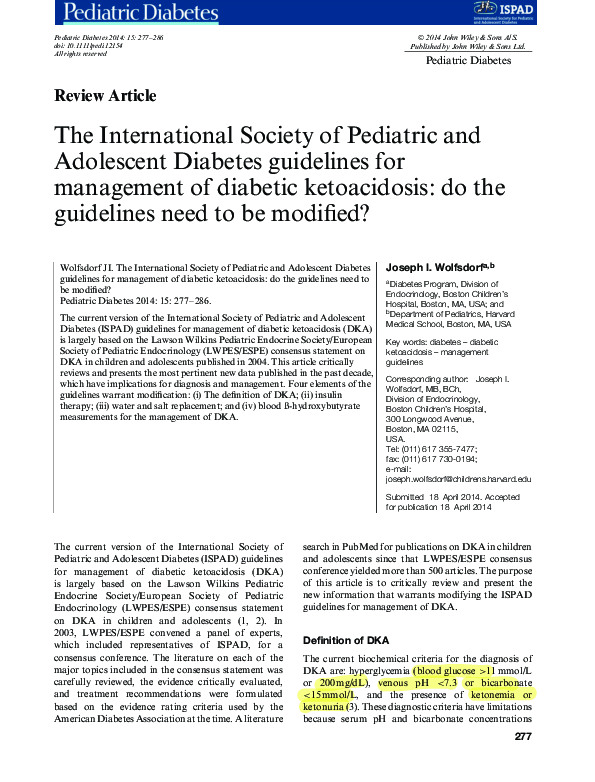
- Emergency Treatment: Promptly addressing any DKA (Diabetic Ketoacidosis) if the child presents in crisis.
- Insulin Education: Thorough training on how to safely administer insulin, whether through injections (pens/syringes) or insulin pump therapy.
- Hypoglycemia Management: Comprehensive training for parents and caregivers on recognizing the symptoms and appropriate treatment for low blood sugar.
- Developing a Routine: Establishing consistency in testing schedules, medication times, and meal structures to improve control.
These initial steps lay the groundwork for long-term adherence to the comprehensive Diabetes Pediatric Guidelines your care team provides.
Core Pillars of Modern Diabetes Pediatric Guidelines
Effective diabetes management relies on a holistic approach involving cutting-edge technology, personalized metabolic targets, and strong family support. The ultimate goal is achieving optimal glycemic control, which means keeping blood sugars in a safe range without imposing excessive management burden or causing undue fear of hypoglycemia.
Current Diabetes Pediatric Guidelines emphasize tight control, often defined by Time in Range (TIR), rather than solely focusing on the A1C metric. This shift recognizes the critical importance of preventing both dangerous highs and lows throughout the day and night.
Goal Setting: Blood Glucose Targets
While targets are highly individualized based on the child's age, ability to communicate symptoms, and history of severe hypoglycemia, general targets provide a framework for success. Your child's care team will help set appropriate A1C and TIR goals designed specifically for them.
The standard targets for most school-age children and adolescents, as per international Diabetes Pediatric Guidelines, are:
- A1C Target: Generally below 7.0%. Some guidelines suggest 6.5% for adolescents if it can be achieved safely without increased hypoglycemia.
- Time in Range (TIR): Aiming for 70% or more of the time spent between 70–180 mg/dL (3.9–10.0 mmol/L).
- Hypoglycemia Prevention: Time spent below 70 mg/dL should be less than 4% overall.
The focus on TIR is pivotal because it offers a more immediate and actionable snapshot of daily control compared to the three-month average provided by A1C.
Continuous Glucose Monitoring (CGM) Benefits
Technology has profoundly revolutionized T1D management, especially for children. Current guidelines strongly recommend the use of CGM systems for virtually all pediatric patients with T1D, regardless of whether they use injections or an insulin pump.
CGM provides essential trend arrows and real-time data, enabling parents and children to make proactive adjustments to prevent dangerous highs or lows before they happen. It is an indispensable tool for achieving the ambitious Time in Range goals set out in the current Diabetes Pediatric Guidelines.
Insulin Management Strategies
Whether your child utilizes Multiple Daily Injections (MDI) or Continuous Subcutaneous Insulin Infusion (CSII via pump), the core management principle remains the same: matching insulin needs precisely to food intake, physical activity, and ever-changing basal requirements.
Many families are now adopting Hybrid Closed-Loop Systems (HCLs), often referred to as "artificial pancreas systems." These advanced systems automate basal insulin delivery based on CGM readings, significantly reducing the management burden, improving overnight control, and directly aligning with guidelines emphasizing technological solutions.
Nutritional Guidance and Carb Counting
Managing pediatric diabetes does not necessitate an overly restrictive or "special" diet; rather, it requires highly accurate carbohydrate counting. Carb counting is the foundation of matching rapid-acting insulin doses to meals, giving children dietary flexibility.
It's important to emphasize that all children, including those with T1D, need a balanced diet rich in fiber, lean protein, and healthy fats for growth and development. The focus should be on consistency and precision in calculating the Carbohydrate-to-Insulin Ratio (CIR) and Insulin Sensitivity Factor (ISF).
Managing Daily Life and Preventing Complications
The reality is that T1D must integrate seamlessly into daily life, allowing the child to participate fully in school, sports, and social events. This requires proactive planning, clear communication with school staff, and focused attention on the child's overall well-being.
A crucial component of the latest Diabetes Pediatric Guidelines involves integrating routine mental health screenings into regular endocrinology visits. This recognizes the significant emotional toll that chronic disease management takes on both the child and their dedicated caregivers.
Handling Sick Days and Exercise
Two frequent variables that disrupt blood sugar control are illness and physical activity. Illness often causes blood sugars to spike significantly due to the body's release of stress hormones, requiring higher levels of insulin.
For sick days, the guideline is clear: check for ketones frequently, increase fluid intake (even if the child is nauseous), and most importantly, never withhold insulin. For physical activity, proactive planning is essential. Guidelines typically recommend reducing insulin doses or consuming supplemental carbohydrates before prolonged or intense exercise to prevent hypoglycemia.
Conclusion: Taking Control with Confidence
Navigating the complex world of Type 1 Diabetes requires dedication, persistence, and continuous learning. However, the availability of modern management technology and clearly defined Diabetes Pediatric Guidelines make effective control more achievable than ever before.
Remember that perfection in blood sugar numbers is unattainable; the true goal is consistency, adaptability, and maximizing Time in Range. Work closely with your entire healthcare team—your endocrinologist, certified diabetes care and education specialist (CDCES), and nutritionist—to tailor these standard guidelines to your child's specific developmental stage and needs. With the right support, your child can thrive.
Frequently Asked Questions (FAQ) about Diabetes Pediatric Guidelines
- What is the recommended A1C target for children?
- While highly individualized, most international Diabetes Pediatric Guidelines recommend an A1C target below 7.0%. For very young children or those with frequent severe hypoglycemia, a slightly higher target may be accepted to prioritize safety.
- Should all children with T1D use a CGM?
- Yes, current guidelines from major organizations strongly recommend Continuous Glucose Monitoring (CGM) for all children and adolescents with Type 1 Diabetes, as its use is directly linked to better Time in Range and reduced severe hypoglycemia incidents.
- How often should my child see an endocrinologist?
- It is standard practice recommended by pediatric guidelines that children with T1D have routine, comprehensive clinic visits with their entire diabetes care team every 3 to 4 months. This schedule allows for timely analysis of technology data and necessary adjustments to insulin regimens.
- What age should children start participating in their own diabetes care?
- Involvement should start early, around age 6 or 7, beginning with simple tasks like choosing the injection site or pressing buttons on the pump. Guidelines stress the importance of gradual transition toward independence, aiming for full management responsibility by late adolescence, depending on maturity.
- What is the primary focus of modern Diabetes Pediatric Guidelines?
- The primary focus has comprehensively shifted from just lowering A1C to achieving optimal Time in Range (TIR). This ensures the child spends the maximum amount of time in the target glucose range (70–180 mg/dL) while minimizing exposure to dangerous hypoglycemia.
Diabetes Pediatric Guidelines
Diabetes Pediatric Guidelines Wallpapers
Collection of diabetes pediatric guidelines wallpapers for your desktop and mobile devices.
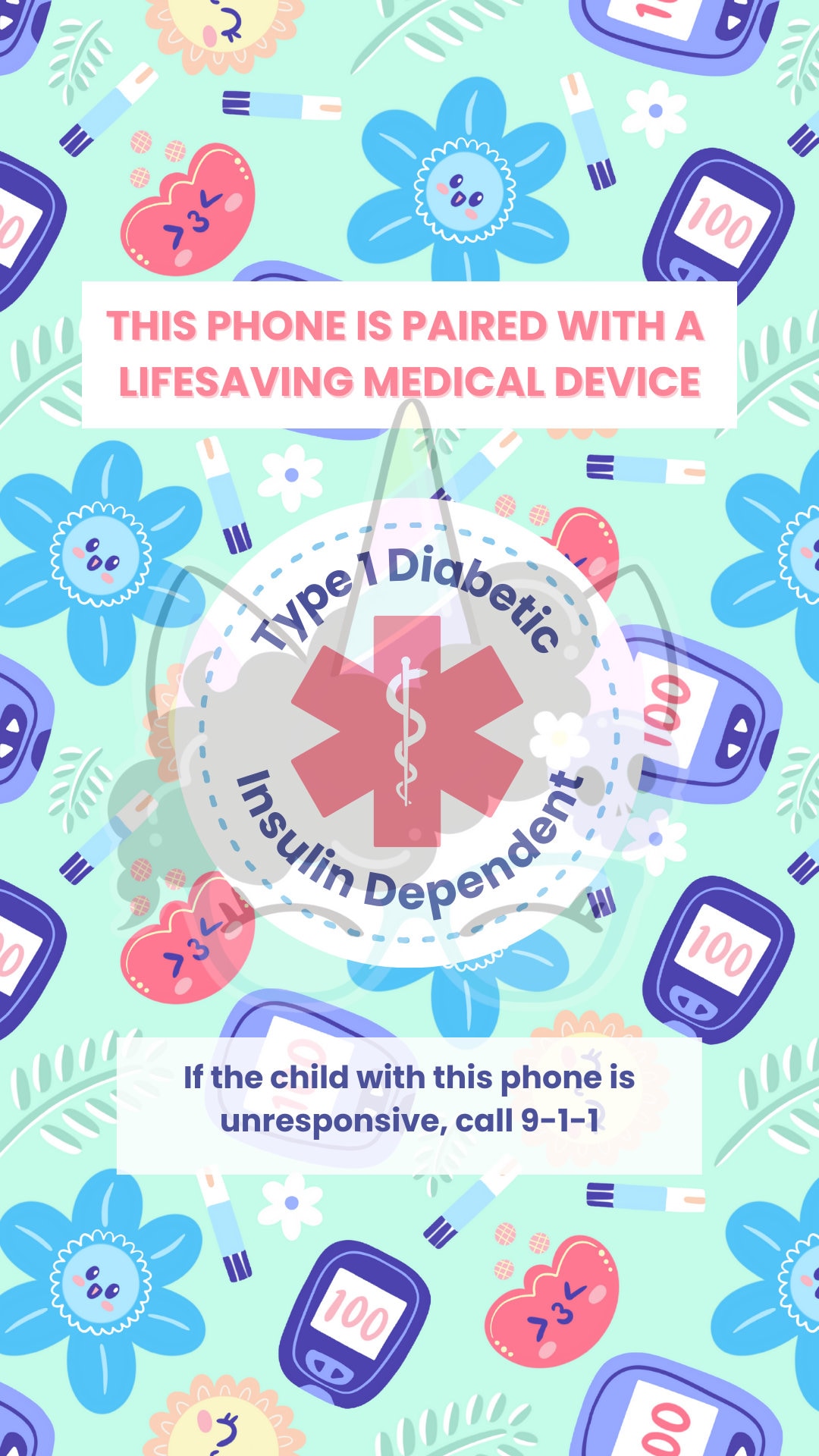
Crisp Diabetes Pediatric Guidelines Artwork for Desktop
A captivating diabetes pediatric guidelines scene that brings tranquility and beauty to any device.
Exquisite Diabetes Pediatric Guidelines Artwork for Desktop
This gorgeous diabetes pediatric guidelines photo offers a breathtaking view, making it a perfect choice for your next wallpaper.
High-Quality Diabetes Pediatric Guidelines Background Collection
Discover an amazing diabetes pediatric guidelines background image, ideal for personalizing your devices with vibrant colors and intricate designs.

Spectacular Diabetes Pediatric Guidelines View Collection
Immerse yourself in the stunning details of this beautiful diabetes pediatric guidelines wallpaper, designed for a captivating visual experience.

Captivating Diabetes Pediatric Guidelines Background Collection
Find inspiration with this unique diabetes pediatric guidelines illustration, crafted to provide a fresh look for your background.

Mesmerizing Diabetes Pediatric Guidelines Image for Desktop
Experience the crisp clarity of this stunning diabetes pediatric guidelines image, available in high resolution for all your screens.

Breathtaking Diabetes Pediatric Guidelines Scene in 4K
Transform your screen with this vivid diabetes pediatric guidelines artwork, a true masterpiece of digital design.

Stunning Diabetes Pediatric Guidelines Scene Concept
Find inspiration with this unique diabetes pediatric guidelines illustration, crafted to provide a fresh look for your background.
Gorgeous Diabetes Pediatric Guidelines Moment Art
Immerse yourself in the stunning details of this beautiful diabetes pediatric guidelines wallpaper, designed for a captivating visual experience.
Lush Diabetes Pediatric Guidelines Scene Art
Immerse yourself in the stunning details of this beautiful diabetes pediatric guidelines wallpaper, designed for a captivating visual experience.

Breathtaking Diabetes Pediatric Guidelines Design Illustration
Transform your screen with this vivid diabetes pediatric guidelines artwork, a true masterpiece of digital design.

Mesmerizing Diabetes Pediatric Guidelines Wallpaper in HD
Discover an amazing diabetes pediatric guidelines background image, ideal for personalizing your devices with vibrant colors and intricate designs.

Vivid Diabetes Pediatric Guidelines Image for Desktop
Experience the crisp clarity of this stunning diabetes pediatric guidelines image, available in high resolution for all your screens.

Amazing Diabetes Pediatric Guidelines Background Concept
Transform your screen with this vivid diabetes pediatric guidelines artwork, a true masterpiece of digital design.

Dynamic Diabetes Pediatric Guidelines Wallpaper Collection
This gorgeous diabetes pediatric guidelines photo offers a breathtaking view, making it a perfect choice for your next wallpaper.

Crisp Diabetes Pediatric Guidelines Design Illustration
Find inspiration with this unique diabetes pediatric guidelines illustration, crafted to provide a fresh look for your background.
Captivating Diabetes Pediatric Guidelines Design Digital Art
A captivating diabetes pediatric guidelines scene that brings tranquility and beauty to any device.

High-Quality Diabetes Pediatric Guidelines Capture Art
Transform your screen with this vivid diabetes pediatric guidelines artwork, a true masterpiece of digital design.
High-Quality Diabetes Pediatric Guidelines Design for Your Screen
Discover an amazing diabetes pediatric guidelines background image, ideal for personalizing your devices with vibrant colors and intricate designs.
Exquisite Diabetes Pediatric Guidelines Landscape for Mobile
Find inspiration with this unique diabetes pediatric guidelines illustration, crafted to provide a fresh look for your background.
Download these diabetes pediatric guidelines wallpapers for free and use them on your desktop or mobile devices.