Diabetes Question And Answer: Clearing Up the Confusion
Getting a diagnosis of diabetes can feel overwhelming. Suddenly, you're faced with a new language—insulin resistance, glucose monitoring, carb counting—and a million questions start buzzing in your head. You are not alone! Knowledge is your best tool in managing this condition effectively. That's why we've put together this comprehensive Diabetes Question And Answer guide, designed to be informative yet relaxed, helping you navigate the complexities of diabetes management step-by-step.
Whether you're newly diagnosed or helping a loved one understand their condition, our goal is to provide clear, actionable answers to the most common questions about diabetes, helping you feel more in control of your health journey.
Understanding the Basics: What Exactly is Diabetes?
The core concept of diabetes revolves around how your body uses sugar (glucose) for energy. Glucose comes from the food we eat and is crucial for powering our cells.
Q: How does glucose get into my cells?
A: Your pancreas produces a hormone called insulin. Think of insulin as a key that unlocks the cells to let glucose in. If you have diabetes, either your body doesn't produce enough insulin (Type 1), or the insulin it produces doesn't work effectively (insulin resistance, Type 2). When glucose can't enter the cells, it builds up in the bloodstream, leading to high blood sugar levels (hyperglycemia).
Q: Are the symptoms the same for everyone?
A: Not exactly, but there are several common warning signs. Many people experience increased thirst (polydipsia), frequent urination (polyuria), unexplained weight loss, and persistent fatigue. If you notice these symptoms, it's crucial to speak with your doctor for proper testing and diagnosis.
Common Questions About Diabetes Types
When you start exploring the topic of diabetes, you quickly realize it's not a one-size-fits-all condition. Understanding which type you have is the first step toward effective management and forming your personalized Diabetes Question And Answer strategy.
Type 1 vs. Type 2: What's the Difference?
These two types have very different origins, though they share the same outcome—high blood sugar.
- Type 1 Diabetes (T1D): This is an autoimmune condition. The body mistakenly attacks and destroys the insulin-producing cells (beta cells) in the pancreas. It typically develops in childhood or young adulthood, though it can occur at any age. People with T1D require insulin therapy for survival.
- Type 2 Diabetes (T2D): This is characterized by insulin resistance, where cells don't respond well to insulin, and the pancreas struggles to produce enough insulin to compensate. T2D is strongly linked to genetics, weight, and lifestyle factors. Management often involves diet, exercise, oral medications, and sometimes insulin.
Gestational Diabetes: Temporary or Permanent?
Gestational diabetes (GD) develops only during pregnancy when hormones interfere with insulin function. It usually resolves shortly after the baby is born. However, it is an important warning sign.
Women who have had GD have a significantly increased risk of developing Type 2 diabetes later in life, as do their children. If you had GD, regular screening is essential after delivery.
Managing Life with Diabetes: Daily Q&A
Daily management is where the rubber meets the road. It requires consistency, patience, and good habits. Let's tackle some of the most practical questions concerning lifestyle changes.
Diet and Nutrition: The Big Changes
Food is perhaps the single biggest factor influencing blood sugar levels. Knowing what to eat, and perhaps more importantly, how much, is key to excellent control.
Q: Do I have to give up all carbohydrates?
A: Absolutely not! Carbohydrates are your body's preferred energy source. The goal is not elimination, but smart choices and portion control. Focus on complex carbohydrates that are high in fiber, as they are digested slower and cause a gentler rise in blood sugar.
Good carbohydrate sources include:
- Whole grains (quinoa, oats, whole wheat).
- Legumes (beans, lentils).
- Non-starchy vegetables (broccoli, spinach, bell peppers).
- Fruits (consumed in moderation).
Q: What is "carb counting" and why is it important?
A: Carb counting involves tracking the grams of carbohydrates you consume at each meal. This is crucial for people who take insulin, as the dose is often calculated based on the number of carbs eaten. Even if you don't use insulin, managing your carb intake ensures that you stay within a healthy blood sugar range.
Exercise and Blood Sugar Monitoring: Keeping Track
Physical activity is a powerful tool in diabetes management. It helps your body become more sensitive to insulin, lowering blood sugar levels.
Q: How often should I monitor my blood sugar?
A: The frequency depends entirely on the type of diabetes you have and your treatment plan. If you are on insulin or have Type 1 diabetes, you might check 4 to 10 times a day, including before and after meals and exercise. If you manage T2D with diet or oral meds, checking once or twice a day, or even less frequently, might suffice. Always follow your doctor's specific instructions.
Q: What happens if my blood sugar gets too low during exercise?
A: Low blood sugar (hypoglycemia) is a risk, especially if you take insulin or certain oral medications. It's vital to check your sugar before exercising. If it's below 100 mg/dL, consume a small, fast-acting carbohydrate snack (like a glucose tablet or a small piece of fruit) before starting. Always carry a quick source of sugar with you when active.
Effective diabetes management is truly a partnership between you and your healthcare team. Don't be afraid to ask follow-up questions about medication side effects, targets for your A1C, and specific dietary needs.
Conclusion
Navigating life with diabetes can feel like a steep learning curve, but armed with the right information, you are fully equipped to handle it. We hope this Diabetes Question And Answer guide has clarified some of the confusion surrounding the condition, from understanding the core differences between Type 1 and Type 2, to mastering the daily rhythm of diet and monitoring.
Remember, diabetes management is a continuous process of learning and adjusting. By staying consistent with your treatment plan and maintaining an open dialogue with your healthcare providers, you can lead a long, healthy, and fulfilling life. Keep asking questions—your health depends on it!
Frequently Asked Questions (FAQ)
- What is the A1C test, and why is it important?
- The A1C test measures your average blood sugar level over the past two to three months. It gives a broader view of your glucose control than daily checks. The target A1C for most adults is typically below 7%, but your doctor may recommend a different goal based on your age and health history.
- Can stress affect my blood sugar levels?
- Yes, absolutely. Both emotional and physical stress (like an illness or injury) can cause hormone spikes that lead to insulin resistance and subsequent high blood sugar levels. Learning stress management techniques like deep breathing or meditation is an important part of your overall care plan.
- Are artificial sweeteners safe for people with diabetes?
- In moderation, most artificial sweeteners (like sucralose, aspartame, and stevia) are generally considered safe because they don't significantly raise blood sugar levels. However, experts recommend consuming them sparingly and focusing primarily on reducing overall sugar intake.
- When should I call my doctor about high blood sugar?
- If your blood sugar consistently stays above your target range, or if you have readings over 250 mg/dL accompanied by symptoms like vomiting or deep, rapid breathing, you should call your healthcare provider immediately. This could signal a serious condition like Diabetic Ketoacidosis (DKA).
- Does losing weight cure Type 2 diabetes?
- Losing a significant amount of weight and maintaining that loss can often lead to "remission" of Type 2 diabetes, where blood sugar levels return to normal without medication. While this isn't technically a "cure," it is a highly successful outcome that dramatically reduces health risks. Lifestyle changes remain critical even during remission.
Diabetes Question And Answer
Diabetes Question And Answer Wallpapers
Collection of diabetes question and answer wallpapers for your desktop and mobile devices.

Stunning Diabetes Question And Answer Moment Nature
This gorgeous diabetes question and answer photo offers a breathtaking view, making it a perfect choice for your next wallpaper.

Gorgeous Diabetes Question And Answer Photo Art
Immerse yourself in the stunning details of this beautiful diabetes question and answer wallpaper, designed for a captivating visual experience.

Stunning Diabetes Question And Answer Abstract for Desktop
Immerse yourself in the stunning details of this beautiful diabetes question and answer wallpaper, designed for a captivating visual experience.
Gorgeous Diabetes Question And Answer Abstract in HD
This gorgeous diabetes question and answer photo offers a breathtaking view, making it a perfect choice for your next wallpaper.

Exquisite Diabetes Question And Answer Artwork Photography
Find inspiration with this unique diabetes question and answer illustration, crafted to provide a fresh look for your background.
High-Quality Diabetes Question And Answer Picture for Mobile
Discover an amazing diabetes question and answer background image, ideal for personalizing your devices with vibrant colors and intricate designs.

Stunning Diabetes Question And Answer Picture Concept
Find inspiration with this unique diabetes question and answer illustration, crafted to provide a fresh look for your background.
Breathtaking Diabetes Question And Answer View Illustration
Transform your screen with this vivid diabetes question and answer artwork, a true masterpiece of digital design.

High-Quality Diabetes Question And Answer Wallpaper for Desktop
Transform your screen with this vivid diabetes question and answer artwork, a true masterpiece of digital design.

High-Quality Diabetes Question And Answer Capture Art
Transform your screen with this vivid diabetes question and answer artwork, a true masterpiece of digital design.

Crisp Diabetes Question And Answer Picture Art
A captivating diabetes question and answer scene that brings tranquility and beauty to any device.

Exquisite Diabetes Question And Answer Photo Collection
This gorgeous diabetes question and answer photo offers a breathtaking view, making it a perfect choice for your next wallpaper.

Stunning Diabetes Question And Answer Scene Art
Immerse yourself in the stunning details of this beautiful diabetes question and answer wallpaper, designed for a captivating visual experience.
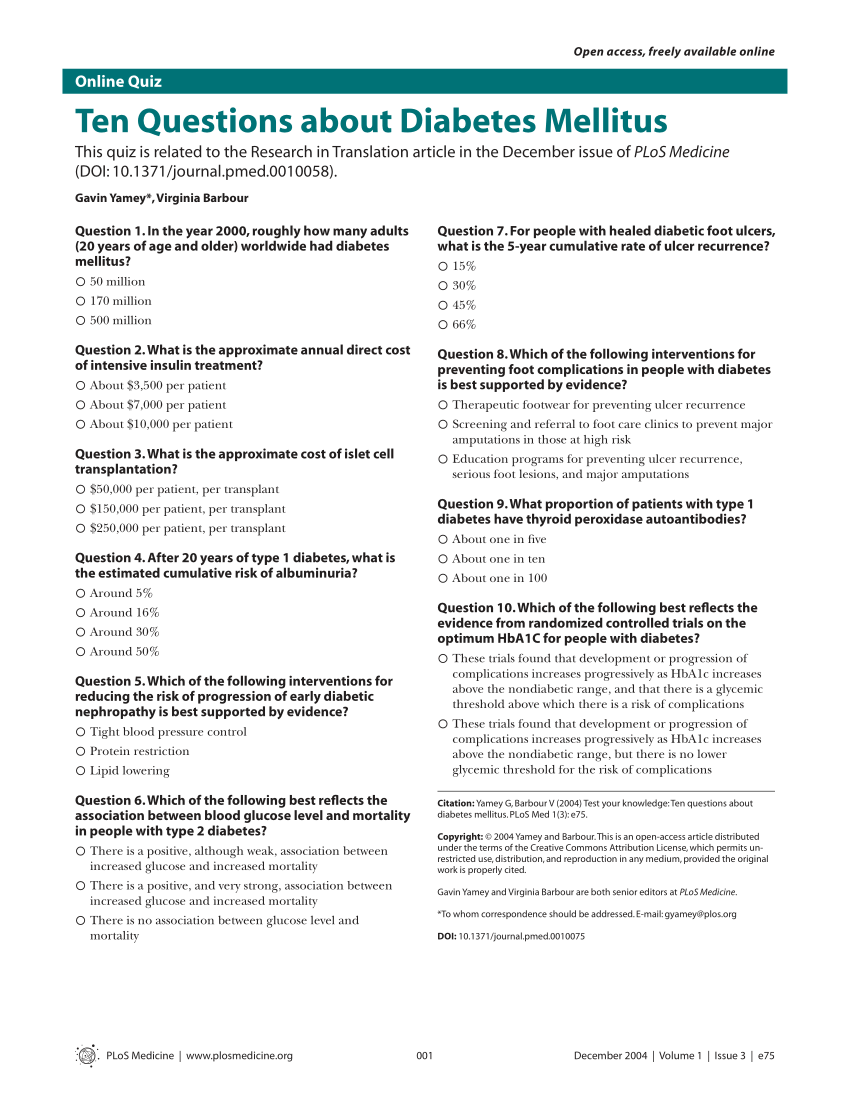
Artistic Diabetes Question And Answer Image Art
This gorgeous diabetes question and answer photo offers a breathtaking view, making it a perfect choice for your next wallpaper.
Spectacular Diabetes Question And Answer Moment Art
This gorgeous diabetes question and answer photo offers a breathtaking view, making it a perfect choice for your next wallpaper.

Vivid Diabetes Question And Answer Picture Digital Art
Discover an amazing diabetes question and answer background image, ideal for personalizing your devices with vibrant colors and intricate designs.

Lush Diabetes Question And Answer Scene Nature
Find inspiration with this unique diabetes question and answer illustration, crafted to provide a fresh look for your background.

Lush Diabetes Question And Answer Image Concept
This gorgeous diabetes question and answer photo offers a breathtaking view, making it a perfect choice for your next wallpaper.
Dynamic Diabetes Question And Answer Background for Your Screen
This gorgeous diabetes question and answer photo offers a breathtaking view, making it a perfect choice for your next wallpaper.

Spectacular Diabetes Question And Answer Image Nature
This gorgeous diabetes question and answer photo offers a breathtaking view, making it a perfect choice for your next wallpaper.
Download these diabetes question and answer wallpapers for free and use them on your desktop or mobile devices.