Understanding and Navigating Life with Type 1: A Guide for Diabetes Youth Families
Receiving a Type 1 Diabetes (T1D) diagnosis for a child can feel like being handed a complex instruction manual written in a foreign language. It's overwhelming, demanding, and often scary. But you are not alone. This journey, while challenging, is entirely manageable with the right knowledge and support network. This comprehensive guide is specifically designed to help Diabetes Youth Families navigate the complexities of T1D, turning confusion into confidence.
We understand that life doesn't stop just because diabetes moved in. Our goal is to provide practical, informative, yet compassionate advice on managing daily life, dealing with emotional hurdles, and ensuring your child thrives.
The Initial Shock and Learning Curve
The first few weeks post-diagnosis are usually a blur of hospital visits, intense training, and fear. It is crucial to allow yourselves, both the parents and the child, time to grieve the loss of 'normalcy.' Furthermore, embrace the steep learning curve. Think of yourselves as becoming world-class specialists in endocrinology, nutrition, and stress management, all rolled into one.
Establishing a strong, collaborative relationship with your healthcare team is paramount. They are your coaches, and you are the quarterback. Never hesitate to ask what might seem like a silly question; your child's safety is always the priority.
Essential Education for Parents and Guardians
Knowledge is power when dealing with T1D. For Diabetes Youth Families, mastery of the basics transforms fear into routine management. You need to be prepared for every situation, from minor deviations to full-blown emergencies.
Here are the fundamental concepts every family member must master immediately:
- Carbohydrate Counting: This is the foundation of modern T1D management. Accurately matching insulin doses to carbohydrate intake is essential for maintaining blood glucose levels within range.
- Insulin Action Times: Understanding how long rapid-acting and basal insulin lasts in the body (Onset, Peak, Duration) prevents potentially dangerous stacking or inadequate dosing.
- Hypoglycemia Management: Knowing the signs of low blood sugar (hypo) and having a clear protocol for fast-acting glucose treatment is life-saving.
- Hyperglycemia and Ketones: Recognizing high blood sugar (hyper) and the proper steps for checking and treating ketones is crucial to preventing diabetic ketoacidosis (DKA).
Daily Management: Tips for Smooth Sailing
Routine is your best friend. While T1D management requires flexibility, setting up consistent daily habits reduces stress and minimizes blood sugar fluctuations. This includes set meal times, consistent monitoring schedules, and clear protocols for physical activity.
Utilize the technology available! Continuous Glucose Monitors (CGMs) and insulin pumps have revolutionized management for many Diabetes Youth Families. These tools offer invaluable data and reduce the need for constant finger pokes, making life feel a little less restrictive.
School and Social Event Navigation
The school environment presents unique challenges. Your child spends a significant part of their day away from your direct care, relying on school nurses, teachers, and administrators. Open and proactive communication is essential to ensure their safety and inclusion.
Before the school year starts, schedule a meeting with the principal, school nurse, and all relevant teachers. Provide them with emergency contact information, supplies, and detailed instructions. Remember, they are often unfamiliar with T1D, so clear training is vital.
Creating a Customized 504 Plan
A 504 Plan, or equivalent legal documentation, ensures that your child's diabetes needs are formally recognized and accommodated in the educational setting. This plan protects your child and standardizes care.
- Permission to check blood sugar or CGM data anywhere, anytime (including classrooms or testing rooms).
- Immediate access to snacks, water, and treatment supplies.
- Accommodations for missed class time or tests due to hypo/hyper treatment.
- Designation of trained personnel to administer insulin or glucagon if the nurse is unavailable.
- Permission to use electronic devices (like pumps or CGMs) during school hours.
Emotional Well-being and Support Systems
T1D is relentless. The mental burden—often termed "diabetes burnout"—affects both the child and the caregivers. It's important to acknowledge that this chronic condition carries a heavy emotional toll. Seeking support outside the family unit is not a luxury; it's a necessity for thriving Diabetes Youth Families.
Siblings of children with T1D also often require attention. They may feel neglected, scared, or burdened by the responsibility. Make time for one-on-one activities with siblings and help them understand their role is supportive, not supervisory.
The Importance of Peer Support
Connecting with other families walking the same path is profoundly therapeutic. When children see other kids managing their T1D successfully, it shifts the narrative from "I am sick" to "I manage my condition."
Consider the following avenues for finding robust peer support:
- Diabetes Camps: These provide a safe, fun, and educational environment where kids can bond over shared experiences and learn practical skills under medical supervision.
- Online Forums and Social Groups: Connect with local or national organizations specializing in T1D, such as JDRF or ADA, for local meetups and virtual support.
- Mental Health Professionals: Seek out therapists or counselors who specialize in chronic illness management. They can help the entire family develop coping mechanisms for stress and anxiety related to T1D.
Planning for the Future and Independence
As your child grows, the goal shifts from parental micro-management to fostering independent self-care. This transition must be gradual, starting early with small, age-appropriate tasks. Empowering independence is key to preventing resentment and ensuring long-term health adherence.
For teenagers, the challenges multiply due to hormonal shifts, peer pressure, and the natural desire to rebel. Provide opportunities for them to take control, even if it means accepting less-than-perfect blood sugar readings occasionally. Focus on effort and learning from mistakes, not strict adherence figures.
By prioritizing gradual skill transfer—like letting them calculate their own carbs, insert their own CGM, or manage their supplies—you prepare them for a successful transition to adulthood.
Conclusion
The journey for Diabetes Youth Families is undeniably complex, but it is also one filled with resilience, strength, and incredible love. By focusing on education, establishing robust routines, utilizing modern technology, and fostering strong emotional support systems, you can ensure that T1D is merely a condition your child manages, not a limitation that defines them.
Remember to celebrate the victories, big and small, and always lean on your community. You are doing a phenomenal job navigating this difficult path.
Frequently Asked Questions (FAQ)
- What is the difference between Type 1 and Type 2 Diabetes?
- Type 1 Diabetes (T1D) is an autoimmune condition where the body stops producing insulin. It typically develops in children or young adults, requires insulin therapy, and is not related to lifestyle. Type 2 Diabetes (T2D) is characterized by insulin resistance and is often related to lifestyle factors, though genetics play a large role.
- How often should a child see an endocrinologist?
- Typically, children with T1D should see their pediatric endocrinologist every three months. This schedule allows the medical team to review blood sugar data, adjust insulin dosages, and screen for potential long-term complications.
- Can my child participate in sports and physical activities?
- Absolutely! Physical activity is crucial for overall health. However, exercise drastically impacts blood sugar, often causing it to drop. Diabetes Youth Families must work with their doctor to establish pre-exercise blood sugar targets, reduce insulin doses before activity, and ensure readily available carbohydrate snacks.
- Where can I find support groups for Diabetes Youth Families?
- Start by checking national organizations like the Juvenile Diabetes Research Foundation (JDRF) or the American Diabetes Association (ADA). Many local hospitals and pediatric clinics also host monthly support groups and educational workshops for parents and children.
Diabetes Youth Families
Diabetes Youth Families Wallpapers
Collection of diabetes youth families wallpapers for your desktop and mobile devices.

Vibrant Diabetes Youth Families Image Collection
Discover an amazing diabetes youth families background image, ideal for personalizing your devices with vibrant colors and intricate designs.

Lush Diabetes Youth Families View Illustration
This gorgeous diabetes youth families photo offers a breathtaking view, making it a perfect choice for your next wallpaper.

Dynamic Diabetes Youth Families Design Art
Find inspiration with this unique diabetes youth families illustration, crafted to provide a fresh look for your background.

Mesmerizing Diabetes Youth Families View Photography
Explore this high-quality diabetes youth families image, perfect for enhancing your desktop or mobile wallpaper.

Exquisite Diabetes Youth Families Moment Illustration
A captivating diabetes youth families scene that brings tranquility and beauty to any device.
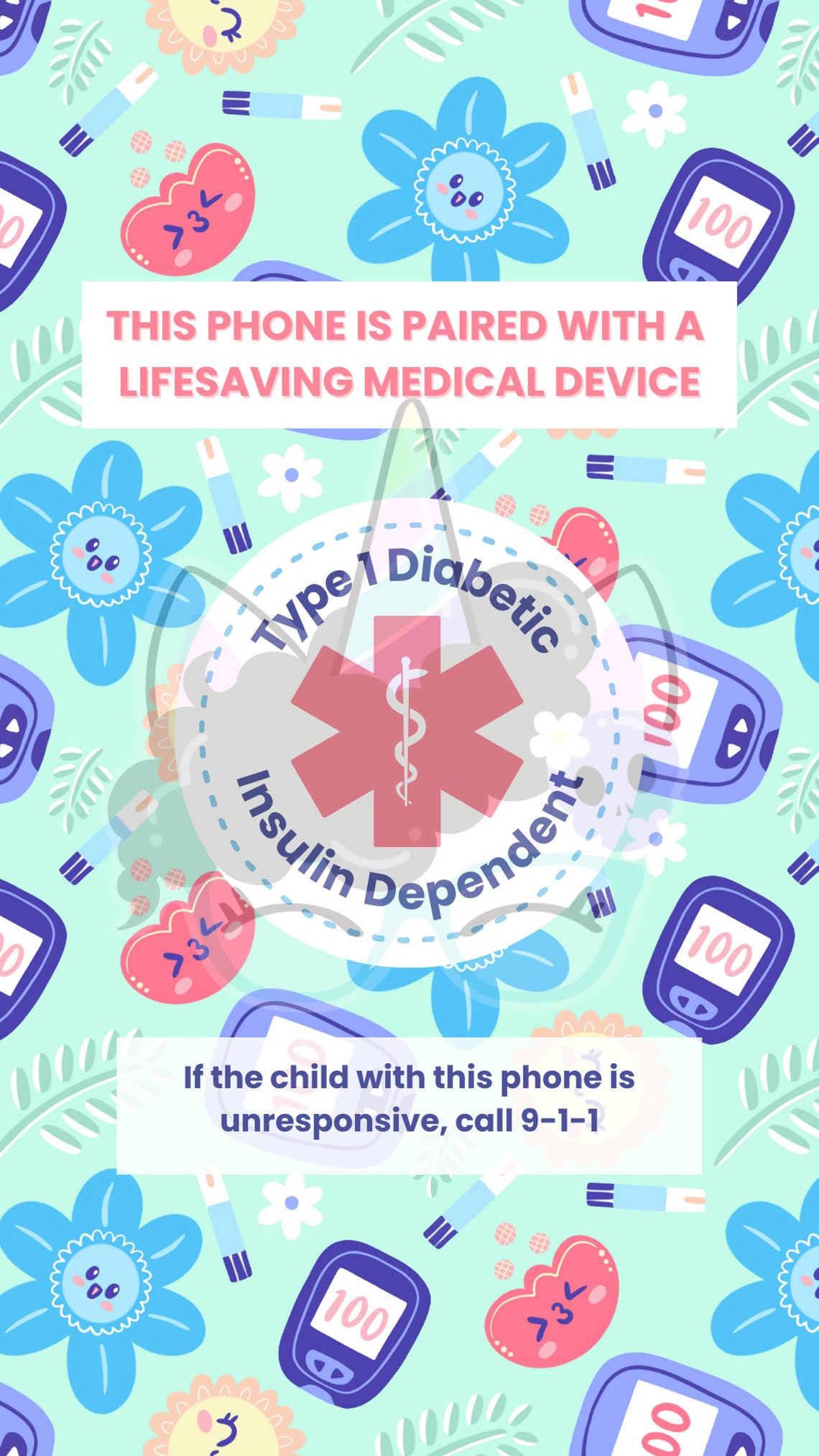
Detailed Diabetes Youth Families Picture Art
Transform your screen with this vivid diabetes youth families artwork, a true masterpiece of digital design.

Vivid Diabetes Youth Families Capture Concept
Discover an amazing diabetes youth families background image, ideal for personalizing your devices with vibrant colors and intricate designs.

Crisp Diabetes Youth Families Abstract in HD
Find inspiration with this unique diabetes youth families illustration, crafted to provide a fresh look for your background.

Amazing Diabetes Youth Families View for Desktop
Discover an amazing diabetes youth families background image, ideal for personalizing your devices with vibrant colors and intricate designs.

Amazing Diabetes Youth Families Artwork for Mobile
Discover an amazing diabetes youth families background image, ideal for personalizing your devices with vibrant colors and intricate designs.

Vibrant Diabetes Youth Families Picture for Your Screen
Explore this high-quality diabetes youth families image, perfect for enhancing your desktop or mobile wallpaper.

Dynamic Diabetes Youth Families Artwork Illustration
Immerse yourself in the stunning details of this beautiful diabetes youth families wallpaper, designed for a captivating visual experience.

Detailed Diabetes Youth Families Scene Art
Discover an amazing diabetes youth families background image, ideal for personalizing your devices with vibrant colors and intricate designs.
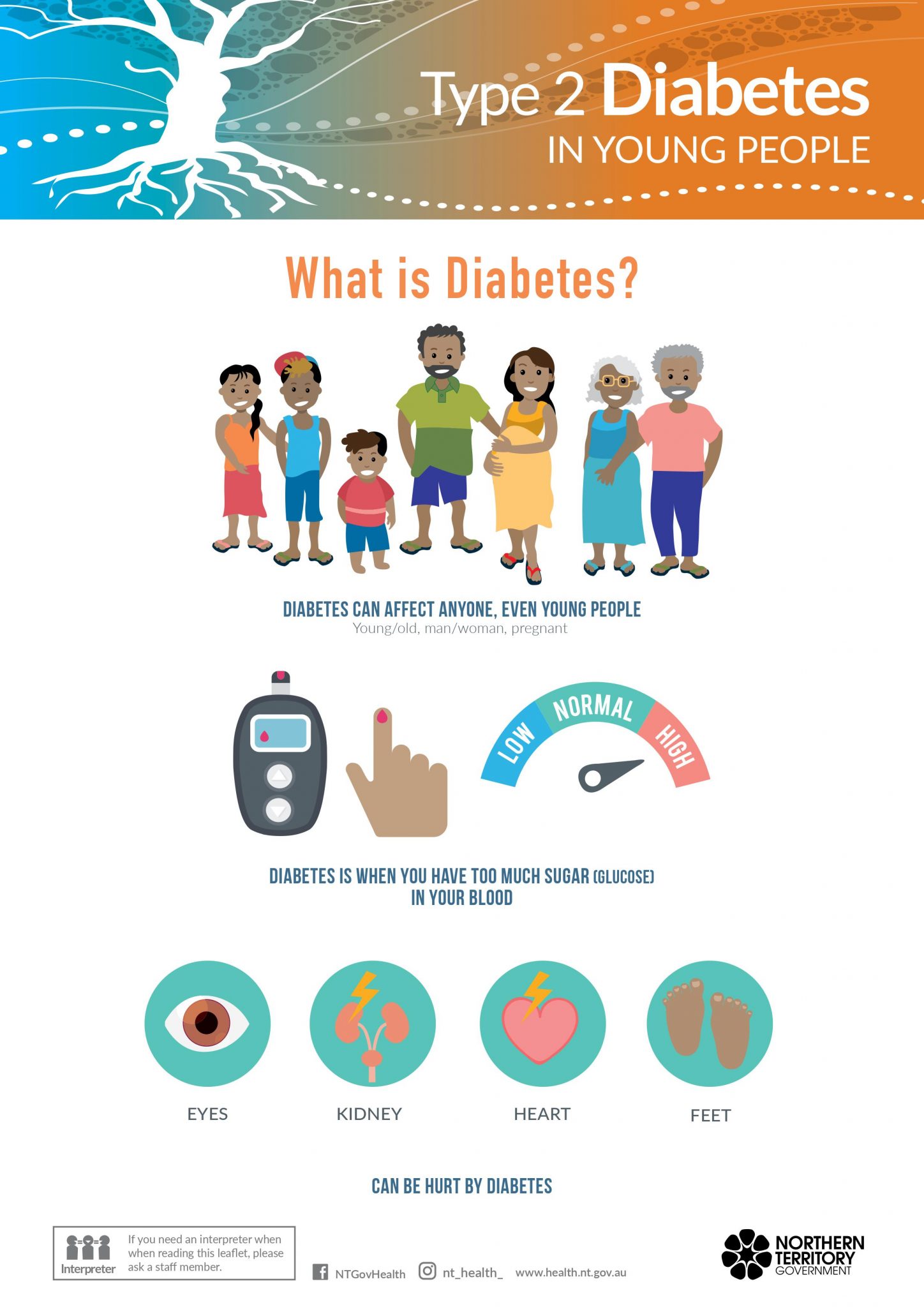
Serene Diabetes Youth Families View Collection
Transform your screen with this vivid diabetes youth families artwork, a true masterpiece of digital design.

Spectacular Diabetes Youth Families View in HD
This gorgeous diabetes youth families photo offers a breathtaking view, making it a perfect choice for your next wallpaper.

Spectacular Diabetes Youth Families Wallpaper Nature
Immerse yourself in the stunning details of this beautiful diabetes youth families wallpaper, designed for a captivating visual experience.

High-Quality Diabetes Youth Families Capture Art
Transform your screen with this vivid diabetes youth families artwork, a true masterpiece of digital design.

Amazing Diabetes Youth Families Artwork for Mobile
Experience the crisp clarity of this stunning diabetes youth families image, available in high resolution for all your screens.

Mesmerizing Diabetes Youth Families Picture Illustration
Experience the crisp clarity of this stunning diabetes youth families image, available in high resolution for all your screens.

Amazing Diabetes Youth Families Abstract in 4K
Transform your screen with this vivid diabetes youth families artwork, a true masterpiece of digital design.
Download these diabetes youth families wallpapers for free and use them on your desktop or mobile devices.