End Stage Diabetes In Dogs: What Every Pet Owner Needs to Know
Hearing that your beloved dog has diabetes is scary enough, but facing the reality of the late or end stages of the disease can feel overwhelming and isolating. As a dedicated pet owner, you naturally want to ensure your dog is comfortable, loved, and receives the best care possible, even when facing these difficult final chapters.
This article is here to walk you through what happens during End Stage Diabetes In Dogs, what symptoms to look for, and how you can manage their comfort and quality of life when treatment is no longer effective. Remember, knowledge is power, and being prepared helps you make compassionate decisions for your furry friend.
Understanding Canine Diabetes Progression
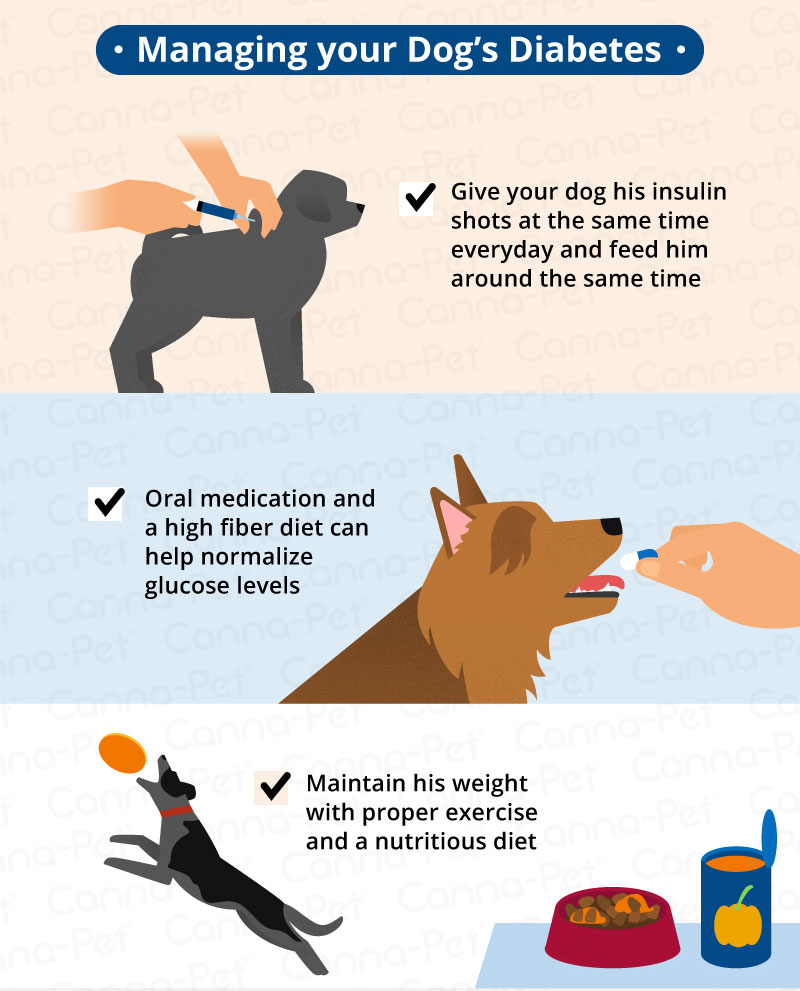
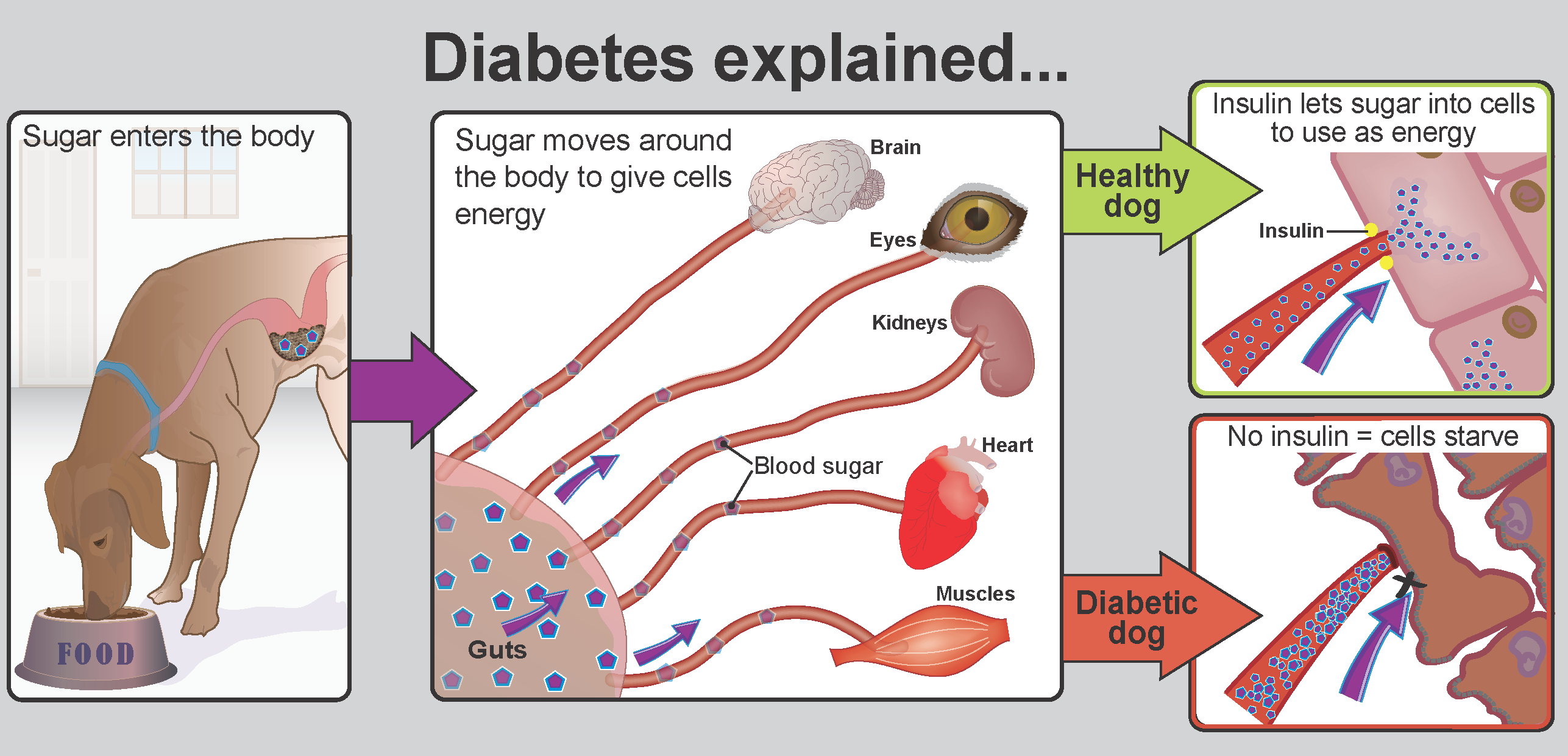
When diabetes is first diagnosed, it is often manageable with insulin injections, diet changes, and regular monitoring. However, sometimes complications arise, or the disease simply becomes resistant to treatment over time. This progression is what eventually leads to the "end stage," which is characterized by the body's inability to cope with extremely high or wildly fluctuating blood sugar levels.
It is important to understand that "end stage" often doesn't mean a single, immediate event. Instead, it refers to a stage where the secondary effects of chronic hyperglycemia (high blood sugar) cause significant organ damage and systemic deterioration.
The Transition to Late-Stage Disease
The biggest threats during the late stages are complications that severely impact major organs. If your dog is consistently difficult to stabilize, or if they have experienced recurring episodes of certain critical conditions, they may be entering this phase.
A major complication often seen in unstable diabetic dogs is Diabetic Ketoacidosis (DKA). DKA occurs when the body starts breaking down fat too quickly for energy, producing toxic ketones. While treatable, recurrent DKA significantly weakens the dog.
Other signs of disease progression include the development of severe, irreversible cataracts leading to blindness, or the onset of significant kidney failure due to long-term vascular damage.
Key Signs and Symptoms of End Stage Diabetes In Dogs
Recognizing the shift toward end stage End Stage Diabetes In Dogs requires close observation of both physical and behavioral changes. These symptoms indicate that the body is struggling to maintain homeostasis and that quality of life is severely compromised.
If you observe several of these signs concurrently, it is time to have a serious conversation with your veterinarian about palliative care options and overall prognosis.
- Extreme Lethargy and Weakness: Your dog spends most of the day sleeping, showing little interest in walks or play, and struggles to stand or move.
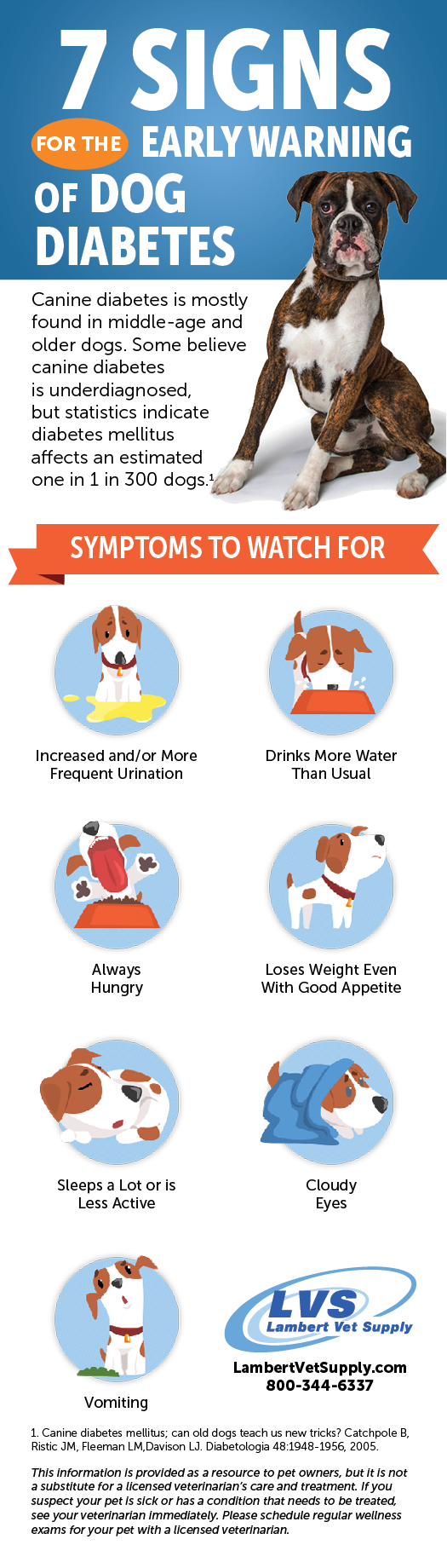
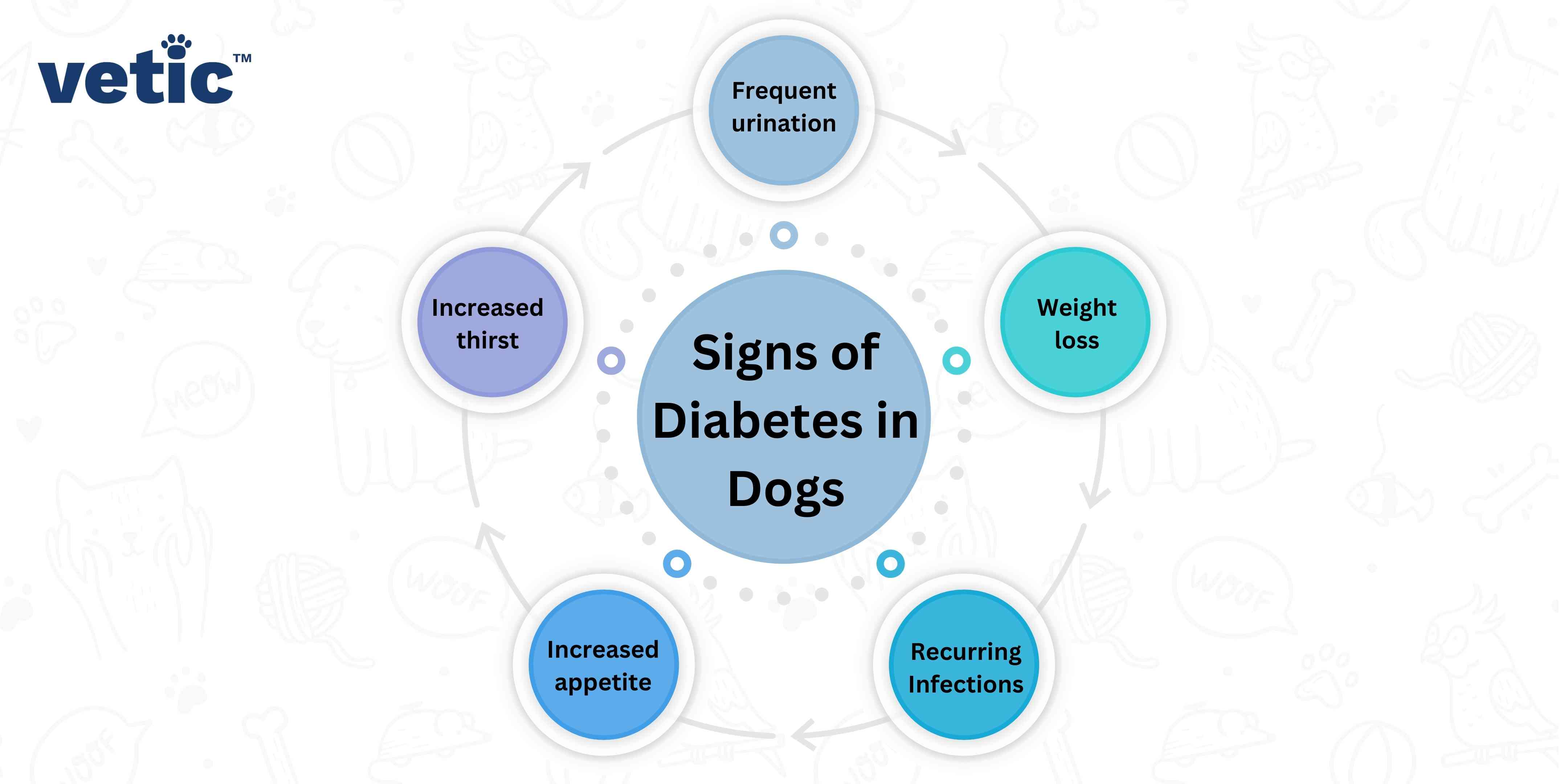
- Persistent Dehydration: Despite increased water intake (polydipsia), the dog remains dehydrated due to excessive urination caused by high glucose levels.
- Uncontrolled Vomiting or Diarrhea: Chronic gastrointestinal distress, often leading to rapid weight loss and electrolyte imbalance.
- Severe Muscle Wasting (Cachexia): Noticeable loss of muscle mass, particularly over the hips and spine, making bones appear prominent.
- Foul Breath: If the breath smells sickly sweet or like nail polish remover, it indicates high levels of ketones (ketoacidosis).
Changes in Appetite and Weight
One of the most noticeable and heartbreaking changes is the refusal to eat. While diabetic dogs usually have a ravenous appetite in the early stages, the end stages often bring about profound anorexia. The dog simply loses interest in food, even highly palatable treats.
This lack of appetite, coupled with the body's inability to properly use nutrients, results in cachexia. Cachexia is more than just weight loss; it's a specific metabolic wasting syndrome that greatly reduces the dog's overall energy and strength. Maintaining weight becomes virtually impossible, even with force feeding.
Neurological and Mobility Issues
Chronic high blood sugar damages the nerves, a condition known as diabetic neuropathy. In dogs, this most frequently affects the hind legs, leading to significant mobility issues.
You might notice your dog standing or walking with a 'plantigrade' stance, meaning they stand flat on their hocks (ankles) rather than their toes. This weakness makes standing difficult and painful. Furthermore, severe blindness caused by cataracts or glaucoma adds confusion and anxiety, further reducing their willingness to move or interact.
Managing Comfort and Quality of Life (Palliative Care)
When aggressive treatment is no longer beneficial, the focus shifts entirely to palliative care. Palliative care means maximizing comfort and minimizing distress. Your vet can help you create a plan focused on symptom control rather than disease reversal.
This phase is about surrounding your dog with familiarity, warmth, and ease of access to necessities.
- Comfortable Bedding: Provide orthopedic or heavily padded bedding to prevent pressure sores, especially if mobility is severely restricted.
- Hygiene Management: Help with grooming and ensure they stay clean, particularly if they are incontinent. Regular cleaning prevents skin irritation and infection.
- Accessibility: Bring food, water, and their resting spot closer to them. Use ramps or lift harnesses if they struggle to stand or walk.
- Maintaining Hydration: If they aren't drinking enough, discuss subcutaneous fluids with your vet to help prevent severe dehydration, which causes nausea and malaise.
Pain Management Strategies
Pain in end stage diabetes often stems from joint issues (secondary to lack of movement), neuropathy, or complications like pancreatitis or kidney distress. It is essential to work with your veterinarian to assess pain levels accurately.
Do not assume that because your dog is quiet, they are pain-free. They might be very stoic. Safe pain medication, often including NSAIDs or gabapentin for nerve pain, can significantly improve their daily comfort level. Always use medications prescribed by your vet, as human medications are often toxic to dogs.
Nutritional Adjustments for the Fading Appetite
When a dog is near the end stage, strict diabetic diets may need to be relaxed. The primary goal is calorie intake and enjoyment, not blood sugar control (which is often difficult to regulate anyway).
Offer small amounts of highly desirable, warmed food. Strong smells often encourage eating. This might include plain cooked chicken, broth, or specific prescription recovery foods designed to be nutrient-dense and highly palatable. Do not worry about perfect glucose control at this point; focus on keeping them comfortable and satisfied.
When Is It Time to Say Goodbye? Making the Hard Decision
This is the hardest decision any pet owner faces. As your dog declines due to End Stage Diabetes In Dogs, you must shift your perspective from trying to cure the disease to preserving their dignity and preventing suffering. Euthanasia, when performed thoughtfully and lovingly, is the final act of kindness.
A good veterinarian will help guide you, but ultimately, the choice rests with you, the one who knows your dog best. It helps to track their 'good days' versus 'bad days.'
Assessing Your Dog's Quality of Life (The HHHHH Scale)
Many veterinarians recommend using a formal quality of life assessment scale, such as the "HHHHHMM" scale (Hurt, Hunger, Hydration, Hygiene, Happiness, Mobility, More Good Days Than Bad). Ask yourself these questions daily:
- Hurt: Is their pain manageable with medication, or are they constantly uncomfortable?
- Hunger: Are they eating enough, or is feeding a continuous struggle?
- Happiness: Do they still show interest in their favorite people, toys, or activities? Do they express joy?
- Mobility: Can they move easily to get water or go outside, or are they struggling constantly?
When the bad days consistently outweigh the good days, or when the core elements of their happiness and comfort are gone, it suggests that the best decision is to let them go peacefully.
Conclusion
Caring for a dog facing End Stage Diabetes In Dogs is emotionally exhausting, but you are not alone. This stage requires immense compassion, patience, and a focus on keeping your dog as comfortable as possible.
By recognizing the signs of decline—extreme lethargy, severe weight loss, and an inability to stabilize blood sugar—you can transition smoothly into palliative care. Remember to work closely with your veterinary team, focus on pain management and hydration, and when the time comes, know that choosing peace is the greatest love you can offer.
Frequently Asked Questions (FAQ) About End Stage Diabetes In Dogs
- What is the life expectancy of a dog in End Stage Diabetes?
- Once a dog reaches the true end stage, often marked by refractory DKA, severe organ failure (kidney/liver), and cachexia, the prognosis is usually measured in days to weeks. The focus shifts entirely from extending life to maximizing the remaining time's quality.
- Can I stop insulin injections if my dog stops eating?
- No, you should never stop insulin injections abruptly without veterinary guidance. Doing so dramatically increases the risk of DKA, which causes intense suffering. If your dog's appetite changes, call your vet immediately, as they will likely instruct you to significantly reduce the dosage, not eliminate it entirely.
- How can I tell if my diabetic dog is in pain?
- Signs of pain in end stage diabetic dogs include restlessness, whining, panting when resting, reluctance to move, shivering, or aggressive behavior when touched. Neuropathy pain might manifest as licking or biting at their own paws or legs.
- Is it common for diabetic dogs to suddenly lose vision?
- Yes. The rapid development of cataracts leading to sudden blindness is very common in diabetic dogs, even early in the disease. While not a direct sign of end stage disease, the secondary effects of blindness (anxiety, mobility issues) often compound the difficulties faced in the later stages.
End Stage Diabetes In Dogs
End Stage Diabetes In Dogs Wallpapers
Collection of end stage diabetes in dogs wallpapers for your desktop and mobile devices.
Vibrant End Stage Diabetes In Dogs Abstract Digital Art
Experience the crisp clarity of this stunning end stage diabetes in dogs image, available in high resolution for all your screens.
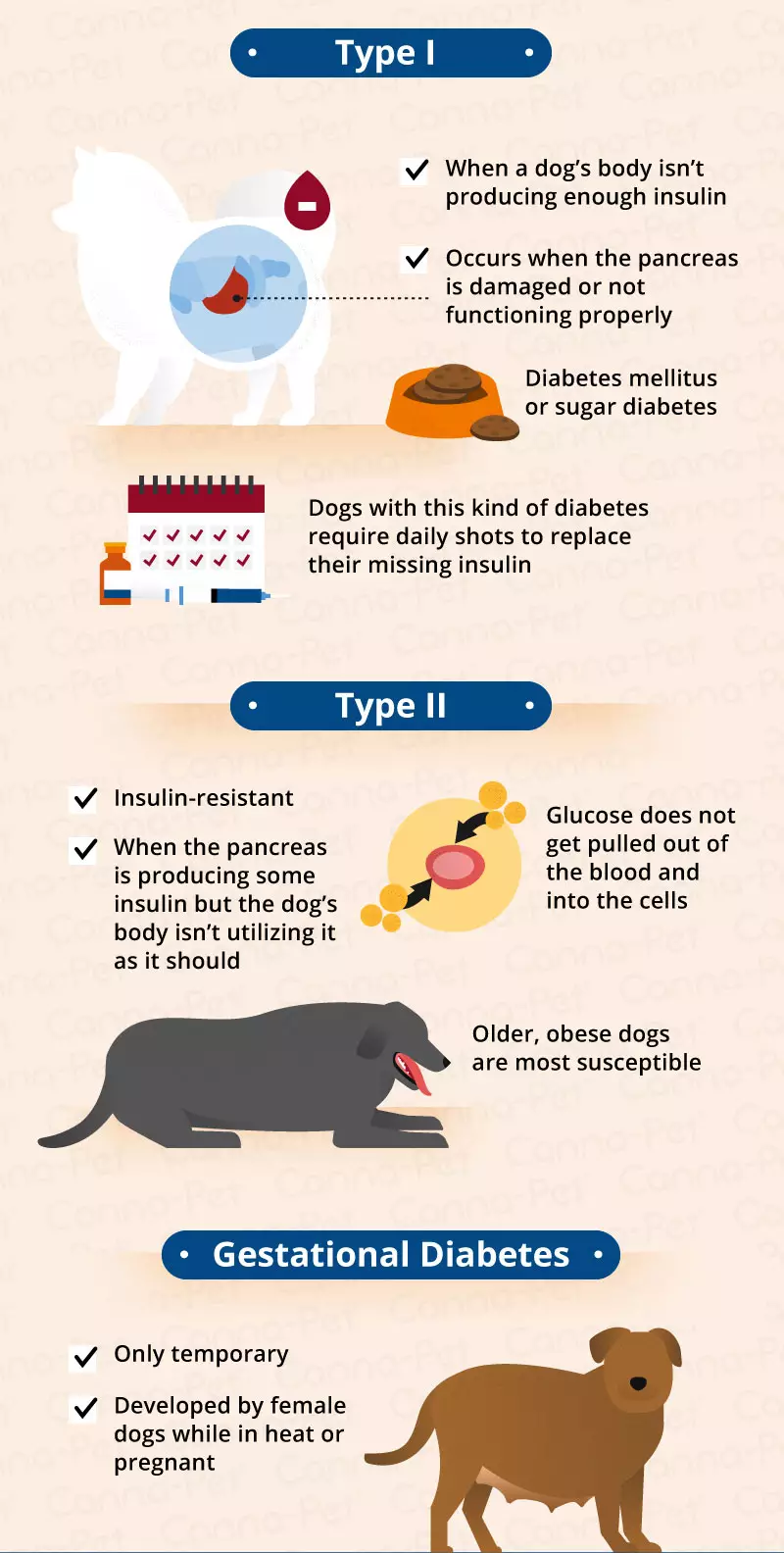
Lush End Stage Diabetes In Dogs Capture Photography
This gorgeous end stage diabetes in dogs photo offers a breathtaking view, making it a perfect choice for your next wallpaper.

Artistic End Stage Diabetes In Dogs Picture Photography
Find inspiration with this unique end stage diabetes in dogs illustration, crafted to provide a fresh look for your background.
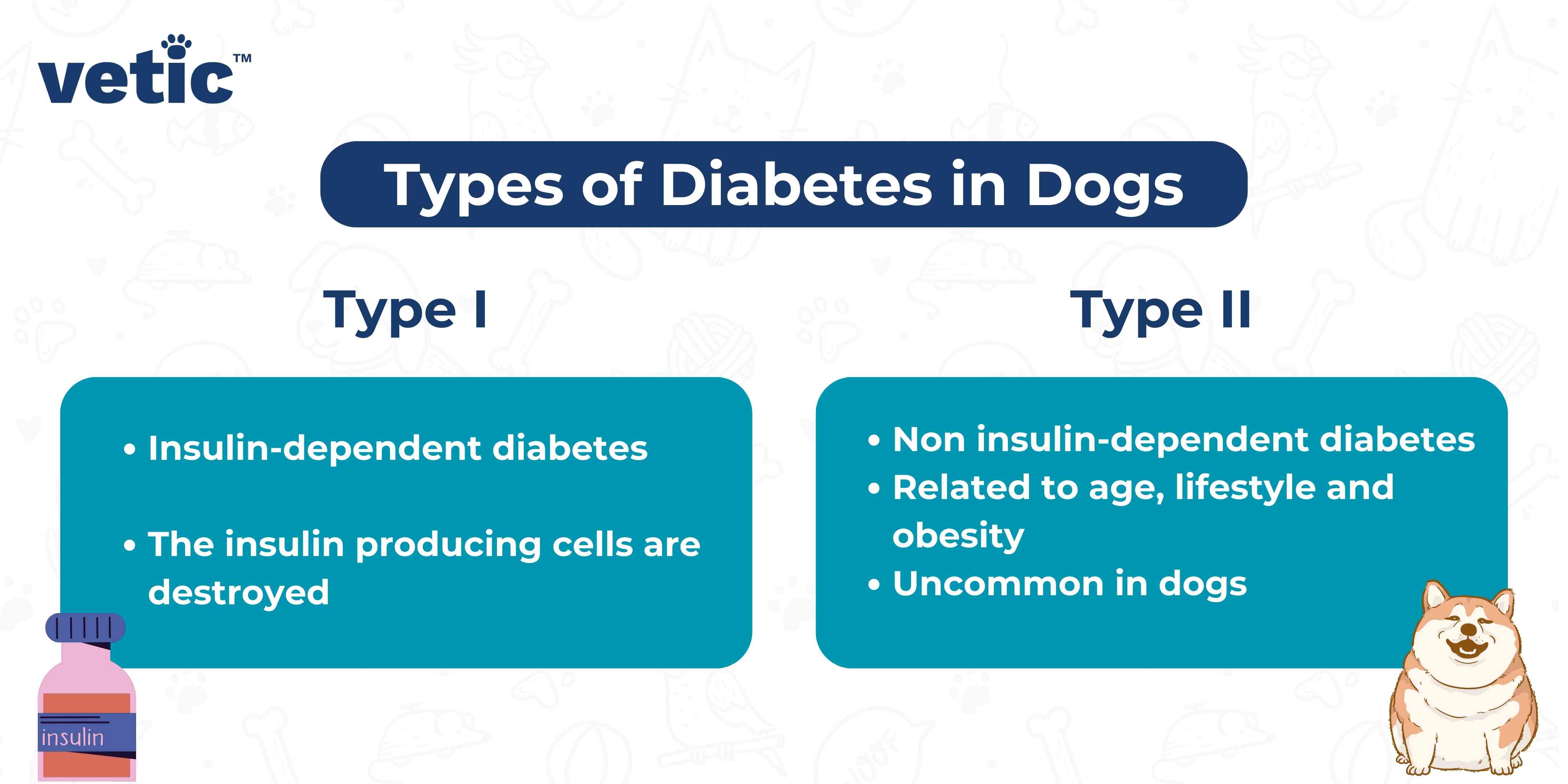
Crisp End Stage Diabetes In Dogs Abstract Art
Find inspiration with this unique end stage diabetes in dogs illustration, crafted to provide a fresh look for your background.

Lush End Stage Diabetes In Dogs View in 4K
Find inspiration with this unique end stage diabetes in dogs illustration, crafted to provide a fresh look for your background.
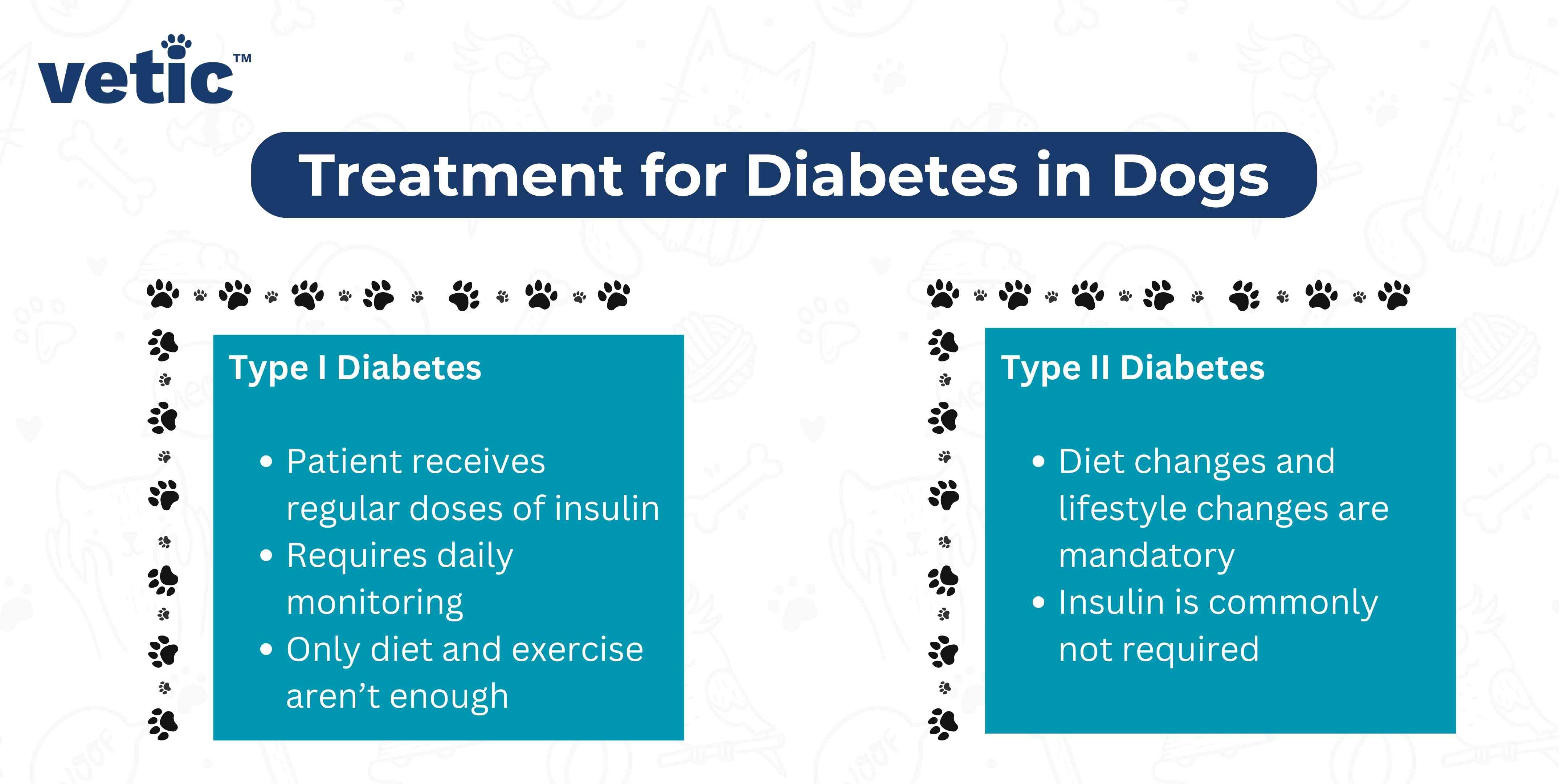
High-Quality End Stage Diabetes In Dogs View Art
Transform your screen with this vivid end stage diabetes in dogs artwork, a true masterpiece of digital design.

Amazing End Stage Diabetes In Dogs Background Concept
Discover an amazing end stage diabetes in dogs background image, ideal for personalizing your devices with vibrant colors and intricate designs.

Breathtaking End Stage Diabetes In Dogs Moment Digital Art
Discover an amazing end stage diabetes in dogs background image, ideal for personalizing your devices with vibrant colors and intricate designs.

Gorgeous End Stage Diabetes In Dogs Photo in 4K
Find inspiration with this unique end stage diabetes in dogs illustration, crafted to provide a fresh look for your background.

Crisp End Stage Diabetes In Dogs Photo Nature
A captivating end stage diabetes in dogs scene that brings tranquility and beauty to any device.
Vivid End Stage Diabetes In Dogs Abstract for Your Screen
Experience the crisp clarity of this stunning end stage diabetes in dogs image, available in high resolution for all your screens.

Serene End Stage Diabetes In Dogs Capture Concept
Discover an amazing end stage diabetes in dogs background image, ideal for personalizing your devices with vibrant colors and intricate designs.

Gorgeous End Stage Diabetes In Dogs Wallpaper Art
Find inspiration with this unique end stage diabetes in dogs illustration, crafted to provide a fresh look for your background.
Crisp End Stage Diabetes In Dogs Photo Art
A captivating end stage diabetes in dogs scene that brings tranquility and beauty to any device.
Dynamic End Stage Diabetes In Dogs Abstract Collection
This gorgeous end stage diabetes in dogs photo offers a breathtaking view, making it a perfect choice for your next wallpaper.

Captivating End Stage Diabetes In Dogs Scene for Desktop
This gorgeous end stage diabetes in dogs photo offers a breathtaking view, making it a perfect choice for your next wallpaper.
Lush End Stage Diabetes In Dogs Moment Digital Art
Find inspiration with this unique end stage diabetes in dogs illustration, crafted to provide a fresh look for your background.
Breathtaking End Stage Diabetes In Dogs Artwork Art
Discover an amazing end stage diabetes in dogs background image, ideal for personalizing your devices with vibrant colors and intricate designs.

Captivating End Stage Diabetes In Dogs Abstract for Desktop
Immerse yourself in the stunning details of this beautiful end stage diabetes in dogs wallpaper, designed for a captivating visual experience.
Breathtaking End Stage Diabetes In Dogs Photo Illustration
Transform your screen with this vivid end stage diabetes in dogs artwork, a true masterpiece of digital design.
Download these end stage diabetes in dogs wallpapers for free and use them on your desktop or mobile devices.