How Is Diabetes 1 Treated: Your Comprehensive Guide to T1D Management
If you or a loved one has recently been diagnosed with Type 1 Diabetes (T1D), you are likely asking one crucial question: How is Diabetes 1 treated? It's a completely natural question, and the good news is that while T1D requires constant management, modern medicine provides excellent tools for leading a full and active life. Think of this treatment as a marathon, not a sprint—it requires daily dedication, but the results are entirely worth it.
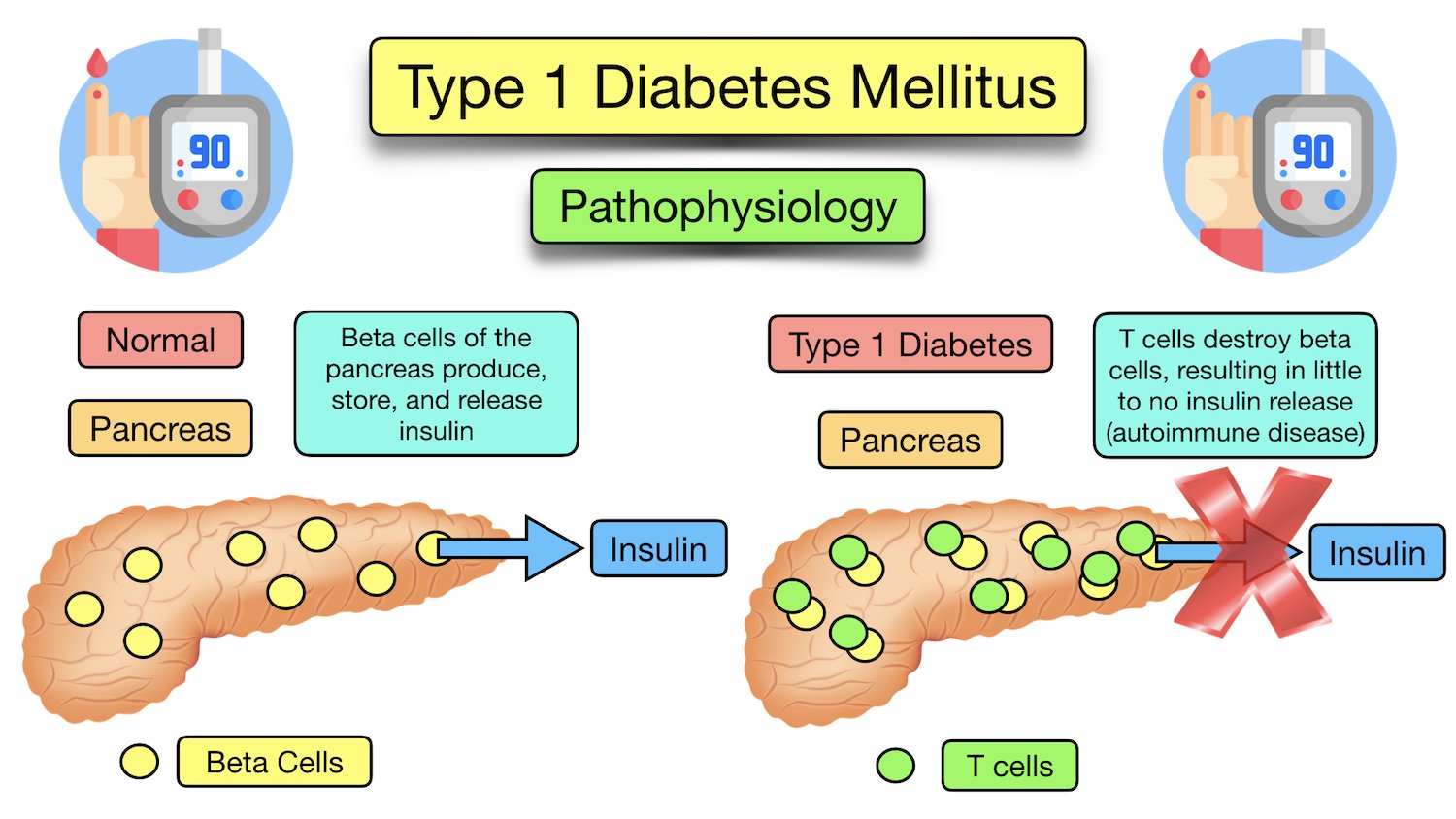
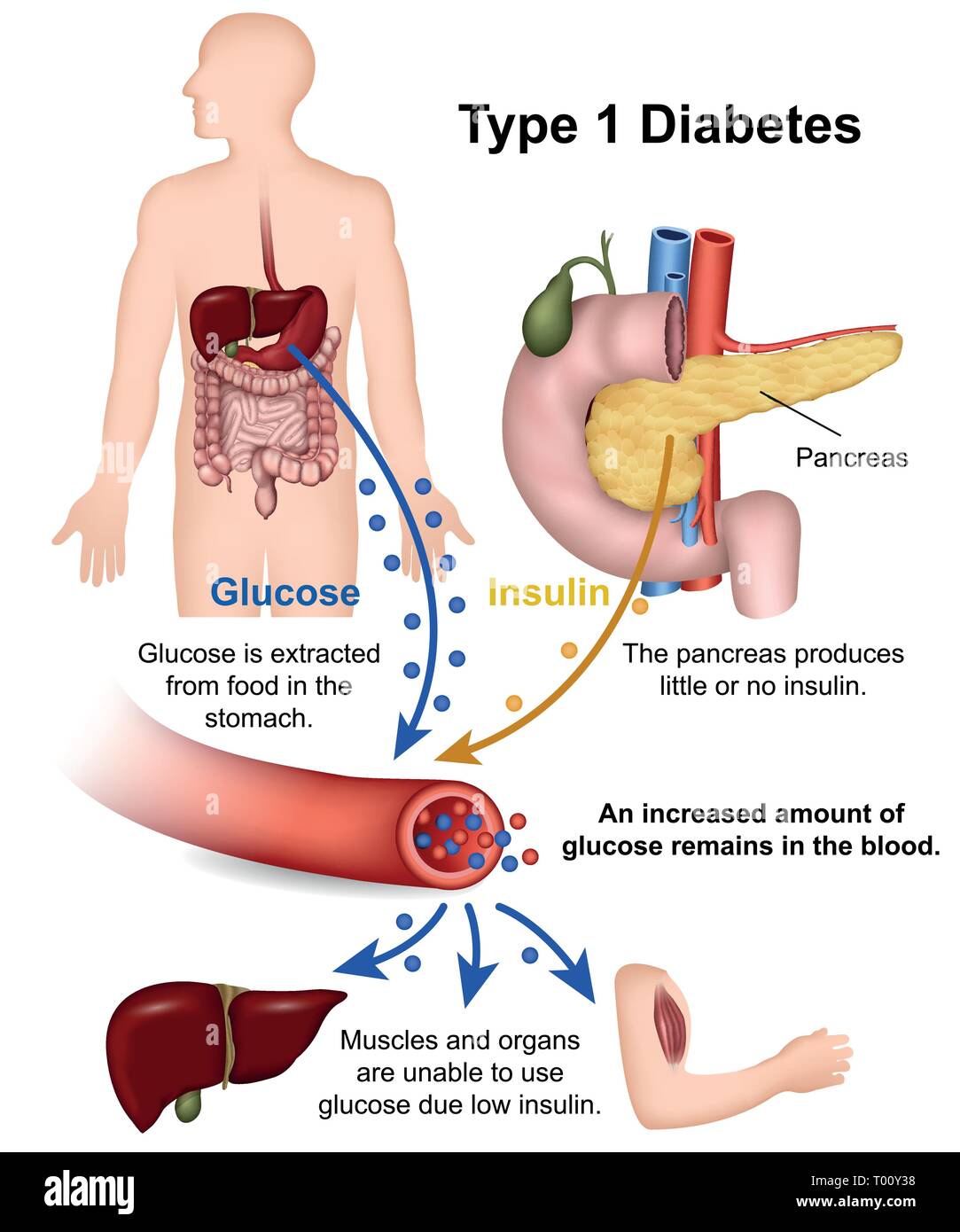
Unlike Type 2 Diabetes, Type 1 Diabetes is an autoimmune condition where the pancreas stops producing insulin, the hormone needed to convert blood sugar (glucose) into energy. Therefore, the core of how Diabetes 1 is treated revolves entirely around replacing that missing insulin and maintaining stable blood glucose levels.
This article will break down the essential components of T1D management, covering everything from insulin delivery to lifestyle adjustments. Let's dive into the critical steps you need to take to take control of your health.
The Cornerstone: Insulin Therapy
Insulin is non-negotiable when discussing how is Diabetes 1 treated. Since your body cannot produce it, you must administer insulin externally. This treatment aims to mimic the body's natural insulin production cycle, providing a "background" level of basal insulin and "bolus" doses to cover meals and high blood sugars.
Getting your insulin regimen right is often the most challenging but rewarding part of T1D management. Your endocrinologist will work closely with you to determine the ideal dosage and timing based on your weight, diet, and activity level.
Types of Insulin Delivery Systems
The way you get insulin into your body has evolved significantly. Today, patients have highly flexible options that fit various lifestyles.
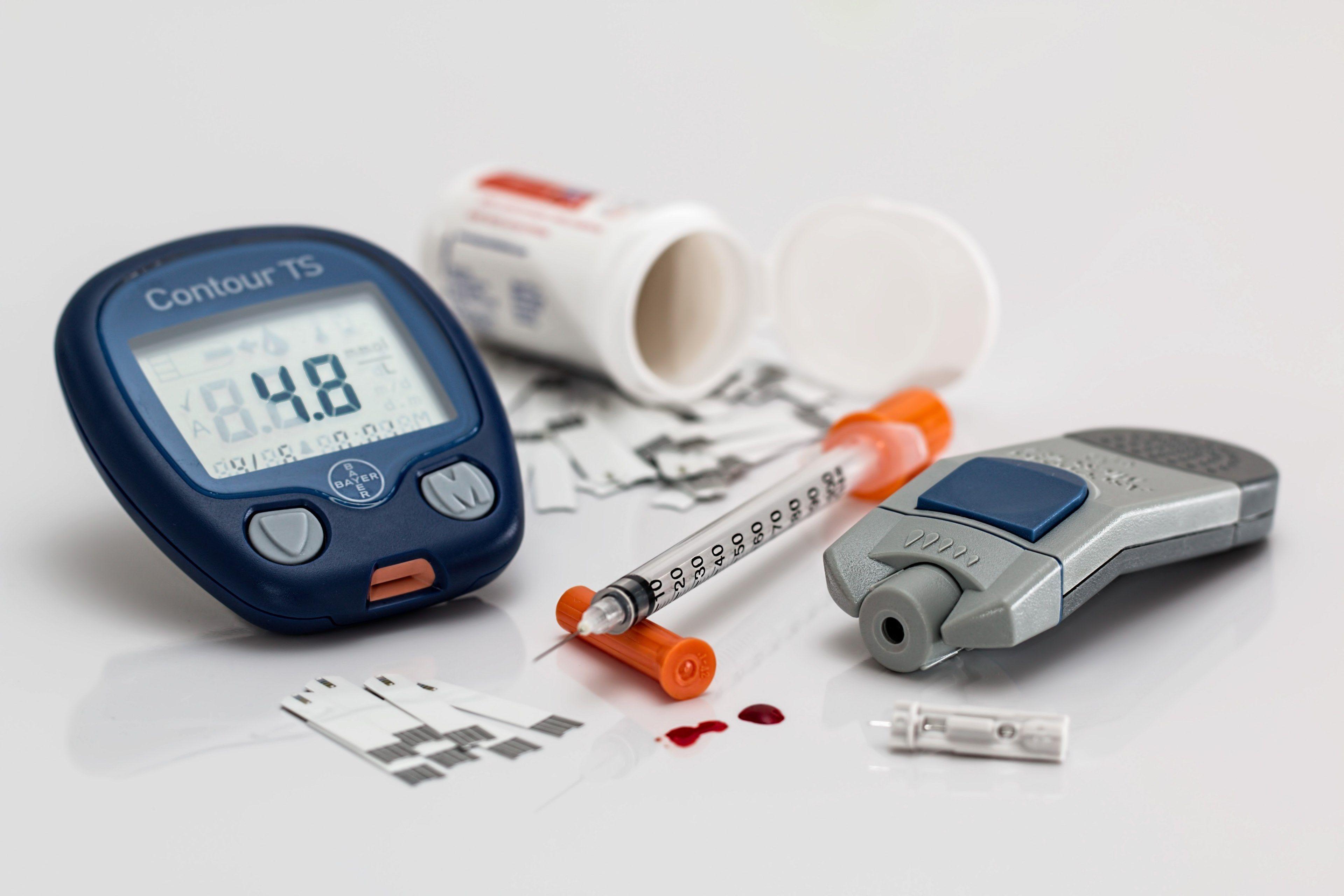
- Multiple Daily Injections (MDI): This involves using syringes or, more commonly, specialized insulin pens to inject insulin multiple times per day. You use a long-acting insulin (basal) once or twice daily and rapid-acting insulin (bolus) with meals.
- Insulin Pumps: A pump is a small device worn externally that delivers continuous, programmed doses of rapid-acting insulin through a small catheter placed under the skin. Pumps offer incredible precision and flexibility, allowing for complex basal rate adjustments throughout the day.
- Patch Pumps: These tubeless pumps stick directly to the skin and are controlled wirelessly. They provide a simpler, discreet alternative to traditional tubed pumps.
Understanding Different Insulin Types
Insulin isn't a one-size-fits-all medication. It comes in different forms designed to act over specific time frames:
- Rapid-Acting Insulin: Starts working within 15 minutes, peaks around 1 hour, and lasts 2–4 hours. This is used for bolus doses right before or after meals.
- Short-Acting Insulin: Takes about 30 minutes to start working, peaks in 2–3 hours, and lasts 3–6 hours. Less common than rapid-acting but sometimes used.
- Intermediate-Acting Insulin: Starts working 2–4 hours after injection, peaks 4–12 hours later, and lasts 12–18 hours.
- Long-Acting Insulin (Basal): Provides steady coverage for approximately 24 hours with no pronounced peak. This is essential for maintaining baseline sugar levels between meals and overnight.
The Crucial Role of Blood Glucose Monitoring
Insulin is the gas pedal, but monitoring is the speedometer. You cannot effectively manage your condition without knowing where your blood sugar is at any given moment. This step is fundamental to answering how is Diabetes 1 treated effectively.
Monitoring provides the data needed to adjust insulin doses, manage meals, and identify trends. The goal is to spend as much time as possible "in range"—usually defined as 70 to 180 mg/dL.
Traditional Testing vs. Continuous Glucose Monitoring (CGM)
Gone are the days when finger sticks were the only option. While traditional testing is still valuable, Continuous Glucose Monitoring (CGM) has revolutionized T1D care.
- Traditional Blood Glucose Meter (BGM): Requires a small drop of blood from a finger stick to provide a current blood sugar reading. Typically needed 4–10 times daily.
- Continuous Glucose Monitoring (CGM): A small sensor worn on the skin measures glucose levels in the interstitial fluid every few minutes, day and night.
CGMs offer graphs showing trends, predictive alarms for high or low sugars, and an overall Time In Range (TIR) metric that your medical team uses to assess control. This constant feedback loop is vital for making smart, proactive treatment decisions.
Target Ranges and Hypoglycemia Management
Working with your doctor, you will establish specific target goals, often centered around A1C (a 3-month average) and TIR. Staying within range minimizes the risk of long-term complications.
However, aggressive treatment can sometimes lead to hypoglycemia (low blood sugar), which is defined as a reading below 70 mg/dL. This is an urgent situation that must be treated immediately with fast-acting carbohydrates.
If you experience a hypo, remember the "Rule of 15":
- Consume 15 grams of fast-acting carbs (like 4 oz of juice or 3 glucose tablets).
- Wait 15 minutes.
- Re-check your blood sugar. If still low, repeat the process.
Lifestyle Management: Beyond the Needle
While insulin is the primary treatment, the daily choices you make regarding food and activity dramatically impact your sugar levels and overall health. Lifestyle is a huge part of understanding how is Diabetes 1 treated effectively.
Nutrition and Carbohydrate Counting
There is no "diabetic diet" needed for T1D, but there is a need for consistency and awareness. Every carbohydrate consumed will raise blood sugar and requires a corresponding dose of bolus insulin.
Learning carbohydrate counting is essential. This involves accurately estimating the number of carbs in your meal so you can calculate the necessary insulin dose (your "carb ratio"). Working with a certified diabetes educator (CDE) or a nutritionist can make this process much smoother.
Physical Activity and T1D
Exercise is incredibly beneficial for overall health, but it complicates blood sugar management. Physical activity often increases insulin sensitivity, which means your blood sugar may drop unexpectedly.
Before exercising, you may need to reduce your basal insulin rate or consume a small snack to prevent hypoglycemia. Conversely, intense or competitive anaerobic exercise can sometimes temporarily raise blood sugar. Always monitor your glucose closely before, during, and after activity, and make sure to stay hydrated.
Conclusion: Mastering T1D Treatment
The journey of learning how is Diabetes 1 treated is ongoing, involving a partnership between you, your healthcare team, and the technology available. The treatment fundamentally relies on three pillars: precise insulin administration, diligent blood glucose monitoring (ideally with a CGM), and consistent lifestyle choices regarding diet and exercise.
Remember that diabetes management is about balance. There will be high days and low days, but the consistency of treatment is what matters most. Embrace the tools and technology at your disposal, educate yourself constantly, and maintain open communication with your medical providers to ensure you are receiving the most personalized and effective treatment possible.
Frequently Asked Questions (FAQ)
- What is the most important treatment for Type 1 Diabetes?
- The single most important treatment is insulin replacement therapy, as the body cannot survive without insulin. Consistent monitoring and timely dosing are crucial for maximizing health outcomes.
- Can Type 1 Diabetes be cured?
- Currently, Type 1 Diabetes cannot be cured. However, research into beta-cell transplantation and closed-loop artificial pancreas systems continues to advance rapidly, offering hope for highly automated management in the near future.
- How often do I need to check my blood sugar?
- If you are using a traditional blood glucose meter (BGM), checking 4–10 times per day is common. If you use a Continuous Glucose Monitor (CGM), the device provides continuous readings, greatly reducing the need for finger sticks while offering much more data.
- What happens if I forget to take my insulin?
- Missing insulin doses, especially bolus doses for meals, will cause hyperglycemia (high blood sugar). Prolonged, severe hyperglycemia can lead to a dangerous condition called Diabetic Ketoacidosis (DKA), which requires emergency medical attention. Never skip your insulin.
How Is Diabetes 1 Treated
How Is Diabetes 1 Treated Wallpapers
Collection of how is diabetes 1 treated wallpapers for your desktop and mobile devices.
High-Quality How Is Diabetes 1 Treated Capture Art
Transform your screen with this vivid how is diabetes 1 treated artwork, a true masterpiece of digital design.
High-Quality How Is Diabetes 1 Treated Photo Collection
Experience the crisp clarity of this stunning how is diabetes 1 treated image, available in high resolution for all your screens.
Mesmerizing How Is Diabetes 1 Treated Picture Illustration
Experience the crisp clarity of this stunning how is diabetes 1 treated image, available in high resolution for all your screens.
Breathtaking How Is Diabetes 1 Treated View Illustration
Transform your screen with this vivid how is diabetes 1 treated artwork, a true masterpiece of digital design.

Exquisite How Is Diabetes 1 Treated Photo Nature
Find inspiration with this unique how is diabetes 1 treated illustration, crafted to provide a fresh look for your background.
Lush How Is Diabetes 1 Treated Wallpaper for Your Screen
A captivating how is diabetes 1 treated scene that brings tranquility and beauty to any device.
Vivid How Is Diabetes 1 Treated Background Collection
Discover an amazing how is diabetes 1 treated background image, ideal for personalizing your devices with vibrant colors and intricate designs.

Amazing How Is Diabetes 1 Treated Artwork for Mobile
Experience the crisp clarity of this stunning how is diabetes 1 treated image, available in high resolution for all your screens.

Beautiful How Is Diabetes 1 Treated Moment Nature
Discover an amazing how is diabetes 1 treated background image, ideal for personalizing your devices with vibrant colors and intricate designs.

Breathtaking How Is Diabetes 1 Treated Landscape Photography
Transform your screen with this vivid how is diabetes 1 treated artwork, a true masterpiece of digital design.

Gorgeous How Is Diabetes 1 Treated Image Concept
Find inspiration with this unique how is diabetes 1 treated illustration, crafted to provide a fresh look for your background.

High-Quality How Is Diabetes 1 Treated Scene Illustration
Explore this high-quality how is diabetes 1 treated image, perfect for enhancing your desktop or mobile wallpaper.
Lush How Is Diabetes 1 Treated Photo Collection
Find inspiration with this unique how is diabetes 1 treated illustration, crafted to provide a fresh look for your background.

Gorgeous How Is Diabetes 1 Treated Photo Illustration
This gorgeous how is diabetes 1 treated photo offers a breathtaking view, making it a perfect choice for your next wallpaper.
Vivid How Is Diabetes 1 Treated Photo in 4K
Explore this high-quality how is diabetes 1 treated image, perfect for enhancing your desktop or mobile wallpaper.
Lush How Is Diabetes 1 Treated Landscape for Desktop
Immerse yourself in the stunning details of this beautiful how is diabetes 1 treated wallpaper, designed for a captivating visual experience.
High-Quality How Is Diabetes 1 Treated Image Nature
Discover an amazing how is diabetes 1 treated background image, ideal for personalizing your devices with vibrant colors and intricate designs.
Spectacular How Is Diabetes 1 Treated Wallpaper Photography
Immerse yourself in the stunning details of this beautiful how is diabetes 1 treated wallpaper, designed for a captivating visual experience.
Gorgeous How Is Diabetes 1 Treated Picture in HD
Find inspiration with this unique how is diabetes 1 treated illustration, crafted to provide a fresh look for your background.
Serene How Is Diabetes 1 Treated Scene in HD
Explore this high-quality how is diabetes 1 treated image, perfect for enhancing your desktop or mobile wallpaper.
Download these how is diabetes 1 treated wallpapers for free and use them on your desktop or mobile devices.