How To Handle Diabetes: Your Complete Guide to Living Well
Receiving a diabetes diagnosis can feel overwhelming, but here's the good news: managing this condition is completely achievable, and you absolutely can live a full, healthy life. Learning How To Handle Diabetes effectively is less about restriction and more about consistent, informed choices.
This guide is designed to break down the essentials into simple, actionable steps. We will cover everything from understanding your blood sugar to mastering dietary changes and staying on top of your medical management. Remember, you are in control, and taking charge starts right now.
Understanding the Basics of Diabetes
Before diving into management techniques, let's quickly review what diabetes means. Diabetes is a chronic condition where your body either doesn't produce enough insulin (Type 1) or doesn't use insulin properly (Type 2). Insulin is the key hormone that allows glucose (sugar) to enter your cells for energy.
When this system malfunctions, glucose builds up in your bloodstream, leading to high blood sugar levels. Over time, high blood sugar can damage vital organs like your heart, kidneys, eyes, and nerves. This is why learning How To Handle Diabetes daily is crucial for preventing long-term complications.
Effective management requires a team approach, including you, your doctor, and sometimes a diabetes educator or nutritionist. The goal is always to keep your blood sugar levels within a target range determined by your healthcare provider.
Mastering Lifestyle Changes: The Core of How To Handle Diabetes
Diet and exercise are the twin pillars of successful diabetes management. These aren't just temporary fixes; they are fundamental shifts that improve your body's sensitivity to insulin and help regulate your weight.
The Power of a Diabetes-Friendly Diet
What you eat has the most immediate impact on your blood sugar. It is vital to focus on whole foods and be mindful of carbohydrate intake, as carbs are what break down into glucose in the body.
Carbohydrate counting is a key skill for many people managing diabetes, particularly those using insulin. Even if you don't count carbs precisely, understanding portion sizes is essential for stability.
- Focus on Fiber: Foods high in fiber, like vegetables, whole grains, and beans, slow down sugar absorption and help you feel full longer.
- Choose Healthy Fats: Incorporate monounsaturated and polyunsaturated fats found in avocados, nuts, and olive oil, which support heart health.
- Limit Processed Sugars: Cut back drastically on sugary drinks, candies, and highly processed snacks, as they cause sharp blood sugar spikes.
- Maintain Consistency: Try to eat meals and snacks at roughly the same time each day to help stabilize your blood sugar levels.
Incorporating Regular Physical Activity
Exercise is like a super-drug for diabetes management. When you are physically active, your muscles use glucose for energy, which helps lower your blood sugar. It also makes your body more sensitive to the insulin you produce or inject.
You don't need to run a marathon to reap the benefits. Aim for at least 150 minutes of moderate aerobic activity per week, such as brisk walking, swimming, or cycling.
Always check with your doctor before starting a new exercise regimen. Also, be prepared to check your blood sugar before and after intense activity, especially when first learning How To Handle Diabetes during exercise.
Essential Medical Management and Monitoring
While lifestyle adjustments are foundational, medical tools and routine checks are necessary components of successful management. These tools allow you to measure your progress and make necessary adjustments.
Keeping Tabs: Blood Sugar Monitoring
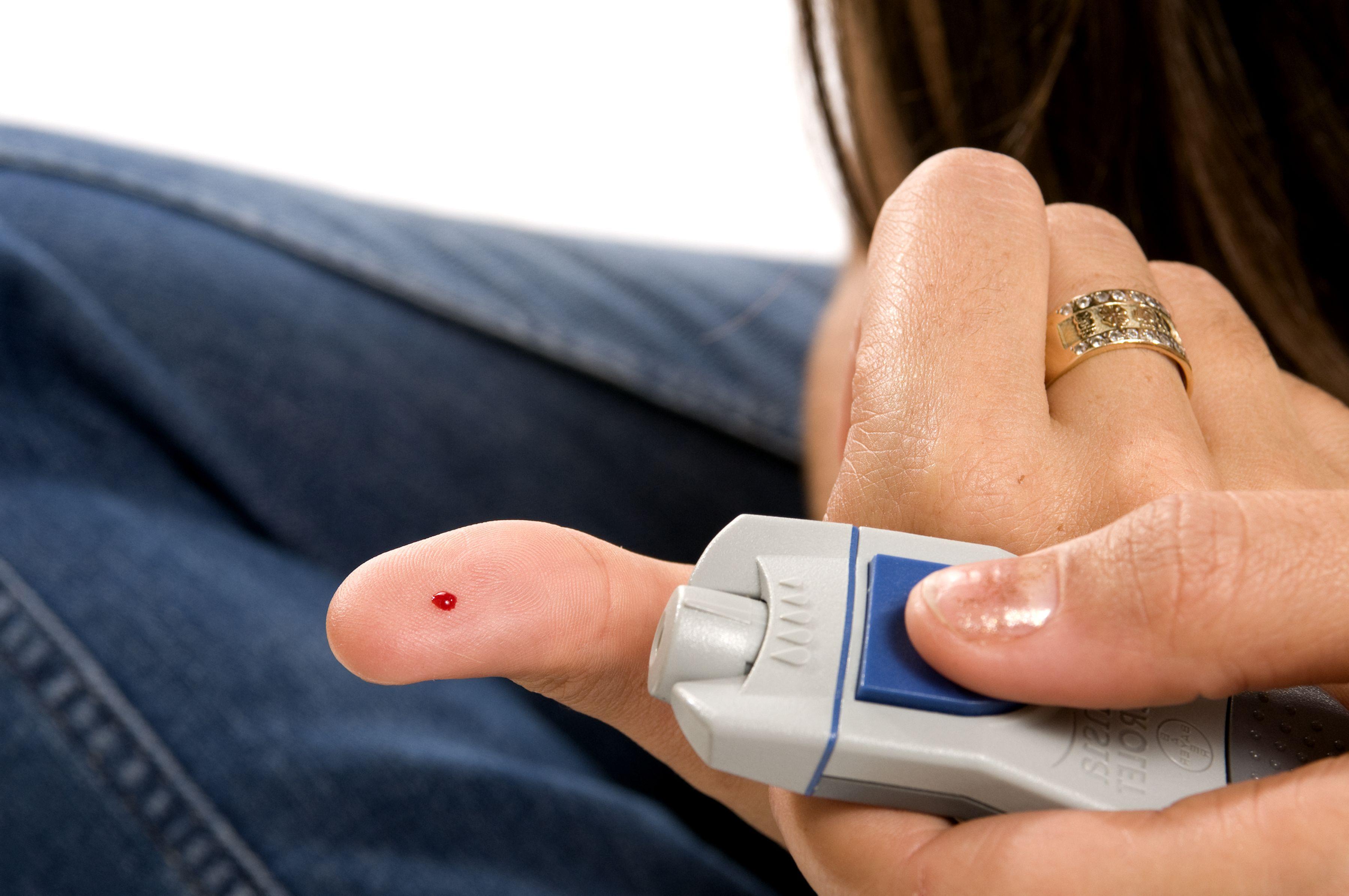
Monitoring your blood glucose is your primary feedback system. It tells you exactly how your diet, medication, and activity are affecting your body. Whether you use a traditional glucometer or a continuous glucose monitor (CGM), accurate tracking is key.
Your doctor will advise you on the frequency of checking, but generally, you will need to check at key times throughout the day.
- Check fasting levels (first thing in the morning).
- Check before major meals to determine insulin dosage, if needed.
- Check 1–2 hours after meals to see the impact of your food choices.
- Check before and after exercise sessions.
- Check before bed.
Make sure to keep detailed records. These logs are invaluable for your doctor when determining if medication dosages need to be changed or if your overall management strategy is working.
Navigating Medications and Insulin
Medications for diabetes vary widely. For Type 2 diabetes, this might start with oral medications that help your body use insulin more efficiently. For Type 1 diabetes, and sometimes advanced Type 2, insulin injections or pumps are necessary.
Adherence is non-negotiable. Skipping doses or adjusting them without professional advice can lead to dangerous fluctuations in blood sugar. If you are struggling with side effects or costs, talk immediately with your endocrinologist.
Proper insulin injection technique, storage, and dosage calculation (especially for basal and bolus doses) require careful education. Never hesitate to ask your medical team to review these skills with you.
Daily Tips for Thriving with Diabetes
Handling diabetes isn't just about big changes; it's about the small, consistent habits that stack up over time. These daily practices can make a huge difference in your overall well-being and stability.
Travel and Sick Day Protocols
Life doesn't stop because you have diabetes. Planning ahead for trips or unexpected illnesses is part of learning How To Handle Diabetes confidently.
When traveling, pack double the amount of supplies you think you'll need. Keep all necessary medication and monitoring tools in your carry-on luggage. If crossing time zones, discuss insulin adjustment plans with your doctor beforehand.
Sick days are particularly tricky because illness and fever can raise blood sugar dramatically. Never stop taking your insulin, even if you can't eat. Monitor your blood sugar and ketone levels frequently and stay well-hydrated.
Stress Management is Key
Did you know stress directly impacts your glucose levels? When you are stressed, your body releases hormones like cortisol, which instruct your liver to produce more sugar. Chronic stress makes diabetes management much harder.
Find healthy ways to cope with daily pressures. This might involve mindfulness, deep breathing exercises, or making sure you get enough high-quality sleep every night. Prioritizing mental health is just as important as monitoring your diet.
Conclusion: Taking Control of Your Journey
Learning How To Handle Diabetes is a lifelong journey requiring patience, education, and resilience. By committing to foundational lifestyle changes—eating mindfully, staying active—and adhering strictly to your medical plan, you set yourself up for long-term health and success.
Remember that fluctuations are normal, and setbacks happen. What truly matters is your commitment to getting back on track. Communicate openly with your healthcare team, stay informed, and embrace the power you have to live a vibrant life while managing your condition.
Frequently Asked Questions (FAQ) About Diabetes Management
- What is the most common mistake people make when trying to handle diabetes?
- The most common mistake is inconsistency. Skipping blood sugar checks, inconsistent meal timing, or failing to take medication regularly prevents stable glucose control and makes it difficult to determine if the treatment plan is working.
- How often should I see my doctor if I have well-managed diabetes?
- Typically, people with well-managed diabetes should see their primary care physician or endocrinologist every 3 to 6 months. Annual screenings for eye exams, kidney function, and foot health are also mandatory.
- Can stress truly raise my blood sugar?
- Yes, absolutely. Both acute and chronic stress cause the release of stress hormones (like cortisol and adrenaline) that signal the liver to increase glucose production. This is why stress management techniques are a crucial part of How To Handle Diabetes.
- What are the first signs of low blood sugar (hypoglycemia)?
- Symptoms of hypoglycemia can include shakiness, sweating, rapid heartbeat, anxiety, irritability, and hunger. It is crucial to treat low blood sugar immediately with 15 grams of fast-acting carbohydrate (like glucose tabs or juice) and recheck levels in 15 minutes.
How To Handle Diabetes
How To Handle Diabetes Wallpapers
Collection of how to handle diabetes wallpapers for your desktop and mobile devices.
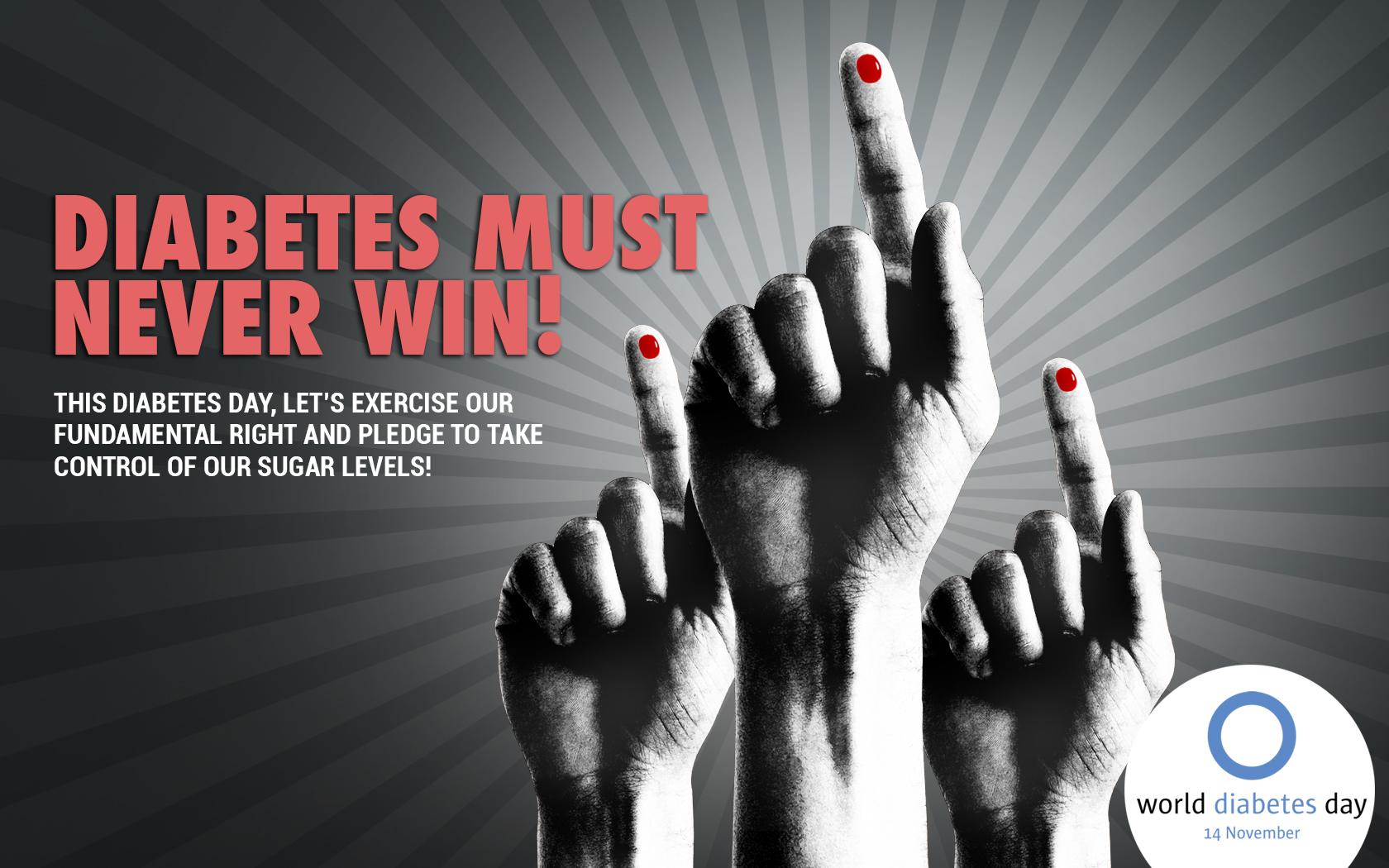
Detailed How To Handle Diabetes Picture Digital Art
Transform your screen with this vivid how to handle diabetes artwork, a true masterpiece of digital design.

Lush How To Handle Diabetes Moment Art
Immerse yourself in the stunning details of this beautiful how to handle diabetes wallpaper, designed for a captivating visual experience.

Beautiful How To Handle Diabetes Wallpaper for Your Screen
Transform your screen with this vivid how to handle diabetes artwork, a true masterpiece of digital design.
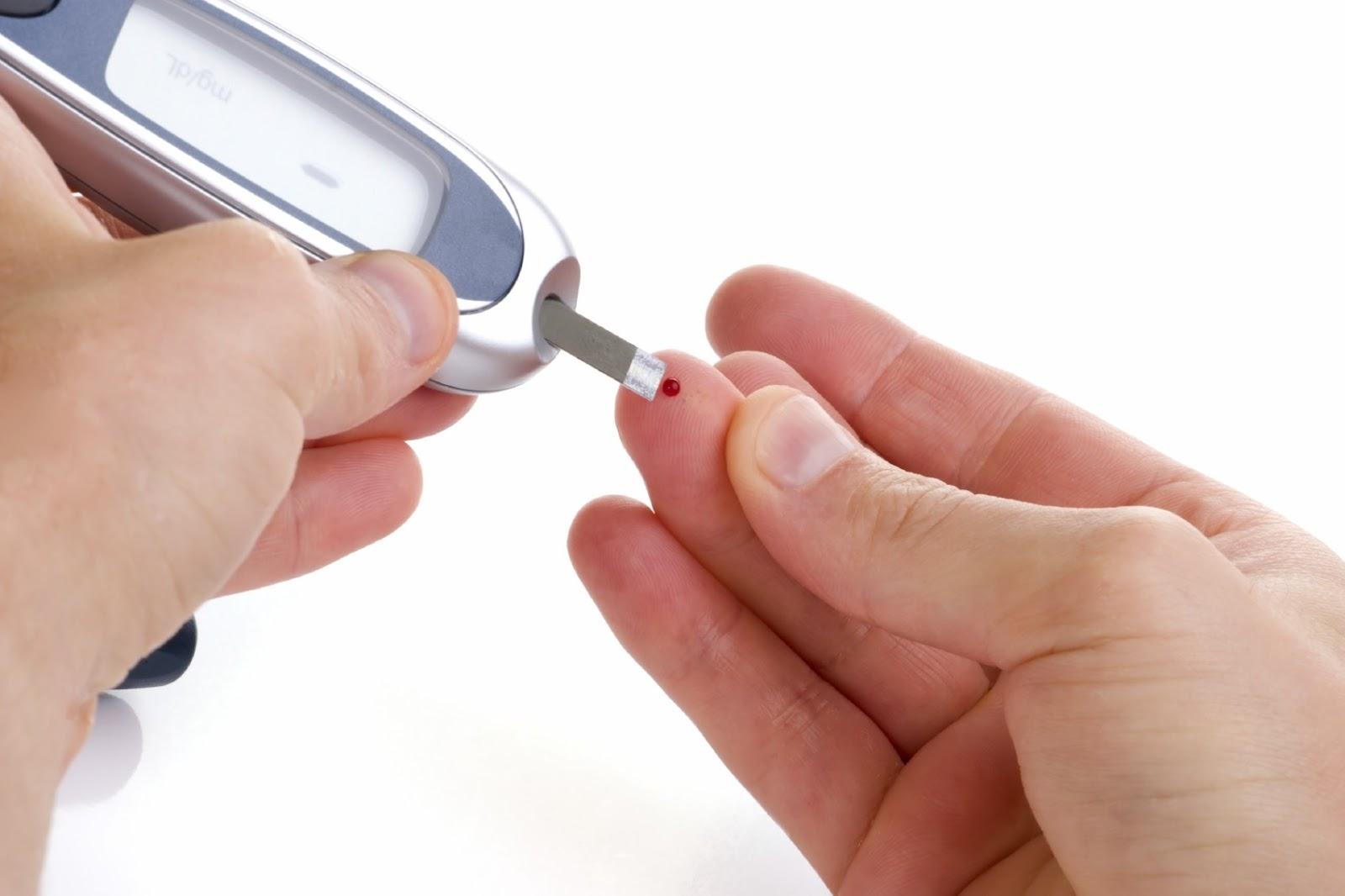
Artistic How To Handle Diabetes Capture Art
A captivating how to handle diabetes scene that brings tranquility and beauty to any device.

Vibrant How To Handle Diabetes Wallpaper Illustration
Explore this high-quality how to handle diabetes image, perfect for enhancing your desktop or mobile wallpaper.
Serene How To Handle Diabetes Scene in HD
Explore this high-quality how to handle diabetes image, perfect for enhancing your desktop or mobile wallpaper.
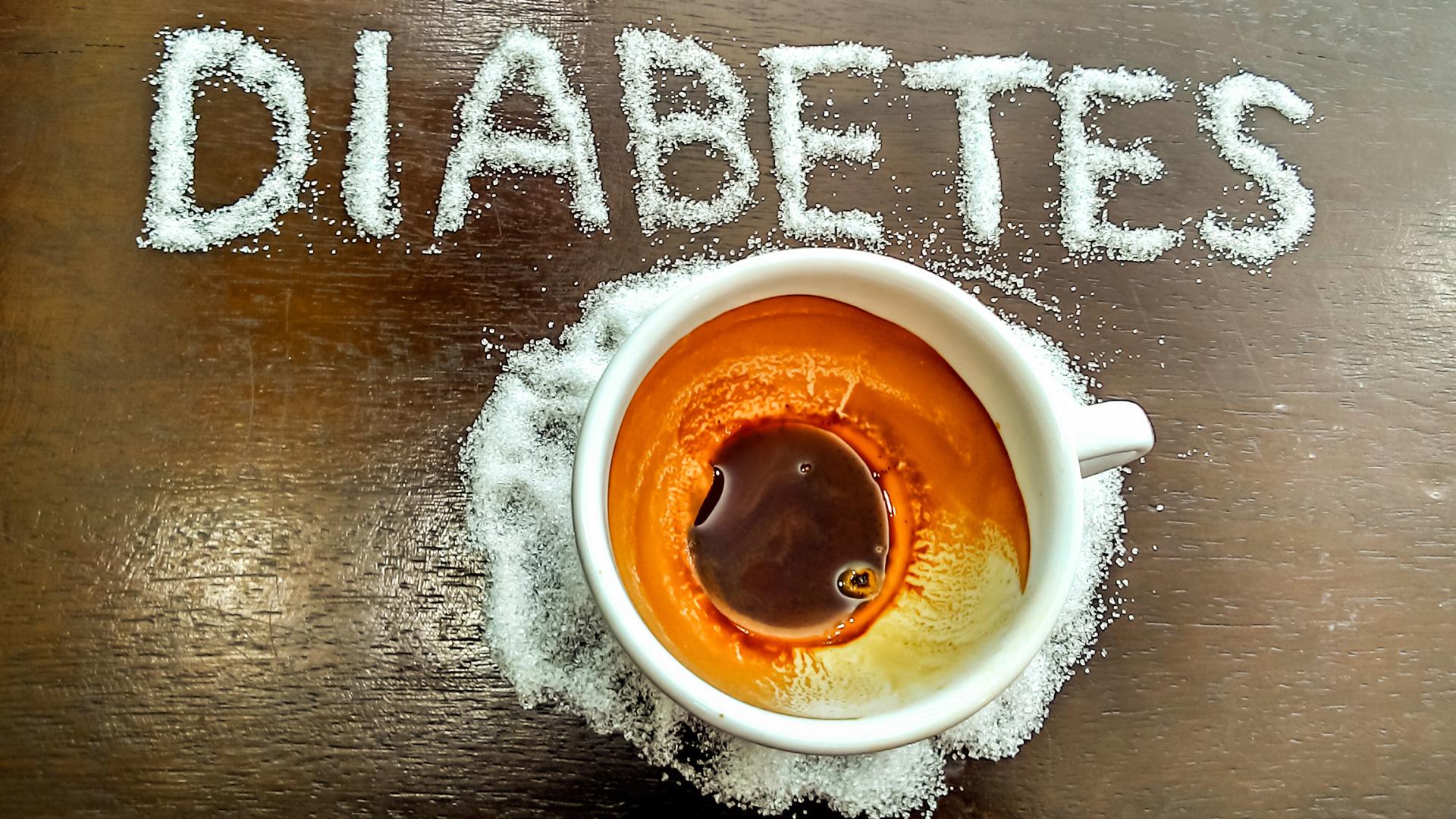
Spectacular How To Handle Diabetes Wallpaper for Your Screen
A captivating how to handle diabetes scene that brings tranquility and beauty to any device.

Dynamic How To Handle Diabetes Capture Art
Find inspiration with this unique how to handle diabetes illustration, crafted to provide a fresh look for your background.

Amazing How To Handle Diabetes Moment Art
Explore this high-quality how to handle diabetes image, perfect for enhancing your desktop or mobile wallpaper.
Stunning How To Handle Diabetes Image Concept
Find inspiration with this unique how to handle diabetes illustration, crafted to provide a fresh look for your background.

Crisp How To Handle Diabetes Picture Illustration
Find inspiration with this unique how to handle diabetes illustration, crafted to provide a fresh look for your background.
Amazing How To Handle Diabetes Photo Photography
Experience the crisp clarity of this stunning how to handle diabetes image, available in high resolution for all your screens.
Vivid How To Handle Diabetes Background Collection
Discover an amazing how to handle diabetes background image, ideal for personalizing your devices with vibrant colors and intricate designs.
High-Quality How To Handle Diabetes Capture Art
Transform your screen with this vivid how to handle diabetes artwork, a true masterpiece of digital design.
Mesmerizing How To Handle Diabetes Scene Concept
Experience the crisp clarity of this stunning how to handle diabetes image, available in high resolution for all your screens.

Breathtaking How To Handle Diabetes View for Your Screen
Experience the crisp clarity of this stunning how to handle diabetes image, available in high resolution for all your screens.
Vibrant How To Handle Diabetes Wallpaper in HD
Transform your screen with this vivid how to handle diabetes artwork, a true masterpiece of digital design.
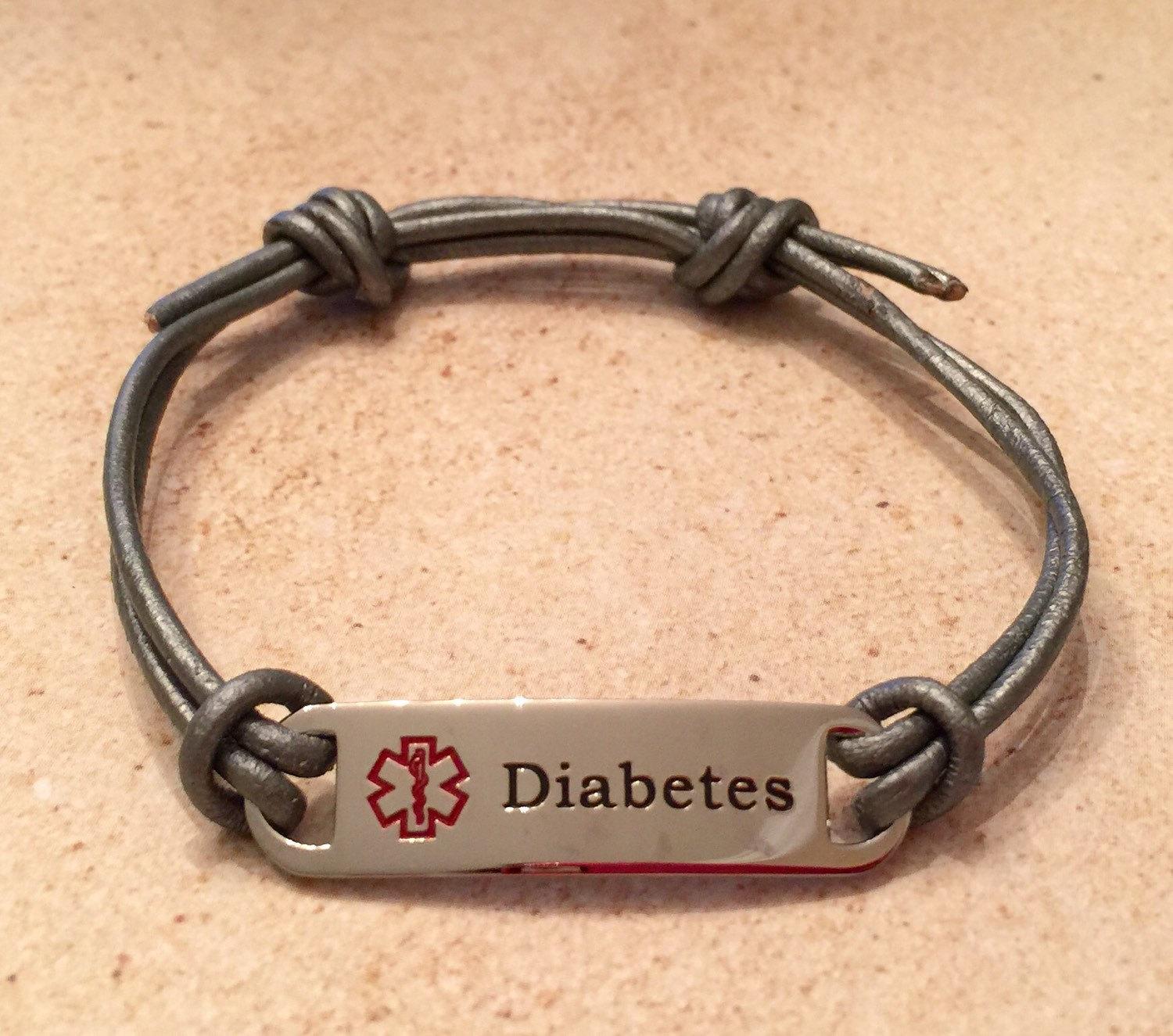
Lush How To Handle Diabetes Photo Illustration
This gorgeous how to handle diabetes photo offers a breathtaking view, making it a perfect choice for your next wallpaper.

Serene How To Handle Diabetes Landscape Art
Transform your screen with this vivid how to handle diabetes artwork, a true masterpiece of digital design.

Captivating How To Handle Diabetes Photo Digital Art
A captivating how to handle diabetes scene that brings tranquility and beauty to any device.
Download these how to handle diabetes wallpapers for free and use them on your desktop or mobile devices.