Polio Chicken: Understanding This Poultry Condition
If you're raising chickens, you might have heard the term "Polio Chicken" and wondered what exactly it means for your feathered friends. Don't worry, it's not related to human polio! This common poultry condition, officially known as Avian Encephalomyelitis (AE) or Epidemic Tremor, can be quite concerning for backyard flock owners and commercial producers alike. Understanding what Polio Chicken is, how it spreads, and what you can do about it is crucial for keeping your flock healthy and productive.
We're here to break down everything you need to know about "Polio Chicken" in a simple, straightforward way, so you can be prepared and protect your birds. Let's dive in!
What Exactly is Polio Chicken?
"Polio Chicken" is the common name for Avian Encephalomyelitis (AE), a viral disease primarily affecting young chickens and, less commonly, turkeys, pheasants, and quail. It's caused by a picornavirus that targets the nervous system, leading to the characteristic symptoms you'll learn about shortly. While the name might sound alarming, it's a specific poultry disease and doesn't pose a risk to human health in the same way human polio does.
This condition can lead to significant losses in young chicks due to their inability to reach feed and water, and it can also cause a temporary drop in egg production for laying hens, impacting profitability and flock vitality.
Recognizing the Signs: Symptoms of Polio Chicken
Spotting the symptoms early can help you manage the situation and protect other birds. Chicks infected with Polio Chicken typically show signs when they are 1 to 3 weeks old. Older birds, especially laying hens, might exhibit different symptoms or even none at all, making early detection vital.
Early Indicators in Young Chicks
In young chicks, the clinical signs are often quite distinct, indicating neurological involvement. These symptoms tend to progress, so careful observation is key:
- Tremors: This is the most distinctive symptom, often seen as fine, rapid trembling of the head and neck. It can be more noticeable when the bird is handled or stressed.
- Lack of Coordination: Affected chicks may appear unsteady on their feet, stumble, or have difficulty walking normally. They might sit on their hocks or move awkwardly.
- Progressive Paralysis: As the disease advances, birds can develop leg weakness, eventually leading to partial or complete paralysis, making them unable to stand and access food or water.
- Dullness and Depression: Infected birds often seem listless, quiet, and less active than their healthy flockmates, showing a general lack of vigor.
In laying hens, you might observe a sudden, temporary drop in egg production (sometimes by 10-20%) and a decrease in hatchability if the eggs are incubated.
How Does It Spread? Understanding Transmission
Understanding how Polio Chicken spreads is absolutely crucial for preventing outbreaks in your flock. The virus is highly contagious and can be transmitted in a couple of significant ways, often leveraging the close quarters typical of chicken coops.
Pathways of Infection in Your Flock
The virus can enter and spread through your flock via two main pathways:
- Vertical Transmission: This is a primary concern. An infected breeding hen can pass the virus directly to her offspring through the egg. Chicks hatched from these eggs are often infected from day one and can immediately start shedding the virus.
- Horizontal Transmission: The virus spreads from bird to bird through direct contact with infected individuals or indirectly via contaminated feces, feed, water, litter, or even equipment. This means if one bird gets it, others are at high risk, especially in crowded conditions.
The virus is quite resilient in the environment, further underscoring the importance of strict hygiene and biosecurity measures.
Preventing Polio Chicken in Your Flock
Prevention is always better than cure, especially when it comes to "Polio Chicken." There's no specific treatment for the virus once a bird is infected, so focusing on robust preventive measures is your best defense. Let's explore the key strategies you can employ to keep your flock safe from Avian Encephalomyelitis.
Biosecurity Measures to Keep Your Chickens Safe
Good biosecurity is your first line of defense against many poultry diseases, including Polio Chicken. Think of it as creating a fortress around your flock, minimizing the chances of disease introduction and spread.
Practical Steps for a Robust Defense
- Quarantine New Birds: Always isolate any new chickens, including chicks, for at least 3-4 weeks before introducing them to your existing flock. This allows you to monitor for any signs of illness.
- Maintain Cleanliness: Regularly clean and disinfect coops, feeders, and waterers. The virus can survive in the environment, so a clean space significantly reduces transmission risk.
- Footwear and Equipment Hygiene: Dedicate specific footwear and clothing for your chicken coop or use foot baths. Disinfect any equipment that goes between different areas or flocks.
- Pest Control: Wild birds, rodents, and insects can carry diseases. Implement effective pest control measures around your coop and feed storage areas.
- Source Responsibly: Purchase chicks and birds from reputable hatcheries and breeders known for their disease-free status and robust vaccination programs.
The Role of Vaccination
Vaccination is a highly effective tool in preventing Avian Encephalomyelitis, particularly in breeder flocks. This proactive measure provides a layer of protection that can safeguard future generations.
Protecting Your Breeders and Chicks
Vaccinating breeder hens ensures they develop immunity, which is then passed on to their chicks through the egg (maternal antibodies). These antibodies provide crucial protection to young chicks during their most vulnerable period, typically the first few weeks of life when clinical signs are most severe.
Discuss a vaccination schedule with your avian veterinarian, especially if you're managing a larger flock or a breeding operation. This proactive step can significantly reduce the risk and impact of "Polio Chicken" on your birds, minimizing economic losses and promoting flock health.
What to Do If Your Chickens Get Polio Chicken
If you suspect your chickens have "Polio Chicken," it's important to act quickly, even though there's no direct cure for the viral infection itself. The goal is to provide supportive care to affected birds and implement measures to prevent further spread within your flock.
Severely affected birds may need to be humanely culled to prevent prolonged suffering and reduce the viral load in your flock, thereby protecting others. For less affected birds, ensure they have easy access to feed and water, as their mobility might be compromised. Keep them warm and comfortable in a clean, dry environment. Always consult an avian veterinarian for accurate diagnosis and guidance. They can confirm the disease through laboratory testing and help you develop a comprehensive management plan for your specific situation.
Conclusion
Understanding "Polio Chicken" (Avian Encephalomyelitis) is vital for anyone raising poultry, whether for backyard enjoyment or commercial production. While it can be a challenging condition with significant impacts, the good news is that proactive measures can significantly reduce its threat. Remember to focus on strong biosecurity practices, consider vaccination for your breeder flocks, and be vigilant in observing your birds for any symptoms.
By taking these essential steps, you're not just protecting individual birds; you're safeguarding the health, well-being, and productivity of your entire flock. A healthy flock is a happy flock, and with the right knowledge and consistent effort, you can keep your chickens thriving!
Frequently Asked Questions About Polio Chicken
- Is "Polio Chicken" related to human polio?
- No, despite the common name, Avian Encephalomyelitis (Polio Chicken) is caused by a different virus that is specific to poultry. It is not related to the human polio virus and does not pose a direct threat to human health.
- Can humans eat meat or eggs from chickens affected by Polio Chicken?
- Yes, eggs and meat from chickens that have recovered from or are mildly affected by Avian Encephalomyelitis are generally considered safe for human consumption. The virus is not known to be zoonotic (transmissible to humans). However, it's always best practice to cook all poultry products thoroughly.
- Are young or old chickens more susceptible to Polio Chicken?
- Young chicks, typically between 1 to 3 weeks of age, are most susceptible to showing severe clinical signs, often experiencing tremors and paralysis. Older birds, particularly laying hens, can get infected but often show milder symptoms like a temporary drop in egg production, or even no symptoms at all.
- Is there a cure for Polio Chicken?
- Unfortunately, there is no specific cure or antiviral treatment for the Avian Encephalomyelitis virus once a chicken is infected. Treatment focuses on supportive care to help affected birds access feed and water and manage secondary issues. Prevention through vaccination and strong biosecurity remains the most effective strategy.
Polio Chicken
Polio Chicken Wallpapers
Collection of polio chicken wallpapers for your desktop and mobile devices.
Captivating Polio Chicken Artwork for Mobile
This gorgeous polio chicken photo offers a breathtaking view, making it a perfect choice for your next wallpaper.
Mesmerizing Polio Chicken Photo in HD
Discover an amazing polio chicken background image, ideal for personalizing your devices with vibrant colors and intricate designs.

Amazing Polio Chicken Picture for Mobile
Experience the crisp clarity of this stunning polio chicken image, available in high resolution for all your screens.
Serene Polio Chicken Landscape Digital Art
Transform your screen with this vivid polio chicken artwork, a true masterpiece of digital design.
High-Quality Polio Chicken Scene in 4K
Discover an amazing polio chicken background image, ideal for personalizing your devices with vibrant colors and intricate designs.
Dynamic Polio Chicken Background for Mobile
Find inspiration with this unique polio chicken illustration, crafted to provide a fresh look for your background.

Vibrant Polio Chicken Wallpaper Nature
Discover an amazing polio chicken background image, ideal for personalizing your devices with vibrant colors and intricate designs.
Detailed Polio Chicken Artwork Photography
Experience the crisp clarity of this stunning polio chicken image, available in high resolution for all your screens.

Captivating Polio Chicken Photo in HD
This gorgeous polio chicken photo offers a breathtaking view, making it a perfect choice for your next wallpaper.

Lush Polio Chicken Design in HD
This gorgeous polio chicken photo offers a breathtaking view, making it a perfect choice for your next wallpaper.

Serene Polio Chicken Background Photography
Discover an amazing polio chicken background image, ideal for personalizing your devices with vibrant colors and intricate designs.
Vivid Polio Chicken Scene Photography
Transform your screen with this vivid polio chicken artwork, a true masterpiece of digital design.
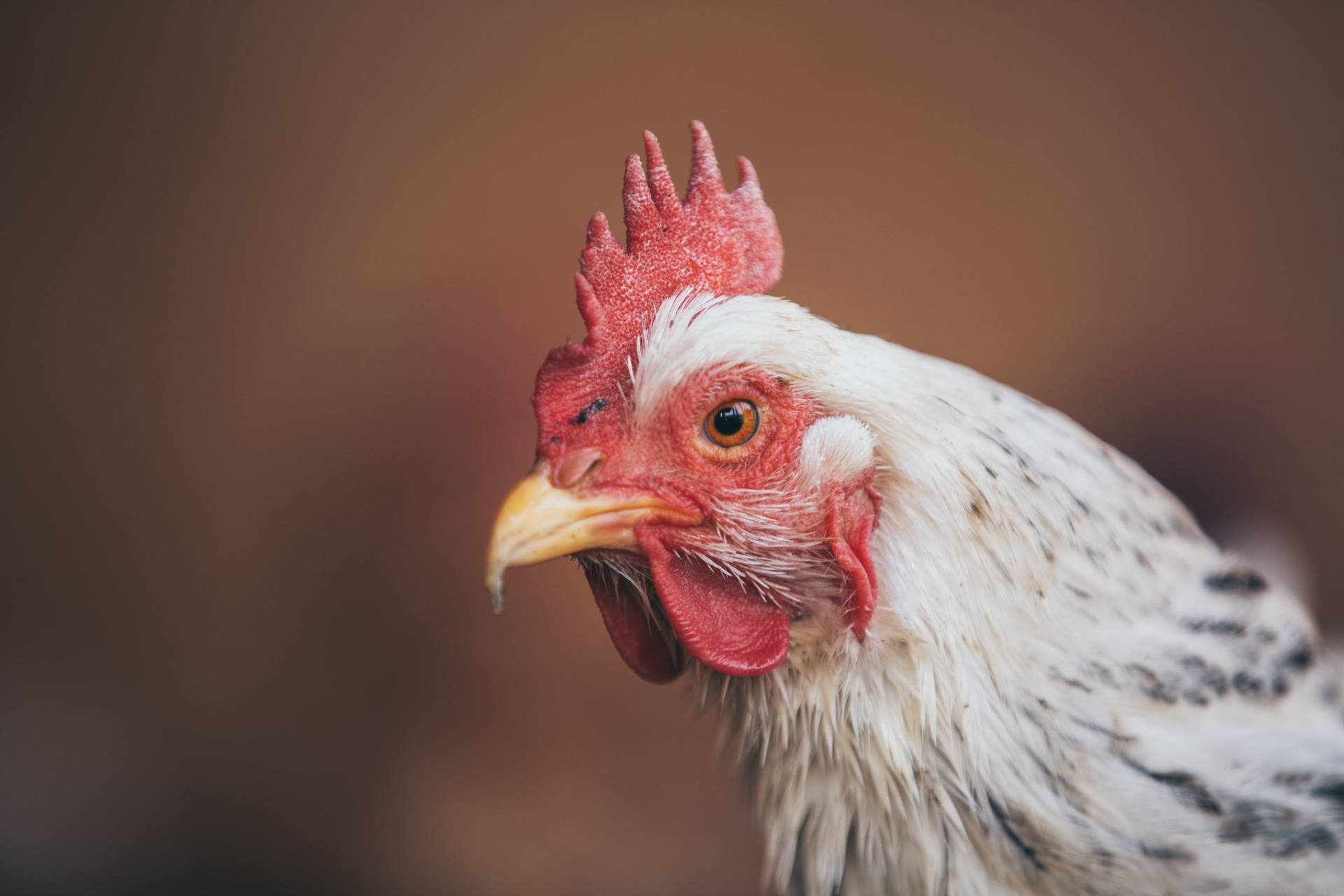
Breathtaking Polio Chicken Moment Concept
Discover an amazing polio chicken background image, ideal for personalizing your devices with vibrant colors and intricate designs.
Vibrant Polio Chicken Artwork Collection
Experience the crisp clarity of this stunning polio chicken image, available in high resolution for all your screens.

High-Quality Polio Chicken Background Art
Experience the crisp clarity of this stunning polio chicken image, available in high resolution for all your screens.

Vibrant Polio Chicken Moment Collection
Experience the crisp clarity of this stunning polio chicken image, available in high resolution for all your screens.

Mesmerizing Polio Chicken Abstract for Your Screen
Experience the crisp clarity of this stunning polio chicken image, available in high resolution for all your screens.
Mesmerizing Polio Chicken Image for Mobile
Explore this high-quality polio chicken image, perfect for enhancing your desktop or mobile wallpaper.

Breathtaking Polio Chicken View Digital Art
Explore this high-quality polio chicken image, perfect for enhancing your desktop or mobile wallpaper.

Vibrant Polio Chicken Background Illustration
Transform your screen with this vivid polio chicken artwork, a true masterpiece of digital design.
Download these polio chicken wallpapers for free and use them on your desktop or mobile devices.