Symptoms And Effects Of Diabetes: A Comprehensive Guide to Understanding Your Health
Dealing with diabetes, or suspecting you might have it, can feel overwhelming. It's a chronic condition that affects millions globally, but gaining knowledge is the first powerful step towards managing it successfully and minimizing its impact.
Understanding the immediate symptoms and effects of diabetes is crucial for early detection and preventing serious long-term complications. Diabetes management is highly personalized, but knowing what to look out for is universal. We are going to walk through everything you need to know, from the initial subtle signs to the potential long-term impacts on your body. Let's dive in and empower you with essential health information.
Recognizing the Early Symptoms of Diabetes
Often, the earliest signs of diabetes are dismissed as simple fatigue or stress. However, these symptoms are your body signaling that something is fundamentally off, specifically concerning how it handles glucose (sugar).
When glucose levels in the bloodstream remain persistently high, the kidneys work overtime to filter and flush out the excess sugar. This mechanism leads directly to the most common initial symptoms you should be aware of.
The Classic Trio of Symptoms
Doctors often refer to three main P's when diagnosing diabetes, particularly Type 1, which tends to manifest more suddenly and intensely. These symptoms result from the osmotic effect of high glucose concentrations.
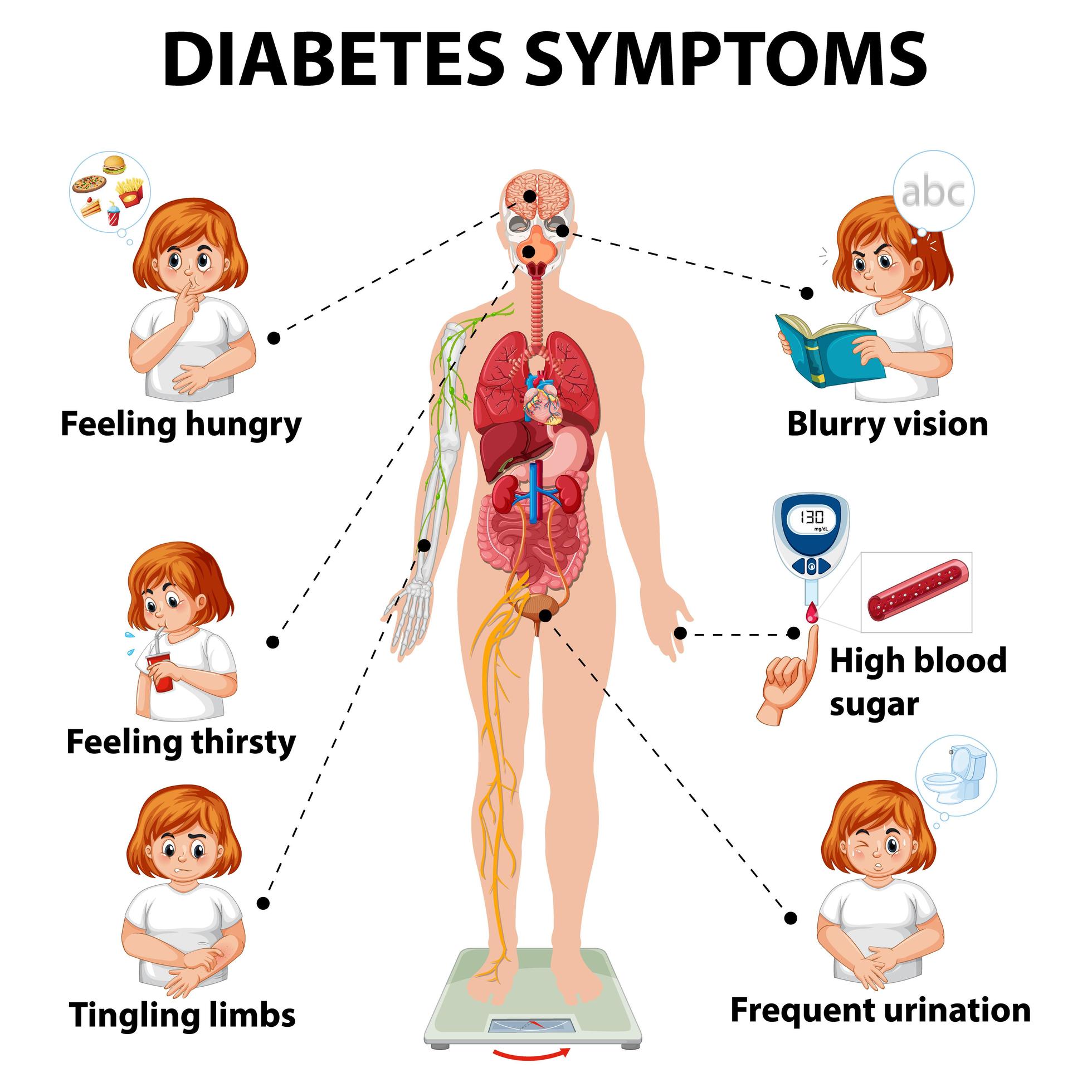
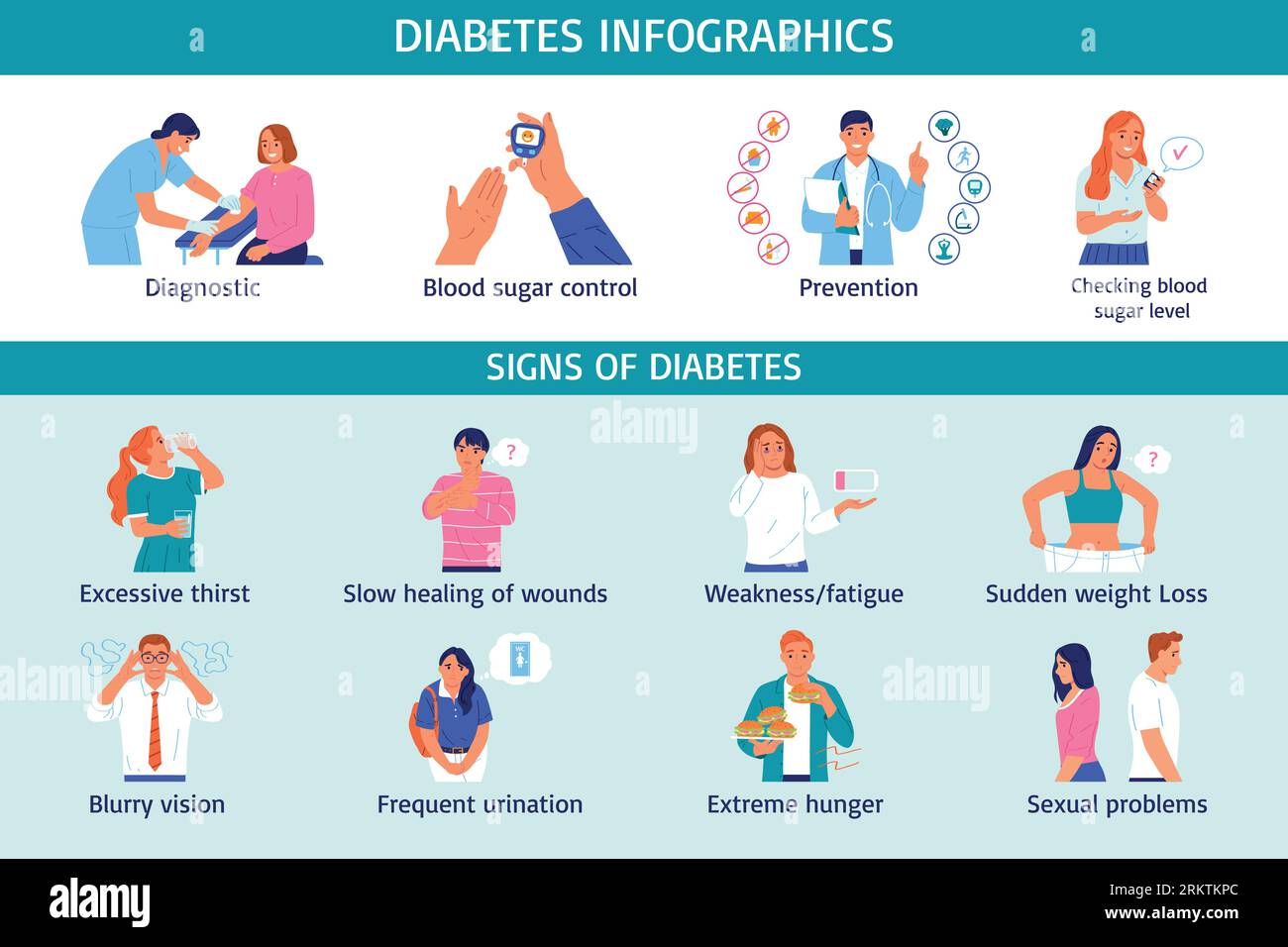
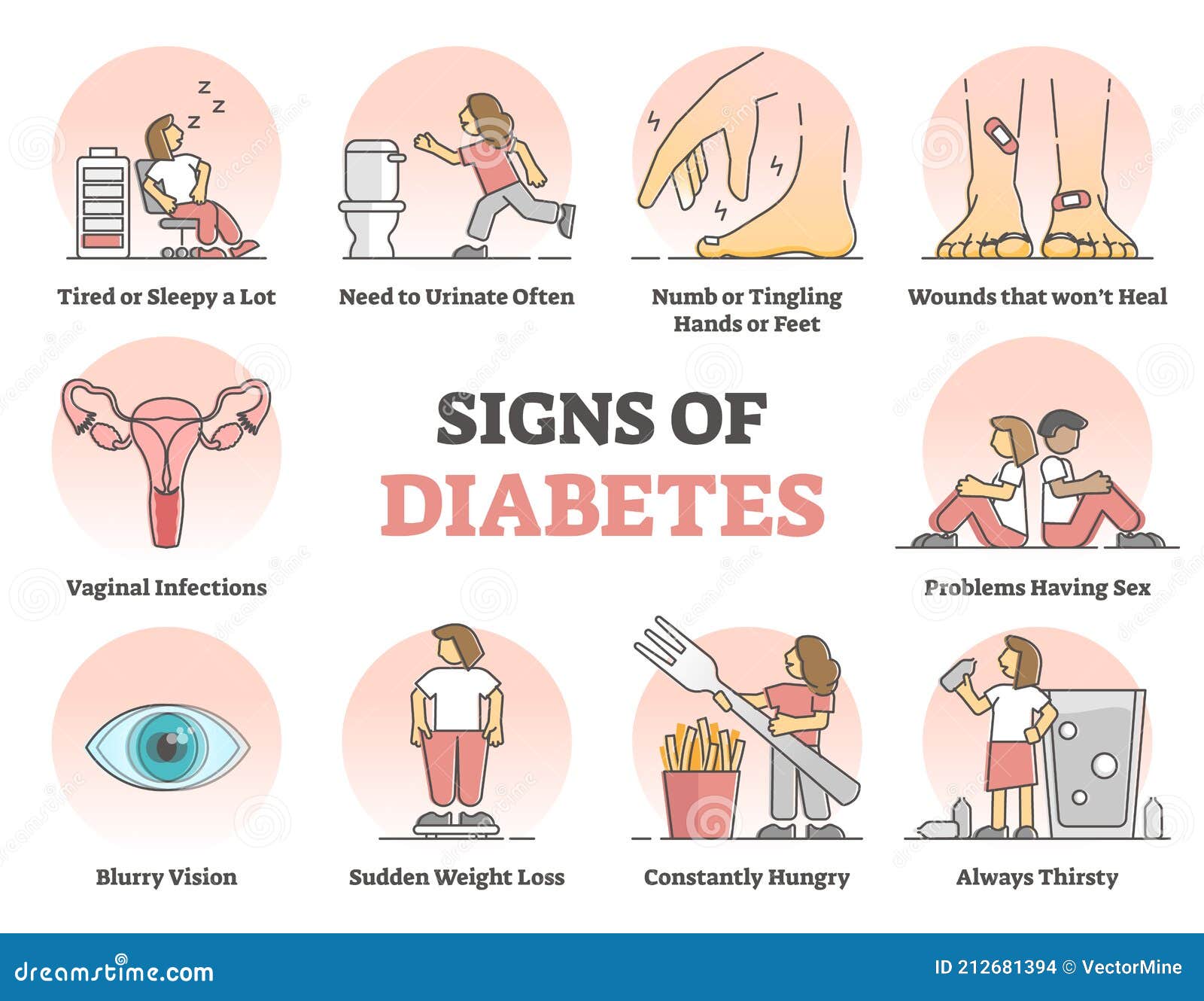
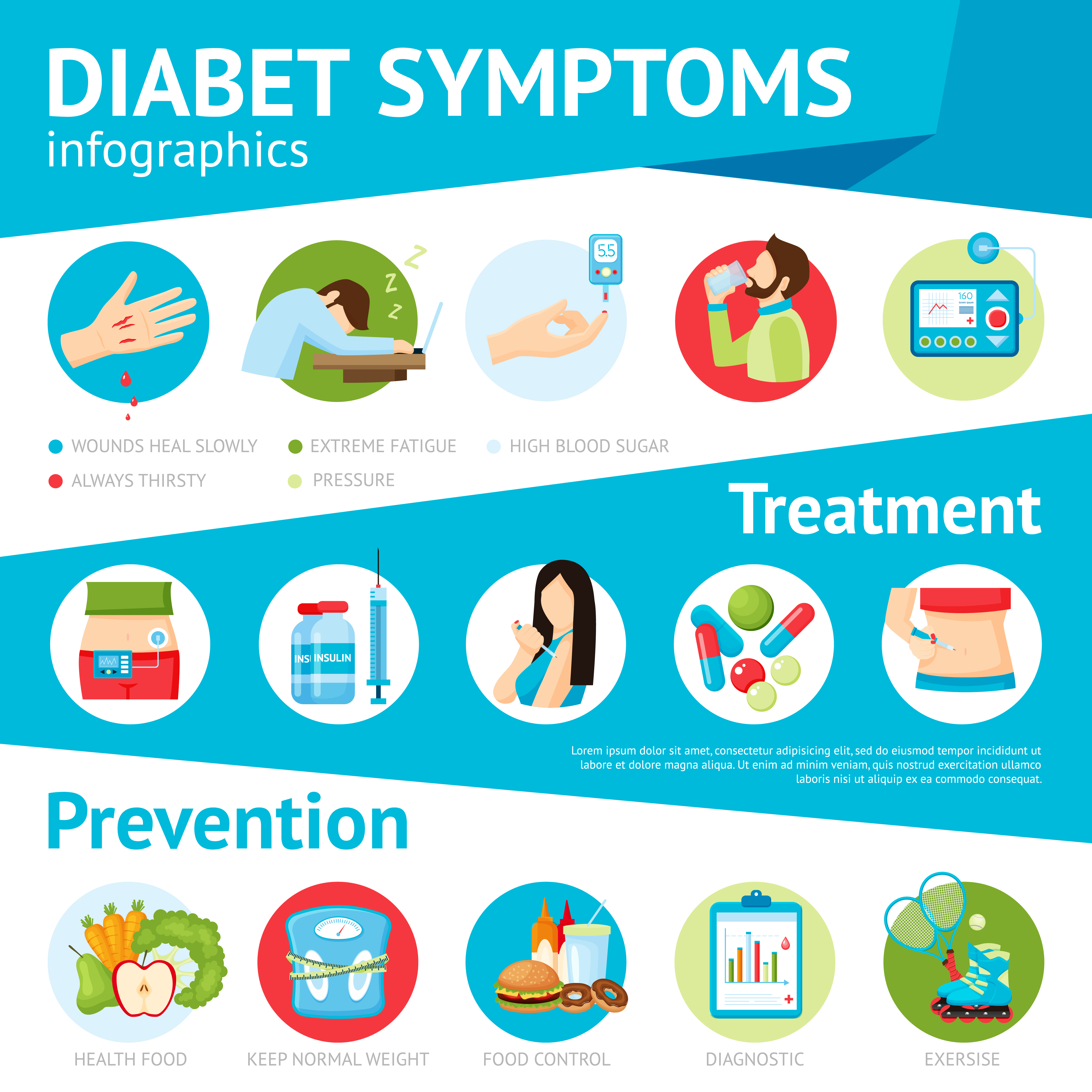
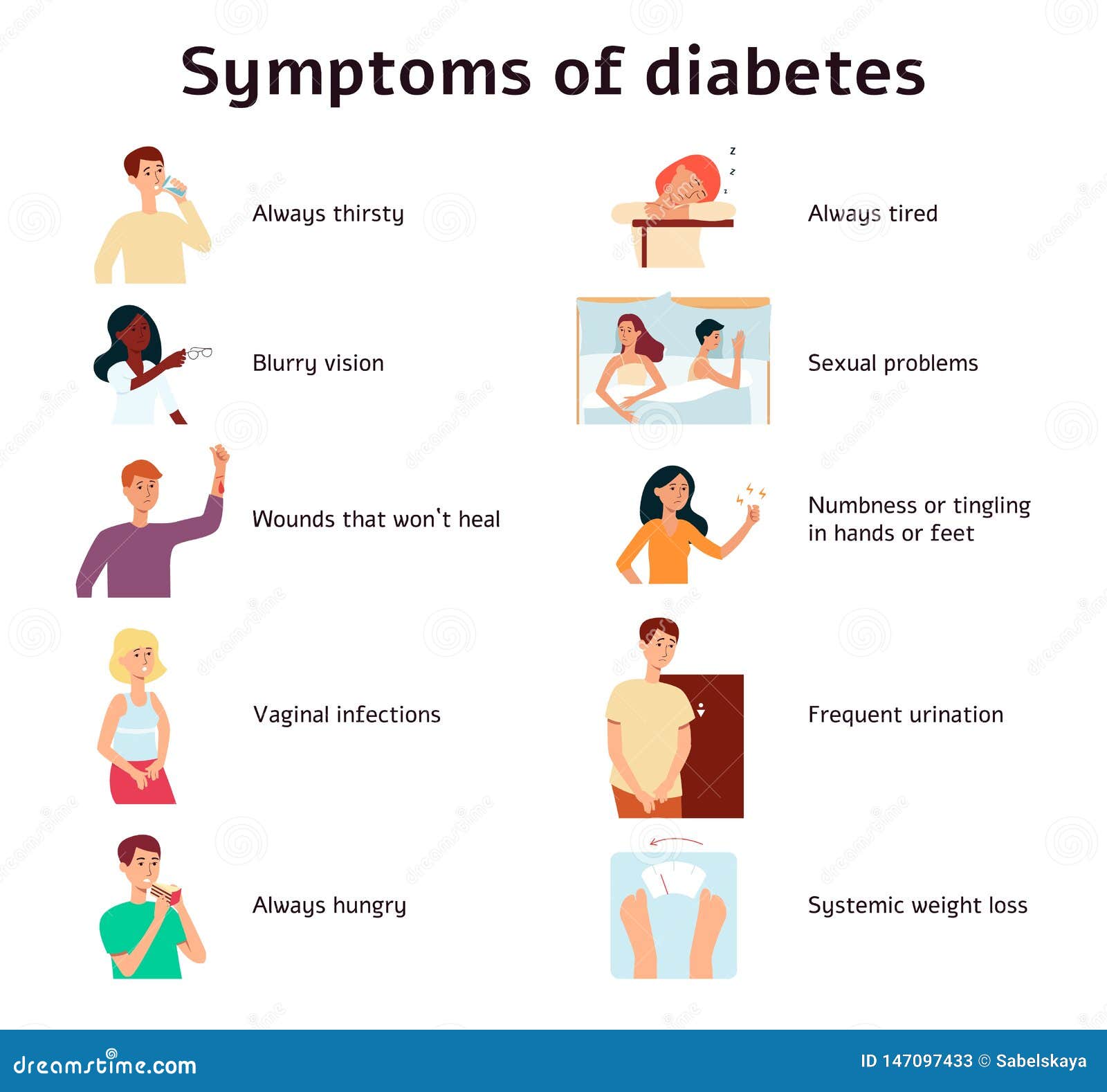
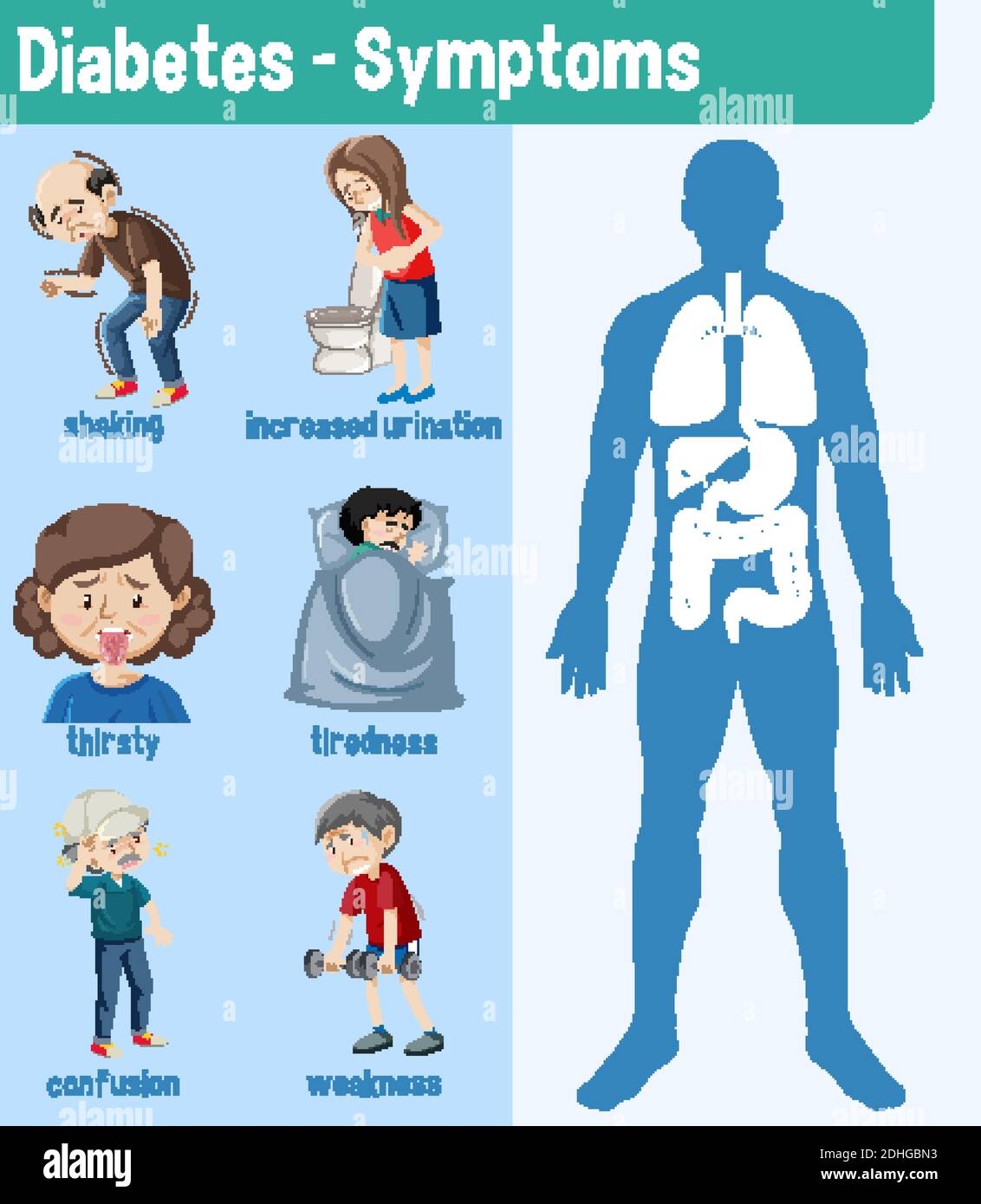
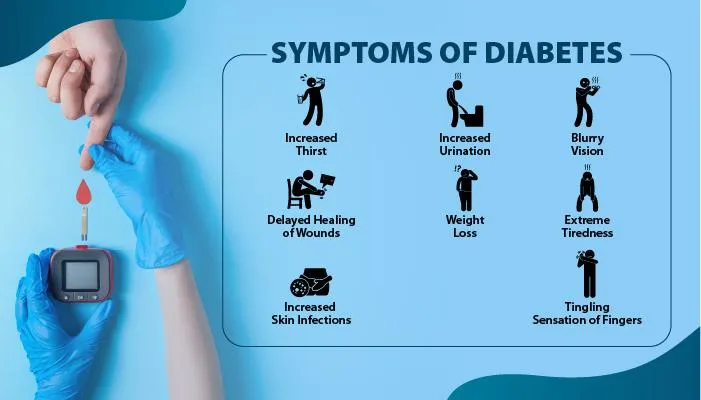
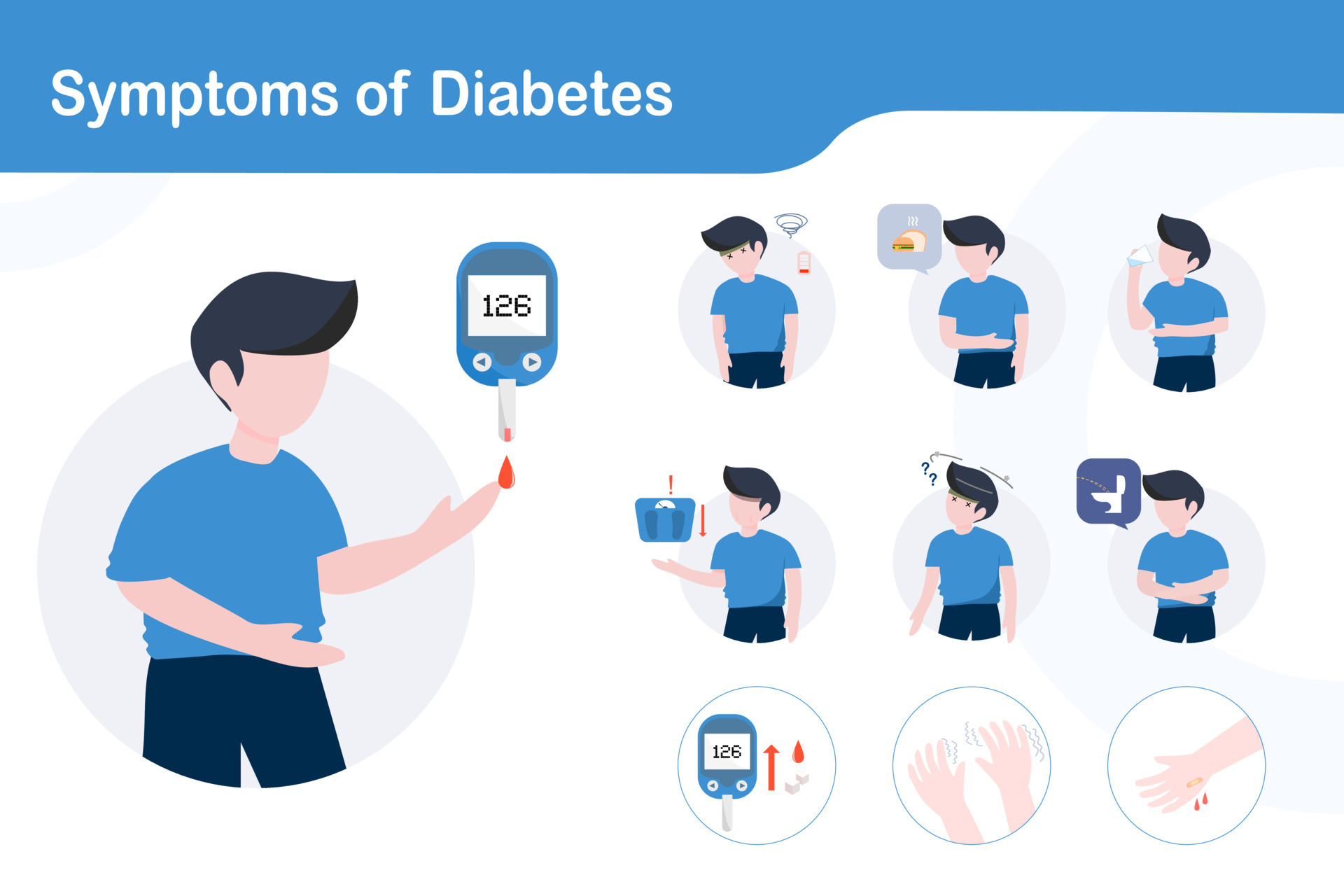
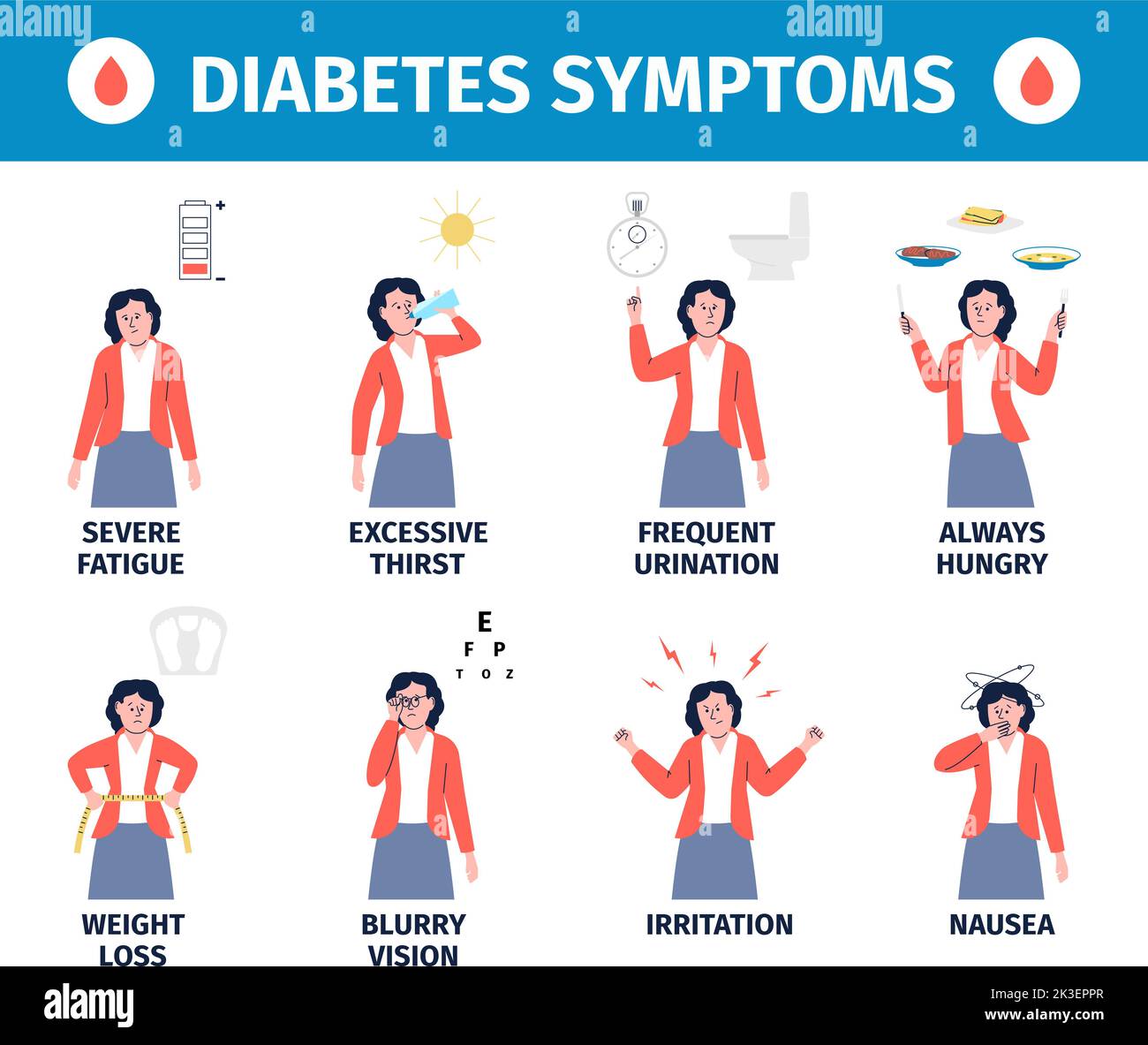
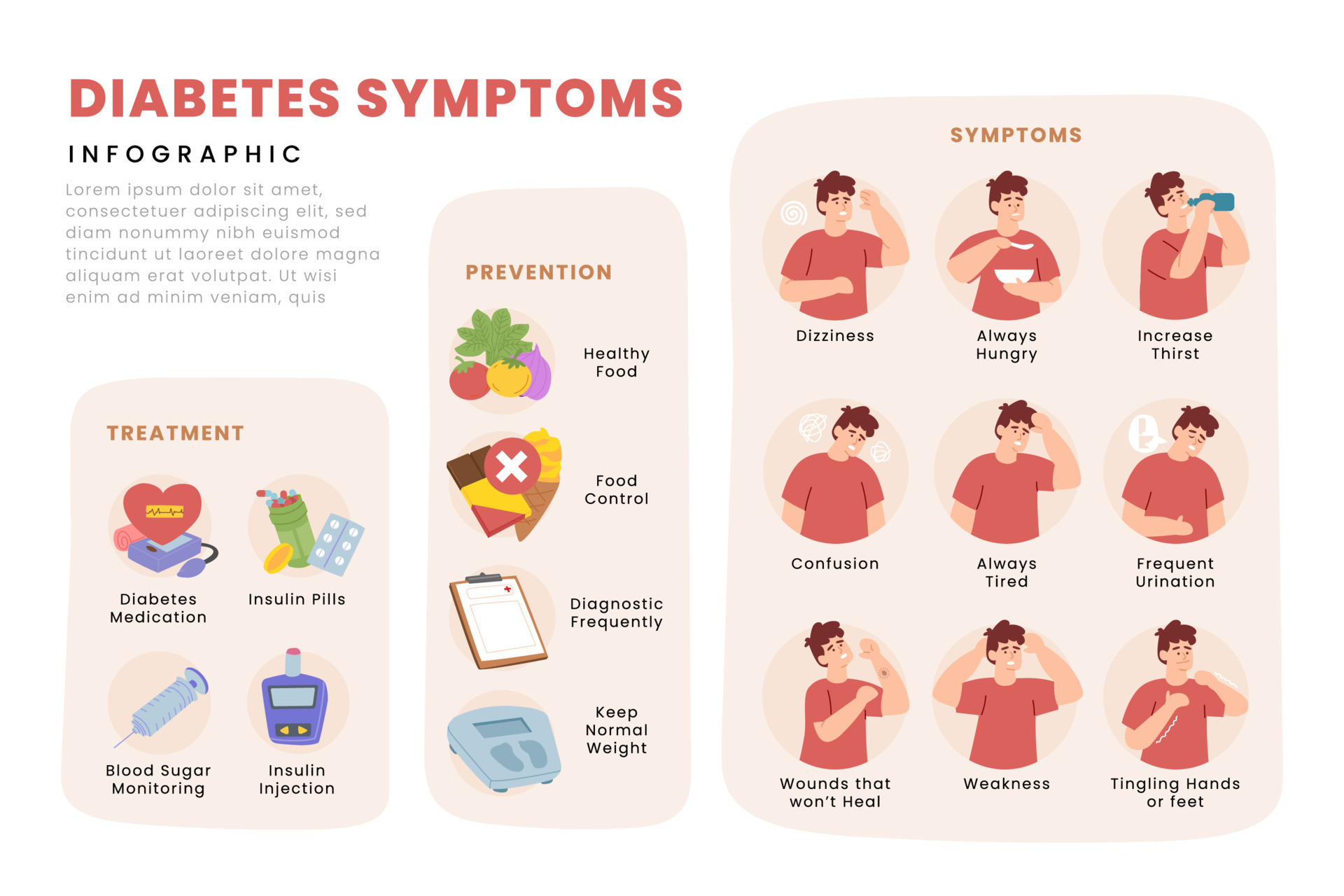
- Polydipsia (Extreme Thirst): High blood sugar literally pulls water from your cells and tissues into the bloodstream. Your body tries to compensate for this fluid loss, leading to intense and unquenchable thirst.
- Polyuria (Frequent Urination): Since your kidneys are working overtime to filter out excess glucose that is being dumped into the urine, you will find yourself needing to urinate much more often. This often means waking up multiple times during the night, interrupting sleep.
- Polyphagia (Increased Hunger): Even though you are consuming food, your cells aren't getting the necessary fuel because the glucose can't enter without adequate insulin. This starves the cells, tricking your brain into thinking you are hungry all the time, significantly increasing your appetite.
Less Obvious Warning Signs
Beyond the primary symptoms, there are several secondary signs that high blood sugar is taking a toll on your body. These are sometimes the only clues present in the early stages of Type 2 diabetes.
- Unexplained Weight Loss: Because the body cannot use glucose for energy, it starts breaking down muscle and fat stores instead.
- Fatigue and Weakness: Lack of cellular energy means feeling chronically tired, despite getting enough sleep.
- Blurry Vision: High glucose levels can temporarily change the shape of the lens in your eyes, causing difficulty focusing.
- Slow Healing Sores: High sugar impairs the body's ability to heal wounds and fight infections. Cuts, bruises, or sores may take weeks or months to close.
- Frequent Infections: Diabetes can suppress the immune system, making you more susceptible to yeast infections, skin infections, and urinary tract infections (UTIs).
Understanding the Different Types and Their Immediate Effects
While the overall symptoms of high blood sugar are similar across the board, the speed and severity of onset differ greatly depending on the type of diabetes diagnosed.
Type 1 Diabetes: Rapid Onset and Ketoacidosis Risk
Type 1 is an autoimmune condition where the body attacks the insulin-producing cells in the pancreas. Because insulin production ceases almost entirely, the symptoms often appear rapidly, usually within weeks or months, and can be quite dramatic.
A serious, immediate effect of undiagnosed or poorly managed Type 1 diabetes is Diabetic Ketoacidosis (DKA). DKA occurs when the body, lacking insulin, starts burning fat for energy, producing toxic ketones that build up in the blood. DKA is a medical emergency characterized by nausea, vomiting, abdominal pain, and deep, rapid breathing.
Type 2 Diabetes: Gradual Development
Type 2 diabetes typically develops slowly over many years. In this case, the body either doesn't produce enough insulin or, more commonly, the cells become resistant to insulin's effects (insulin resistance).
Because the onset is so gradual, many people live for years without realizing they have the condition. Often, Type 2 is diagnosed only after significant damage has already been done, or when routine blood work reveals dangerously high glucose levels. Therefore, regular screening is essential, especially if you have risk factors.
Long-Term Effects of Uncontrolled Blood Sugar
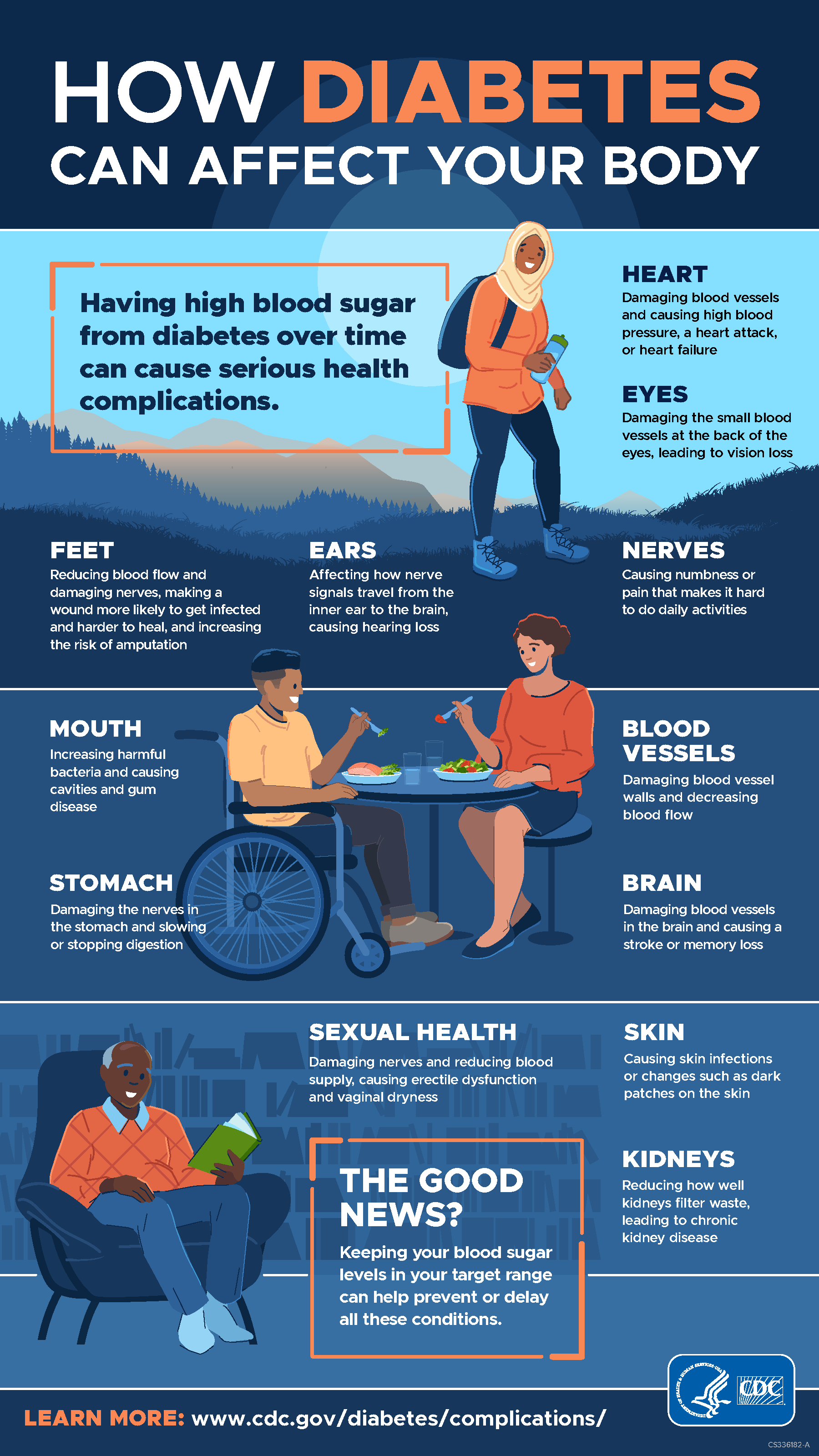
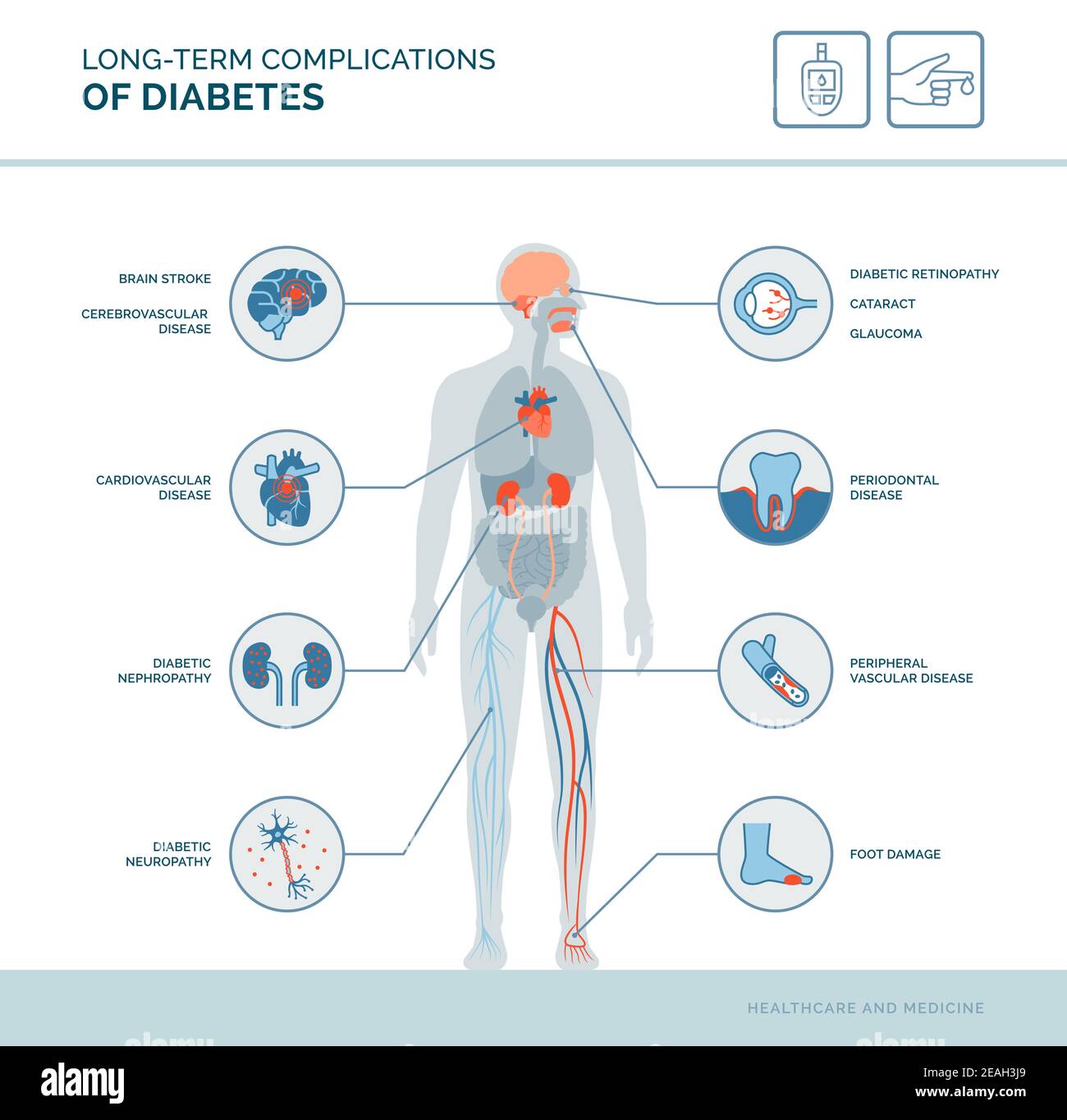
When the condition remains poorly managed over many years, the long-term symptoms and effects of diabetes can become severe and chronic. Chronic high glucose acts like sandpaper on blood vessels throughout the body, both large and small, leading to systemic damage.
Microvascular Complications (Nerve and Kidney Damage)
These issues affect the tiny blood vessels (capillaries), causing significant damage to vital organs over time. This category includes some of the most concerning effects of long-term diabetes.
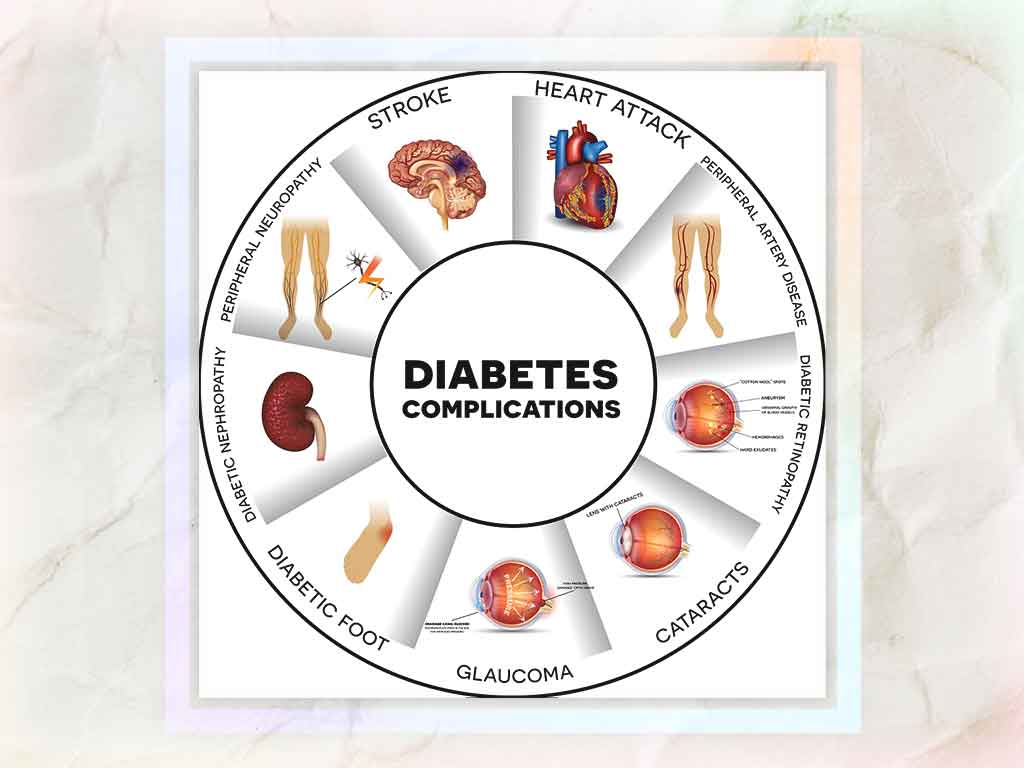
- Diabetic Neuropathy (Nerve Damage): This is the most common complication, often starting in the feet and legs. Symptoms include tingling, numbness, burning pain, or a complete loss of sensation, which makes injury detection difficult.
- Diabetic Retinopathy (Eye Damage): Damage to the vessels in the retina can impair vision and, if left untreated, lead to blindness. Regular eye exams are critical for prevention.
- Diabetic Nephropathy (Kidney Damage): High blood sugar strains the filtering mechanisms in the kidneys. This can progress to chronic kidney disease and eventually require dialysis or a kidney transplant.
Macrovascular Complications (Heart and Circulation Issues)
These issues affect the large blood vessels, significantly increasing the risk for major cardiovascular events. Diabetes accelerates the development of atherosclerosis (hardening and narrowing of the arteries).
This puts individuals at a substantially higher risk for heart attacks, strokes, and peripheral artery disease (PAD). Maintaining stable blood pressure and cholesterol, in addition to managing sugar levels, is therefore incredibly vital for long-term health.
Focusing on Foot Health
A specific and critical consequence of both poor circulation and nerve damage is diabetic foot complications. Because you might lose sensation in your feet (neuropathy), small cuts, blisters, or pressure sores can go unnoticed.
Due to poor circulation, these injuries heal slowly and can quickly turn into serious infections or ulcers. Daily foot checks and professional podiatric care are non-negotiable for anyone living with diabetes. Prevention here truly saves limbs and maintains mobility.
Taking Control: Management and Prevention
The good news is that recognizing these symptoms and proactively managing the condition can dramatically reduce the risk of long-term effects. Management strategies focus on keeping blood glucose within target ranges.
For Type 1 diabetes, this means careful insulin dosing, carbohydrate counting, and frequent monitoring. For Type 2, management often starts with lifestyle changes, which may include oral medications and sometimes insulin.
Key proactive steps include:
- Adopting a balanced, low-glycemic diet.
- Engaging in regular physical activity (aim for at least 150 minutes of moderate activity weekly).
- Checking blood sugar levels frequently as directed by your doctor.
- Attending all scheduled doctor appointments, including annual eye and foot exams.
- Taking medications exactly as prescribed to maintain tight control.
Remember, prevention is always better than cure. If you have a family history of diabetes or exhibit risk factors (like obesity or high blood pressure), speak to your doctor about screening today.
Conclusion
Understanding the immediate signs and long-term consequences is the core of successful diabetes management. The critical symptoms and effects of diabetes—from excessive thirst and urination to the slow development of nerve and cardiovascular damage—all highlight the necessity of early detection and rigorous control.
While a diabetes diagnosis can be challenging, consistent management through diet, exercise, and medication empowers you to lead a long, healthy life, effectively mitigating the worst potential effects. Don't wait for the severe complications to motivate you; take charge of your blood sugar control today.
Frequently Asked Questions (FAQ) About Diabetes
- What is the difference between Type 1 and Type 2 diabetes symptoms?
- Type 1 symptoms usually develop rapidly (over weeks) and are severe, often requiring immediate medical intervention due to DKA risk. Type 2 symptoms develop very slowly (over years), often starting as mild, vague fatigue or slow wound healing, sometimes going unnoticed until complications arise.
- Can the long-term effects of diabetes be reversed?
- While severe, established long-term damage (like significant neuropathy or advanced kidney failure) cannot typically be fully reversed, excellent blood sugar control can halt the progression of complications and, in some cases, partially mitigate earlier damage, such as minor retinopathy.
- Are sudden blurred vision and weight loss always symptoms of diabetes?
- They are strong indicators, but they can also be symptoms of other conditions. However, when sudden blurred vision, unexplained weight loss, and extreme thirst occur together, immediate glucose testing is highly recommended as this strongly suggests the onset of Type 1 or severe Type 2 diabetes.
- How often should someone with diabetes check their blood sugar?
- Monitoring frequency depends heavily on the type of diabetes and the treatment plan. Someone using insulin (Type 1 or insulin-dependent Type 2) may need to check 4-10 times daily. Those managing the condition via diet or oral medication may check once daily or a few times per week. Always follow your endocrinologist's specific advice.
Symptoms And Effects Of Diabetes
Symptoms And Effects Of Diabetes Wallpapers
Collection of symptoms and effects of diabetes wallpapers for your desktop and mobile devices.
Mesmerizing Symptoms And Effects Of Diabetes Capture Collection
Explore this high-quality symptoms and effects of diabetes image, perfect for enhancing your desktop or mobile wallpaper.
Serene Symptoms And Effects Of Diabetes Picture in HD
Explore this high-quality symptoms and effects of diabetes image, perfect for enhancing your desktop or mobile wallpaper.
Stunning Symptoms And Effects Of Diabetes Photo for Desktop
Find inspiration with this unique symptoms and effects of diabetes illustration, crafted to provide a fresh look for your background.
Beautiful Symptoms And Effects Of Diabetes Picture Art
Explore this high-quality symptoms and effects of diabetes image, perfect for enhancing your desktop or mobile wallpaper.
Lush Symptoms And Effects Of Diabetes Landscape for Desktop
Immerse yourself in the stunning details of this beautiful symptoms and effects of diabetes wallpaper, designed for a captivating visual experience.
Dynamic Symptoms And Effects Of Diabetes Photo for Your Screen
This gorgeous symptoms and effects of diabetes photo offers a breathtaking view, making it a perfect choice for your next wallpaper.

Gorgeous Symptoms And Effects Of Diabetes Picture for Mobile
A captivating symptoms and effects of diabetes scene that brings tranquility and beauty to any device.
Lush Symptoms And Effects Of Diabetes Landscape for Desktop
Immerse yourself in the stunning details of this beautiful symptoms and effects of diabetes wallpaper, designed for a captivating visual experience.
Breathtaking Symptoms And Effects Of Diabetes Wallpaper in 4K
Transform your screen with this vivid symptoms and effects of diabetes artwork, a true masterpiece of digital design.
Dynamic Symptoms And Effects Of Diabetes Landscape for Mobile
This gorgeous symptoms and effects of diabetes photo offers a breathtaking view, making it a perfect choice for your next wallpaper.
Serene Symptoms And Effects Of Diabetes Image Illustration
Experience the crisp clarity of this stunning symptoms and effects of diabetes image, available in high resolution for all your screens.
Beautiful Symptoms And Effects Of Diabetes Picture Art
Experience the crisp clarity of this stunning symptoms and effects of diabetes image, available in high resolution for all your screens.
Crisp Symptoms And Effects Of Diabetes Wallpaper Collection
A captivating symptoms and effects of diabetes scene that brings tranquility and beauty to any device.

Gorgeous Symptoms And Effects Of Diabetes Abstract Digital Art
A captivating symptoms and effects of diabetes scene that brings tranquility and beauty to any device.
Vibrant Symptoms And Effects Of Diabetes Image for Your Screen
Transform your screen with this vivid symptoms and effects of diabetes artwork, a true masterpiece of digital design.

Artistic Symptoms And Effects Of Diabetes View Collection
Immerse yourself in the stunning details of this beautiful symptoms and effects of diabetes wallpaper, designed for a captivating visual experience.
Serene Symptoms And Effects Of Diabetes Artwork Concept
Discover an amazing symptoms and effects of diabetes background image, ideal for personalizing your devices with vibrant colors and intricate designs.

Serene Symptoms And Effects Of Diabetes View Nature
Experience the crisp clarity of this stunning symptoms and effects of diabetes image, available in high resolution for all your screens.

Mesmerizing Symptoms And Effects Of Diabetes Capture in HD
Experience the crisp clarity of this stunning symptoms and effects of diabetes image, available in high resolution for all your screens.

Amazing Symptoms And Effects Of Diabetes Capture for Desktop
Transform your screen with this vivid symptoms and effects of diabetes artwork, a true masterpiece of digital design.
Download these symptoms and effects of diabetes wallpapers for free and use them on your desktop or mobile devices.