Talking About Diabetes: How to Share Your Story and Connect
If you or a loved one has recently been diagnosed with diabetes, you know that the medical appointments and lifestyle changes are just the beginning. One of the biggest challenges isn't managing blood sugar—it's navigating the social landscape of talking about diabetes.
It can feel overwhelming. Do you share everything? Do you keep it private? Will people judge you or offer unwanted advice? These are valid concerns. This article is designed to give you the tools and confidence you need for open, safe, and effective communication when talking about diabetes with friends, family, and colleagues.
Why is Talking About Diabetes Important?
Keeping a major health diagnosis a secret can lead to isolation and increased stress. Communication is not just about sharing information; it's about ensuring your safety and building a crucial support system. Moreover, talking about chronic illness helps to dispel harmful myths that are often associated with diabetes.
Being open about your condition offers several key benefits:
- Safety in Emergencies: If you experience severe hypoglycemia (low blood sugar), those around you need to know how to help immediately. Knowing you have diabetes is step one.
- Reducing Emotional Burden: Sharing your feelings, frustrations, and successes with others can significantly lighten the mental load of daily management.
- Building a Support Network: People cannot offer support if they don't know what you are going through. Open communication invites empathy and practical help.
- Combating Misinformation: Every time you engage in talking about diabetes honestly, you are helping to educate the public and fight stereotypes.
Remember, you control the narrative. You get to decide when, how, and what you share.
Essential Tips for Sharing Your Diagnosis
When you decide to share your diagnosis, preparation is key. Think about what you want people to know, and what you need from them in return. Don't feel pressured to reveal everything at once.
Who Should I Tell First?
Start small. Identify the individuals who are closest to you and who are most likely to be involved in your daily life or potential emergencies. This usually involves a phased approach:
- Immediate Family/Partners: These are the people who will see you managing your blood sugar daily and need to understand the signs of highs and lows.
- Close Friends: Share with friends you socialize with regularly, especially if you eat out or attend events together.
- Work Colleagues/Managers: If your job involves physical labor, unpredictable schedules, or if you need accommodations for testing/injections, your workplace should be informed.
- Extended Network: Only tell others (acquaintances, casual friends) if you feel comfortable or if the situation necessitates it.
Handling Difficult Questions
One of the most challenging aspects of talking about diabetes is dealing with the inevitable awkward or invasive questions. Many people lack basic knowledge about the condition and may ask insensitive things like, "Did you get it from eating too much sugar?"
Prepare a few polite, standardized responses. You don't owe anyone a full medical history.
- For invasive questions: "Thank you for your concern, but my specific diagnosis details are private. I appreciate your understanding."
- For misinformation: "That's a common misunderstanding. Type 1 diabetes is an autoimmune condition, and while lifestyle plays a role in Type 2, it is much more complex than just sugar intake."
- For unwanted advice: "I appreciate the suggestion. I am currently working closely with my specialist/doctor to manage my plan."
Strategies for Effective Diabetes Communication
When you are ready to have the conversation, choose a quiet, low-stress environment. Be direct, but gentle. Focus the conversation on what you need from them, rather than just delivering bad news.
Consider using these techniques:
Use 'I' Statements:
- "I need you to know where I keep my emergency glucose tablets."
- "I am feeling low right now, so I need a moment to check my sugar."
- "I feel supported when you ask me about my day without focusing solely on my diabetes."
Setting Boundaries in Conversation
Boundaries are essential for maintaining your emotional health, especially when talking about diabetes. Some people—even those well-meaning—might start treating you like a patient rather than a person. Clearly define the limits of what you are willing to discuss.
For example, if you prefer not to discuss specific blood glucose numbers, state that clearly: "I am happy to share how I am feeling, but I keep my exact numbers between me and my doctor."
When to Say 'Enough'
It is perfectly acceptable to end a conversation if you feel overwhelmed, judged, or if the other person is insisting on pushing unsolicited medical advice. Protecting your mental health is paramount.
You can use phrases like: "I appreciate your concern, but I need to change the subject now," or "This conversation is making me uncomfortable, let's talk about something else."
Educating Loved Ones and Building Support
The best way for people to support you is to understand the reality of diabetes management. Encourage them to educate themselves through reputable sources. You don't have to be the sole provider of information.
Focus your conversations with loved ones on actionable support, such as:
- Learning the signs of low blood sugar (hypoglycemia) and how to administer emergency treatment (e.g., glucagon pen or glucose tabs).
- Understanding that diabetes management is continuous, not just when you eat.
- Knowing that diabetes technology (CGMs, pumps) are tools for health, not crutches.
- Respecting your dietary choices without guilt-tripping or policing your food.
By empowering your circle with knowledge, you transform them from concerned bystanders into effective allies in your health journey.
Remember this: You are not defined by diabetes. When you start talking about diabetes, you are simply sharing a part of your life, just as you would any other important experience.
Conclusion
Talking about diabetes is an ongoing process that requires courage and patience. Whether you are explaining your diagnosis for the first time or simply correcting a misconception for the hundredth time, your willingness to communicate openly is vital for your physical safety and mental well-being.
Start with those closest to you, set clear boundaries, and don't hesitate to prioritize your privacy. By doing so, you can move past the initial fear of sharing and build a supportive environment where you feel seen, understood, and respected.
Frequently Asked Questions (FAQ) About Talking About Diabetes
- Is it legally required to tell my employer about my diabetes diagnosis?
- No, you are generally not legally required to disclose your diagnosis, especially if it doesn't affect your job performance. However, if you require accommodations (like taking breaks for testing or treatment) or if your job involves safety risks (like driving heavy machinery), disclosing this information can protect you and allow you to request reasonable accommodations under disability protection laws.
- How do I talk to my children about my diabetes without scaring them?
- Keep the language simple and age-appropriate. Focus on how your routine (checking blood sugar, taking insulin) keeps you healthy and strong. Frame it as a normal part of your life, like brushing your teeth. Emphasize that diabetes is not contagious and that you are okay.
- What if someone tries to "cure" me with home remedies or diets?
- This is frustratingly common. Acknowledge their intention kindly but firmly reaffirm your trust in professional medical care. Say something like, "That's an interesting idea, but I follow a treatment plan developed specifically by my endocrinologist, which works best for my body."
- Is it better to use the term "diabetic" or "person with diabetes?"
- Healthcare professionals and patient advocates strongly recommend using "person with diabetes" (PWD) or person-first language. This emphasizes that the individual is more than their diagnosis, fostering dignity and avoiding defining them solely by the condition. When talking about diabetes, language matters significantly.
Talking About Diabetes
Talking About Diabetes Wallpapers
Collection of talking about diabetes wallpapers for your desktop and mobile devices.

Beautiful Talking About Diabetes Wallpaper for Your Screen
Transform your screen with this vivid talking about diabetes artwork, a true masterpiece of digital design.

High-Quality Talking About Diabetes Capture Art
Transform your screen with this vivid talking about diabetes artwork, a true masterpiece of digital design.

Amazing Talking About Diabetes Moment Art
Explore this high-quality talking about diabetes image, perfect for enhancing your desktop or mobile wallpaper.

Breathtaking Talking About Diabetes Landscape Photography
Transform your screen with this vivid talking about diabetes artwork, a true masterpiece of digital design.

Stunning Talking About Diabetes Landscape Illustration
Find inspiration with this unique talking about diabetes illustration, crafted to provide a fresh look for your background.
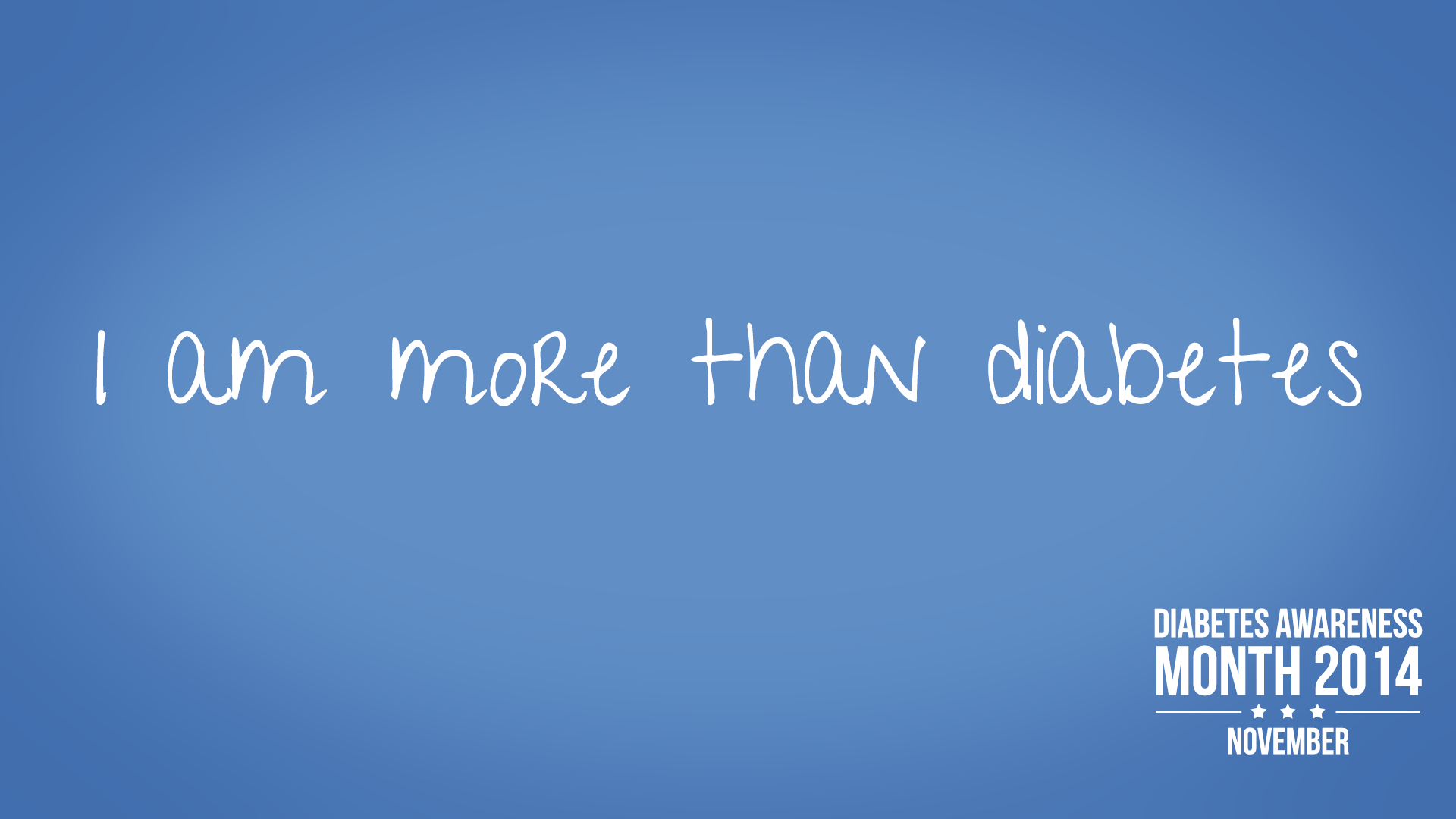
Stunning Talking About Diabetes Image Concept
Find inspiration with this unique talking about diabetes illustration, crafted to provide a fresh look for your background.

Detailed Talking About Diabetes Picture Digital Art
Transform your screen with this vivid talking about diabetes artwork, a true masterpiece of digital design.

Mesmerizing Talking About Diabetes Picture Illustration
Experience the crisp clarity of this stunning talking about diabetes image, available in high resolution for all your screens.
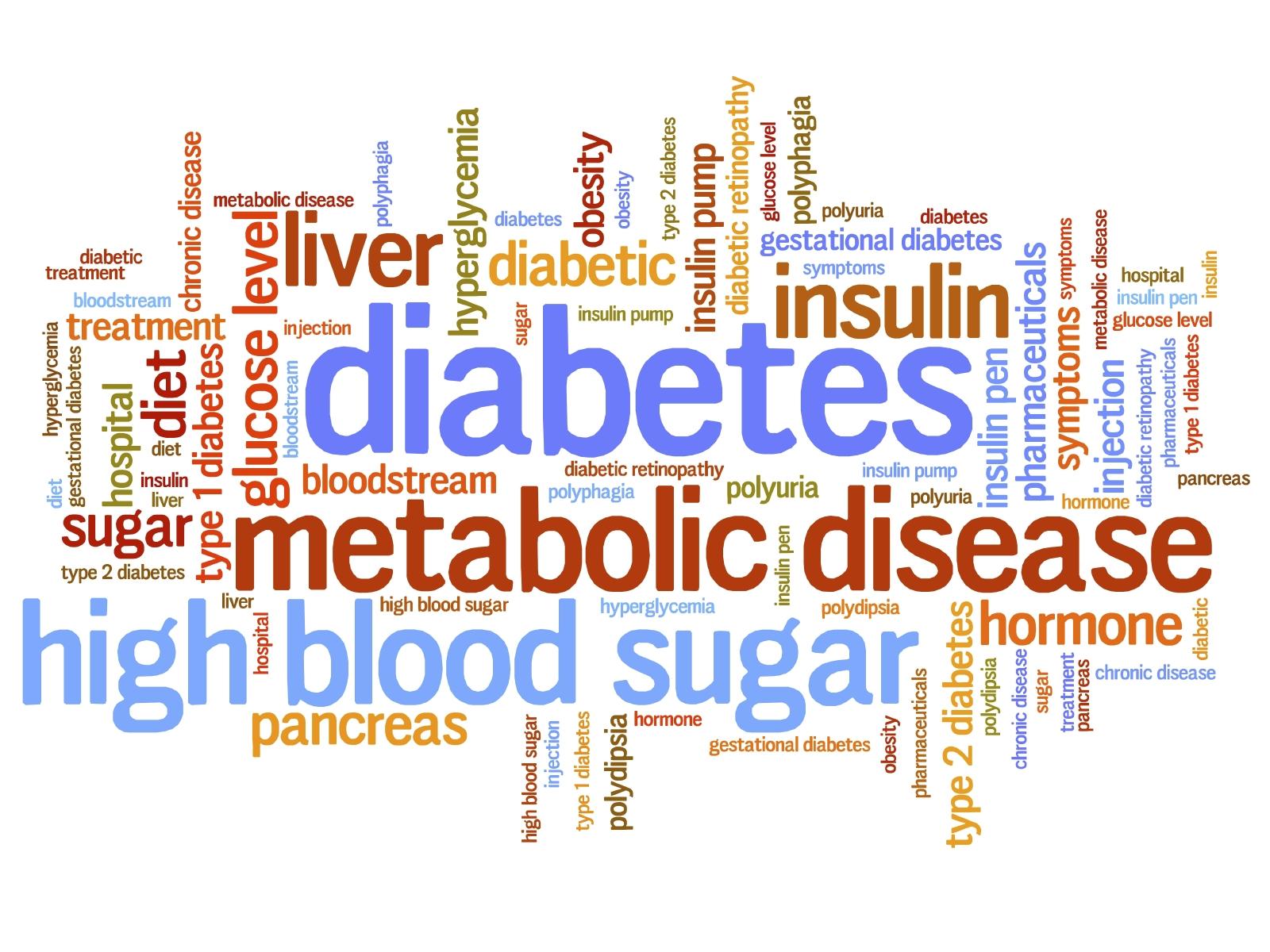
Vivid Talking About Diabetes Background Collection
Discover an amazing talking about diabetes background image, ideal for personalizing your devices with vibrant colors and intricate designs.
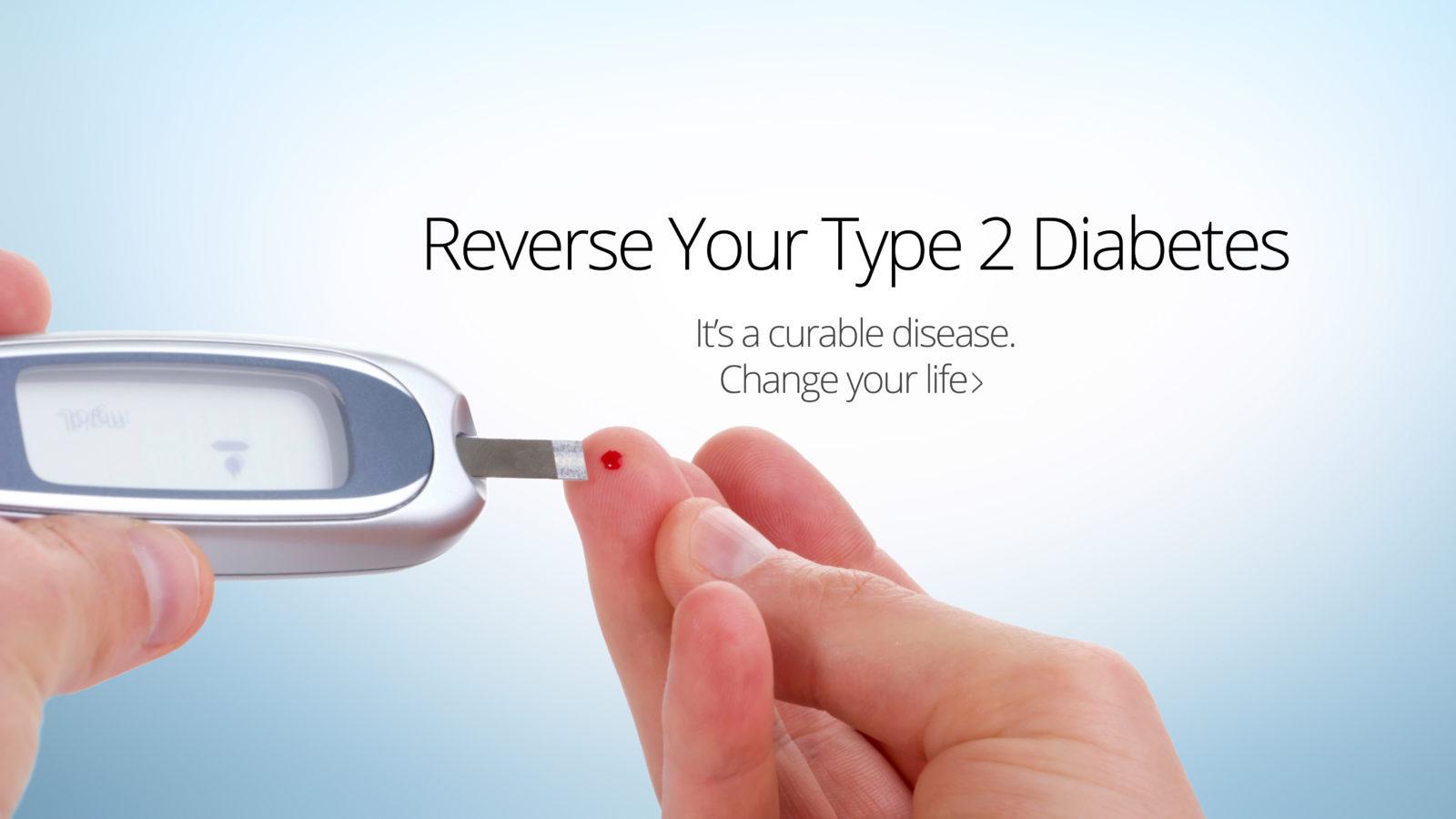
Spectacular Talking About Diabetes Moment Art
This gorgeous talking about diabetes photo offers a breathtaking view, making it a perfect choice for your next wallpaper.

Gorgeous Talking About Diabetes Photo Illustration
This gorgeous talking about diabetes photo offers a breathtaking view, making it a perfect choice for your next wallpaper.

High-Quality Talking About Diabetes Photo Collection
Experience the crisp clarity of this stunning talking about diabetes image, available in high resolution for all your screens.
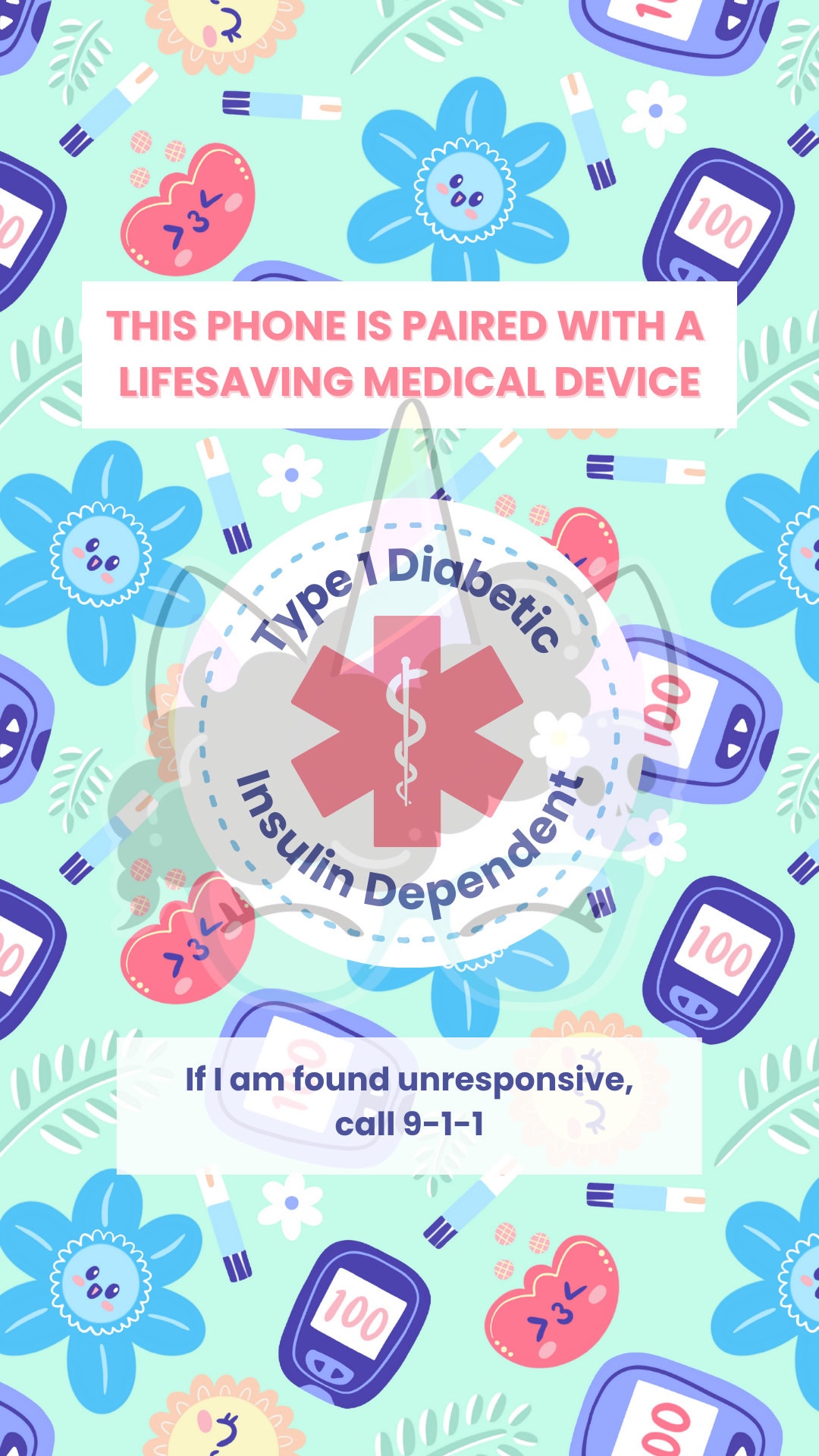
Breathtaking Talking About Diabetes View Illustration
Transform your screen with this vivid talking about diabetes artwork, a true masterpiece of digital design.

High-Quality Talking About Diabetes Scene Illustration
Explore this high-quality talking about diabetes image, perfect for enhancing your desktop or mobile wallpaper.

Spectacular Talking About Diabetes Wallpaper for Your Screen
A captivating talking about diabetes scene that brings tranquility and beauty to any device.

Gorgeous Talking About Diabetes Artwork Nature
Find inspiration with this unique talking about diabetes illustration, crafted to provide a fresh look for your background.

Detailed Talking About Diabetes Wallpaper in HD
Explore this high-quality talking about diabetes image, perfect for enhancing your desktop or mobile wallpaper.

Detailed Talking About Diabetes Moment Nature
Explore this high-quality talking about diabetes image, perfect for enhancing your desktop or mobile wallpaper.
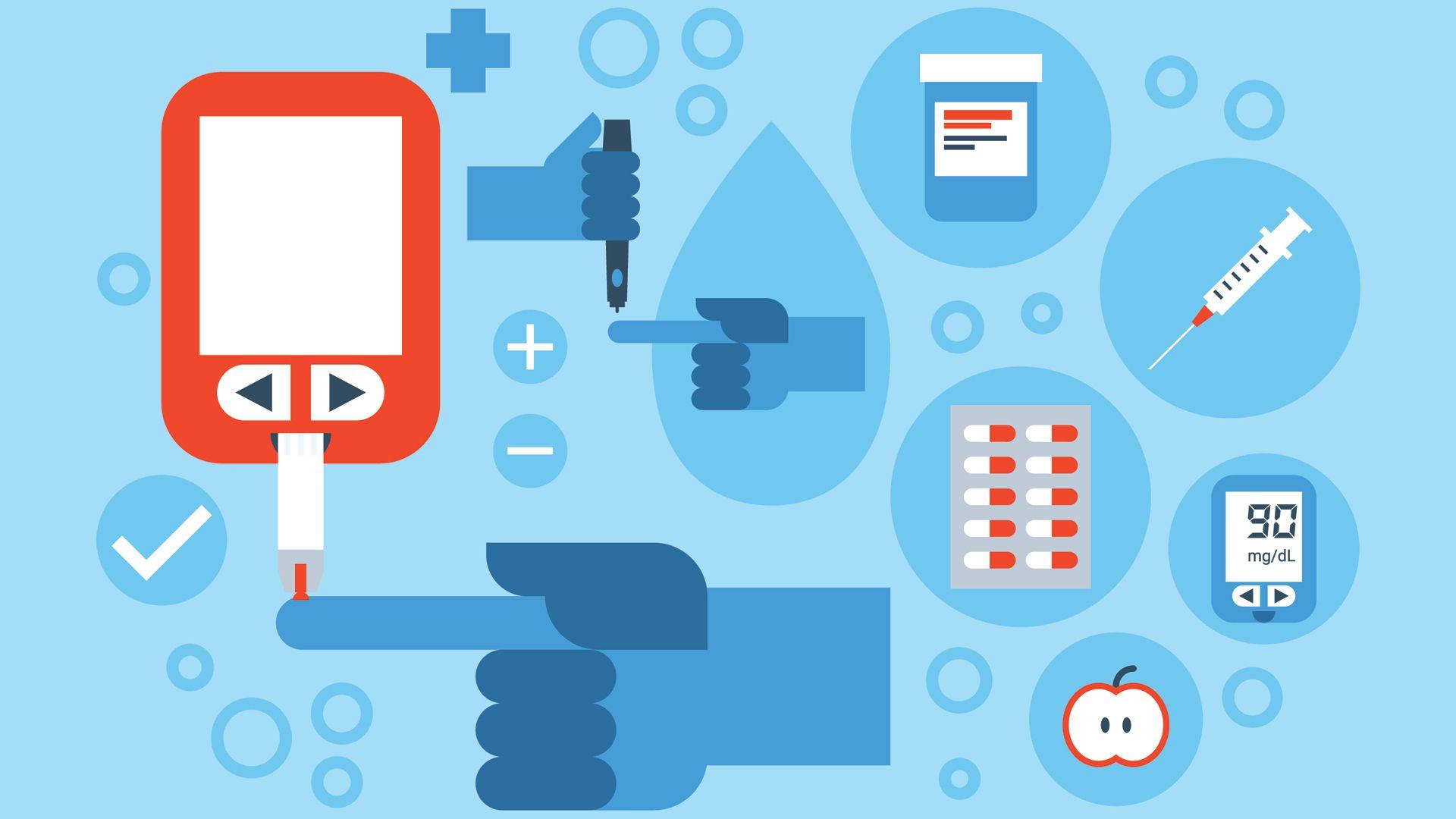
Breathtaking Talking About Diabetes View in 4K
Explore this high-quality talking about diabetes image, perfect for enhancing your desktop or mobile wallpaper.

Captivating Talking About Diabetes Photo Digital Art
A captivating talking about diabetes scene that brings tranquility and beauty to any device.
Download these talking about diabetes wallpapers for free and use them on your desktop or mobile devices.