Type 1 Gestational Diabetes: Navigating Pregnancy with T1D
Finding out you are pregnant is an incredibly exciting time, full of dreams and planning. However, if you are already living with Type 1 Diabetes (T1D), this news also brings a unique set of challenges and questions. While the term "Type 1 Gestational Diabetes" isn't a strict medical classification, it often describes the complex scenario of managing pre-existing Type 1 Diabetes throughout a pregnancy. It requires diligence, advanced planning, and a fantastic healthcare team.
This journey demands vigilance, but rest assured, with the right knowledge and tools, you can navigate your pregnancy successfully and give your baby the best start possible. We are here to walk you through the specifics of how T1D changes during these nine months and what you need to prioritize for both your health and your baby's development.
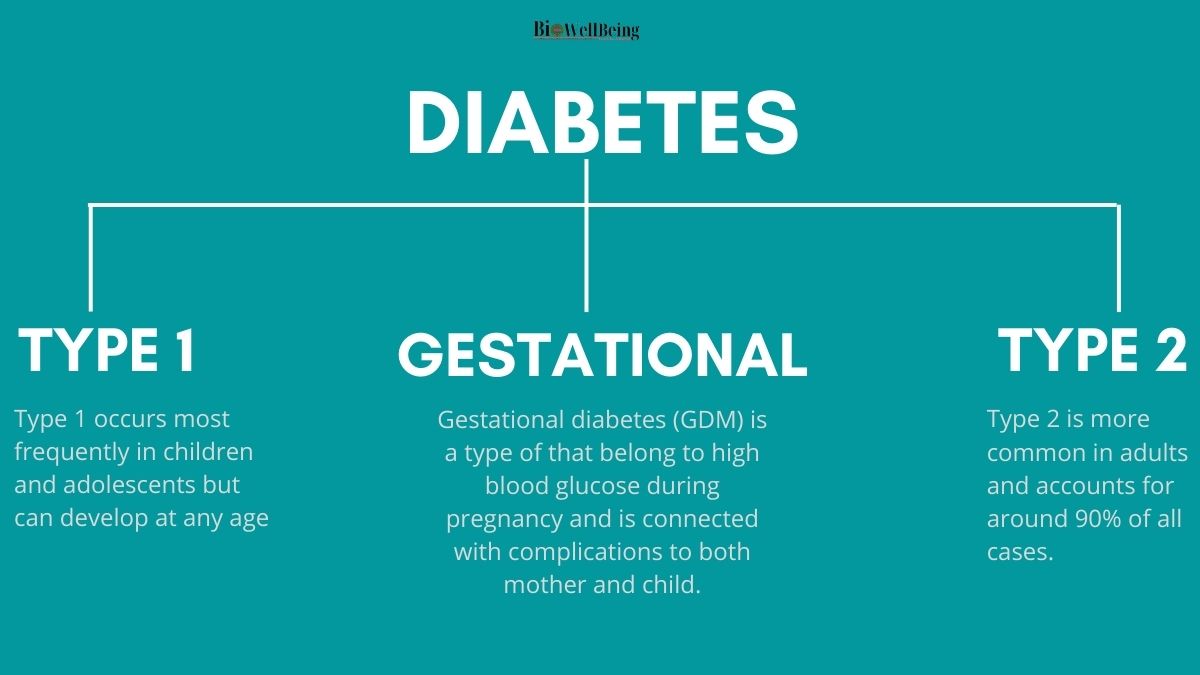
Understanding the Difference: T1D vs. GDM
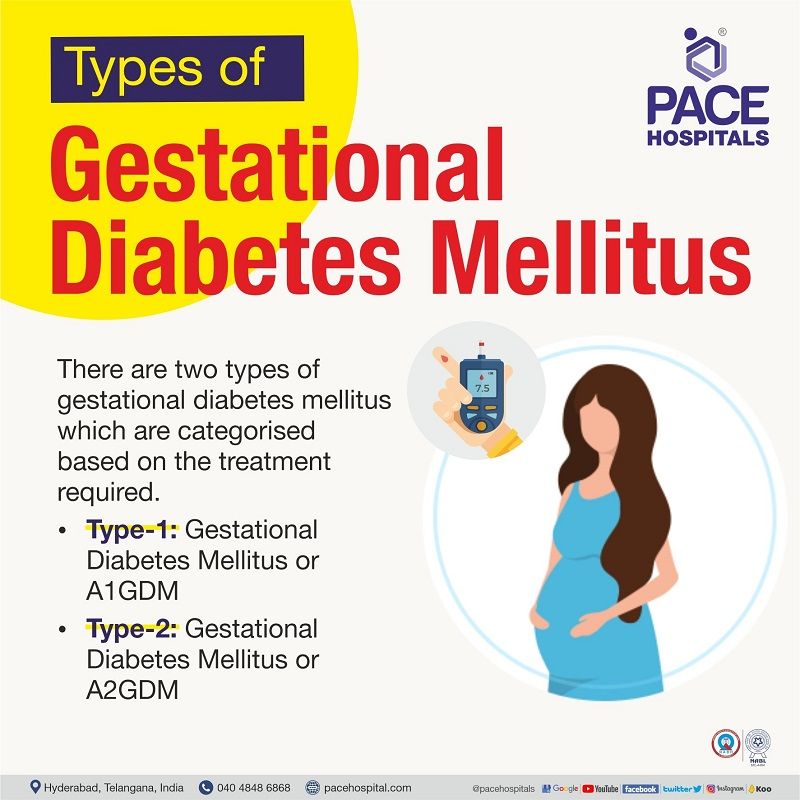
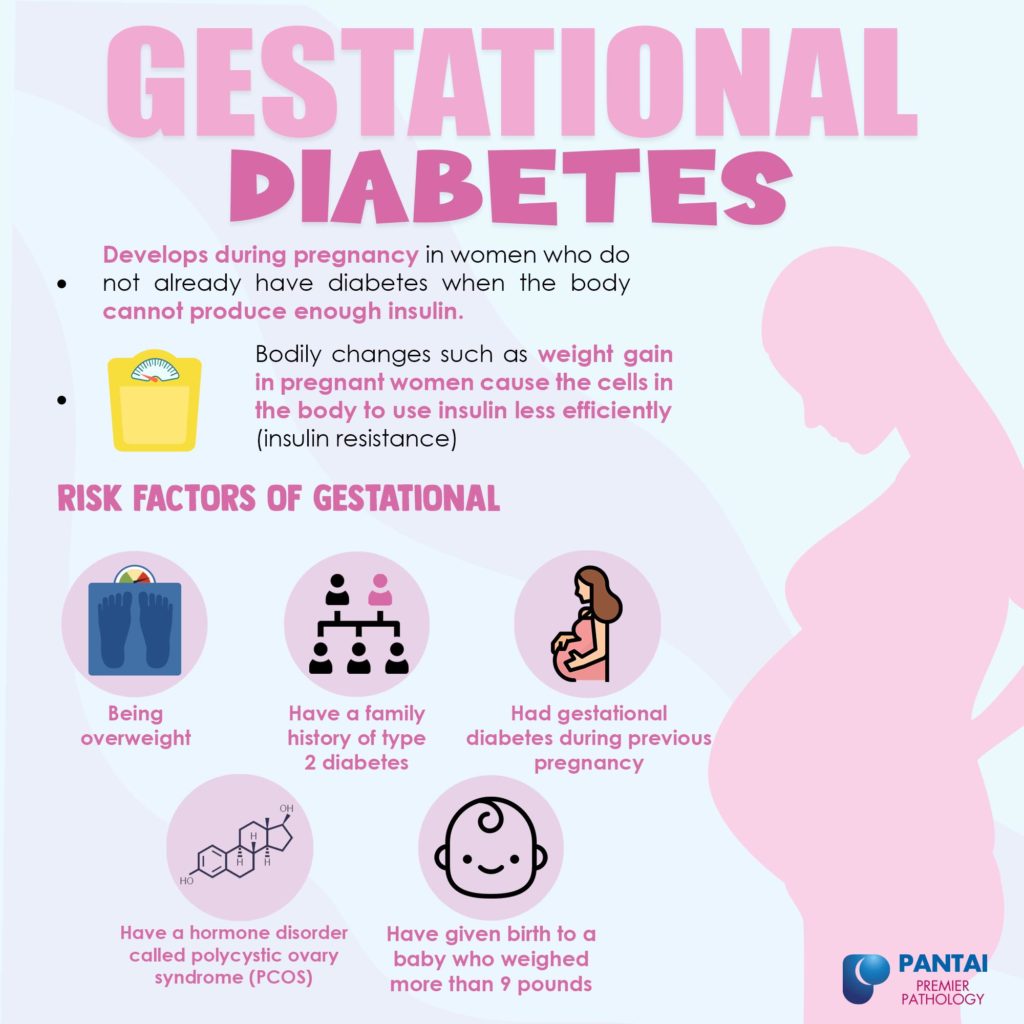
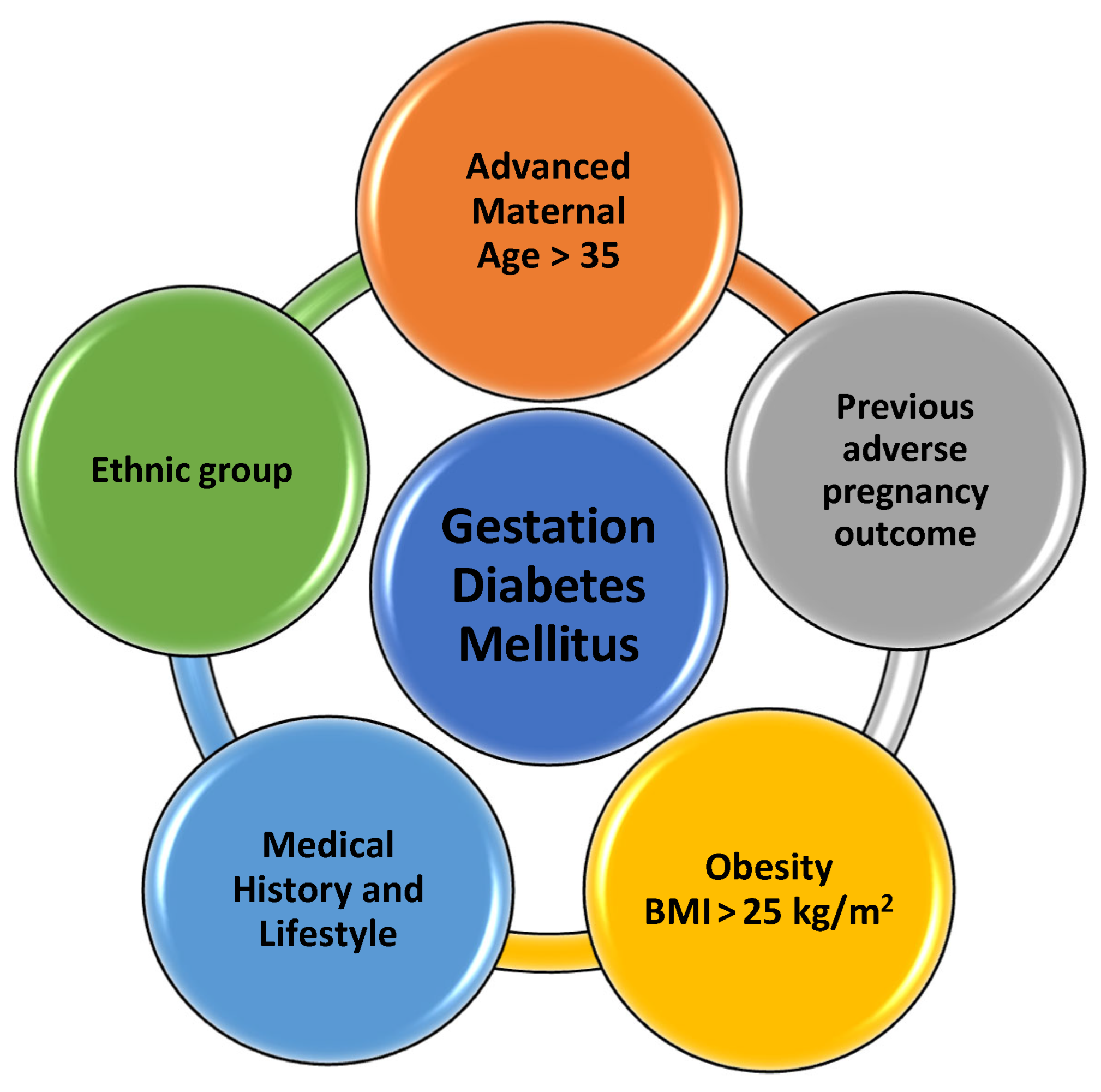
It's crucial to first clarify the terminology because it can be confusing. Traditional Gestational Diabetes Mellitus (GDM) typically develops later in pregnancy when hormones block the action of insulin, affecting women who did not have diabetes before conception. This is functionally related to Type 2 Diabetes.
When we talk about managing pre-existing Type 1 Diabetes during pregnancy, we are dealing with a different mechanism. Type 1 Diabetes is an autoimmune condition where the body stops producing insulin entirely. During pregnancy, hormonal shifts drastically increase insulin resistance, making T1D management far more challenging. This increased need for insulin is the primary reason why T1D during pregnancy is sometimes referred to informally as Type 1 Gestational Diabetes by patients or clinicians.
Is it Gestational Diabetes or Pre-existing T1D?
If you were diagnosed with Type 1 Diabetes before you got pregnant, you are managing T1D during pregnancy, not standard GDM. This distinction is vital because the treatment targets and the required medical support are much stricter and more intensive for Type 1 management. Your goal is tighter control than ever before.
If a woman without previous diabetes develops GDM during pregnancy, her body still produces insulin, but it struggles to use it efficiently. Conversely, if you have T1D, your pancreas is not producing insulin at all, forcing you to adjust exogenous insulin doses frequently to meet the soaring demands of the developing placenta.
Why Pregnancy Changes Everything for T1D Management
Pregnancy acts like a magnifying glass for Type 1 Diabetes. Everything becomes more sensitive, requiring constant adjustments to maintain those tight blood glucose targets. You may find that doses that worked perfectly last week are now completely ineffective.
The Hormonal Rollercoaster and Insulin Needs
In the first trimester, many women actually experience increased insulin sensitivity, leading to frequent hypoglycemia (low blood sugar). This often means slightly reducing your baseline insulin doses.
However, once the second and especially the third trimester hits, placental hormones—particularly human placental lactogen (hPL)—cause severe insulin resistance. It is not uncommon for insulin needs to double or even triple by the final weeks of pregnancy. This is the period that requires the most aggressive management for Type 1 Gestational Diabetes.
Keeping Blood Sugar Stable: The Daily Routine
For individuals managing Type 1 Gestational Diabetes, stability is the name of the game. Your endocrinologist will likely set very stringent targets, often lower than your non-pregnant targets, to ensure the baby is healthy.
Your daily routine will revolve heavily around meal timing, accurate carbohydrate counting, and prompt correction of high blood sugars. Consistency in eating habits and physical activity is paramount to avoid wide fluctuations.
Potential Risks and How to Minimize Them
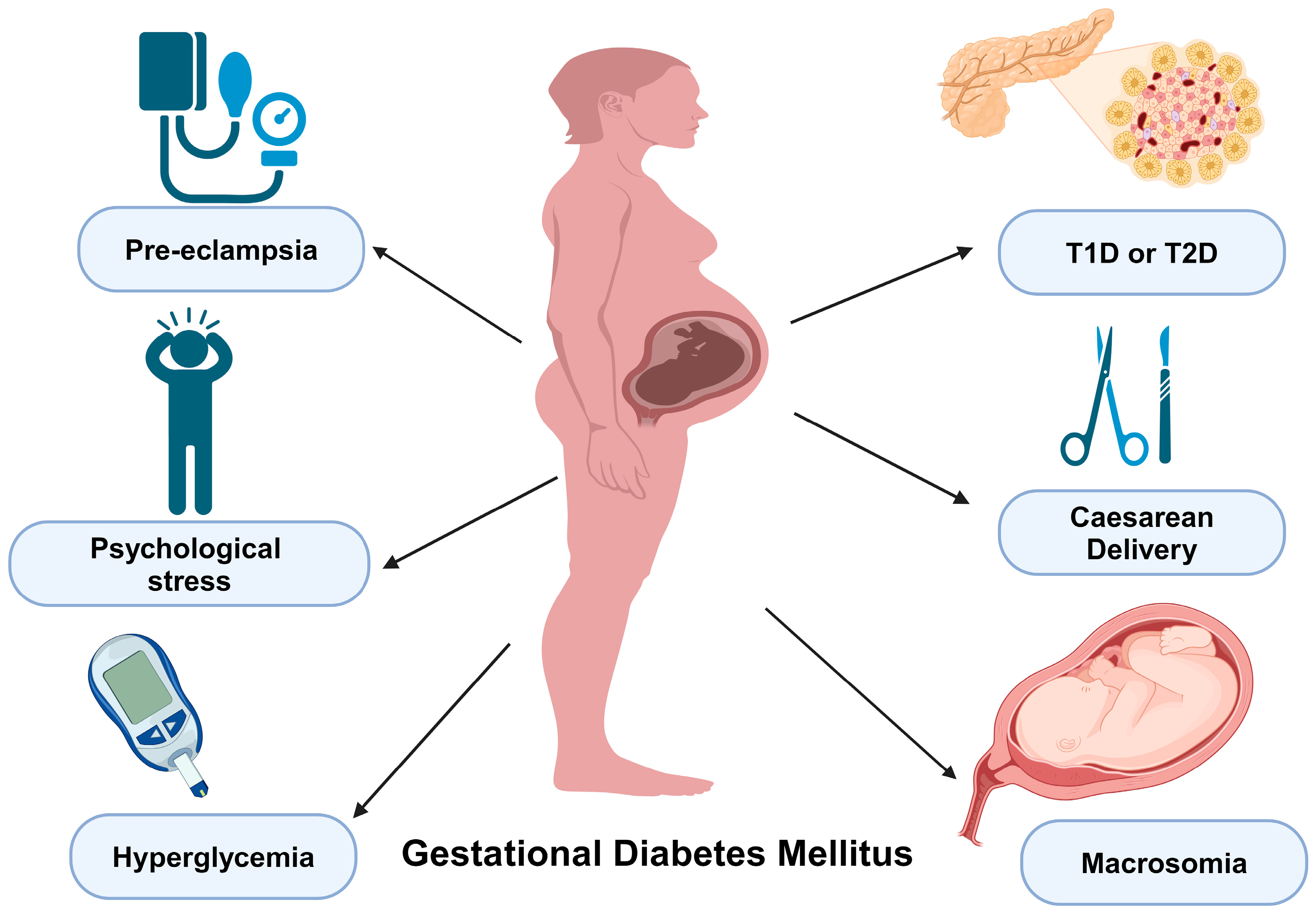
While strict control significantly minimizes risk, it is important to be aware of the potential challenges associated with Type 1 Gestational Diabetes. These risks affect both the mother and the baby, emphasizing the need for excellent glucose control before conception and throughout the pregnancy.
Risks for Mom (Hypoglycemia and Ketoacidosis)
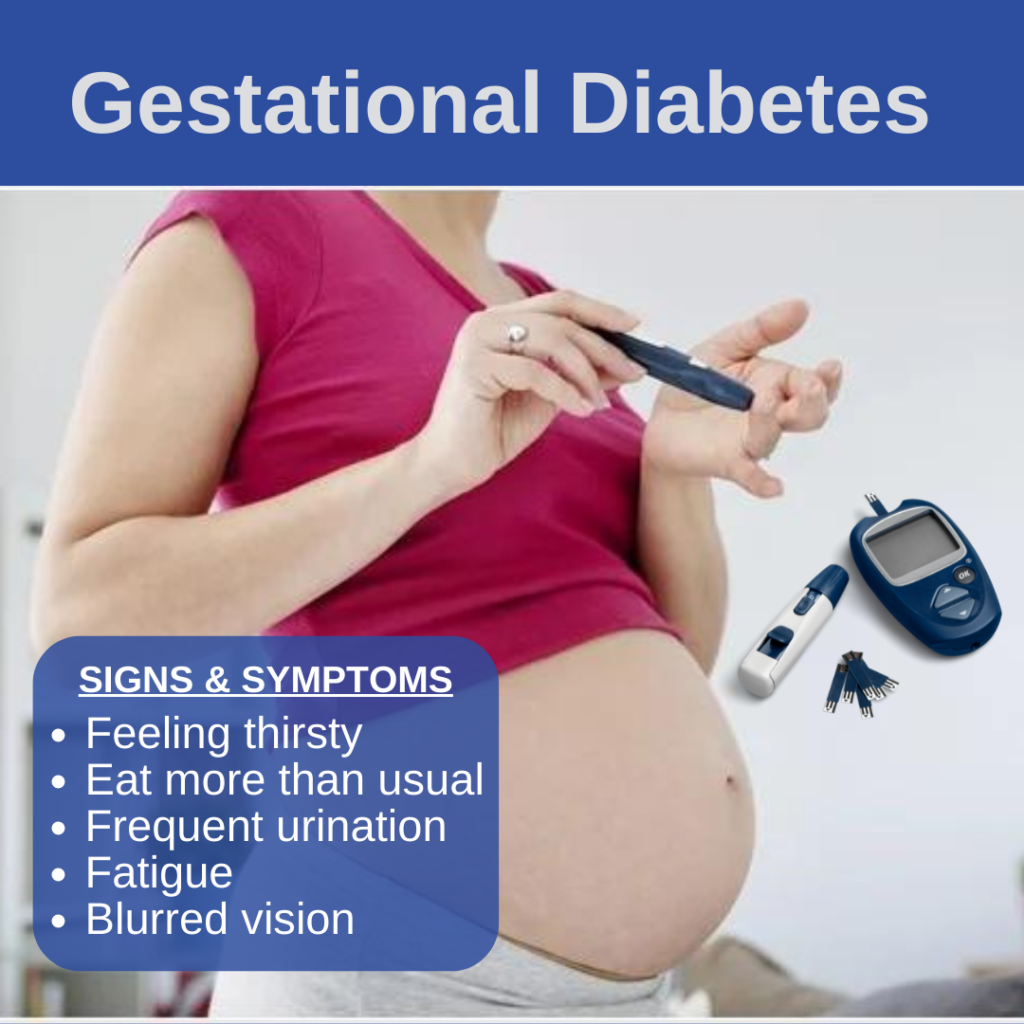
Trying to maintain very tight control increases the risk of hypoglycemia. Moreover, pregnant women with T1D are uniquely susceptible to Diabetic Ketoacidosis (DKA) at lower-than-normal blood sugar levels, especially in the second and third trimesters. DKA is a life-threatening emergency.
To reduce these risks, ensure you carry fast-acting glucose treatments at all times and check your blood sugar frequently, particularly overnight and before exercise.
Risks for Baby (Macrosomia and Hypoglycemia after birth)
Uncontrolled high blood sugar means excess glucose crosses the placenta. The baby's pancreas must work overtime to produce insulin to process this sugar, leading to excessive growth, known as macrosomia (a large baby). Macrosomia can complicate delivery and potentially require a C-section.
Additionally, once the baby is born and the source of excess maternal glucose is cut off, the baby's hyperactive pancreas continues to release insulin, often leading to severe hypoglycemia immediately after birth. Neonatal intensive care unit (NICU) monitoring is standard procedure in these cases.
Your Management Team and Tools
Managing Type 1 Gestational Diabetes requires a village. You should assemble a multidisciplinary team that communicates regularly about your progress and potential complications. You are the quarterback of this team, but these professionals provide essential support.
Key professionals you will rely on:
- High-Risk Obstetrician (Perinatologist): Specializes in pregnancies with pre-existing conditions.
- Endocrinologist: Manages your insulin dosing and adjusts basal rates based on hormonal changes.
- Certified Diabetes Educator/Nutritionist: Helps refine meal planning and carbohydrate counting specific to pregnancy targets.
- Neonatologist: A pediatrician specializing in newborn care, particularly important for monitoring the baby's blood sugar after delivery.
Essential Monitoring Tools:
- Continuous Glucose Monitor (CGM): A CGM is highly recommended, if not mandatory, for managing Type 1 Gestational Diabetes due to the need for continuous data and trend arrows.
- Insulin Pump or Smart Pen System: These allow for precise and frequent basal adjustments, which are critical as insulin resistance fluctuates rapidly.
- Ketone Testing Supplies: You must check for ketones any time your blood sugar is high, or if you feel ill, to catch DKA early.
Don't hesitate to utilize technology. Modern tools like insulin pumps paired with CGMs (Automated Insulin Delivery systems) can make a significant difference in achieving those incredibly tight glucose targets required during this demanding time.
Conclusion
Managing Type 1 Gestational Diabetes—that is, managing Type 1 Diabetes during pregnancy—is undeniably demanding, but it is entirely manageable with intense dedication and the right medical support. The key to a healthy pregnancy and baby lies in achieving and maintaining very tight glucose control, ideally from the moment of conception, if not before.
Remember that you are not alone in this journey. By working closely with your high-risk OB and endocrinologist, leveraging modern monitoring technology, and dedicating yourself to frequent monitoring, you significantly increase the chances of a smooth pregnancy and a happy, healthy outcome. Stay proactive, stay informed, and always communicate openly with your specialized care team.
Frequently Asked Questions (FAQ) about Type 1 Gestational Diabetes
- What is the ideal A1C level before trying to conceive?
- Experts strongly recommend an A1C level below 6.5% (and ideally closer to non-diabetic levels) for at least three to six months prior to conception. Tight control in the first trimester is crucial to prevent birth defects.
- Will I need more insulin during my pregnancy?
- Absolutely. While you might experience a dip in insulin needs during the first trimester, most people managing Type 1 Gestational Diabetes see their total daily insulin dose double or triple by the third trimester due to increasing hormonal resistance.
- Is it safe to deliver vaginally?
- Yes, a vaginal delivery is often safe, provided the baby is not excessively large (macrosomic) and your blood pressure and kidney functions remain stable. Your medical team will monitor the baby's growth closely via ultrasound to determine the safest delivery method.
- When do insulin needs drop after delivery?
- Insulin resistance usually disappears almost immediately after the placenta is delivered. You should expect your insulin requirements to drop dramatically—often back to pre-pregnancy levels or even lower—within hours after birth. Hypoglycemia is common postpartum, so vigilance is required.
Type 1 Gestational Diabetes
Type 1 Gestational Diabetes Wallpapers
Collection of type 1 gestational diabetes wallpapers for your desktop and mobile devices.
Beautiful Type 1 Gestational Diabetes Design in HD
Transform your screen with this vivid type 1 gestational diabetes artwork, a true masterpiece of digital design.
Dynamic Type 1 Gestational Diabetes Abstract Collection
A captivating type 1 gestational diabetes scene that brings tranquility and beauty to any device.
Vivid Type 1 Gestational Diabetes Landscape Nature
Discover an amazing type 1 gestational diabetes background image, ideal for personalizing your devices with vibrant colors and intricate designs.
Beautiful Type 1 Gestational Diabetes Capture Digital Art
Experience the crisp clarity of this stunning type 1 gestational diabetes image, available in high resolution for all your screens.

Mesmerizing Type 1 Gestational Diabetes Abstract Digital Art
Explore this high-quality type 1 gestational diabetes image, perfect for enhancing your desktop or mobile wallpaper.

Lush Type 1 Gestational Diabetes Wallpaper Collection
Immerse yourself in the stunning details of this beautiful type 1 gestational diabetes wallpaper, designed for a captivating visual experience.
Serene Type 1 Gestational Diabetes Moment in HD
Transform your screen with this vivid type 1 gestational diabetes artwork, a true masterpiece of digital design.

Vibrant Type 1 Gestational Diabetes Capture in 4K
Discover an amazing type 1 gestational diabetes background image, ideal for personalizing your devices with vibrant colors and intricate designs.
Vivid Type 1 Gestational Diabetes Picture Nature
Discover an amazing type 1 gestational diabetes background image, ideal for personalizing your devices with vibrant colors and intricate designs.

Crisp Type 1 Gestational Diabetes Capture for Desktop
Find inspiration with this unique type 1 gestational diabetes illustration, crafted to provide a fresh look for your background.

Captivating Type 1 Gestational Diabetes Moment Illustration
This gorgeous type 1 gestational diabetes photo offers a breathtaking view, making it a perfect choice for your next wallpaper.
:max_bytes(150000):strip_icc()/VWH_Illustration_Risk-for-Gestational-Diabetes_Jessica-Olah_Final-2c3ff00deac9462f9bfe856e5f4c6a76.jpg "Crisp Type 1 Gestational Diabetes Background for Desktop")
Crisp Type 1 Gestational Diabetes Background for Desktop
Immerse yourself in the stunning details of this beautiful type 1 gestational diabetes wallpaper, designed for a captivating visual experience.

Beautiful Type 1 Gestational Diabetes Moment Nature
Discover an amazing type 1 gestational diabetes background image, ideal for personalizing your devices with vibrant colors and intricate designs.

Amazing Type 1 Gestational Diabetes Landscape Photography
Experience the crisp clarity of this stunning type 1 gestational diabetes image, available in high resolution for all your screens.
Lush Type 1 Gestational Diabetes Scene Digital Art
A captivating type 1 gestational diabetes scene that brings tranquility and beauty to any device.

Beautiful Type 1 Gestational Diabetes Artwork for Your Screen
Discover an amazing type 1 gestational diabetes background image, ideal for personalizing your devices with vibrant colors and intricate designs.

Breathtaking Type 1 Gestational Diabetes Abstract Art
Experience the crisp clarity of this stunning type 1 gestational diabetes image, available in high resolution for all your screens.
Mesmerizing Type 1 Gestational Diabetes Picture Illustration
Experience the crisp clarity of this stunning type 1 gestational diabetes image, available in high resolution for all your screens.
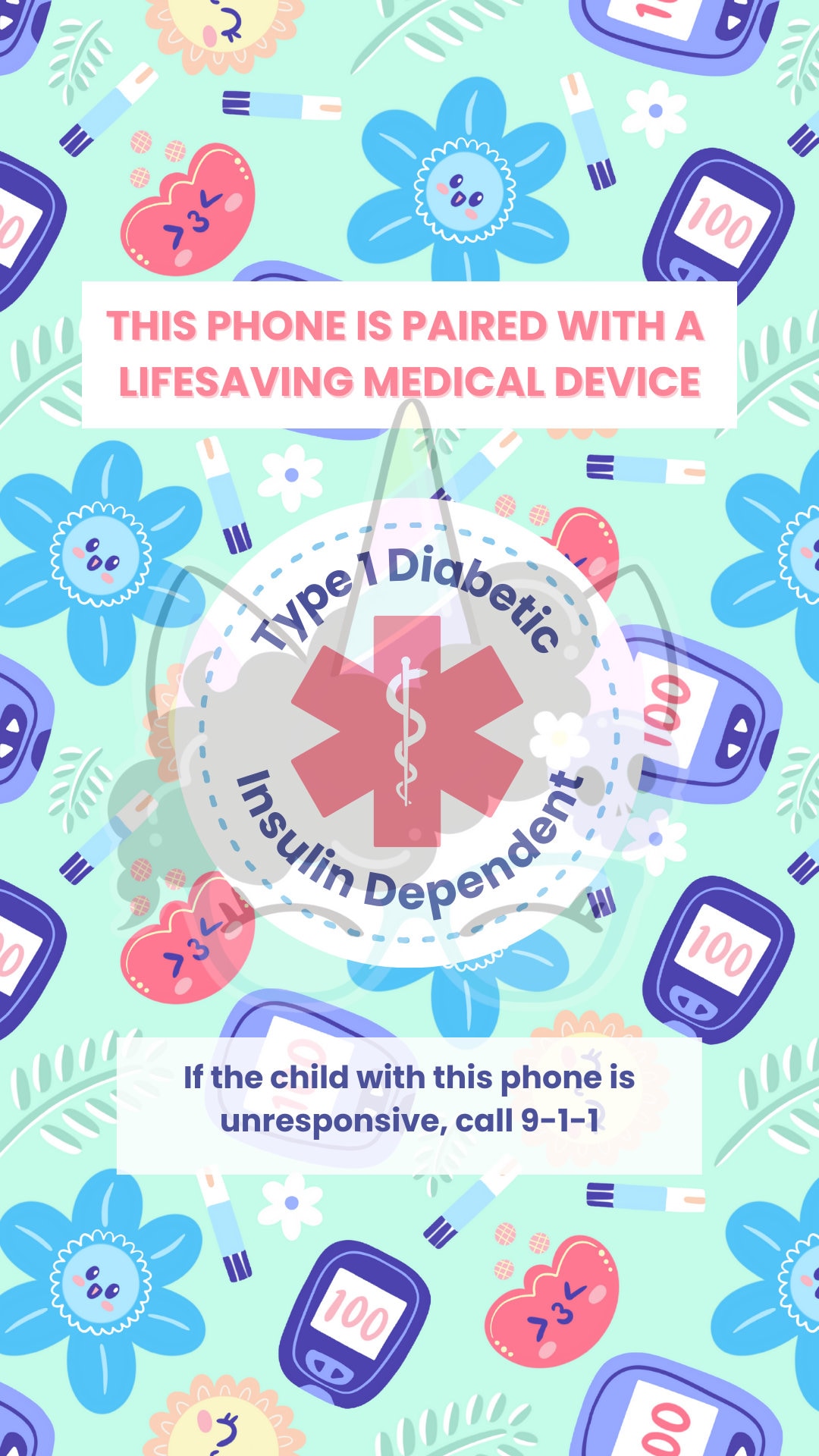
Crisp Type 1 Gestational Diabetes Artwork for Desktop
A captivating type 1 gestational diabetes scene that brings tranquility and beauty to any device.

Lush Type 1 Gestational Diabetes View Concept
Immerse yourself in the stunning details of this beautiful type 1 gestational diabetes wallpaper, designed for a captivating visual experience.
Download these type 1 gestational diabetes wallpapers for free and use them on your desktop or mobile devices.