Ways To Treat Diabetes: Your Ultimate Guide to Managing Blood Sugar
Receiving a diabetes diagnosis can feel overwhelming, but here's the good news: managing it effectively is absolutely achievable. Diabetes is a chronic condition that affects how your body turns food into energy, leading to high blood sugar levels if not carefully controlled. Understanding the best Ways To Treat Diabetes is the first step toward a healthier, more vibrant life.
This comprehensive guide will walk you through the essential strategies—from powerful lifestyle changes to modern medical interventions—that endocrinologists recommend worldwide. Think of this as your personal roadmap to regaining control and confidence in your health journey. We are here to help you navigate all the available treatments.
Lifestyle Changes: The Foundation of Diabetes Management
When discussing Ways To Treat Diabetes, lifestyle modifications always top the list. For many people with Type 2 diabetes, these changes alone can significantly improve blood sugar control, sometimes delaying or even eliminating the need for medication.
Focusing on diet, exercise, and maintaining a healthy weight creates a powerful internal mechanism to fight insulin resistance and improve overall well-being. Therefore, prioritizing these areas is crucial from day one.
Mastering Your Meal Plan
Dietary control is perhaps the single most impactful adjustment you can make. It's not about strict dieting; it's about making smarter choices that keep your blood glucose stable throughout the day. The goal is consistency and balance.
You should work closely with a registered dietitian or certified diabetes educator (CDE) to tailor a plan specifically for your needs. However, there are general principles that apply to everyone managing diabetes:
- Carbohydrate Counting: Learning how many carbs you consume in a meal is vital, especially if you are on insulin. Carbs turn into glucose, directly impacting blood sugar.
- Prioritize Fiber: Foods rich in fiber, like whole grains, vegetables, and legumes, slow down sugar absorption, preventing sharp spikes.
- Control Portion Sizes: Even healthy foods can elevate blood sugar if eaten in large amounts. Use the "plate method" (half vegetables, quarter lean protein, quarter starch).
- Avoid Sugary Beverages: Sodas, sweet teas, and fruit juices contain concentrated sugars that cause rapid and dangerous blood glucose increases.
The Power of Physical Activity
Exercise is your body's best friend when managing diabetes. Physical activity increases insulin sensitivity, meaning your cells are better able to use the available insulin to take up glucose for energy. This lowers your blood sugar naturally.
You don't need to run a marathon to see benefits. Consistency is more important than intensity. Aim for 150 minutes of moderate-intensity exercise per week, spread out over several days. Examples include brisk walking, cycling, or swimming.
Medication Management: When Lifestyle Isn't Enough
Sometimes, even perfect diet and exercise aren't enough to achieve target blood sugar levels. This is especially true for Type 1 diabetes, where insulin production stops entirely, and often necessary for progressive Type 2 diabetes. Fortunately, modern medicine offers several highly effective Ways To Treat Diabetes through pharmaceuticals.
Oral Medications for Type 2
Oral medications work in various ways to improve glucose control. Your doctor will determine the best class of medication based on your specific health profile and kidney function.
Here are some of the most common types prescribed:
- Metformin: Often the first-line treatment. It decreases the amount of glucose produced by the liver and improves how your body uses insulin.
- Sulfonylureas: These drugs stimulate the pancreas to make more insulin.
- SGLT2 Inhibitors: A newer class that causes the kidneys to remove sugar from the body through urine. They often offer cardiovascular benefits too.
- GLP-1 Receptor Agonists (sometimes injectable): These slow digestion and increase insulin release when blood sugar levels are high.
Insulin Therapy: A Necessity for Many
If you have Type 1 diabetes, insulin is mandatory for survival, as your body produces none of its own. Many individuals with Type 2 diabetes also require insulin as the condition progresses or during periods of illness or stress.
Insulin comes in different types, depending on how quickly and for how long they work:
- Rapid-Acting Insulin: Taken right before or immediately after meals to cover carbohydrate intake.
- Long-Acting Insulin: Provides a steady background level of insulin throughout the day and night.
- Intermediate-Acting Insulin: Works slower than rapid-acting but lasts longer.
Monitoring and Technology: Keeping Track of Your Health
Effective diabetes treatment is impossible without accurate information. Monitoring your blood sugar is one of the most proactive Ways To Treat Diabetes, allowing you to see how diet, exercise, stress, and medication affect your body in real-time.
Blood Glucose Monitoring Essentials (BGM)
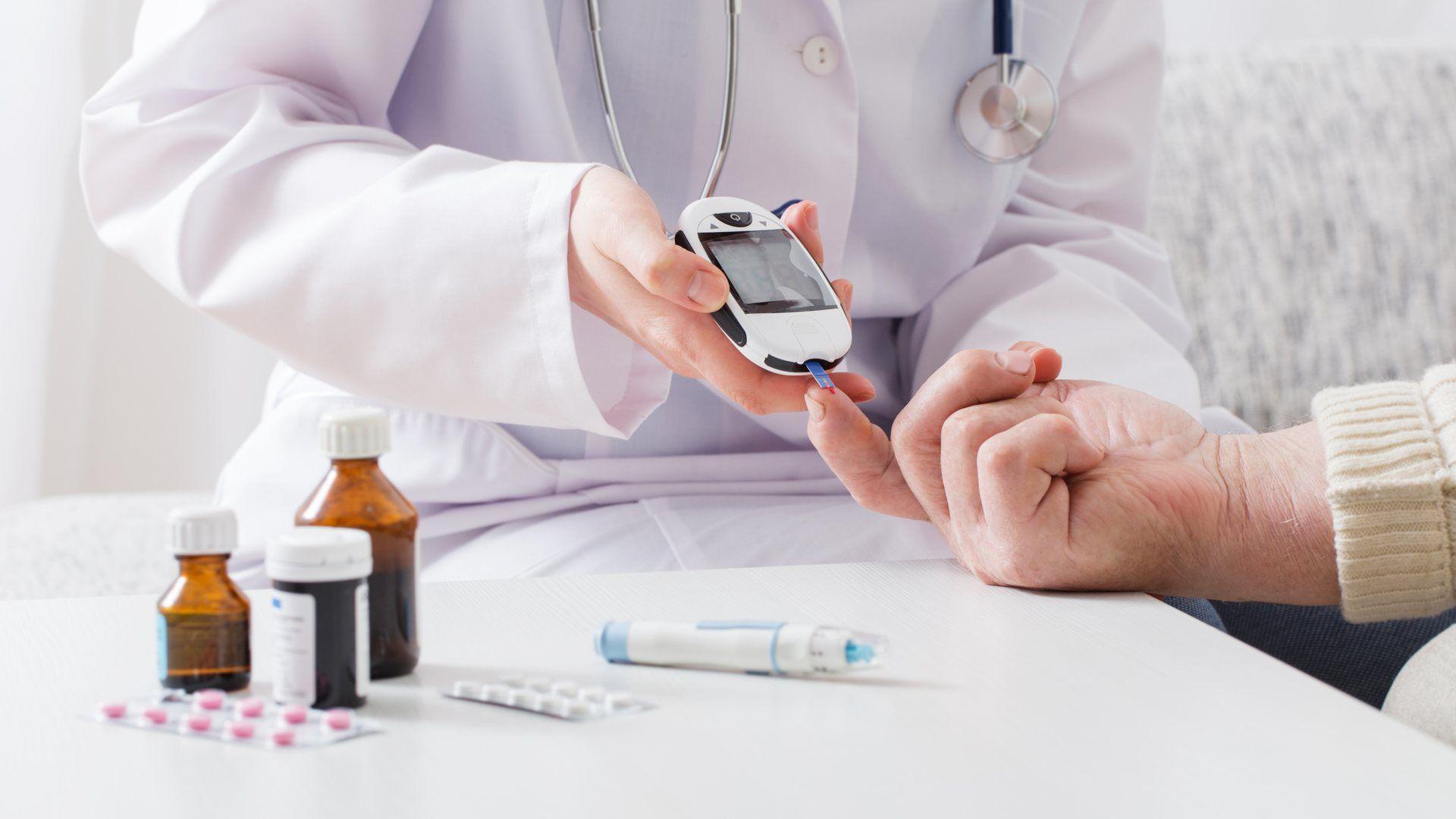
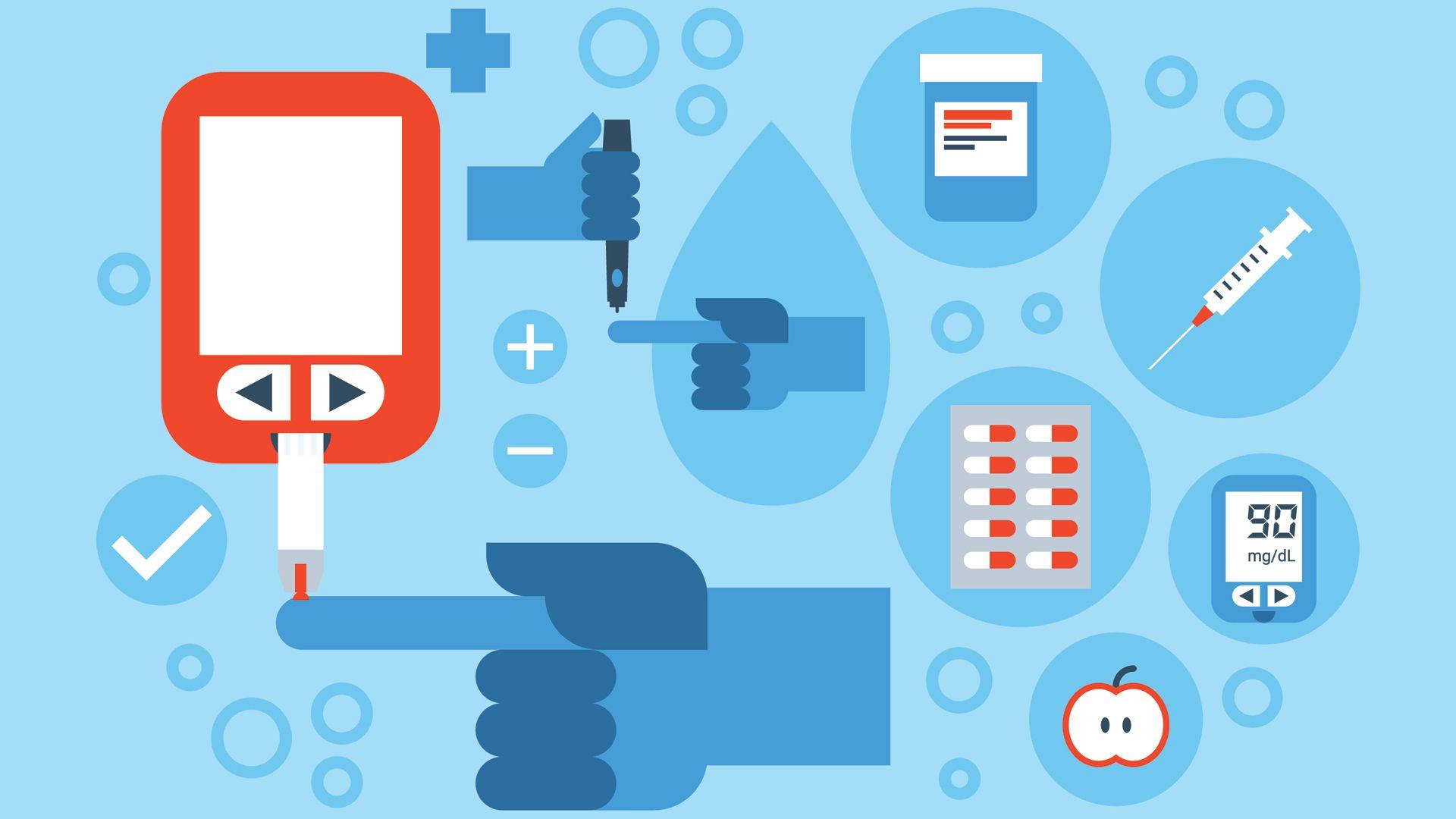
Traditional blood glucose meters require a finger stick to measure your sugar level at that exact moment. The frequency of testing depends on your treatment plan; some test once a day, while those on intensive insulin therapy might test eight or more times.
Regular BGM helps you identify patterns. For example, if your morning readings are consistently high, it might signal a need for an adjustment in your evening medication or snack.
Continuous Glucose Monitors (CGMs)
CGMs represent a massive leap forward in diabetes management technology. These small devices wear on the skin and measure interstitial glucose levels every few minutes, day and night. They provide a continuous stream of data.
Unlike traditional meters, CGMs show trends, allowing you to see if your glucose is rising or falling rapidly. This data is invaluable for avoiding dangerous lows (hypoglycemia) and making precise insulin dosing decisions.
Holistic Approaches and Support
Managing diabetes goes beyond numbers and medications; it involves addressing mental and emotional health. Stress and poor sleep directly impact hormone regulation, which in turn can lead to higher blood sugar levels.
Stress Management and Sleep
When you are stressed, your body releases hormones like cortisol, which temporarily raise blood sugar to prepare your body for a "fight or flight" response. Chronic stress, therefore, makes glucose control incredibly difficult.
Incorporating stress-reducing activities is a key treatment element. Simple techniques like deep breathing, meditation, or finding a hobby can make a real difference. Furthermore, aiming for 7-9 hours of quality sleep nightly stabilizes hormone levels and improves insulin effectiveness.
Conclusion: Mastering Your Diabetes Treatment Plan
Successfully managing diabetes requires a multi-faceted approach. There isn't just one magic pill; the most effective Ways To Treat Diabetes combine diligence in lifestyle choices, adherence to prescribed medications, and smart use of monitoring technology.
Remember that diabetes care is a team effort involving you, your endocrinologist, your primary care doctor, and a dietitian. By staying informed, committing to your treatment plan, and continuously monitoring your progress, you can enjoy excellent long-term health and minimize the risk of complications.
Frequently Asked Questions (FAQ) About Diabetes Treatment
- What is the main difference in treatment for Type 1 vs. Type 2 diabetes?
Type 1 diabetes treatment always requires external insulin replacement because the body stops producing insulin. Treatment for Type 2 diabetes usually starts with lifestyle changes and oral medications, but often progresses to requiring insulin as the condition advances.
- How often should I check my A1C?
The A1C test measures your average blood sugar levels over the past two to three months. Most healthcare providers recommend checking your A1C every three to six months. If your diabetes is well-controlled, checking twice a year might suffice.
- Can Type 2 diabetes be reversed?
While often referred to as "reversal," a more accurate term is remission. Significant weight loss and intensive lifestyle changes can lead to blood sugar levels returning to non-diabetic ranges without medication. However, monitoring must continue, as the condition can reappear.
- Is stress truly one of the factors that hinders Ways To Treat Diabetes?
Absolutely. Stress hormones like cortisol raise blood sugar levels. Learning effective stress management is a crucial, often overlooked, part of a successful diabetes treatment strategy.
Ways To Treat Diabetes
Ways To Treat Diabetes Wallpapers
Collection of ways to treat diabetes wallpapers for your desktop and mobile devices.
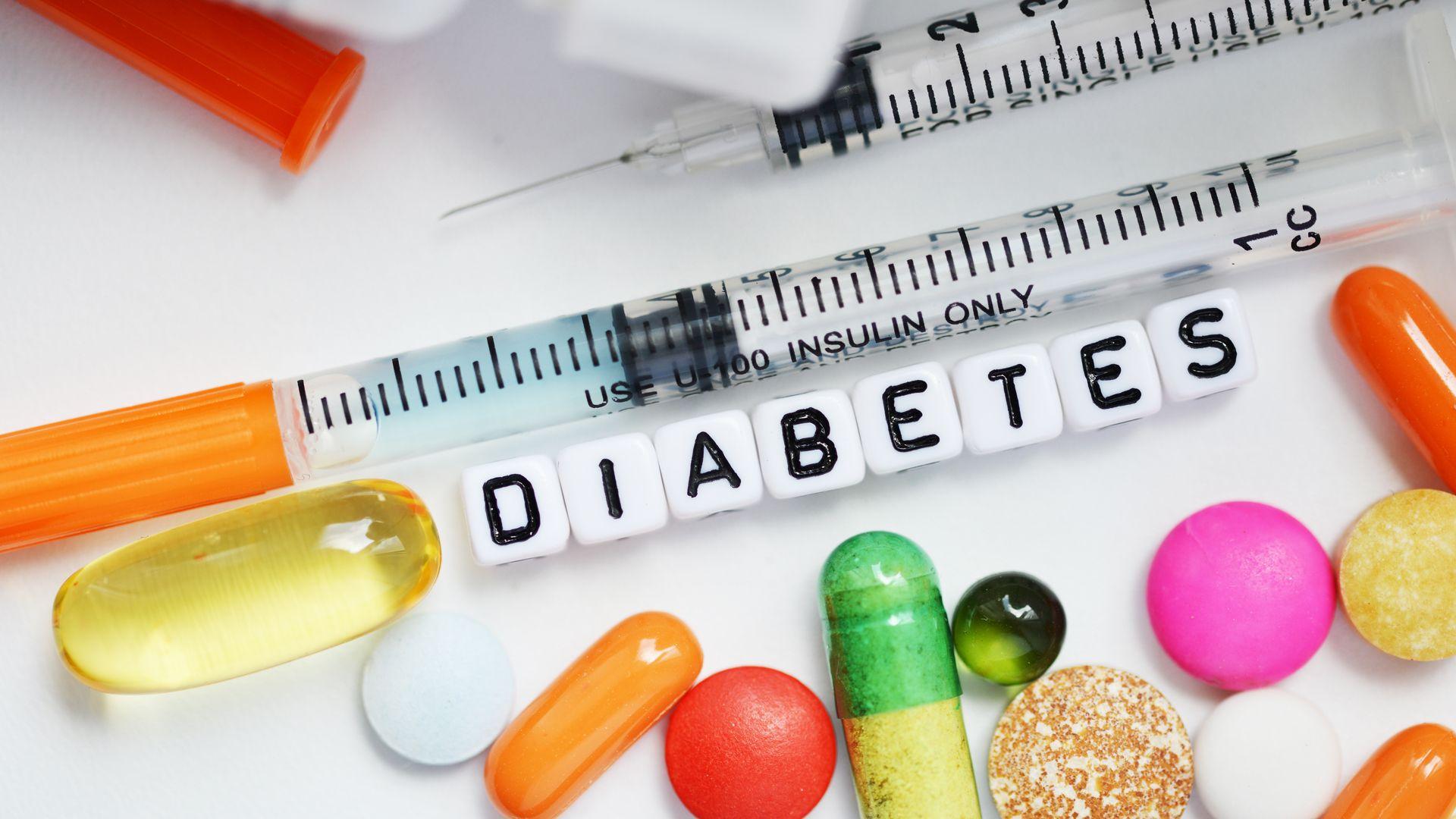
High-Quality Ways To Treat Diabetes Photo Collection
Experience the crisp clarity of this stunning ways to treat diabetes image, available in high resolution for all your screens.

Amazing Ways To Treat Diabetes Landscape in 4K
Explore this high-quality ways to treat diabetes image, perfect for enhancing your desktop or mobile wallpaper.

Breathtaking Ways To Treat Diabetes Landscape Photography
Transform your screen with this vivid ways to treat diabetes artwork, a true masterpiece of digital design.
High-Quality Ways To Treat Diabetes Capture Art
Transform your screen with this vivid ways to treat diabetes artwork, a true masterpiece of digital design.
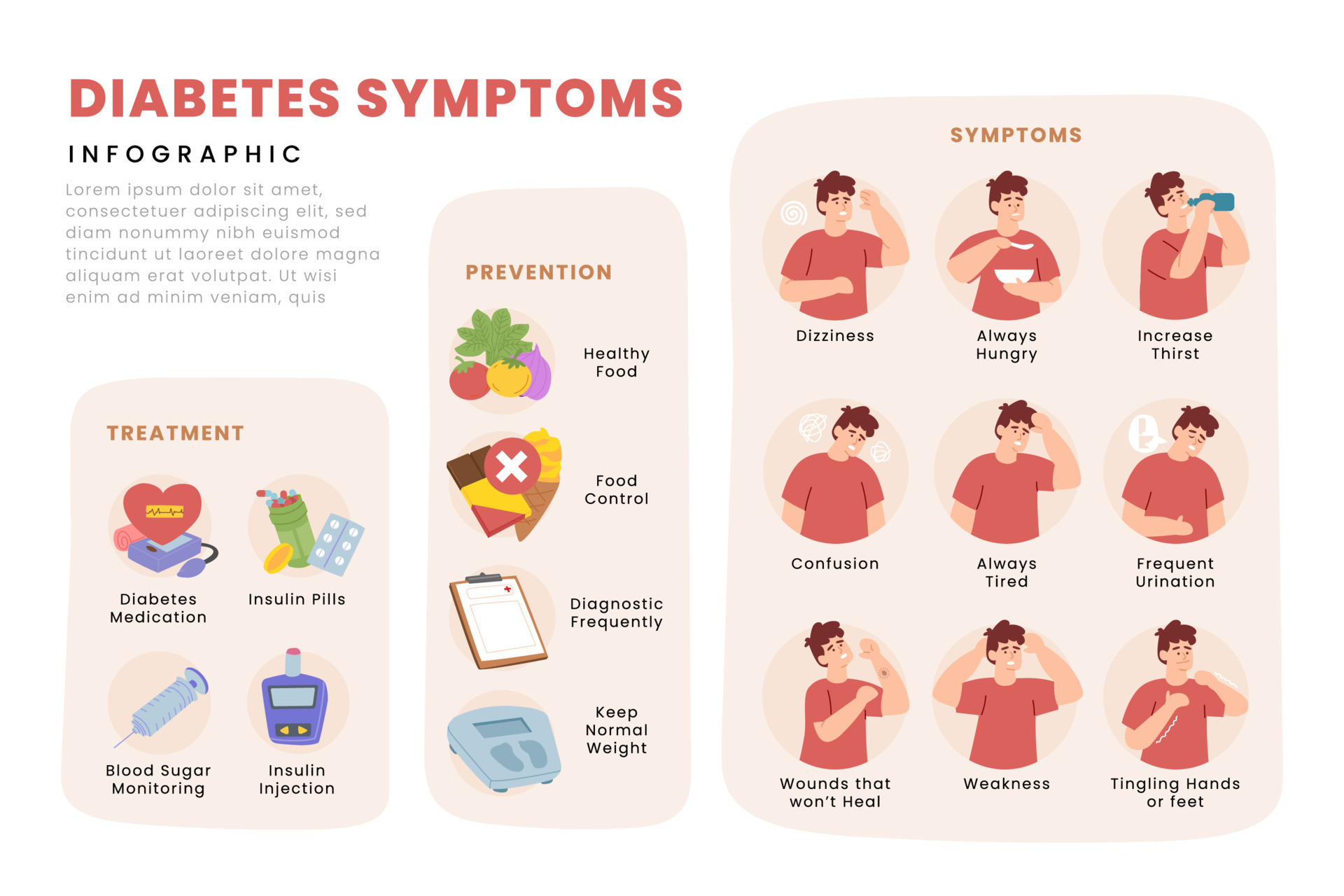
Vibrant Ways To Treat Diabetes Image for Your Screen
Transform your screen with this vivid ways to treat diabetes artwork, a true masterpiece of digital design.

Vibrant Ways To Treat Diabetes Design Concept
Experience the crisp clarity of this stunning ways to treat diabetes image, available in high resolution for all your screens.
Serene Ways To Treat Diabetes Scene in HD
Explore this high-quality ways to treat diabetes image, perfect for enhancing your desktop or mobile wallpaper.

Serene Ways To Treat Diabetes Photo Concept
Explore this high-quality ways to treat diabetes image, perfect for enhancing your desktop or mobile wallpaper.

Spectacular Ways To Treat Diabetes Scene Nature
This gorgeous ways to treat diabetes photo offers a breathtaking view, making it a perfect choice for your next wallpaper.

Vibrant Ways To Treat Diabetes Background Art
Experience the crisp clarity of this stunning ways to treat diabetes image, available in high resolution for all your screens.

Exquisite Ways To Treat Diabetes Design Art
A captivating ways to treat diabetes scene that brings tranquility and beauty to any device.

Dynamic Ways To Treat Diabetes Image Concept
Find inspiration with this unique ways to treat diabetes illustration, crafted to provide a fresh look for your background.

High-Quality Ways To Treat Diabetes Scene Illustration
Explore this high-quality ways to treat diabetes image, perfect for enhancing your desktop or mobile wallpaper.

Exquisite Ways To Treat Diabetes View for Your Screen
Immerse yourself in the stunning details of this beautiful ways to treat diabetes wallpaper, designed for a captivating visual experience.
Mesmerizing Ways To Treat Diabetes Abstract for Your Screen
Explore this high-quality ways to treat diabetes image, perfect for enhancing your desktop or mobile wallpaper.
Breathtaking Ways To Treat Diabetes View in 4K
Explore this high-quality ways to treat diabetes image, perfect for enhancing your desktop or mobile wallpaper.

Beautiful Ways To Treat Diabetes Wallpaper for Your Screen
Transform your screen with this vivid ways to treat diabetes artwork, a true masterpiece of digital design.

Amazing Ways To Treat Diabetes Artwork for Mobile
Experience the crisp clarity of this stunning ways to treat diabetes image, available in high resolution for all your screens.
Amazing Ways To Treat Diabetes Moment Art
Explore this high-quality ways to treat diabetes image, perfect for enhancing your desktop or mobile wallpaper.

Detailed Ways To Treat Diabetes Wallpaper in HD
Explore this high-quality ways to treat diabetes image, perfect for enhancing your desktop or mobile wallpaper.
Download these ways to treat diabetes wallpapers for free and use them on your desktop or mobile devices.