What A1C Is Considered Controlled Diabetes? Your Guide to Optimal Management
If you live with diabetes, you know that managing your blood sugar levels is a daily balancing act. One of the most critical numbers you track is your A1C. But understanding that number and knowing precisely what A1C is considered controlled diabetes can sometimes feel confusing.
Relax! We are here to break down the A1C test, explain the general targets, and, most importantly, help you understand why your specific goal might be different from the person next door. Controlling your diabetes is totally achievable, and knowing your target is the first big step.
Understanding the A1C Test: Why It Matters
The A1C test, sometimes called hemoglobin A1c or HbA1c, is not like a standard blood sugar reading you take with a finger stick. While those daily readings give you an immediate snapshot, the A1C provides a long-term average.
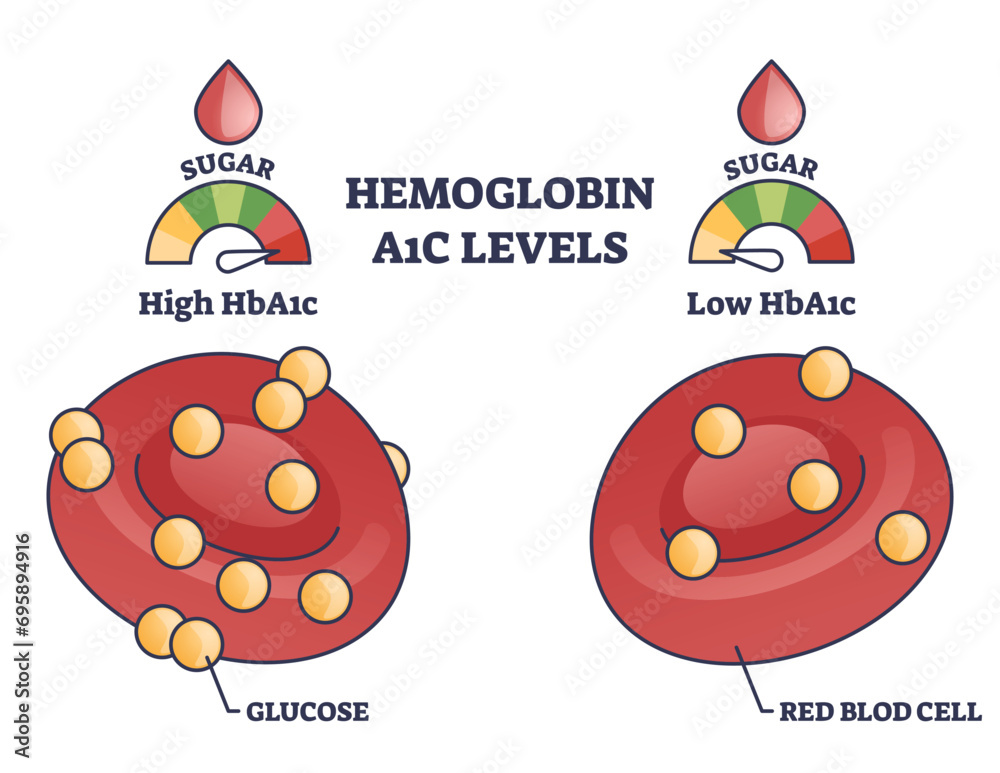
Essentially, the A1C measures the percentage of your red blood cells that have sugar coating them (glycated hemoglobin). Since red blood cells live for about three months, this test gives you an accurate average of your blood sugar control over the previous two to three months.
Knowing this average is incredibly important because it tells you and your healthcare team how consistently you have been managing your glucose. If your A1C is high, it means your blood sugar has been elevated for an extended period, increasing your risk of complications.
So, What A1C Is Considered Controlled Diabetes? The Target Ranges
When asking what A1C is considered controlled diabetes, there's a widely accepted benchmark set by major health organizations. However, it's crucial to remember that "controlled" is ultimately a personal term decided between you and your doctor.
Standard A1C Goals: The General Rule
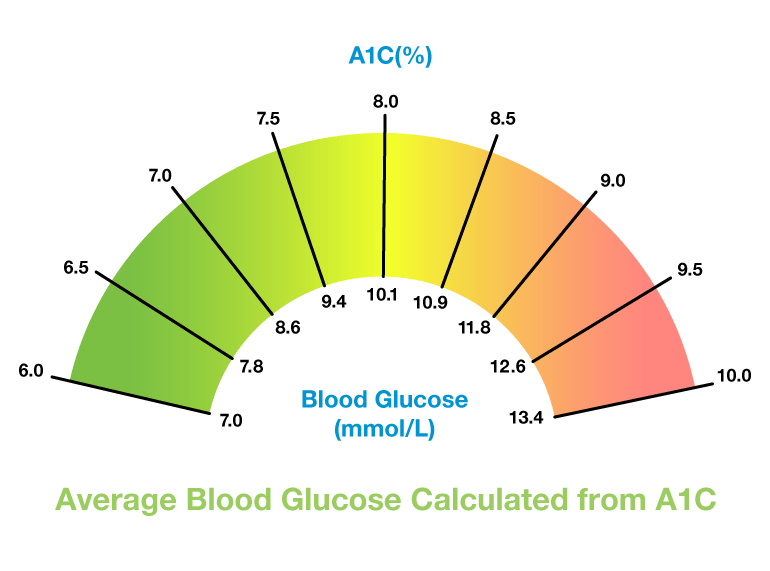
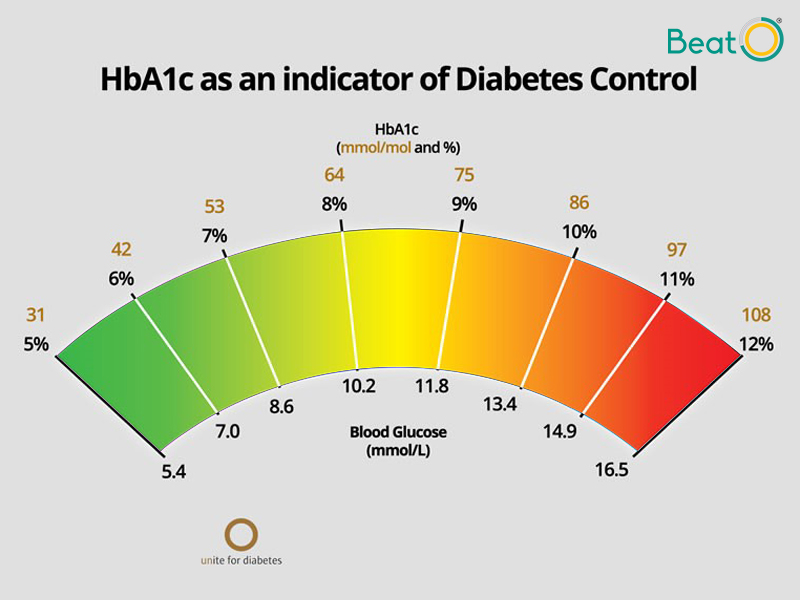
For most non-pregnant adults living with diabetes, the standard goal recommended by the American Diabetes Association (ADA) is below 7.0%. Hitting this target generally means you are significantly reducing your risk of long-term diabetes complications like kidney disease, nerve damage, and vision problems.
Here is a quick look at what different A1C percentages typically mean:
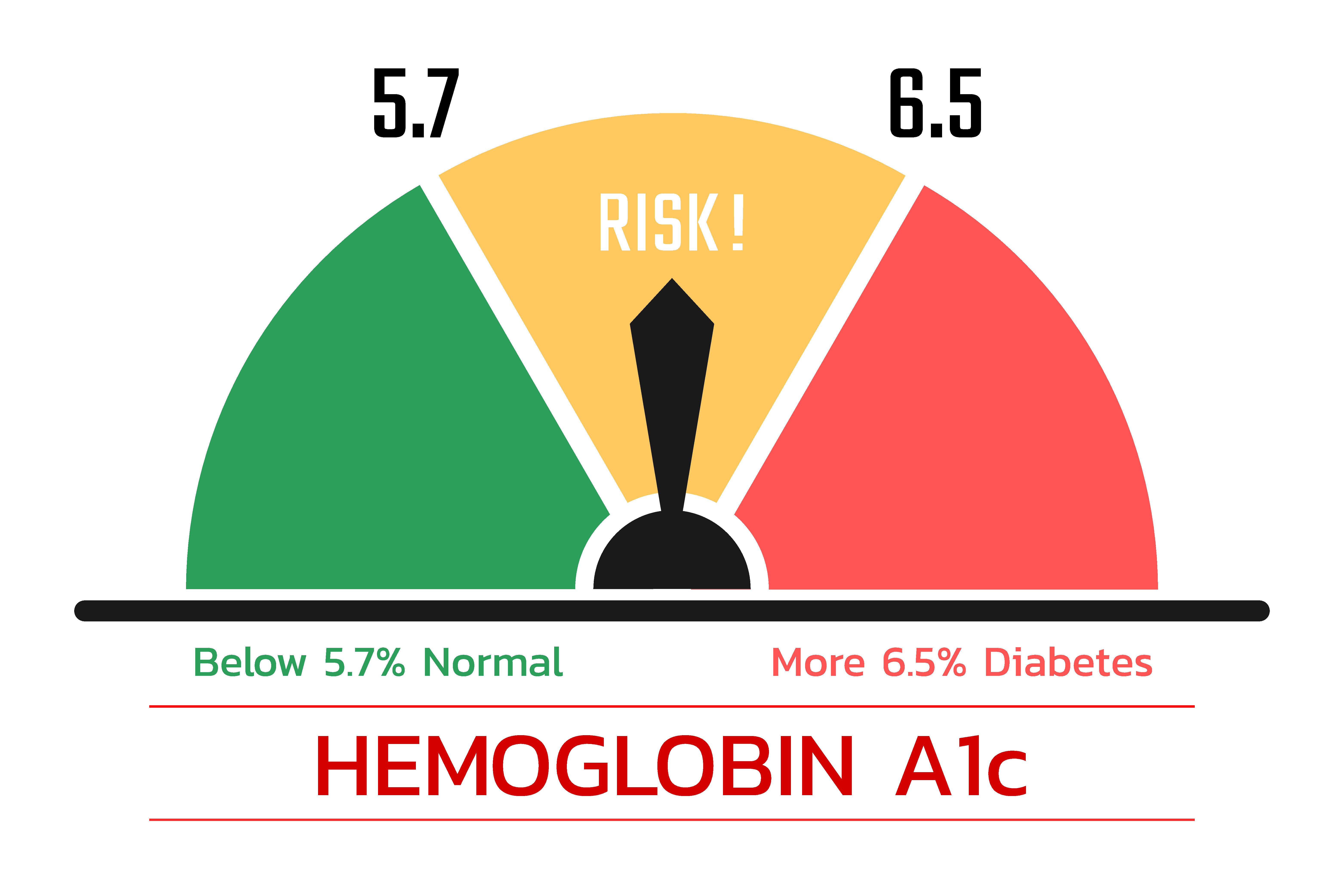
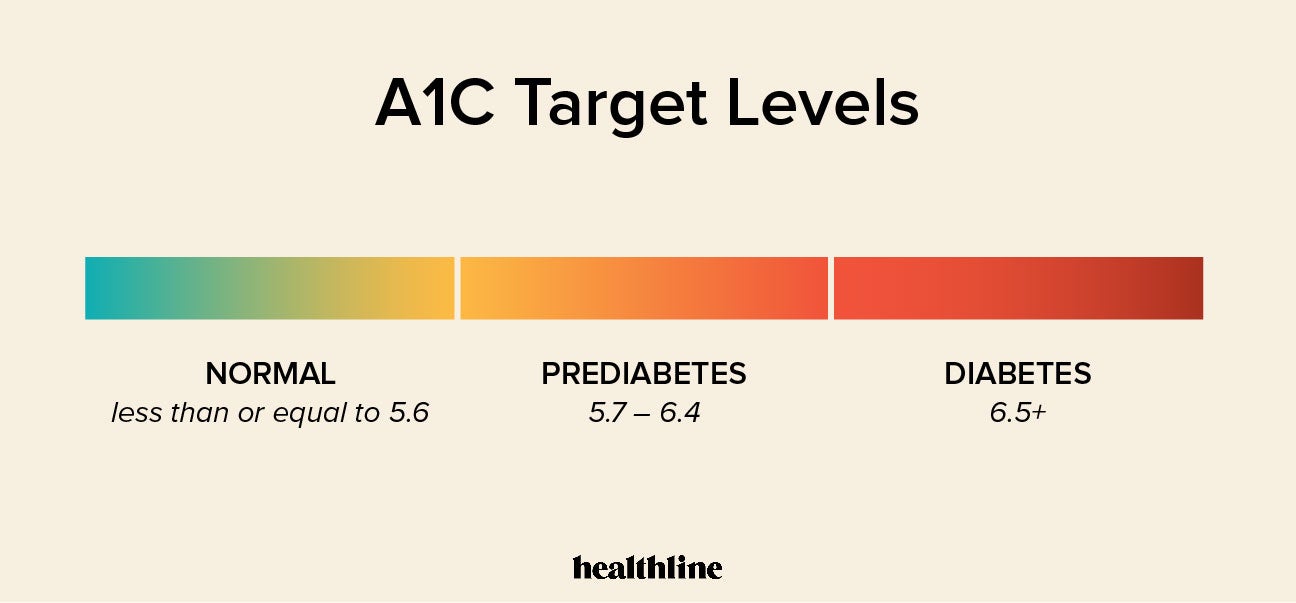
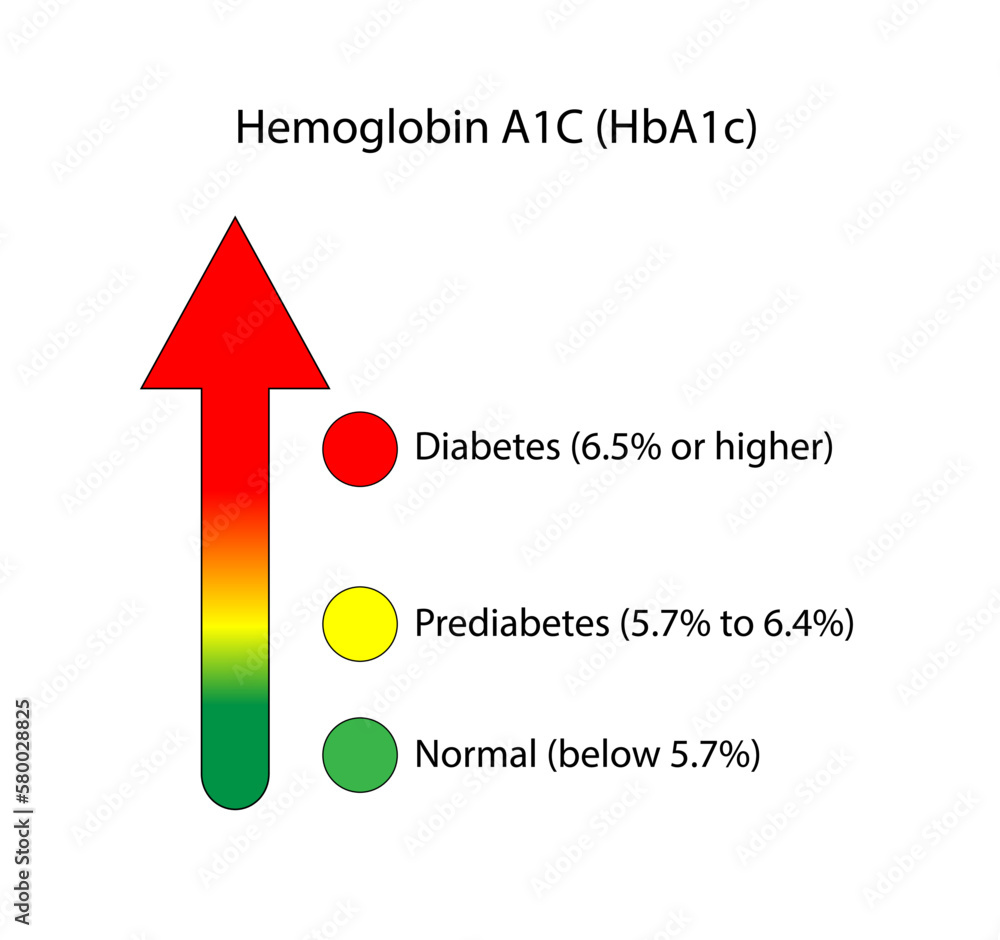
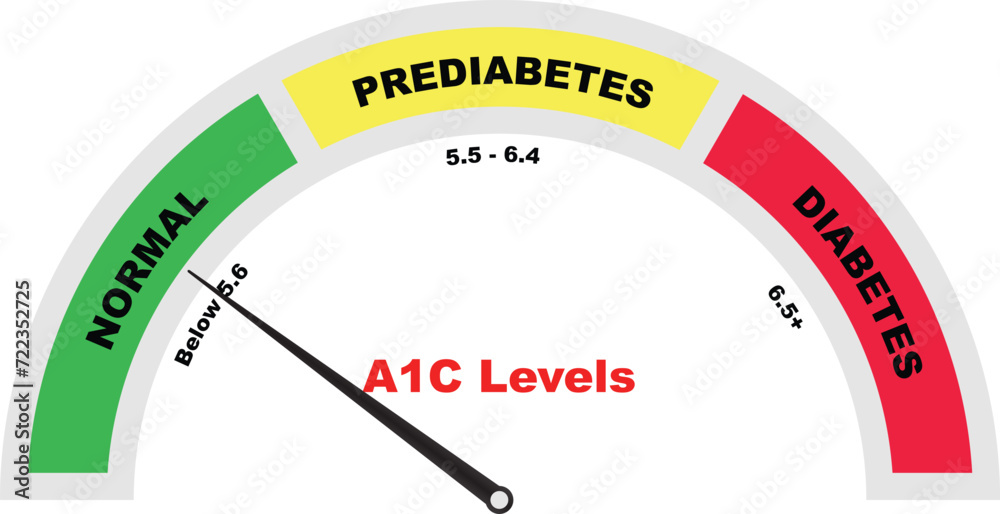
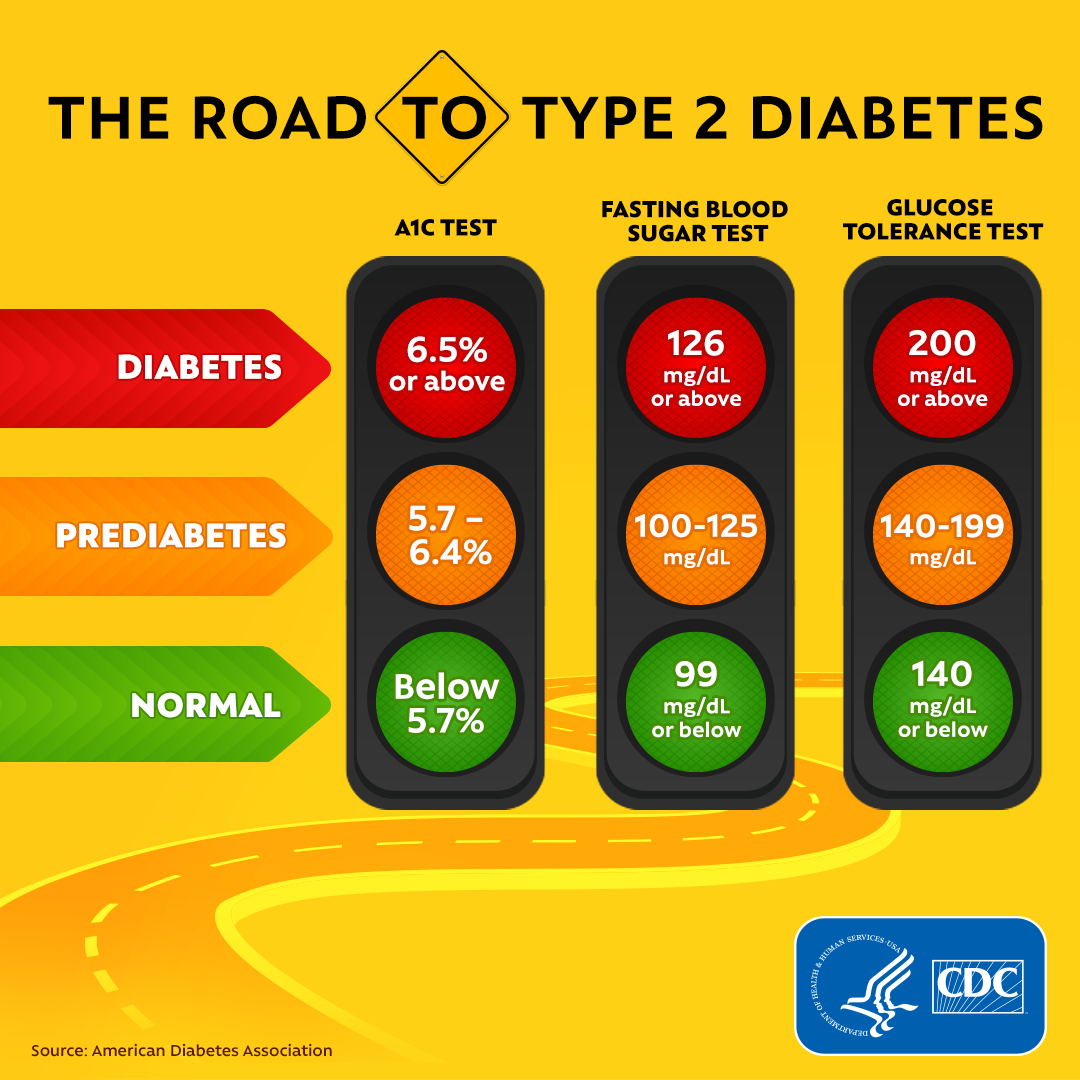
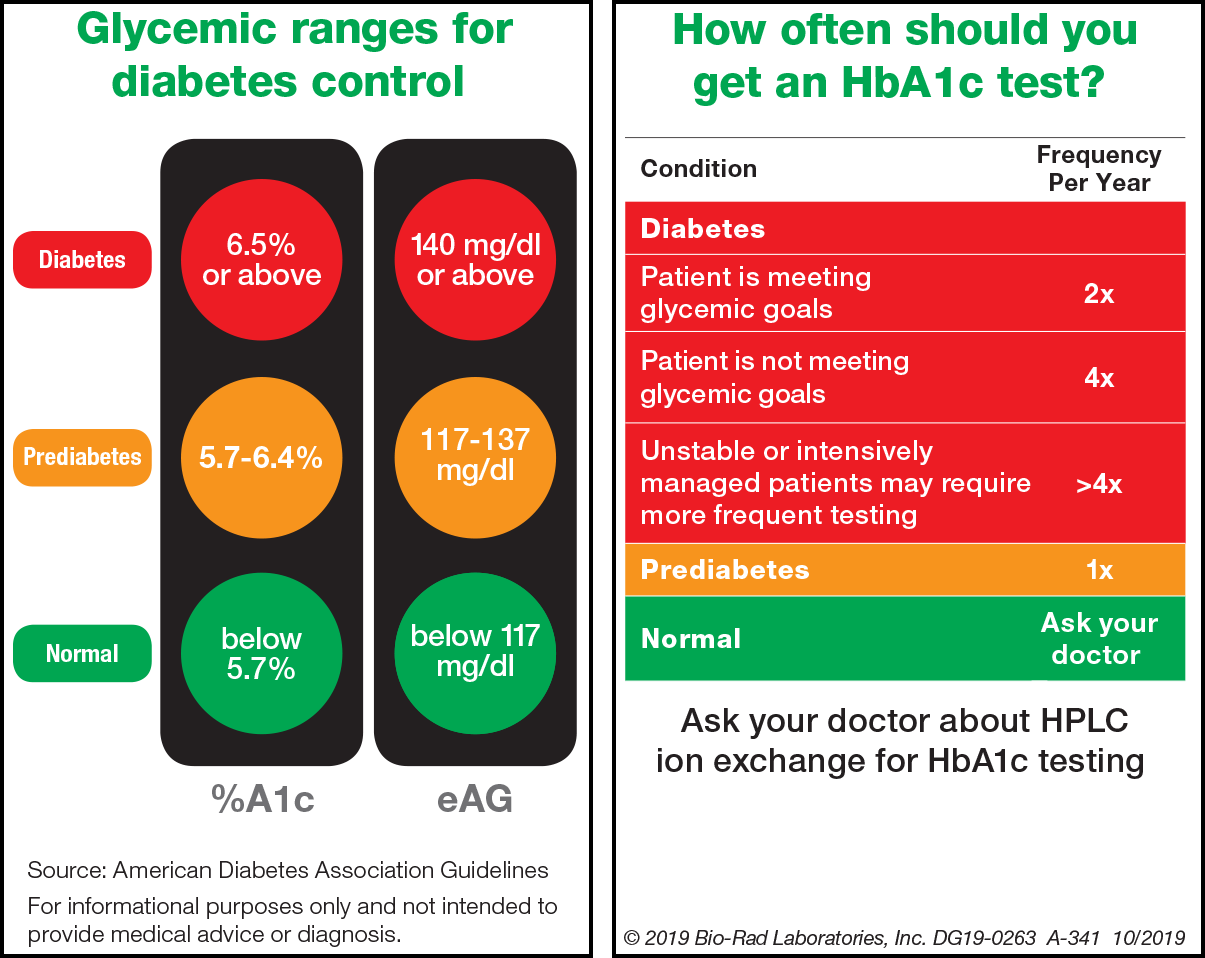
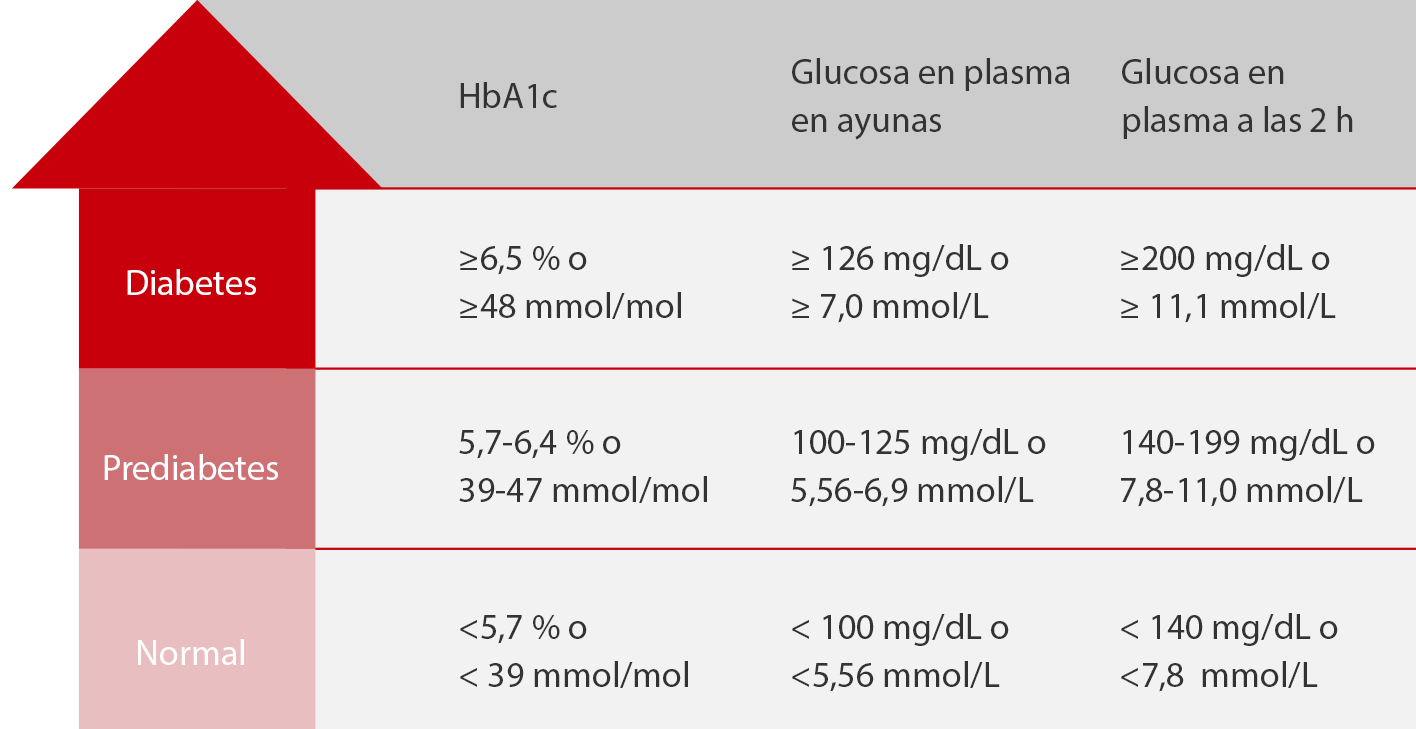
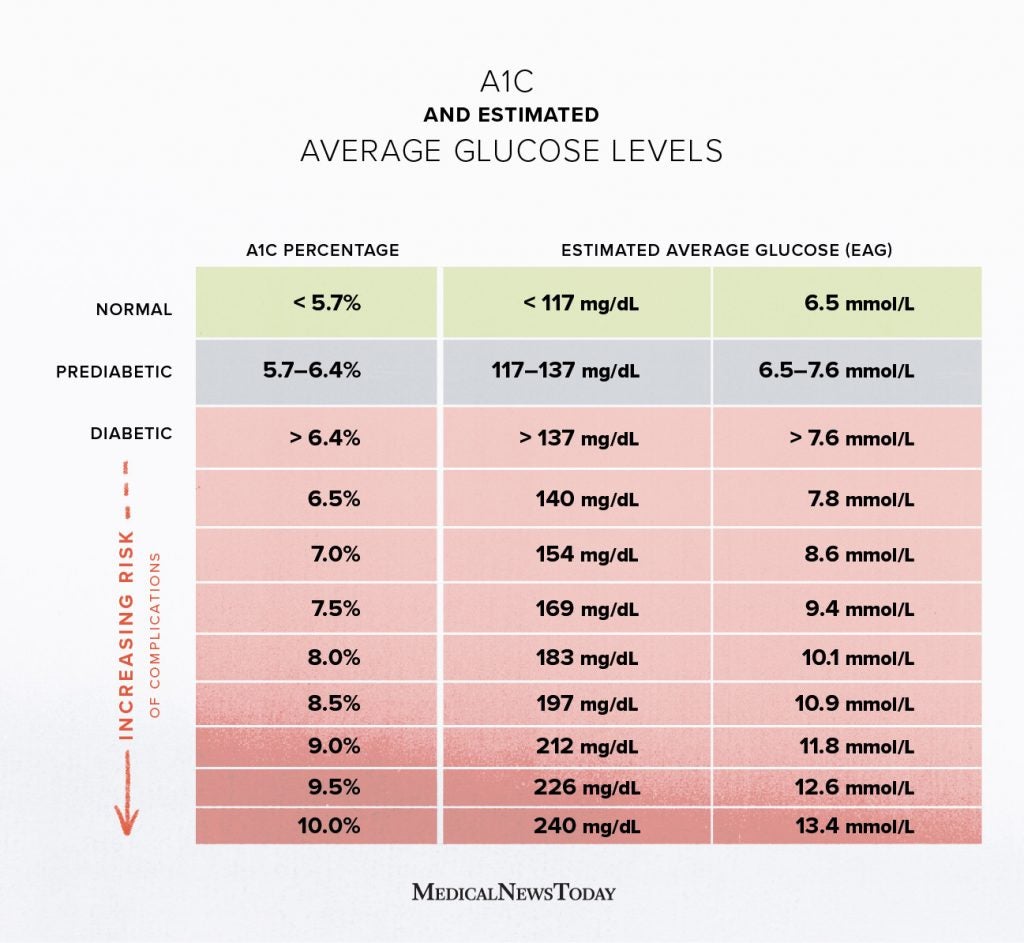
- Below 5.7%: Considered non-diabetic range (Normal).
- 5.7% to 6.4%: Considered prediabetes range.
- 6.5% and Above: Diagnostic threshold for diabetes.
- Goal: Generally Below 7.0%: Indicates controlled diabetes for most adults.
- Tight Control (often for Type 1 or newly diagnosed): A goal sometimes set below 6.5%, provided it can be achieved without dangerous low blood sugar episodes.
If your A1C is 8.0% or higher, your diabetes management likely needs a serious re-evaluation, as this indicates sustained high blood sugar over the preceding months.
Personalizing Your A1C Target: It's Not One-Size-Fits-All
While 7.0% is the headline answer to what A1C is considered controlled diabetes, your medical team might set a different goal for you. This personalized approach is based on several factors unique to your health situation.
For example, aggressive control aiming for an A1C of 6.5% might be suitable for a healthy, young person who was recently diagnosed. But this level of tight control might be dangerous for an older adult.
Factors that influence your personal A1C target include:
- Age and Life Expectancy: Older adults or those with limited life expectancies may have a slightly higher, less stringent target (e.g., 7.5% or 8.0%) to prevent dangerous hypoglycemia.
- Hypoglycemia Risk: If you frequently experience dangerously low blood sugar (hypoglycemia), your doctor may relax your target slightly to keep you safer.
- Existing Complications: If you already have advanced complications (like severe heart disease), tighter control might not provide as much benefit and could pose risks.
- Duration of Diabetes: People who have had diabetes for many years might find it harder to hit very low A1C targets safely.
Always discuss your specific target with your endocrinologist or primary care provider. They can help you balance the risks of long-term complications against the risks of short-term hypoglycemia.
Strategies for Achieving and Maintaining Controlled A1C
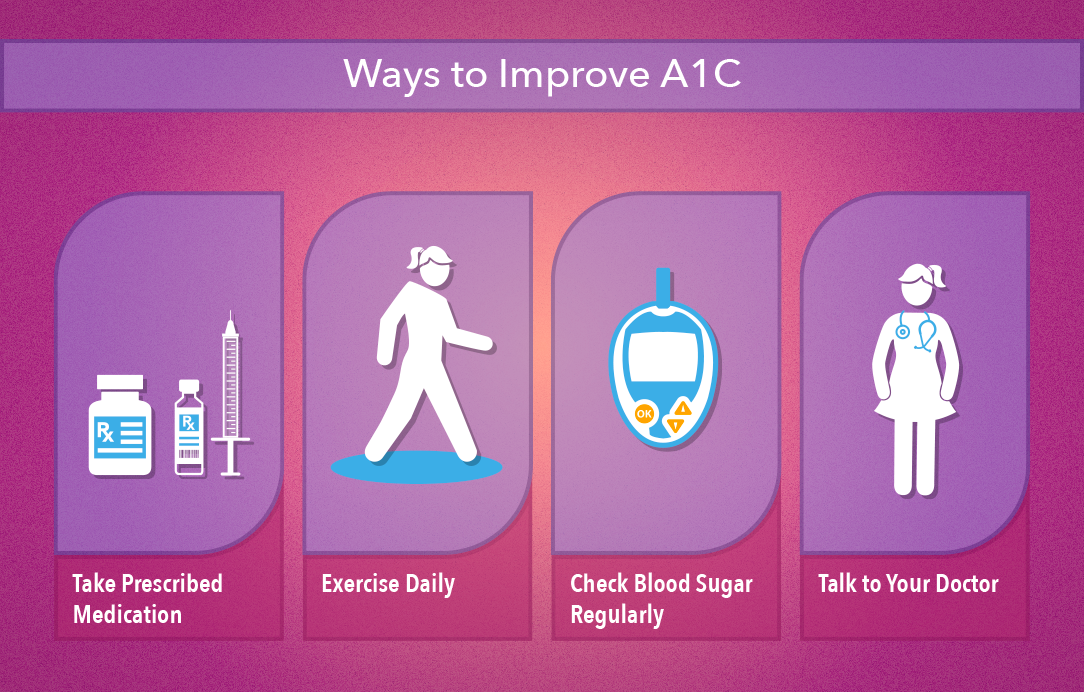
Achieving a controlled A1C, whether it's 7.0% or 6.5%, requires consistency across diet, activity, and medication. It's the result of three months of good choices, not just one good week.
Lifestyle Adjustments That Make a Difference
The foundation of controlled diabetes management lies in daily habits. Even small changes can profoundly impact your average blood sugar levels over time.
Nutrition and Carb Counting
Carbohydrates have the biggest effect on your blood sugar. Learning to count or estimate your carb intake is essential for matching it with medication (like insulin) and keeping post-meal spikes down.
Focus on whole, unprocessed foods and fiber, which helps slow down glucose absorption. Consistency in meal timing also prevents extreme highs and lows throughout the day.
The Power of Physical Activity
Exercise is like natural insulin. When you are physically active, your muscles use glucose for energy, effectively pulling sugar out of your bloodstream. This immediately lowers your blood sugar and increases your body's sensitivity to insulin over the long term.
Aim for 150 minutes of moderate-intensity aerobic activity per week, plus two to three sessions of strength training. Even a short walk after a meal can be highly beneficial!
Medication and Regular Check-ups
If lifestyle changes alone aren't enough to reach your target A1C, medication management is vital. This might include oral medications, injectable non-insulin therapies, or insulin.
It is non-negotiable that you take your medications exactly as prescribed. Furthermore, regular appointments with your doctor are necessary to review your A1C, check for complications, and adjust dosages as your body changes.
The Benefits of Controlled Diabetes
Why put so much effort into answering what A1C is considered controlled diabetes and striving to meet that number? The benefits are immense and primarily relate to protecting your future health.
Sustained A1C levels below 7.0% dramatically decrease the risk of microvascular complications. This means you are protecting your eyes from retinopathy, your kidneys from nephropathy, and your nerves from neuropathy.
Additionally, keeping your blood sugar in range often translates to better energy levels and improved overall quality of life today. You will likely feel more stable, less fatigued, and better equipped to handle daily challenges.
Conclusion: Finding Your Personal Definition of Control
Ultimately, what A1C is considered controlled diabetes for the majority of people is an A1C level below 7.0%. This standard benchmark is a powerful tool in minimizing long-term health risks associated with high blood sugar.
However, true control is measured not just by a number on a lab slip, but by how safely and comfortably you can maintain that range. Work closely with your healthcare provider to set a realistic, personalized A1C target—whether that's 6.5% or 7.5%—and commit to the consistent lifestyle changes and medication adherence needed to achieve it. Taking control of your A1C is taking control of your health journey.
Frequently Asked Questions (FAQ) About A1C Control
- What A1C level is considered dangerous?
- A sustained A1C level of 9.0% or higher is considered very poor control. This strongly indicates that diabetes management is insufficient and puts the individual at extremely high risk for immediate and long-term complications.
- Does the A1C test require fasting?
- No, the A1C test does not require fasting. Since it measures the average blood sugar over two to three months, what you ate right before the test does not impact the results.
- If my A1C is controlled, do I still need to check my daily blood sugar?
- Yes, absolutely. Daily blood sugar checks (or continuous glucose monitoring) tell you what is happening in real-time. They help you adjust insulin doses, prevent immediate highs and lows, and understand how specific foods affect you, which is crucial for maintaining a controlled A1C.
- How quickly can I lower my A1C?
- Since the A1C measures a 90-day average, you typically need at least three months of consistent management (diet, exercise, and medication) before you see a significant change. Major lifestyle or medication adjustments usually result in a noticeable drop when you test three months later.
- What is the A1C target for elderly patients?
- For older adults, especially those who are frail or have multiple chronic conditions, a less stringent A1C goal is often preferred, sometimes ranging between 7.5% and 8.0%. This minimizes the risk of severe hypoglycemia, which can be very dangerous for the elderly.
What A1C Is Considered Controlled Diabetes
What A1C Is Considered Controlled Diabetes Wallpapers
Collection of what a1c is considered controlled diabetes wallpapers for your desktop and mobile devices.
Crisp What A1c Is Considered Controlled Diabetes Picture for Mobile
This gorgeous what a1c is considered controlled diabetes photo offers a breathtaking view, making it a perfect choice for your next wallpaper.
Beautiful What A1c Is Considered Controlled Diabetes Picture Digital Art
Discover an amazing what a1c is considered controlled diabetes background image, ideal for personalizing your devices with vibrant colors and intricate designs.
Exquisite What A1c Is Considered Controlled Diabetes Background in 4K
This gorgeous what a1c is considered controlled diabetes photo offers a breathtaking view, making it a perfect choice for your next wallpaper.
Stunning What A1c Is Considered Controlled Diabetes Artwork for Desktop
Find inspiration with this unique what a1c is considered controlled diabetes illustration, crafted to provide a fresh look for your background.

Beautiful What A1c Is Considered Controlled Diabetes Scene Art
Explore this high-quality what a1c is considered controlled diabetes image, perfect for enhancing your desktop or mobile wallpaper.

Vivid What A1c Is Considered Controlled Diabetes View Concept
Experience the crisp clarity of this stunning what a1c is considered controlled diabetes image, available in high resolution for all your screens.
Spectacular What A1c Is Considered Controlled Diabetes View Collection
This gorgeous what a1c is considered controlled diabetes photo offers a breathtaking view, making it a perfect choice for your next wallpaper.
Gorgeous What A1c Is Considered Controlled Diabetes Design for Desktop
This gorgeous what a1c is considered controlled diabetes photo offers a breathtaking view, making it a perfect choice for your next wallpaper.

Spectacular What A1c Is Considered Controlled Diabetes Moment Collection
Immerse yourself in the stunning details of this beautiful what a1c is considered controlled diabetes wallpaper, designed for a captivating visual experience.

Spectacular What A1c Is Considered Controlled Diabetes Picture Nature
This gorgeous what a1c is considered controlled diabetes photo offers a breathtaking view, making it a perfect choice for your next wallpaper.
Vibrant What A1c Is Considered Controlled Diabetes Landscape for Your Screen
Explore this high-quality what a1c is considered controlled diabetes image, perfect for enhancing your desktop or mobile wallpaper.
Serene What A1c Is Considered Controlled Diabetes Abstract Collection
Transform your screen with this vivid what a1c is considered controlled diabetes artwork, a true masterpiece of digital design.
Exquisite What A1c Is Considered Controlled Diabetes Image for Desktop
A captivating what a1c is considered controlled diabetes scene that brings tranquility and beauty to any device.
Captivating What A1c Is Considered Controlled Diabetes Design in HD
Immerse yourself in the stunning details of this beautiful what a1c is considered controlled diabetes wallpaper, designed for a captivating visual experience.
Beautiful What A1c Is Considered Controlled Diabetes Design for Your Screen
Transform your screen with this vivid what a1c is considered controlled diabetes artwork, a true masterpiece of digital design.
Detailed What A1c Is Considered Controlled Diabetes Moment in 4K
Experience the crisp clarity of this stunning what a1c is considered controlled diabetes image, available in high resolution for all your screens.

Crisp What A1c Is Considered Controlled Diabetes Picture for Desktop
Find inspiration with this unique what a1c is considered controlled diabetes illustration, crafted to provide a fresh look for your background.
High-Quality What A1c Is Considered Controlled Diabetes Landscape in 4K
Discover an amazing what a1c is considered controlled diabetes background image, ideal for personalizing your devices with vibrant colors and intricate designs.
:max_bytes(150000):strip_icc()/A1CLevels_final-b7bc709b6a5f4653b9a3497caec75016.png "Captivating What A1c Is Considered Controlled Diabetes View Art")
Captivating What A1c Is Considered Controlled Diabetes View Art
Find inspiration with this unique what a1c is considered controlled diabetes illustration, crafted to provide a fresh look for your background.
Vivid What A1c Is Considered Controlled Diabetes Picture Illustration
Explore this high-quality what a1c is considered controlled diabetes image, perfect for enhancing your desktop or mobile wallpaper.
Download these what a1c is considered controlled diabetes wallpapers for free and use them on your desktop or mobile devices.