What Does Mmol Mean In Diabetes? Understanding Your Blood Sugar Numbers
If you live with diabetes, you've probably encountered a lot of jargon and scientific terms. One of the most common and arguably most important terms you need to understand is "mmol/L." If you've ever wondered, What Does Mmol Mean In Diabetes? you are in the right place. It sounds complicated, but trust us, it's just a vital measurement that helps you manage your health day in and day out.
Understanding your blood glucose numbers, whether they are measured in mmol/L or otherwise, is the cornerstone of effective diabetes management. This article will break down exactly what mmol means, why it's used, how to interpret your results, and what you can do to keep those numbers safely in range.
Deciphering the Jargon: What Exactly Is Mmol/L?
Mmol/L is an acronym that stands for "millimoles per liter." In the simplest terms, it is the standard unit of measurement used by most of the world to quantify the concentration of glucose (sugar) floating around in your bloodstream.
Think of it like measuring speed in kilometers per hour versus miles per hour. They both measure the same thing, just using different units. Mmol/L is based on the metric system, which makes it scientifically standard across many disciplines.
Specifically, a mole is a unit used in chemistry to measure large quantities of molecules. Since we are dealing with tiny amounts of glucose in the blood, we use the "milli" prefix, meaning one-thousandth of a mole. This precise measurement helps doctors and patients determine if blood sugar levels are too high, too low, or just right.
The Difference Between Mmol/L and Mg/dL
If you live in the United States, you might be more familiar with blood sugar readings measured in milligrams per deciliter (mg/dL). This is often the source of confusion for individuals researching diabetes management globally.
Both mmol/L and mg/dL measure the same thing—blood sugar concentration—but they use different underlying calculation principles. Mmol/L focuses on the number of molecules, while mg/dL focuses on the weight of the glucose.
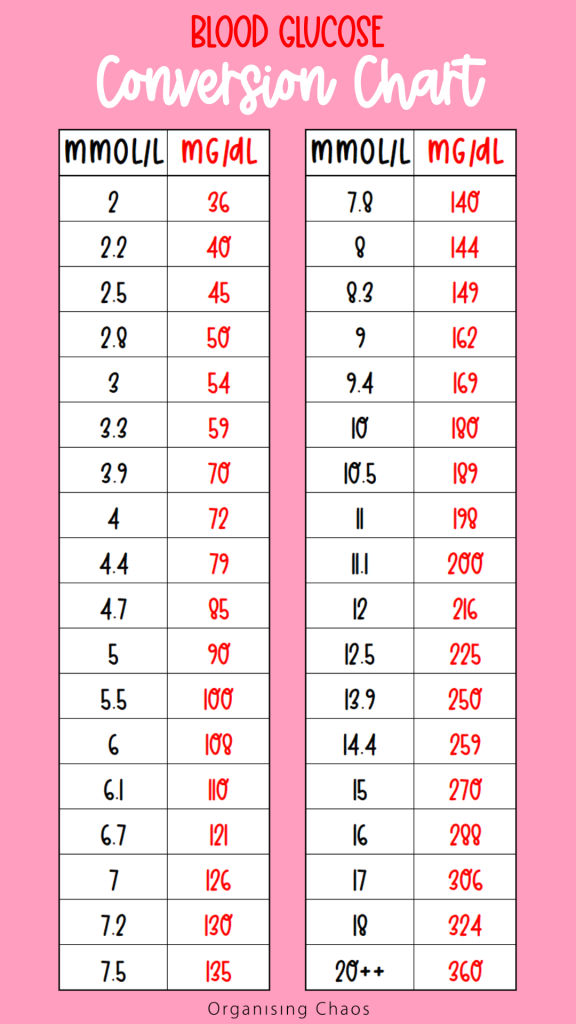
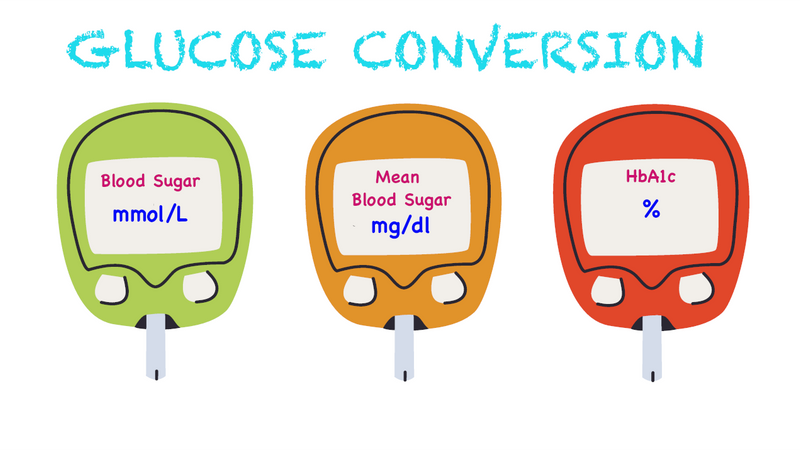
If you need to switch between the two units, there is a standard conversion factor. To convert mmol/L to mg/dL, you multiply by 18. To convert mg/dL to mmol/L, you divide by 18. This simple math allows global patients and doctors to communicate effectively about blood sugar goals.
Why Do Different Countries Use Different Units?
The main reason for this disparity is historical and regional preference. The vast majority of the world, including Canada, the UK, Australia, and all European countries, adheres to the International System of Units (SI), which mandates the use of molar concentration (mmol/L).
However, the United States continues to use the customary system for certain clinical measurements, leading to the preference for mg/dL. This is why when you purchase glucose meters, they are often preset to the standard unit for your geographic region.
Regardless of which unit your monitor uses, the crucial point is knowing your target range and sticking to it. Having a clear answer to What Does Mmol Mean In Diabetes ensures you can read any research paper or clinical guideline worldwide.
How to Interpret Your Mmol Readings
Reading your blood sugar meter gives you a number, but understanding what that number signifies for your health requires context. Your doctor or diabetes care team will set individualized targets for you, but there are standard optimal ranges to be aware of.
When you take a reading, you should always note the time of day and whether you have recently eaten. A reading taken first thing in the morning (fasting) will be significantly different from a reading taken two hours after a large meal.
Using a logbook or a digital app to track these readings is essential. Patterns are far more informative than single isolated numbers when managing blood sugar fluctuations.
Optimal Blood Glucose Ranges in Mmol/L
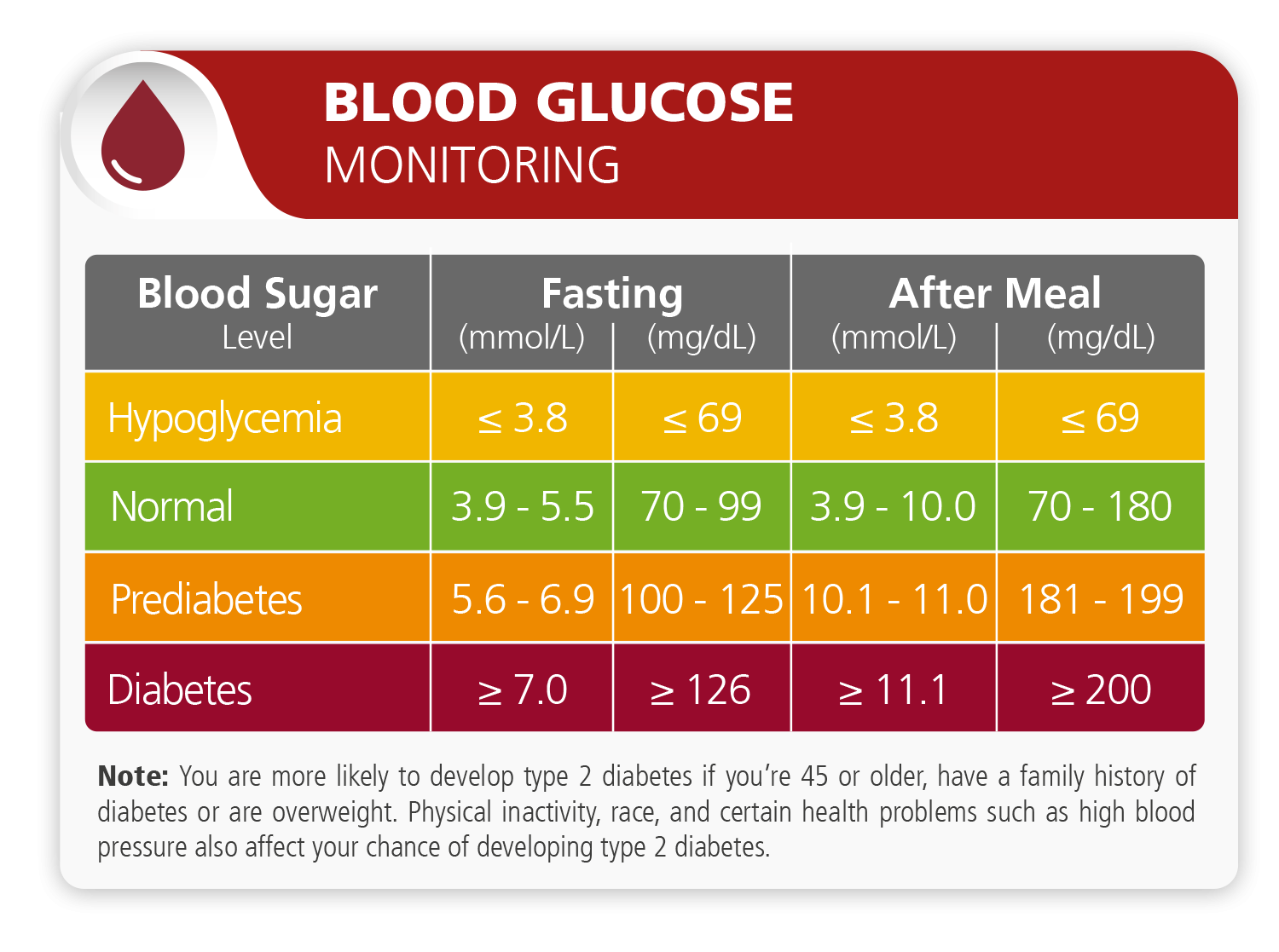
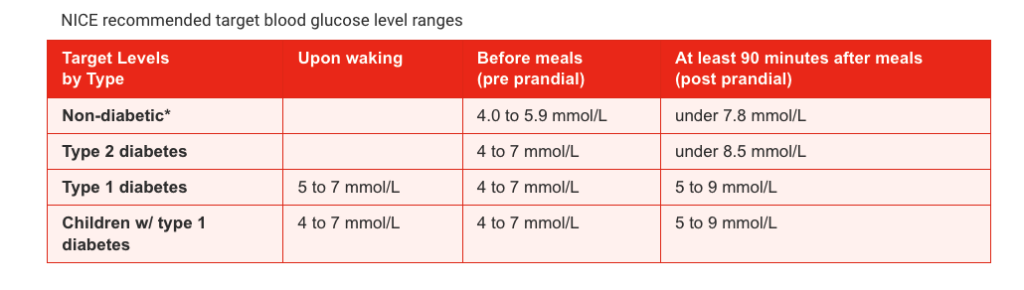
While specific targets vary greatly depending on age, type of diabetes, medication, and co-existing conditions, here are the generally accepted guidelines for non-pregnant adults with diabetes, measured in mmol/L:
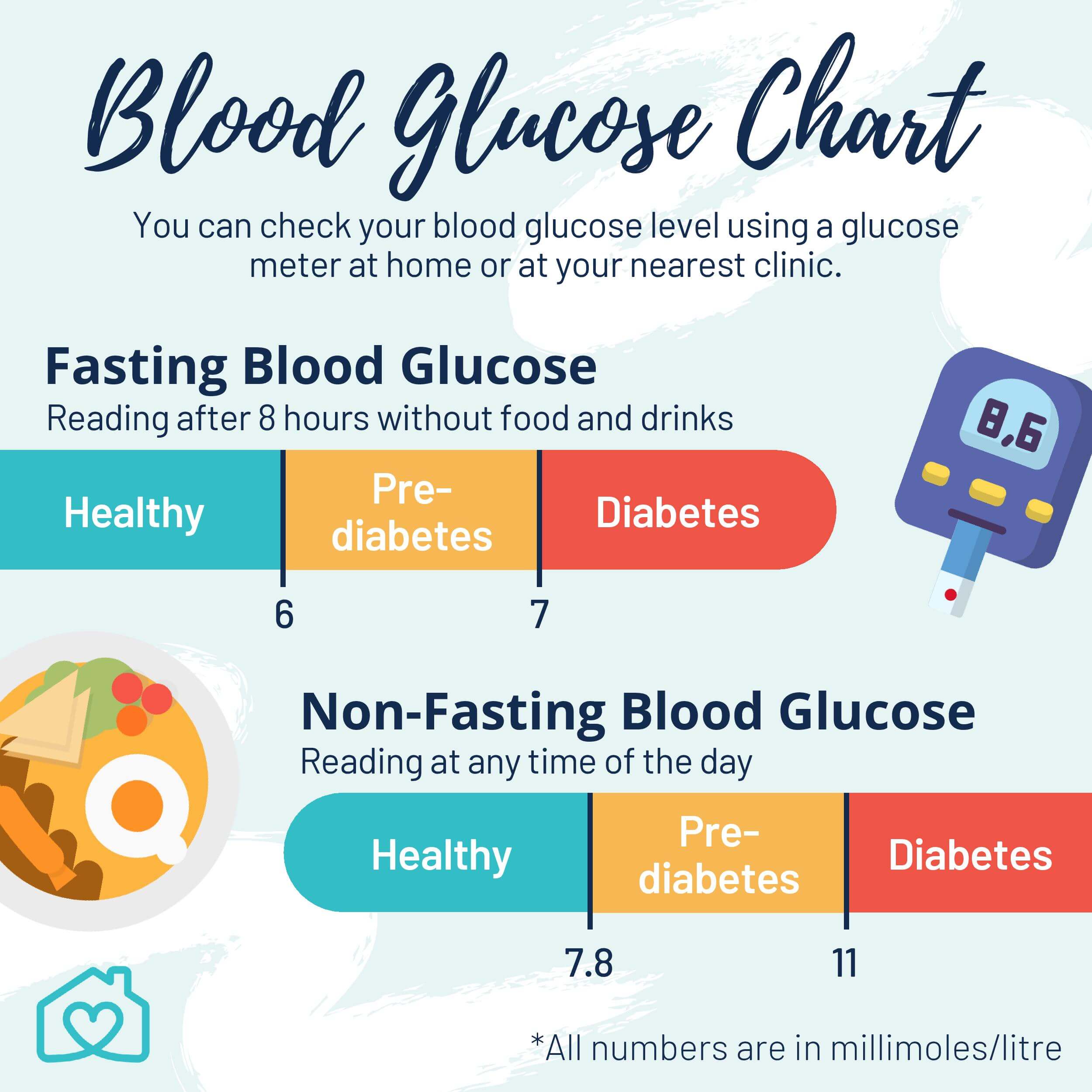
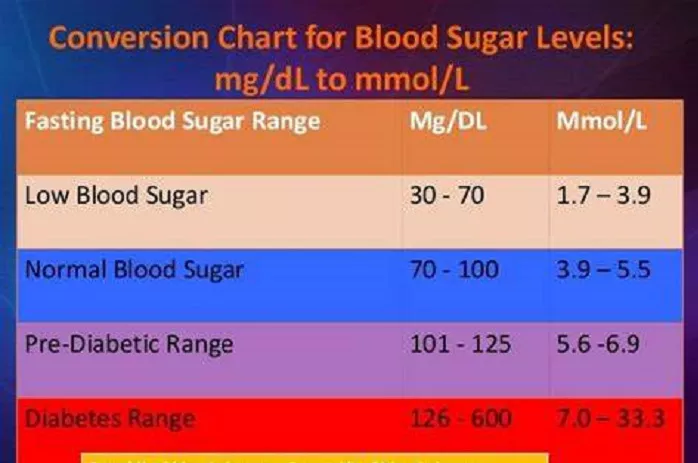
- Fasting/Pre-meal (before you eat): 4.0 to 7.0 mmol/L
- Two Hours Post-meal (after you eat): Under 8.5 to 10.0 mmol/L (depending on clinical guidelines)
- Normal (Non-Diabetic) Fasting Range: 3.9 to 5.6 mmol/L
If your results consistently fall outside of these ranges, it's a signal that your management plan may need adjustment. Always discuss any reading concerns with your healthcare provider.
What Happens When Mmol Levels Are Too High or Too Low?
Understanding the dangers of extreme readings is critical for patient safety. High and low readings are defined by specific mmol values and require different immediate actions.
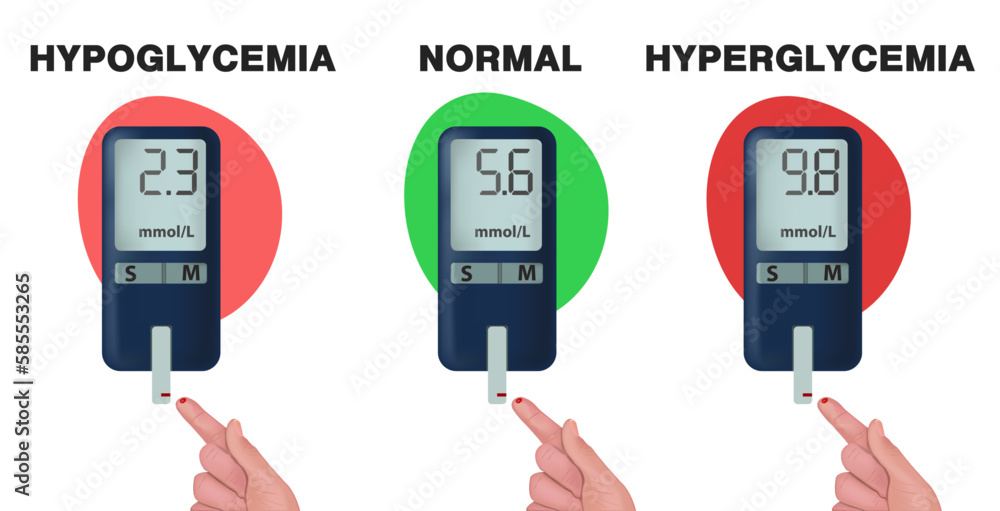
Hyperglycemia (High Blood Sugar): This generally occurs when readings are consistently above 10.0 mmol/L. Symptoms include excessive thirst, frequent urination, and fatigue. Sustained high readings can lead to long-term complications like nerve damage and kidney issues.
Hypoglycemia (Low Blood Sugar): This is defined as a reading below 4.0 mmol/L. This is an acute emergency. Symptoms include shaking, sweating, confusion, and dizziness. Immediate action (consuming fast-acting carbohydrates like glucose tablets or juice) is necessary to raise the blood sugar quickly.
Being able to recognize the number and the symptoms associated with it is why knowing What Does Mmol Mean In Diabetes is a matter of life safety.
Practical Tips for Managing Mmol Levels
Now that you know how to read your mmol numbers, the next step is applying that knowledge to keep your levels stable. Effective management is a combination of discipline, planning, and consistent monitoring.
Here are several practical steps you can take today to better manage your blood glucose readings:
- Consistent Monitoring: Test your blood sugar frequently as recommended by your doctor (especially before meals, two hours after meals, and before bed).
- Carbohydrate Counting: Learn how carbohydrates impact your mmol/L readings. Accurate carb counting is crucial for insulin dosing and meal planning.
- Stay Hydrated: Drinking water helps your body flush out excess sugar, which can help slightly reduce high readings.
- Exercise Regularly: Physical activity helps your body use insulin more efficiently, which naturally lowers blood glucose levels. Always check your levels before and after exercise to prevent hypoglycemia.
- Medication Adherence: Take insulin or oral medications exactly as prescribed. Missing doses or taking incorrect amounts will quickly cause readings to fluctuate out of range.
It is important to remember that lifestyle factors—stress, sleep, and illness—can all dramatically affect your mmol numbers, even if your diet remains consistent. Always account for these variables when interpreting unexpected readings.
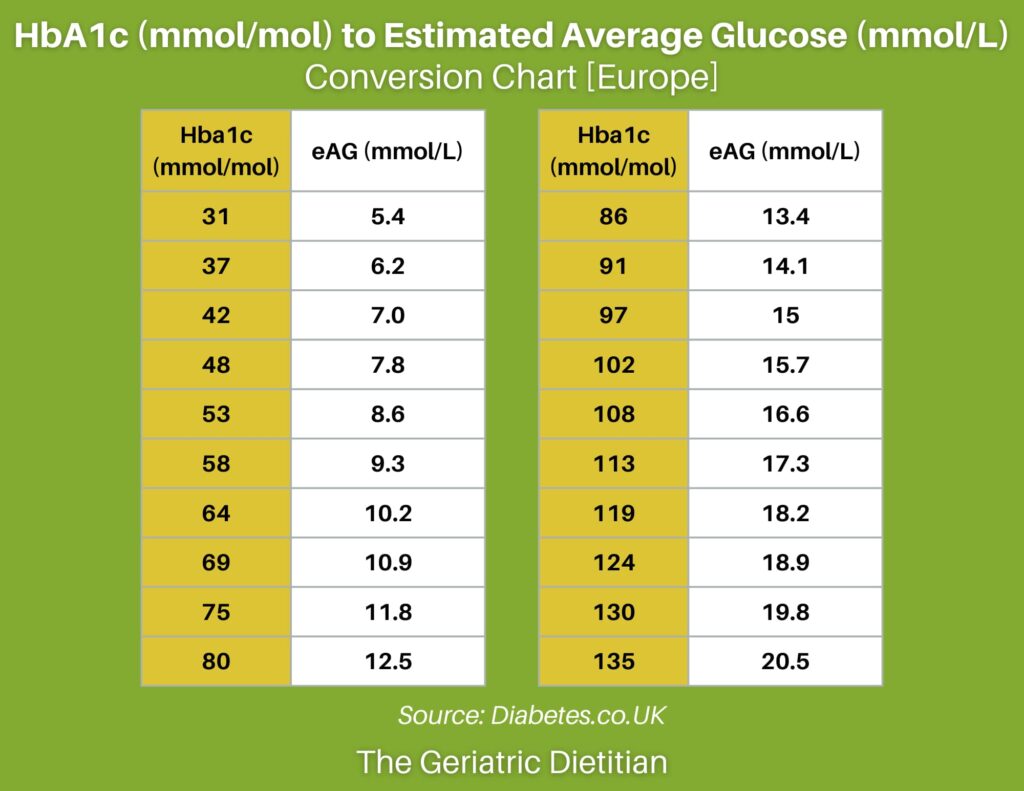
Understanding the HbA1c Test in Mmol/mol
While your day-to-day readings are in mmol/L, your long-term control is typically assessed using the HbA1c test. This test reflects your average blood sugar levels over the past two to three months.
The HbA1c result is often given as a percentage in the US, but increasingly, global labs use mmol/mol (millimoles per mole) to measure the ratio of glycated hemoglobin. A typical target A1c for people with diabetes is below 48 mmol/mol (or 6.5%).
If your mmol/L daily readings are consistently high, your A1c (mmol/mol) will also be high. This long-term measure shows the cumulative effect of your daily efforts and is a great benchmark for success.
Conclusion
Knowing What Does Mmol Mean In Diabetes is far more than just understanding a scientific unit; it is about taking control of your health narrative. Mmol/L is the precise measurement of glucose concentration in your blood, crucial for daily decision-making regarding diet, medication, and activity.
Whether you are aiming for a fasting target of 4.0–7.0 mmol/L or reacting quickly to a reading below 4.0 mmol/L, accurate interpretation saves lives and prevents long-term complications. Keep monitoring, keep learning, and work closely with your healthcare team to maintain those safe and healthy ranges.
Frequently Asked Questions (FAQ)
- What is a critically low mmol/L reading?
- A reading below 4.0 mmol/L is considered hypoglycemia and requires immediate treatment with fast-acting carbohydrates. If the reading drops below 3.0 mmol/L, it is considered severe and may require assistance.
- Can I convert my mmol/L meter to read mg/dL?
- Some modern meters offer the option to switch units in the settings menu. However, many models are fixed based on the region where they are sold. Always check your meter's manual or consult your pharmacist.
- Why does my mmol reading fluctuate so much?
- Blood sugar levels are sensitive to many factors. Common causes of fluctuation include the timing and content of meals, stress hormones, illness, changes in activity levels, and inaccurate insulin or medication timing. Tracking these factors alongside your readings can help identify patterns.
- Is 12.0 mmol/L dangerous?
- A single reading of 12.0 mmol/L is high (hyperglycemia), especially if fasting or pre-meal. While it may not be immediately life-threatening unless sustained, it indicates a need for correction. Consistent readings above 10.0 mmol/L are associated with an increased risk of long-term complications.
What Does Mmol Mean In Diabetes
What Does Mmol Mean In Diabetes Wallpapers
Collection of what does mmol mean in diabetes wallpapers for your desktop and mobile devices.
Artistic What Does Mmol Mean In Diabetes Landscape Nature
This gorgeous what does mmol mean in diabetes photo offers a breathtaking view, making it a perfect choice for your next wallpaper.
Lush What Does Mmol Mean In Diabetes Artwork for Desktop
Find inspiration with this unique what does mmol mean in diabetes illustration, crafted to provide a fresh look for your background.

Lush What Does Mmol Mean In Diabetes Moment Photography
This gorgeous what does mmol mean in diabetes photo offers a breathtaking view, making it a perfect choice for your next wallpaper.

Lush What Does Mmol Mean In Diabetes Scene Illustration
A captivating what does mmol mean in diabetes scene that brings tranquility and beauty to any device.

Stunning What Does Mmol Mean In Diabetes Wallpaper Art
Immerse yourself in the stunning details of this beautiful what does mmol mean in diabetes wallpaper, designed for a captivating visual experience.
Amazing What Does Mmol Mean In Diabetes Design for Mobile
Experience the crisp clarity of this stunning what does mmol mean in diabetes image, available in high resolution for all your screens.
Beautiful What Does Mmol Mean In Diabetes Artwork Photography
Transform your screen with this vivid what does mmol mean in diabetes artwork, a true masterpiece of digital design.
Dynamic What Does Mmol Mean In Diabetes Moment for Your Screen
Immerse yourself in the stunning details of this beautiful what does mmol mean in diabetes wallpaper, designed for a captivating visual experience.
Dynamic What Does Mmol Mean In Diabetes Background Collection
This gorgeous what does mmol mean in diabetes photo offers a breathtaking view, making it a perfect choice for your next wallpaper.
Dynamic What Does Mmol Mean In Diabetes Abstract Art
A captivating what does mmol mean in diabetes scene that brings tranquility and beauty to any device.

Crisp What Does Mmol Mean In Diabetes Wallpaper for Desktop
Immerse yourself in the stunning details of this beautiful what does mmol mean in diabetes wallpaper, designed for a captivating visual experience.

Exquisite What Does Mmol Mean In Diabetes Artwork for Your Screen
Immerse yourself in the stunning details of this beautiful what does mmol mean in diabetes wallpaper, designed for a captivating visual experience.

Crisp What Does Mmol Mean In Diabetes Photo Concept
A captivating what does mmol mean in diabetes scene that brings tranquility and beauty to any device.

High-Quality What Does Mmol Mean In Diabetes Moment Digital Art
Experience the crisp clarity of this stunning what does mmol mean in diabetes image, available in high resolution for all your screens.

Vibrant What Does Mmol Mean In Diabetes Wallpaper in 4K
Discover an amazing what does mmol mean in diabetes background image, ideal for personalizing your devices with vibrant colors and intricate designs.

Beautiful What Does Mmol Mean In Diabetes Image Concept
Transform your screen with this vivid what does mmol mean in diabetes artwork, a true masterpiece of digital design.
Gorgeous What Does Mmol Mean In Diabetes Photo Illustration
This gorgeous what does mmol mean in diabetes photo offers a breathtaking view, making it a perfect choice for your next wallpaper.
Exquisite What Does Mmol Mean In Diabetes Photo for Mobile
Find inspiration with this unique what does mmol mean in diabetes illustration, crafted to provide a fresh look for your background.

Vivid What Does Mmol Mean In Diabetes Image Digital Art
Discover an amazing what does mmol mean in diabetes background image, ideal for personalizing your devices with vibrant colors and intricate designs.
Stunning What Does Mmol Mean In Diabetes Wallpaper Digital Art
A captivating what does mmol mean in diabetes scene that brings tranquility and beauty to any device.
Download these what does mmol mean in diabetes wallpapers for free and use them on your desktop or mobile devices.