What Indicates Diabetes: Understanding the Early Warning Signs
If you're worried about your health or experiencing unusual symptoms, you are in the right place. Understanding the early indicators of chronic conditions like diabetes is absolutely crucial for early intervention and better long-term management. We are going to walk through the essential information regarding What Indicates Diabetes, breaking down the classic signs and the more subtle hints your body might be giving you.
It's important to remember that receiving an official diagnosis requires a medical professional. However, knowing the warning signs empowers you to seek help sooner rather than later. Let's dive into the signs that you need to watch out for.
Why Understanding the Signs Matters
Diabetes, whether Type 1 or Type 2, develops when your body struggles to use or produce insulin effectively, leading to high blood sugar (glucose) levels. This excess sugar circulating in your blood is what causes the array of symptoms we associate with the condition.
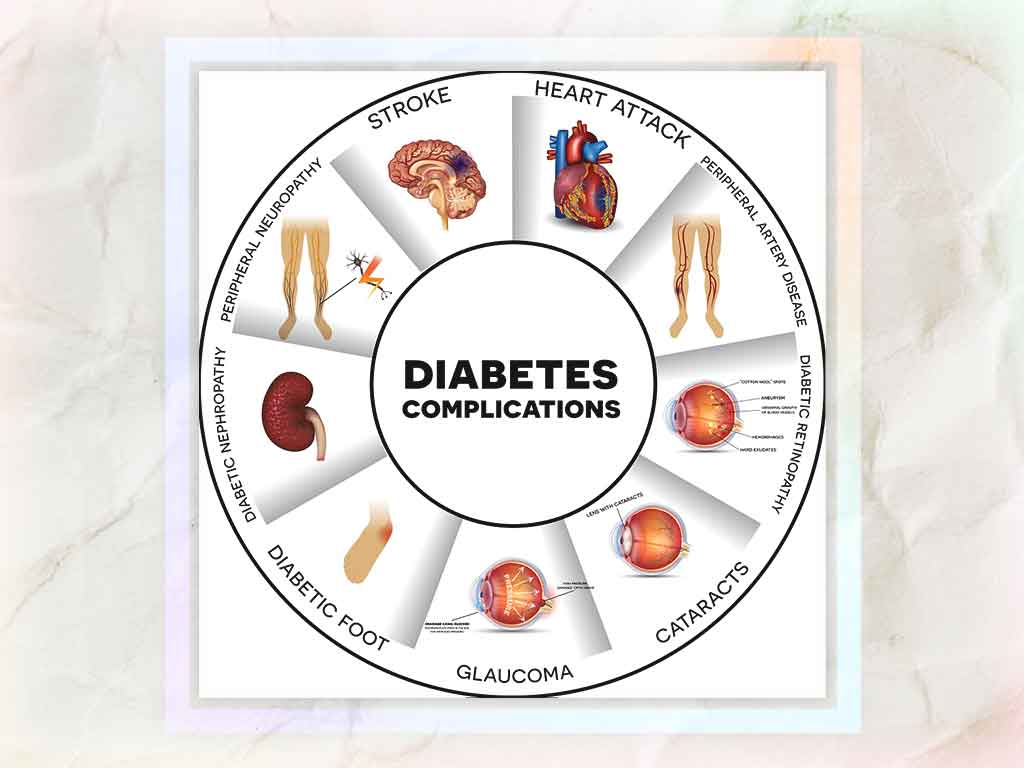
When you recognize the initial symptoms, you can prevent serious, long-term complications such as nerve damage, kidney failure, and heart disease. Timely diagnosis, therefore, isn't just helpful—it's life-saving. That is why learning What Indicates Diabetes should be a priority if you suspect something is wrong.
Many of the early signs are often mistaken for normal stress or aging. Consequently, people tend to ignore them until the condition has progressed significantly. We want to change that narrative by giving you clear markers to look out for.
The Most Common Classic Indicators of Diabetes
There are three primary symptoms, often referred to as the 'polys,' that doctors look for when trying to figure out What Indicates Diabetes. If you are experiencing these consistently, it is a strong signal to see your doctor immediately.
The Thirsty Trio: Excessive Hunger, Thirst, and Urination
These three symptoms are directly linked to the body's inability to process glucose efficiently. When sugar stays in your bloodstream, the kidneys work overtime to flush it out, taking vital fluids with it. This creates a chain reaction:
- Excessive Urination (Polyuria): You notice yourself needing to use the restroom frequently, sometimes waking up multiple times during the night. Your kidneys are trying to dispose of the surplus glucose.
- Increased Thirst (Polydipsia): Because you are urinating constantly, your body becomes dehydrated. This results in an intense, unquenchable thirst, no matter how much water you drink.
- Constant Hunger (Polyphagia): Even though you might be eating regularly, your cells aren't actually receiving the energy (glucose) they need because insulin isn't delivering it properly. This sends a signal back to the brain that you are starving, leading to persistent hunger.
These classic signs are often the first strong indications that something significant is happening metabolically.
Unexplained Weight Changes
Another strong answer to the question, What Indicates Diabetes, involves sudden shifts in body weight. This is particularly noticeable in Type 1 diabetes, but can also occur with advanced Type 2.
If your body cannot use glucose for energy, it starts burning fat and muscle instead. This process can lead to rapid and significant weight loss, even if you are eating normally or even excessively. While weight loss often sounds appealing, rapid, unintended weight loss is a serious warning sign.
Conversely, some individuals, especially those with Type 2 diabetes, may experience weight gain. This is often due to insulin resistance, where the body produces extra insulin which promotes fat storage.
Subtle and Secondary Symptoms
Beyond the primary indicators, there are several secondary symptoms that may appear, often related to the damaging effects of prolonged high blood sugar on the nerves and blood vessels. These are easier to dismiss, so pay close attention.
Vision Issues and Fatigue
High glucose levels can temporarily swell the lenses of your eyes, leading to blurred vision. This is generally a fluctuating symptom—sometimes it's clear, sometimes it isn't. If you find your prescription changing frequently or your vision is hazy, diabetes could be the underlying cause.
Furthermore, overwhelming fatigue is almost universal among newly diagnosed diabetics. Remember, your cells are starving for energy even if there is plenty of sugar in your blood. Because the sugar can't enter the cells properly, your body is constantly running on empty, resulting in extreme and persistent tiredness.
Slow Healing and Infections
High blood sugar impairs the body's ability to heal wounds and fight infections. Over time, poor circulation and nerve damage (neuropathy) contribute to these problems. This is particularly concerning for foot health.
Here are some related symptoms:
- Cuts, scrapes, or bruises that take an unusually long time to heal.
- Frequent skin infections, such as boils or fungal infections.
- Recurring yeast or urinary tract infections (UTIs), especially in women, as sugar provides a perfect environment for yeast and bacteria to grow.
- Tingling or numbness in the hands or feet, often called peripheral neuropathy.
Risk Factors and When to Get Tested
Knowing What Indicates Diabetes isn't just about symptoms; it's also about assessing your risk level. If you have any of the following risk factors, monitoring your symptoms becomes even more critical.
Key Risk Factors to Consider
While Type 1 diabetes has less predictable risk factors often linked to genetics and autoimmune responses, Type 2 diabetes is heavily influenced by lifestyle and specific health markers:
- Family History: Having a parent or sibling with diabetes increases your risk significantly.
- Weight and Activity: Being overweight, obese, and physically inactive are major contributors to insulin resistance.
- Age: Risk increases substantially after age 45.
- High Blood Pressure/Cholesterol: Hypertension and unhealthy cholesterol levels are often metabolic companions to prediabetes and diabetes.
- Polycystic Ovary Syndrome (PCOS): Women with PCOS face a higher risk.
The Importance of Early Diagnosis
If you have any combination of the symptoms mentioned above, or if you have multiple risk factors, please make an appointment with your healthcare provider. A simple blood test, such as an A1C test or a fasting plasma glucose test, can confirm or rule out a diabetes diagnosis.
Catching prediabetes or early-stage Type 2 diabetes provides the best chance for reversal or effective management solely through diet and lifestyle changes. Don't wait until the symptoms are debilitating.
Remember that diabetes management today is highly effective, allowing millions of people to lead full and healthy lives. The key is knowing what you're dealing with.
Conclusion
Identifying What Indicates Diabetes relies on recognizing a combination of classic and subtle symptoms. The most obvious signs are increased urination, thirst, and hunger, often accompanied by unexplained weight loss and profound fatigue. Secondary indicators include blurred vision, slow-healing wounds, and frequent infections.
If these symptoms ring true for you, or if you carry significant risk factors, please consult your doctor immediately. Taking proactive steps today can dramatically improve your long-term health outcomes and help you manage this condition effectively.
Frequently Asked Questions (FAQ) about Diabetes Indicators
- What is the single biggest indicator of diabetes?
- While it's hard to isolate just one, the combination of excessive thirst (polydipsia) and frequent urination (polyuria) is often the most critical early warning sign of high blood sugar.
- Can stress or diet cause these symptoms?
- Stress and poor diet can mimic some symptoms, like fatigue. However, they generally do not cause the sustained, extreme increase in thirst and urination seen in uncontrolled diabetes. If the symptoms persist despite reducing stress or improving diet, medical testing is necessary.
- Do the signs of Type 1 and Type 2 diabetes differ?
- Yes, they often differ in onset. Type 1 symptoms typically appear rapidly and dramatically (especially in children/young adults). Type 2 symptoms develop much more slowly, often over years, and can be mild enough to go unnoticed for a long time.
- If I only have one mild symptom, should I worry?
- One isolated and mild symptom may not indicate diabetes. However, if that symptom is persistent or if it is joined by others, it warrants a discussion with your healthcare provider, especially if you have known risk factors.
What Indicates Diabetes
What Indicates Diabetes Wallpapers
Collection of what indicates diabetes wallpapers for your desktop and mobile devices.

Breathtaking What Indicates Diabetes Landscape Photography
Transform your screen with this vivid what indicates diabetes artwork, a true masterpiece of digital design.

Gorgeous What Indicates Diabetes Photo Illustration
This gorgeous what indicates diabetes photo offers a breathtaking view, making it a perfect choice for your next wallpaper.

Mesmerizing What Indicates Diabetes Picture Illustration
Experience the crisp clarity of this stunning what indicates diabetes image, available in high resolution for all your screens.
High-Quality What Indicates Diabetes Photo Collection
Experience the crisp clarity of this stunning what indicates diabetes image, available in high resolution for all your screens.

High-Quality What Indicates Diabetes Capture Art
Transform your screen with this vivid what indicates diabetes artwork, a true masterpiece of digital design.
Lush What Indicates Diabetes Landscape for Desktop
Immerse yourself in the stunning details of this beautiful what indicates diabetes wallpaper, designed for a captivating visual experience.
Serene What Indicates Diabetes Artwork Concept
Discover an amazing what indicates diabetes background image, ideal for personalizing your devices with vibrant colors and intricate designs.
Breathtaking What Indicates Diabetes View Illustration
Transform your screen with this vivid what indicates diabetes artwork, a true masterpiece of digital design.
Amazing What Indicates Diabetes Moment Art
Explore this high-quality what indicates diabetes image, perfect for enhancing your desktop or mobile wallpaper.
Vivid What Indicates Diabetes Background Collection
Discover an amazing what indicates diabetes background image, ideal for personalizing your devices with vibrant colors and intricate designs.

Gorgeous What Indicates Diabetes Abstract Digital Art
A captivating what indicates diabetes scene that brings tranquility and beauty to any device.

Exquisite What Indicates Diabetes Photo Nature
Find inspiration with this unique what indicates diabetes illustration, crafted to provide a fresh look for your background.

High-Quality What Indicates Diabetes Scene Illustration
Explore this high-quality what indicates diabetes image, perfect for enhancing your desktop or mobile wallpaper.
Breathtaking What Indicates Diabetes View in 4K
Explore this high-quality what indicates diabetes image, perfect for enhancing your desktop or mobile wallpaper.

Spectacular What Indicates Diabetes Image Nature
This gorgeous what indicates diabetes photo offers a breathtaking view, making it a perfect choice for your next wallpaper.

Amazing What Indicates Diabetes Artwork for Mobile
Experience the crisp clarity of this stunning what indicates diabetes image, available in high resolution for all your screens.

Amazing What Indicates Diabetes Landscape in 4K
Explore this high-quality what indicates diabetes image, perfect for enhancing your desktop or mobile wallpaper.

Vivid What Indicates Diabetes Photo in 4K
Explore this high-quality what indicates diabetes image, perfect for enhancing your desktop or mobile wallpaper.
Spectacular What Indicates Diabetes Moment Art
This gorgeous what indicates diabetes photo offers a breathtaking view, making it a perfect choice for your next wallpaper.

Serene What Indicates Diabetes View Nature
Experience the crisp clarity of this stunning what indicates diabetes image, available in high resolution for all your screens.
Download these what indicates diabetes wallpapers for free and use them on your desktop or mobile devices.