What To Know About Diabetes Type 2: Your Friendly Guide
If you're reading this, you might have recently received a diagnosis, or perhaps you are worried about symptoms you've been experiencing. Whatever the reason, taking the time to learn What To Know About Diabetes Type 2 is the most powerful first step you can take. We know this can feel overwhelming, but we are here to walk through the facts together in a clear, friendly, and informative way.
Diabetes Type 2 is a common chronic condition that affects how your body processes sugar (glucose). It's not a life sentence, but it does require commitment and knowledge. Think of this article as your essential cheat sheet for understanding, managing, and ultimately thriving with this diagnosis.
Let's dive into the basics and find out exactly what's happening inside your body when you have Type 2 diabetes.
Understanding What To Know About Diabetes Type 2 (The Basics)
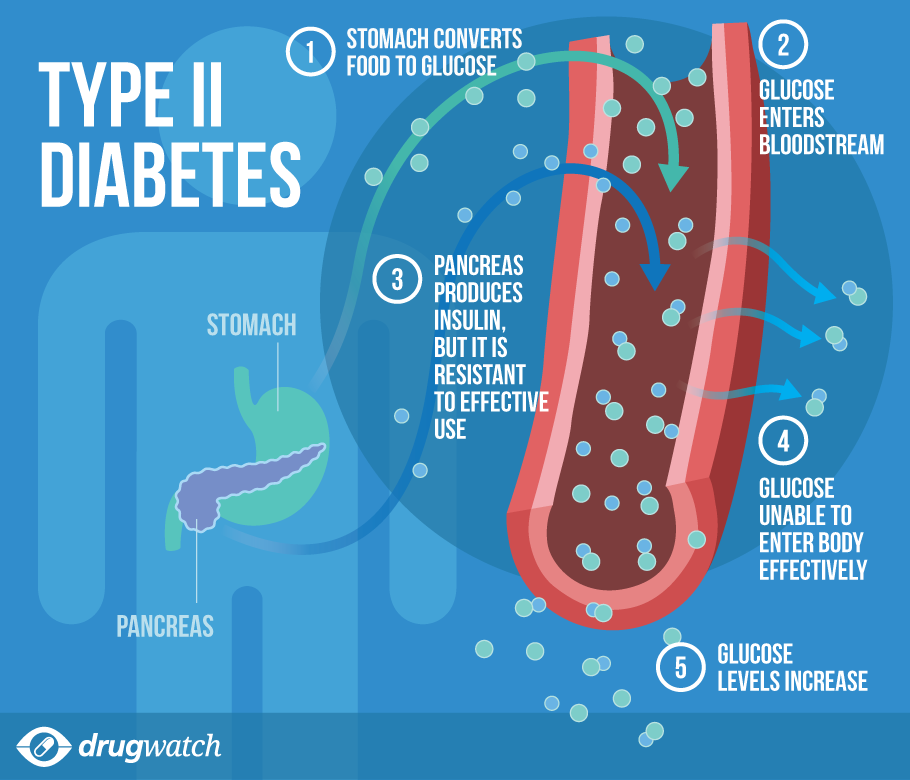
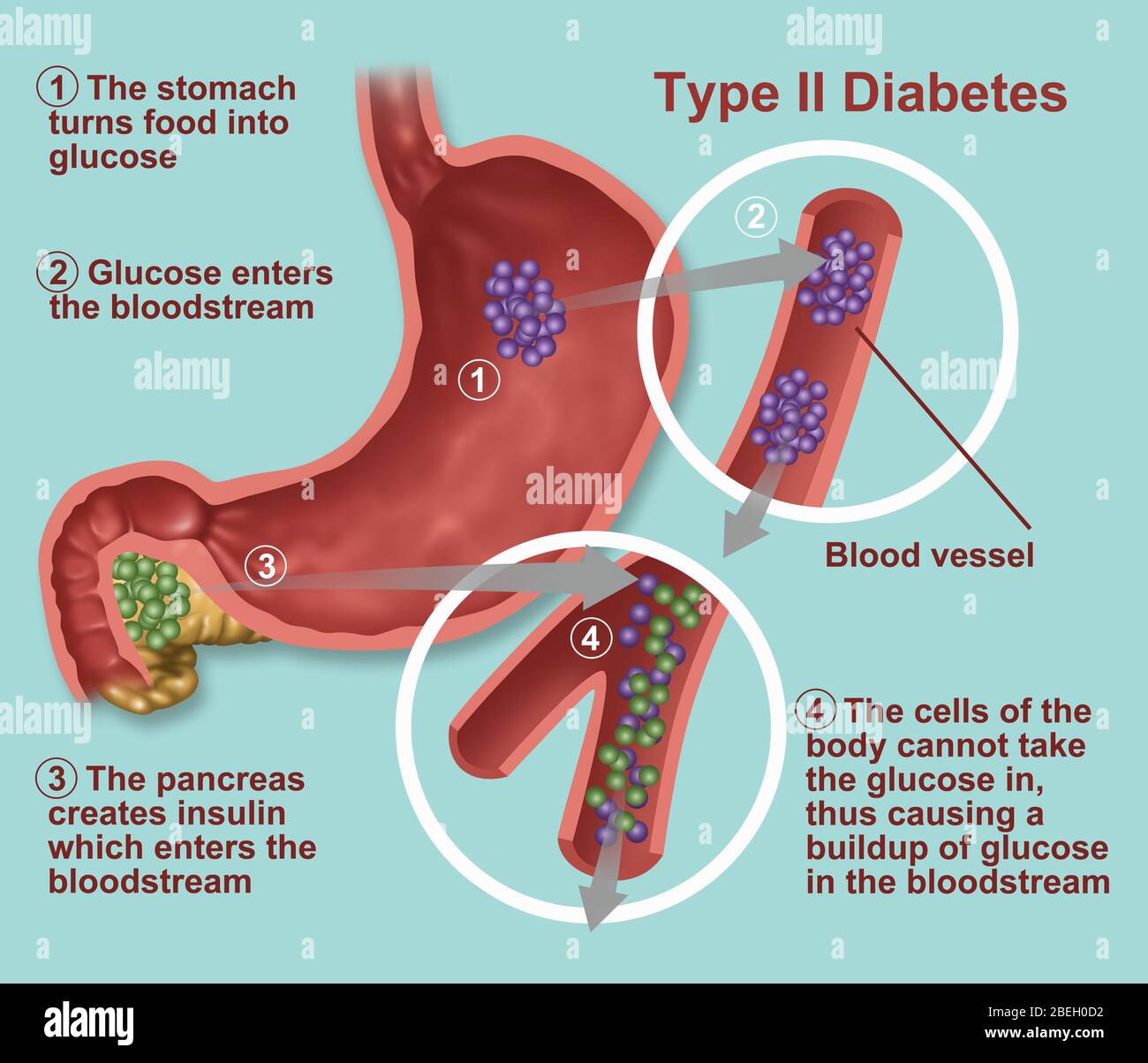
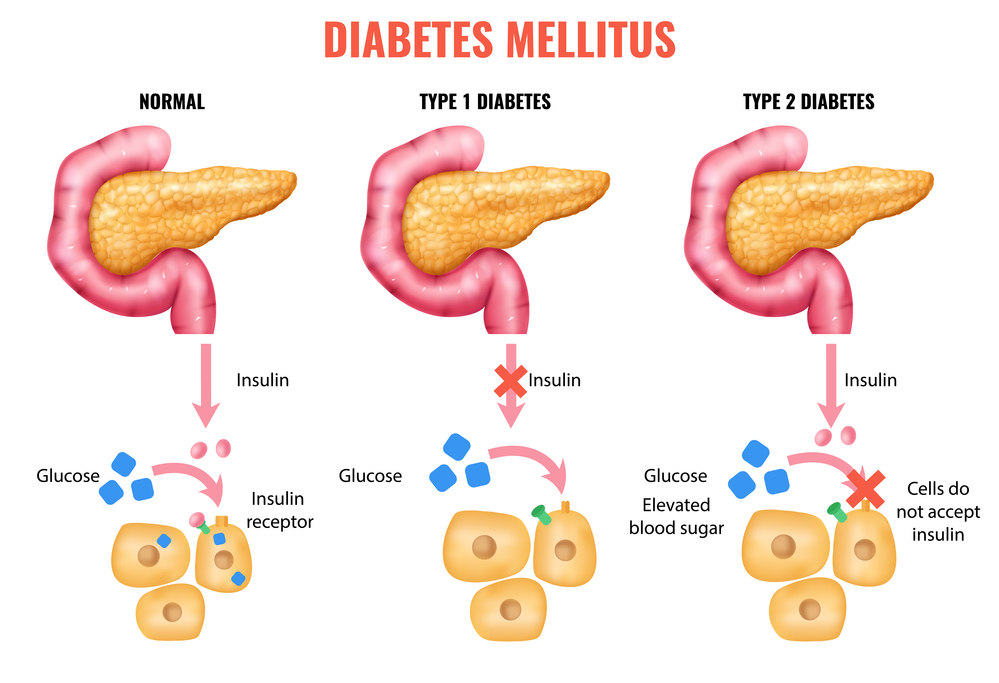
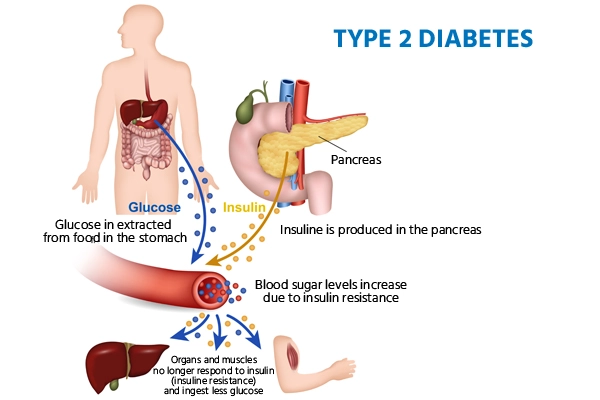
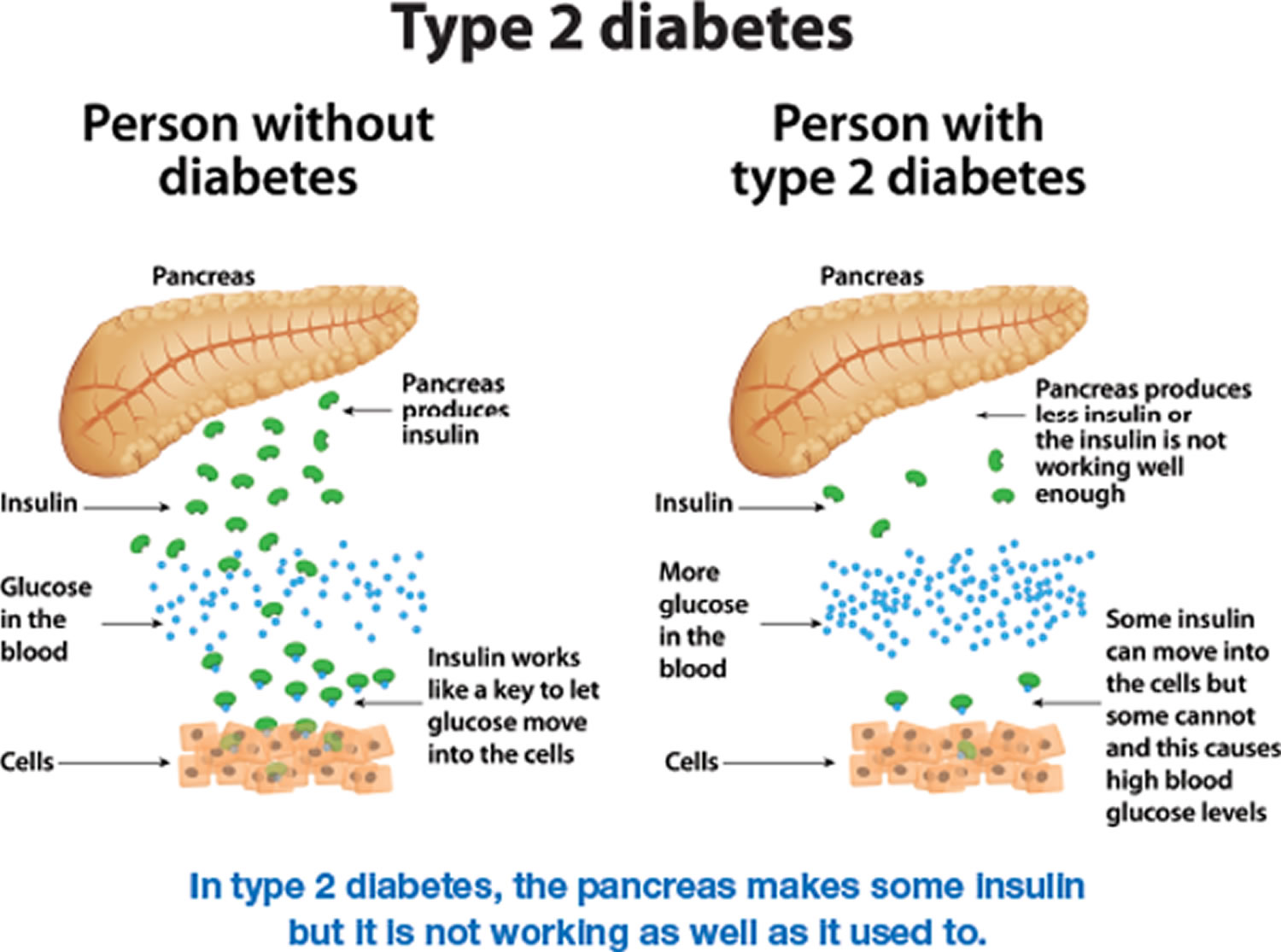
At its simplest, Type 2 diabetes means your body isn't using insulin efficiently. Insulin is the crucial hormone produced by your pancreas; it acts like a key, unlocking your cells so that sugar (glucose), which comes from the food you eat, can enter and be used for energy.
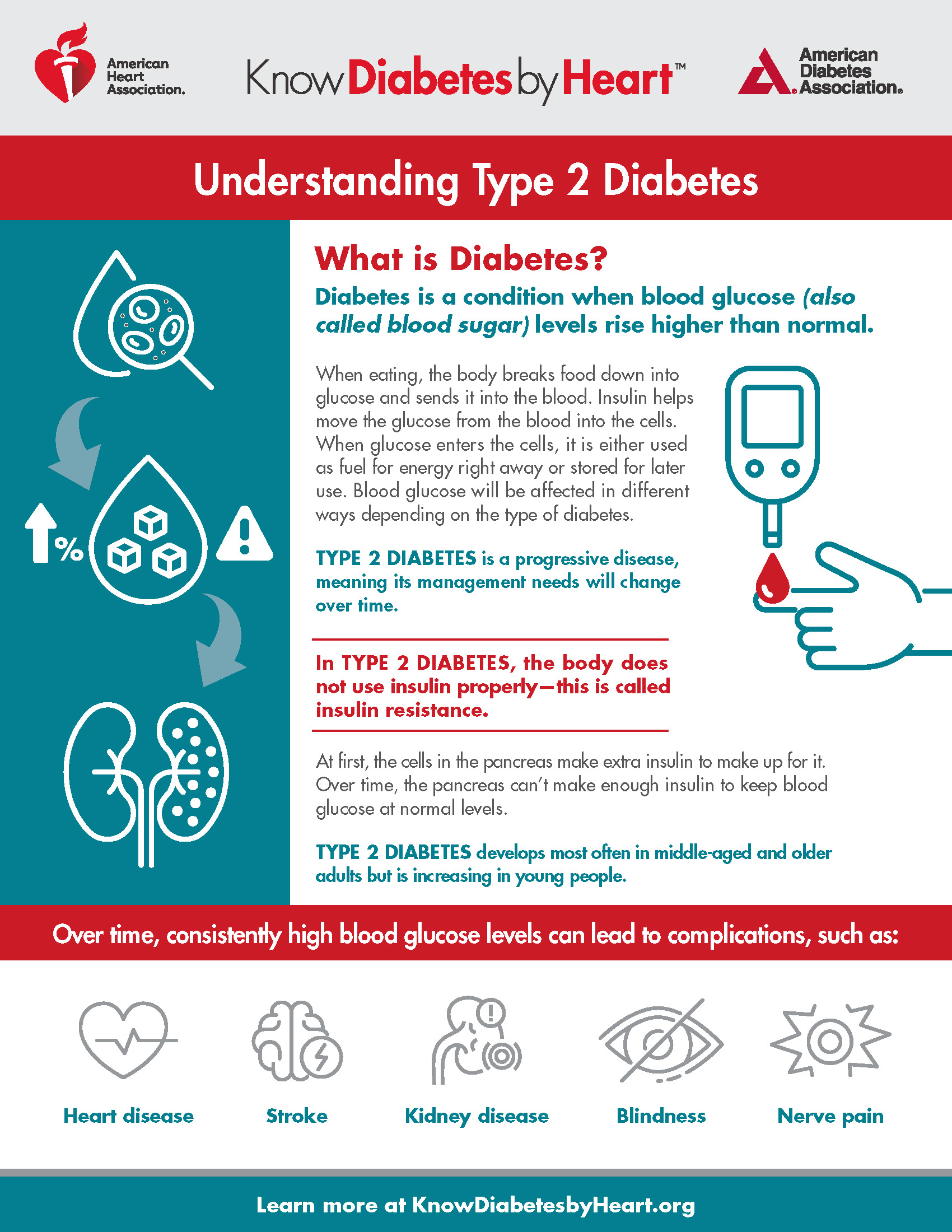
When you have Type 2 diabetes, two main issues are usually at play. First, your body cells stop responding properly to insulin—this is called insulin resistance. Second, over time, your pancreas struggles to keep up with the demand and can't produce enough insulin to overcome this resistance.
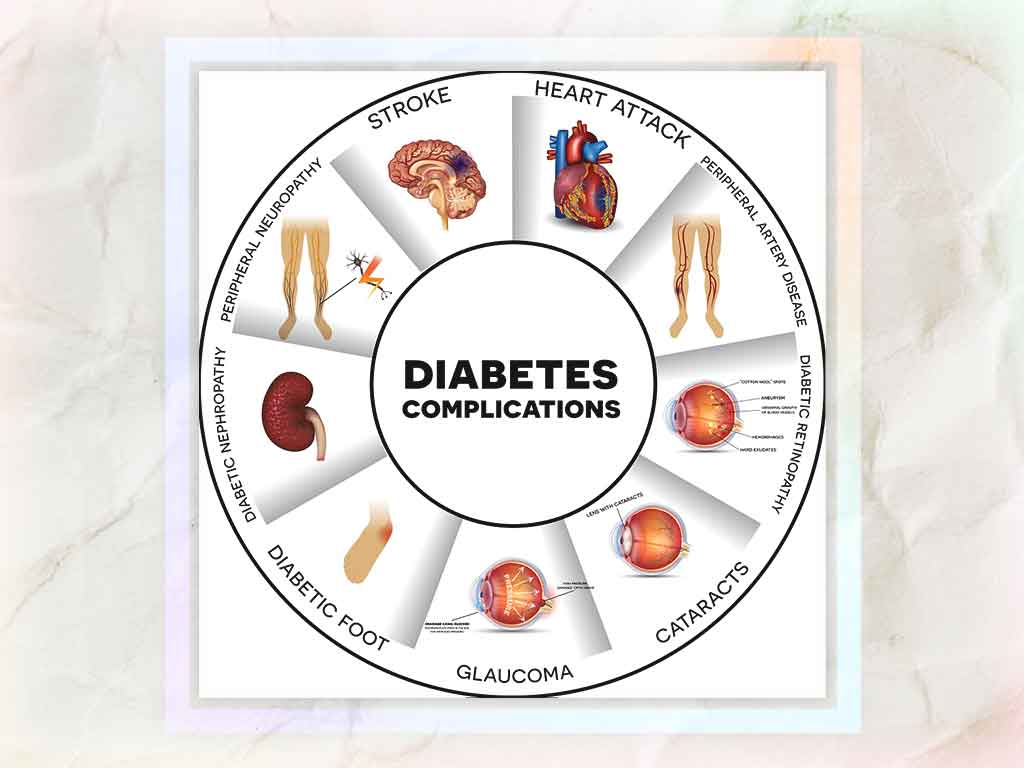
The result? Glucose builds up in your bloodstream instead of being used by your cells. High blood sugar levels, if left unmanaged, can lead to serious health complications down the road.
Insulin Resistance: The Core Issue
Imagine insulin as a mail carrier delivering packages (glucose) to houses (your cells). With insulin resistance, the houses have changed the locks and ignore the mail carrier, even though they desperately need the packages inside.
To compensate, the mail carrier (pancreas) works overtime, producing more and more insulin. Eventually, the pancreas gets exhausted, and both insulin levels and blood sugar levels remain high. Understanding this process is key to grasping What To Know About Diabetes Type 2 and why lifestyle adjustments are so effective.
Recognizing the Early Warning Signs
The insidious thing about Type 2 diabetes is that it often develops slowly, sometimes over years, and the early symptoms can be so mild that they are easily missed or attributed to aging. However, recognizing these subtle changes is crucial for timely intervention.
If you notice several of these symptoms persisting, it's definitely time to schedule a chat with your doctor for testing.
Common Symptoms You Should Look Out For
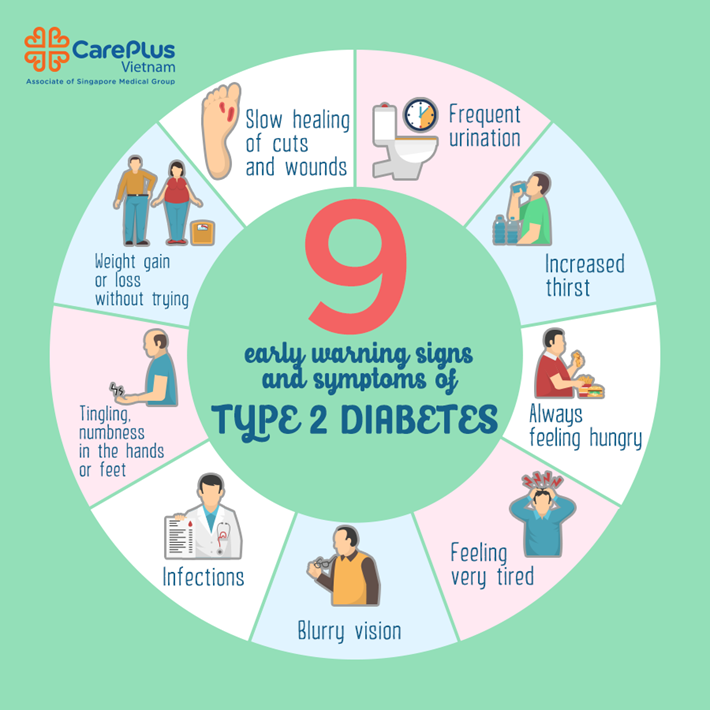
These symptoms are the body's way of signaling that it's struggling to manage high glucose levels. Since the cells aren't getting energy, the body tries to flush out the excess sugar, leading to specific warning signs:
- Increased Thirst (Polydipsia): High sugar pulls fluid from your tissues, making you constantly thirsty.
- Frequent Urination (Polyuria): Because you are drinking more, and your kidneys are working overtime to excrete the sugar, you'll need to use the restroom frequently, often waking up at night.
- Unexplained Weight Loss: If your cells can't access glucose for fuel, your body starts burning fat and muscle for energy instead.
- Fatigue: Despite eating, your cells are starving for energy, leading to constant exhaustion and lethargy.
- Blurred Vision: High sugar levels can affect the fluid in the lens of your eye, causing temporary changes to your vision.
- Slow-Healing Sores or Frequent Infections: High blood sugar impairs your body's natural ability to heal and fight off bacteria.
The Silent Risk Factors
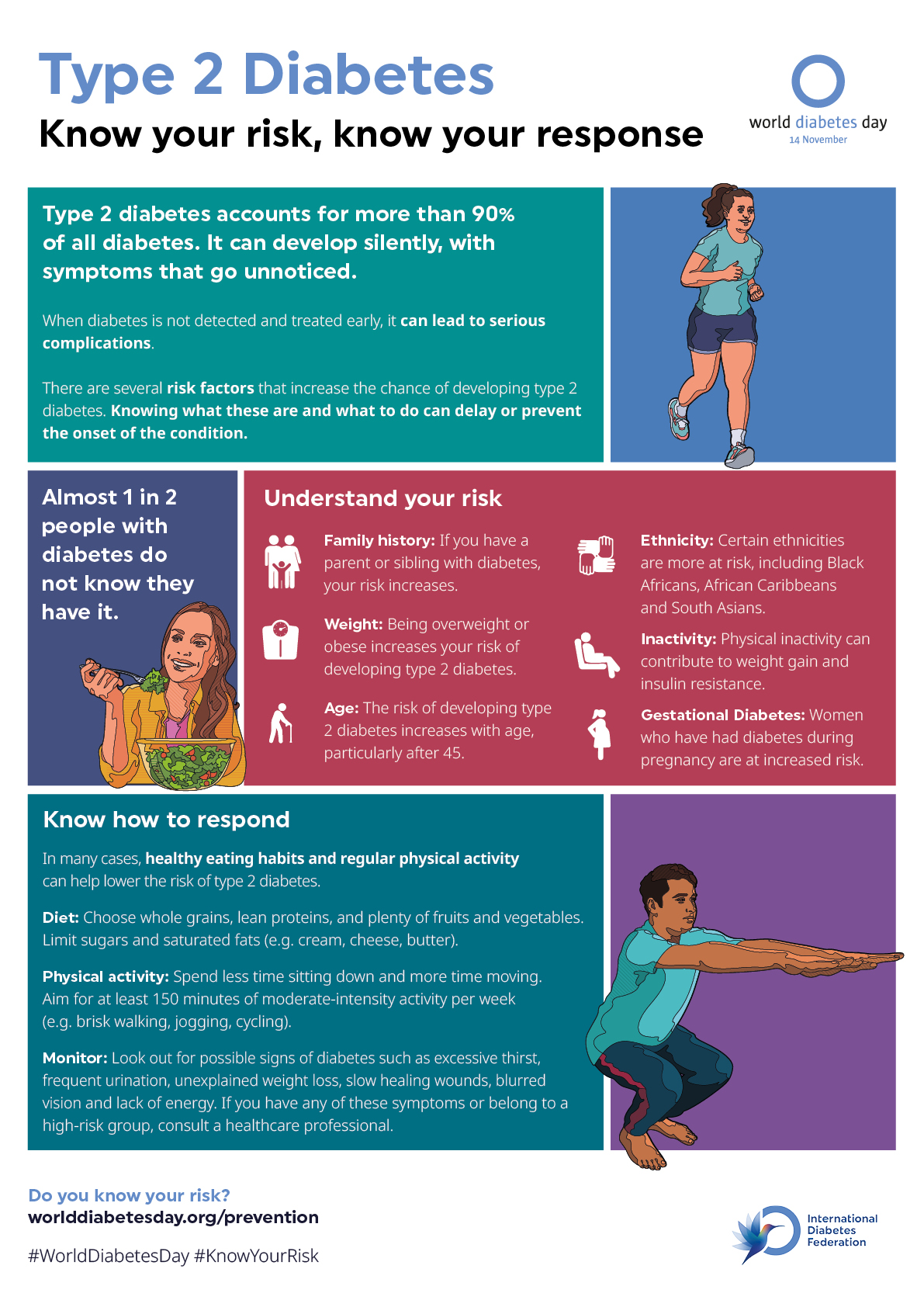
Sometimes, Type 2 diabetes has few noticeable symptoms but is silently developing due to specific risk factors. If you fit into any of the following categories, routine screening is essential for knowing What To Know About Diabetes Type 2 status:
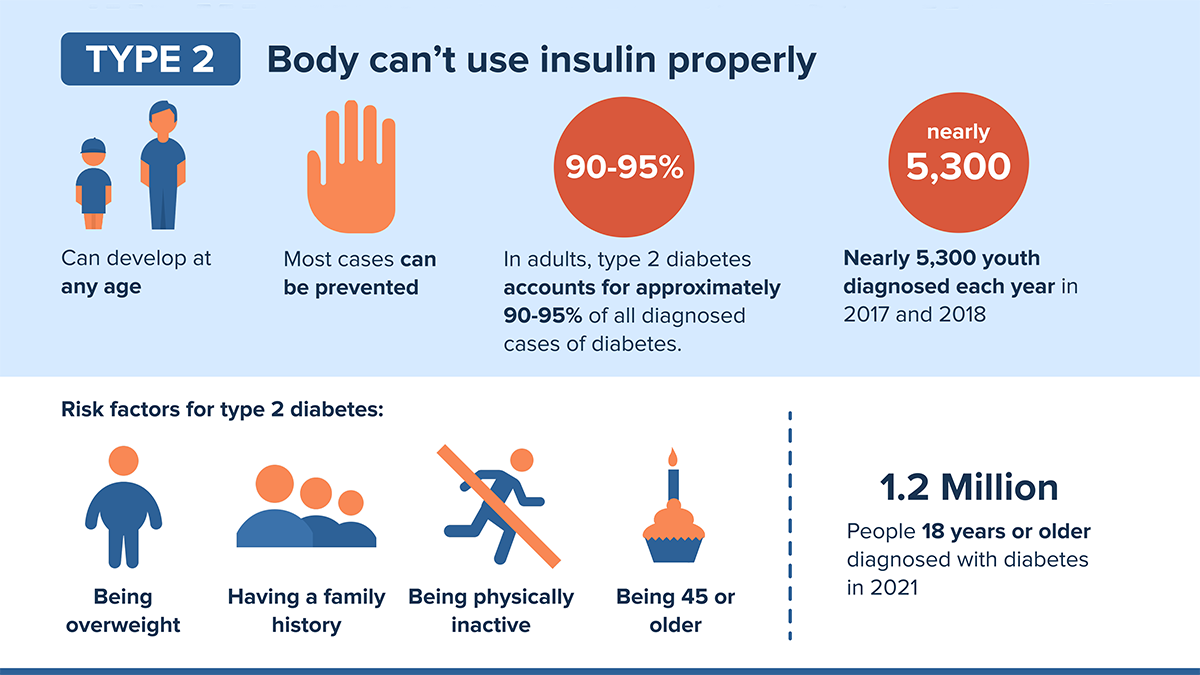
- Weight: Being overweight or obese significantly increases your risk, especially if you carry fat around the abdomen.
- Inactivity: Lack of regular physical activity contributes directly to insulin resistance.
- Age: The risk increases as you age, especially after 45. However, diagnoses are now common in younger people too.
- Family History: Having a parent or sibling with Type 2 diabetes raises your chances of developing it.
- Race/Ethnicity: People of certain ethnic backgrounds (including African American, Hispanic, Native American, and Asian American) have a higher risk.
If you have multiple risk factors, regular check-ups with your physician are your best defense.
Managing Diabetes Type 2: Taking Control
The great news about Type 2 diabetes is that it is highly manageable, and in some cases, it can even go into remission (meaning blood sugar levels return to normal without medication). This requires commitment, but the payoff is immense: a healthier, longer life with reduced risk of complications.
Management usually involves a dual approach: powerful lifestyle changes combined with necessary medication.
Lifestyle Changes That Make a Difference
Diet and exercise are your primary tools for fighting insulin resistance. Even small changes can dramatically improve your body's sensitivity to insulin, making it work much more effectively.
Focusing on nutrition means prioritizing whole, unprocessed foods. This includes lots of vegetables, lean proteins, and healthy fats. It also means managing carbohydrate intake, particularly refined sugars and highly processed grains, which spike blood sugar rapidly.
Physical activity doesn't have to mean intense gym sessions. A brisk 30-minute walk every day can improve blood sugar control and help you manage your weight. Muscle tissue uses glucose more efficiently than fat tissue, so building muscle is a huge benefit.
Furthermore, stress management and getting adequate sleep play crucial roles. High stress levels release hormones that can raise blood sugar, compounding the problem. Prioritize rest and relaxation as part of your comprehensive care plan.
Medications and Treatments
While lifestyle changes are fundamental, many people with Type 2 diabetes require medication to reach and maintain healthy blood sugar targets. Your doctor will tailor a treatment plan specifically for you.
The most common first-line medication is Metformin. This drug helps reduce the amount of glucose your liver produces and improves how your body uses insulin.
Other classes of medications may be introduced, depending on your needs. These might include drugs that help your pancreas produce more insulin, or medications that prompt your kidneys to excrete more glucose. In some advanced cases, insulin injections may become necessary.
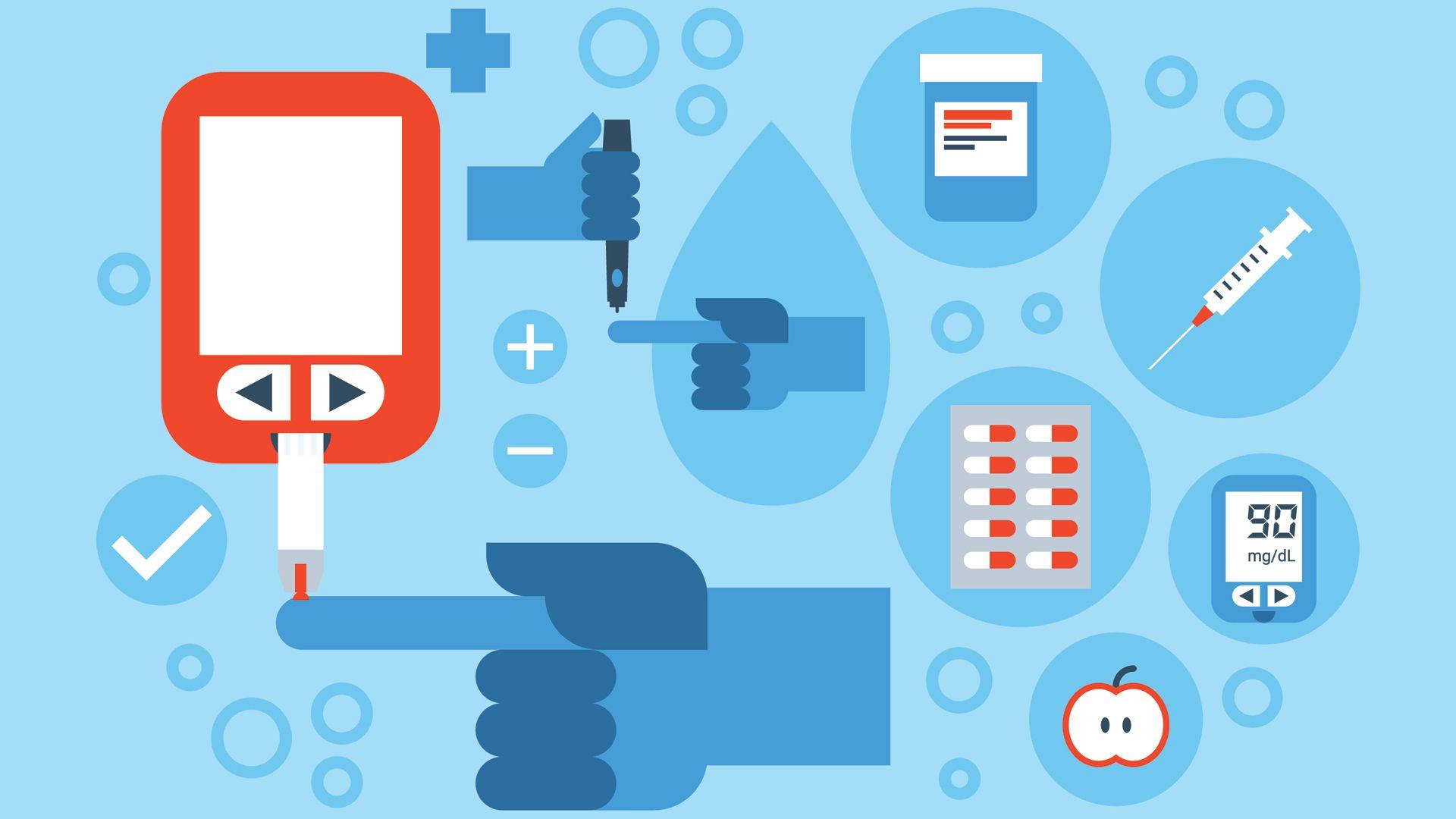
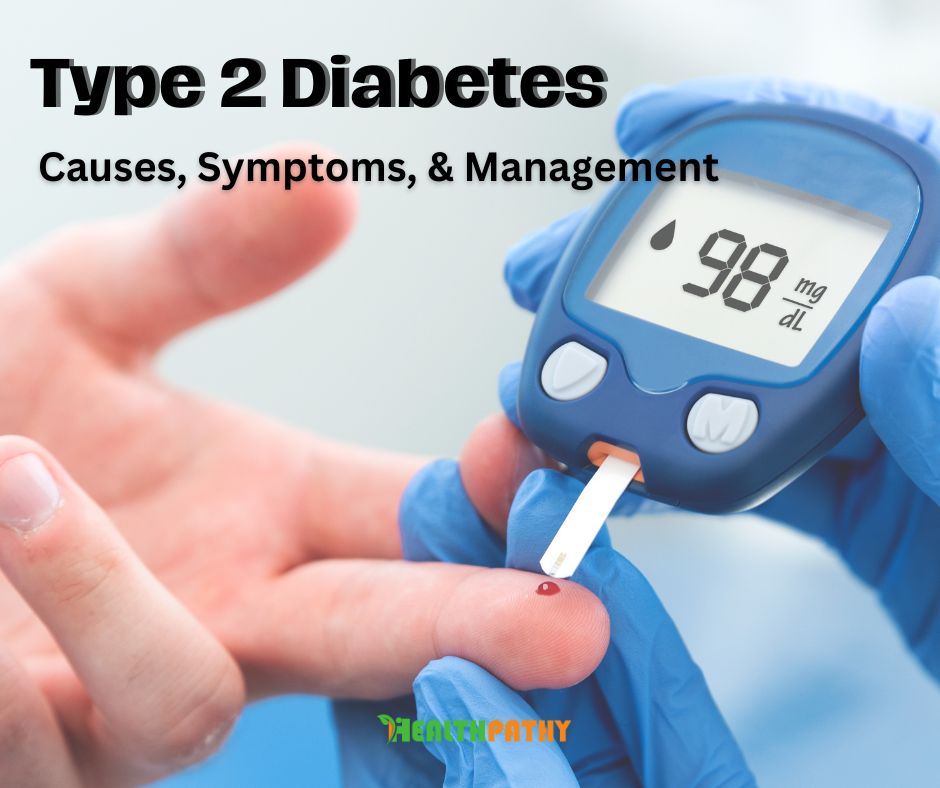
Regular monitoring of your blood sugar is also a non-negotiable part of treatment. This helps you and your care team see how your body responds to food, activity, and medication adjustments.
Remember, the goal of What To Know About Diabetes Type 2 is not just survival, but achieving excellent long-term health. Working closely with a diabetes care team—including doctors, dietitians, and educators—will set you up for success.
Conclusion
Facing a diagnosis or navigating the complexities of diabetes can feel isolating, but you are not alone. Knowing What To Know About Diabetes Type 2 empowers you to take immediate control.
We've established that Type 2 diabetes is defined by insulin resistance and high blood sugar, often signaled by symptoms like excessive thirst and fatigue. More importantly, we've covered that effective management relies heavily on consistent lifestyle modifications—a balanced diet and regular physical activity—often supplemented by effective medications like Metformin.
Ultimately, Type 2 diabetes is a condition you manage, not a condition that manages you. Embrace the changes, stay informed, and work closely with your healthcare professionals to maintain optimal health and quality of life.
Frequently Asked Questions (FAQ)
- Can Type 2 diabetes be cured?
- While we don't use the term "cure," Type 2 diabetes can often enter remission. Remission means that blood sugar levels are non-diabetic without the need for medication. This is typically achieved through significant weight loss and major dietary changes. It requires continuous monitoring.
- Is Type 2 diabetes only caused by eating too much sugar?
- No, that is a common misconception. While diet plays a major role, Type 2 diabetes is a complex condition caused by a combination of genetic factors, environmental influences, inactivity, and being overweight. Sugar intake contributes, but it's not the sole cause.
- What is the A1C test, and why is it important?
- The A1C test measures your average blood sugar level over the past two to three months. It gives a more stable picture of your glucose control than a single finger-prick test. For most people with diabetes, the goal is an A1C level below 7%.
- If I have Type 2 diabetes, do I need to completely cut out carbohydrates?
- Not necessarily. While controlling carbohydrate intake is essential for managing blood sugar, complete elimination is usually not recommended. The focus should be on choosing high-quality, complex carbohydrates (like whole grains, vegetables, and beans) in controlled portions, rather than processed carbs and sugary drinks.
What To Know About Diabetes Type 2
What To Know About Diabetes Type 2 Wallpapers
Collection of what to know about diabetes type 2 wallpapers for your desktop and mobile devices.
Breathtaking What To Know About Diabetes Type 2 View in 4K
Explore this high-quality what to know about diabetes type 2 image, perfect for enhancing your desktop or mobile wallpaper.

Gorgeous What To Know About Diabetes Type 2 Background for Desktop
This gorgeous what to know about diabetes type 2 photo offers a breathtaking view, making it a perfect choice for your next wallpaper.
Spectacular What To Know About Diabetes Type 2 View for Your Screen
Find inspiration with this unique what to know about diabetes type 2 illustration, crafted to provide a fresh look for your background.
Mesmerizing What To Know About Diabetes Type 2 Background for Mobile
Explore this high-quality what to know about diabetes type 2 image, perfect for enhancing your desktop or mobile wallpaper.
Breathtaking What To Know About Diabetes Type 2 Image for Your Screen
Experience the crisp clarity of this stunning what to know about diabetes type 2 image, available in high resolution for all your screens.
Detailed What To Know About Diabetes Type 2 Scene in HD
Transform your screen with this vivid what to know about diabetes type 2 artwork, a true masterpiece of digital design.
Captivating What To Know About Diabetes Type 2 Landscape Concept
Immerse yourself in the stunning details of this beautiful what to know about diabetes type 2 wallpaper, designed for a captivating visual experience.
High-Quality What To Know About Diabetes Type 2 Photo Collection
Experience the crisp clarity of this stunning what to know about diabetes type 2 image, available in high resolution for all your screens.
Beautiful What To Know About Diabetes Type 2 Abstract in HD
Explore this high-quality what to know about diabetes type 2 image, perfect for enhancing your desktop or mobile wallpaper.
Dynamic What To Know About Diabetes Type 2 Capture Digital Art
This gorgeous what to know about diabetes type 2 photo offers a breathtaking view, making it a perfect choice for your next wallpaper.
Spectacular What To Know About Diabetes Type 2 Moment Art
This gorgeous what to know about diabetes type 2 photo offers a breathtaking view, making it a perfect choice for your next wallpaper.
Captivating What To Know About Diabetes Type 2 Capture Nature
A captivating what to know about diabetes type 2 scene that brings tranquility and beauty to any device.
Crisp What To Know About Diabetes Type 2 Wallpaper for Your Screen
Find inspiration with this unique what to know about diabetes type 2 illustration, crafted to provide a fresh look for your background.

Amazing What To Know About Diabetes Type 2 Artwork for Mobile
Experience the crisp clarity of this stunning what to know about diabetes type 2 image, available in high resolution for all your screens.
Vivid What To Know About Diabetes Type 2 Background Collection
Discover an amazing what to know about diabetes type 2 background image, ideal for personalizing your devices with vibrant colors and intricate designs.
High-Quality What To Know About Diabetes Type 2 Design in HD
Explore this high-quality what to know about diabetes type 2 image, perfect for enhancing your desktop or mobile wallpaper.

Vibrant What To Know About Diabetes Type 2 Photo Art
Explore this high-quality what to know about diabetes type 2 image, perfect for enhancing your desktop or mobile wallpaper.
Lush What To Know About Diabetes Type 2 Landscape for Desktop
Immerse yourself in the stunning details of this beautiful what to know about diabetes type 2 wallpaper, designed for a captivating visual experience.

Spectacular What To Know About Diabetes Type 2 Photo for Mobile
A captivating what to know about diabetes type 2 scene that brings tranquility and beauty to any device.
High-Quality What To Know About Diabetes Type 2 Design in HD
Experience the crisp clarity of this stunning what to know about diabetes type 2 image, available in high resolution for all your screens.
Download these what to know about diabetes type 2 wallpapers for free and use them on your desktop or mobile devices.