Which Type Of Diabetes Do You Have? Understanding Your Diagnosis
Finding out you or a loved one might have diabetes can be overwhelming. It's a diagnosis that brings up a lot of questions, the most crucial being: Which Type Of Diabetes are we actually dealing with? Understanding your specific type is the first, most important step toward effective management and a healthier life.
Diabetes is essentially a condition where your body either doesn't produce enough insulin or can't use the insulin it produces effectively. Insulin is vital because it helps glucose (sugar) get into your cells for energy.
Don't worry; while the specifics can be complex, we can break down the main categories so you feel more informed about your health journey and ready to take the next steps with your healthcare provider. Let's explore the differences together.
The Big Three: Understanding the Main Types
When most people talk about diabetes, they usually mean one of three major types. While they all result in high blood sugar, their causes, severity, and required treatments are vastly different.
Knowing which type of diabetes you have dictates your entire care plan, from diet to medication and monitoring frequency.
Type 1 Diabetes: The Autoimmune Factor
Type 1 diabetes (T1D) is often called "juvenile diabetes," although it can be diagnosed at any age. This type is fundamentally an autoimmune disease.
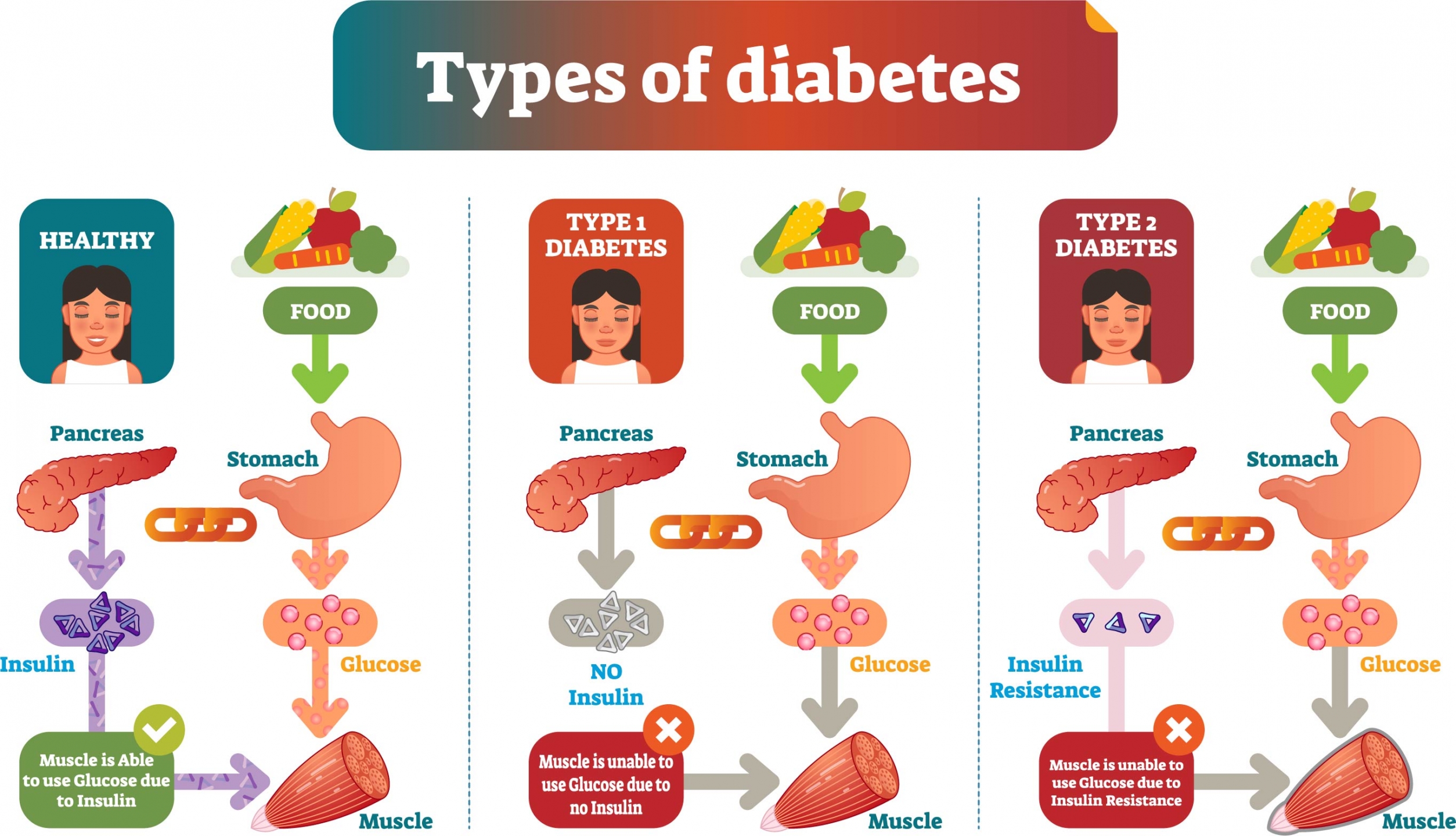
For reasons scientists don't fully understand, the body's immune system mistakenly attacks and destroys the insulin-producing beta cells in the pancreas. This means the body stops producing insulin completely.
Because the body can no longer make its own insulin, external insulin therapy is essential for survival. T1D accounts for only about 5–10% of all diabetes cases and typically has a rapid onset, with symptoms appearing quickly.
Type 2 Diabetes: Lifestyle and Insulin Resistance
Type 2 diabetes (T2D) is by far the most common type, making up about 90–95% of all cases. In T2D, the body still produces insulin, but the cells become resistant to its effects.
Think of it like a key that no longer fits the lock perfectly; the glucose struggles to get into the cells. This is known as insulin resistance.
Over time, the pancreas gets overworked trying to produce enough insulin to overcome this resistance. Eventually, it can't keep up, resulting in high blood sugar levels. T2D is strongly linked to genetics, obesity, and lack of physical activity, and its onset is usually slow and subtle.
Gestational Diabetes: Temporary Changes
This type develops only during pregnancy when hormones produced by the placenta block insulin from doing its job effectively. It affects approximately 2–10% of pregnancies.
While gestational diabetes (GDM) usually resolves after the baby is born, it requires careful management during pregnancy to protect both mother and baby. Furthermore, experiencing GDM increases the mother's and child's risk of developing Type 2 diabetes later in life.
Identifying the Differences: A Quick Comparison
The diagnostic process answers the crucial question of which type of diabetes you have by looking at specific lab indicators, such as autoantibodies and C-peptide levels. However, the initial signs and risk factors can often provide a strong clue.
If you are newly diagnosed, your doctor will use specialized tests to pinpoint the exact category you fall into.
Causes and Risk Factors
Understanding the root cause is key to selecting the right treatment strategy and prevention efforts for pre-diabetes.
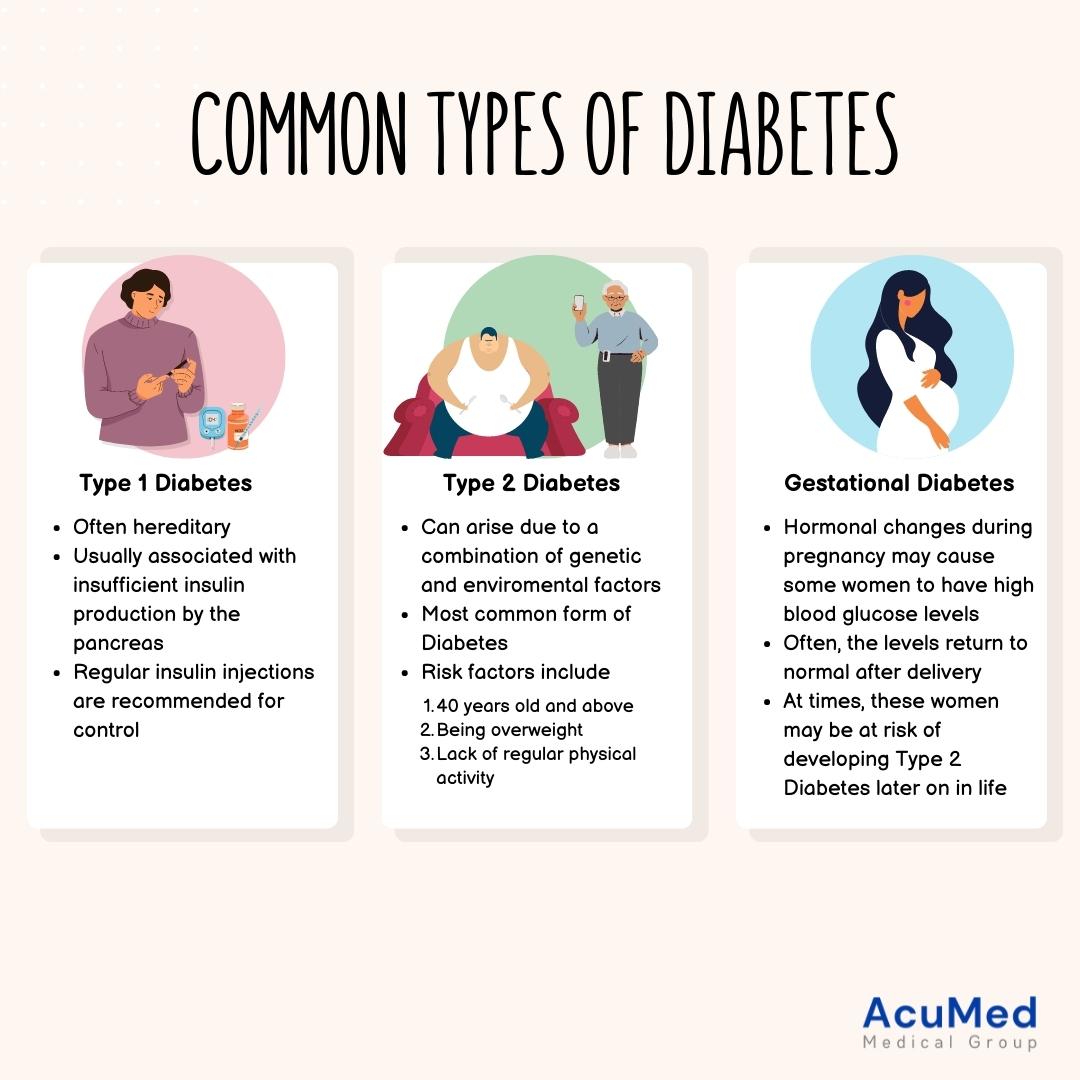
- Type 1: Genetic predisposition, exposure to viral infections, and environmental autoimmune triggers. Risk factors are largely non-controllable.
- Type 2: Age (45+), family history, obesity, physical inactivity, high blood pressure, and high cholesterol. Risk factors are often related to modifiable lifestyle choices.
- Gestational: Age over 25, pre-pregnancy weight (being overweight or obese), having polycystic ovary syndrome (PCOS), and previous history of GDM.
Symptoms and Onset Speed
Though many symptoms overlap, how quickly they appear often differentiates the types. If you're asking yourself which type of diabetes you might have, consider the timeline of your symptoms.
- Type 1: Symptoms (excessive thirst, frequent urination, rapid, unexplained weight loss, and extreme fatigue) typically appear suddenly, often over a few days or weeks.
- Type 2: Symptoms develop very slowly, often over years. They may include frequent infections, blurred vision, or slow-healing sores. Many people have no noticeable symptoms at all until complications arise.
- Gestational: This type often has no symptoms and is usually detected during routine screening tests around the 24th to 28th week of pregnancy.
What Happens Next? Management and Treatment
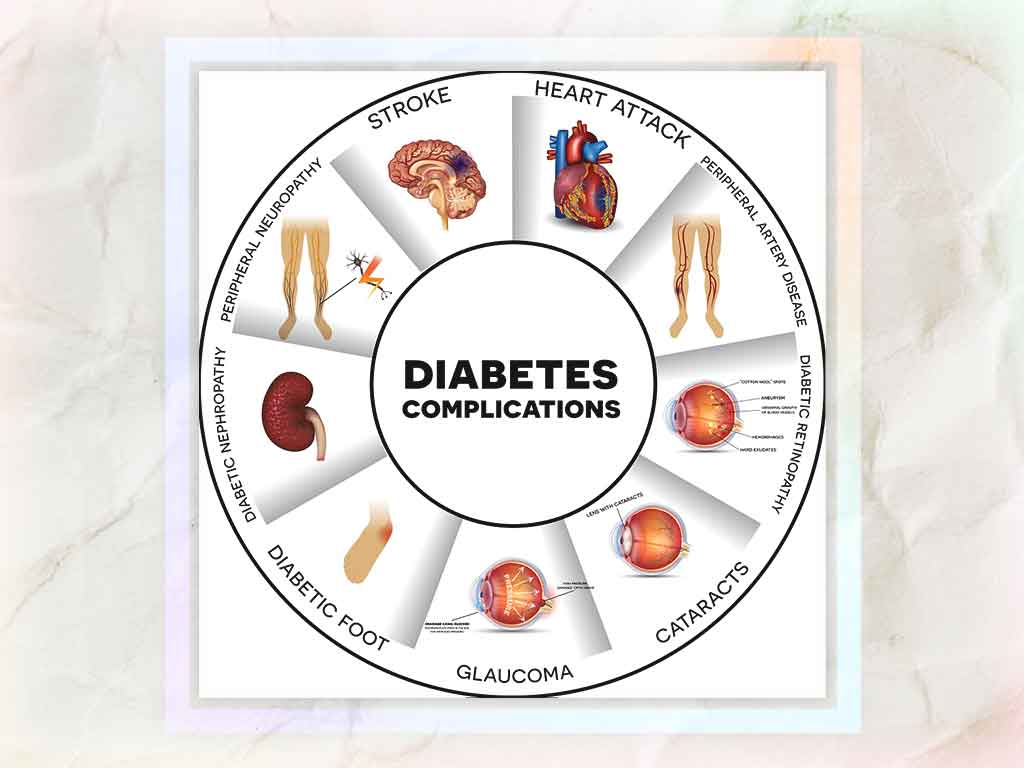
The core goal of diabetes management, regardless of the type, is keeping blood glucose levels within a target range to prevent long-term damage to the kidneys, nerves, and eyes. However, the exact methods used vary significantly.
Your healthcare provider will tailor a treatment plan specifically for you, depending on the identification of which type of diabetes has been confirmed by laboratory tests.
Managing Type 1: Insulin Is Mandatory
Since the body makes no insulin, external insulin delivery is non-negotiable for Type 1 management. This is typically done through multiple daily injections (MDIs) or via an insulin pump.
Successful management also relies heavily on counting carbohydrates for every meal, regular blood glucose monitoring (or using continuous glucose monitors/CGMs), and balancing physical activity with insulin dosage. Education is a massive part of living well with T1D.
Managing Type 2: Flexibility and Lifestyle First
For many people newly diagnosed with Type 2 diabetes, the initial focus is intense lifestyle modification. This includes significant dietary changes aimed at weight management and increasing daily aerobic and strength-based exercise.
If lifestyle changes aren't enough, oral medications like Metformin are often prescribed to improve the body's sensitivity to insulin. In later stages of T2D, insulin injections may eventually become necessary as the pancreas tires out from years of overwork.
What About Pre-Diabetes?
Before someone develops full Type 2 diabetes, they often go through a stage called pre-diabetes. This means blood sugar levels are higher than normal but not high enough to warrant a T2D diagnosis.
This stage is crucial because it's a major warning sign but also a massive opportunity. Intensive lifestyle changes at this point—such as losing 5–7% of body weight and engaging in regular moderate exercise—can often prevent or significantly delay the progression to full Type 2 diabetes. Don't overlook this chance for intervention!
Conclusion: Knowing Is Half the Battle
Regardless of which type of diabetes you or your loved one faces, remember that diagnosis is not a dead end—it is simply a starting point for effective, lifelong management. Type 1, Type 2, and gestational diabetes each require specific, unique approaches to care, medication, and lifestyle adjustments.
The most important step you can take today is working closely with your diabetes care team—endocrinologists, dietitians, and educators. Early diagnosis and precise identification of your diabetes type dramatically improve long-term health outcomes and help you live a full life. Take charge of your health today!
Frequently Asked Questions (FAQ)
- What is the key difference between Type 1 and Type 2 diabetes?
- Type 1 is an autoimmune condition where the body completely stops producing insulin. Type 2 is characterized by insulin resistance, meaning the body still produces insulin but cannot use it effectively. Type 1 requires insulin immediately; Type 2 is often managed first with lifestyle changes and oral medication.
- Can Type 2 diabetes be reversed?
- The term 'reversal' is sometimes used, but 'remission' is medically more accurate. Remission means blood sugar levels return to non-diabetic ranges without medication, typically achieved through significant and sustained lifestyle changes, weight loss, and exercise. Remission is more difficult to achieve the longer someone has had T2D.
- How do doctors determine Which Type Of Diabetes I have?
- In addition to standard A1C and blood glucose testing, doctors use specialized tests. For Type 1, they check for autoantibodies (markers of autoimmune destruction) and low C-peptide levels (which indicate minimal insulin production). These tests are essential to properly identify which type of diabetes is present.
- I was recently diagnosed. Do I need to see a specialist immediately?
- While your primary care physician can start treatment, consulting with an endocrinologist (a diabetes specialist) and a certified diabetes care and education specialist (CDCES) is highly recommended. They provide the tailored expertise necessary for optimal management.
- Are there other types besides Type 1, Type 2, and Gestational?
- Yes, besides the big three, there are rarer forms. These include LADA (Latent Autoimmune Diabetes in Adults), which is often mistaken for Type 2 initially, and MODY (Maturity-Onset Diabetes of the Young). These often require highly specific diagnostic testing and specialized care plans.
Which Type Of Diabetes
Which Type Of Diabetes Wallpapers
Collection of which type of diabetes wallpapers for your desktop and mobile devices.

Gorgeous Which Type Of Diabetes Artwork Illustration
A captivating which type of diabetes scene that brings tranquility and beauty to any device.

Breathtaking Which Type Of Diabetes Landscape Photography
Transform your screen with this vivid which type of diabetes artwork, a true masterpiece of digital design.

High-Quality Which Type Of Diabetes Photo Collection
Experience the crisp clarity of this stunning which type of diabetes image, available in high resolution for all your screens.
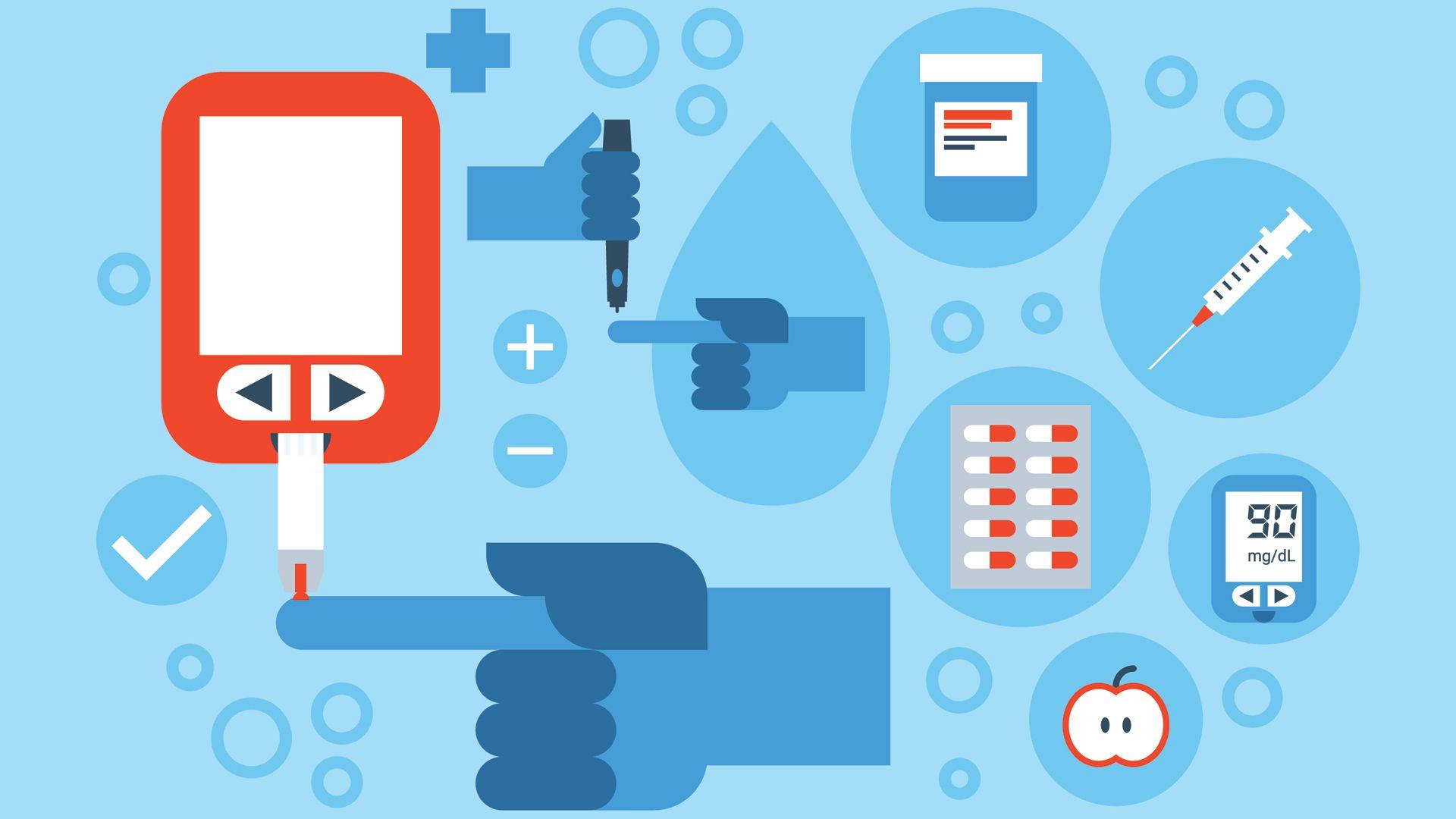
Breathtaking Which Type Of Diabetes View in 4K
Explore this high-quality which type of diabetes image, perfect for enhancing your desktop or mobile wallpaper.
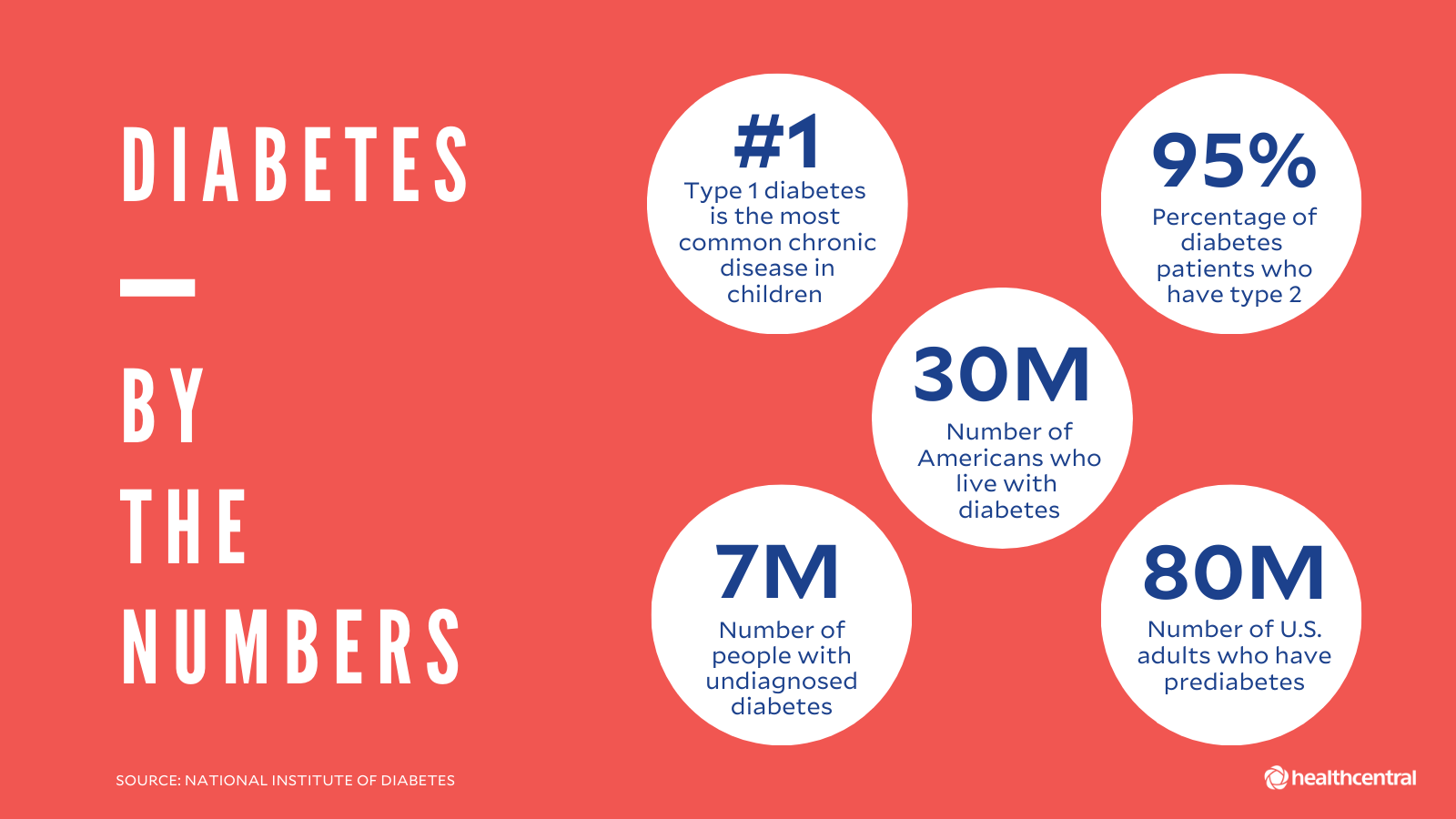
Serene Which Type Of Diabetes Artwork Concept
Discover an amazing which type of diabetes background image, ideal for personalizing your devices with vibrant colors and intricate designs.
Vivid Which Type Of Diabetes Background Collection
Discover an amazing which type of diabetes background image, ideal for personalizing your devices with vibrant colors and intricate designs.

High-Quality Which Type Of Diabetes Capture Art
Transform your screen with this vivid which type of diabetes artwork, a true masterpiece of digital design.

Mesmerizing Which Type Of Diabetes Picture Illustration
Experience the crisp clarity of this stunning which type of diabetes image, available in high resolution for all your screens.
Breathtaking Which Type Of Diabetes View Illustration
Transform your screen with this vivid which type of diabetes artwork, a true masterpiece of digital design.
Lush Which Type Of Diabetes Landscape for Desktop
Immerse yourself in the stunning details of this beautiful which type of diabetes wallpaper, designed for a captivating visual experience.

Gorgeous Which Type Of Diabetes Background for Desktop
This gorgeous which type of diabetes photo offers a breathtaking view, making it a perfect choice for your next wallpaper.
High-Quality Which Type Of Diabetes Scene for Your Screen
Transform your screen with this vivid which type of diabetes artwork, a true masterpiece of digital design.

Beautiful Which Type Of Diabetes Moment Nature
Discover an amazing which type of diabetes background image, ideal for personalizing your devices with vibrant colors and intricate designs.

Gorgeous Which Type Of Diabetes Photo Illustration
This gorgeous which type of diabetes photo offers a breathtaking view, making it a perfect choice for your next wallpaper.

Serene Which Type Of Diabetes View Nature
Experience the crisp clarity of this stunning which type of diabetes image, available in high resolution for all your screens.
Vivid Which Type Of Diabetes Picture in 4K
Discover an amazing which type of diabetes background image, ideal for personalizing your devices with vibrant colors and intricate designs.

Amazing Which Type Of Diabetes Moment Art
Explore this high-quality which type of diabetes image, perfect for enhancing your desktop or mobile wallpaper.
Spectacular Which Type Of Diabetes Wallpaper Photography
Immerse yourself in the stunning details of this beautiful which type of diabetes wallpaper, designed for a captivating visual experience.

Amazing Which Type Of Diabetes Image Illustration
Experience the crisp clarity of this stunning which type of diabetes image, available in high resolution for all your screens.
Spectacular Which Type Of Diabetes Moment Art
This gorgeous which type of diabetes photo offers a breathtaking view, making it a perfect choice for your next wallpaper.
Download these which type of diabetes wallpapers for free and use them on your desktop or mobile devices.