A1C Diabetes Type 1: Your Essential Guide to Understanding the Big Picture
If you or a loved one lives with Type 1 Diabetes (T1D), you know that daily blood sugar checks are essential. But there's one number that gives your doctor, and you, the most crucial long-term snapshot of your management: the A1C score. Understanding your A1C Diabetes Type 1 result is vital because it reveals how well your blood sugar has been controlled over the past few months, offering key insights into preventing complications.
It's easy to feel overwhelmed by all the numbers and percentages involved in diabetes management. We are here to break down what A1C means, why it's so important specifically for T1D, and how you can work toward maintaining a score that supports your health and longevity. Let's dive into the science and strategies behind this critical test.
What Exactly is A1C and Why Does it Matter for Type 1 Diabetes?
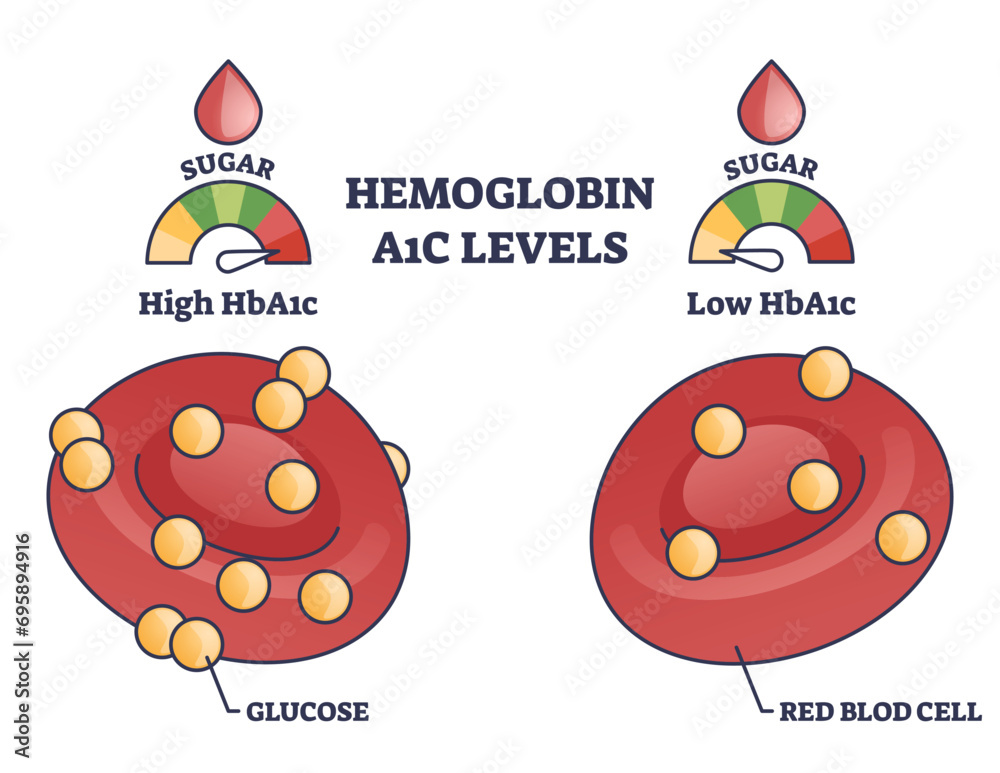
The A1C test—also known as hemoglobin A1c or HbA1c—measures the amount of glucose (sugar) attached to your hemoglobin, a protein found in your red blood cells. Think of it as a historical average.
When sugar enters your bloodstream, it sticks to your hemoglobin. Red blood cells typically live for about three months. Therefore, the A1C test gives you a picture of your average blood sugar control over the previous 2 to 3 months, offering a more stable metric than a single finger-prick check.
A Snapshot, Not a Moment
While daily glucose checks (from your meter or CGM) tell you what's happening right now, or during a specific meal or activity, the A1C tells the story of your overall management pattern. This is especially crucial for managing A1C Diabetes Type 1 because T1D requires constant, dynamic insulin adjustments.
A great A1C means you've successfully managed to keep glucose levels relatively stable over that three-month period, reducing the high-sugar peaks and low-sugar valleys. This consistent management is key to preventing long-term complications.
The Target Range: Setting Realistic Goals for A1C Diabetes Type 1 Management
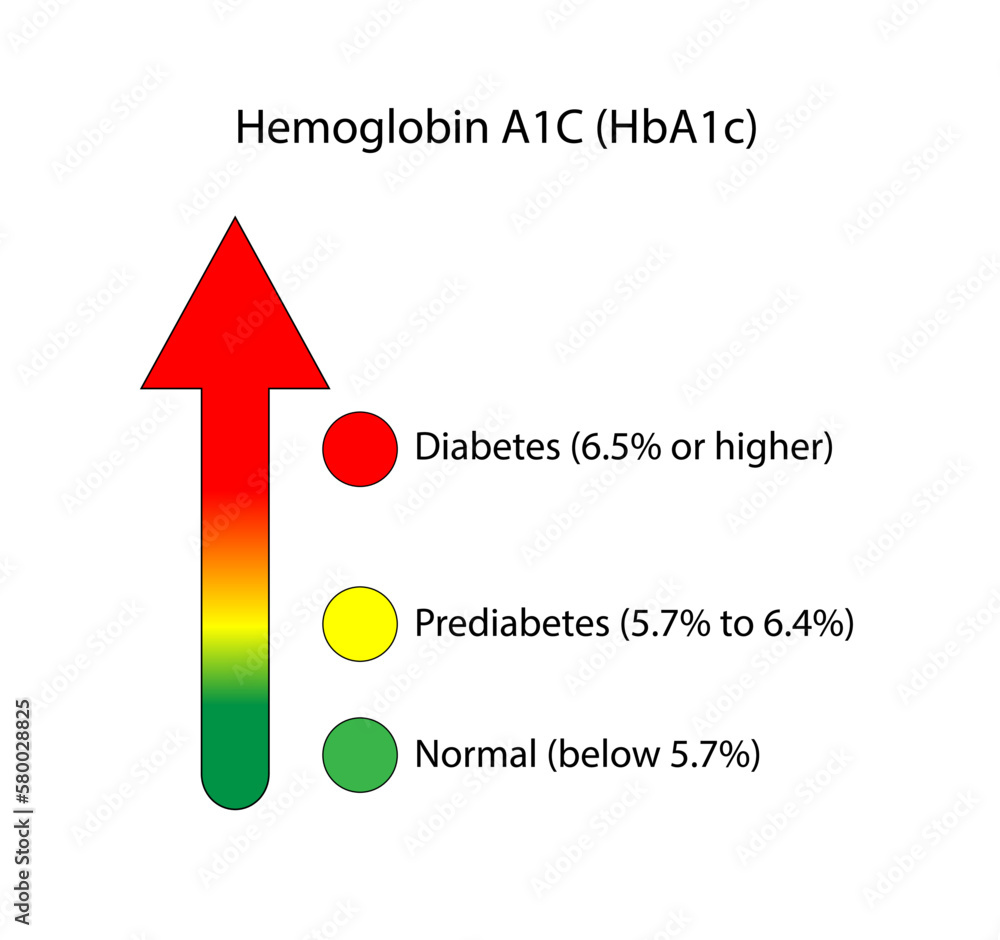
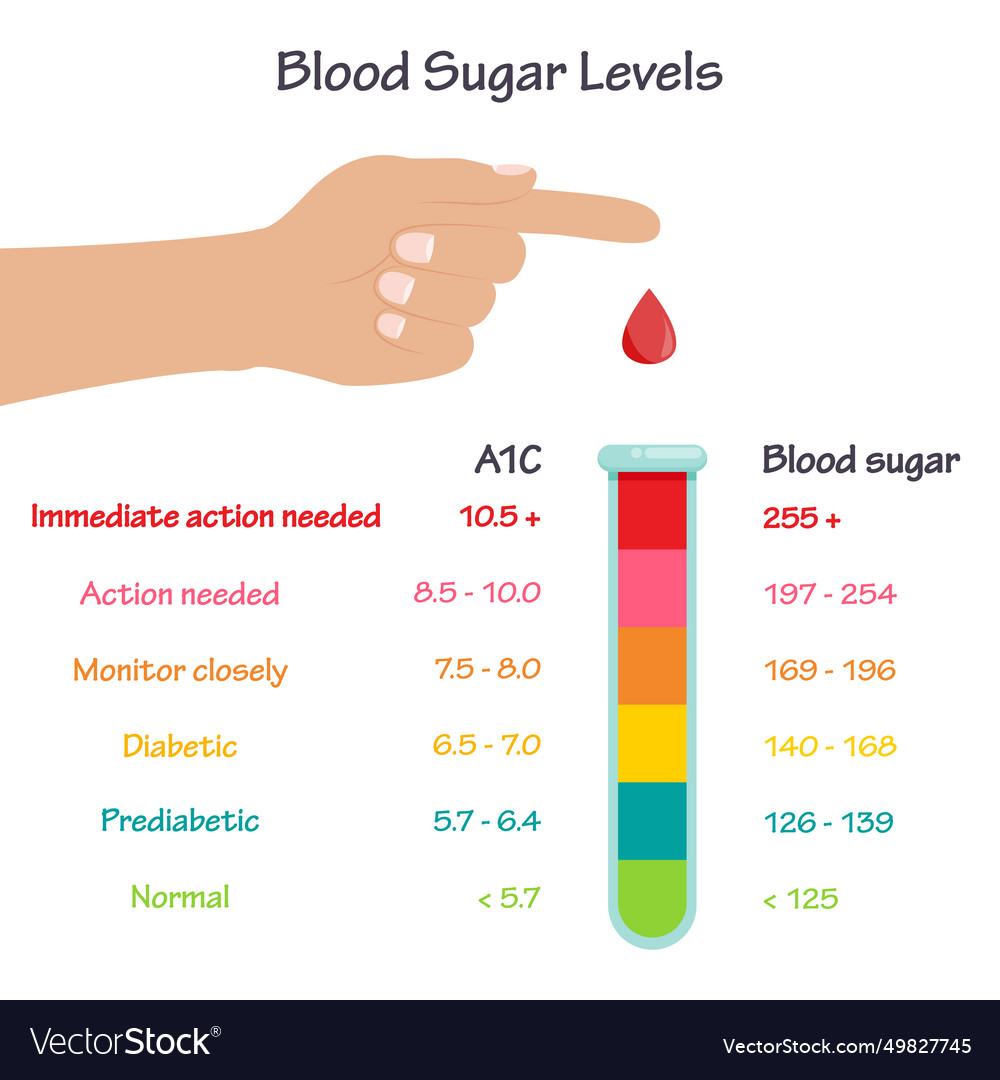
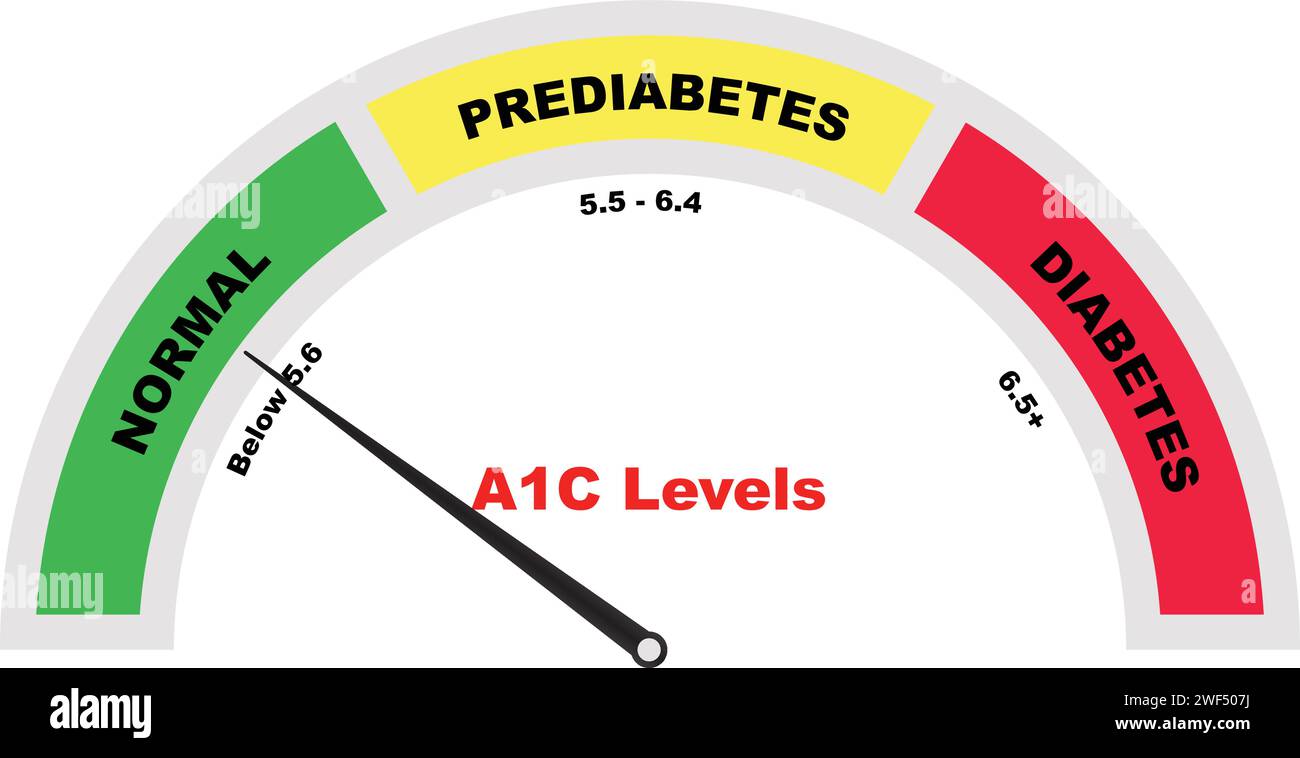
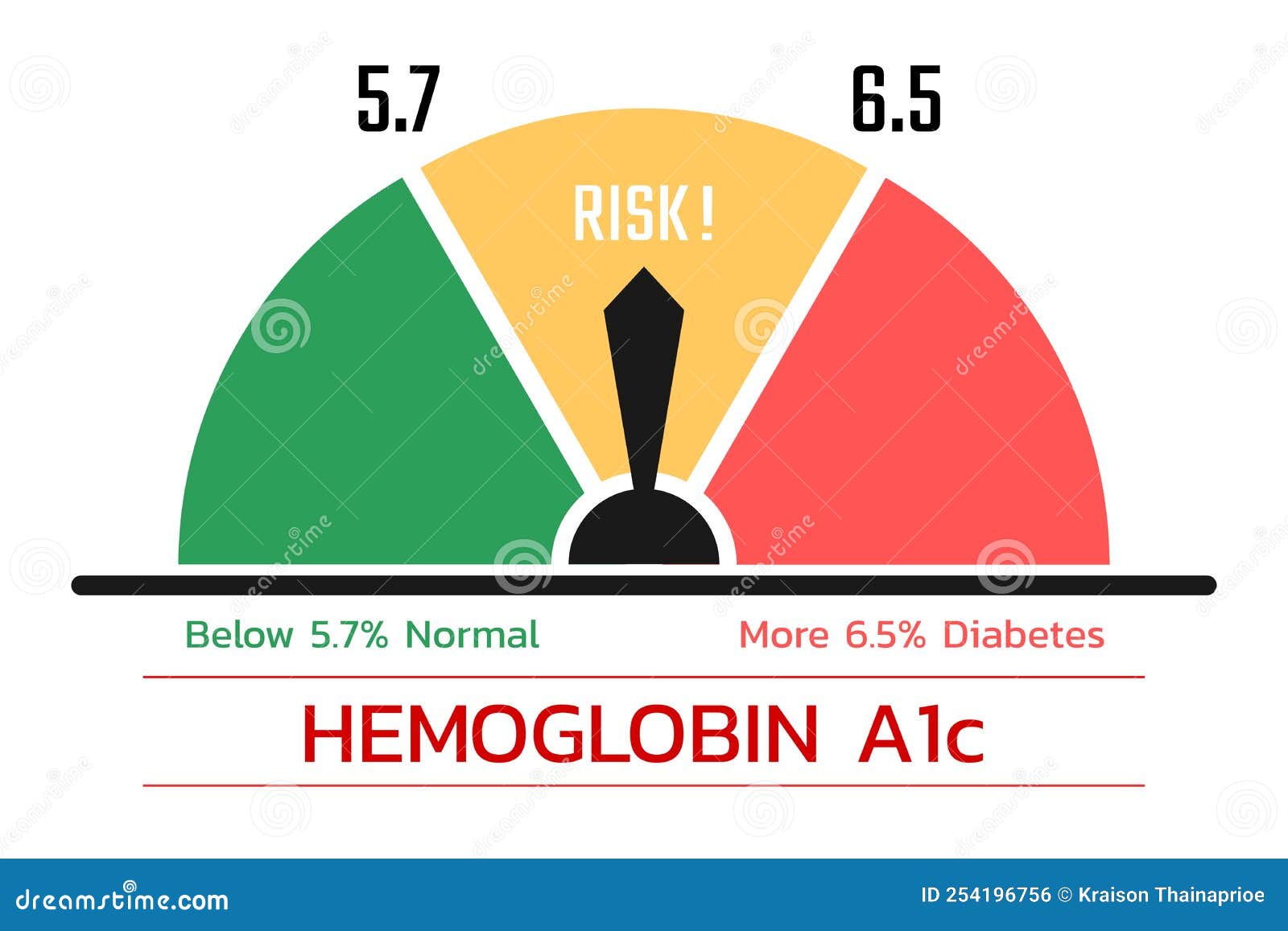
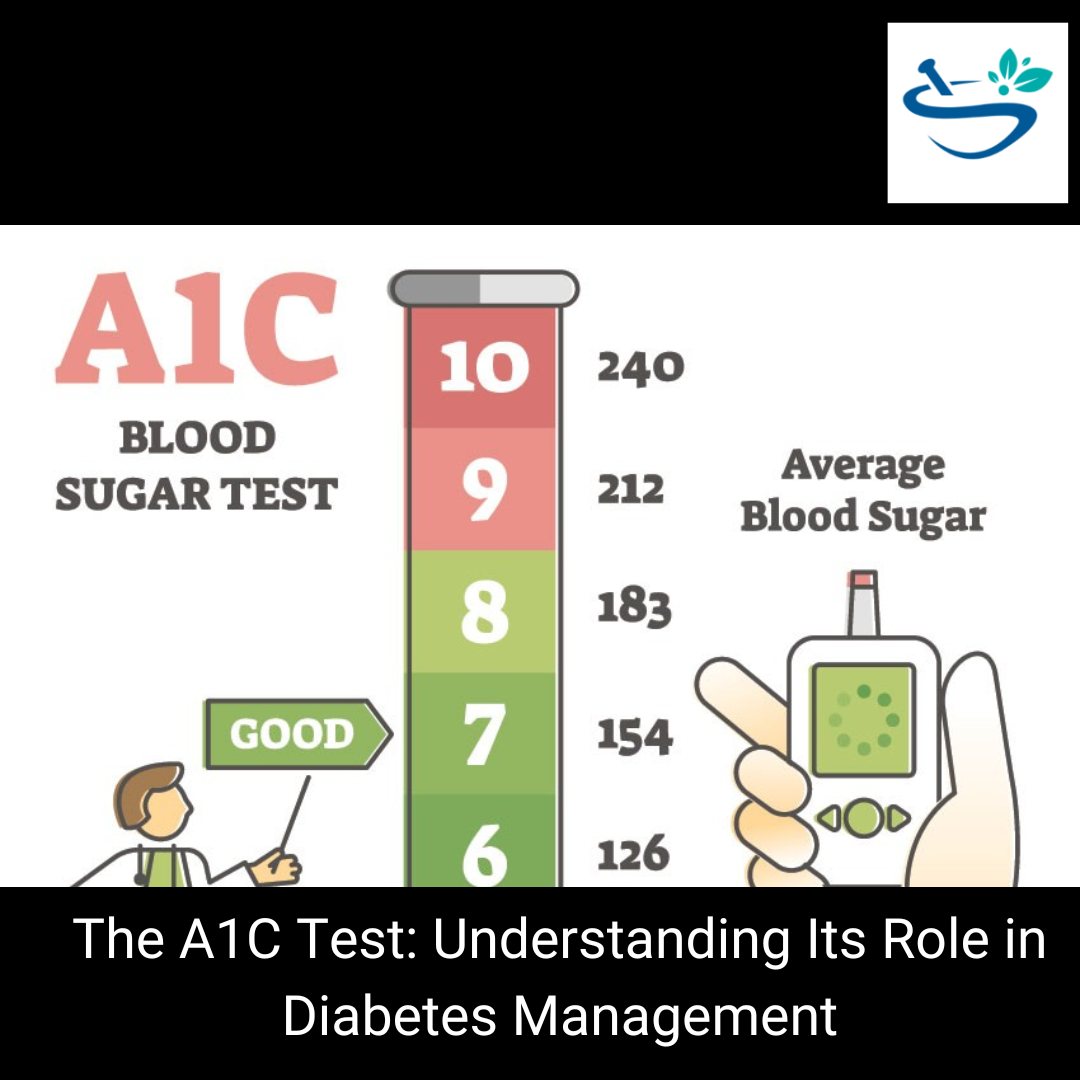
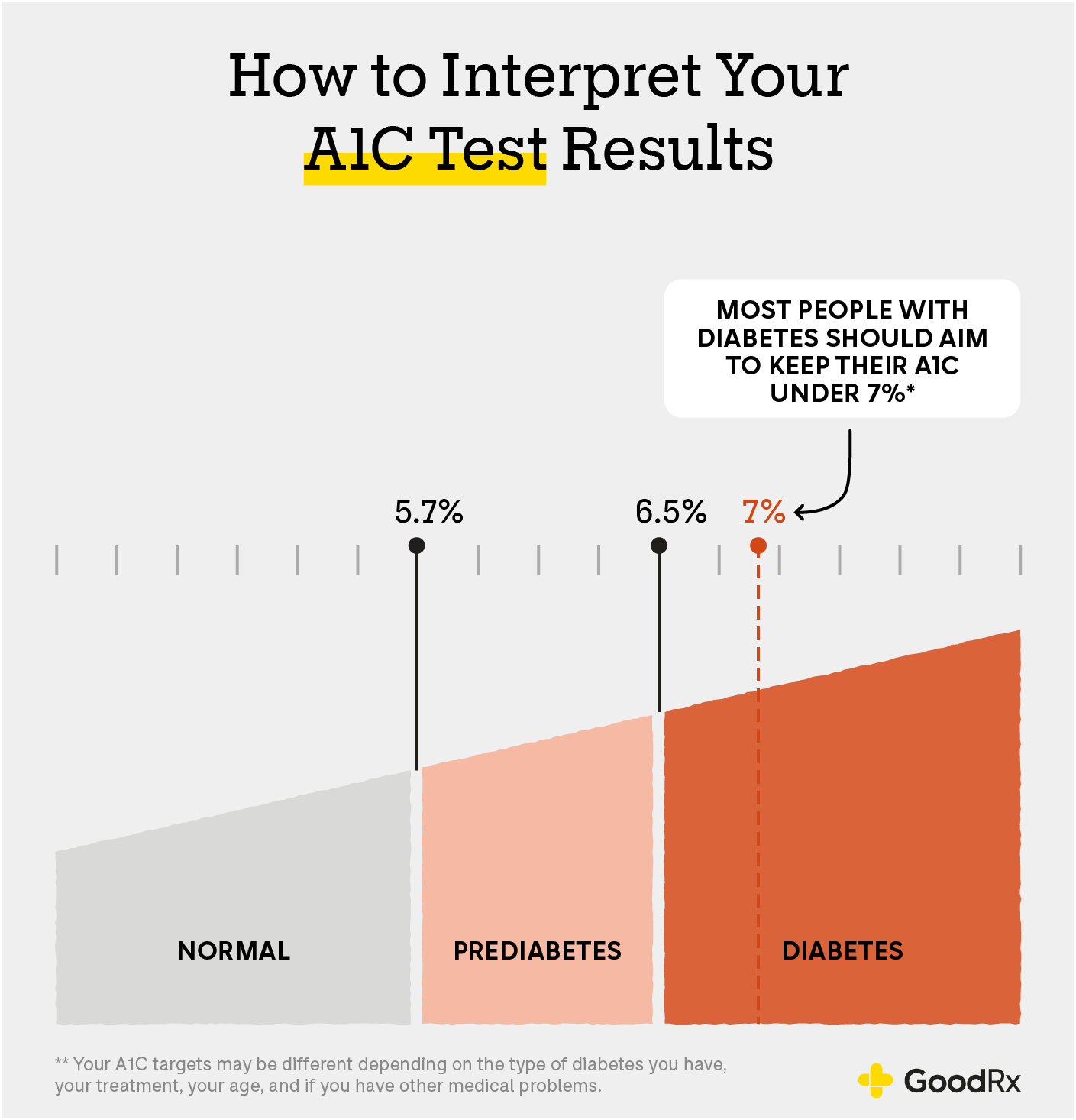
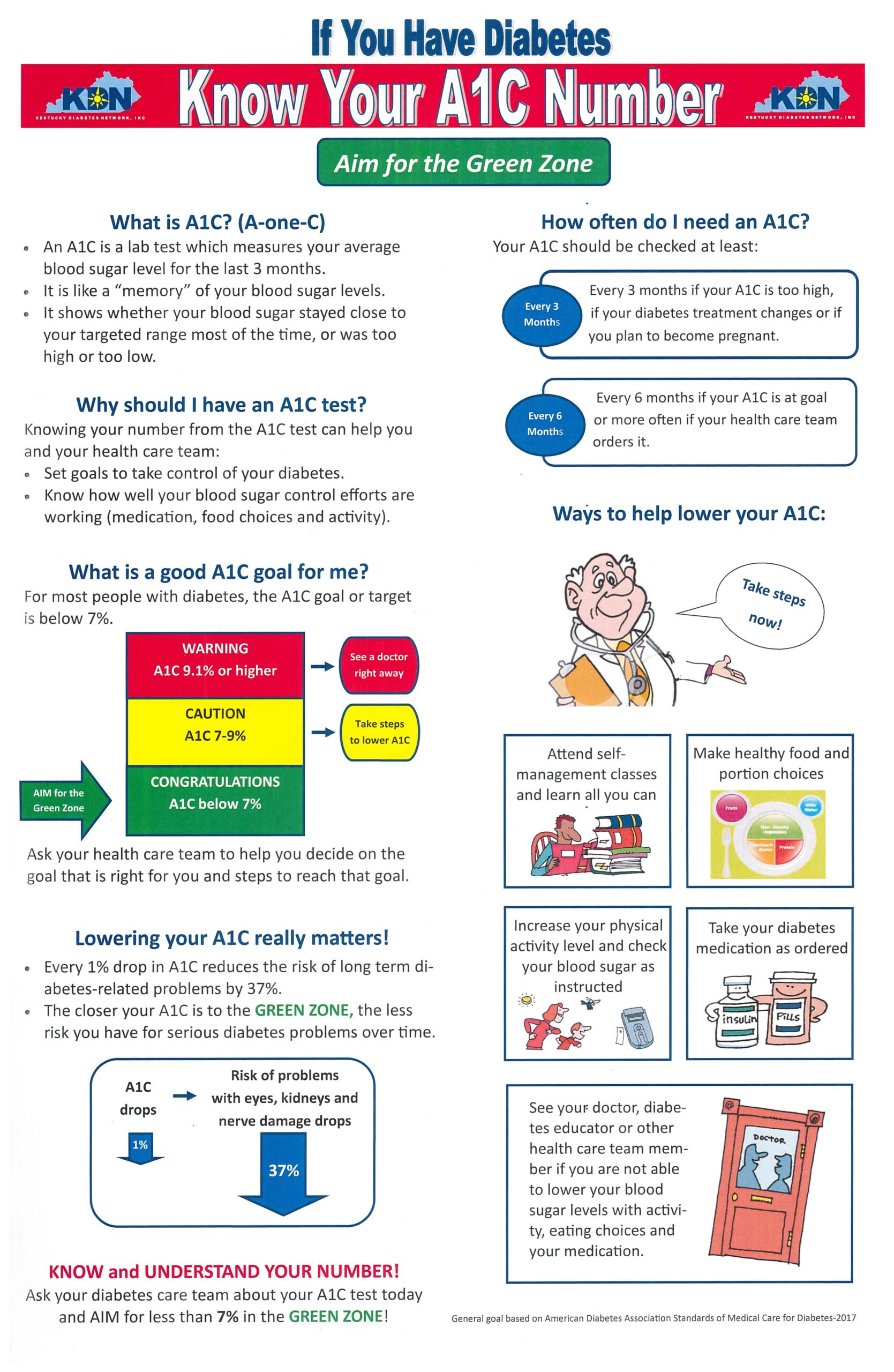
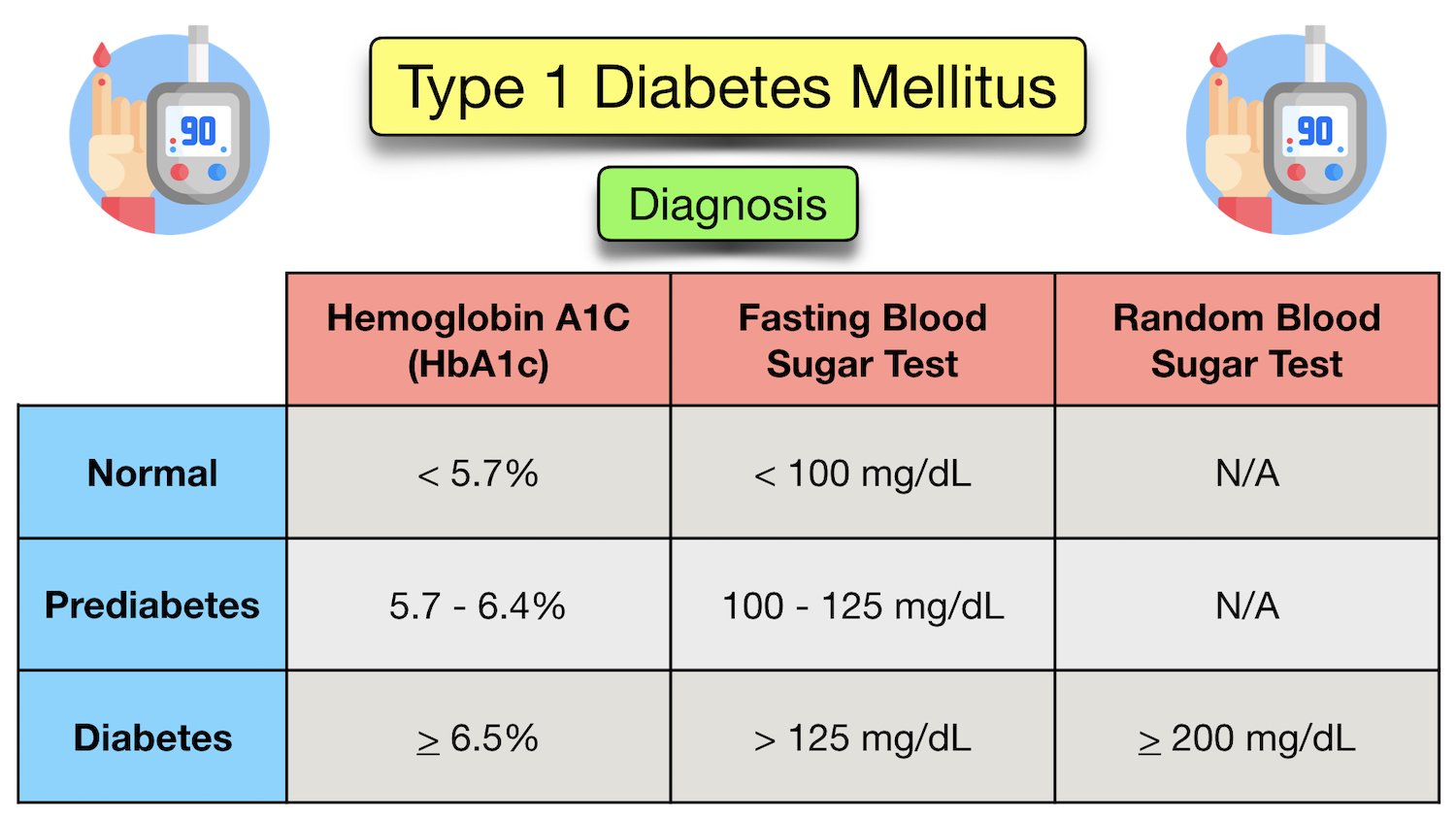
What is the "perfect" A1C score? For most adults living with Type 1 Diabetes, medical organizations like the American Diabetes Association (ADA) generally recommend an A1C target below 7%.
However, it is critical to remember that this target is highly personalized. Your specific goal must be set in consultation with your endocrinologist or diabetes care team.
Factors that influence your personal A1C target include:
- Your age and life stage (children and the elderly may have different targets).
- How long you have had diabetes.
- The presence of other health conditions (comorbidities).
- Your risk of severe hypoglycemia (low blood sugar episodes).
For some individuals, especially those newly diagnosed or who have excellent CGM time-in-range metrics, a target closer to 6.5% might be achievable. For others who experience frequent severe lows, a slightly higher target, perhaps 7.5% or 8%, might be safer.
How Often Should You Check Your A1C?
Because the A1C provides a three-month look back, it should generally be checked every three to six months. This regular testing schedule ensures that you and your doctor can quickly identify if your management plan needs tweaking.
If you have recently changed your insulin regimen, started using a pump, or if your blood sugar has been consistently high, your doctor may recommend checking your A1C every three months. If your T1D is very stable and your score is consistently in range, checking every six months may be sufficient.
Deciphering Your A1C Results: Percentage vs. eAG
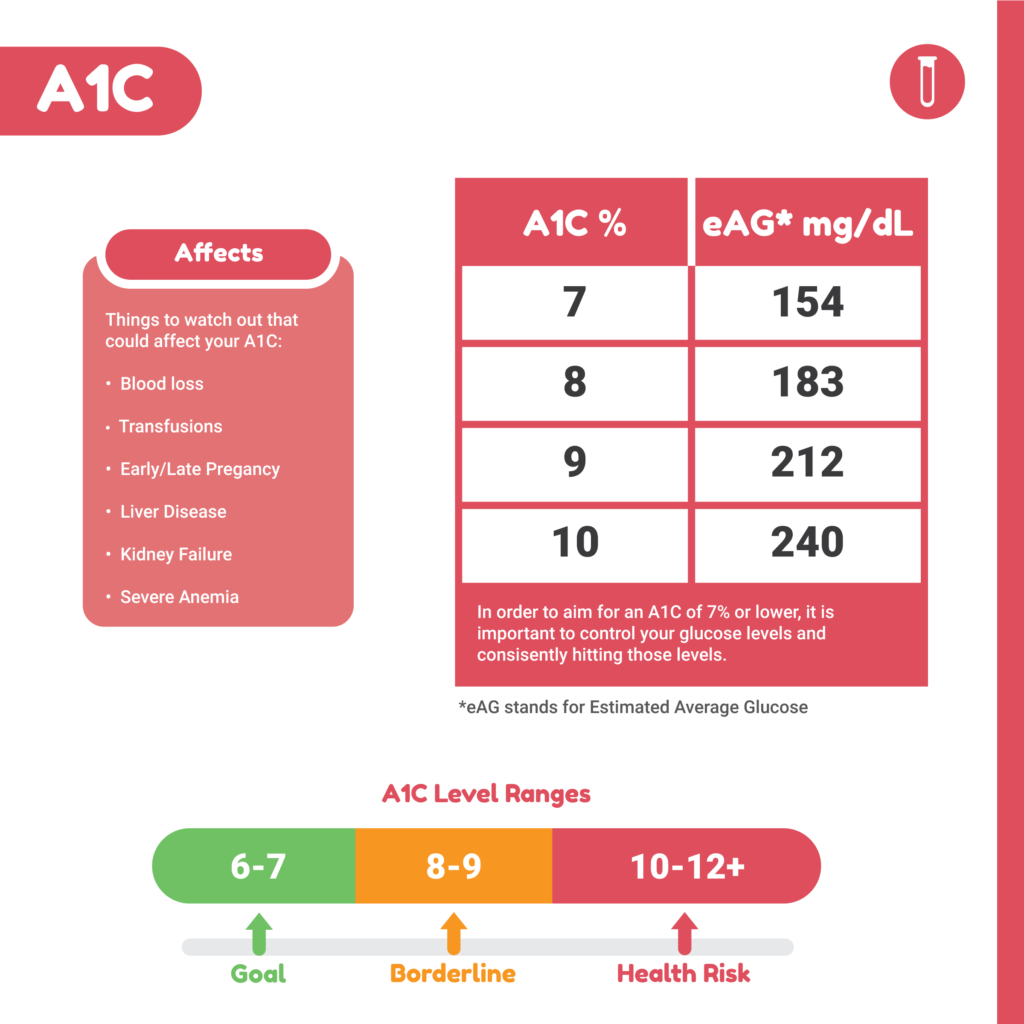
You will usually receive your A1C result as a percentage (e.g., 6.8%). While this percentage is standard, it doesn't intuitively translate to the daily milligrams per deciliter (mg/dL) or millimoles per liter (mmol/L) measurements you are used to seeing on your meter.
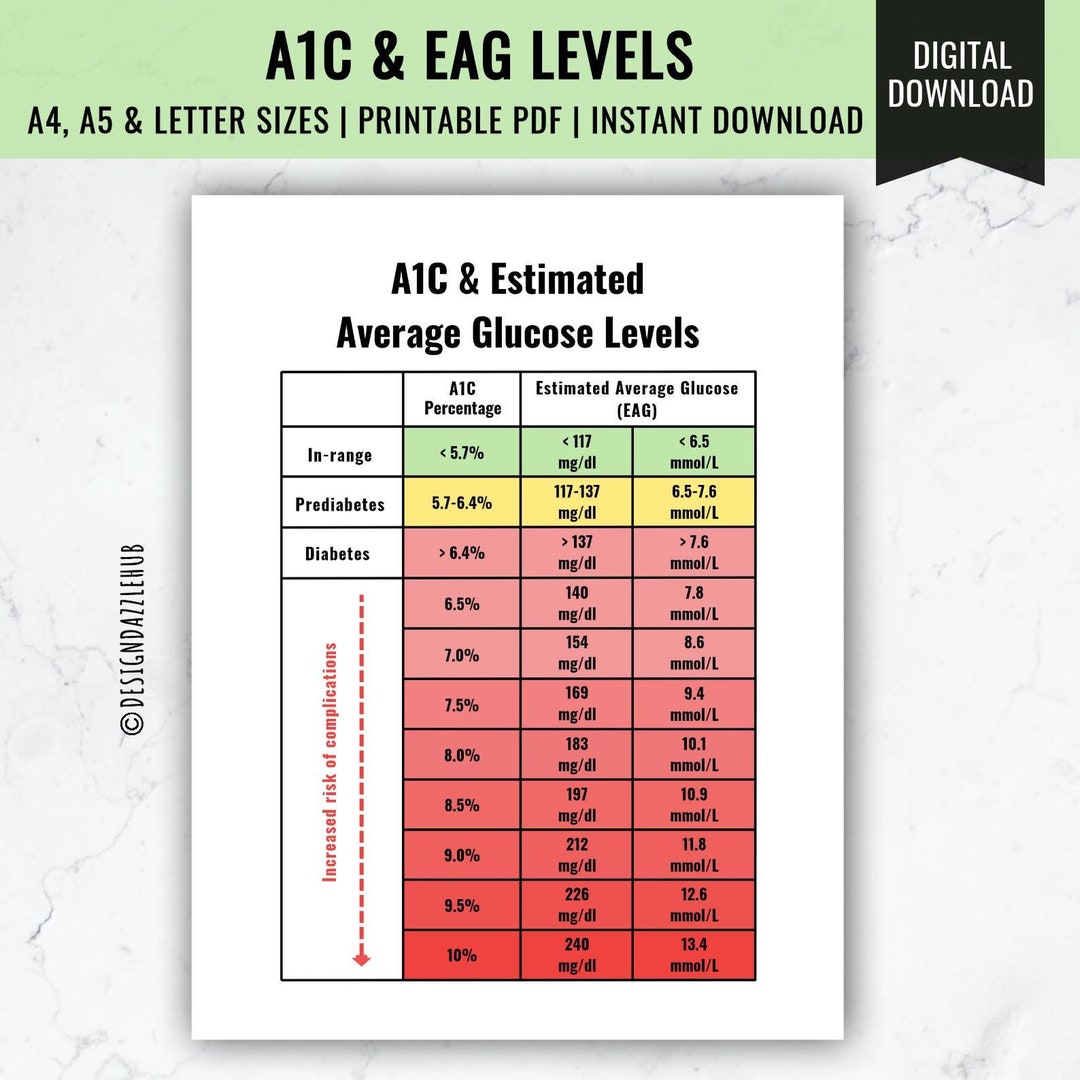
To help bridge this gap, your lab results often include the eAG, or Estimated Average Glucose. The eAG is a calculated value that converts the A1C percentage into the same units (mg/dL or mmol/L) you use every day. This conversion makes the A1C score much more relatable.
For instance, an A1C of 7% corresponds to an eAG of approximately 154 mg/dL. Seeing the eAG can help you visualize the "average" daily blood sugar level that resulted in your A1C score.
Strategies to Improve Your A1C Score
Improving your A1C Diabetes Type 1 score requires dedication and consistency across several areas of your life. Since the A1C is an average, small, sustainable changes yield the biggest long-term rewards.
Insulin Therapy Optimization
This is often the most impactful area. Work closely with your endocrinologist to ensure your basal (background) insulin rates are accurate. If you are using a pump or hybrid closed-loop system, utilize the data to tighten your control.
- Review your bolus-to-carb ratio and insulin sensitivity factors (ISF). These often need adjustment as weight, activity, and hormones change.
- Focus on pre-bolusing—taking your insulin 10 to 20 minutes before a meal—to match the peak action of the insulin with the rise in glucose from the food.
- Be meticulous about logging and correcting high blood sugars promptly, rather than letting them linger for hours.
Nutrition and Carb Counting Accuracy
Accurate carbohydrate counting is the cornerstone of T1D management. Even small errors multiple times per day can significantly raise your overall average glucose level.
Consider focusing on the quality of your carbohydrates. Meals that are high in fiber, protein, and healthy fats tend to slow down glucose absorption, leading to less dramatic spikes and making insulin dosing easier.
The Power of Consistent Physical Activity
Regular exercise increases insulin sensitivity, meaning your body needs less insulin to process the same amount of glucose. This heightened sensitivity can help stabilize blood sugars over time, contributing directly to a lower A1C.
Find an activity you enjoy and aim for consistency, even if it's just a 30-minute walk daily. Remember to factor in adjustments to your insulin dose or carbohydrate intake to prevent exercise-induced hypoglycemia.
The Long-Term Impact of A1C Levels
We stress the importance of the A1C not just because it's a required test, but because it is strongly correlated with the risk of long-term diabetes complications. Years of high A1C results (above 8% or 9%) significantly increase the likelihood of damage to your small blood vessels (microvascular complications).
Maintaining a healthy, personalized A1C target has been proven to protect your health in profound ways. These benefits include:
- Reduced risk of diabetic retinopathy (eye damage leading to vision loss).
- Lowered risk of kidney disease (nephropathy).
- Decreased incidence of nerve damage (neuropathy), which affects feet and hands.
- Improved cardiovascular health, reducing the risk of heart attack and stroke (macrovascular complications).
Every percentage point drop in your A1C is a massive win for your long-term wellness. If your A1C is currently 9% and you manage to bring it down to 8%, you are significantly lowering your risk profile. Focus on progress, not perfection.
Conclusion
The A1C Diabetes Type 1 test is more than just a number; it's a powerful report card on your overall diabetes management strategy. While the daily effort of carb counting, testing, and dosing is tough, the A1C offers reassurance that your hard work over the past few months is paying off.
By understanding what the A1C measures, setting realistic, personalized goals with your healthcare team, and focusing on consistency in your insulin therapy, diet, and exercise, you gain the best possible defense against T1D complications. Keep monitoring, keep adjusting, and keep communicating with your care team. You've got this.
Frequently Asked Questions (FAQ) About A1C Diabetes Type 1
- What is the difference between A1C and Time-In-Range (TIR)?
- While both measure control, they offer different insights. A1C is a historical average glucose level over 3 months. Time-In-Range (TIR), provided by CGMs, is the percentage of time you spend within your ideal target range (usually 70–180 mg/dL) over a specific period. TIR provides more actionable data for daily adjustments.
- Can my A1C be inaccurate?
- A1C is usually very reliable, but certain conditions can interfere with the results. These include severe anemia, recent significant blood loss, kidney failure, or certain hemoglobin variants. If your A1C result seems drastically different from your daily blood sugar logs (your eAG), discuss these possibilities with your doctor.
- If I only have high blood sugar spikes after meals, will my A1C still be bad?
- Yes. If you consistently have post-meal spikes that push your glucose levels very high, even if your fasting glucose is good, those highs will significantly elevate your three-month average A1C score. Improving post-meal control is essential for achieving a good A1C in Type 1 Diabetes.
- Is it possible to have an A1C that is "too low"?
- Yes. An extremely low A1C (e.g., below 6%) can sometimes indicate that you are experiencing frequent, severe hypoglycemic episodes (low blood sugars). While low averages look good on paper, if they are achieved through dangerous lows, the management plan needs to be adjusted to prioritize safety and minimize hypoglycemia risk.
A1C Diabetes Type 1
A1C Diabetes Type 1 Wallpapers
Collection of a1c diabetes type 1 wallpapers for your desktop and mobile devices.

Beautiful A1c Diabetes Type 1 Scene Art
Explore this high-quality a1c diabetes type 1 image, perfect for enhancing your desktop or mobile wallpaper.

Beautiful A1c Diabetes Type 1 Wallpaper in 4K
Discover an amazing a1c diabetes type 1 background image, ideal for personalizing your devices with vibrant colors and intricate designs.
Exquisite A1c Diabetes Type 1 Background in 4K
This gorgeous a1c diabetes type 1 photo offers a breathtaking view, making it a perfect choice for your next wallpaper.
Gorgeous A1c Diabetes Type 1 Moment Collection
Find inspiration with this unique a1c diabetes type 1 illustration, crafted to provide a fresh look for your background.
Vivid A1c Diabetes Type 1 Wallpaper in 4K
Explore this high-quality a1c diabetes type 1 image, perfect for enhancing your desktop or mobile wallpaper.
Amazing A1c Diabetes Type 1 View Collection
Transform your screen with this vivid a1c diabetes type 1 artwork, a true masterpiece of digital design.

Vibrant A1c Diabetes Type 1 Photo Nature
Experience the crisp clarity of this stunning a1c diabetes type 1 image, available in high resolution for all your screens.
:max_bytes(150000):strip_icc()/A1CLevels_final-b7bc709b6a5f4653b9a3497caec75016.png "Captivating A1c Diabetes Type 1 View Art")
Captivating A1c Diabetes Type 1 View Art
Find inspiration with this unique a1c diabetes type 1 illustration, crafted to provide a fresh look for your background.
Serene A1c Diabetes Type 1 Abstract Collection
Transform your screen with this vivid a1c diabetes type 1 artwork, a true masterpiece of digital design.
Serene A1c Diabetes Type 1 Image for Mobile
Discover an amazing a1c diabetes type 1 background image, ideal for personalizing your devices with vibrant colors and intricate designs.

High-Quality A1c Diabetes Type 1 Image Collection
Experience the crisp clarity of this stunning a1c diabetes type 1 image, available in high resolution for all your screens.
Serene A1c Diabetes Type 1 Abstract Photography
Experience the crisp clarity of this stunning a1c diabetes type 1 image, available in high resolution for all your screens.
/1087678_color1-5bc645a746e0fb00516179c9.png "Breathtaking A1c Diabetes Type 1 Landscape Nature")
Breathtaking A1c Diabetes Type 1 Landscape Nature
Explore this high-quality a1c diabetes type 1 image, perfect for enhancing your desktop or mobile wallpaper.

Detailed A1c Diabetes Type 1 Wallpaper in 4K
Explore this high-quality a1c diabetes type 1 image, perfect for enhancing your desktop or mobile wallpaper.
Crisp A1c Diabetes Type 1 Wallpaper for Desktop
Immerse yourself in the stunning details of this beautiful a1c diabetes type 1 wallpaper, designed for a captivating visual experience.
Artistic A1c Diabetes Type 1 Wallpaper Illustration
Find inspiration with this unique a1c diabetes type 1 illustration, crafted to provide a fresh look for your background.
Exquisite A1c Diabetes Type 1 View for Your Screen
Immerse yourself in the stunning details of this beautiful a1c diabetes type 1 wallpaper, designed for a captivating visual experience.
Lush A1c Diabetes Type 1 Background Concept
Find inspiration with this unique a1c diabetes type 1 illustration, crafted to provide a fresh look for your background.
Gorgeous A1c Diabetes Type 1 Capture Nature
A captivating a1c diabetes type 1 scene that brings tranquility and beauty to any device.
Stunning A1c Diabetes Type 1 Moment in HD
A captivating a1c diabetes type 1 scene that brings tranquility and beauty to any device.
Download these a1c diabetes type 1 wallpapers for free and use them on your desktop or mobile devices.