Understanding Autoimmune Diabetes: Your Comprehensive Guide to Type 1 and LADA
If you've recently been told you or a loved one might have Autoimmune Diabetes, you probably have a million questions swirling in your head. Take a deep breath. While this diagnosis can sound overwhelming, understanding what it is and how it works is the first, most important step toward taking control.
We're here to walk you through the specifics. Unlike Type 2 Diabetes, which often relates heavily to insulin resistance and lifestyle factors, Autoimmune Diabetes—which primarily includes Type 1 Diabetes and LADA—is fundamentally different. It's about your immune system mistakenly attacking your own body. Let's explore what that means for you.
What Exactly is Autoimmune Diabetes?
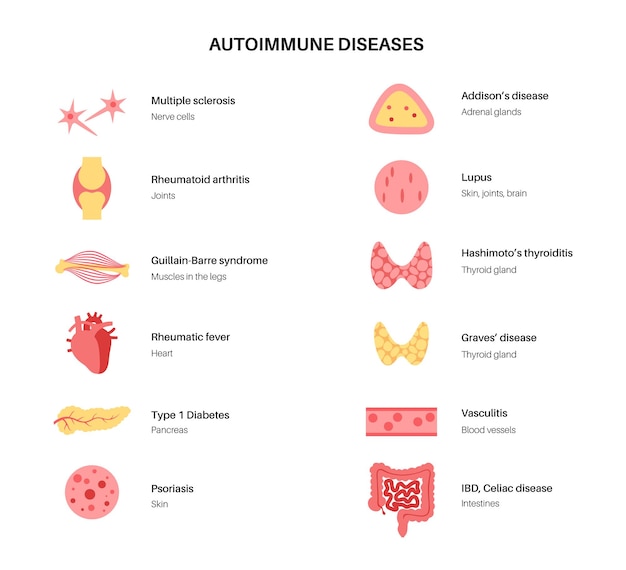
The term Autoimmune Diabetes is often used interchangeably with Type 1 Diabetes (T1D). At its core, this condition is an autoimmune disorder. This means your body's defense mechanism—the immune system—gets confused and begins to attack healthy cells.
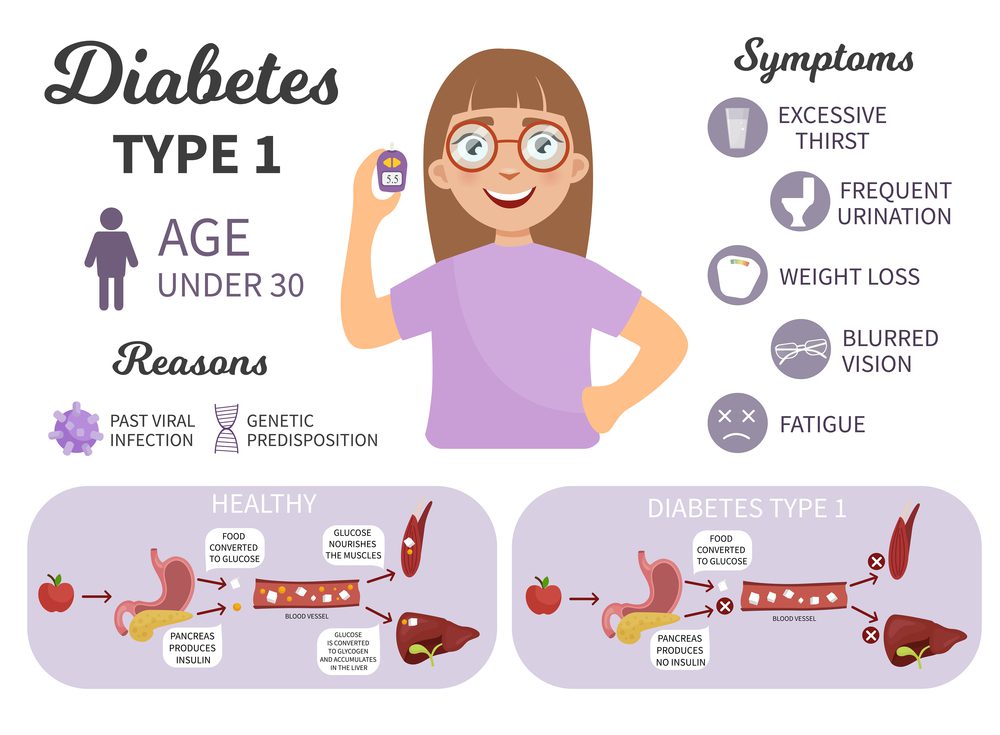
Specifically, the immune system targets the insulin-producing beta cells located in the islets of Langerhans within your pancreas. Think of your beta cells as the factory workers responsible for producing insulin, the hormone necessary to move glucose (sugar) from your bloodstream into your cells for energy. When these factories are destroyed, insulin production ceases or dramatically drops, leading to high blood sugar levels.
This process usually happens slowly over months or years, but symptoms often appear abruptly once enough beta cells are gone. Moreover, researchers are still exploring the exact triggers for this condition, but genetics and environmental factors are believed to play a role.
The Difference Between Type 1 and Type 2
It is crucial to understand that Type 1 and Type 2 diabetes are distinct conditions, requiring different treatment approaches. Type 2 Diabetes is characterized by insulin resistance, where the body produces insulin but doesn't use it effectively, often associated with lifestyle and age.
On the other hand, Type 1 Diabetes (Autoimmune Diabetes) is an absolute deficiency of insulin caused by the autoimmune destruction of those beta cells we discussed. People with Type 1 *must* rely on external insulin to survive. If you have been misdiagnosed, getting clarity on whether you have an autoimmune component is vital for proper management.
LADA: The Slow Burn Autoimmune Diabetes
Latent Autoimmune Diabetes in Adults (LADA) is sometimes called "Type 1.5 Diabetes." This form of Autoimmune Diabetes presents later in life, often mimicking Type 2 initially because the autoimmune destruction happens much slower than in typical childhood-onset Type 1.
People with LADA often maintain some natural insulin production for a period, meaning they may manage their condition initially without insulin injections. However, because the underlying mechanism is autoimmune, they will eventually require insulin therapy as their beta cells are gradually destroyed. If you were diagnosed with Type 2 as an adult but are thin, physically active, or quickly needed insulin, LADA might be the real diagnosis.
Recognizing the Signs: Symptoms You Should Look For
The signs of high blood sugar (hyperglycemia) resulting from Autoimmune Diabetes can come on quickly, especially in younger individuals, or more gradually with LADA. If you notice a combination of these symptoms, it's essential to contact a healthcare provider immediately.
The classic symptoms are often referred to as the "Three Ps":
- Polyuria (Frequent Urination): Your body tries to flush excess glucose through urine, leading to frequent bathroom trips, even at night.
- Polydipsia (Excessive Thirst): Since you are losing so much fluid through urination, your body constantly signals that it needs water.
- Polyphagia (Extreme Hunger): Even though you are eating, your cells can't access the energy from the glucose, leaving you feeling constantly hungry.
Other symptoms that indicate uncontrolled Autoimmune Diabetes include:
- Unexplained weight loss (your body starts burning fat and muscle for energy).
- Fatigue and lethargy.
- Blurred vision.
- Fruity-smelling breath (a sign of high ketones, which can lead to DKA—Diabetic Ketoacidosis).
Diagnosis: How Doctors Confirm Autoimmune Diabetes
Diagnosing T1D or LADA requires more than just checking blood glucose levels. To confirm the autoimmune component and differentiate it from Type 2, doctors look for specific markers in your blood. This is especially true if you are an adult showing atypical symptoms for Type 2.
Key Diagnostic Tests
When the diagnosis is suspected to be Autoimmune Diabetes, doctors rely on two crucial sets of tests:
- Autoantibody Tests: These tests look for antibodies that target the pancreatic cells, confirming the autoimmune attack. The most common antibody is GAD-65 (Glutamic Acid Decarboxylase). If you test positive for one or more diabetes-related antibodies, the diagnosis leans heavily towards Type 1 or LADA.
- C-Peptide Test: This measures a byproduct released when the body produces its own insulin. Very low C-peptide levels indicate that the pancreas is producing little to no insulin, which is typical in advanced Type 1 Diabetes. Conversely, higher C-peptide levels usually point toward Type 2 or very early LADA.
- A1C and Glucose Tests: Standard tests like the A1C (measuring average blood sugar over 2–3 months) and Fasting Plasma Glucose test confirm the severity of the hyperglycemia.
Remember, a diagnosis of Autoimmune Diabetes is definitive when antibodies are present and C-peptide levels are low, indicating irreversible beta cell damage.
Management and Treatment: Living Well with Autoimmune Diabetes
The primary goal of managing Autoimmune Diabetes is to replace the insulin that your body can no longer produce. This is a life-long commitment, but modern technology has made it much more manageable than ever before.
Insulin Therapy: Your Lifeline
Insulin is the cornerstone of treatment. Your doctor, usually an endocrinologist, will work with you to find a routine that balances your body's needs. Insulin can be delivered in several ways:
- Multiple Daily Injections (MDI): Using pens or syringes to administer basal (long-acting) insulin and bolus (rapid-acting) insulin for meals.
- Insulin Pump Therapy: A device worn externally that delivers a constant drip of rapid-acting insulin, allowing for precise adjustments and greater flexibility.
- Continuous Glucose Monitors (CGMs): These devices eliminate much of the finger-pricking hassle by monitoring glucose levels in real-time, often integrating with pumps for closed-loop (artificial pancreas) systems.
Learning how to count carbohydrates and calculate the right insulin dose is essential for maintaining healthy blood sugar levels and preventing complications like hypoglycemia (low blood sugar).
Lifestyle Adjustments and Monitoring
While diet and exercise don't *cause* or *cure* Autoimmune Diabetes, they are crucial tools for stabilizing blood sugar. Regular physical activity increases insulin sensitivity, meaning you may require less insulin overall.
A balanced diet focuses on consistent carbohydrate intake spread throughout the day, emphasizing whole foods, fiber, and lean protein. Crucially, strict adherence to blood glucose monitoring—whether with a meter or a CGM—is non-negotiable for safety and optimal control.
Addressing the Emotional Side
Living with a chronic, demanding condition like Autoimmune Diabetes takes a significant emotional toll. "Diabetes burnout"—the feeling of exhaustion from constant monitoring and calculating—is very real.
It's important to acknowledge your feelings and seek support. Whether through support groups, therapy, or simply talking openly with loved ones, prioritizing mental health is just as important as managing your blood sugar numbers. Remember, you are managing a complex disease, and it's okay to ask for help.
Conclusion
Receiving a diagnosis of Autoimmune Diabetes, whether as Type 1 or LADA, is life-changing, but it doesn't define your life. It means you must manage a hormonal deficiency caused by your immune system, primarily through insulin therapy.
By understanding the autoimmune mechanism, recognizing the symptoms, utilizing modern diagnostic tools, and committing to diligent self-care and monitoring, you can lead a full, active, and healthy life. Work closely with your endocrinology team, embrace the technology available, and remember that you are not alone on this journey.
Frequently Asked Questions About Autoimmune Diabetes (FAQ)
- What is the difference between Type 1 and LADA?
- Both are forms of Autoimmune Diabetes, meaning the immune system attacks beta cells. Type 1 usually has a rapid onset, often in childhood or adolescence. LADA (Latent Autoimmune Diabetes in Adults) occurs later in life, has a much slower progression, and may initially be mistaken for Type 2 Diabetes.
- Is Autoimmune Diabetes preventable?
- Currently, no proven methods exist to prevent Type 1 or LADA. Since the cause involves a combination of genetic predisposition and environmental triggers, prevention remains a primary focus of ongoing research.
- Do people with Autoimmune Diabetes eventually have to take insulin?
- Yes. Since the disease mechanism involves the irreversible destruction of insulin-producing cells, people with T1D require insulin immediately, and those with LADA will eventually require insulin as their remaining beta cells fail.
- Can diet cure Autoimmune Diabetes?
- No. While a healthy, balanced diet is essential for managing blood sugar and overall health, it cannot cure the underlying autoimmune condition or reverse the damage to the pancreas. Insulin therapy is always required.
Autoimmune Diabetes
Autoimmune Diabetes Wallpapers
Collection of autoimmune diabetes wallpapers for your desktop and mobile devices.
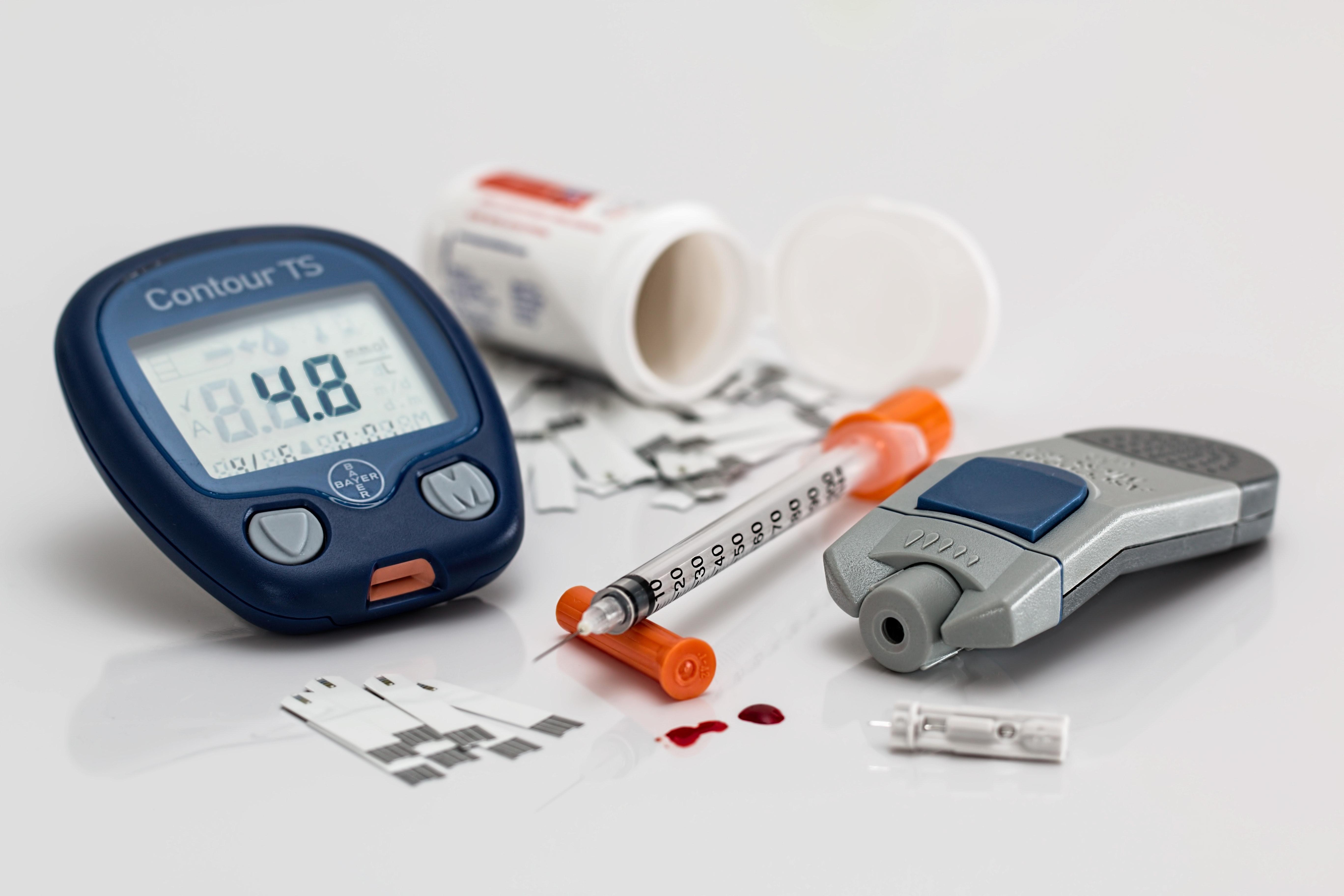
Vibrant Autoimmune Diabetes Picture Digital Art
Experience the crisp clarity of this stunning autoimmune diabetes image, available in high resolution for all your screens.

High-Quality Autoimmune Diabetes Moment for Your Screen
Explore this high-quality autoimmune diabetes image, perfect for enhancing your desktop or mobile wallpaper.
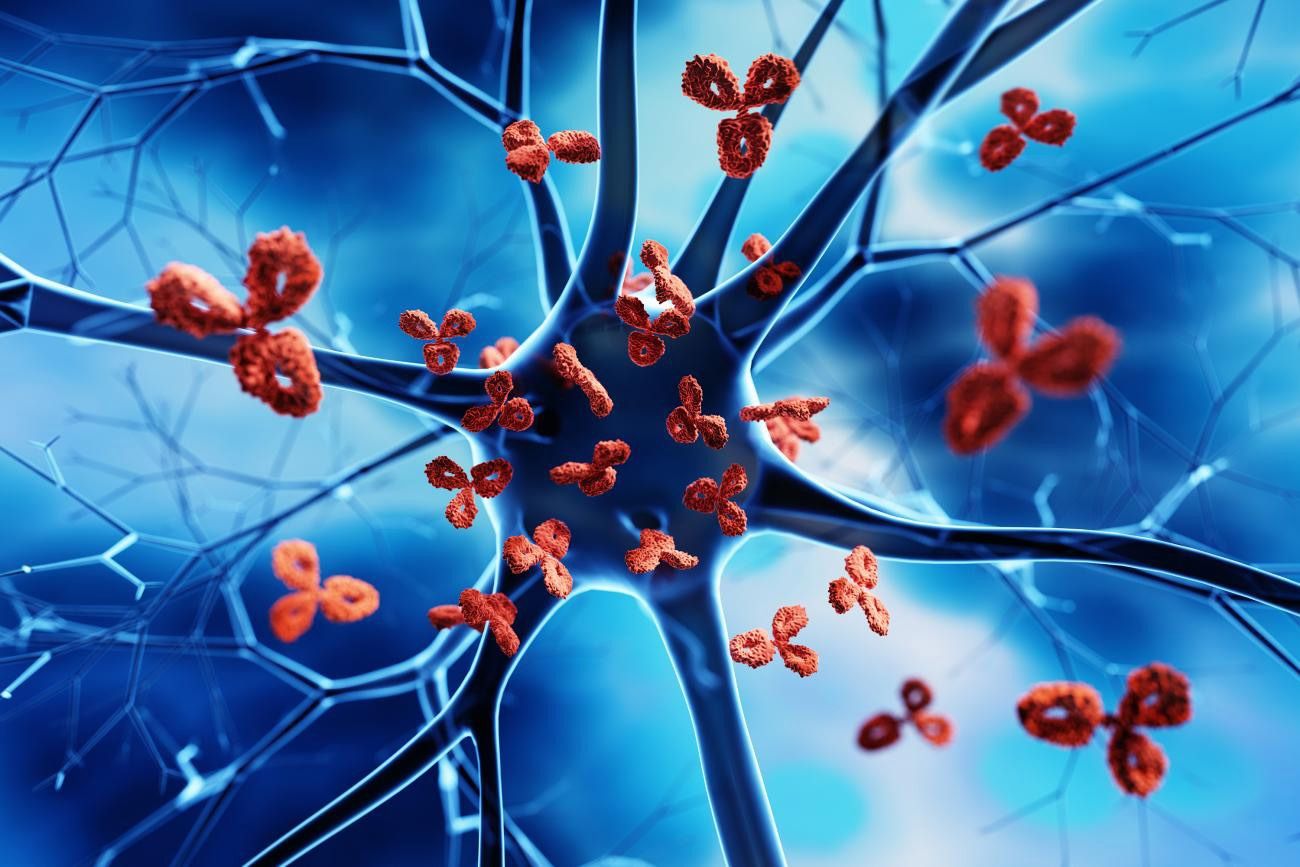
Vivid Autoimmune Diabetes View in 4K
Transform your screen with this vivid autoimmune diabetes artwork, a true masterpiece of digital design.

High-Quality Autoimmune Diabetes Capture Art
Transform your screen with this vivid autoimmune diabetes artwork, a true masterpiece of digital design.

High-Quality Autoimmune Diabetes Photo Collection
Experience the crisp clarity of this stunning autoimmune diabetes image, available in high resolution for all your screens.
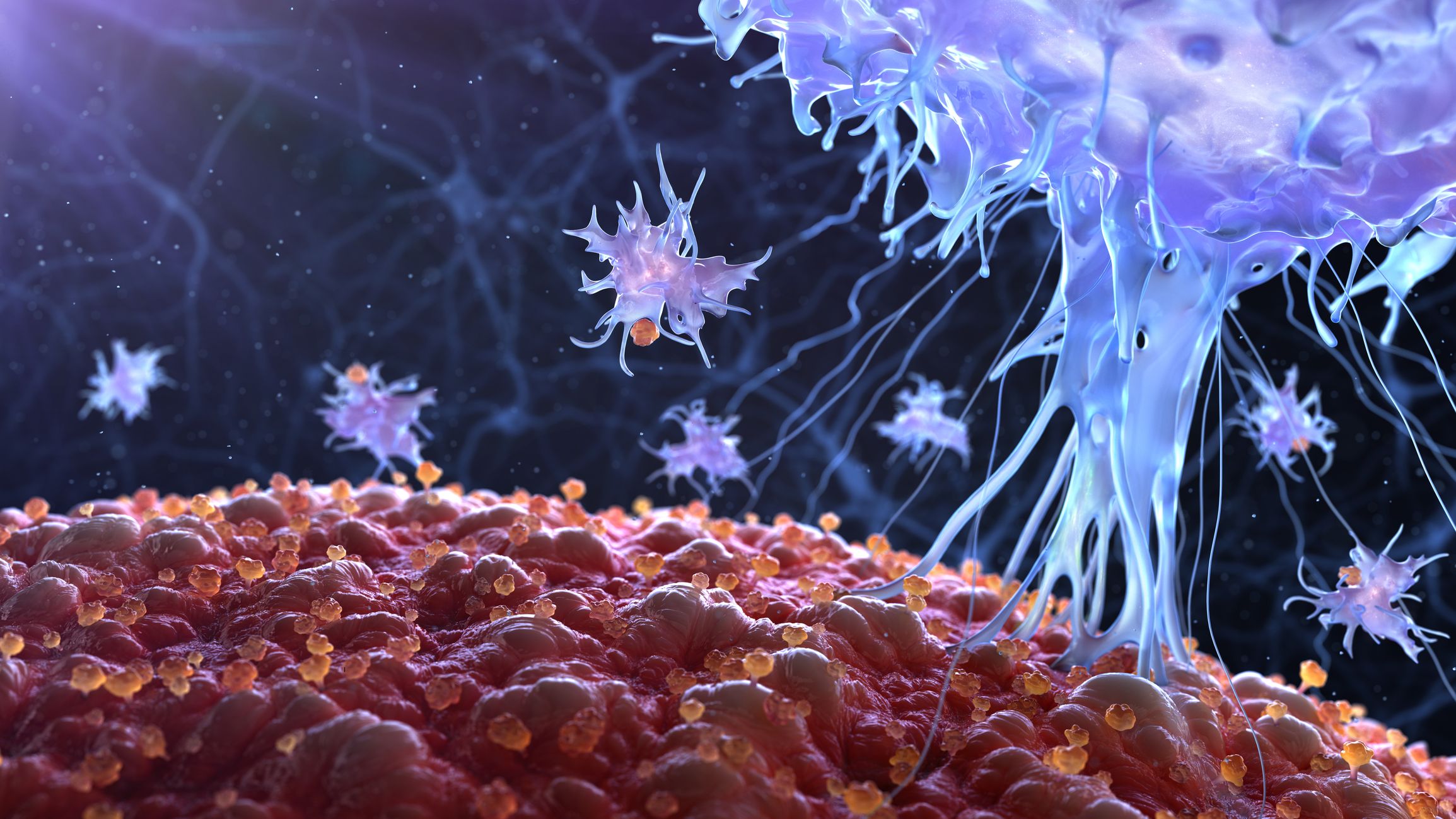
Breathtaking Autoimmune Diabetes Abstract for Your Screen
Transform your screen with this vivid autoimmune diabetes artwork, a true masterpiece of digital design.
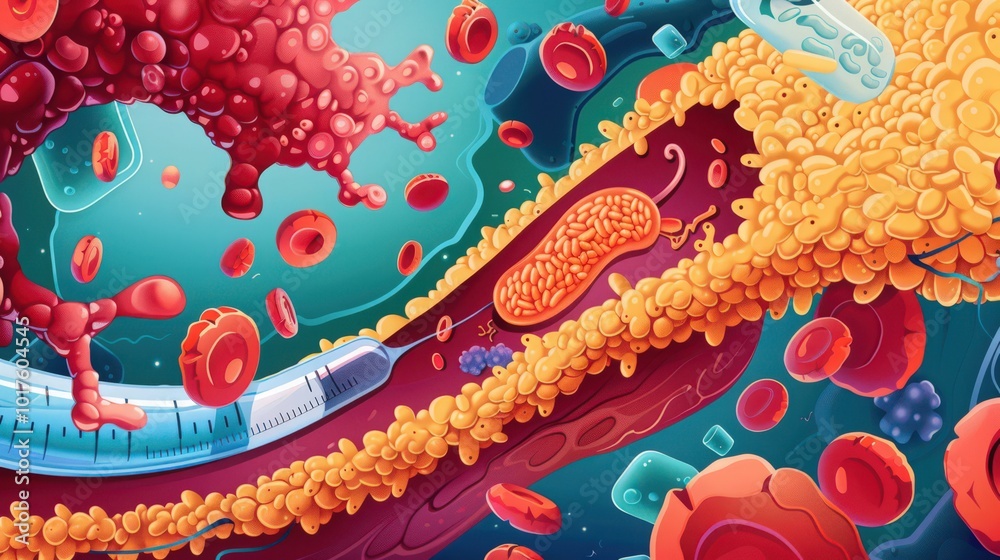
Vivid Autoimmune Diabetes Abstract Concept
Discover an amazing autoimmune diabetes background image, ideal for personalizing your devices with vibrant colors and intricate designs.
Breathtaking Autoimmune Diabetes View in 4K
Explore this high-quality autoimmune diabetes image, perfect for enhancing your desktop or mobile wallpaper.

Beautiful Autoimmune Diabetes Wallpaper for Your Screen
Transform your screen with this vivid autoimmune diabetes artwork, a true masterpiece of digital design.

Mesmerizing Autoimmune Diabetes Picture Illustration
Experience the crisp clarity of this stunning autoimmune diabetes image, available in high resolution for all your screens.
Vivid Autoimmune Diabetes Background Collection
Discover an amazing autoimmune diabetes background image, ideal for personalizing your devices with vibrant colors and intricate designs.
Spectacular Autoimmune Diabetes Moment Art
This gorgeous autoimmune diabetes photo offers a breathtaking view, making it a perfect choice for your next wallpaper.
Lush Autoimmune Diabetes Landscape for Desktop
Immerse yourself in the stunning details of this beautiful autoimmune diabetes wallpaper, designed for a captivating visual experience.

Amazing Autoimmune Diabetes Moment Art
Explore this high-quality autoimmune diabetes image, perfect for enhancing your desktop or mobile wallpaper.
Vivid Autoimmune Diabetes Artwork Nature
Transform your screen with this vivid autoimmune diabetes artwork, a true masterpiece of digital design.

High-Quality Autoimmune Diabetes Landscape Art
Transform your screen with this vivid autoimmune diabetes artwork, a true masterpiece of digital design.

Vivid Autoimmune Diabetes Background Digital Art
Discover an amazing autoimmune diabetes background image, ideal for personalizing your devices with vibrant colors and intricate designs.
Artistic Autoimmune Diabetes Abstract Nature
This gorgeous autoimmune diabetes photo offers a breathtaking view, making it a perfect choice for your next wallpaper.
Dynamic Autoimmune Diabetes Wallpaper for Your Screen
Immerse yourself in the stunning details of this beautiful autoimmune diabetes wallpaper, designed for a captivating visual experience.

Vibrant Autoimmune Diabetes Photo Photography
Transform your screen with this vivid autoimmune diabetes artwork, a true masterpiece of digital design.
Download these autoimmune diabetes wallpapers for free and use them on your desktop or mobile devices.