Can Diabetes Affect The Eyes? The Essential Guide to Protecting Your Vision
If you or a loved one lives with diabetes, you've probably heard about the risks it poses to your heart, kidneys, and feet. But there is one area that often gets overlooked until symptoms appear: your eyes. So, to answer the burning question directly: Can Diabetes Affect The Eyes?
The definitive answer is yes, absolutely. Diabetes can seriously affect your sight, ranging from minor vision fluctuations to complete blindness if not properly managed. It is one of the leading causes of preventable blindness worldwide.
The good news is that with proactive care, regular monitoring, and strict control of blood sugar levels, most serious vision problems related to diabetes are entirely preventable. Let's dive into exactly how diabetes impacts your eyesight and what steps you can take today to protect your vision.
The Definitive Answer: Yes, Diabetes Poses a Serious Threat to Vision
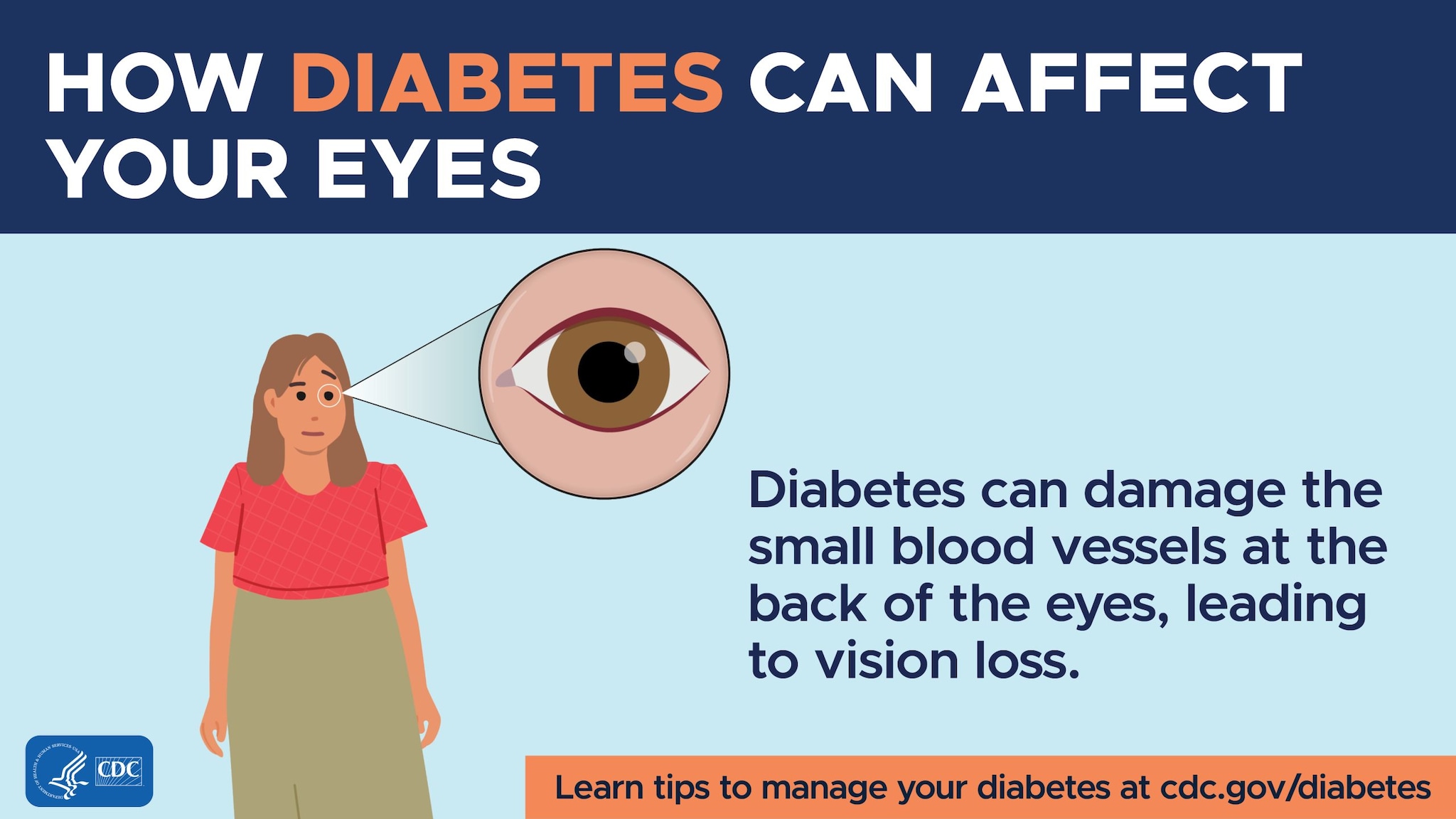
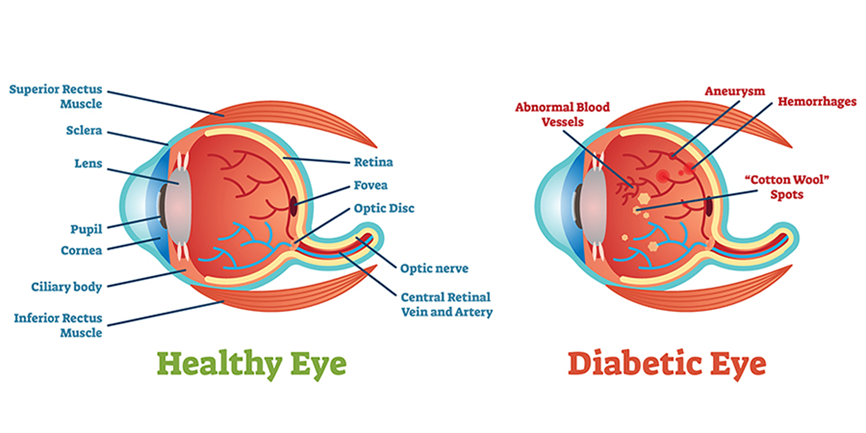
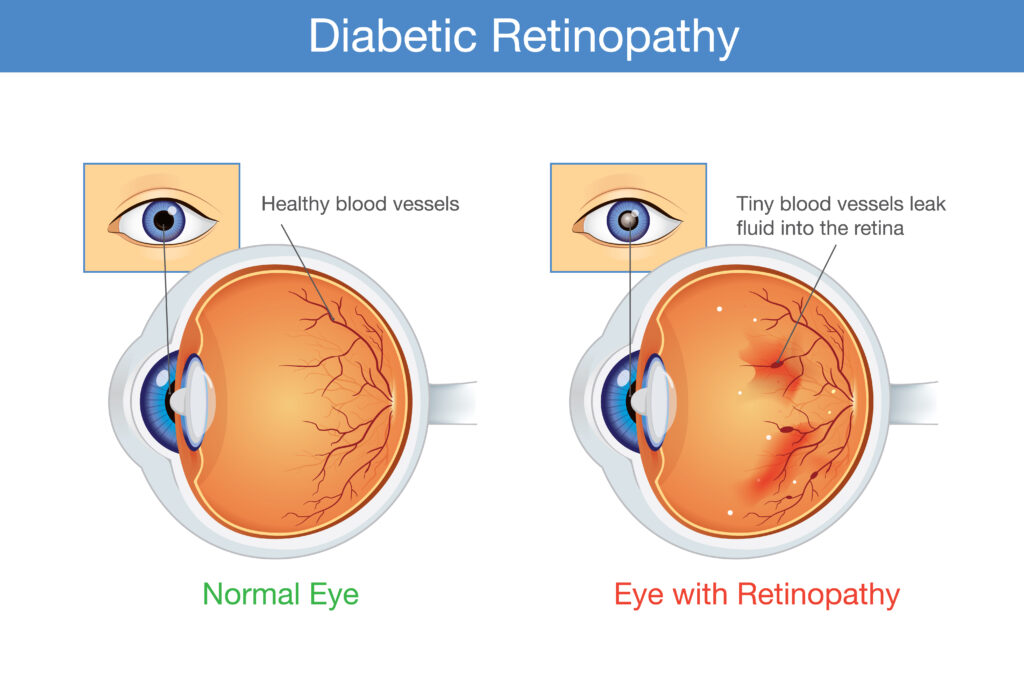
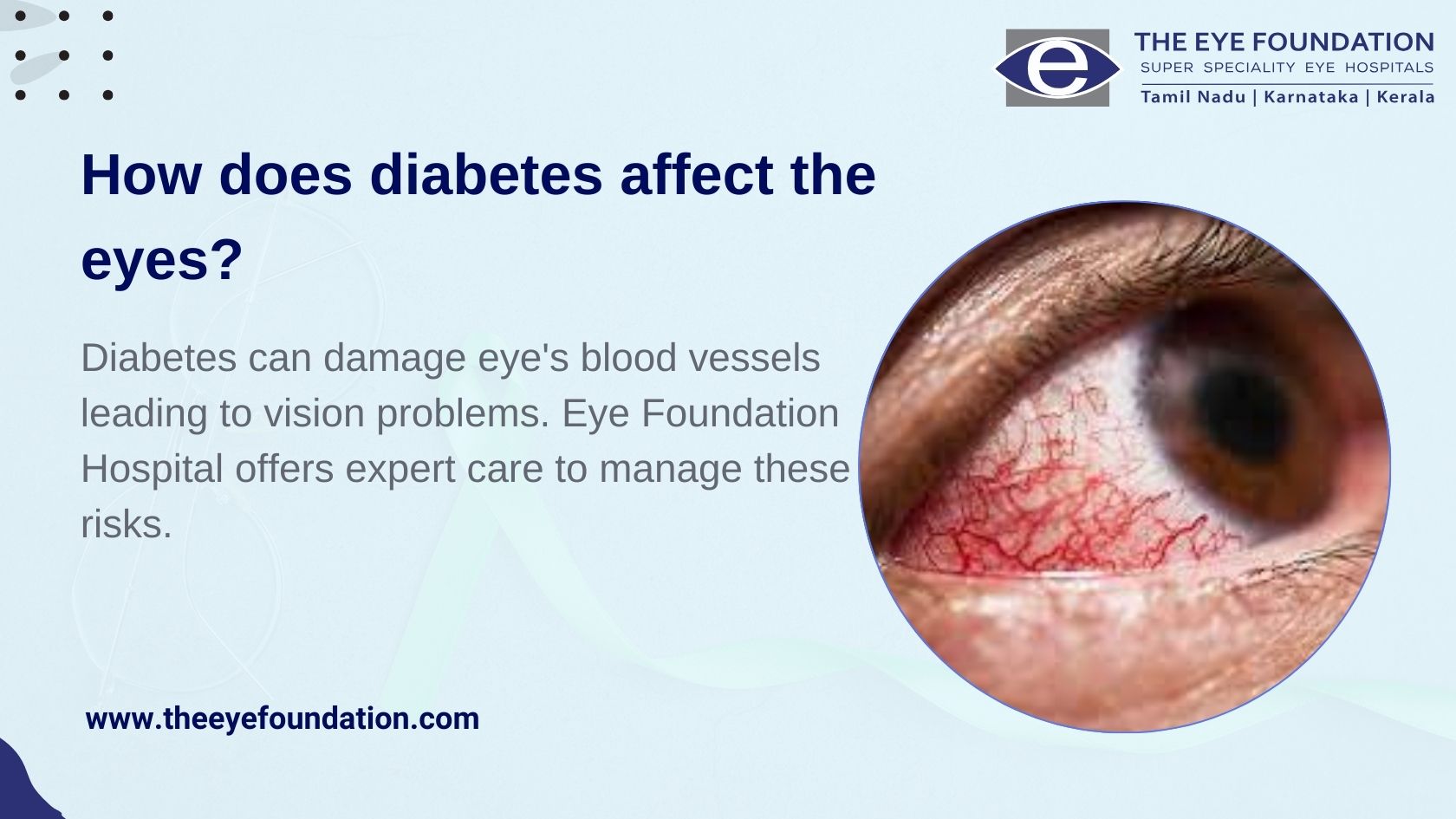
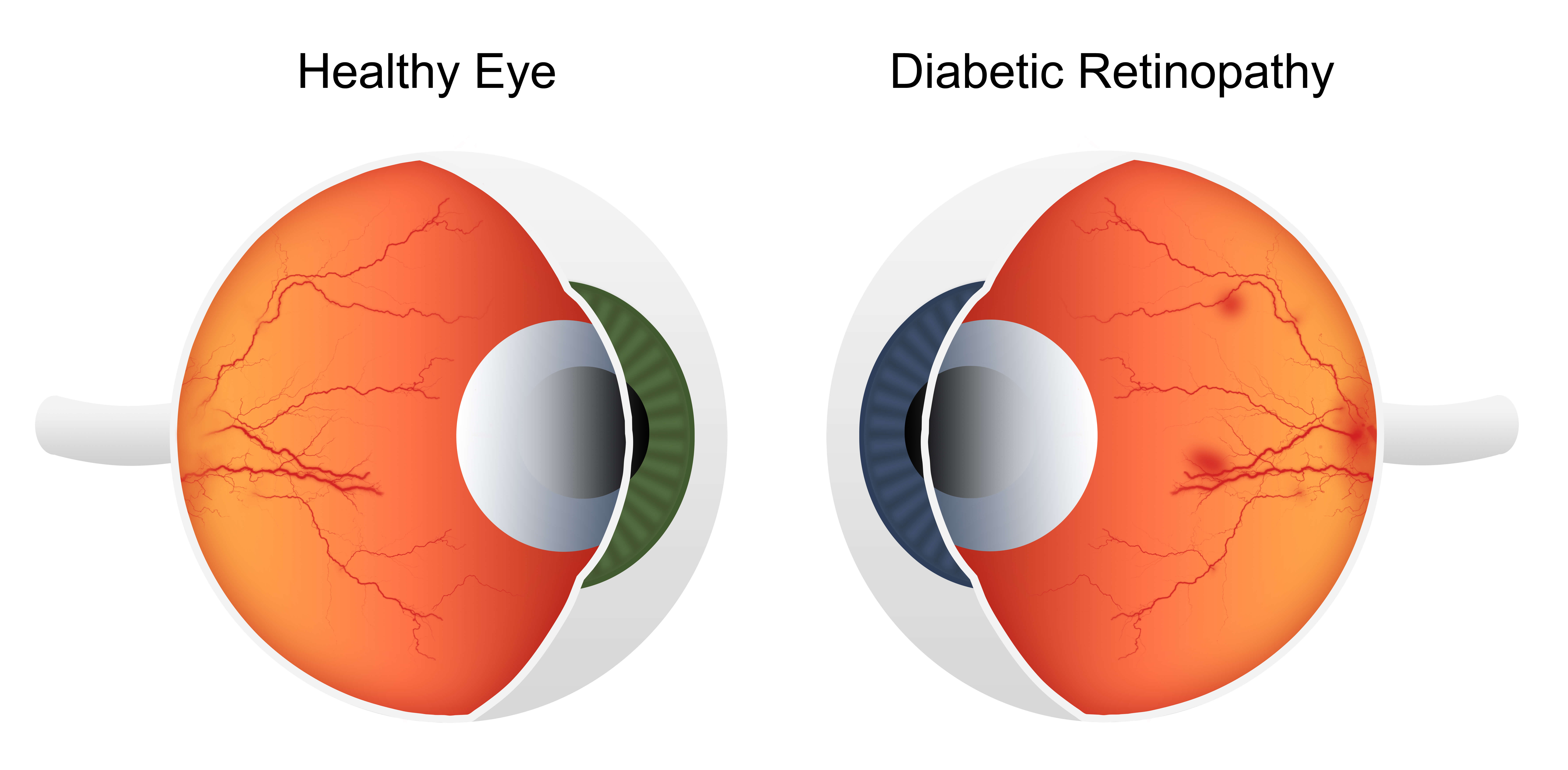
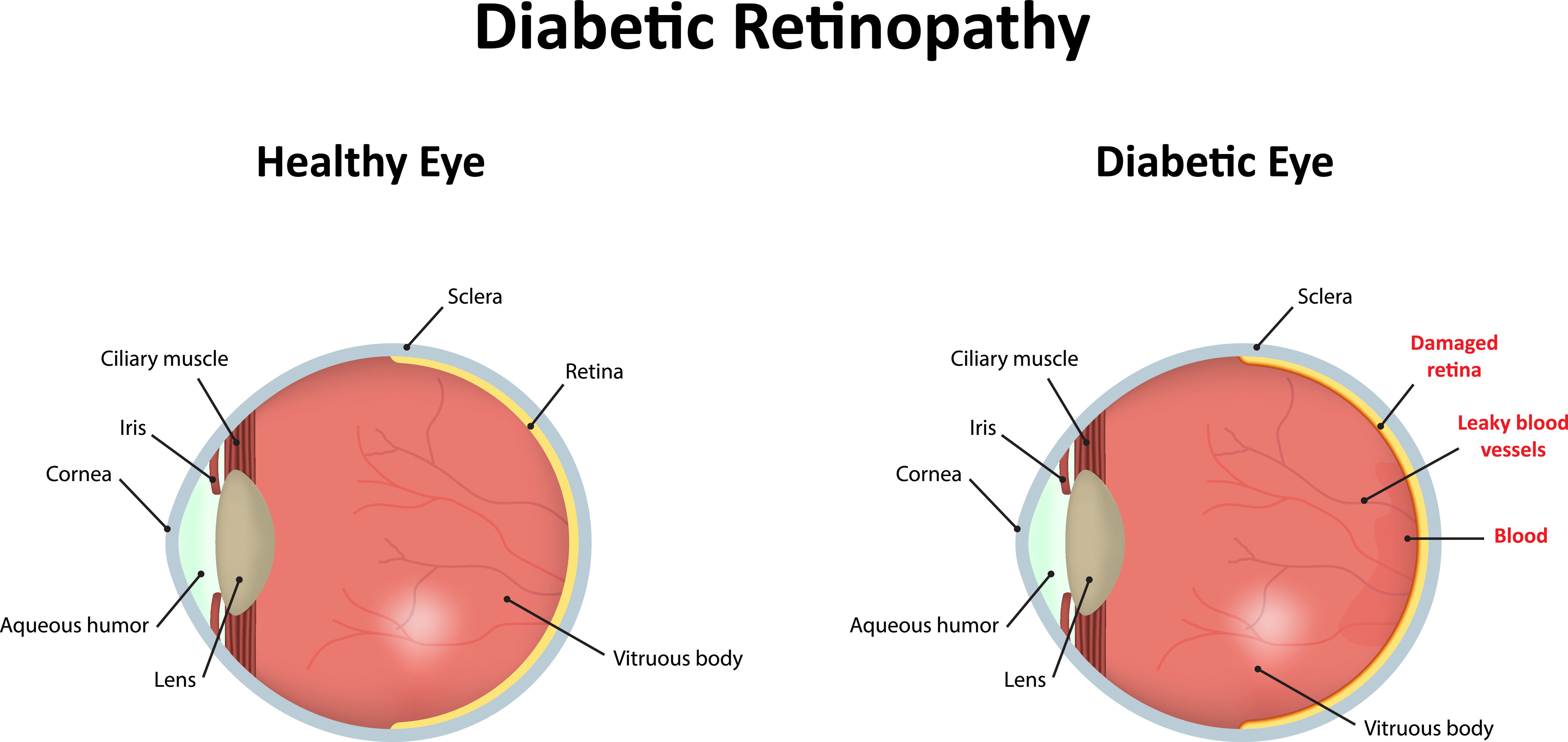
When blood sugar levels (glucose) remain consistently high over long periods, they cause damage throughout the body. In the eyes, this damage primarily targets the tiny, delicate blood vessels in the retina, the light-sensitive tissue at the back of the eye.
The resulting condition is known as diabetic retinopathy, but it's not the only way diabetes complicates eye health. High blood sugar can also affect the focusing ability of the lens and accelerate the development of other common eye diseases.
Understanding these risks is the first critical step toward prevention. When thinking about "Can Diabetes Affect The Eyes," you must realize that early symptoms are often non-existent, making regular screening vital.
Understanding Diabetic Retinopathy: The Primary Threat
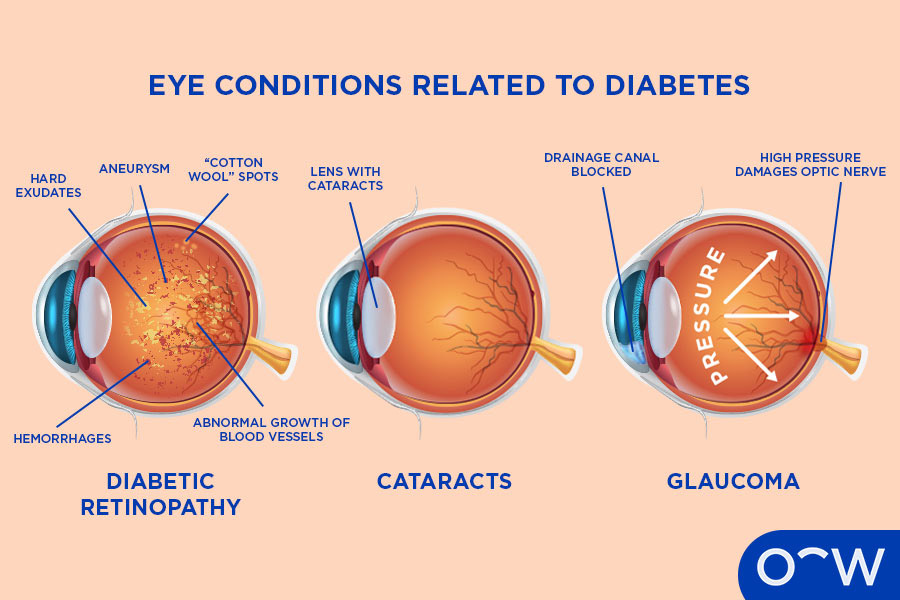
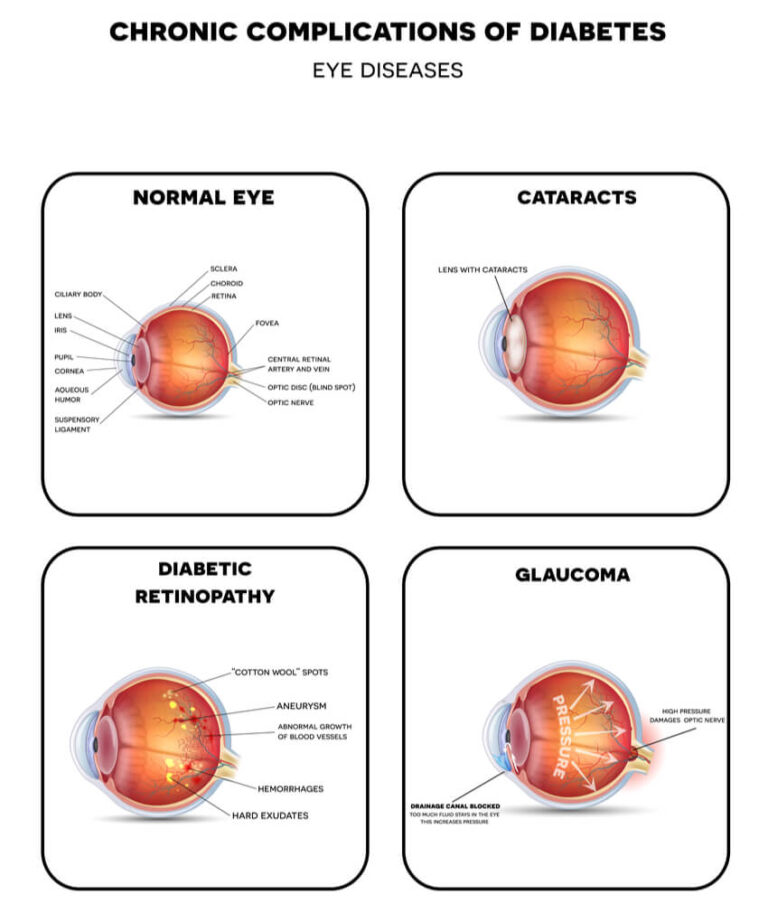
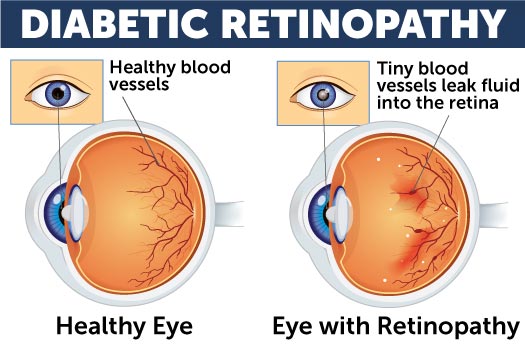
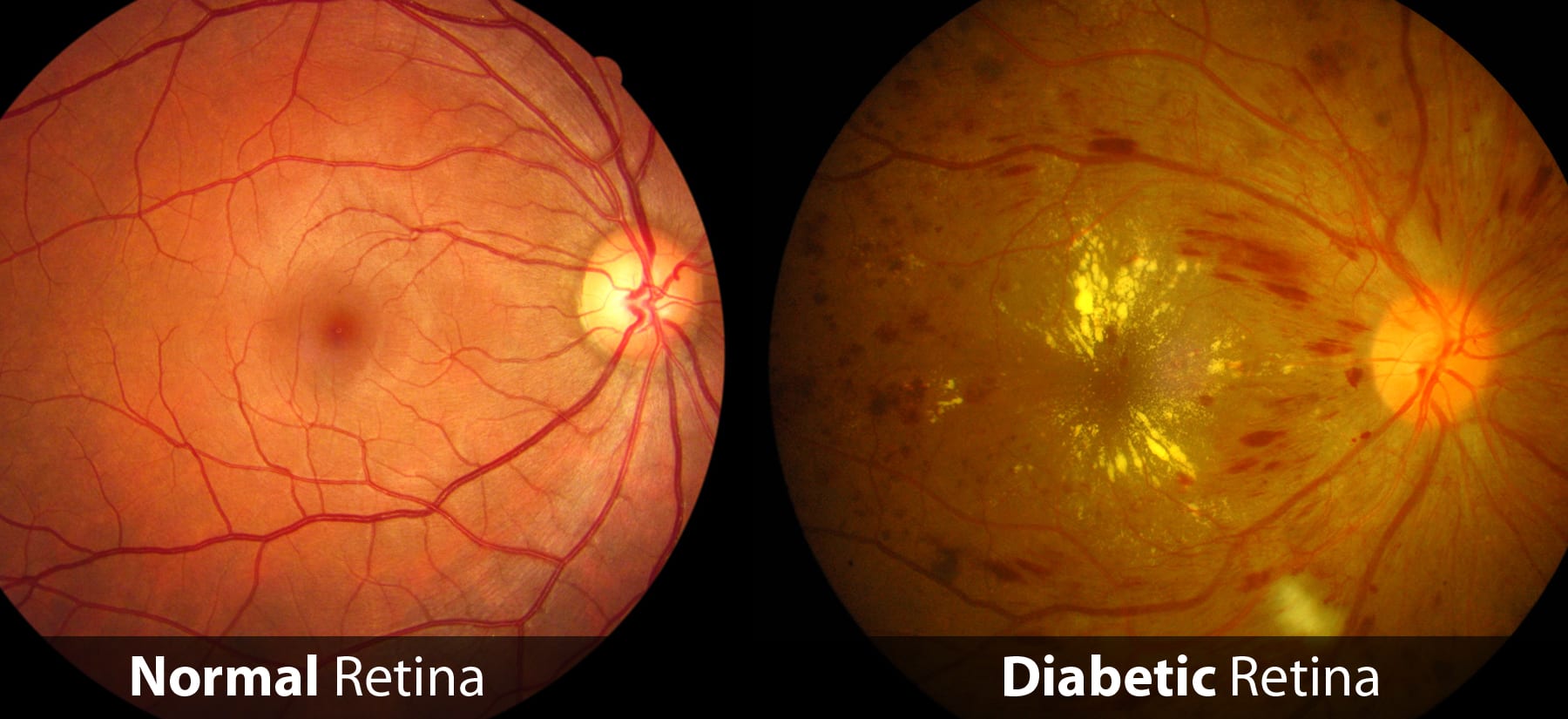
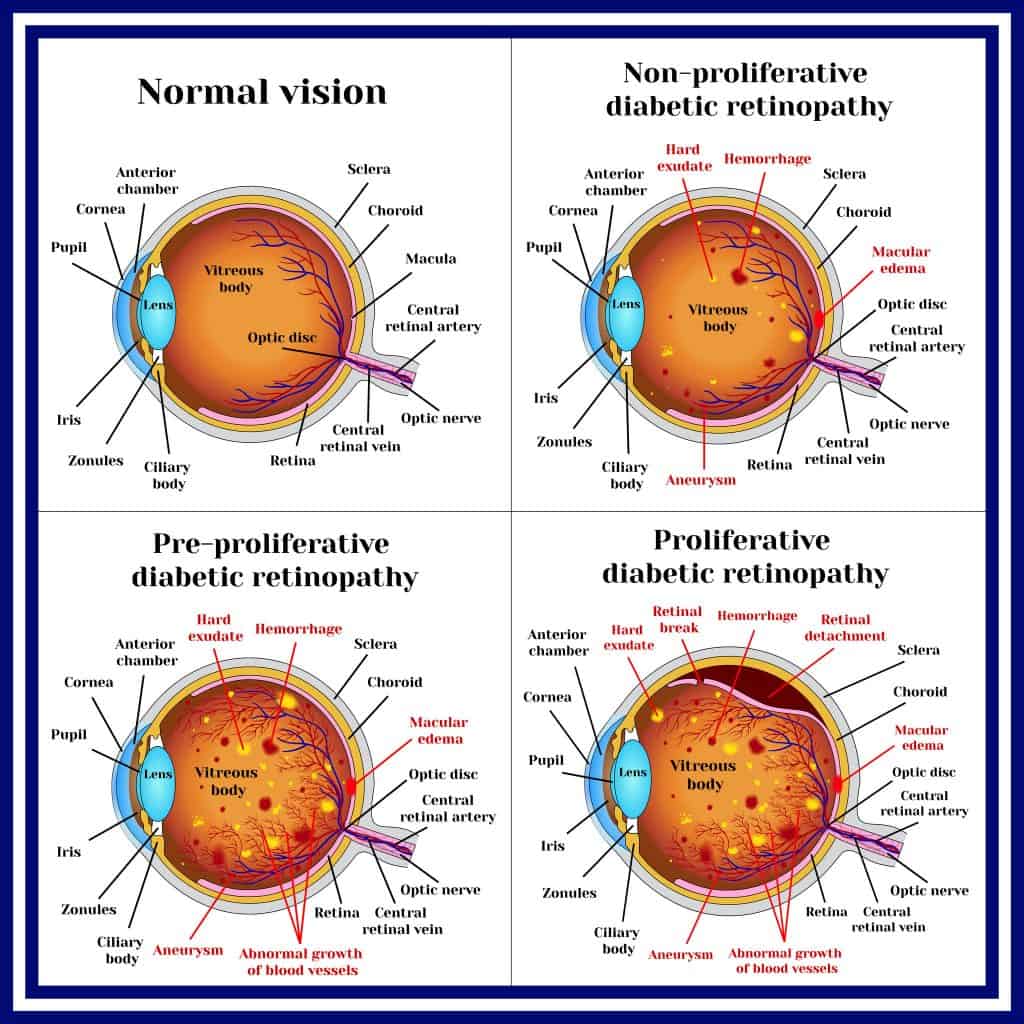
Diabetic retinopathy is by far the most common and serious eye complication associated with both Type 1 and Type 2 diabetes. It occurs when chronic high glucose levels weaken the walls of the blood vessels nourishing the retina.
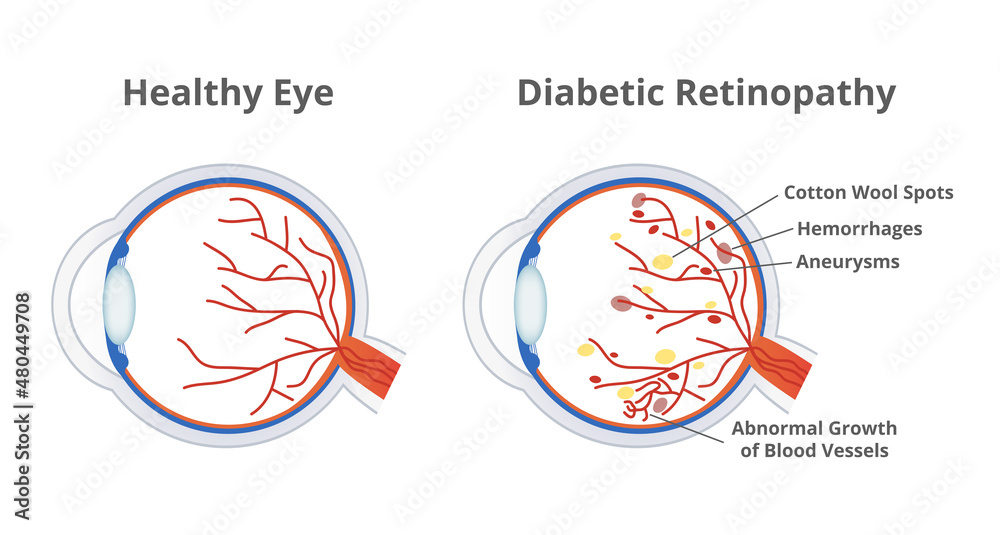
When these vessels are weakened, they can begin to leak fluid, fat, and sometimes blood, causing swelling in the retina. This swelling often affects the macula, the central part of the retina responsible for sharp, detailed vision. This condition is specifically called diabetic macular edema (DME).
If left untreated, the body attempts to repair the damage by growing new, abnormal blood vessels. Unfortunately, these new vessels are fragile, leak easily, and can even scar the retina, leading to serious vision loss or a detached retina.
Stages of Retinopathy: From Mild to Severe
Diabetic retinopathy progresses through distinct phases, and catching it in the earlier stages is key to effective treatment.
- Mild Non-proliferative Retinopathy (NPDR): This is the earliest stage. Tiny swellings called microaneurysms form in the blood vessels, but usually, vision is not affected yet.
- Moderate NPDR: As the disease progresses, more blood vessels become blocked or leak, which changes the appearance of the retina and may begin to affect vision slightly.
- Severe NPDR: Significant blood vessel closure occurs, depriving large areas of the retina of blood supply. This lack of oxygen triggers the growth signal for new, abnormal vessels.
- Proliferative Diabetic Retinopathy (PDR): This is the advanced, sight-threatening stage. New, fragile blood vessels (neovascularization) grow along the retina and the surface of the clear, jelly-like substance (vitreous) that fills the eye. These can bleed heavily or cause traction that pulls the retina away from the back of the eye (retinal detachment).
Other Ways Diabetes Can Affect Your Vision
While diabetic retinopathy is the most frequently discussed complication, diabetes significantly increases the risk for several other serious eye conditions. It's not just the retina that suffers; the entire ocular structure is susceptible to damage from prolonged high blood sugar.
Fluctuating blood sugar levels can also cause temporary blurring of vision. This happens because high glucose levels change the shape and structure of the eye's lens, causing temporary swelling and altering your ability to focus. If your vision suddenly gets blurry after a change in diet or medication, this temporary lens change is often the culprit.
The Double Whammy: Cataracts and Glaucoma
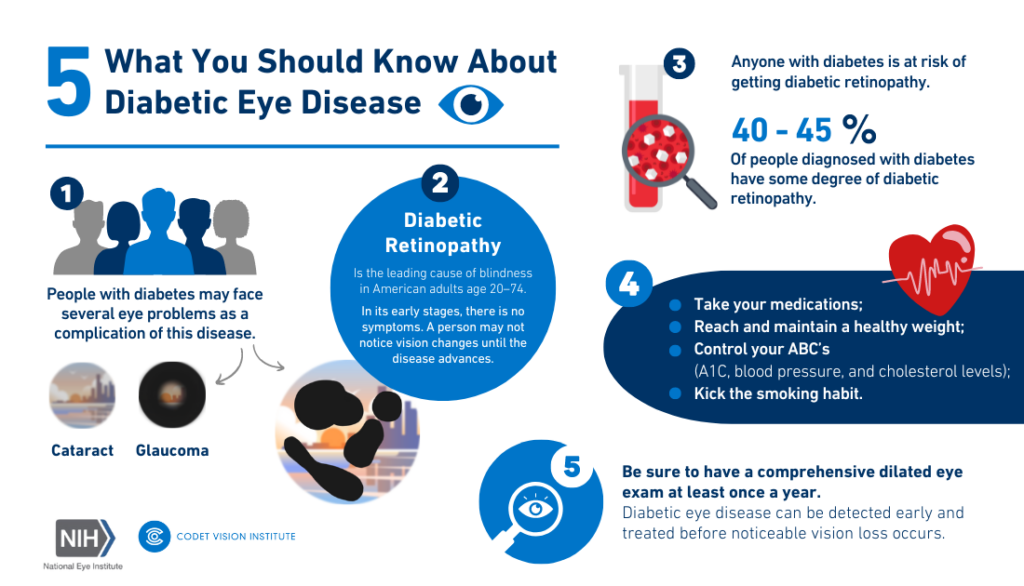
People with diabetes are much more likely to develop cataracts and glaucoma, and often develop them earlier in life than those without diabetes.
Cataracts
A cataract is a clouding of the eye's natural lens, which sits behind the iris and pupil. We all tend to develop cataracts as we age, but diabetes accelerates this process. High blood sugar causes changes in the lens, making it cloudy faster and leading to blurry, hazy vision.
Glaucoma
Glaucoma is a condition where pressure builds up inside the eye (intraocular pressure), damaging the optic nerve—the pathway connecting the eye to the brain. Diabetes doubles the risk of developing certain types of glaucoma. Severe proliferative diabetic retinopathy can cause a specialized type of glaucoma called neovascular glaucoma, which is particularly aggressive.
Why is Blood Sugar Control Crucial for Eye Health?
The mechanism is simple: the body tries to cope with excess sugar by pulling water into tissues to dilute it. In the eye, this causes swelling, which disrupts vision and puts strain on delicate structures.
Furthermore, elevated blood sugar promotes inflammation and oxidative stress, directly contributing to vascular damage and cell death in the retina. Maintaining stable, target A1C levels (as determined by your doctor) is the single most powerful defense against severe complications.
Poorly controlled blood sugar levels can cause:
- Accelerated damage to retinal blood vessel walls.
- Temporary, rapid changes in lens prescription (causing blurred vision).
- Increased frequency of inflammation and infections.
- Rapid progression from mild to severe diabetic retinopathy stages.
Prevention and Early Detection: Protecting Your Sight
The most encouraging takeaway is that severe vision loss from diabetes is largely preventable. Because retinopathy often shows no noticeable symptoms until it is quite advanced, screening and management are paramount.
If you have diabetes, you must be proactive in managing your health, especially if you have been diagnosed for five years or more. Delaying care dramatically increases your risk profile.
Here are the essential steps you must take to protect your vision:
- Get an Annual Dilated Eye Exam: This is non-negotiable. An eye care specialist (optometrist or ophthalmologist) must examine your retina through dilated pupils at least once a year. This allows them to spot early, treatable signs of damage.
- Maintain Target Blood Sugar: Work closely with your healthcare team to keep your A1C, fasting glucose, and post-meal glucose levels within recommended ranges. Stability is more important than occasional low readings.
- Control Blood Pressure and Cholesterol: High blood pressure and high cholesterol dramatically accelerate the damage caused by diabetes to the blood vessels, including those in the eye. Managing these conditions is just as important as managing glucose.
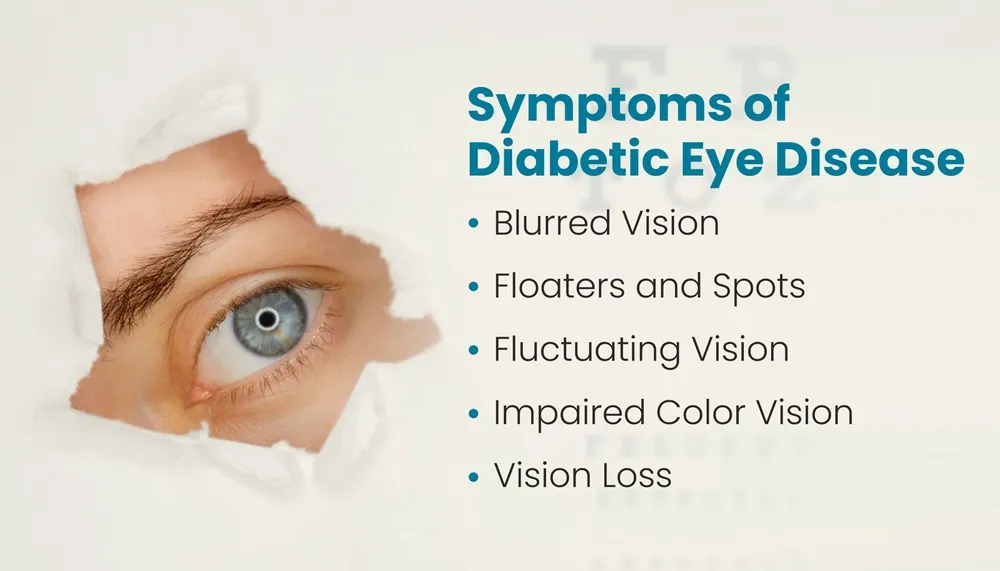
- Know the Symptoms: Be aware of potential changes, such as blurring or wavy vision, seeing dark spots or "floaters," pain or redness in the eyes, or difficulty seeing at night. Report these immediately.
Remember, laser treatment, injections, and surgery are highly effective when retinopathy is caught early. Do not wait for symptoms to appear before seeking an eye exam.
Conclusion: Taking Control of Your Eye Health
So, Can Diabetes Affect The Eyes? Without a doubt. Diabetes significantly increases your risk for diabetic retinopathy, cataracts, and glaucoma. However, being diagnosed with diabetes is not a guarantee of vision loss.
You have the power to protect your eyesight through consistent management. By controlling your blood sugar, maintaining healthy blood pressure, and committing to an annual dilated eye exam, you can drastically reduce the likelihood of developing severe complications and ensure that any issues are caught and treated swiftly.
Prioritize your eye health today—it's a crucial part of living well with diabetes.
Frequently Asked Questions (FAQ)
- What is the first sign that diabetes is affecting my eyes?
- Often, there are no noticeable symptoms in the early stages of diabetic retinopathy. When symptoms do occur, they might include mild blurring of vision (which may come and go) or seeing an increased number of floaters. This is why regular screening is so vital.
- If my blood sugar is controlled now, is the damage reversible?
- While damage to retinal blood vessels is not always completely reversible, strict control of blood sugar can halt the progression of diabetic retinopathy and prevent further severe damage. In cases of temporary vision blurriness due to fluctuating glucose, stability often restores normal vision.
- How often should I have an eye exam if I have diabetes?
- The standard recommendation is a comprehensive, dilated eye exam by an eye care professional at least once per year. If you have existing retinopathy, your doctor may recommend exams more frequently (every 3 to 6 months).
- Does high blood sugar cause temporary blurriness?
- Yes. High glucose levels can cause the lens of the eye to swell. This swelling temporarily changes the eye's focus, leading to blurriness. As blood sugar stabilizes, vision usually returns to normal, though this process can take several weeks.
- Is laser treatment common for diabetic eye problems?
- Yes, laser treatment (photocoagulation) is a common and highly effective treatment for advanced retinopathy (PDR) and significant macular edema. It works by sealing leaking vessels or shrinking abnormal new vessels.
Can Diabetes Affect The Eyes
Can Diabetes Affect The Eyes Wallpapers
Collection of can diabetes affect the eyes wallpapers for your desktop and mobile devices.
Gorgeous Can Diabetes Affect The Eyes Picture Art
This gorgeous can diabetes affect the eyes photo offers a breathtaking view, making it a perfect choice for your next wallpaper.
High-Quality Can Diabetes Affect The Eyes Moment in HD
Explore this high-quality can diabetes affect the eyes image, perfect for enhancing your desktop or mobile wallpaper.
Spectacular Can Diabetes Affect The Eyes Background for Your Screen
Find inspiration with this unique can diabetes affect the eyes illustration, crafted to provide a fresh look for your background.
Serene Can Diabetes Affect The Eyes Image Art
Transform your screen with this vivid can diabetes affect the eyes artwork, a true masterpiece of digital design.
Vivid Can Diabetes Affect The Eyes Artwork Concept
Experience the crisp clarity of this stunning can diabetes affect the eyes image, available in high resolution for all your screens.
Detailed Can Diabetes Affect The Eyes Wallpaper Concept
Explore this high-quality can diabetes affect the eyes image, perfect for enhancing your desktop or mobile wallpaper.
Lush Can Diabetes Affect The Eyes Abstract in 4K
Immerse yourself in the stunning details of this beautiful can diabetes affect the eyes wallpaper, designed for a captivating visual experience.
Exquisite Can Diabetes Affect The Eyes Image in HD
This gorgeous can diabetes affect the eyes photo offers a breathtaking view, making it a perfect choice for your next wallpaper.
Mesmerizing Can Diabetes Affect The Eyes Image Digital Art
Transform your screen with this vivid can diabetes affect the eyes artwork, a true masterpiece of digital design.
Lush Can Diabetes Affect The Eyes Picture Illustration
This gorgeous can diabetes affect the eyes photo offers a breathtaking view, making it a perfect choice for your next wallpaper.

Spectacular Can Diabetes Affect The Eyes Image Collection
Immerse yourself in the stunning details of this beautiful can diabetes affect the eyes wallpaper, designed for a captivating visual experience.
Amazing Can Diabetes Affect The Eyes Wallpaper Nature
Explore this high-quality can diabetes affect the eyes image, perfect for enhancing your desktop or mobile wallpaper.
High-Quality Can Diabetes Affect The Eyes Design in HD
Transform your screen with this vivid can diabetes affect the eyes artwork, a true masterpiece of digital design.

Vivid Can Diabetes Affect The Eyes Landscape in 4K
Explore this high-quality can diabetes affect the eyes image, perfect for enhancing your desktop or mobile wallpaper.
Vivid Can Diabetes Affect The Eyes Capture Digital Art
Explore this high-quality can diabetes affect the eyes image, perfect for enhancing your desktop or mobile wallpaper.
Detailed Can Diabetes Affect The Eyes View Collection
Transform your screen with this vivid can diabetes affect the eyes artwork, a true masterpiece of digital design.
Vivid Can Diabetes Affect The Eyes Design Art
Experience the crisp clarity of this stunning can diabetes affect the eyes image, available in high resolution for all your screens.
Exquisite Can Diabetes Affect The Eyes Wallpaper Illustration
Find inspiration with this unique can diabetes affect the eyes illustration, crafted to provide a fresh look for your background.
High-Quality Can Diabetes Affect The Eyes Capture Illustration
Discover an amazing can diabetes affect the eyes background image, ideal for personalizing your devices with vibrant colors and intricate designs.
Captivating Can Diabetes Affect The Eyes View in 4K
Find inspiration with this unique can diabetes affect the eyes illustration, crafted to provide a fresh look for your background.
Download these can diabetes affect the eyes wallpapers for free and use them on your desktop or mobile devices.