Complications Of Polio
Polio, or poliomyelitis, is a devastating infectious disease caused by the poliovirus. While largely eradicated in many parts of the world thanks to widespread vaccination efforts, understanding the potential complications of polio remains crucial. For those who contracted the virus before vaccination became common, or in regions where it still poses a threat, the aftermath can be life-altering. This article aims to shed light on the various health challenges, both immediate and long-term, that individuals might face if affected by polio.
It's a serious topic, but we'll walk through it together, explaining things clearly and informatively. Our goal here is to give you a comprehensive understanding of what can happen when polio strikes, focusing on the lasting effects and complications of polio.
Understanding Polio and Its Initial Impact
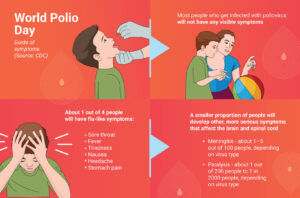
Before diving into the specific complications, let's briefly touch upon how polio affects the body. The poliovirus primarily targets the nervous system, specifically the motor neurons in the spinal cord and brainstem. This attack on nerve cells is what leads to the most feared symptom: paralysis. However, not everyone who contracts the virus develops severe symptoms; about 95% of infections are asymptomatic or result in mild flu-like symptoms.
For the unfortunate few who develop paralytic polio, the journey is often marked by a range of acute complications that require immediate medical attention. These initial challenges set the stage for many of the long-term issues that we will discuss later.
Acute Complications: The Immediate Dangers
When the poliovirus invades the nervous system, it can lead to a rapid onset of severe symptoms. These acute complications of polio are often life-threatening and require intensive medical care. They represent the most critical phase of the disease, and survival often depends on the quality of medical intervention received.
Understanding these immediate dangers helps us appreciate the full scope of what polio can do. The damage inflicted during this stage can have permanent repercussions, influencing the long-term prognosis for affected individuals.
Respiratory Failure
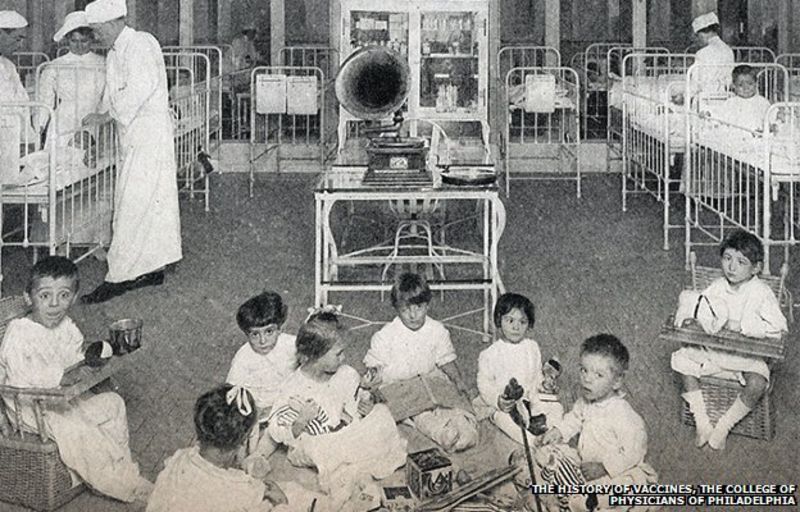
One of the most terrifying acute complications of polio is respiratory failure. This occurs when the virus affects the nerves that control the muscles responsible for breathing, such as the diaphragm and intercostal muscles. Patients can find themselves unable to breathe on their own, a condition that historically led to the use of "iron lung" ventilators.
Without mechanical ventilation, respiratory failure is fatal. Even with support, prolonged periods on a ventilator can lead to other complications like pneumonia and muscle wasting, further exacerbating the patient's fragile condition.
Myocarditis
Though less common than paralysis, myocarditis, an inflammation of the heart muscle, can also occur during the acute phase of polio. When the virus affects heart tissue, it can impair the heart's ability to pump blood effectively. This can lead to symptoms like chest pain, shortness of breath, and an irregular heartbeat.
Myocarditis is a serious complication that can lead to heart failure or other life-threatening cardiac problems. Its occurrence highlights the systemic nature of polio and its ability to impact multiple organ systems beyond just the nervous system.
Paralysis
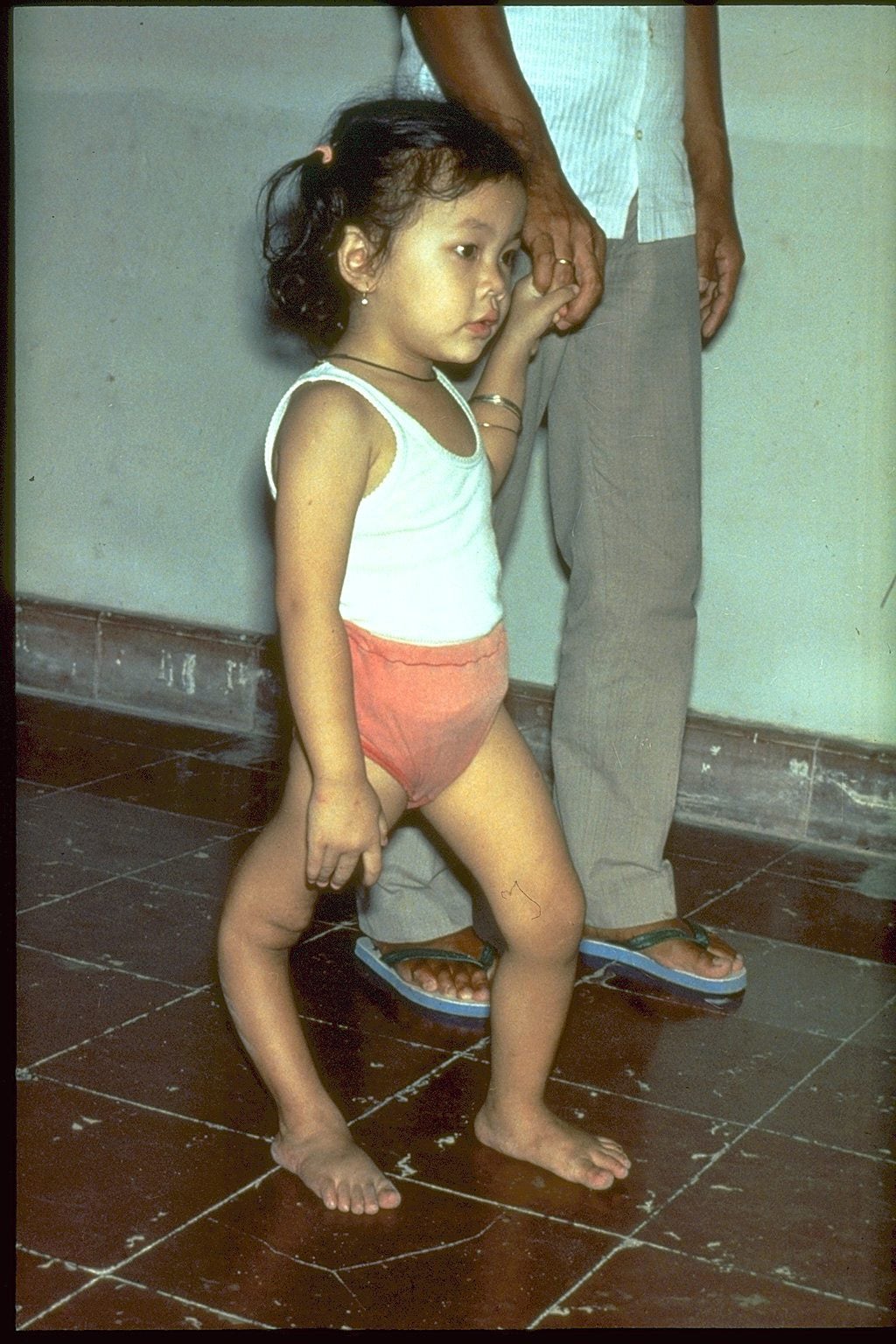
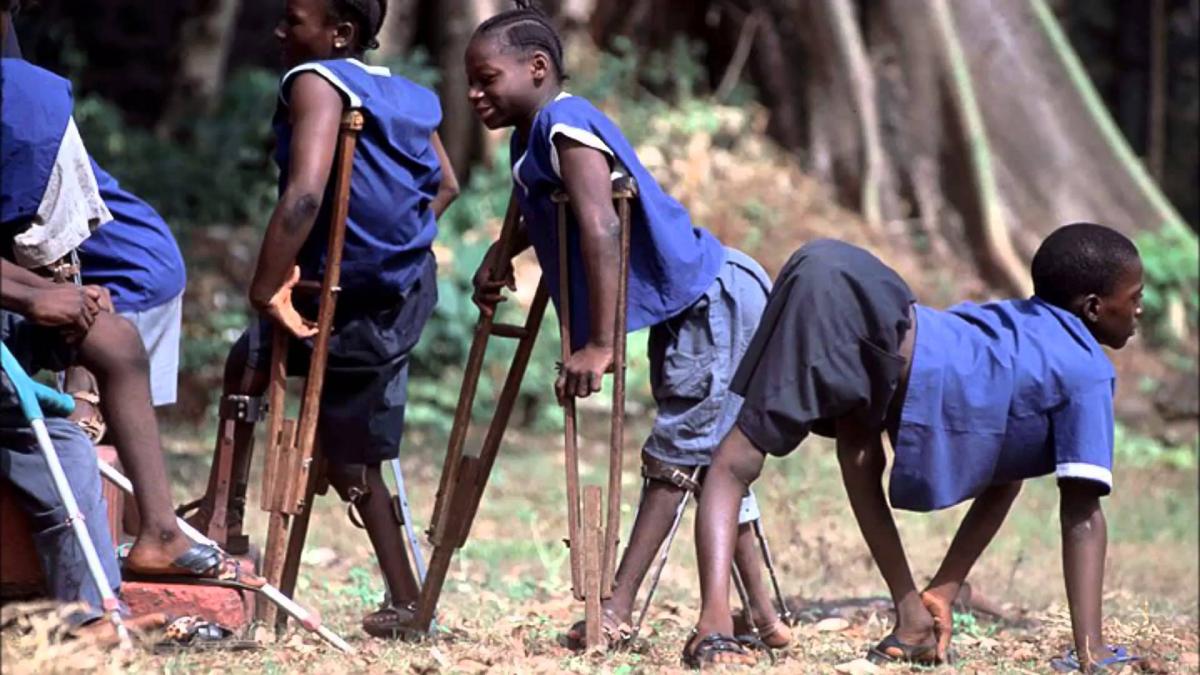
Perhaps the most well-known and feared of the acute complications of polio is paralysis. This can range from mild muscle weakness to complete paralysis of limbs, often asymmetrical. The type and extent of paralysis depend on which motor neurons are damaged by the virus.
Spinal polio, the most common form, results in paralysis of the legs, arms, or trunk. Bulbar polio affects the brainstem, leading to weakness in the muscles involved in swallowing, speaking, and breathing. Bulbospinal polio combines both, presenting a particularly severe challenge. The onset of paralysis is usually rapid, developing over hours or days.
Long-Term Complications: Life After Polio
For those who survive the acute phase of polio, the journey doesn't end there. Many individuals live with a range of persistent and evolving health issues that are part of the long-term complications of polio. These challenges can significantly impact quality of life and often require ongoing medical management and adaptive strategies.
It's important to understand that even after apparent recovery, the initial damage from the virus can lead to new symptoms decades later. This delayed onset of problems is a unique and often unexpected aspect of living with polio's legacy.
Post-Polio Syndrome (PPS)
Perhaps the most significant long-term complication of polio is Post-Polio Syndrome (PPS). This condition affects a substantial percentage of polio survivors, often emerging 15 to 40 years after the initial infection. PPS is characterized by a gradual onset of new muscle weakness, fatigue, and pain, often in muscles that were either previously affected or seemingly unaffected.
The exact cause of PPS isn't fully understood, but it's believed to be related to the overuse and eventual degeneration of motor neurons that survived the initial polio infection. These surviving neurons were forced to "sprout" new connections to compensate for damaged ones, leading to excessive workload and eventual exhaustion.
Symptoms of PPS
The symptoms of PPS can be quite debilitating and often progressive. They can significantly impact daily activities and independence. Recognizing these symptoms is key to getting a proper diagnosis and management plan.
- Progressive new muscle weakness (in previously affected or unaffected muscles)
- Overwhelming fatigue, often described as a "brain fog" or extreme exhaustion
- Muscle and joint pain, often worse with activity or cold weather
- Trouble with breathing or swallowing (dysphagia)
- Sleep apnea or other sleep disorders
- Reduced tolerance to cold temperatures
- Muscle atrophy (wasting)
These symptoms can fluctuate in severity and can be challenging to manage, making PPS a complex long-term complication of polio.
Managing PPS
Currently, there is no cure for PPS, so treatment focuses on managing symptoms and improving quality of life. A multidisciplinary approach involving neurologists, physical therapists, occupational therapists, and pain management specialists is often necessary. Strategies include energy conservation techniques, assistive devices, gentle exercise, and medications to manage pain or fatigue.
Lifestyle adjustments are crucial, as overexertion can worsen symptoms. Learning to pace oneself and adapt activities is a vital part of living with PPS. Early diagnosis and intervention can help slow progression and minimize its impact.
Other Persistent Issues
Beyond PPS, individuals who had polio can face a myriad of other persistent health challenges due to the initial damage to their nervous system and the compensatory changes their bodies made over time. These issues further highlight the broad spectrum of complications of polio.
These challenges can include musculoskeletal problems, ongoing respiratory difficulties, and even psychological impacts that stem from living with a chronic condition and its limitations.
Orthopedic Deformities
Muscle weakness and paralysis can lead to various orthopedic complications. Imbalances in muscle strength can cause bones and joints to develop abnormally, leading to deformities like scoliosis (curvature of the spine), contractures (shortening of muscles and tendons), and joint instability. These issues can further impair mobility and cause chronic pain.
Corrective surgeries, braces, and ongoing physical therapy are often necessary to manage these orthopedic problems. The goal is to maintain as much function and comfort as possible, addressing the physical manifestations of the complications of polio.
Swallowing and Breathing Difficulties (Chronic)
Even if patients recovered from acute respiratory or bulbar polio, they might experience lingering or worsening difficulties with breathing and swallowing decades later. This is often a component of PPS but can also exist independently. Chronic respiratory insufficiency can lead to fatigue, sleep disturbances, and an increased risk of respiratory infections.
Swallowing difficulties (dysphagia) can lead to choking, aspiration pneumonia, and malnutrition. Managing these issues often involves speech therapy, dietary modifications, and sometimes non-invasive ventilation at night or even during the day.
Psychological and Social Impact
Living with the long-term complications of polio, particularly the progressive nature of PPS, can take a significant toll on mental and emotional well-being. Individuals may experience depression, anxiety, frustration, and a sense of loss as their physical abilities decline further. The unpredictable nature of PPS symptoms can also be a source of stress.
Socially, adaptations might be necessary, and there can be feelings of isolation or a struggle to maintain independence. Support groups, counseling, and accessible community resources play a vital role in helping polio survivors cope with these profound psychological and social challenges.
Prevention: The Best Defense
Given the wide range of severe and often debilitating complications of polio, it becomes abundantly clear that prevention is not just important—it's paramount. The good news is that polio is largely preventable through vaccination. Eradicating this disease globally is an ongoing effort, and every vaccination contributes to this critical goal.
It's a testament to modern medicine that such a devastating illness can be avoided with a simple, safe, and effective vaccine. This section highlights why protecting against polio is so vital.
The Importance of Vaccination
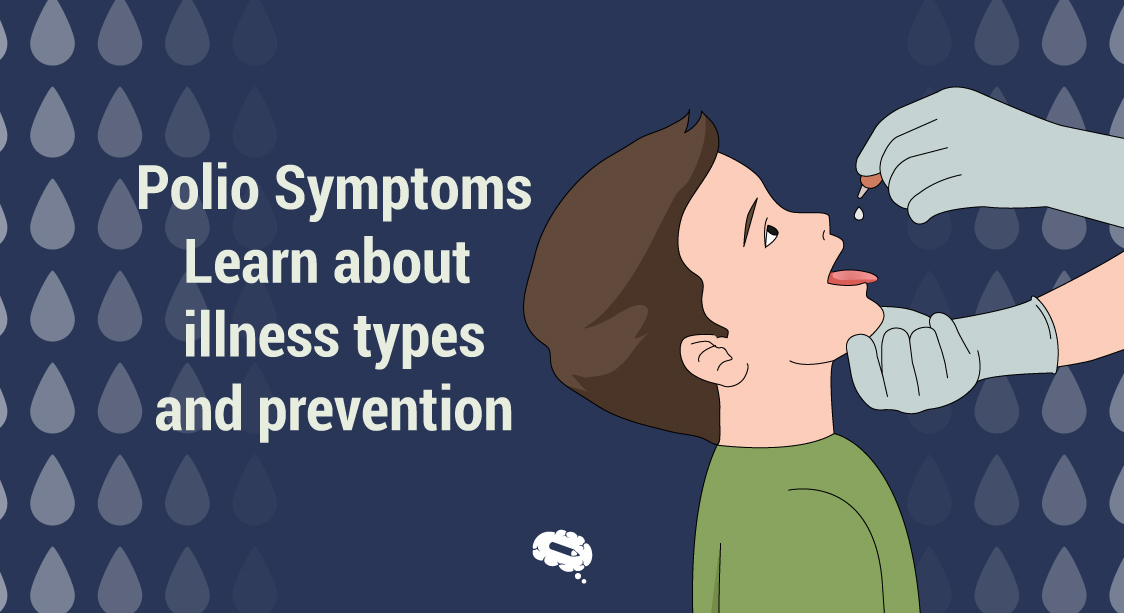
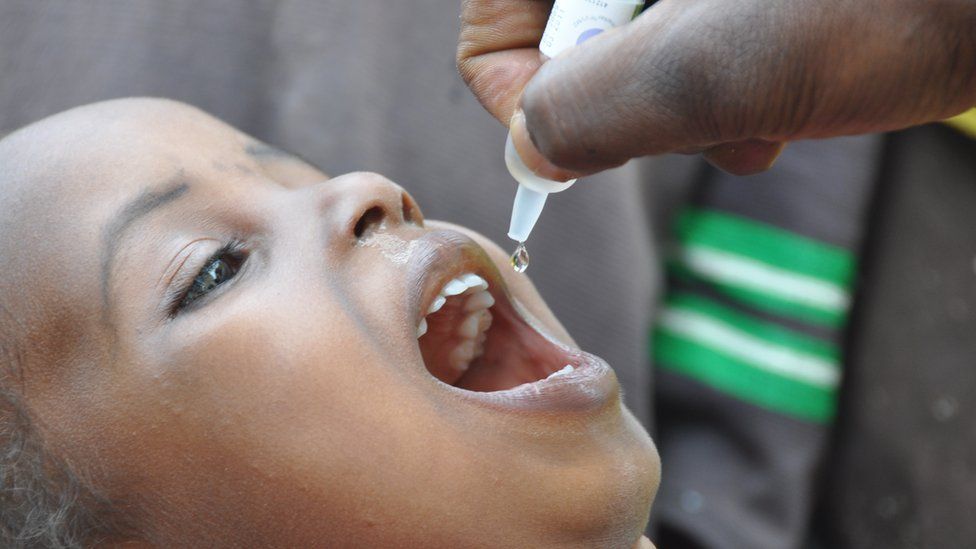
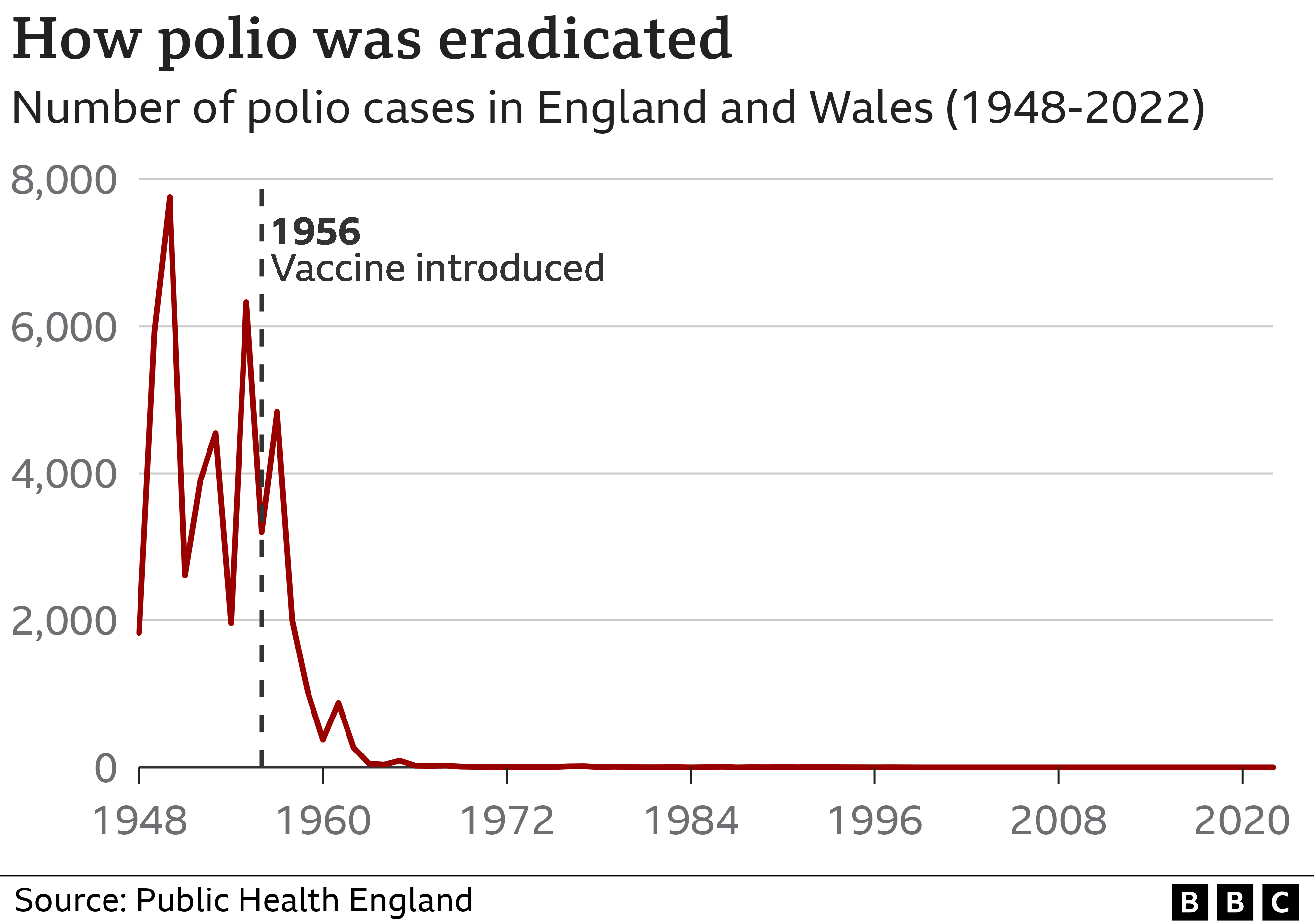
The polio vaccine has been instrumental in dramatically reducing the incidence of polio worldwide. It protects individuals from contracting the virus and, crucially, helps achieve herd immunity, preventing its spread within communities. Two main types of vaccines are used: the inactivated poliovirus vaccine (IPV) and the oral poliovirus vaccine (OPV).
Ensuring high vaccination rates is the most effective strategy to prevent new cases of polio and, by extension, to prevent the acute and long-term complications of polio. Global efforts continue to ensure every child receives this life-saving protection, moving closer to a world free from this debilitating disease.
The complications of polio, ranging from acute paralysis and respiratory failure to the long-term challenges of Post-Polio Syndrome and orthopedic deformities, paint a sobering picture of this devastating disease. We've explored how the poliovirus can impact the body, leading to immediate dangers and evolving health issues decades after the initial infection. From muscle weakness and debilitating fatigue to swallowing difficulties and profound psychological impacts, living with the aftermath of polio requires immense resilience and ongoing medical support. The good news, however, is that this entire spectrum of suffering is largely preventable. The polio vaccine stands as a monumental achievement in public health, offering effective protection against the virus and its life-altering complications. By understanding these complications and championing vaccination efforts, we move closer to a world where the severe effects of polio are a relic of the past.
FAQ: Understanding Complications Of Polio
- What are the immediate complications of polio?
- The immediate, or acute, complications of polio primarily include paralysis (affecting limbs, breathing, or swallowing muscles), respiratory failure requiring mechanical ventilation, and, less commonly, myocarditis (inflammation of the heart muscle).
- What is Post-Polio Syndrome (PPS)?
- Post-Polio Syndrome (PPS) is a condition that affects polio survivors many years (15-40 years) after their initial recovery. It's characterized by new or worsening muscle weakness, overwhelming fatigue, and muscle and joint pain, often in muscles previously affected by polio or thought to be spared.
- Can polio affect breathing in the long term?
- Yes, chronic breathing difficulties are a significant long-term complication of polio, particularly if the initial infection affected respiratory muscles or the brainstem. This can manifest as sleep apnea, fatigue, or the need for respiratory support years later, often as part of Post-Polio Syndrome.
- Are the complications of polio treatable?
- While there's no cure for polio itself or for Post-Polio Syndrome, many of the complications can be managed through various treatments. These include physical therapy, occupational therapy, assistive devices, pain management, respiratory support, and lifestyle modifications to conserve energy.
- How can I prevent complications of polio?
- The most effective way to prevent all complications of polio is through vaccination. The polio vaccine is highly effective in preventing infection by the poliovirus, thereby eliminating the risk of developing acute paralysis and subsequent long-term issues like Post-Polio Syndrome.
Complications Of Polio
Complications Of Polio Wallpapers
Collection of complications of polio wallpapers for your desktop and mobile devices.
Captivating Complications Of Polio Image Photography
A captivating complications of polio scene that brings tranquility and beauty to any device.
Vibrant Complications Of Polio Capture for Your Screen
Transform your screen with this vivid complications of polio artwork, a true masterpiece of digital design.

Mesmerizing Complications Of Polio Picture for Mobile
Transform your screen with this vivid complications of polio artwork, a true masterpiece of digital design.

High-Quality Complications Of Polio Wallpaper Concept
Transform your screen with this vivid complications of polio artwork, a true masterpiece of digital design.
Captivating Complications Of Polio Landscape in HD
This gorgeous complications of polio photo offers a breathtaking view, making it a perfect choice for your next wallpaper.
Detailed Complications Of Polio Landscape for Your Screen
Discover an amazing complications of polio background image, ideal for personalizing your devices with vibrant colors and intricate designs.

Beautiful Complications Of Polio Artwork in 4K
Discover an amazing complications of polio background image, ideal for personalizing your devices with vibrant colors and intricate designs.

Exquisite Complications Of Polio Capture Digital Art
Immerse yourself in the stunning details of this beautiful complications of polio wallpaper, designed for a captivating visual experience.

Mesmerizing Complications Of Polio Wallpaper Concept
Discover an amazing complications of polio background image, ideal for personalizing your devices with vibrant colors and intricate designs.

Vibrant Complications Of Polio Moment Nature
Discover an amazing complications of polio background image, ideal for personalizing your devices with vibrant colors and intricate designs.

Detailed Complications Of Polio Landscape Concept
Explore this high-quality complications of polio image, perfect for enhancing your desktop or mobile wallpaper.

Captivating Complications Of Polio Scene Concept
Immerse yourself in the stunning details of this beautiful complications of polio wallpaper, designed for a captivating visual experience.

Detailed Complications Of Polio Wallpaper Art
Transform your screen with this vivid complications of polio artwork, a true masterpiece of digital design.
Vibrant Complications Of Polio Moment for Mobile
Explore this high-quality complications of polio image, perfect for enhancing your desktop or mobile wallpaper.
Serene Complications Of Polio Scene for Your Screen
Discover an amazing complications of polio background image, ideal for personalizing your devices with vibrant colors and intricate designs.
Breathtaking Complications Of Polio Image in HD
Discover an amazing complications of polio background image, ideal for personalizing your devices with vibrant colors and intricate designs.

Stunning Complications Of Polio Photo Illustration
Immerse yourself in the stunning details of this beautiful complications of polio wallpaper, designed for a captivating visual experience.

Mesmerizing Complications Of Polio Scene Collection
Transform your screen with this vivid complications of polio artwork, a true masterpiece of digital design.

Gorgeous Complications Of Polio Image for Your Screen
This gorgeous complications of polio photo offers a breathtaking view, making it a perfect choice for your next wallpaper.
Captivating Complications Of Polio Picture Digital Art
Find inspiration with this unique complications of polio illustration, crafted to provide a fresh look for your background.
Download these complications of polio wallpapers for free and use them on your desktop or mobile devices.