Complications Of Poliomyelitis
If you're reading this, chances are you or someone you care about has been affected by poliomyelitis, commonly known as polio. While the initial infection can be devastating, the journey doesn't always end there. Many individuals who survived polio, sometimes decades ago, face a range of challenges known as the Complications Of Poliomyelitis. Understanding these long-term effects is crucial for managing them effectively and improving quality of life.
Polio, caused by the poliovirus, primarily affects the nervous system, leading to muscle weakness and paralysis. For those who recovered from the acute phase, a sense of relief often set in. However, the virus's impact can sometimes manifest years later, bringing new and unexpected symptoms. Let's dive into what these complications are and how they can affect daily life.
Understanding the Lingering Effects of Polio
Polio is an infectious disease that once crippled millions worldwide. Thanks to global vaccination efforts, its prevalence has dramatically decreased. Yet, for those who contracted the disease before vaccines were widespread, the battle often continues long after the initial infection has passed.
The poliovirus damages motor neurons in the spinal cord and brainstem, which are responsible for sending signals from the brain to the muscles. While some neurons die, others that survive can sprout new connections to reinnervate orphaned muscle fibers. This compensation allows for recovery and improved muscle function after the acute illness.
However, these overtaxed neurons can eventually wear out or become dysfunctional, leading to new or worsening symptoms years later. This delayed impact is a key aspect of the Complications Of Poliomyelitis. It's important to remember that these are not new infections but rather late manifestations of the original damage.
Post-Polio Syndrome (PPS): A Common Concern
One of the most recognized and prevalent Complications Of Poliomyelitis is Post-Polio Syndrome (PPS). This condition affects an estimated 25% to 60% of individuals who previously had paralytic polio, typically appearing 15 to 40 years after the initial infection. PPS is characterized by a set of new symptoms or a worsening of existing ones, often impacting daily activities.
The exact cause of PPS is still being researched, but the prevailing theory suggests that the remaining motor neurons, which worked overtime for decades to compensate for lost neurons, eventually become fatigued and dysfunctional. This leads to a gradual, progressive decline in muscle function and overall well-being. Recognizing PPS is the first step towards managing its challenges.
Key Symptoms of Post-Polio Syndrome
PPS can manifest in various ways, and symptoms can range from mild to severely debilitating. It's crucial to be aware of these signs if you or someone you know experienced polio in the past. Here are the most common symptoms associated with Post-Polio Syndrome:
- Progressive Muscle Weakness: This is often observed in muscles that were initially affected by polio, but it can also appear in previously unaffected muscles. It's a gradual loss of strength.
- Unusual Fatigue: A profound, overwhelming tiredness that is not relieved by rest and significantly impacts daily functioning. This isn't just regular tiredness; it's an extreme exhaustion.
- Muscle and Joint Pain: Persistent pain often results from weakened muscles, joint instability, and compensatory movements that put extra stress on the body. This can be very disruptive.
- Breathing and Swallowing Difficulties: If the original polio infection affected the brainstem, these issues can re-emerge or worsen. This can lead to aspiration or respiratory insufficiency.
- Sleep Apnea: Breathing disturbances during sleep, which can lead to daytime fatigue and other health problems. Monitoring sleep quality is important.
- Cold Intolerance: Many individuals with PPS report increased sensitivity to cold temperatures, often in affected limbs. This can make certain environments uncomfortable.
- Muscle Atrophy: A decrease in muscle mass, leading to visible shrinking of muscles, especially in limbs. This is directly related to the loss of functional motor neurons.
Other Neurological Complications
Beyond Post-Polio Syndrome, individuals who survived polio may experience other significant neurological complications that can profoundly affect their quality of life. These issues are direct consequences of the initial damage to the central nervous system caused by the poliovirus.
Understanding these distinct, yet sometimes overlapping, challenges is important for a comprehensive approach to care. These conditions often require specialized medical attention and adaptive strategies to manage effectively.
- Persistent Muscle Weakness and Atrophy (beyond PPS): Even without developing full-blown PPS, individuals can live with varying degrees of chronic muscle weakness and wasting. This can limit mobility, balance, and the ability to perform daily tasks, requiring the use of assistive devices or modifications to their environment.
- Scoliosis and Skeletal Deformities: Uneven muscle weakness can lead to imbalances in the spine and limbs. This often results in scoliosis (curvature of the spine), joint deformities, and discrepancies in leg length. These skeletal problems can cause chronic pain, affect posture, and make walking or sitting comfortably very difficult.
- Speech and Swallowing Problems (Dysphagia): If the poliovirus affected the bulbar region of the brainstem, which controls muscles for speech and swallowing, individuals may experience dysphagia. This makes eating and drinking challenging, increasing the risk of choking and aspiration pneumonia, and impacting nutrition.
- Breathing Difficulties (Respiratory Paralysis): In severe cases of acute polio, respiratory muscles could be paralyzed, necessitating mechanical ventilation (e.g., iron lung). While many recovered, some individuals experience lifelong respiratory weakness, making them susceptible to breathing problems, especially during illness or sleep.
Non-Neurological Challenges
The Complications Of Poliomyelitis aren't solely confined to the neurological system. The ripple effects of long-term muscle weakness, immobility, and altered body mechanics can lead to a variety of other health issues. These non-neurological challenges are often secondary to the primary neurological damage but are no less impactful on a person's overall health and well-being.
Addressing these related problems is an integral part of comprehensive care for polio survivors. They highlight the systemic impact that a localized neurological condition can have on the entire body. It's a testament to the interconnectedness of our bodily systems.
- Cardiovascular Issues: While not a direct neurological complication, reduced mobility and activity levels often associated with polio complications can increase the risk of cardiovascular disease, including hypertension and heart disease. It's important to maintain as active a lifestyle as possible.
- Urinary and Bowel Problems: Weakness in abdominal and pelvic muscles can contribute to bladder and bowel dysfunction, leading to issues like constipation, urinary incontinence, or difficulty emptying the bladder. These can be uncomfortable and impact daily routines.
- Mental Health Impacts: Living with chronic pain, progressive weakness, and the challenges of a debilitating condition can take a significant toll on mental health. Depression, anxiety, and social isolation are common among polio survivors dealing with new or worsening symptoms. Seeking mental health support is just as important as physical therapy.
- Osteoporosis: Prolonged immobility or reduced weight-bearing activity in affected limbs can lead to decreased bone density, making bones more fragile and susceptible to fractures. Regular monitoring and appropriate interventions are crucial.
Managing and Living with Polio Complications
Living with the Complications Of Poliomyelitis requires a proactive and multidisciplinary approach. While there's no cure for PPS or the direct neurological damage from polio, many strategies can help manage symptoms, maintain function, and improve quality of life. The key is to work closely with healthcare professionals who understand these unique challenges.
Empowerment through information and effective management strategies is vital. It's about adapting to changes and finding ways to live as independently and comfortably as possible. Remember, you're not alone in facing these challenges.
- Diagnosis and Medical Evaluation: If you suspect you're experiencing new or worsening symptoms, it's crucial to consult a doctor experienced in neuromuscular disorders or polio complications. A thorough medical history, neurological examination, and sometimes electromyography (EMG) can help confirm a diagnosis and rule out other conditions.
- Rehabilitation Therapy: Physical therapy (PT) and occupational therapy (OT) are cornerstones of management. PT can help with exercises to maintain strength, improve balance, and prevent contractures without overworking muscles. OT focuses on adapting daily tasks and environments to conserve energy and improve independence.
- Assistive Devices: Braces, crutches, walkers, wheelchairs, and orthotics can provide support, reduce strain on weak muscles, and enhance mobility. Respiratory aids like CPAP machines might be necessary for breathing difficulties. These tools can make a significant difference.
- Lifestyle Adjustments: Energy conservation techniques are vital for managing fatigue. Pacing activities, taking frequent rests, and avoiding overexertion can prevent symptom flare-ups. Maintaining a balanced diet and a healthy weight also supports overall well-being.
- Medication and Pain Management: While there are no specific medications for PPS itself, drugs can help manage specific symptoms like pain, depression, or sleep disturbances. A pain specialist can offer various strategies, including medication, physical therapy, and alternative therapies.
- Support Groups: Connecting with others who understand your experiences can be incredibly beneficial. Polio survivor support groups offer emotional support, practical advice, and a sense of community.
Conclusion
The journey with poliomyelitis often extends far beyond the initial infection, with many survivors facing the complex and often challenging Complications Of Poliomyelitis years or even decades later. Conditions like Post-Polio Syndrome, along with persistent muscle weakness, skeletal deformities, and other neurological and non-neurological issues, require ongoing attention and care.
While these complications can be daunting, understanding them is the first step toward effective management. Through a combination of accurate diagnosis, rehabilitation therapies, assistive devices, lifestyle adjustments, and strong support networks, individuals can significantly improve their quality of life. Awareness and proactive engagement with healthcare providers are key to navigating these lasting effects.
FAQ: Complications Of Poliomyelitis
- What is Post-Polio Syndrome (PPS)?
- PPS is a condition that affects polio survivors years after their initial recovery. It's characterized by new or worsening symptoms such as progressive muscle weakness, fatigue, and pain, resulting from the overexertion and eventual decline of motor neurons that compensated for those lost during the acute polio infection.
- Can polio complications be prevented?
- The initial polio infection is preventable through vaccination. Once a person has had polio, the long-term complications, particularly PPS, cannot be entirely prevented. However, managing symptoms, conserving energy, avoiding overexertion, and engaging in appropriate rehabilitation can help slow progression and mitigate their impact.
- Is polio still a threat today?
- Yes, wild poliovirus still exists in a few countries, and there are occasional outbreaks of vaccine-derived poliovirus in under-vaccinated areas. This highlights the ongoing importance of global vaccination efforts to eradicate the disease completely and prevent new cases that could lead to future complications.
- What treatments are available for polio complications?
- There is no cure for polio complications, but treatment focuses on managing symptoms and improving quality of life. This includes physical and occupational therapy, use of assistive devices, pain management, energy conservation strategies, and sometimes medications to address specific issues like depression or sleep disturbances.
- How common are severe complications?
- The severity of complications, especially PPS, varies widely among individuals. While many experience mild to moderate symptoms, a significant number (25-60% of survivors) can develop PPS. A smaller percentage may face more severe issues like significant respiratory or swallowing difficulties, requiring specialized interventions. The impact depends on the severity of the initial polio infection and individual factors.
Complications Of Poliomyelitis
Complications Of Poliomyelitis Wallpapers
Collection of complications of poliomyelitis wallpapers for your desktop and mobile devices.
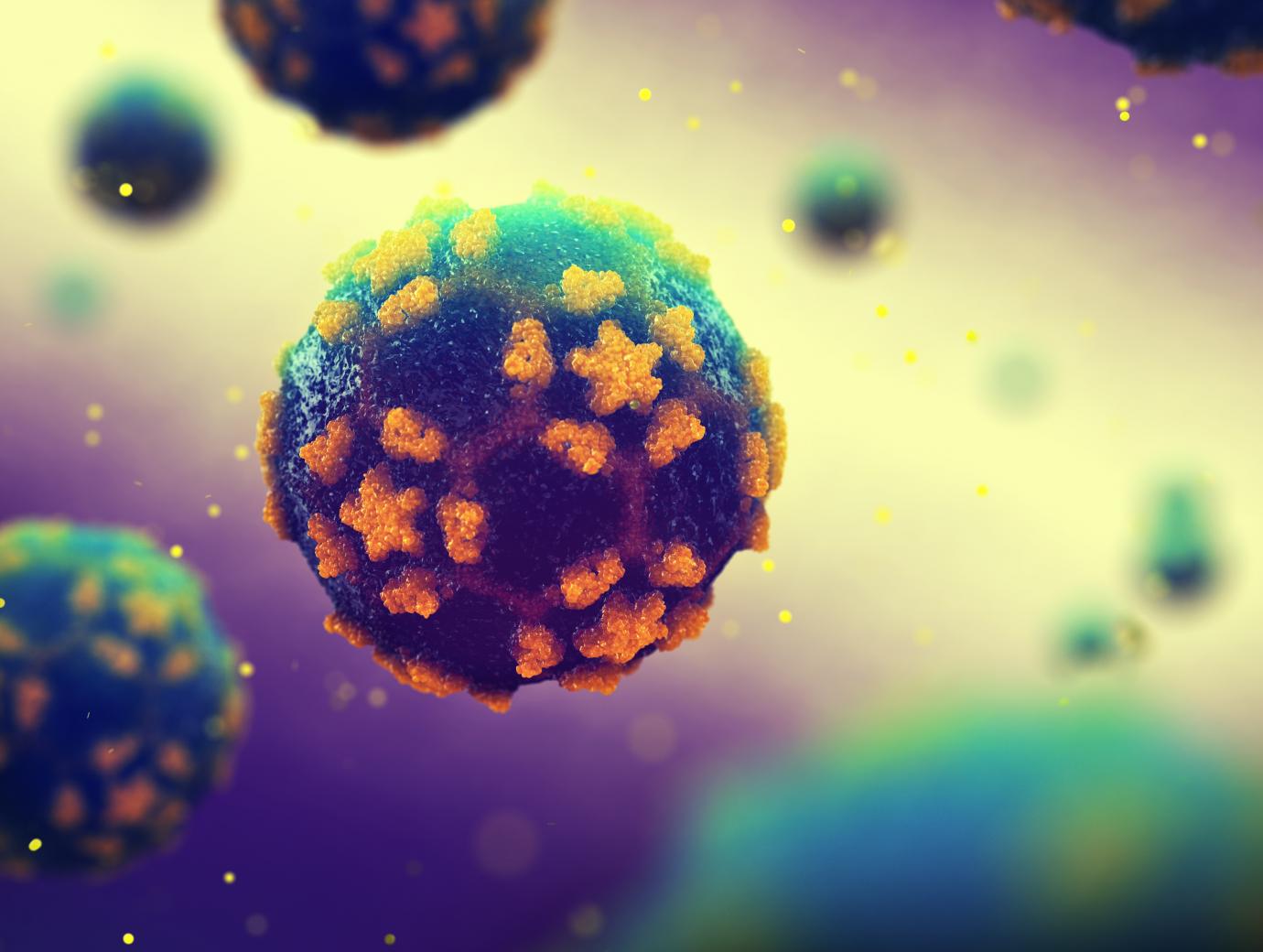
Breathtaking Complications Of Poliomyelitis Photo Photography
Transform your screen with this vivid complications of poliomyelitis artwork, a true masterpiece of digital design.

Stunning Complications Of Poliomyelitis Design for Mobile
Immerse yourself in the stunning details of this beautiful complications of poliomyelitis wallpaper, designed for a captivating visual experience.

Gorgeous Complications Of Poliomyelitis Background Digital Art
Find inspiration with this unique complications of poliomyelitis illustration, crafted to provide a fresh look for your background.

Beautiful Complications Of Poliomyelitis Picture for Your Screen
Transform your screen with this vivid complications of poliomyelitis artwork, a true masterpiece of digital design.

Stunning Complications Of Poliomyelitis Landscape Art
A captivating complications of poliomyelitis scene that brings tranquility and beauty to any device.

Gorgeous Complications Of Poliomyelitis Moment Concept
Immerse yourself in the stunning details of this beautiful complications of poliomyelitis wallpaper, designed for a captivating visual experience.
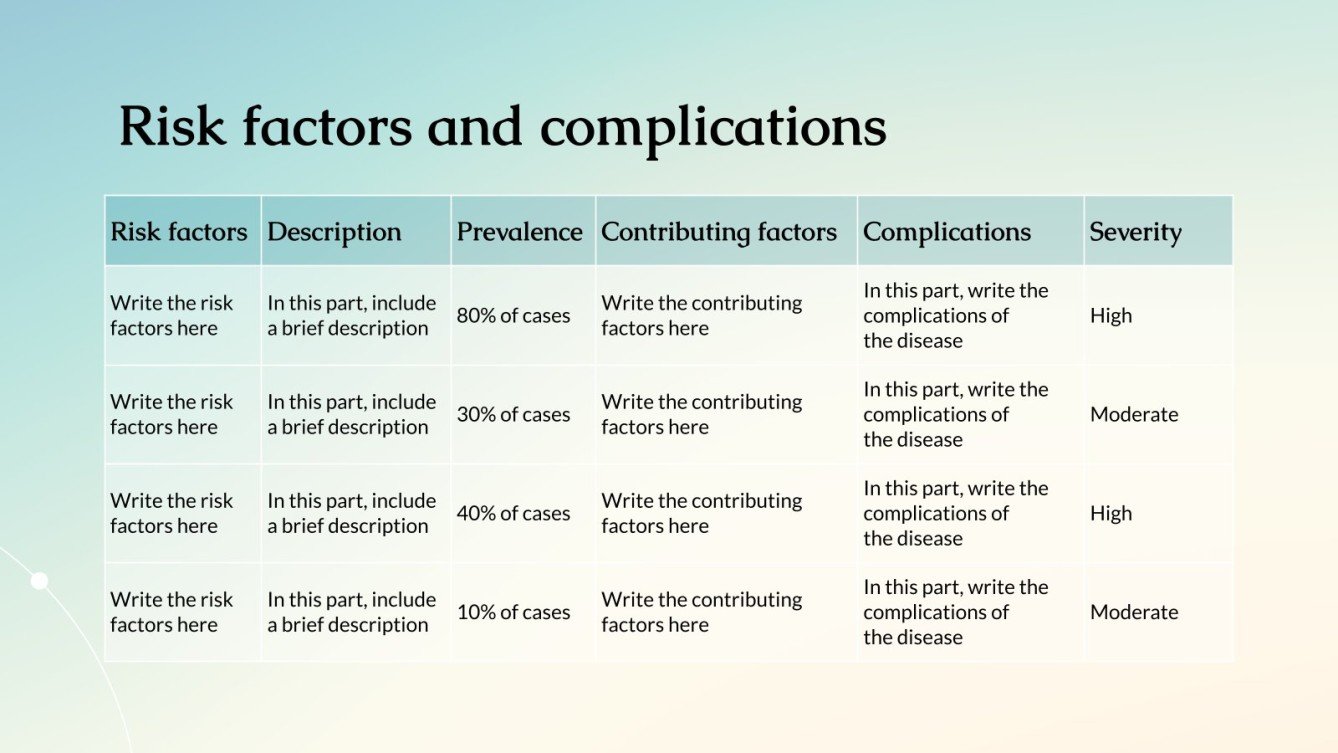
Beautiful Complications Of Poliomyelitis Wallpaper Concept
Transform your screen with this vivid complications of poliomyelitis artwork, a true masterpiece of digital design.

Captivating Complications Of Poliomyelitis Moment Illustration
This gorgeous complications of poliomyelitis photo offers a breathtaking view, making it a perfect choice for your next wallpaper.

Dynamic Complications Of Poliomyelitis View for Desktop
Immerse yourself in the stunning details of this beautiful complications of poliomyelitis wallpaper, designed for a captivating visual experience.

Crisp Complications Of Poliomyelitis Photo Art
Find inspiration with this unique complications of poliomyelitis illustration, crafted to provide a fresh look for your background.

Serene Complications Of Poliomyelitis Capture in 4K
Transform your screen with this vivid complications of poliomyelitis artwork, a true masterpiece of digital design.
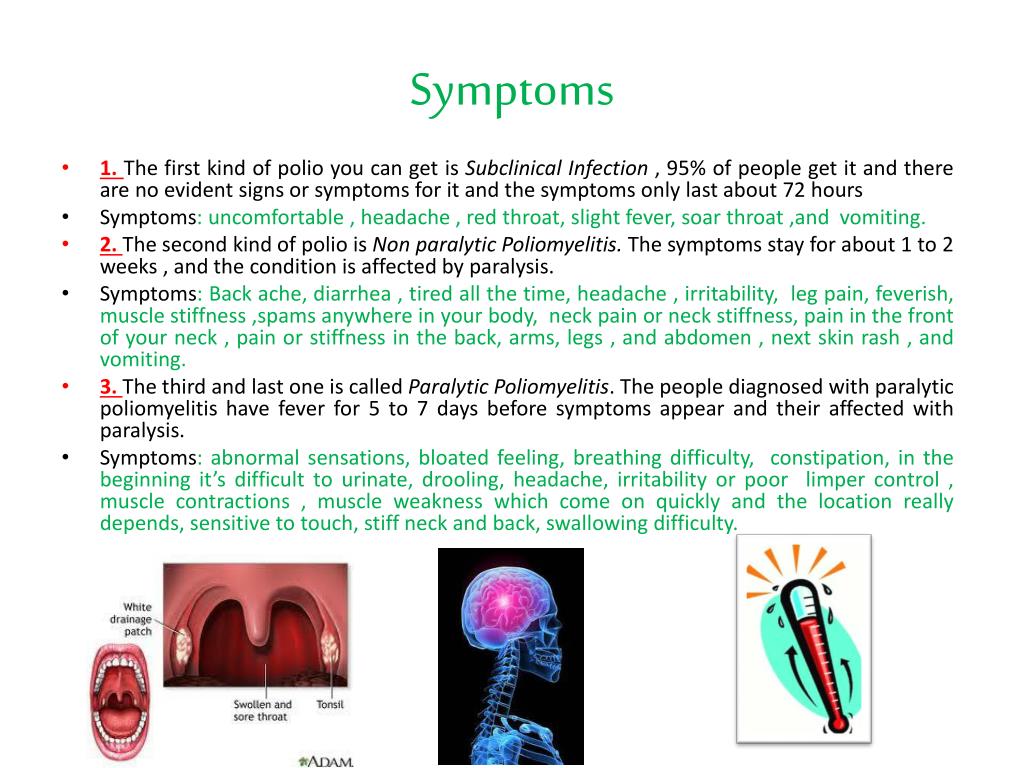
Gorgeous Complications Of Poliomyelitis Artwork for Mobile
A captivating complications of poliomyelitis scene that brings tranquility and beauty to any device.

Vibrant Complications Of Poliomyelitis Scene Photography
Explore this high-quality complications of poliomyelitis image, perfect for enhancing your desktop or mobile wallpaper.

Lush Complications Of Poliomyelitis Picture in HD
Immerse yourself in the stunning details of this beautiful complications of poliomyelitis wallpaper, designed for a captivating visual experience.
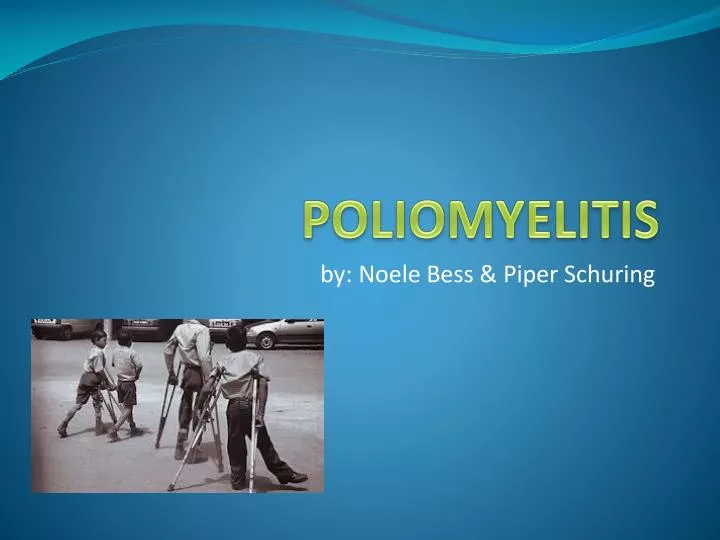
Detailed Complications Of Poliomyelitis Photo Art
Transform your screen with this vivid complications of poliomyelitis artwork, a true masterpiece of digital design.

Mesmerizing Complications Of Poliomyelitis Artwork for Mobile
Explore this high-quality complications of poliomyelitis image, perfect for enhancing your desktop or mobile wallpaper.

Detailed Complications Of Poliomyelitis Moment Digital Art
Experience the crisp clarity of this stunning complications of poliomyelitis image, available in high resolution for all your screens.

Artistic Complications Of Poliomyelitis View Concept
A captivating complications of poliomyelitis scene that brings tranquility and beauty to any device.
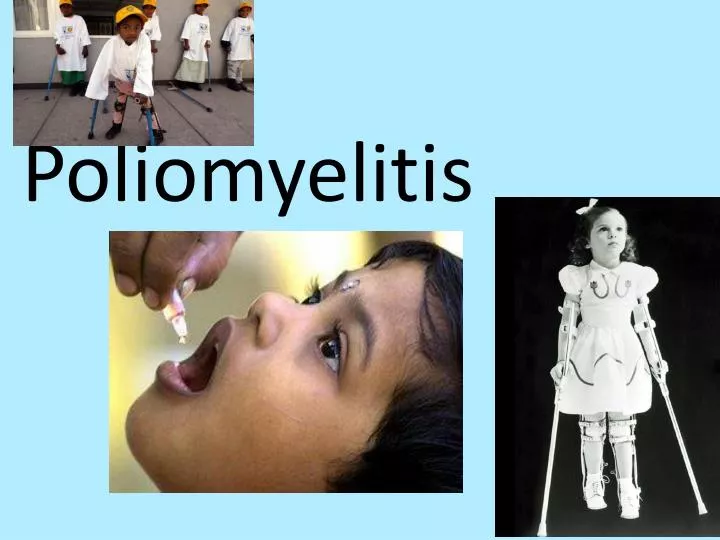
High-Quality Complications Of Poliomyelitis Image Art
Explore this high-quality complications of poliomyelitis image, perfect for enhancing your desktop or mobile wallpaper.

Lush Complications Of Poliomyelitis Photo Digital Art
A captivating complications of poliomyelitis scene that brings tranquility and beauty to any device.
Download these complications of poliomyelitis wallpapers for free and use them on your desktop or mobile devices.