Control Of Polio: A Global Triumph and Ongoing Mission
Hello there! You're here because you want to understand more about the control of polio, a topic of immense importance for global health. Polio, a highly infectious disease, has historically caused paralysis and even death, striking fear into communities worldwide. Thankfully, through monumental efforts, we've made incredible strides in its control. This article will guide you through the journey, from understanding the virus to the powerful strategies employed to keep it in check and, hopefully, eradicate it completely. Let's dive into how we achieve and maintain the control of polio.
Understanding Polio: A Persistent Threat
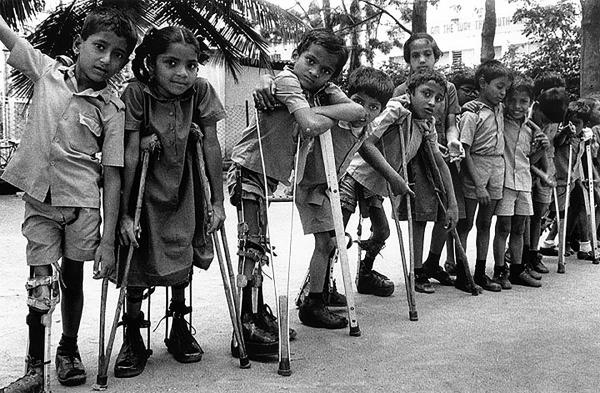
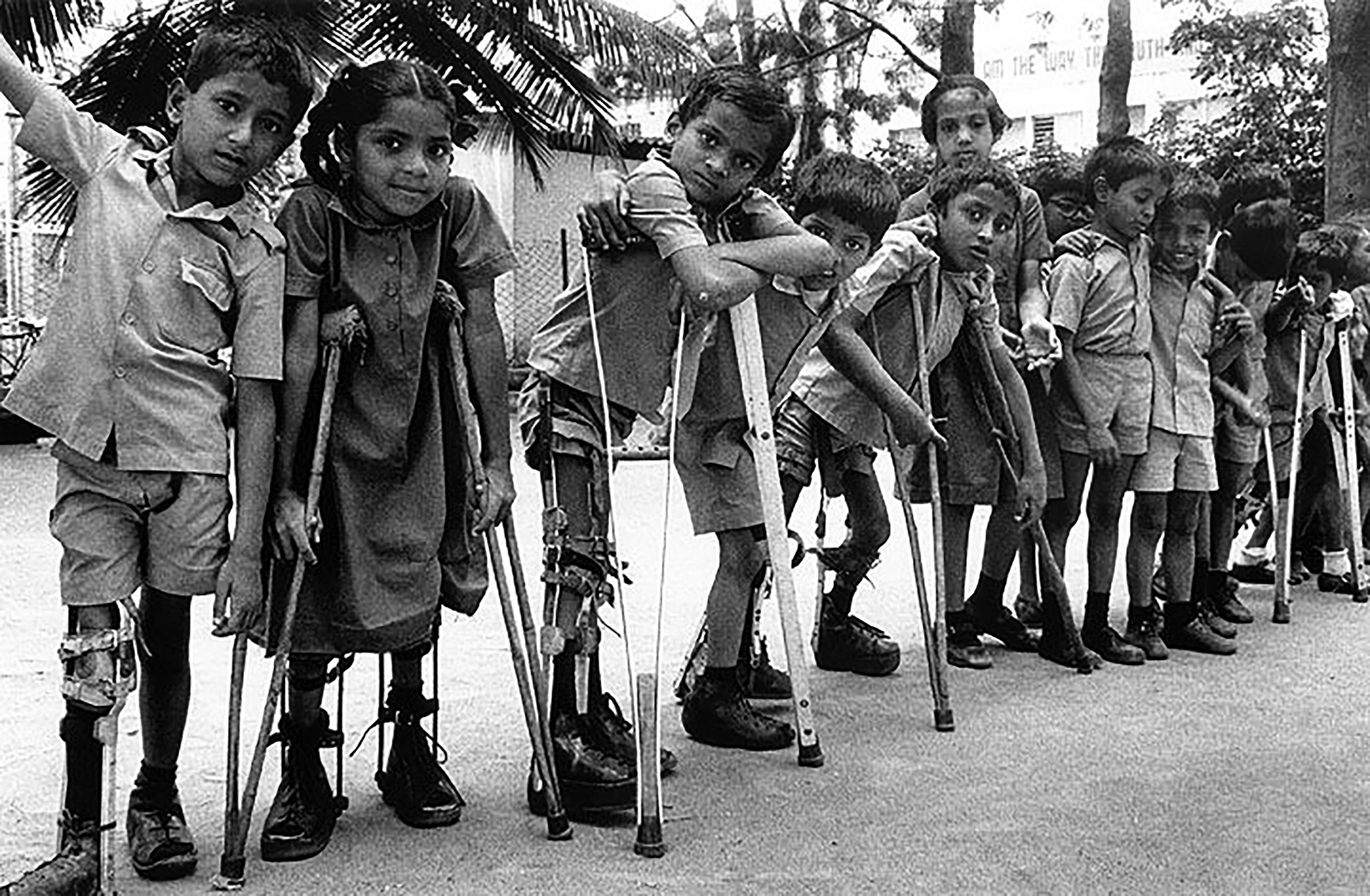
Polio, or poliomyelitis, is caused by the poliovirus, which attacks the nervous system. This tiny but mighty virus can lead to permanent paralysis, especially in children, and in severe cases, it can affect the muscles used for breathing, leading to death. The virus primarily spreads through the fecal-oral route, meaning it can pass from the stool of an infected person to the mouth of another, often via contaminated water or food. Understanding how it spreads is the first step towards its effective control.
While many people infected with poliovirus don't show any symptoms, they can still transmit the virus to others. This silent spread makes the control of polio particularly challenging, as the virus can circulate undetected in a population. Even in seemingly healthy individuals, the virus can be lurking, ready to infect someone else. This is why widespread immunization is so critical, protecting both the vaccinated and the community around them.
The Power of Vaccination: Our Best Defense
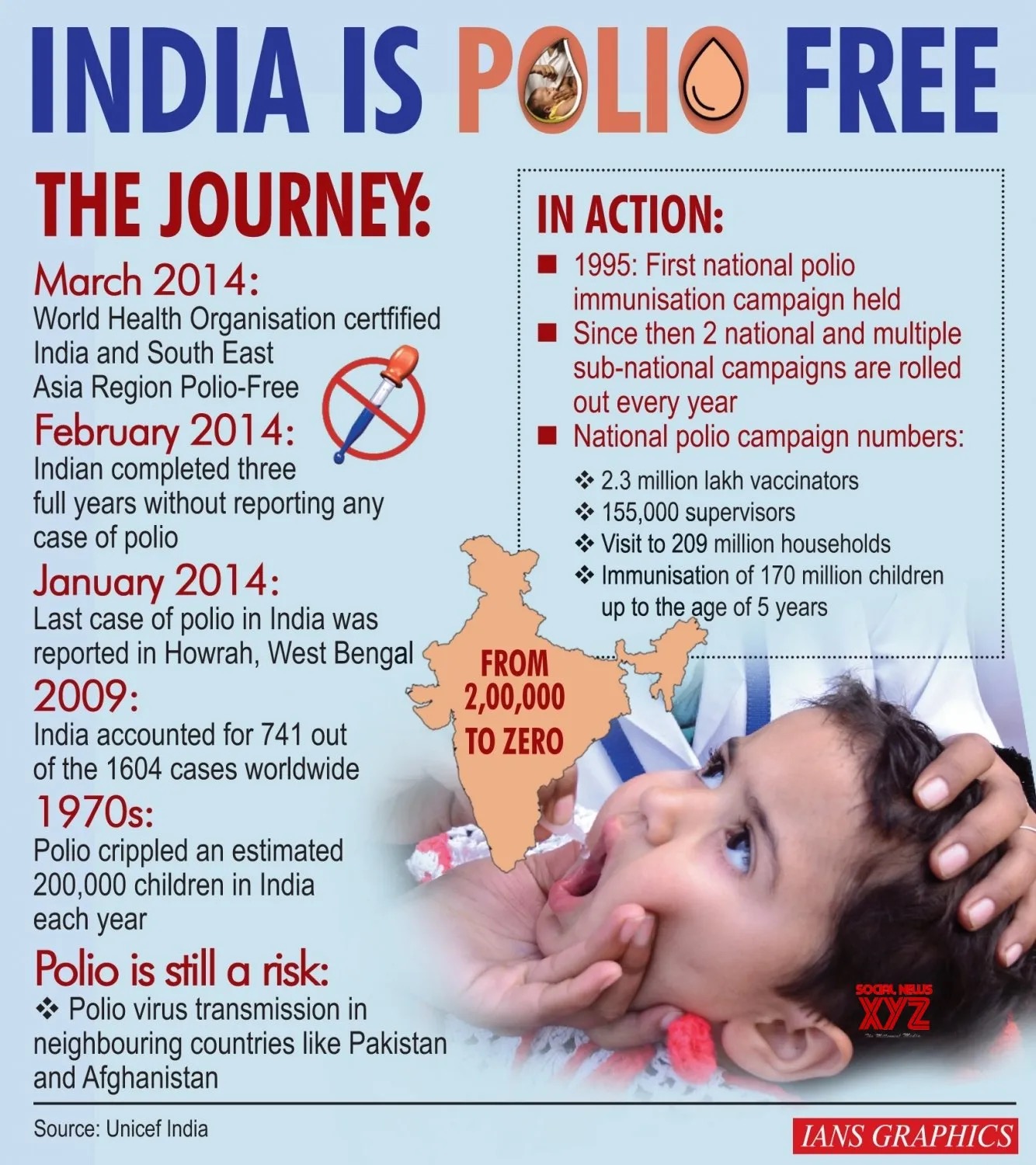
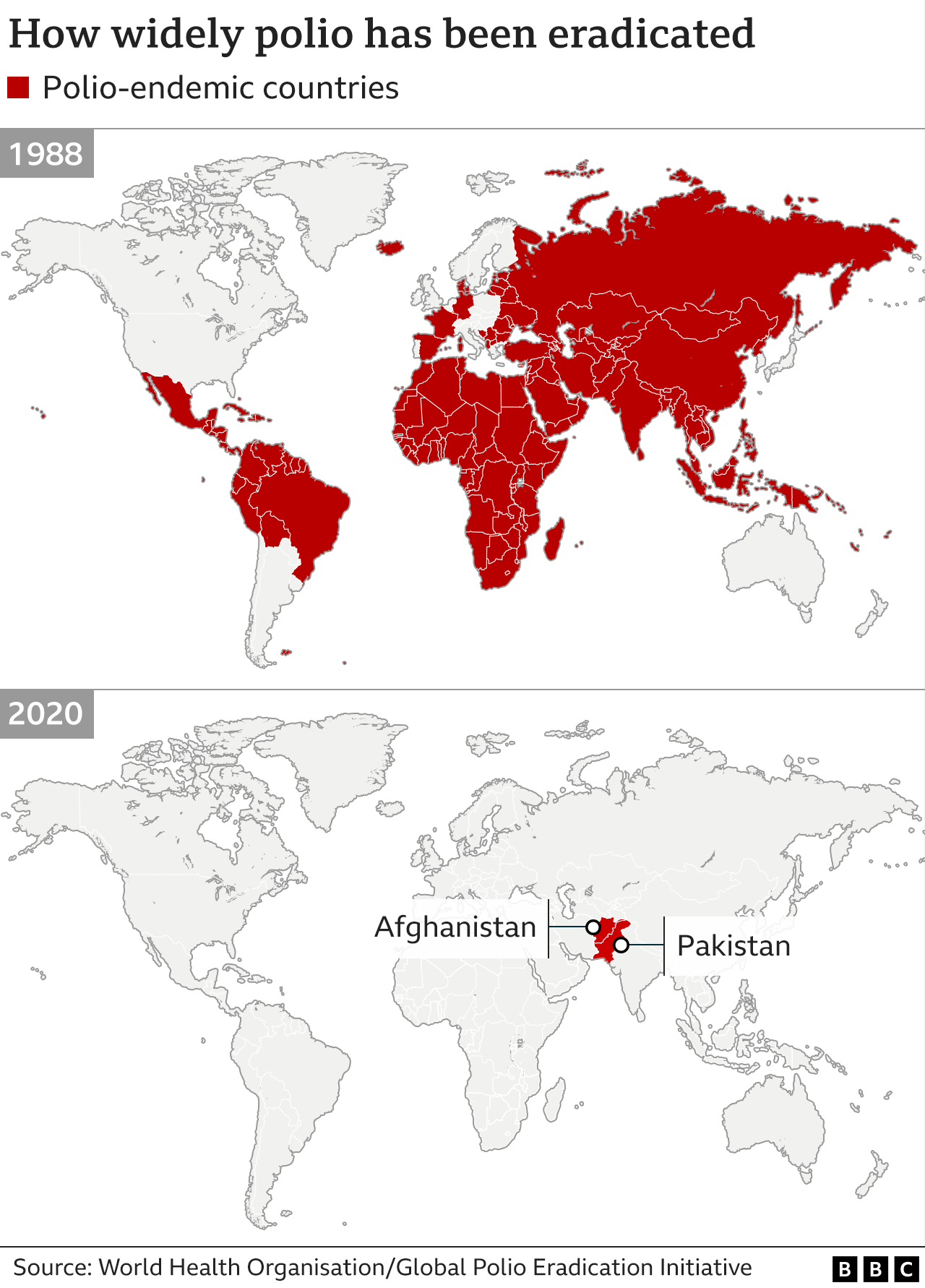
Without a doubt, vaccination is the cornerstone of polio control. It's the most effective tool we have to prevent the disease and halt its transmission. Polio vaccines have been instrumental in reducing cases by over 99% since 1988, bringing us to the brink of global eradication. The success story of polio vaccination is a testament to what collective global health efforts can achieve. When we talk about the control of polio, we are talking primarily about widespread and consistent immunization.
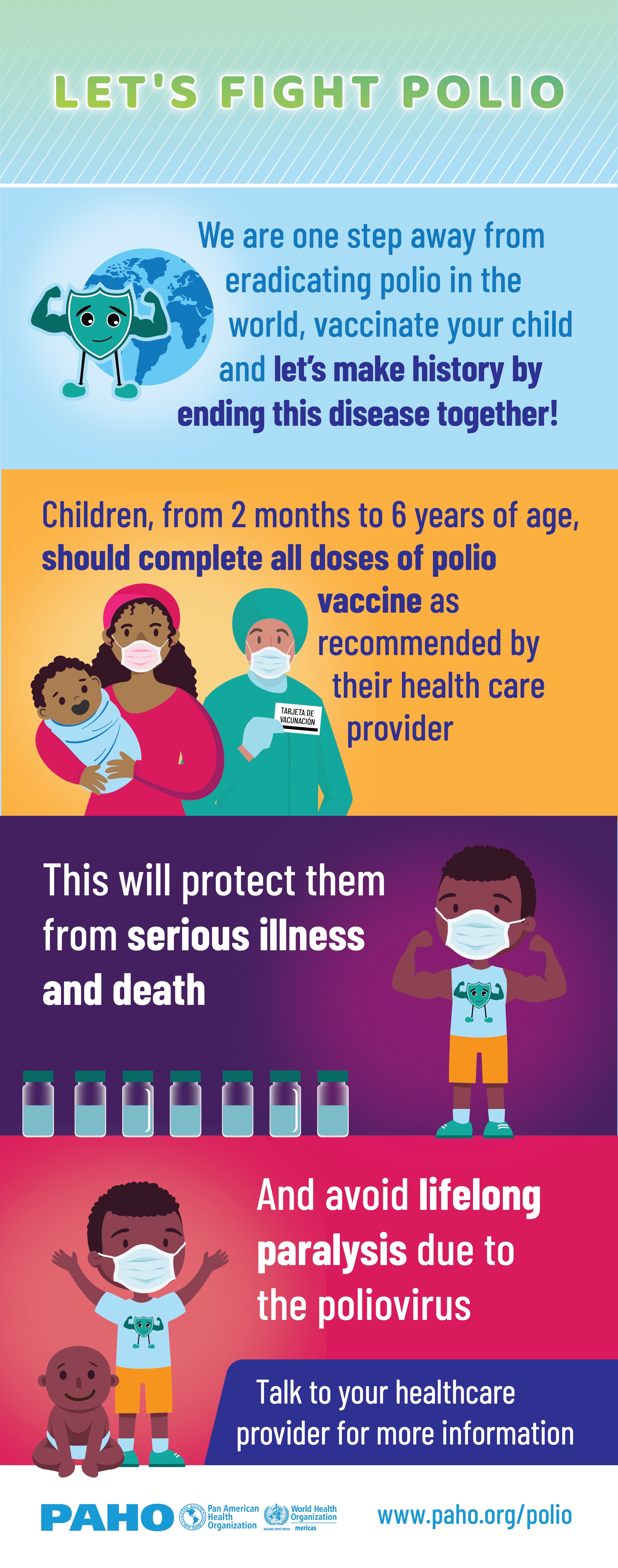
Getting vaccinated is not just about protecting yourself; it's about contributing to herd immunity. When a large percentage of the population is immune, it breaks the chain of transmission, making it much harder for the virus to spread and protecting those who cannot be vaccinated, such as infants or individuals with compromised immune systems. This community protection is vital for the comprehensive control of polio.
Types of Polio Vaccines
There are two main types of vaccines used in the fight for the control of polio, each with its unique characteristics and roles:
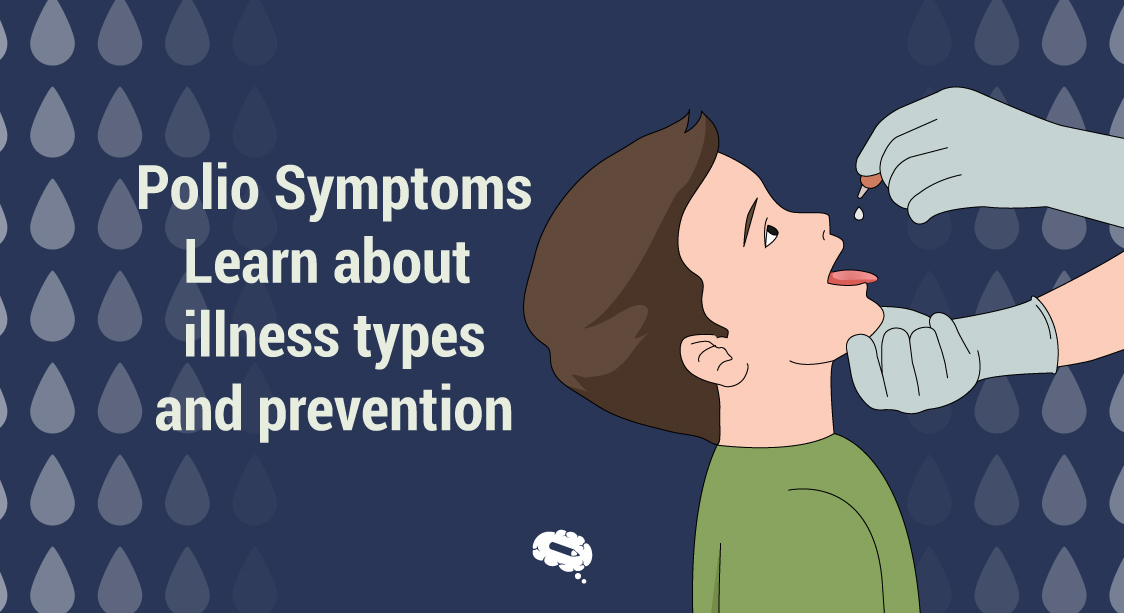
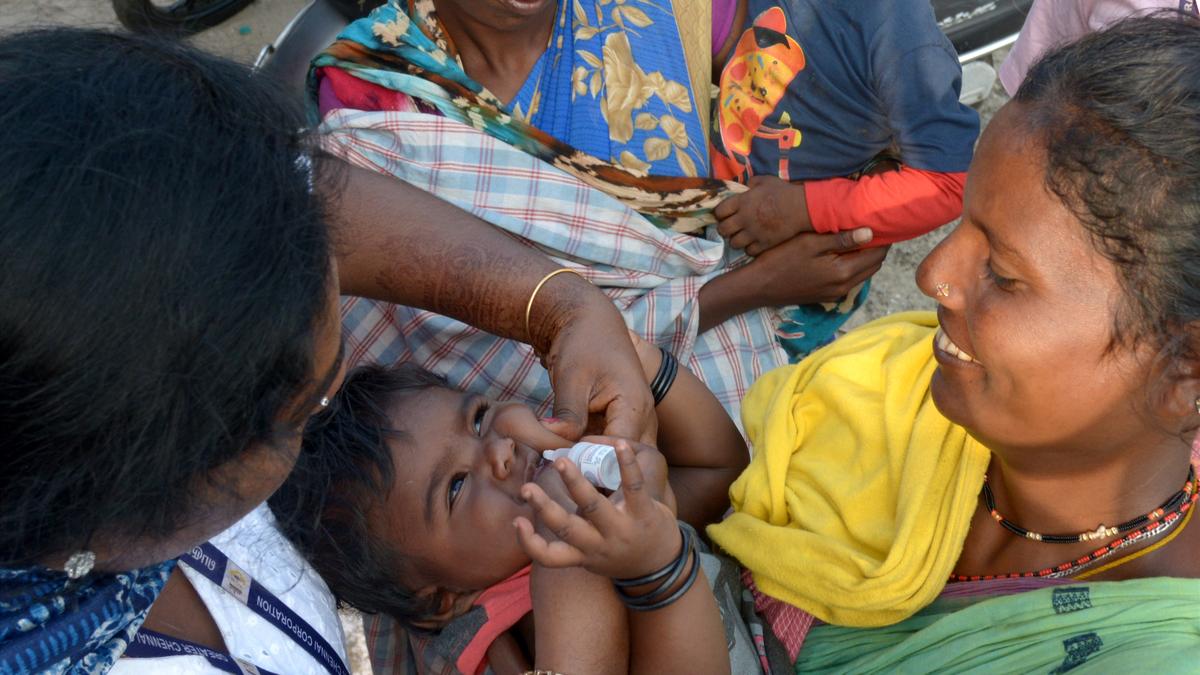
- Oral Polio Vaccine (OPV): This vaccine contains a weakened form of the live poliovirus. It's given as drops in the mouth, which is easy to administer, making it ideal for mass vaccination campaigns in developing countries. OPV not only protects the vaccinated individual but also provides 'shedding' immunity, meaning the weakened virus can be excreted and spread to unvaccinated individuals in the community, indirectly immunizing them. However, in extremely rare cases, the weakened virus in OPV can revert to a virulent form, causing vaccine-associated paralytic polio (VAPP) or circulating vaccine-derived poliovirus (cVDPV) outbreaks.
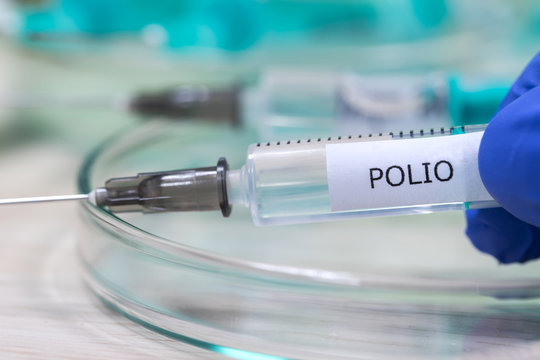
- Inactivated Polio Vaccine (IPV): IPV contains an inactivated (killed) form of the poliovirus. It's given as an injection. While IPV is extremely safe and cannot cause paralysis, it primarily protects the individual from the disease and does not prevent the virus from replicating in the gut, meaning vaccinated individuals can still carry and transmit the virus. It's excellent for individual protection and forms the backbone of polio control in many developed nations.
The Global Effort to Eradicate Polio
The quest for complete control of polio has been a global undertaking for decades. The Global Polio Eradication Initiative (GPEI), launched in 1988, is a public-private partnership led by national governments and key partners like the WHO, UNICEF, Rotary International, the CDC, and the Bill & Melinda Gates Foundation. Their collective goal is to achieve a polio-free world.
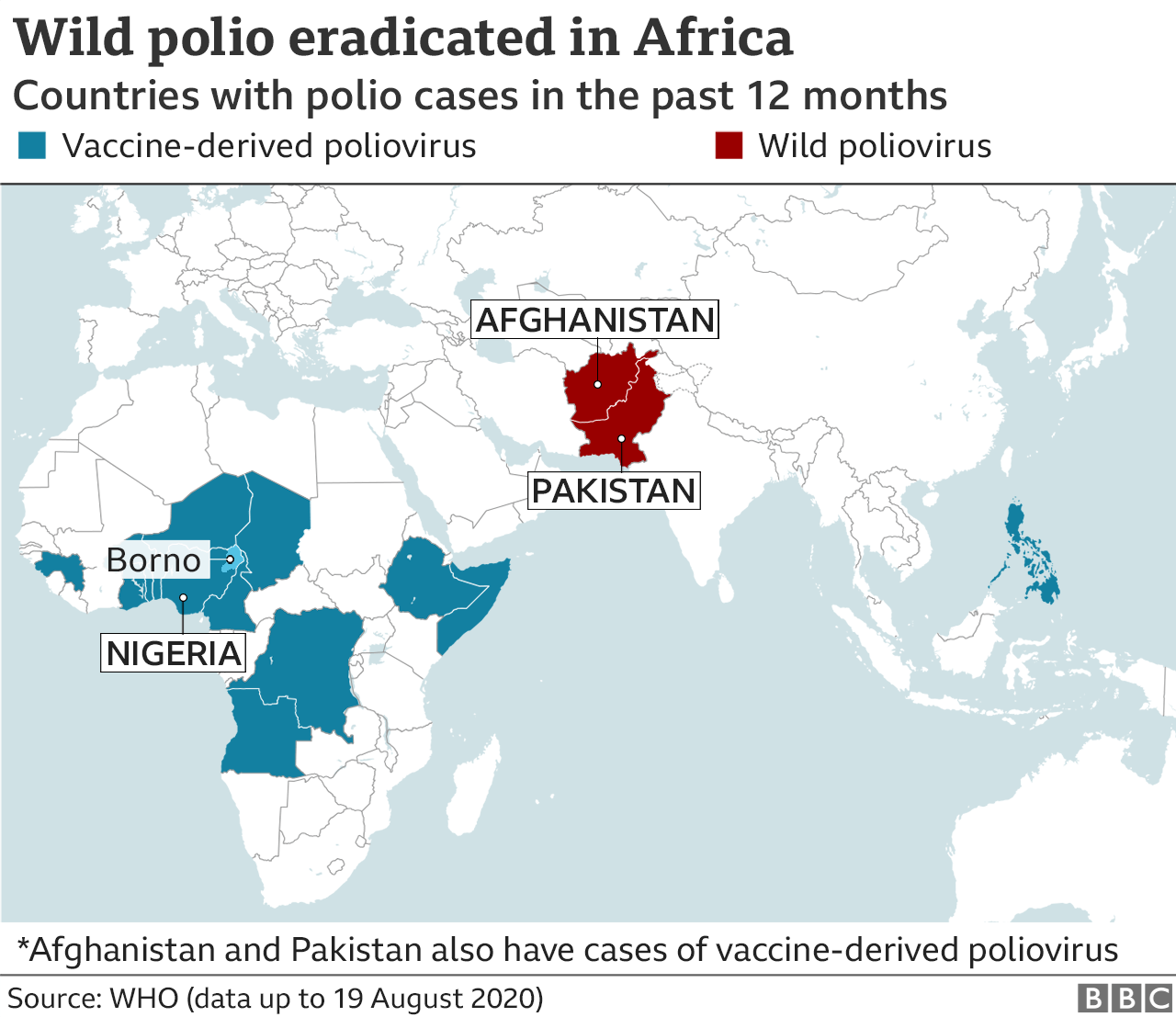
This initiative coordinates vaccination campaigns, surveillance efforts, and outbreak response across the globe. Thanks to GPEI, we've seen remarkable progress, with wild poliovirus now endemic in only a few countries. Their work highlights the power of sustained international cooperation in achieving ambitious public health goals and ensuring robust control of polio.
Beyond Vaccines: Other Control Measures
While vaccines are the primary weapon, effective control of polio also relies on a multi-faceted approach. These additional measures are crucial for detecting outbreaks, preventing spread, and ensuring that no child is left unprotected. They act as a safety net, complementing vaccination efforts and strengthening the overall defense against the virus.
Surveillance and Rapid Response
Robust surveillance systems are vital for the control of polio. This involves actively looking for cases of acute flaccid paralysis (AFP) in children under 15, which is the clinical symptom of polio. When a suspected case is identified, samples are collected and sent to specialized laboratories for testing to confirm or rule out poliovirus infection.
If a case is confirmed, rapid response teams are deployed to contain the outbreak. This includes intensified vaccination campaigns in the affected area, known as "mop-up" campaigns, to immunize every child possible and prevent further spread. Swift action is paramount to quickly re-establish control of polio in affected regions.
Sanitation and Hygiene
Since poliovirus spreads through the fecal-oral route, improved sanitation and hygiene play a supporting, albeit critical, role in its control. Access to clean water, proper sewage systems, and good handwashing practices can reduce the risk of transmission. While these measures aren't as powerful as vaccination, they contribute to an environment where the virus struggles to spread.
Promoting these practices is especially important in areas with poor infrastructure, where the virus can find fertile ground for transmission. Although vaccines offer direct immunity, good hygiene reduces environmental contamination and lessens the overall burden of enteric diseases, indirectly aiding the control of polio.
Community Engagement and Awareness
Effective polio control isn't just a top-down initiative; it requires buy-in and active participation from communities themselves. Raising awareness about the importance of vaccination, addressing misinformation, and engaging local leaders and volunteers are essential. When communities understand the risks and benefits, they are more likely to participate in vaccination campaigns and support public health efforts.
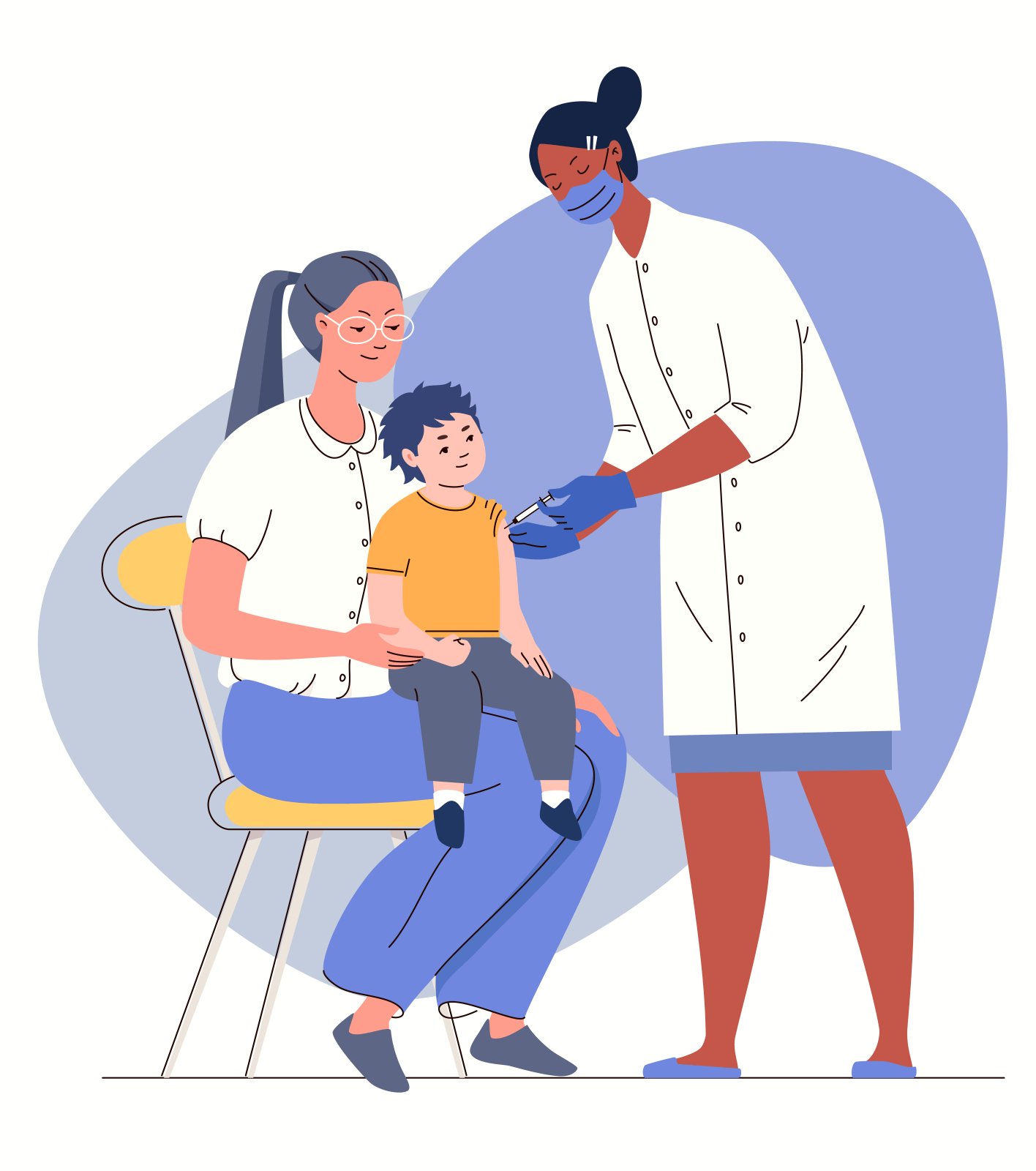
Community engagement helps overcome barriers to vaccination, such as fear, mistrust, or lack of access. Local volunteers, often women, go door-to-door to administer vaccines, build trust, and ensure every child receives their doses. This grassroots effort is fundamental to reaching every corner and ensuring comprehensive control of polio.
The Challenges and The Road Ahead
Despite incredible progress, the complete control of polio faces persistent challenges. Conflict-affected regions, political instability, and humanitarian crises can disrupt vaccination campaigns and make it difficult to reach children. Misinformation and vaccine hesitancy also pose significant hurdles, allowing the virus to find pockets of unvaccinated individuals where it can resurface.
The emergence of circulating vaccine-derived polioviruses (cVDPVs), especially from areas with low routine immunization coverage, means that the fight for polio control isn't over yet. We must maintain high immunization rates globally, strengthen surveillance, and adapt our strategies to tackle these evolving threats. The final push for complete eradication requires unwavering commitment and continued innovation. The goal of ultimate control of polio, meaning its eradication, is within reach but requires sustained vigilance.
Conclusion
The journey to achieve and maintain the control of polio is a remarkable story of human perseverance and global cooperation. From the development of life-saving vaccines to the tireless efforts of health workers on the front lines, we have come incredibly far. While wild poliovirus is on the brink of eradication, challenges remain, particularly from vaccine-derived strains and in hard-to-reach populations. Continuing high rates of vaccination, robust surveillance, improved sanitation, and strong community engagement are all essential to ensure that polio never again threatens our children. Let's keep working together for a polio-free future, cementing the full control of polio for generations to come.
Frequently Asked Questions (FAQ) about Control Of Polio
- What is the primary method for the control of polio?
- The primary and most effective method for the control of polio is vaccination. Widespread immunization campaigns have dramatically reduced the incidence of the disease globally.
- Are there different types of polio vaccines?
- Yes, there are two main types: the Oral Polio Vaccine (OPV) and the Inactivated Polio Vaccine (IPV). Each has its own benefits and is used strategically in different contexts for polio control.
- Why is polio still a concern if it's almost eradicated?
- Even though wild poliovirus cases are extremely low, the virus can still circulate, particularly vaccine-derived polioviruses (cVDPVs) in areas with low immunization rates. Until eradicated, every child remains at risk, making continued vigilance essential for the control of polio.
- What role does surveillance play in polio control?
- Surveillance is crucial for identifying new cases of polio or poliovirus circulation. It involves actively looking for symptoms, testing samples, and rapidly responding to any detected outbreaks to prevent further spread and maintain control of polio.
- Can good hygiene and sanitation prevent polio?
- While not as effective as vaccination, good hygiene and sanitation practices (like clean water and handwashing) can help reduce the risk of poliovirus transmission through the fecal-oral route. They complement vaccination efforts in the overall strategy for the control of polio.
Control Of Polio
Control Of Polio Wallpapers
Collection of control of polio wallpapers for your desktop and mobile devices.
Exquisite Control Of Polio Abstract Concept
A captivating control of polio scene that brings tranquility and beauty to any device.
Exquisite Control Of Polio View in HD
A captivating control of polio scene that brings tranquility and beauty to any device.

Stunning Control Of Polio Background Photography
This gorgeous control of polio photo offers a breathtaking view, making it a perfect choice for your next wallpaper.

Mesmerizing Control Of Polio Picture for Mobile
Transform your screen with this vivid control of polio artwork, a true masterpiece of digital design.
Vibrant Control Of Polio Capture for Your Screen
Transform your screen with this vivid control of polio artwork, a true masterpiece of digital design.
Vivid Control Of Polio View Photography
Explore this high-quality control of polio image, perfect for enhancing your desktop or mobile wallpaper.
Captivating Control Of Polio Artwork for Mobile
This gorgeous control of polio photo offers a breathtaking view, making it a perfect choice for your next wallpaper.
Breathtaking Control Of Polio Artwork for Mobile
Transform your screen with this vivid control of polio artwork, a true masterpiece of digital design.

Spectacular Control Of Polio Photo Concept
A captivating control of polio scene that brings tranquility and beauty to any device.

Vivid Control Of Polio Background for Desktop
Discover an amazing control of polio background image, ideal for personalizing your devices with vibrant colors and intricate designs.

Mesmerizing Control Of Polio Scene Collection
Transform your screen with this vivid control of polio artwork, a true masterpiece of digital design.
Stunning Control Of Polio Scene Digital Art
A captivating control of polio scene that brings tranquility and beauty to any device.
Breathtaking Control Of Polio Landscape in HD
Discover an amazing control of polio background image, ideal for personalizing your devices with vibrant colors and intricate designs.

Dynamic Control Of Polio Abstract Photography
Find inspiration with this unique control of polio illustration, crafted to provide a fresh look for your background.

Exquisite Control Of Polio Scene in 4K
Immerse yourself in the stunning details of this beautiful control of polio wallpaper, designed for a captivating visual experience.
Detailed Control Of Polio Artwork in 4K
Transform your screen with this vivid control of polio artwork, a true masterpiece of digital design.

Breathtaking Control Of Polio Picture in 4K
Transform your screen with this vivid control of polio artwork, a true masterpiece of digital design.
Exquisite Control Of Polio Design Nature
This gorgeous control of polio photo offers a breathtaking view, making it a perfect choice for your next wallpaper.
Artistic Control Of Polio Landscape Photography
A captivating control of polio scene that brings tranquility and beauty to any device.

Stunning Control Of Polio Image Collection
This gorgeous control of polio photo offers a breathtaking view, making it a perfect choice for your next wallpaper.
Download these control of polio wallpapers for free and use them on your desktop or mobile devices.