Diabetes Fall Asleep After Eating: Why the Post-Meal Slump Hits Harder
Do you often find yourself fighting the urge to nap right after finishing a meal? If you live with diabetes, this intense post-meal drowsiness—often much more severe than the typical "food coma"—is a frustratingly common experience. It feels like your body has hit a brick wall, making you wonder, "Why does my Diabetes Fall Asleep After Eating?"
You are certainly not alone in this struggle. This extreme fatigue isn't just laziness; it's often a direct signal that your body is having trouble processing the fuel you just consumed. Understanding the mechanisms behind this fatigue is the first step toward reclaiming your energy and improving your daily life.
In this comprehensive guide, we'll explore the real reasons behind that midday crash, diving deep into blood sugar dynamics, and providing practical, friendly advice on how to keep your energy levels steady throughout the day.
Understanding the "Food Coma": Is It Just Normal Fatigue?
Everyone feels a bit sluggish after a big holiday dinner. That normal tiredness, medically known as postprandial somnolence, is often attributed to the body diverting blood flow to the digestive system and the release of certain hormones like serotonin.
However, when you have diabetes, that post-meal slump is usually amplified and much more urgent. For people managing blood sugar, the crash is less about digestion and more about dramatic swings in glucose levels.
When you eat, especially carbohydrate-heavy foods, your glucose levels spike. The body of someone with diabetes, whether due to a lack of insulin (Type 1) or resistance to insulin (Type 2), struggles to move that sugar into the cells efficiently. This results in the feeling of sudden and intense exhaustion.
The Core Culprit: Blood Sugar Rollercoasters
The primary reason why Diabetes Fall Asleep After Eating is directly linked to the aftermath of consuming carbohydrates. When glucose hits your bloodstream, one of two scenarios often causes severe fatigue: hyperglycemia (too high) or reactive hypoglycemia (the rapid crash).
If your blood sugar skyrockets (hyperglycemia), your body attempts damage control. High sugar levels cause inflammation and can interfere with the brain's communication processes. Essentially, your body is working overtime to clean up the excess sugar, diverting energy that could be used for cognitive function or physical activity.
Conversely, sometimes the insulin that eventually gets released (or injected) works too quickly or too aggressively, causing a sudden drop in blood sugar levels shortly after the peak. This rapid drop—hypoglycemia—immediately signals an energy crisis to your brain, resulting in dizziness, anxiety, and profound sleepiness.
Insulin Resistance and Its Role in Fatigue
For individuals with Type 2 diabetes, insulin resistance is a key factor driving post-meal fatigue. Insulin is the "key" that opens the cell door to let glucose in for energy. When cells are resistant, the key doesn't work well.
The glucose stays trapped in the bloodstream (causing high blood sugar), while your body's cells, ironically, are starving for fuel. This means that even though you just ate a meal full of calories, your muscles and brain aren't getting the energy they need to stay awake and alert. The fatigue you feel is genuine cellular exhaustion.
Identifying Other Potential Causes for Post-Meal Drowsiness
While blood sugar fluctuations are the main driver, other health issues commonly associated with diabetes can compound the problem. It's important to look at the whole picture when troubleshooting persistent fatigue.
Sometimes, the drowsiness isn't purely metabolic. Factors related to medication timing, poor sleep quality, or underlying conditions must also be considered as they contribute to why Diabetes Fall Asleep After Eating.
Medications and Their Side Effects
Certain diabetes medications, particularly those that stimulate insulin production (like sulfonylureas) or insulin injections, carry a risk of causing low blood sugar (hypoglycemia). If your medication peaks too late relative to your meal timing, it can lead to a sudden dip an hour or two after eating.
Discuss the timing of your medication with your healthcare provider. Sometimes, a simple adjustment to when you take your dose can smooth out those post-meal highs and lows, significantly reducing fatigue.
Sleep Apnea and Nocturnal Disruptions
Did you know there is a strong link between Type 2 diabetes and obstructive sleep apnea (OSA)? OSA causes repeated interruptions in breathing throughout the night, severely impairing the quality of your sleep.
If you aren't getting restorative sleep at night, it's natural to feel overwhelming sleepiness during the day, especially when your body is taxed with digestion. If you snore loudly or frequently wake up feeling unrested, you should mention this to your doctor, as treating OSA can dramatically improve daytime alertness.
Practical Strategies to Combat the Post-Meal Slump
Tackling post-meal drowsiness requires proactive management of your glucose levels. The goal is to flatten those sharp peaks and valleys that contribute to the intense need to sleep.
Dietary Adjustments: Mastering the Macros
The single most effective tool against post-meal sleepiness is careful meal planning. You want to focus on meals that stabilize blood sugar rather than spiking it quickly. This involves looking closely at the quantity and type of carbohydrates you consume.
Here are crucial strategies for designing fatigue-fighting meals:
- Prioritize Protein and Healthy Fats: Always pair carbohydrates with lean protein (like chicken or fish) and healthy fats (like avocado or nuts). Protein and fat slow down digestion, which in turn slows the absorption of glucose, leading to a gentler blood sugar rise.
- Choose Complex Carbs: Swap refined carbohydrates (white bread, sugary drinks) for high-fiber, complex carbs like whole grains, legumes, and non-starchy vegetables. Fiber takes longer to break down, preventing rapid spikes.
- Control Portion Sizes: Eating a massive meal puts a heavy load on your digestive and endocrine systems simultaneously. Try eating smaller, more frequent meals throughout the day instead of three large ones.
- Avoid Sugary Beverages: Liquid carbohydrates are absorbed almost instantly, guaranteeing a fast and furious blood sugar spike followed by a dramatic crash. Stick to water, unsweetened tea, or coffee.
Making these tweaks can make a monumental difference in how you feel after your midday meal, reducing the likelihood that your Diabetes Fall Asleep After Eating.
The Power of Movement
It sounds counterintuitive, but movement is your best friend when you feel tired after eating. Physical activity, even mild activity, is incredibly powerful in managing blood sugar.
When you use your muscles, they actively pull glucose from your bloodstream for fuel, essentially acting like extra insulin. A brisk, 10 to 15-minute walk immediately after a meal can significantly lower the resulting blood sugar peak.
Try to make this a non-negotiable part of your routine. Instead of heading straight back to your desk or the sofa, put on your shoes and take a lap around the block. You'll find this simple habit vastly improves your post-meal energy.
When Should You Talk to Your Doctor?
While some post-meal sluggishness is normal, debilitating fatigue or severe sleepiness needs professional attention. If your symptoms interfere with driving, work, or safety, it is time to schedule a detailed discussion with your endocrinologist or primary care physician.
It is particularly important to talk to your doctor if:
- Your blood glucose readings are consistently high (above 180 mg/dL) two hours after eating.
- You suspect you might be experiencing frequent mild hypoglycemia episodes after meals.
- The fatigue is accompanied by other symptoms like excessive thirst, blurry vision, or frequent urination.
- You or your partner notice symptoms of sleep apnea, such as loud snoring or gasping during sleep.
Your care team can help you adjust your medication, refine your carb-counting strategies, or screen for other contributing health issues, ensuring you tackle the root cause of why your Diabetes Fall Asleep After Eating.
Conclusion
If you frequently feel like taking a lengthy nap right after lunch, remember that this isn't just about bad habits; it's a tangible symptom that your diabetes management might need some fine-tuning. The reason why your Diabetes Fall Asleep After Eating is usually a direct result of blood sugar instability—either the steep climb of hyperglycemia or the quick drop of reactive hypoglycemia.
By making conscious choices about what you eat (focusing on balanced macros and fiber) and incorporating a small amount of post-meal movement, you can drastically reduce the severity of the post-meal slump. Take charge of your energy levels by tracking your blood sugar and talking to your doctor to ensure your treatment plan supports sustained alertness throughout your day.
Frequently Asked Questions (FAQ)
- What blood sugar level causes post-meal sleepiness?
Sleepiness can be caused by either very high (hyperglycemia, often >180 mg/dL two hours post-meal) or rapidly dropping blood sugar (hypoglycemia, typically <70 mg/dL). High sugar tires the body out, while the rapid drop signals a severe energy deficit to the brain.
- Is a post-meal nap okay if I have diabetes?
While a short, controlled power nap (15-20 minutes) can be restorative, napping regularly due to severe fatigue after eating indicates a blood sugar control issue that needs attention. It's better to address the root cause than rely on naps.
- How soon after eating should I check my blood sugar if I feel sleepy?
To accurately assess the peak and crash, check your blood sugar approximately one hour after your first bite, and then again at two hours. This pattern helps determine if you are peaking too high or crashing too fast, which explains why Diabetes Fall Asleep After Eating is so common.
- Do fats and proteins prevent the post-meal crash?
Yes. Fats and proteins do not turn into glucose quickly, and they slow down the digestion of carbohydrates. By incorporating these macros into every meal, you create a much slower and smoother release of glucose into the bloodstream, minimizing the dramatic spike and subsequent crash.
Diabetes Fall Asleep After Eating
Diabetes Fall Asleep After Eating Wallpapers
Collection of diabetes fall asleep after eating wallpapers for your desktop and mobile devices.
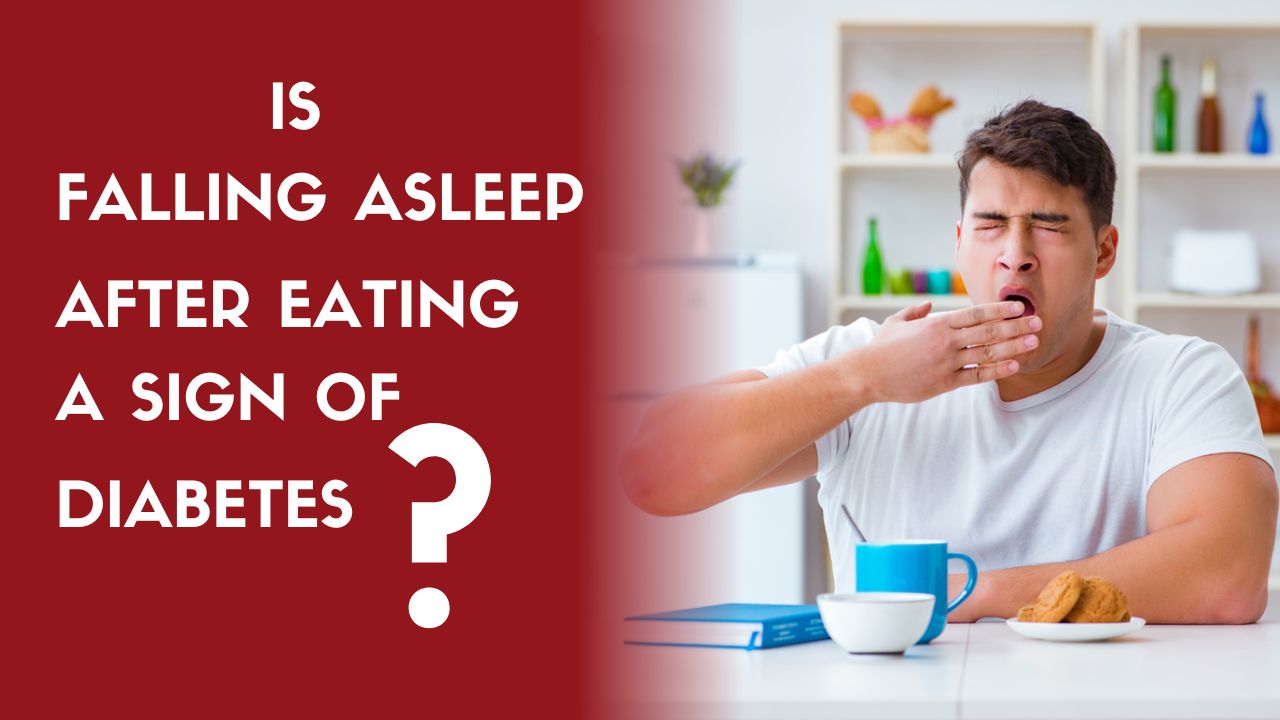
Vivid Diabetes Fall Asleep After Eating Scene Digital Art
Transform your screen with this vivid diabetes fall asleep after eating artwork, a true masterpiece of digital design.
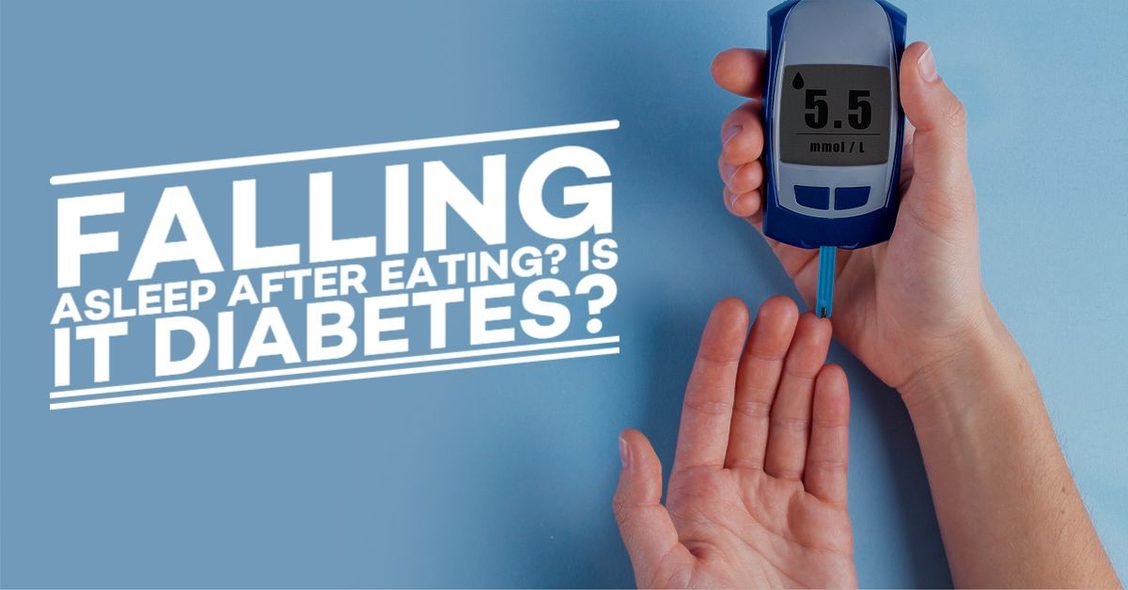
Artistic Diabetes Fall Asleep After Eating Landscape Photography
Find inspiration with this unique diabetes fall asleep after eating illustration, crafted to provide a fresh look for your background.
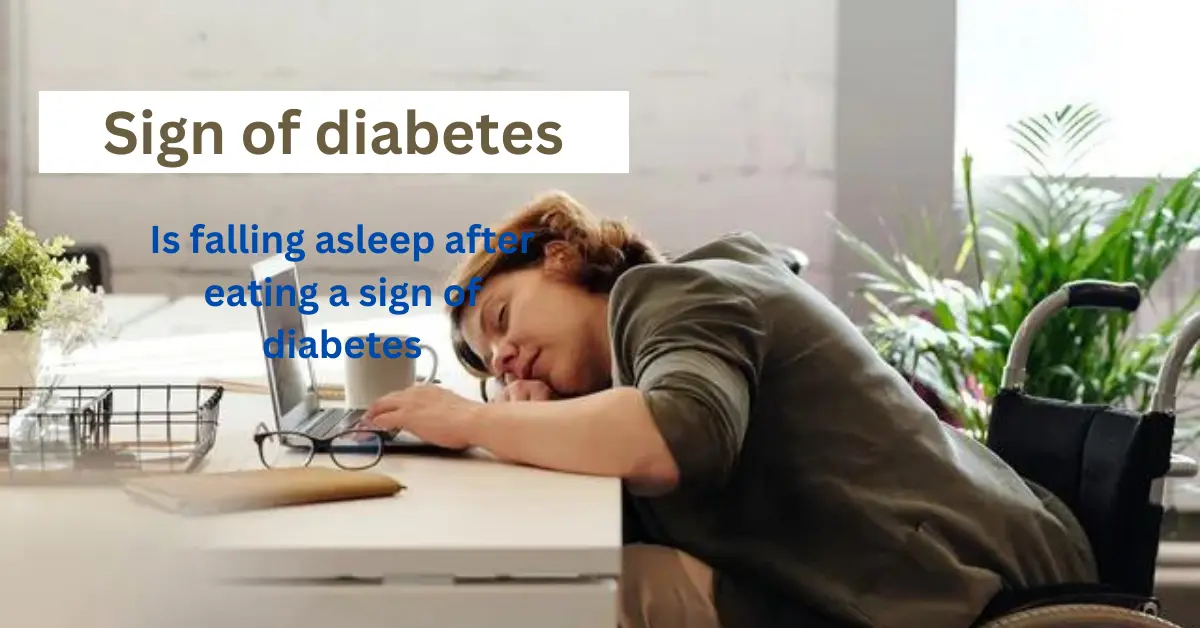
Detailed Diabetes Fall Asleep After Eating Wallpaper Concept
Explore this high-quality diabetes fall asleep after eating image, perfect for enhancing your desktop or mobile wallpaper.
Crisp Diabetes Fall Asleep After Eating Artwork Art
Find inspiration with this unique diabetes fall asleep after eating illustration, crafted to provide a fresh look for your background.
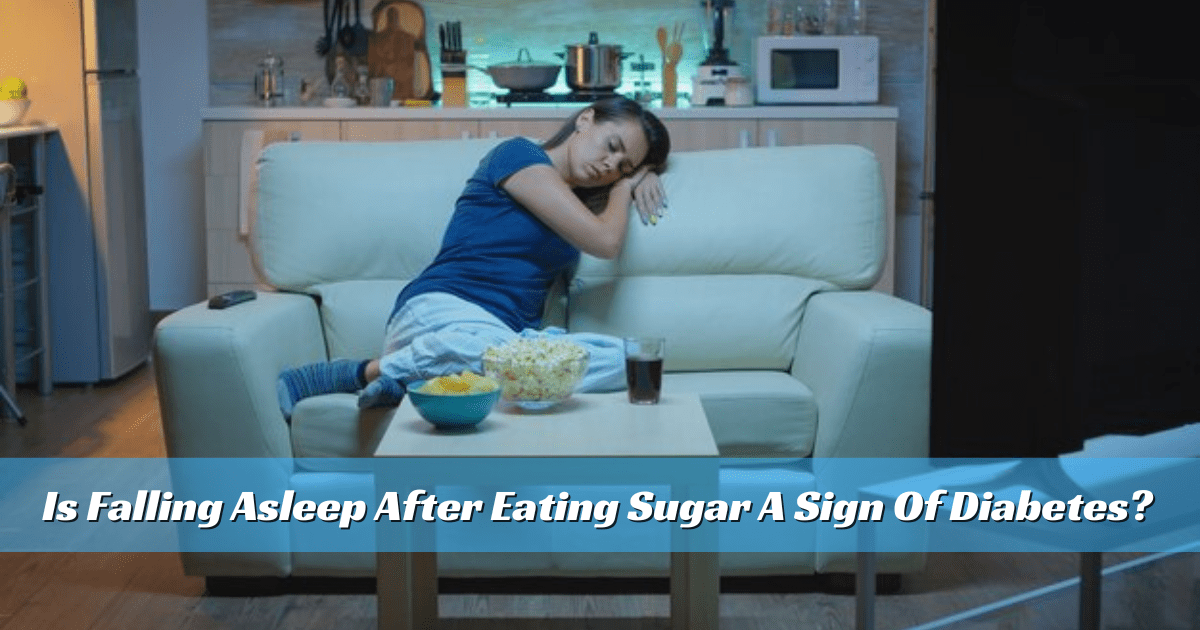
Vivid Diabetes Fall Asleep After Eating Capture Illustration
Experience the crisp clarity of this stunning diabetes fall asleep after eating image, available in high resolution for all your screens.
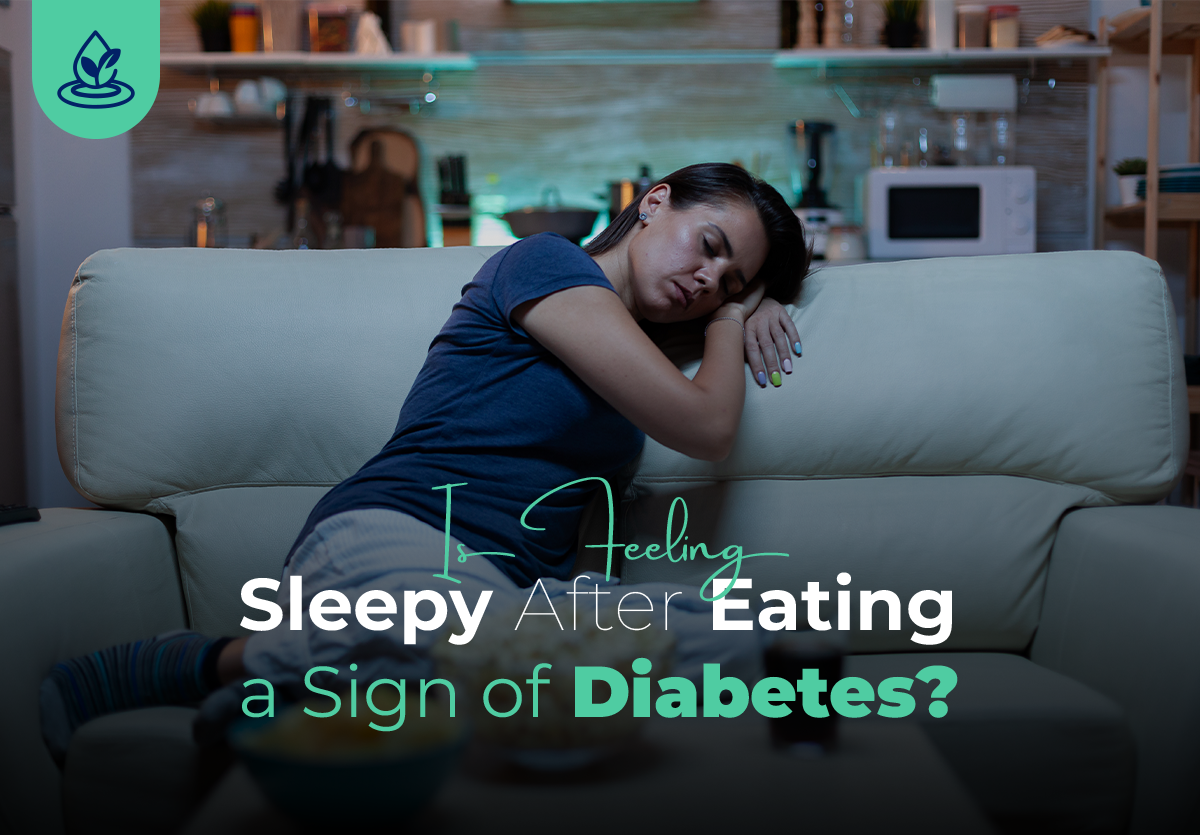
High-Quality Diabetes Fall Asleep After Eating Scene in HD
Transform your screen with this vivid diabetes fall asleep after eating artwork, a true masterpiece of digital design.

Artistic Diabetes Fall Asleep After Eating Landscape Art
This gorgeous diabetes fall asleep after eating photo offers a breathtaking view, making it a perfect choice for your next wallpaper.

Lush Diabetes Fall Asleep After Eating Landscape Digital Art
A captivating diabetes fall asleep after eating scene that brings tranquility and beauty to any device.

Dynamic Diabetes Fall Asleep After Eating Image Illustration
Immerse yourself in the stunning details of this beautiful diabetes fall asleep after eating wallpaper, designed for a captivating visual experience.
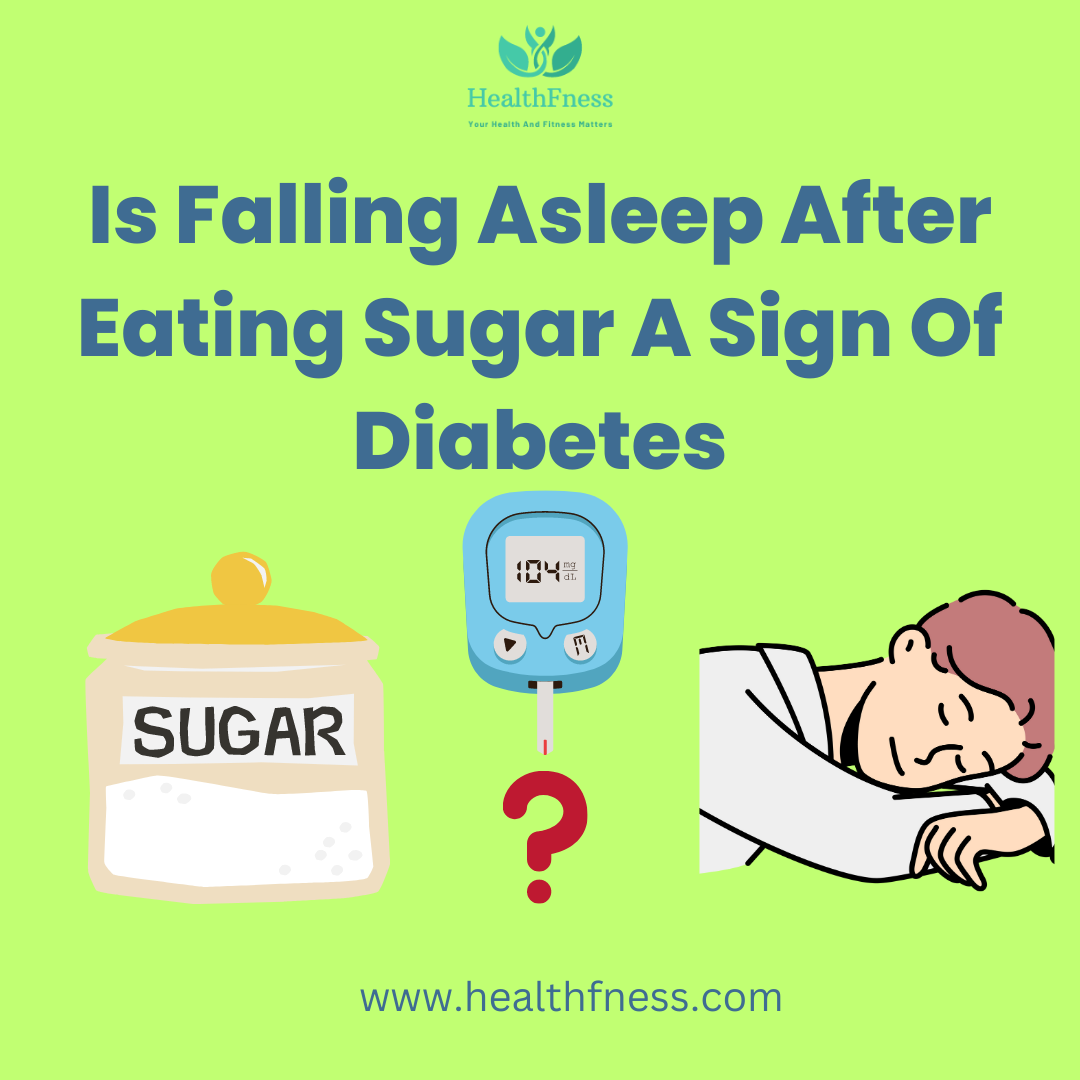
Exquisite Diabetes Fall Asleep After Eating Scene Concept
A captivating diabetes fall asleep after eating scene that brings tranquility and beauty to any device.
Gorgeous Diabetes Fall Asleep After Eating Design Photography
This gorgeous diabetes fall asleep after eating photo offers a breathtaking view, making it a perfect choice for your next wallpaper.
Crisp Diabetes Fall Asleep After Eating Capture in HD
Find inspiration with this unique diabetes fall asleep after eating illustration, crafted to provide a fresh look for your background.
Dynamic Diabetes Fall Asleep After Eating Landscape for Desktop
A captivating diabetes fall asleep after eating scene that brings tranquility and beauty to any device.
Vibrant Diabetes Fall Asleep After Eating Artwork for Mobile
Discover an amazing diabetes fall asleep after eating background image, ideal for personalizing your devices with vibrant colors and intricate designs.

Dynamic Diabetes Fall Asleep After Eating View for Mobile
Find inspiration with this unique diabetes fall asleep after eating illustration, crafted to provide a fresh look for your background.
Mesmerizing Diabetes Fall Asleep After Eating Image for Your Screen
Explore this high-quality diabetes fall asleep after eating image, perfect for enhancing your desktop or mobile wallpaper.

Stunning Diabetes Fall Asleep After Eating Background Illustration
Find inspiration with this unique diabetes fall asleep after eating illustration, crafted to provide a fresh look for your background.

Gorgeous Diabetes Fall Asleep After Eating Photo Concept
Immerse yourself in the stunning details of this beautiful diabetes fall asleep after eating wallpaper, designed for a captivating visual experience.
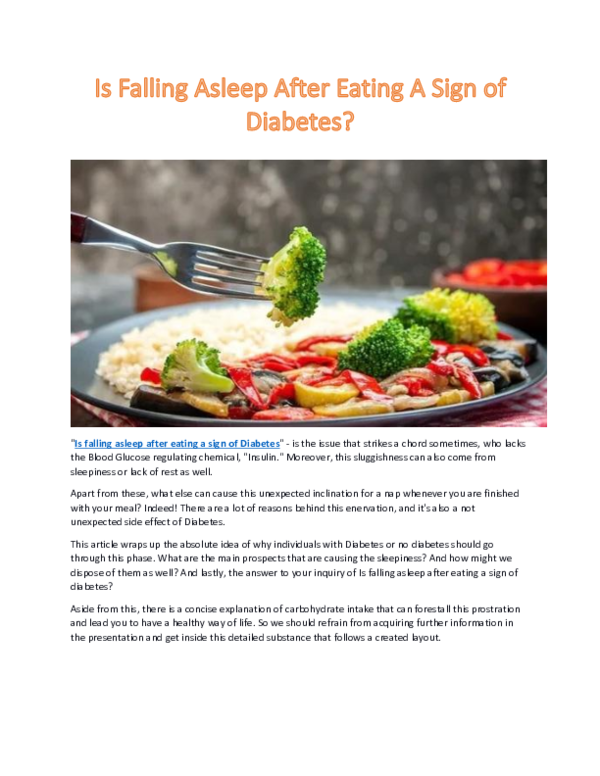
Artistic Diabetes Fall Asleep After Eating Capture Illustration
Immerse yourself in the stunning details of this beautiful diabetes fall asleep after eating wallpaper, designed for a captivating visual experience.
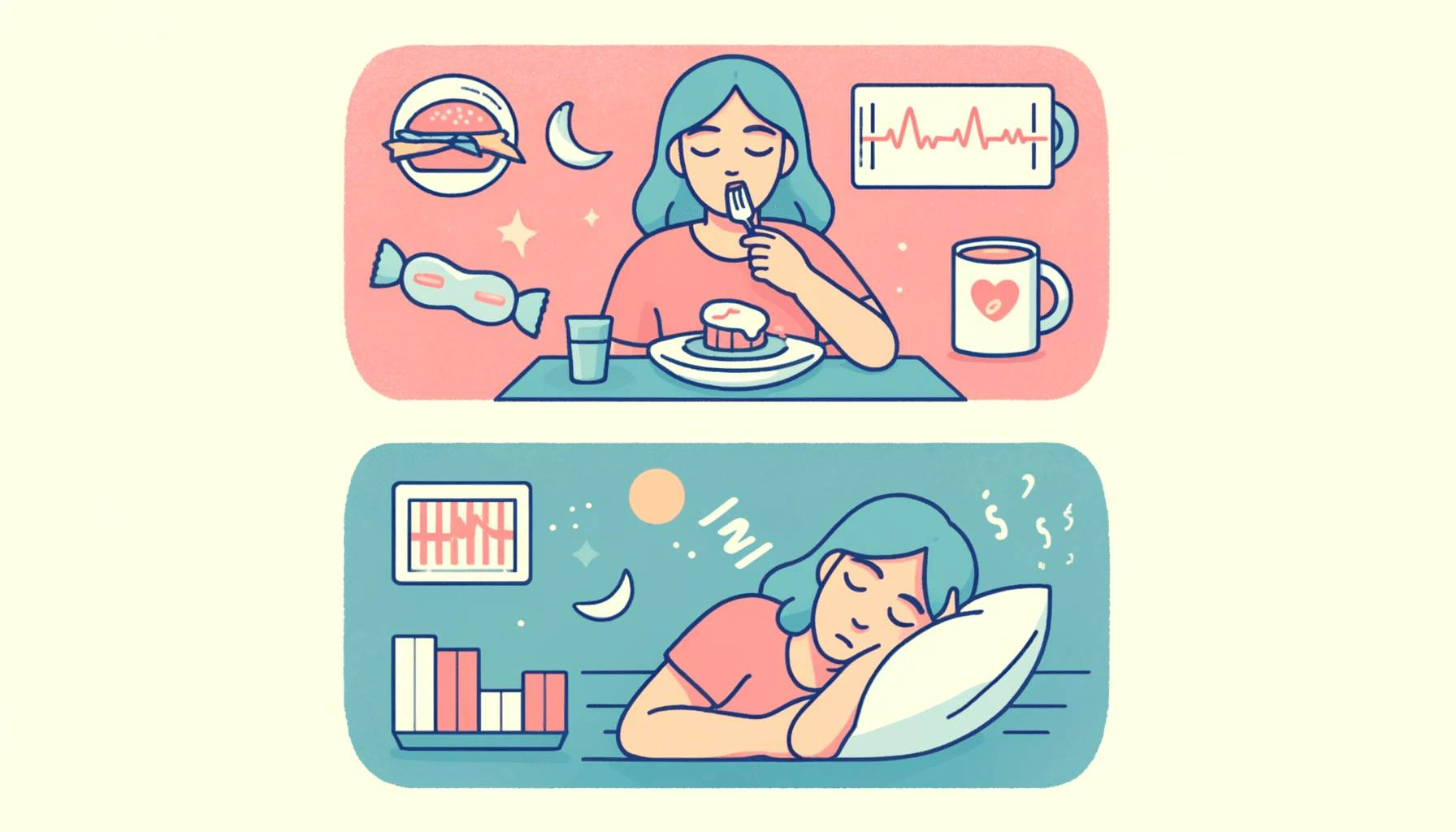
Amazing Diabetes Fall Asleep After Eating Design Nature
Explore this high-quality diabetes fall asleep after eating image, perfect for enhancing your desktop or mobile wallpaper.
Download these diabetes fall asleep after eating wallpapers for free and use them on your desktop or mobile devices.