Diabetes In Infants: A Parent's Guide to Understanding and Managing It
Receiving a diagnosis of diabetes for your infant is overwhelming. It's natural to feel scared, anxious, and perhaps a little lost. However, please take a deep breath; you are not alone, and with the right knowledge and medical support, managing Diabetes In Infants is completely possible.
This comprehensive guide is designed to empower you. We will walk through what infant diabetes means, how to recognize the crucial early signs, and the practical steps needed to manage your baby's health effectively.
What Exactly is Diabetes In Infants?
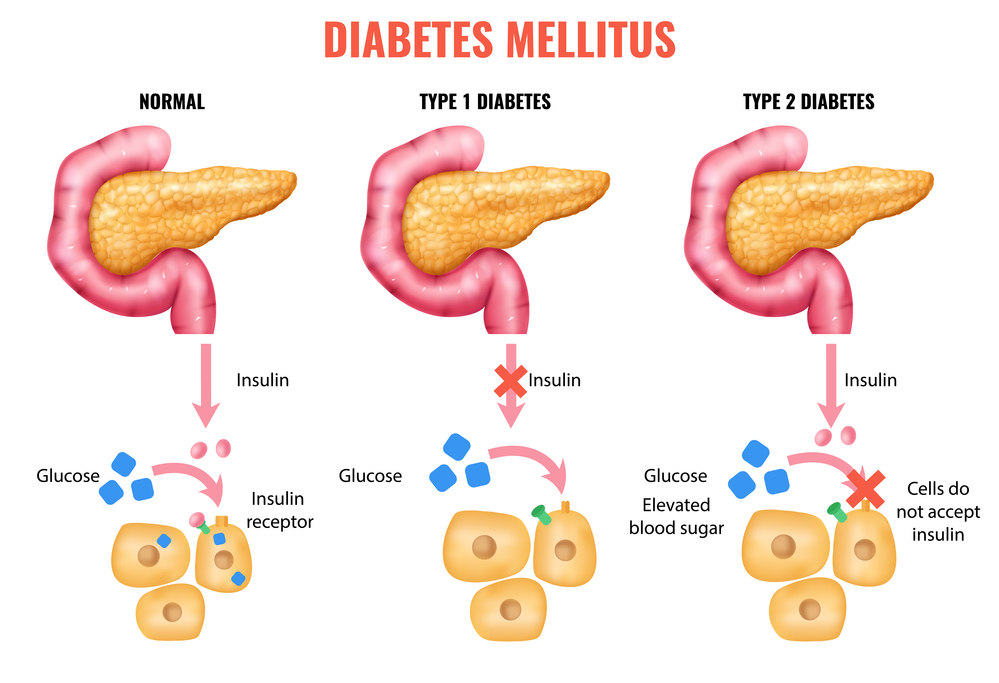
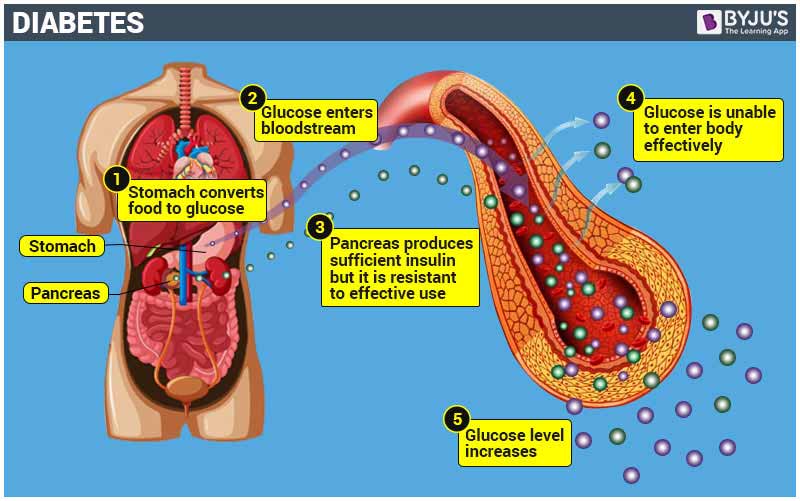
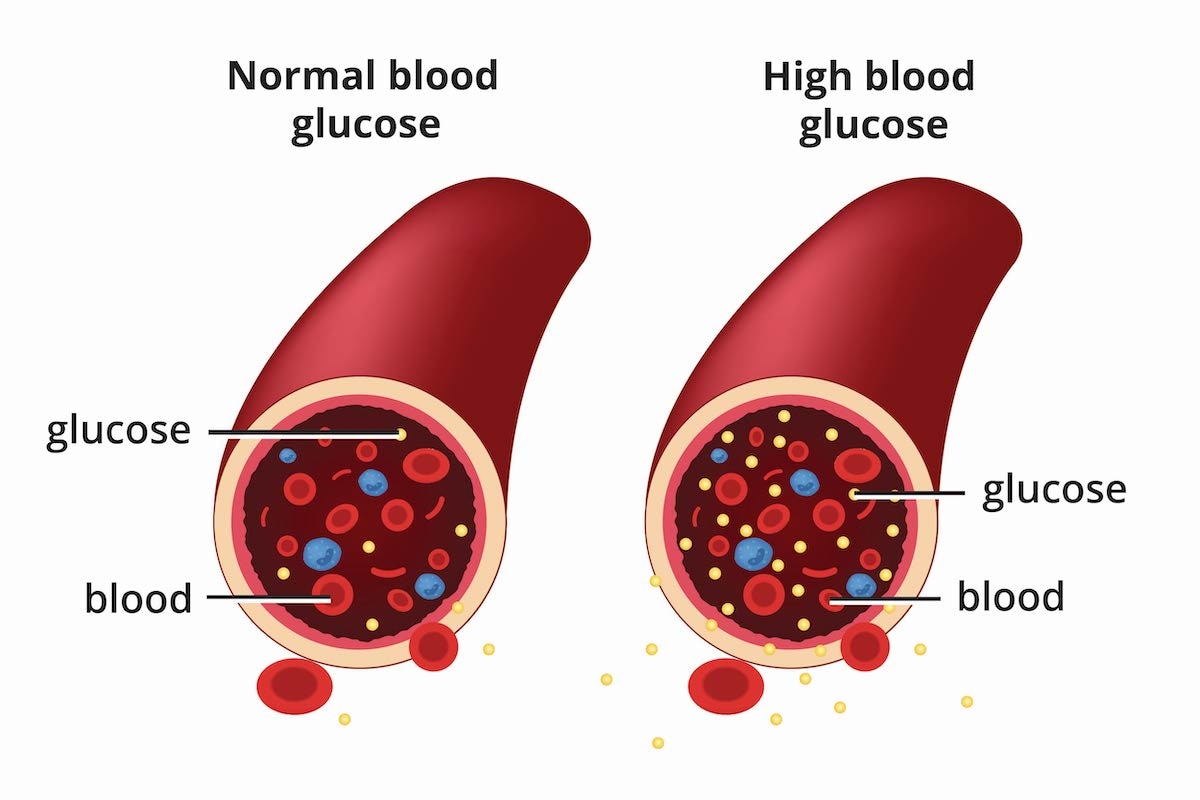
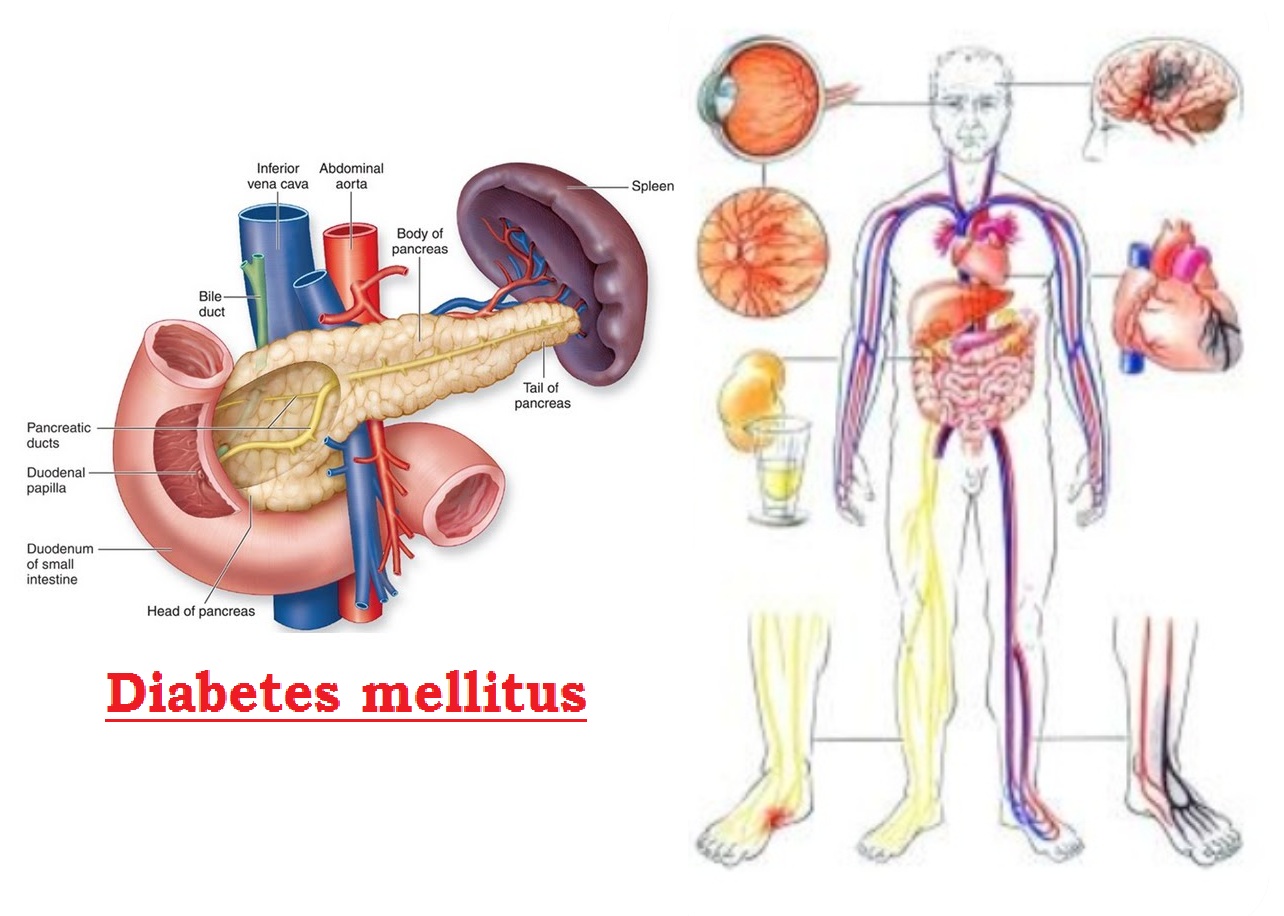
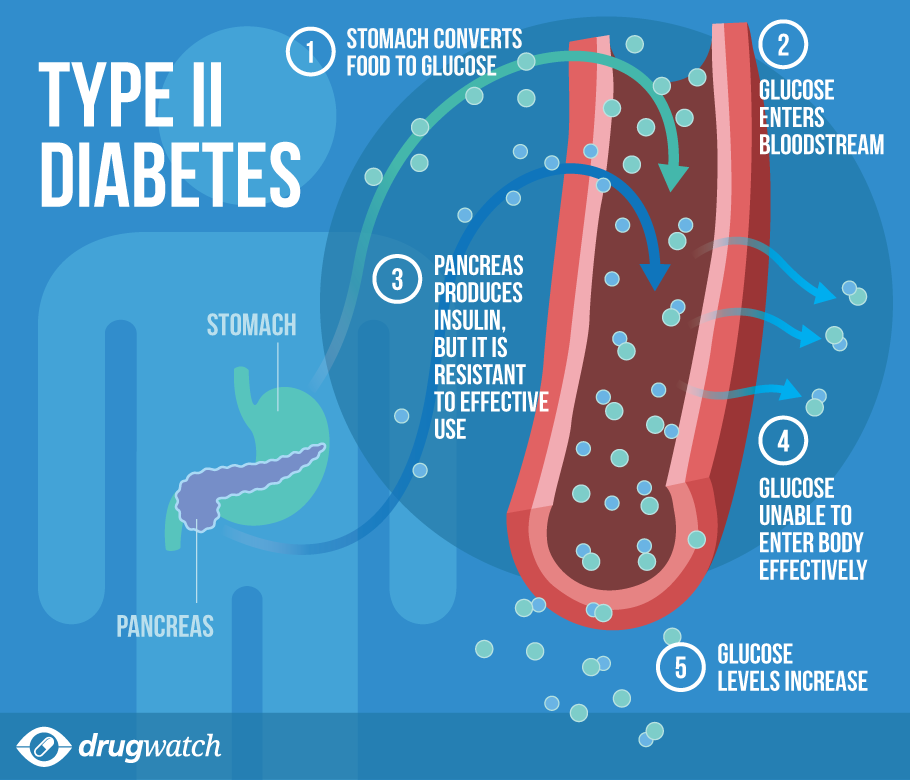
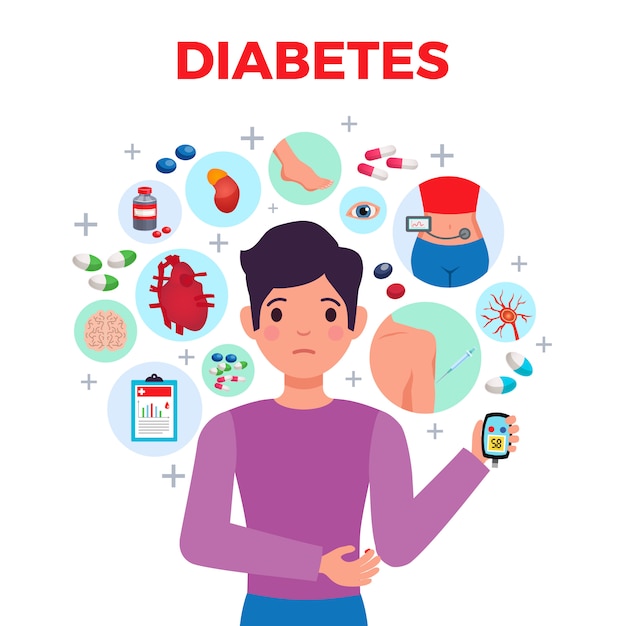
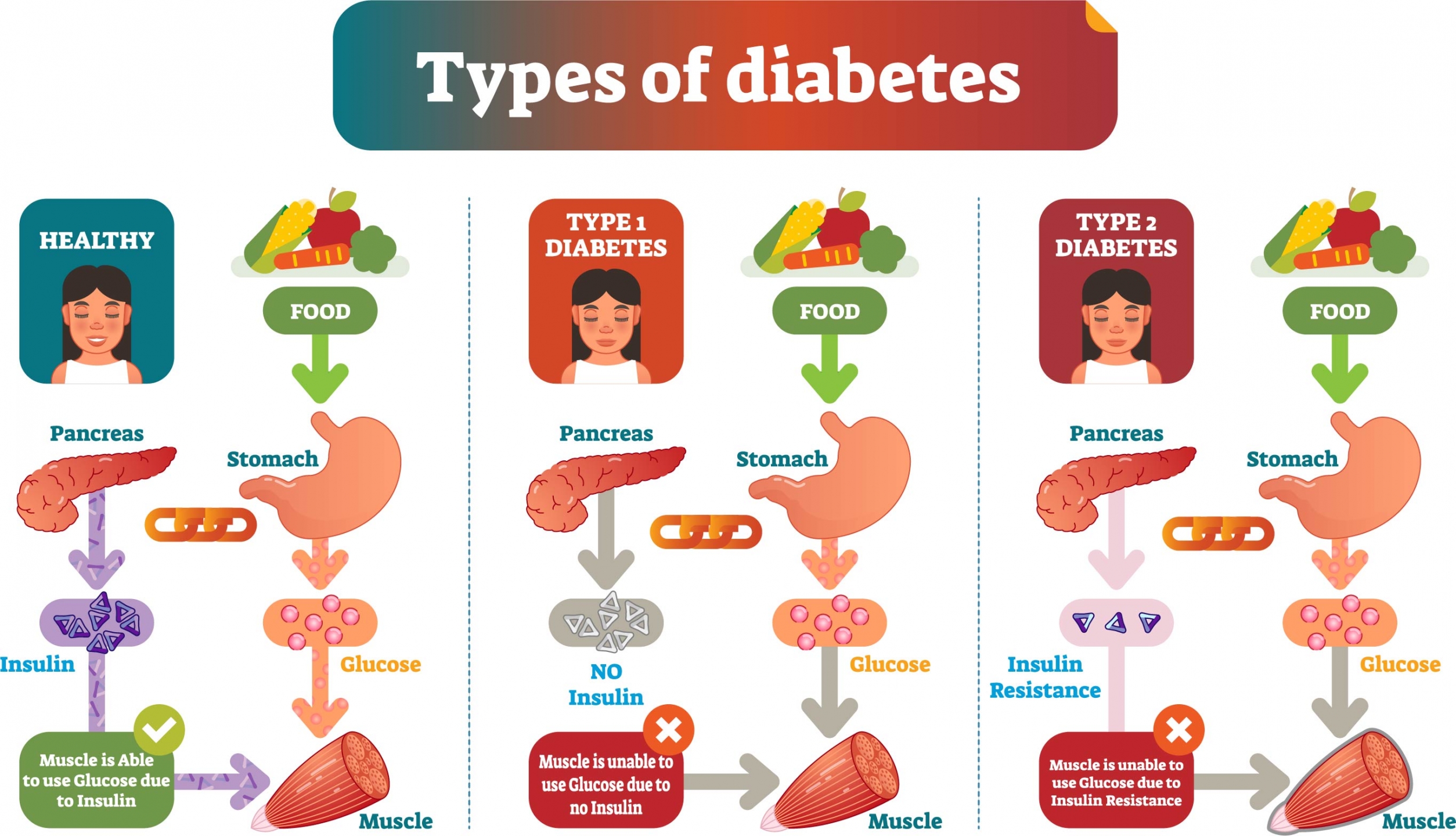
Diabetes mellitus, regardless of age, fundamentally means the body cannot produce or properly use insulin. Insulin is the hormone responsible for allowing sugar (glucose) from food to enter cells to be used for energy. Without enough effective insulin, glucose builds up in the bloodstream, leading to high blood sugar levels (hyperglycemia).
When we talk about Diabetes In Infants, we typically refer to one of two conditions: Neonatal Diabetes Mellitus (NDM), which develops before six months of age, or very early onset Type 1 Diabetes, which usually develops later in infancy or childhood.
It's essential to understand that diabetes in this age group is serious because babies grow and change rapidly. Their small size makes managing blood sugar fluctuations particularly challenging, demanding very close monitoring.
Identifying the Early Signs of Diabetes in Your Baby
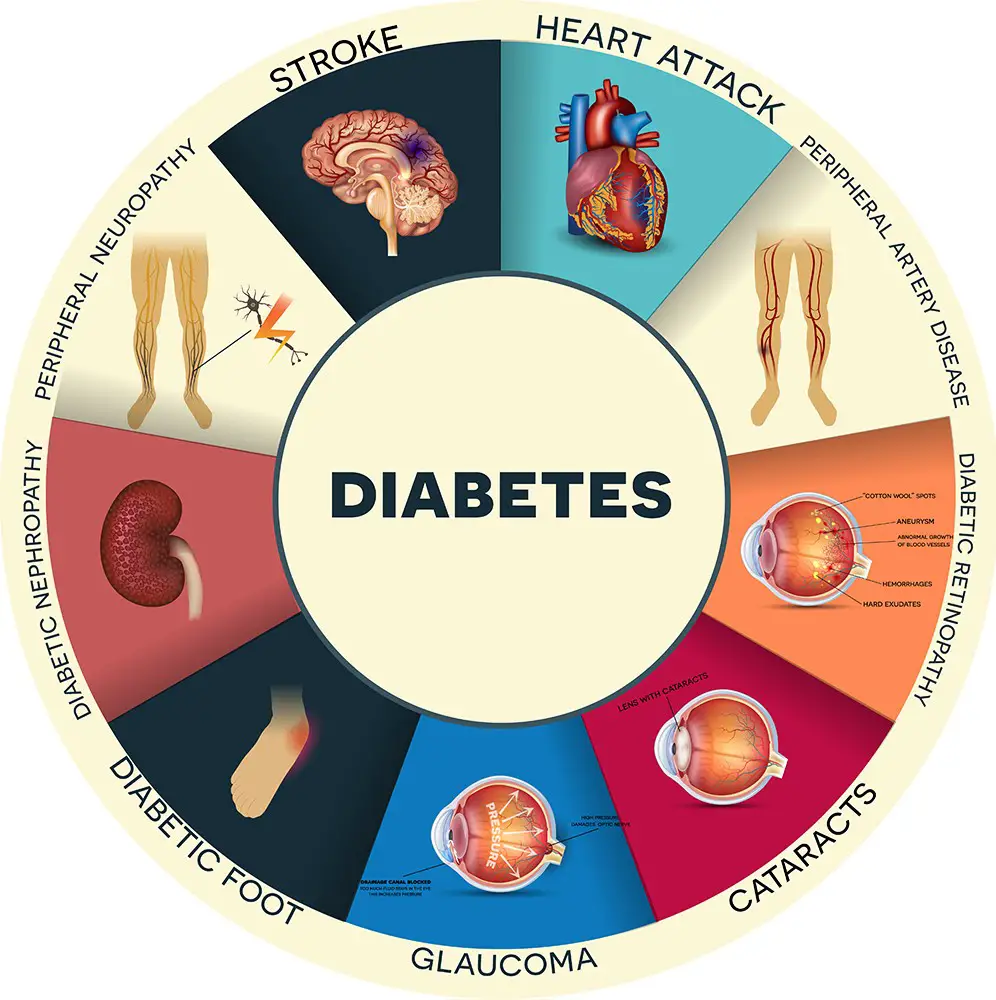
Recognizing symptoms early is vital for preventing complications like diabetic ketoacidosis (DKA), which is a life-threatening condition. Since infants cannot verbally express discomfort, parents must be highly observant of behavioral and physical changes. These symptoms often develop quickly.
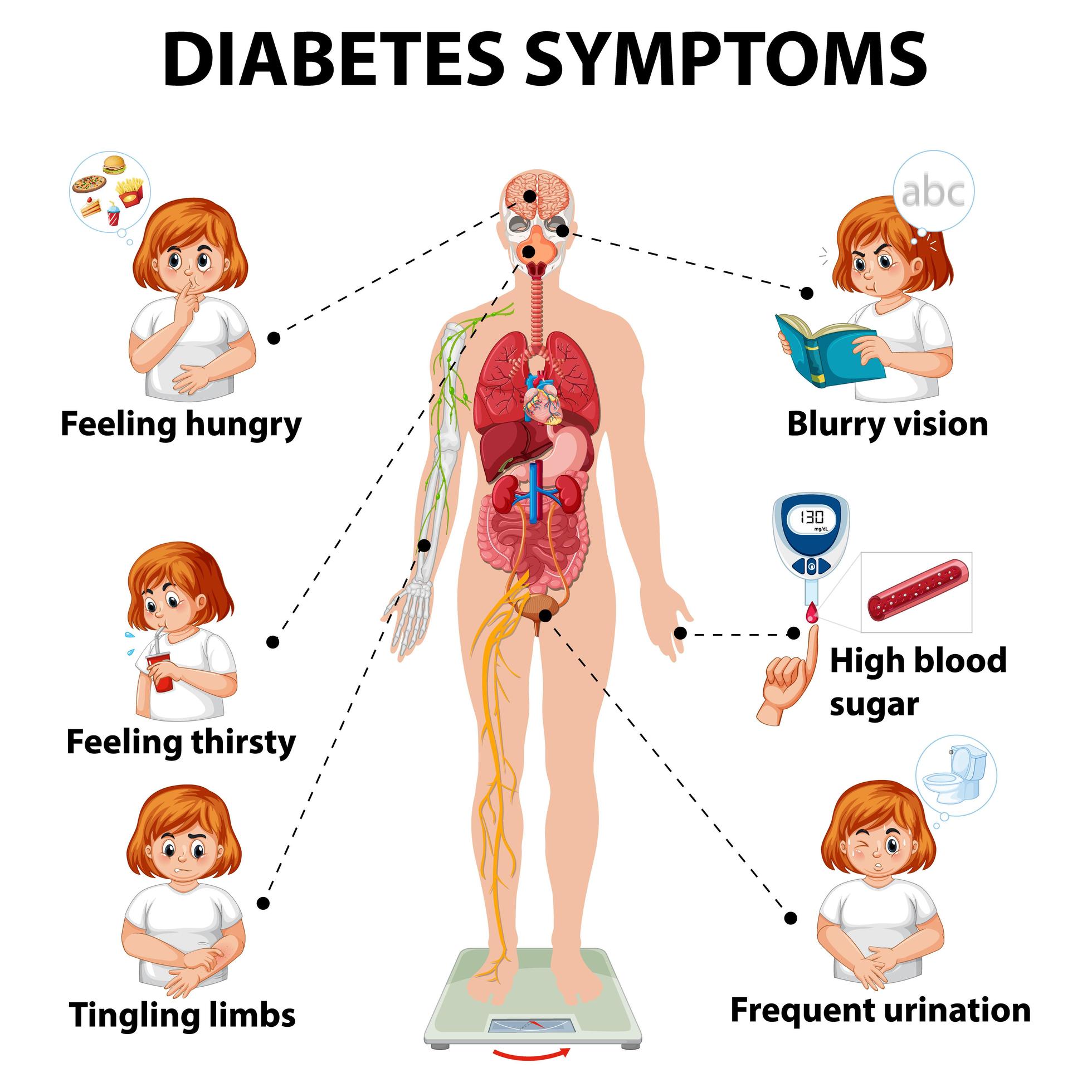
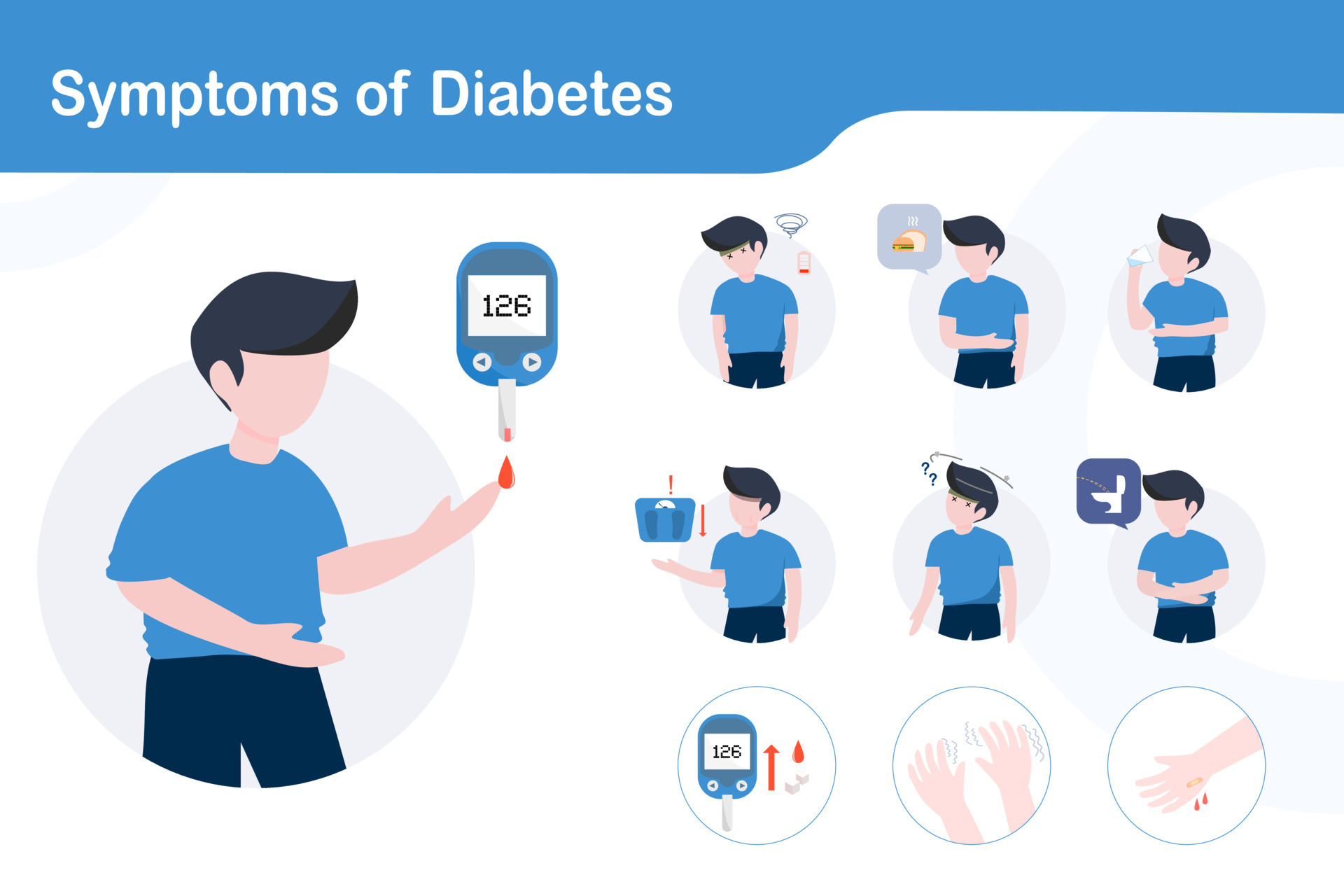
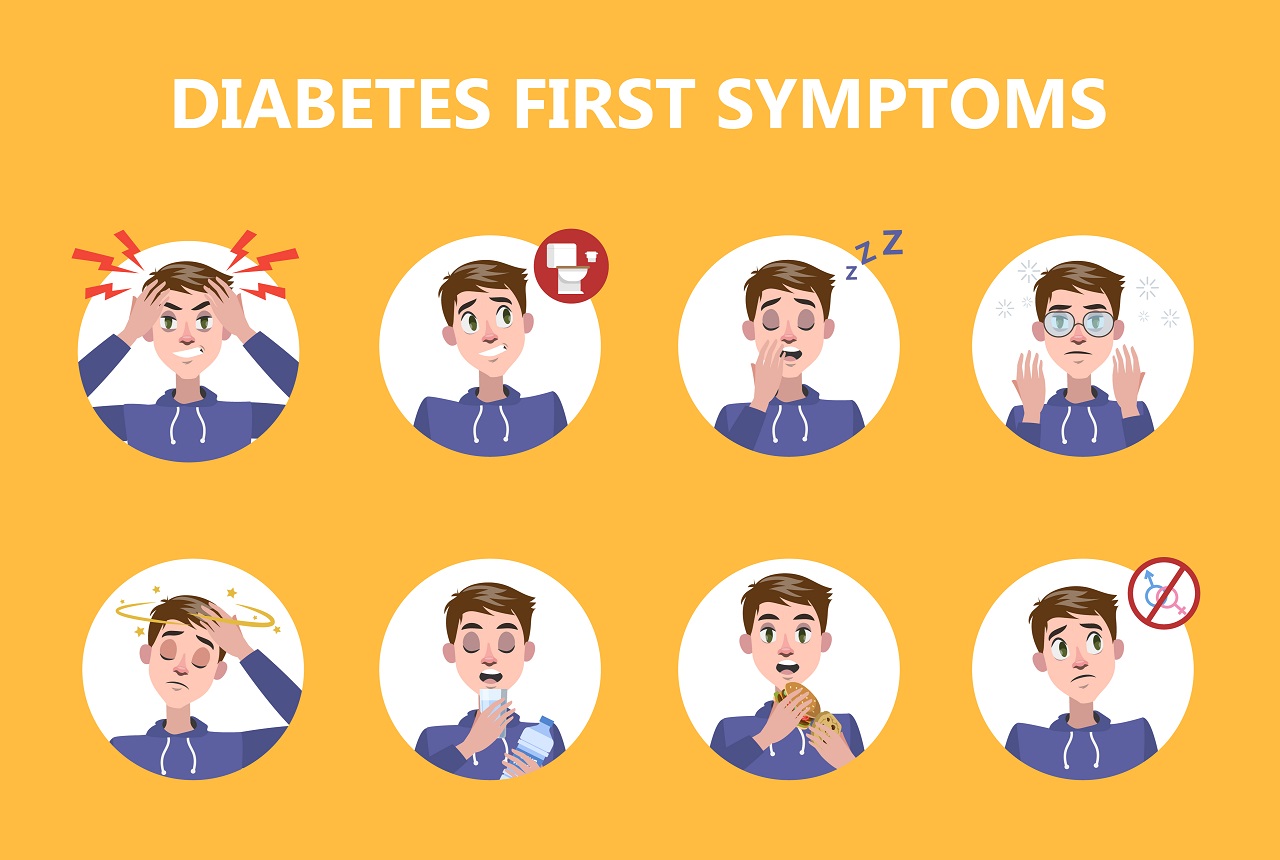
Here are the common warning signs associated with high blood sugar in babies:
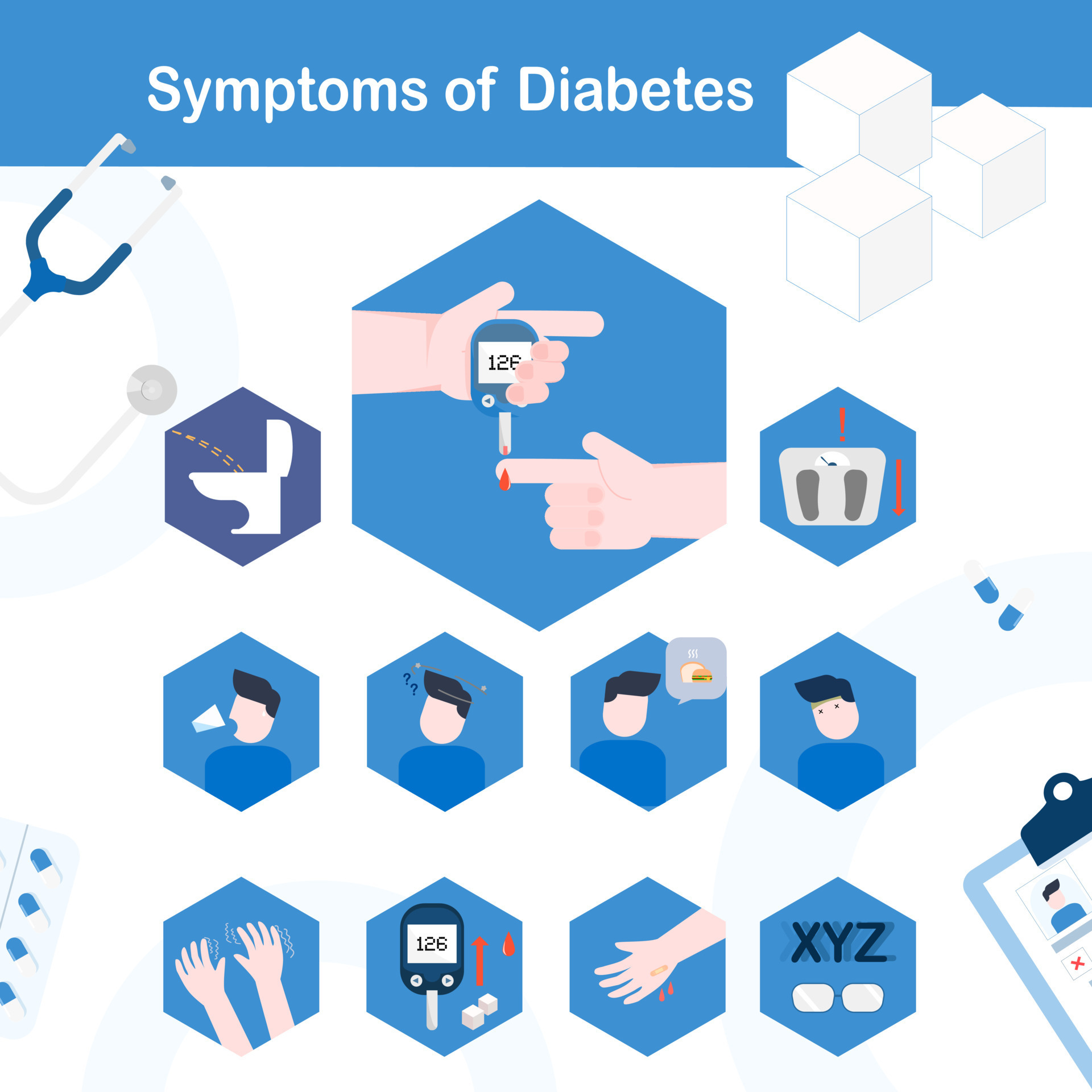
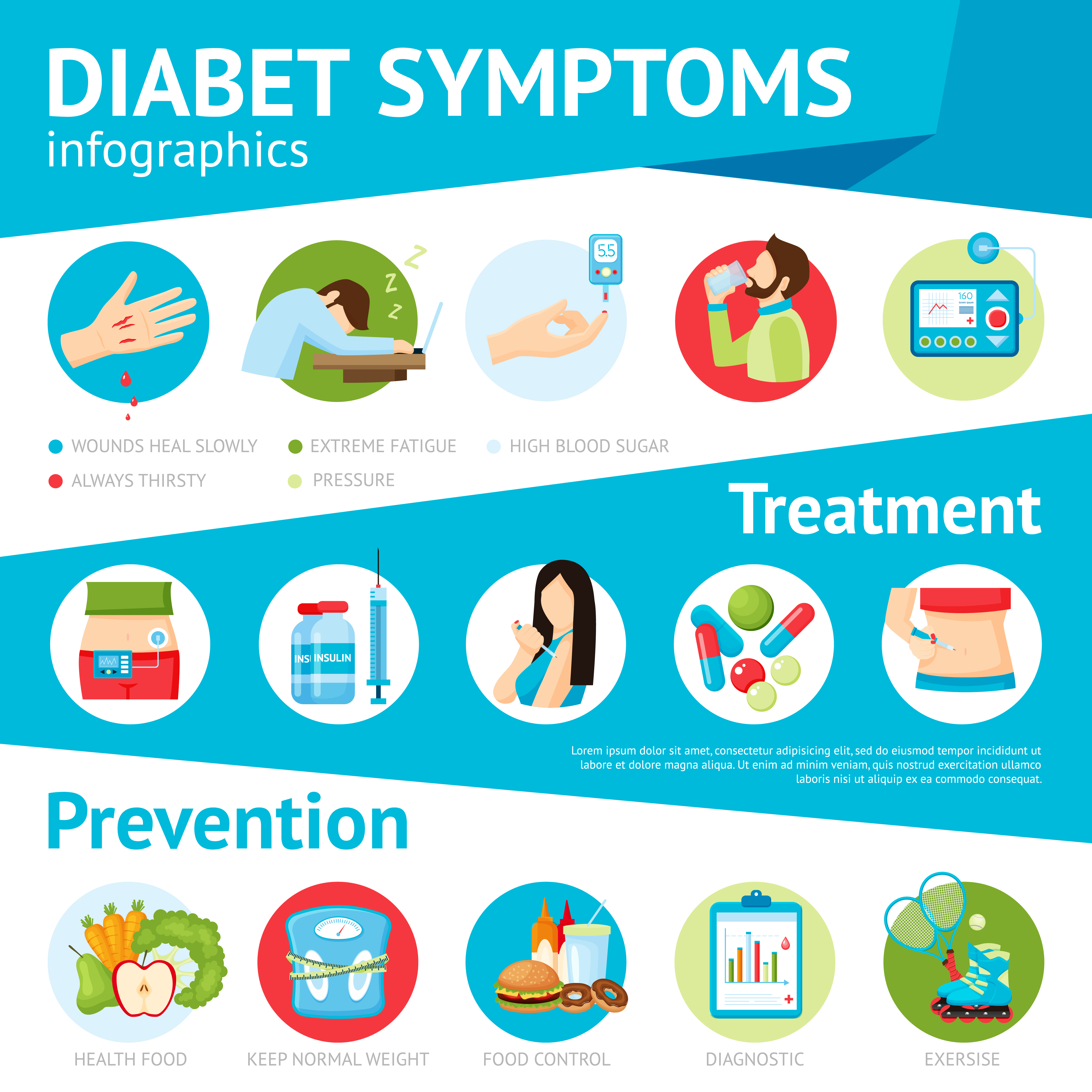
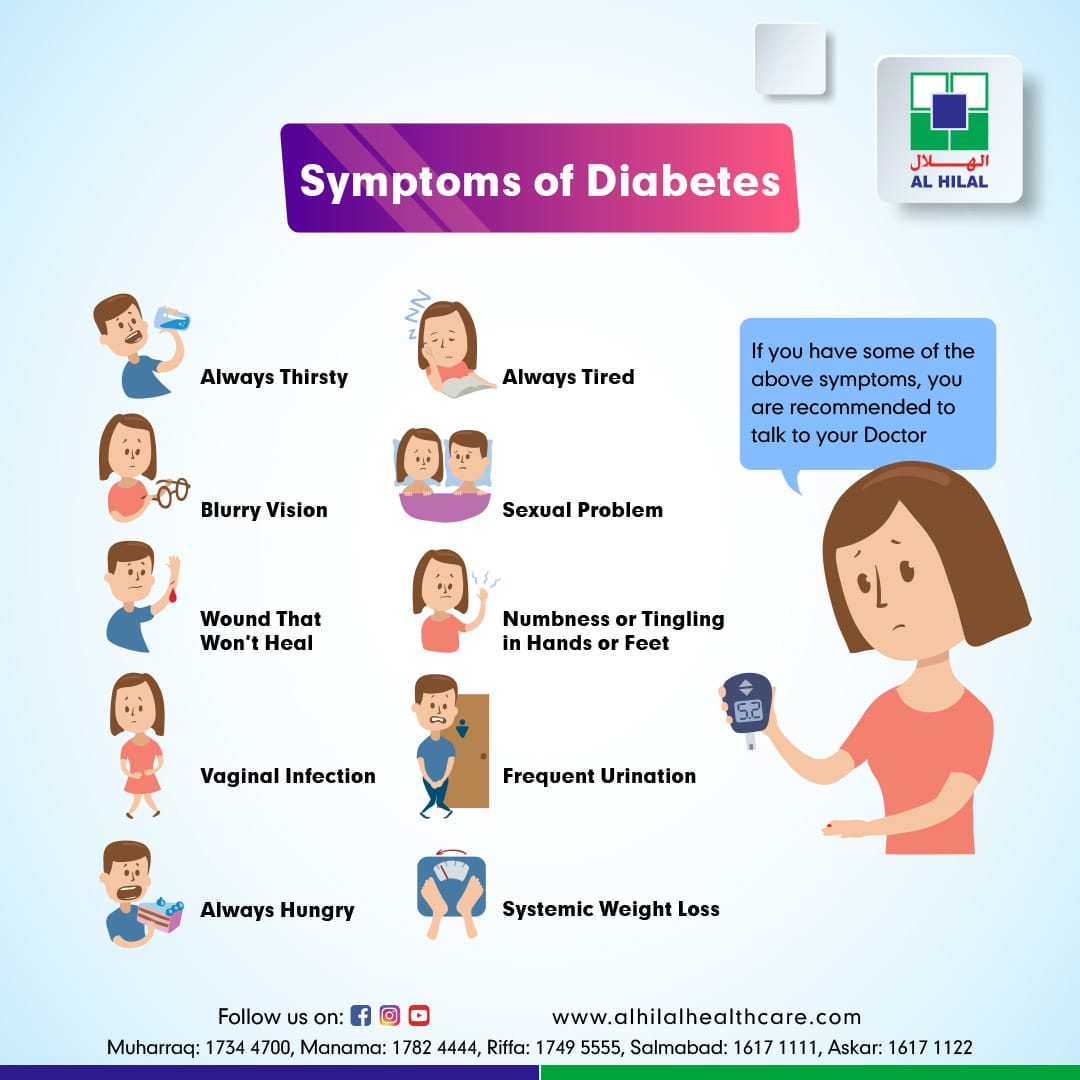
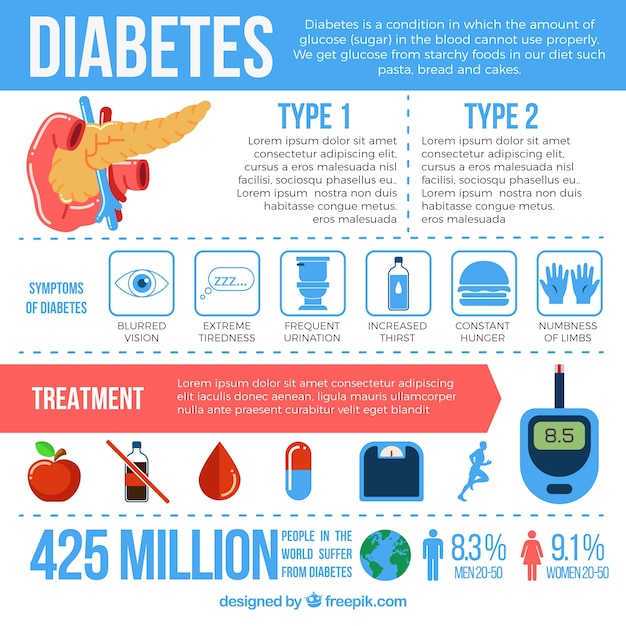
- Increased Thirst (Polydipsia): Your baby may show unusual fussiness or constant desire to feed, often drinking more breast milk, formula, or water than usual.
- Frequent Urination (Polyuria): You might notice significantly wetter diapers, requiring much more frequent changes.
- Unexplained Weight Loss: Despite consuming an appropriate amount of calories, the baby may fail to gain weight or start losing weight because their body is unable to use glucose for energy.
- Extreme Fatigue: The infant may appear unusually sleepy, lethargic, or difficult to wake up.
- Diaper Rash or Yeast Infections: High sugar content in the urine creates an environment where yeast and bacteria thrive.
The Difference Between Neonatal Diabetes Mellitus (NDM) and Type 1 Diabetes
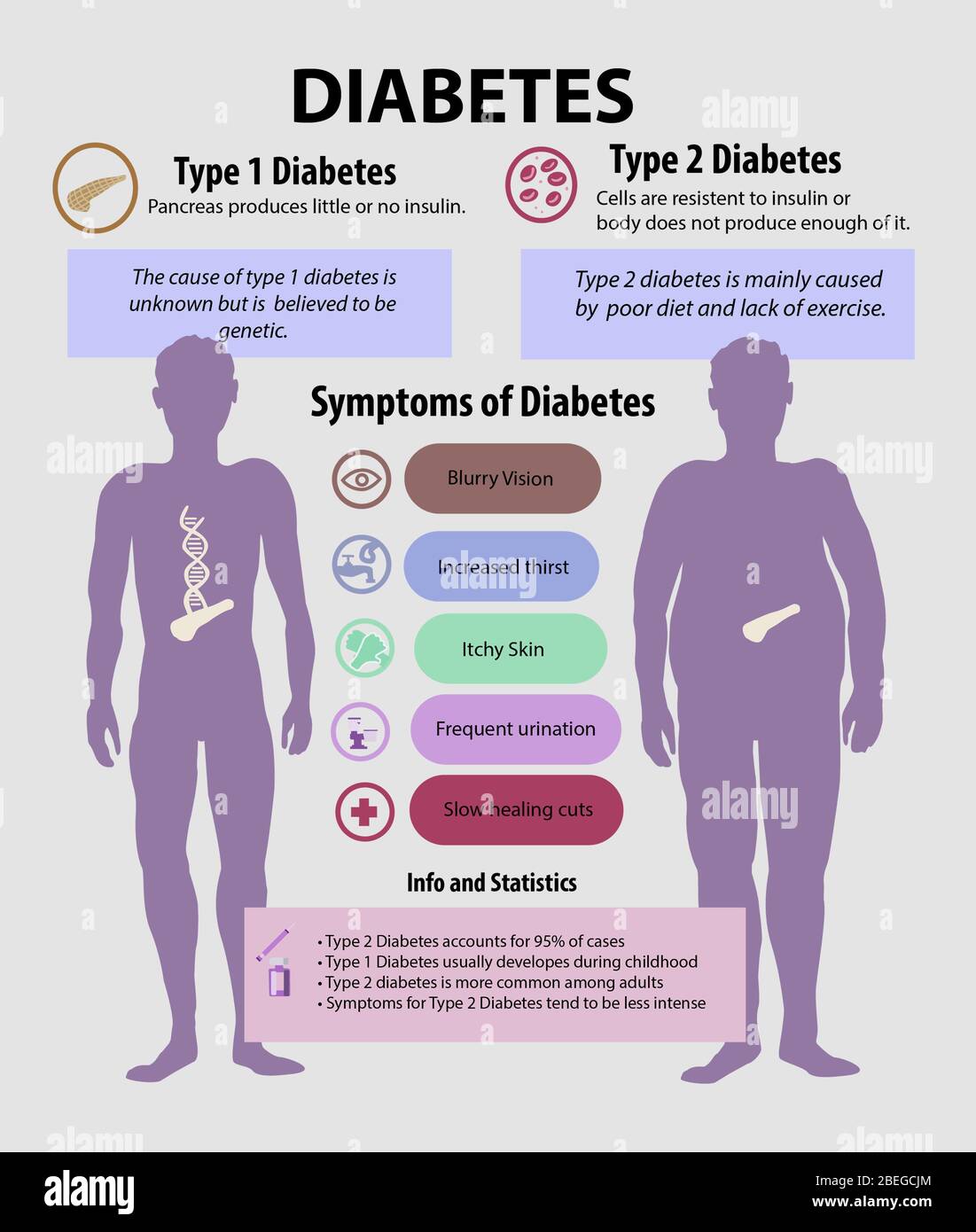
While both conditions involve insulin deficiency, the timing and root causes are different. NDM is rare, affecting about 1 in 100,000 babies, and occurs before six months of age. In contrast, standard Type 1 diabetes is autoimmune and typically manifests later.
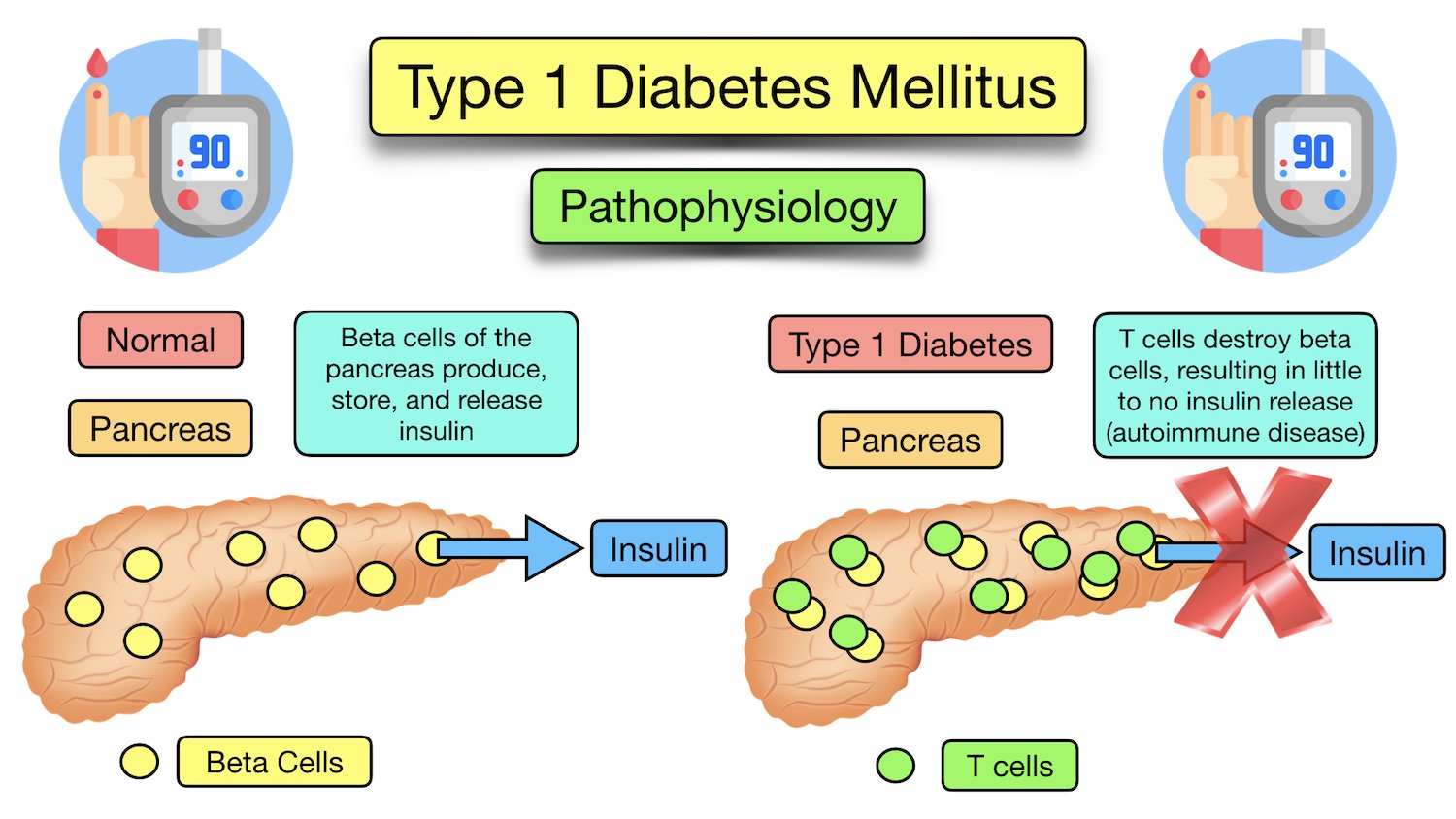
The crucial distinction is that NDM is often caused by a specific gene mutation affecting the function of the pancreatic beta cells, rather than an autoimmune attack. Because of this genetic cause, some infants with NDM can be treated with oral medication (sulfonyureas) instead of insulin, a major difference from Type 1 diabetes.
Causes and Risk Factors
Understanding the "why" behind your baby's diagnosis can help guide treatment, especially in the first year of life. When investigating Diabetes In Infants, doctors primarily look at genetics and autoimmune responses.
For Neonatal Diabetes Mellitus (diagnosed under six months), the cause is almost always genetic. Specific genes, such as those related to the KATP channel in the pancreas, can malfunction. These genetic forms are not inherited in the typical sense but are new mutations that happen randomly.
For Type 1 Diabetes (diagnosed after six months but still considered early onset), the cause is autoimmune. The body mistakenly attacks and destroys the insulin-producing cells (beta cells) in the pancreas. Risk factors for early Type 1 include a family history of the disease and exposure to certain environmental triggers, though these are still being studied.
Diagnosing Diabetes In Infants: What to Expect
If your pediatrician suspects diabetes based on symptoms, they will initiate immediate blood tests. Diagnosis usually happens quickly, often requiring hospitalization to stabilize the infant and begin treatment.
The diagnostic process involves several steps to confirm the diabetes and determine the type:
- Random Blood Glucose Test: A single, high reading (usually above 200 mg/dL) combined with classic symptoms confirms hyperglycemia.
- HbA1c Test: This measures the average blood sugar level over the past 2–3 months. While less reliable in newborns, it gives context.
- Urine Test: Checks for the presence of ketones, which indicates the body is breaking down fat for fuel, a sign of severe insulin deficiency (DKA risk).
- Antibody Screening: If the child is over six months old, blood tests look for specific antibodies that attack the pancreas, confirming Type 1 diabetes.
- Genetic Testing (Crucial for NDM): For infants under six months, genetic analysis is performed immediately to identify gene mutations. This is critical as it determines if the infant can transition off insulin injections.
Once diagnosed, you will be introduced to a multidisciplinary team, including a pediatric endocrinologist, a diabetes educator, and a dietitian. This team will be your lifeline.
Managing Diabetes In Infants: Practical Steps
Managing Diabetes In Infants is an intensive, 24/7 commitment, but modern technology makes it more manageable than ever before. The primary goal is to keep blood glucose levels within a safe target range to support normal growth and neurological development.
Infants require extremely small and precise doses of insulin because of their tiny bodies. Therefore, parents usually administer insulin via pens or, increasingly, through insulin pumps.
Nutrition management is also simpler for babies, especially those exclusively breastfed or formula-fed, as their carbohydrate intake is consistent. Once solid foods are introduced, carbohydrate counting becomes necessary, but until then, consistency is key.
Caring for Your Infant's Blood Sugar Levels at Home
Daily life involves meticulous planning and monitoring. While it seems daunting now, these routines will quickly become second nature. Technology is your friend here, making continuous monitoring easier.
Here are crucial management tips for parents:
1. Consistent Glucose Monitoring:
You must check blood sugar levels frequently—often 8 to 12 times a day. Continuous Glucose Monitors (CGMs) are strongly recommended for infants as they provide real-time readings, alerts for high or low sugar, and reduce the need for painful finger pricks.
2. Understanding Hypoglycemia:
Low blood sugar (hypoglycemia) is a major danger in infants, especially because they rely on you entirely to notice symptoms. Symptoms of a low sugar crash include paleness, sweating, shaking, difficulty waking, or unusual irritability. Always have fast-acting glucose (like dextrose gel) available, as recommended by your doctor.
3. Never Hesitate to Call:
Since illness, teething, or changes in sleep can rapidly affect blood sugar levels, you should have an open line of communication with your pediatric endocrinologist. If you are ever unsure about a dose or a reading, call your medical team immediately.
Remember, managing Diabetes In Infants is a marathon, not a sprint. Be patient with yourself, seek support from other parents, and trust your instincts—you know your baby best.
Conclusion
A diagnosis of Diabetes In Infants is life-altering, but modern medicine provides powerful tools for effective management. Whether your baby has Neonatal Diabetes Mellitus (NDM) or early-onset Type 1, careful monitoring, precise insulin dosing, and working closely with a specialist team ensures your baby can thrive.
The first few months of managing infant diabetes require steep learning, yet the dedication you put into consistency and alertness will pave the way for a healthy future. Focus on celebrating the small victories and never stop advocating for your child's best care.
Frequently Asked Questions (FAQ) About Diabetes In Infants
- What is the main difference between treating Type 1 diabetes in an infant versus an older child?
- The main difference lies in precision and risk management. Infants have unpredictable sleeping and feeding schedules, and their total blood volume is small, meaning even tiny insulin errors can cause severe hypoglycemia. Treatment requires highly diluted insulin and very frequent monitoring, often exclusively relying on insulin pumps and CGMs.
- Is Diabetes In Infants curable if it is Neonatal Diabetes Mellitus (NDM)?
- While NDM is not technically "curable," a significant portion of infants diagnosed with specific forms of NDM (often related to the KATP channel gene) can successfully transition off insulin injections and onto oral sulfonylurea medication. This is a massive therapeutic breakthrough, highlighting why genetic testing is mandatory.
- Will my infant need to stay on insulin injections forever?
- If the infant is diagnosed with Type 1 diabetes, they will require lifelong insulin therapy, as there is currently no cure. However, if the diagnosis is transient Neonatal Diabetes (a very rare form of NDM), the need for insulin may temporarily disappear, only to potentially reappear later in life.
- How often should I check my baby's blood sugar?
- For infants with Diabetes In Infants, blood sugar checks are highly frequent—typically 8 to 12 times per day. This includes before every feed/snack, two hours after, at bedtime, and several times overnight. Using a Continuous Glucose Monitor (CGM) is highly recommended to ease the burden.
Diabetes In Infants
Diabetes In Infants Wallpapers
Collection of diabetes in infants wallpapers for your desktop and mobile devices.
Mesmerizing Diabetes In Infants Capture Collection
Explore this high-quality diabetes in infants image, perfect for enhancing your desktop or mobile wallpaper.
Dynamic Diabetes In Infants Capture Digital Art
This gorgeous diabetes in infants photo offers a breathtaking view, making it a perfect choice for your next wallpaper.
Lush Diabetes In Infants Artwork Digital Art
Immerse yourself in the stunning details of this beautiful diabetes in infants wallpaper, designed for a captivating visual experience.
Serene Diabetes In Infants Design Photography
Experience the crisp clarity of this stunning diabetes in infants image, available in high resolution for all your screens.
Breathtaking Diabetes In Infants Moment Digital Art
Discover an amazing diabetes in infants background image, ideal for personalizing your devices with vibrant colors and intricate designs.
Detailed Diabetes In Infants Image Concept
Discover an amazing diabetes in infants background image, ideal for personalizing your devices with vibrant colors and intricate designs.
Dynamic Diabetes In Infants Photo for Your Screen
This gorgeous diabetes in infants photo offers a breathtaking view, making it a perfect choice for your next wallpaper.
Gorgeous Diabetes In Infants Moment for Desktop
Find inspiration with this unique diabetes in infants illustration, crafted to provide a fresh look for your background.
Breathtaking Diabetes In Infants Artwork Photography
Experience the crisp clarity of this stunning diabetes in infants image, available in high resolution for all your screens.
Vibrant Diabetes In Infants Background Illustration
Explore this high-quality diabetes in infants image, perfect for enhancing your desktop or mobile wallpaper.
Lush Diabetes In Infants Wallpaper for Your Screen
A captivating diabetes in infants scene that brings tranquility and beauty to any device.
/complicationsofdiabetes-GettyImages-1302948460-829d6ca13e4945eab127f8dd9d87b773.jpeg "Beautiful Diabetes In Infants View for Desktop")
Beautiful Diabetes In Infants View for Desktop
Transform your screen with this vivid diabetes in infants artwork, a true masterpiece of digital design.
Beautiful Diabetes In Infants Picture Art
Experience the crisp clarity of this stunning diabetes in infants image, available in high resolution for all your screens.
Serene Diabetes In Infants Picture Nature
Explore this high-quality diabetes in infants image, perfect for enhancing your desktop or mobile wallpaper.

Exquisite Diabetes In Infants Image Collection
This gorgeous diabetes in infants photo offers a breathtaking view, making it a perfect choice for your next wallpaper.
Vivid Diabetes In Infants Moment Digital Art
Transform your screen with this vivid diabetes in infants artwork, a true masterpiece of digital design.
Lush Diabetes In Infants Background Collection
Immerse yourself in the stunning details of this beautiful diabetes in infants wallpaper, designed for a captivating visual experience.
Artistic Diabetes In Infants View Illustration
A captivating diabetes in infants scene that brings tranquility and beauty to any device.
Spectacular Diabetes In Infants Landscape for Desktop
A captivating diabetes in infants scene that brings tranquility and beauty to any device.
High-Quality Diabetes In Infants Scene for Your Screen
Transform your screen with this vivid diabetes in infants artwork, a true masterpiece of digital design.
Download these diabetes in infants wallpapers for free and use them on your desktop or mobile devices.