The Ultimate Guide to Understanding Diabetes Information
If you're looking for clear, reliable Diabetes Information, you've come to the right place. Hearing the word "diabetes" can be scary, but knowledge is power when it comes to managing your health. We are here to walk you through everything you need to know, from the basic science to practical daily management tips, all in a friendly and easy-to-digest format.
This article aims to cut through the jargon and give you actionable insights. Whether you have just been diagnosed, or you are supporting a loved one, understanding this condition is the essential first step toward living a full and healthy life.
What Exactly is Diabetes, Anyway?
At its core, diabetes is a chronic condition that affects how your body turns food into energy. Think of food, especially carbohydrates, as fuel. This fuel is broken down into glucose (sugar), which needs to get into your body's cells to be used for energy.
This is where insulin—a hormone made by the pancreas—plays the crucial role. Insulin acts like a key, unlocking your cells so glucose can enter. When you have diabetes, either your body doesn't make enough insulin, or it doesn't use the insulin it makes effectively. This results in too much sugar remaining in your bloodstream, which is known as high blood sugar.
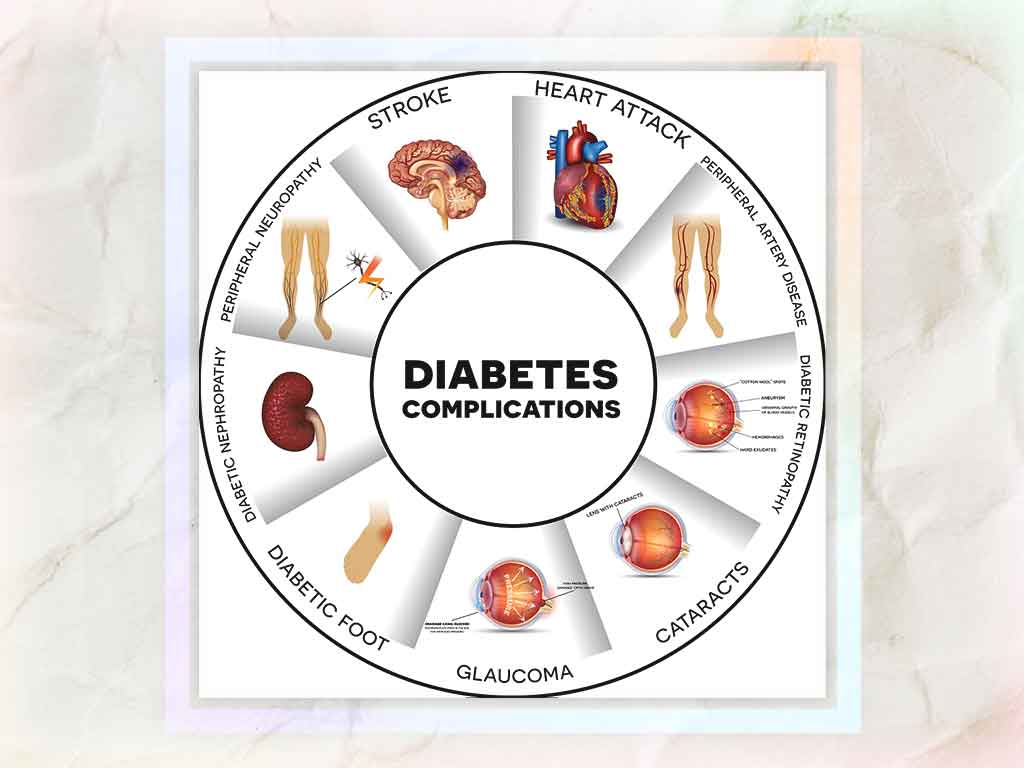
Over time, high blood sugar can lead to serious health problems, such as heart disease, vision loss, and kidney damage. Therefore, consistent management based on accurate Diabetes Information is absolutely critical.
The Different Types of Diabetes (Diabetes Information Breakdown)
Understanding which type of diabetes you are dealing with is vital because the causes and treatment strategies differ significantly. While they all result in high blood sugar, the mechanisms behind them are distinct.
Type 1 Diabetes: The Autoimmune Factor
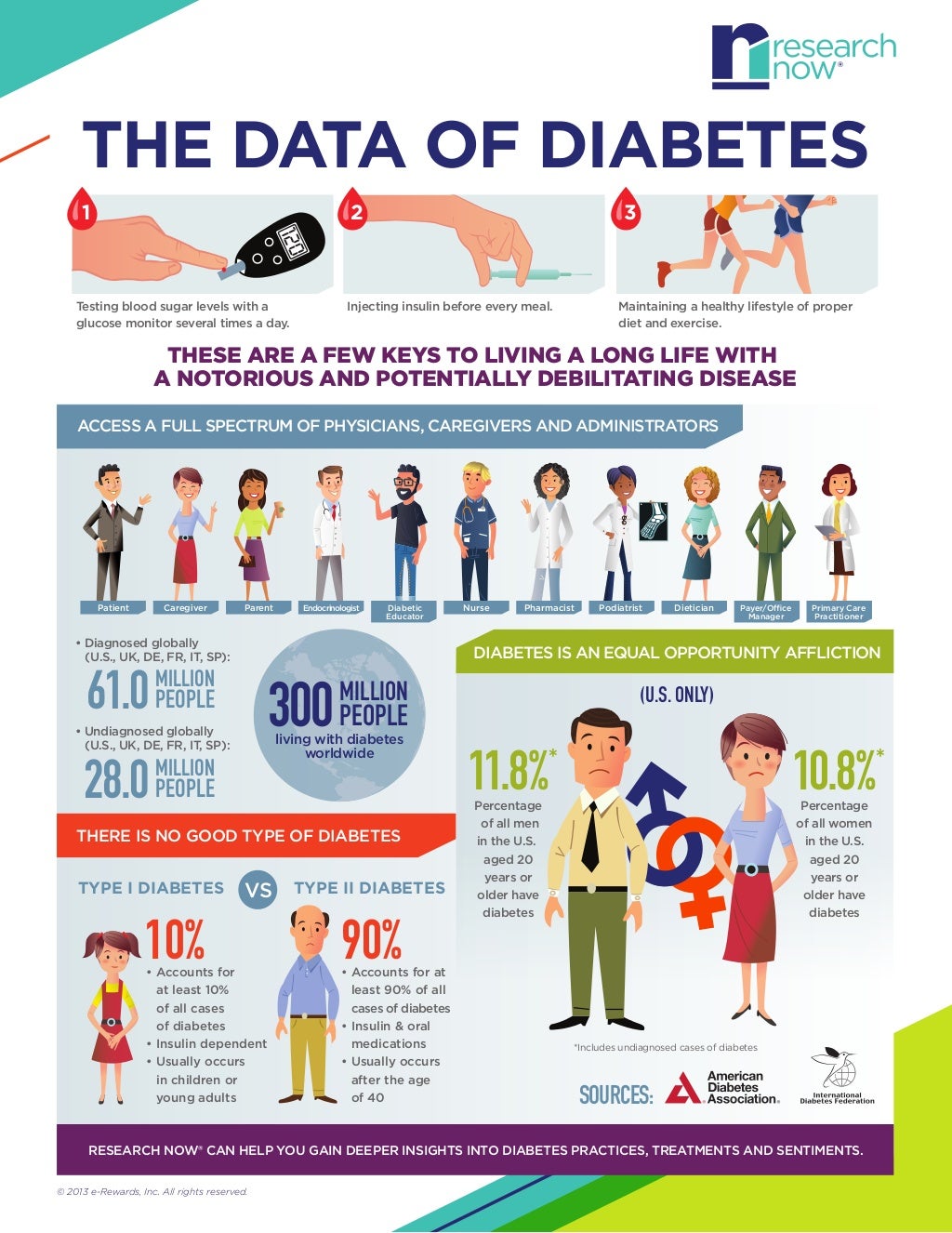
Type 1 diabetes is often diagnosed in children, adolescents, and young adults, though it can appear at any age. It is an autoimmune condition. This means your immune system mistakenly attacks and destroys the insulin-producing cells (beta cells) in the pancreas.
Because the body produces little to no insulin, individuals with Type 1 diabetes must take insulin every day to survive. There is currently no known way to prevent Type 1 diabetes, and genetics and environmental factors are believed to play a role.
Type 2 Diabetes: Lifestyle and Resistance
This is the most common form of diabetes, accounting for about 90–95% of all cases. In Type 2 diabetes, your body either doesn't use insulin well (insulin resistance), or it doesn't produce enough insulin to keep up with the demands.
Insulin resistance means that while the "keys" (insulin) are there, the "locks" (cells) are sticky and won't open easily. This type is strongly linked to genetics, older age, obesity, and physical inactivity. Furthermore, lifestyle changes are often the first line of defense in managing and even reversing Type 2 diabetes.
Gestational Diabetes: Temporary but Important
Gestational diabetes develops only during pregnancy. Hormones produced by the placenta can block the action of the mother's insulin, causing blood sugar levels to rise. While it usually resolves after the baby is born, it significantly increases the mother's risk of developing Type 2 diabetes later in life.
It also requires careful management to protect both the mother and the baby during pregnancy.
Recognizing the Early Warning Signs
The symptoms of diabetes can sometimes be subtle, especially in the early stages of Type 2. However, recognizing these warning signs is essential for early diagnosis and better long-term health outcomes. Pay close attention to your body and changes in your daily routine.
Common Symptoms You Shouldn't Ignore
If you notice any combination of these symptoms, it is time to talk to your doctor immediately. These are the classic indicators that your body is struggling to manage high glucose levels:
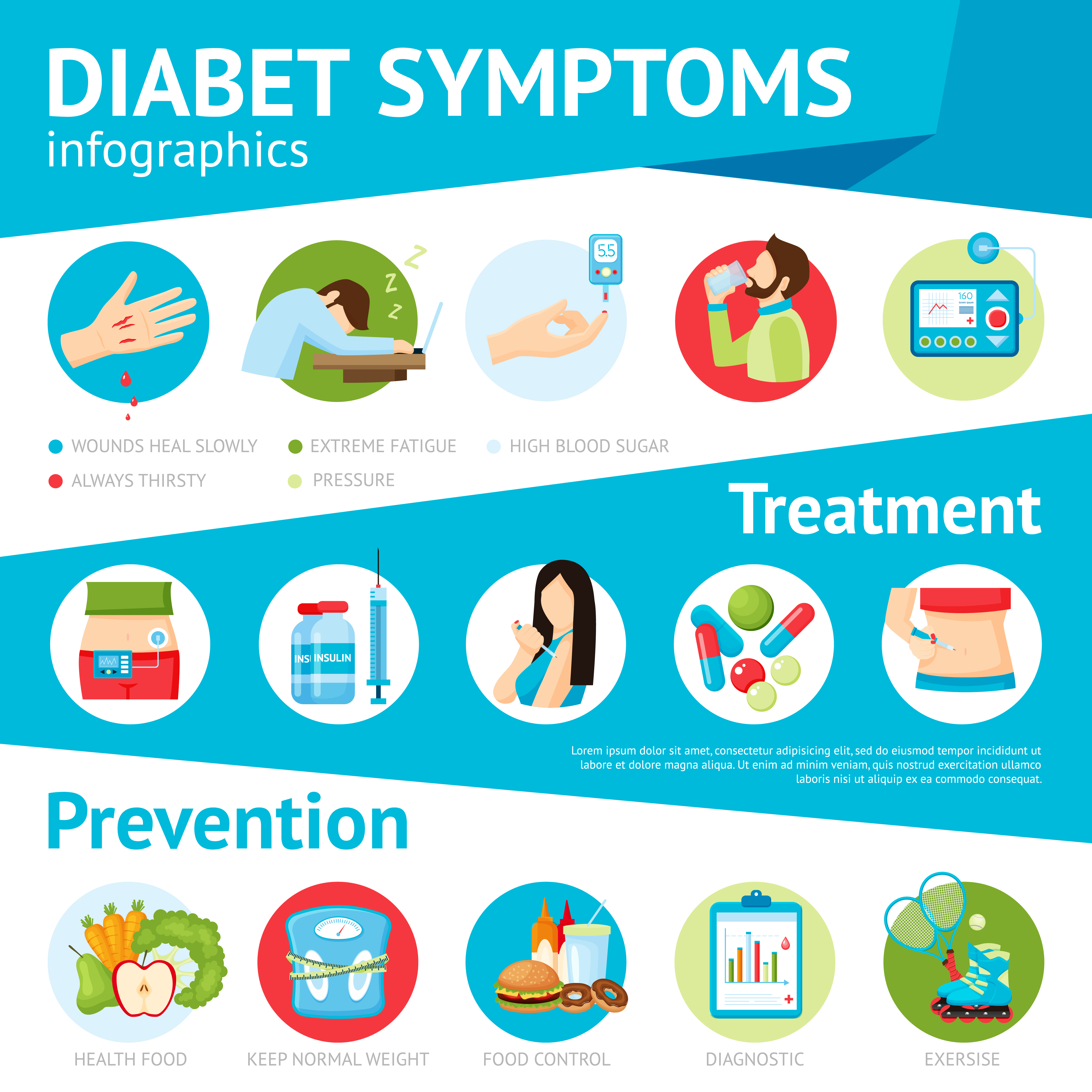
- Increased Thirst (Polydipsia): You feel thirsty all the time, no matter how much you drink.
- Frequent Urination (Polyuria): Especially needing to wake up often during the night to use the bathroom.
- Unexplained Weight Loss: Losing weight without trying, as your body starts using muscle and fat for energy.
- Extreme Fatigue: Feeling constantly tired, even after adequate sleep.
- Blurred Vision: High sugar levels temporarily pull fluid from the lenses of your eyes.
- Slow-Healing Sores or Frequent Infections: High blood sugar impairs your body's ability to heal and fight off infections.
Why Early Diagnosis Matters
The longer diabetes goes undiagnosed or poorly controlled, the higher the risk of serious complications. Early intervention allows you to stabilize blood sugar levels before they cause permanent damage to your nerves, eyes, or kidneys.
Furthermore, early diagnosis of Type 2 diabetes often means management can begin with less aggressive methods, such as diet and exercise alone. This proactive approach significantly improves long-term quality of life.
Managing Your Blood Sugar Like a Pro
Managing diabetes is an ongoing effort that requires dedication, but it is entirely manageable. The core principles of effective diabetes control revolve around three key areas: diet, exercise, and medical adherence. This detailed Diabetes Information is essential for daily success.
Diet and Nutrition: Fueling Your Body Wisely
Food directly impacts your blood sugar. Learning to count carbohydrates and balance your meals is paramount. It's not about restrictive dieting; it's about making smarter choices consistently.
Focus on nutrient-dense foods that have a lower impact on blood sugar. Here are some quick tips:
- Prioritize Fiber: Eat plenty of non-starchy vegetables (like broccoli and spinach), whole grains, and legumes. Fiber slows down sugar absorption.
- Watch the Carbs: Learn carbohydrate counting, especially if you take insulin. Consistent carb intake helps stabilize glucose levels.
- Choose Healthy Fats and Lean Protein: These help you feel full and have minimal impact on immediate blood sugar levels.
- Limit Sugary Drinks: Soda, juices, and sweetened teas cause immediate and drastic blood sugar spikes.
The Power of Physical Activity
Physical activity is one of the most powerful tools in diabetes management. When you exercise, your muscles use glucose for energy, effectively lowering the sugar circulating in your blood. Furthermore, regular exercise makes your body more sensitive to insulin, addressing insulin resistance.
Aim for at least 150 minutes of moderate aerobic activity per week, such as brisk walking, swimming, or cycling. Even small bursts of movement throughout the day can make a difference.
Medication and Monitoring Tools
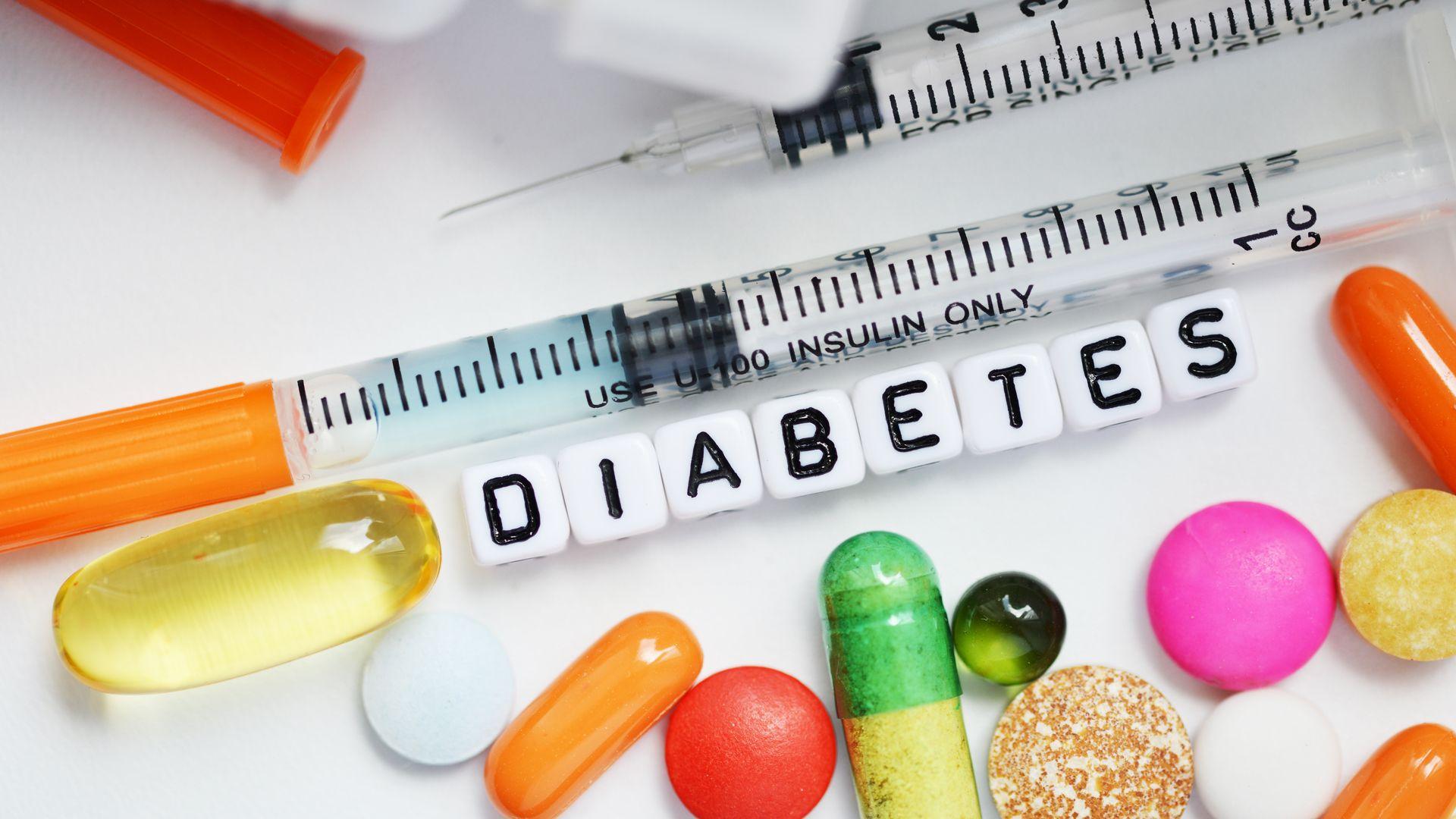
Depending on the type and severity of your condition, your doctor may prescribe various medications. This might include oral medications (for Type 2) or insulin injections (necessary for Type 1 and sometimes Type 2).
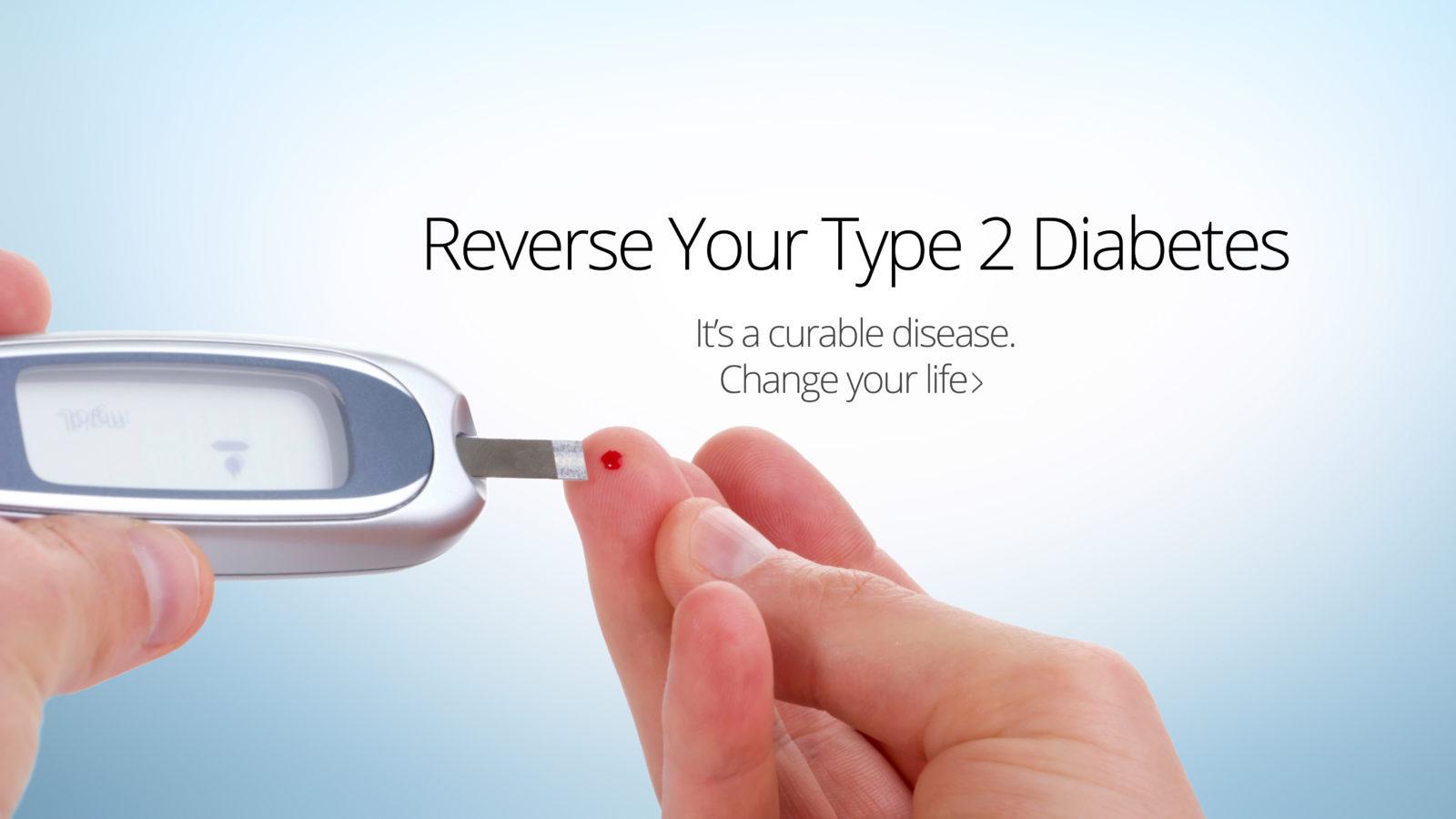
Monitoring is just as important as medication. Regular blood sugar checking, either with a traditional glucose meter or a Continuous Glucose Monitor (CGM), provides the necessary data to adjust your diet, exercise, and medication dosage. Think of monitoring as the feedback loop that keeps your management plan optimized.
Consistent communication with your healthcare team—including your doctor, endocrinologist, and dietitian—will ensure your treatment plan evolves as your body changes. Never adjust medication without professional guidance.
Conclusion: Empower Yourself with Diabetes Information
Living with diabetes is a marathon, not a sprint. While receiving accurate Diabetes Information might feel overwhelming initially, remember that millions of people successfully manage this condition every day. The keys to success are consistency, monitoring, and proactive lifestyle changes.
By understanding the different types of diabetes, recognizing the symptoms early, and actively applying management techniques through diet and exercise, you take back control of your health. Use this guide as your starting point, and always rely on your dedicated healthcare team for personalized advice.
Frequently Asked Questions (FAQ) about Diabetes Information
- What is the main difference between Type 1 and Type 2 diabetes?
- Type 1 is an autoimmune condition where the body stops producing insulin entirely, requiring lifelong insulin therapy. Type 2 involves insulin resistance, meaning the body doesn't use insulin effectively, and is often managed initially through lifestyle changes and oral medication.
- Can diabetes be cured?
- Currently, there is no permanent cure for Type 1 diabetes. Type 2 diabetes can sometimes enter remission (meaning blood sugar levels return to normal without medication) through significant lifestyle changes, such as major weight loss and dietary overhaul. However, it requires ongoing management.
- How often should I check my blood sugar?
- This depends heavily on your treatment plan and the type of diabetes you have. Individuals on intensive insulin therapy (Type 1) may check 4-10 times a day or use a CGM. People managing Type 2 with diet and oral medications might check once daily or less often. Always follow your doctor's specific monitoring schedule.
- What is Pre-diabetes?
- Pre-diabetes is a condition where blood sugar levels are higher than normal but not high enough to be classified as Type 2 diabetes. This is a critical warning stage where lifestyle changes can often prevent the progression to full Type 2 diabetes.
- Is high sugar intake the only cause of diabetes?
- No. While high sugar consumption contributes to weight gain and poor metabolic health, which increases the risk of Type 2 diabetes, it is not the sole cause. Type 1 is genetic and autoimmune. Type 2 is a complex interaction of genetics, lifestyle, age, and environmental factors.
Diabetes Information
Diabetes Information Wallpapers
Collection of diabetes information wallpapers for your desktop and mobile devices.
Mesmerizing Diabetes Information Picture Illustration
Experience the crisp clarity of this stunning diabetes information image, available in high resolution for all your screens.
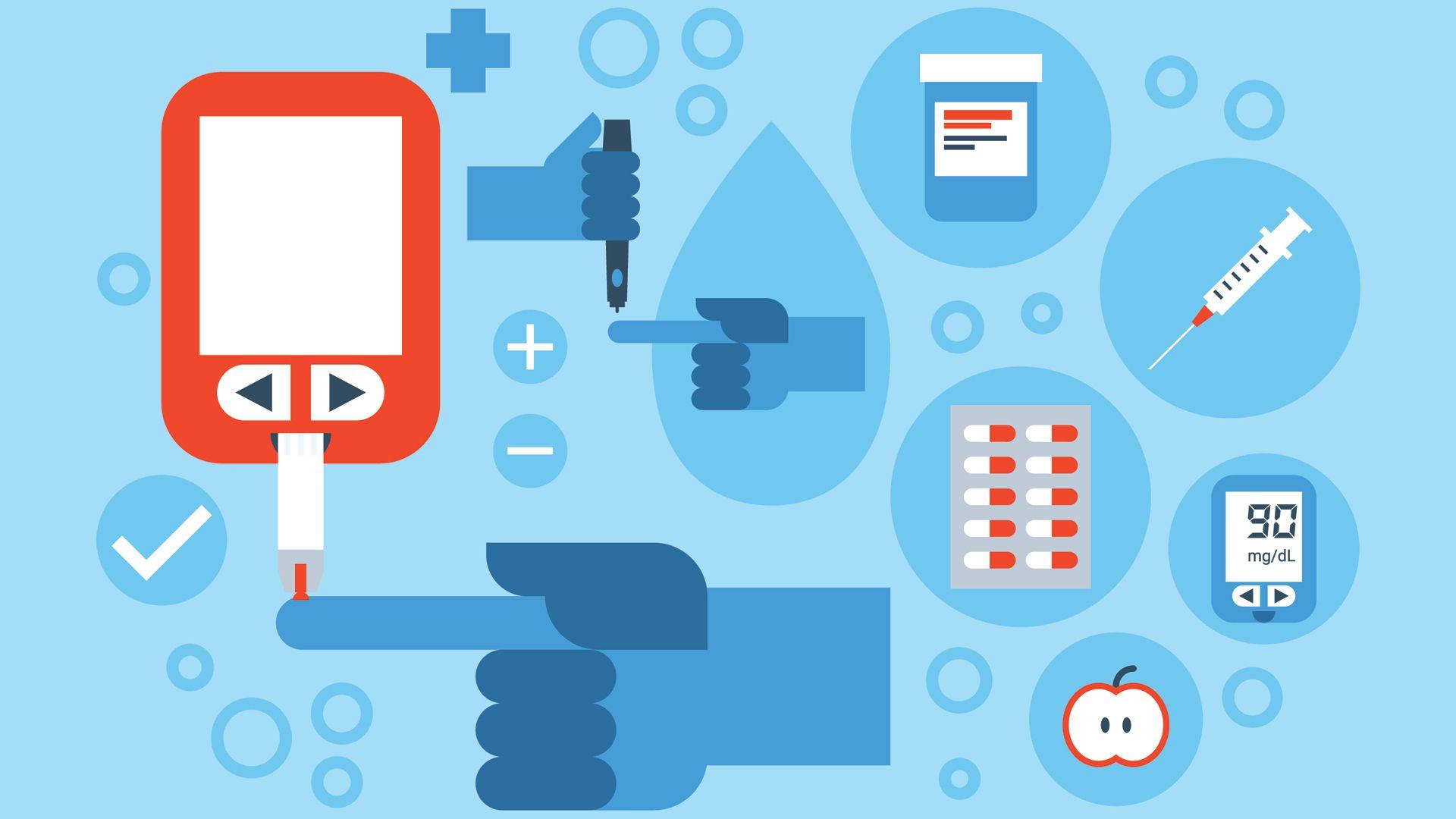
Breathtaking Diabetes Information View in 4K
Explore this high-quality diabetes information image, perfect for enhancing your desktop or mobile wallpaper.

Vibrant Diabetes Information Background Art
Experience the crisp clarity of this stunning diabetes information image, available in high resolution for all your screens.
Vivid Diabetes Information Background Collection
Discover an amazing diabetes information background image, ideal for personalizing your devices with vibrant colors and intricate designs.
Breathtaking Diabetes Information View Illustration
Transform your screen with this vivid diabetes information artwork, a true masterpiece of digital design.

Gorgeous Diabetes Information Photo Illustration
This gorgeous diabetes information photo offers a breathtaking view, making it a perfect choice for your next wallpaper.

Serene Diabetes Information View Illustration
Discover an amazing diabetes information background image, ideal for personalizing your devices with vibrant colors and intricate designs.
Vibrant Diabetes Information Background for Your Screen
Discover an amazing diabetes information background image, ideal for personalizing your devices with vibrant colors and intricate designs.
Dynamic Diabetes Information Photo for Your Screen
This gorgeous diabetes information photo offers a breathtaking view, making it a perfect choice for your next wallpaper.

Beautiful Diabetes Information Design Art
Explore this high-quality diabetes information image, perfect for enhancing your desktop or mobile wallpaper.
Dynamic Diabetes Information Capture Art
Find inspiration with this unique diabetes information illustration, crafted to provide a fresh look for your background.
Spectacular Diabetes Information Moment Art
This gorgeous diabetes information photo offers a breathtaking view, making it a perfect choice for your next wallpaper.
Lush Diabetes Information Landscape for Desktop
Immerse yourself in the stunning details of this beautiful diabetes information wallpaper, designed for a captivating visual experience.
Stunning Diabetes Information Image Concept
Find inspiration with this unique diabetes information illustration, crafted to provide a fresh look for your background.

Serene Diabetes Information View Nature
Explore this high-quality diabetes information image, perfect for enhancing your desktop or mobile wallpaper.
Lush Diabetes Information Abstract Photography
This gorgeous diabetes information photo offers a breathtaking view, making it a perfect choice for your next wallpaper.
High-Quality Diabetes Information Photo Collection
Experience the crisp clarity of this stunning diabetes information image, available in high resolution for all your screens.

Breathtaking Diabetes Information Landscape Photography
Transform your screen with this vivid diabetes information artwork, a true masterpiece of digital design.
Detailed Diabetes Information View Photography
Discover an amazing diabetes information background image, ideal for personalizing your devices with vibrant colors and intricate designs.

Captivating Diabetes Information Artwork in 4K
A captivating diabetes information scene that brings tranquility and beauty to any device.
Download these diabetes information wallpapers for free and use them on your desktop or mobile devices.