The Confusing Reality of Diabetes Mellitus Type 1.5 (LADA)
If you've recently been diagnosed with Type 2 diabetes but feel like the symptoms or management just don't fit, you might be dealing with something more specific: Diabetes Mellitus Type 1.5. This condition, medically known as Latent Autoimmune Diabetes in Adults (LADA), sits right in the confusing middle ground between Type 1 and Type 2. It's often misdiagnosed, leading to ineffective treatment.
Understanding this specific type of diabetes is crucial for proper management. Unlike typical Type 2, which is primarily driven by insulin resistance, Diabetes Mellitus Type 1.5 is fundamentally an autoimmune disorder, just like Type 1. However, its onset is much slower, which is why it usually appears later in life.
We're going to walk through what LADA is, why it's so easily mistaken for Type 2, and what steps you need to take to ensure you get the tailored treatment you deserve.
What Exactly is Diabetes Mellitus Type 1.5?
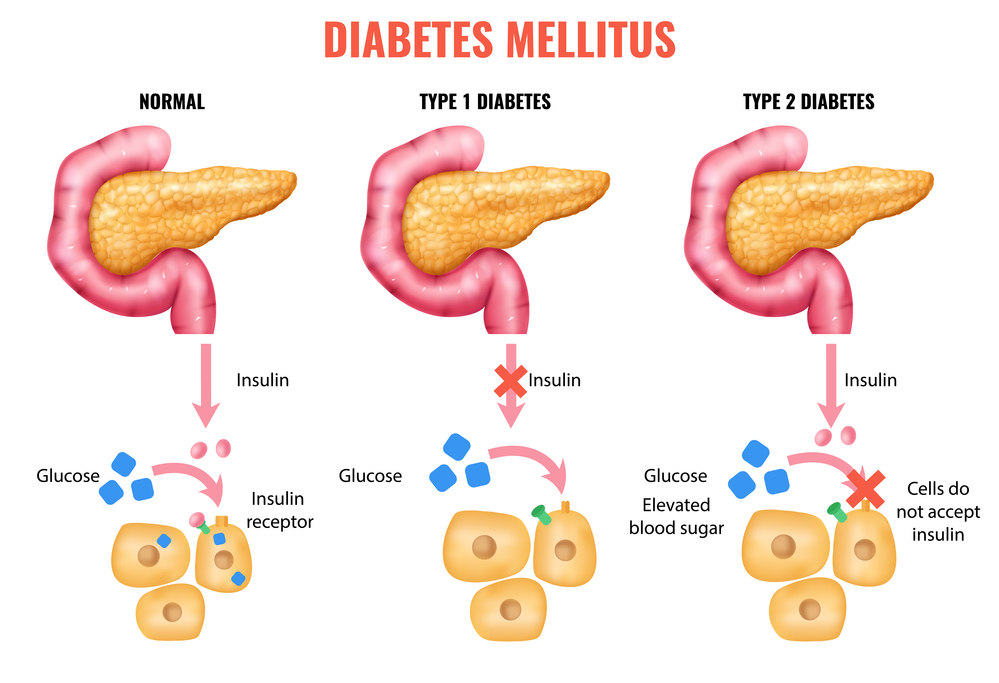
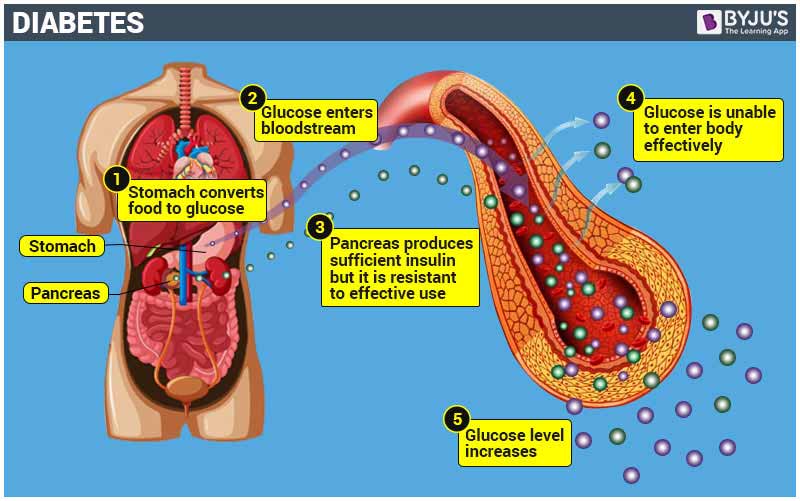
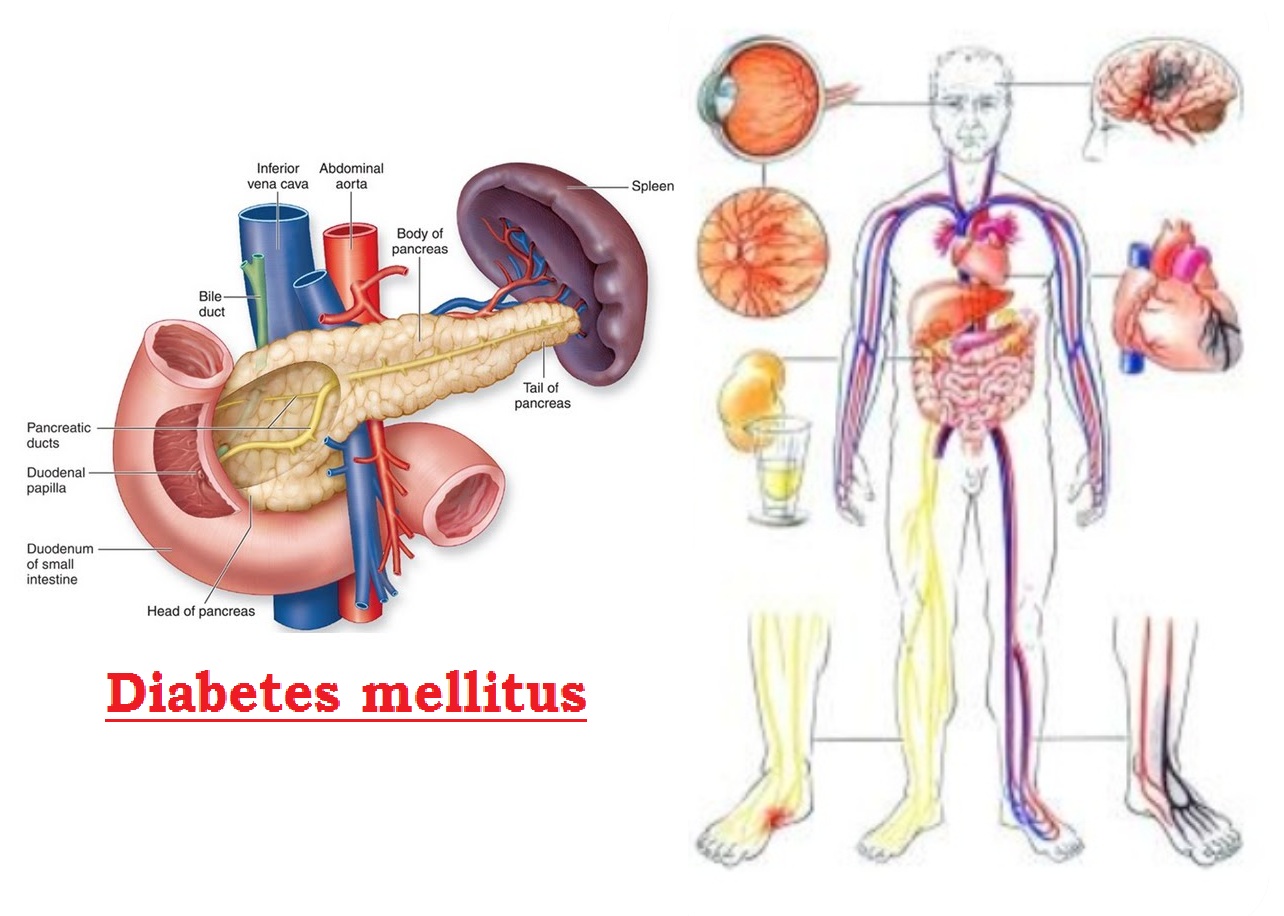
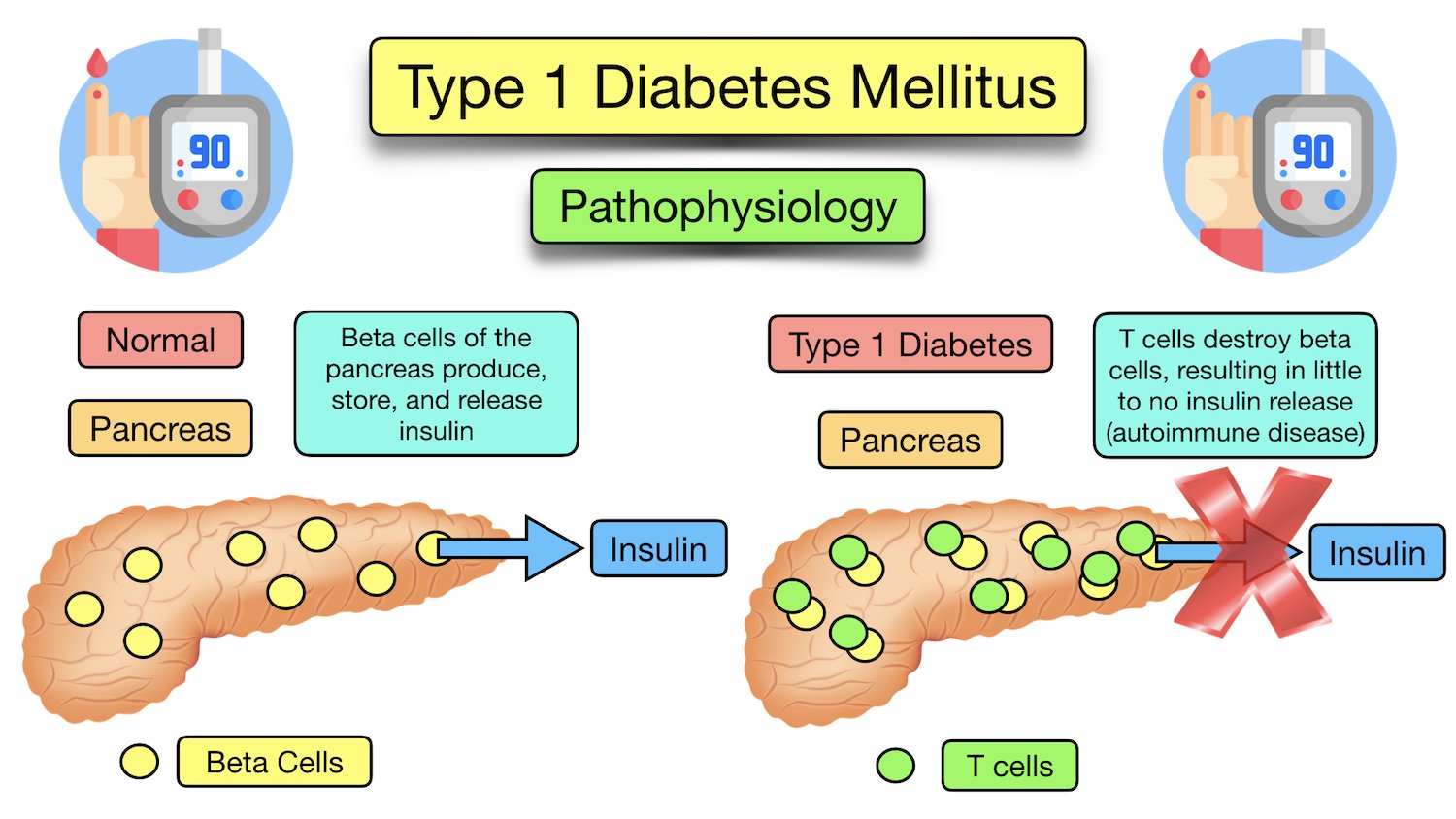
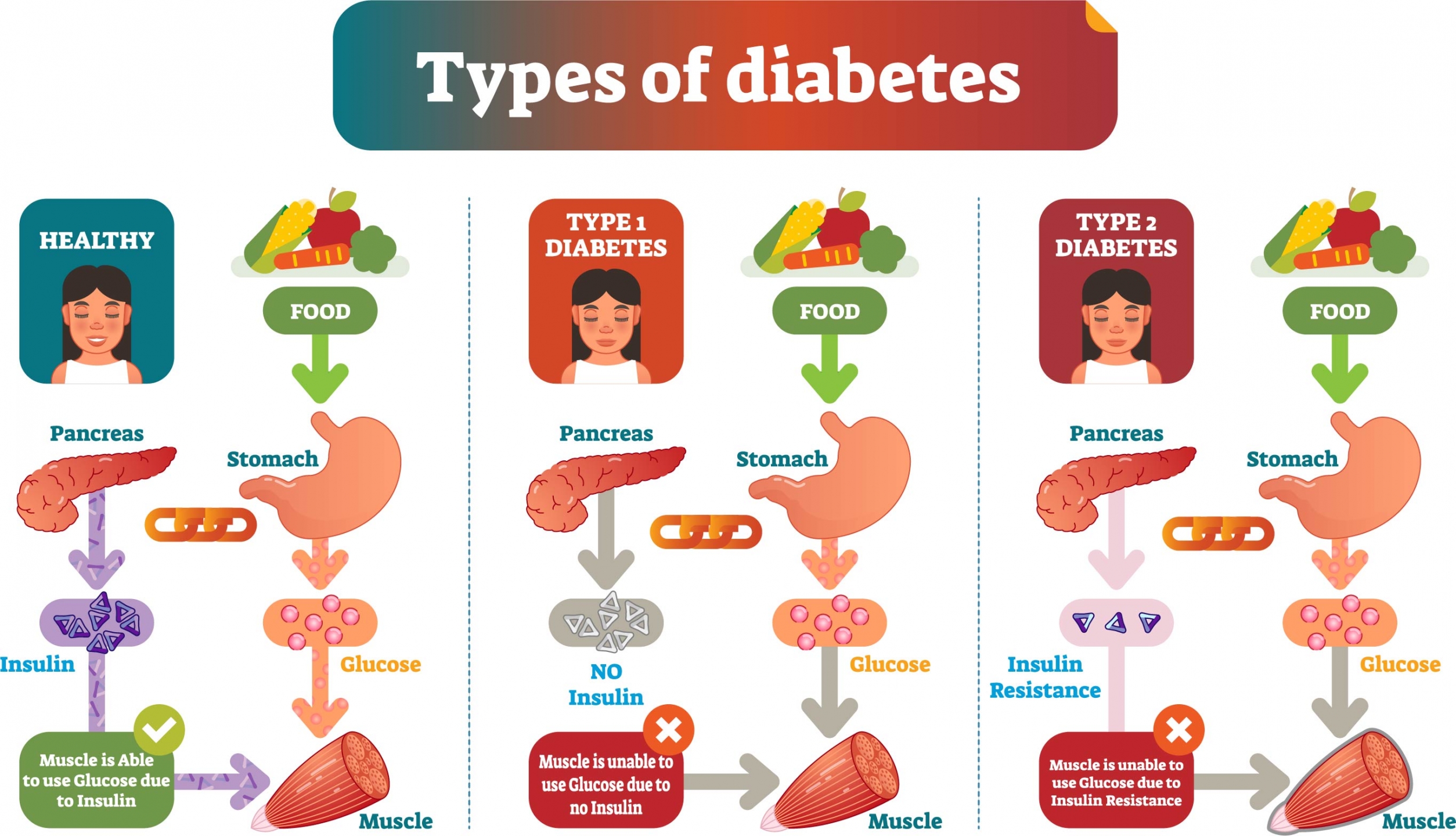
Think of LADA as a slow-burn version of Type 1 diabetes. In both Type 1 and Type 1.5, the body's immune system mistakenly attacks the insulin-producing beta cells in the pancreas. This is the definition of an autoimmune response. The crucial difference lies in the speed of destruction.
While Type 1 diabetes usually strikes quickly and dramatically in childhood or young adulthood, LADA progresses slowly, sometimes over years. This sluggish destruction means that initially, your pancreas is still producing some insulin, often enough to manage blood sugar without immediate insulin injections.
Because of this gradual onset, and the fact that it usually occurs in adults over the age of 30, doctors often initially diagnose LADA patients with Type 2 diabetes. Unfortunately, Type 2 treatments designed to improve insulin sensitivity (like many oral medications) usually fail in the long run for those with Diabetes Mellitus Type 1.5 because the core problem is a lack of insulin production, not just resistance.
The Confusing Symptoms: Why LADA Looks Like Type 2
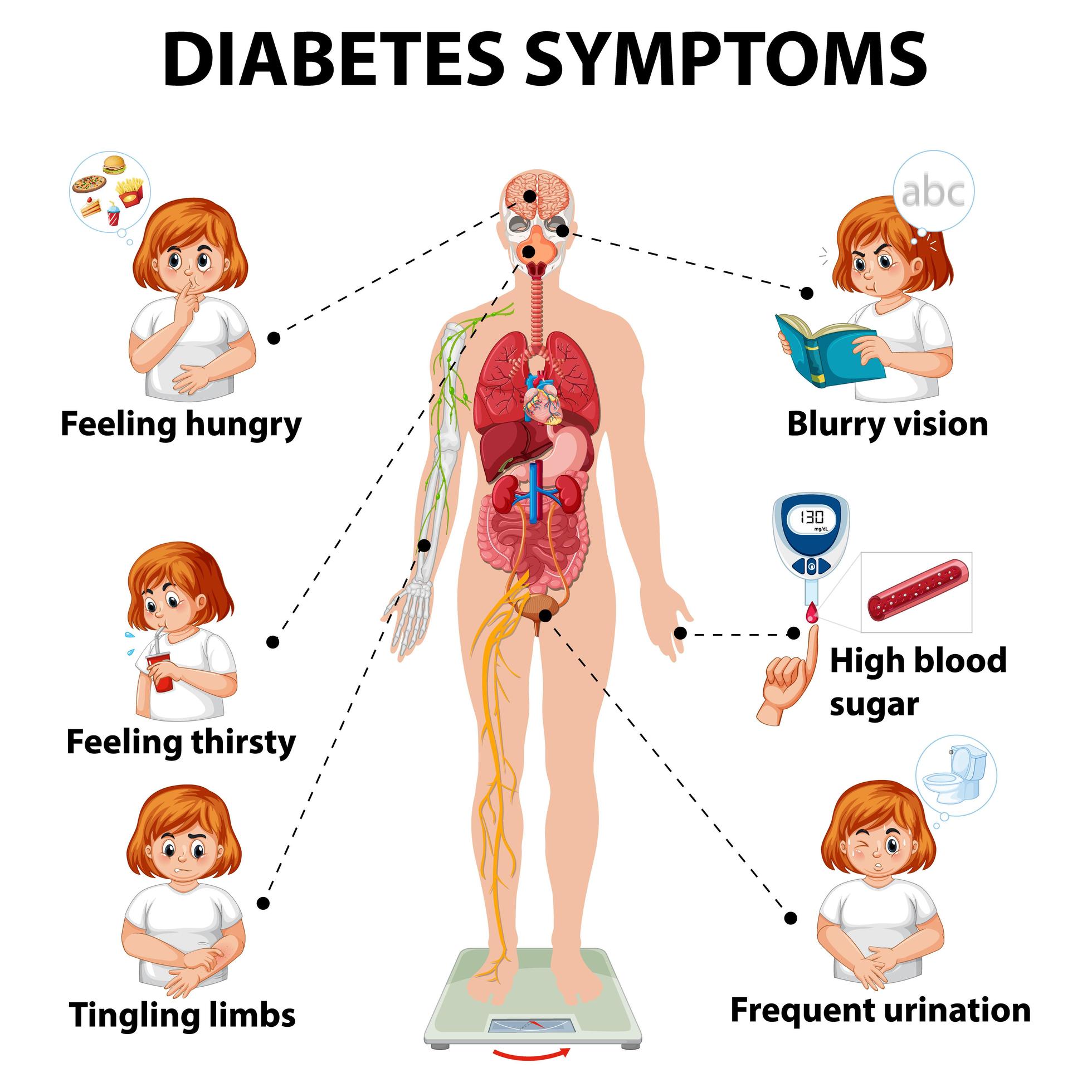
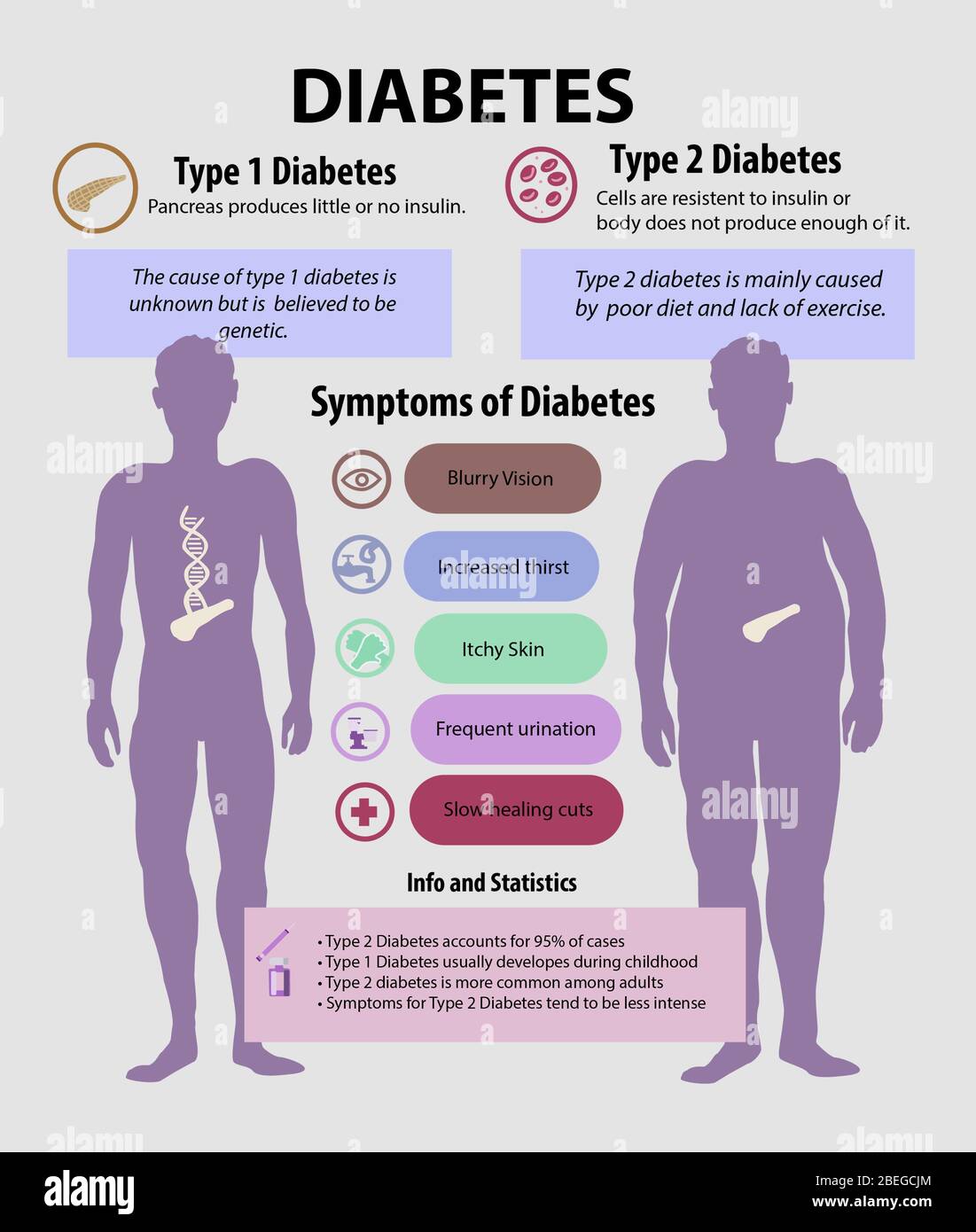
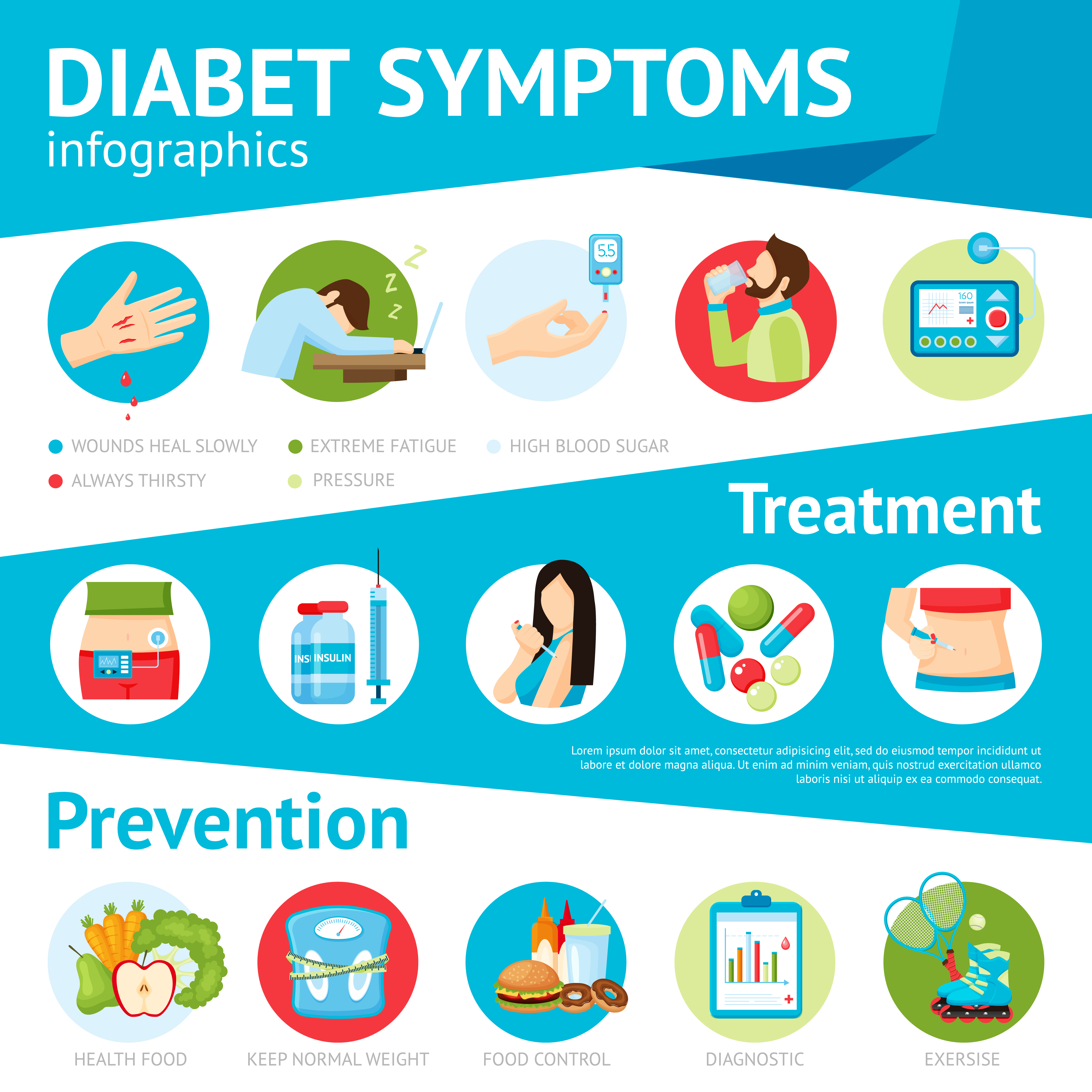
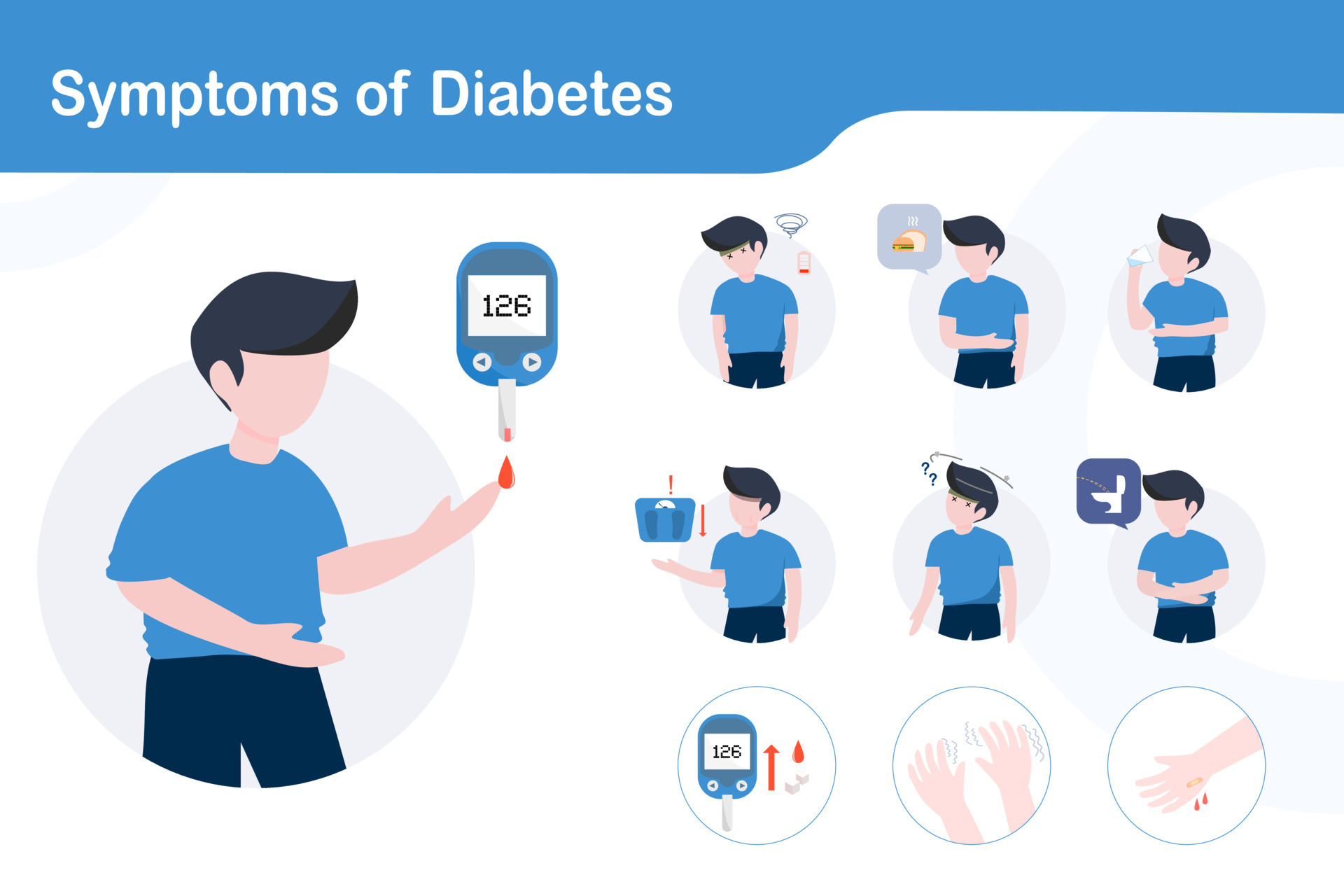
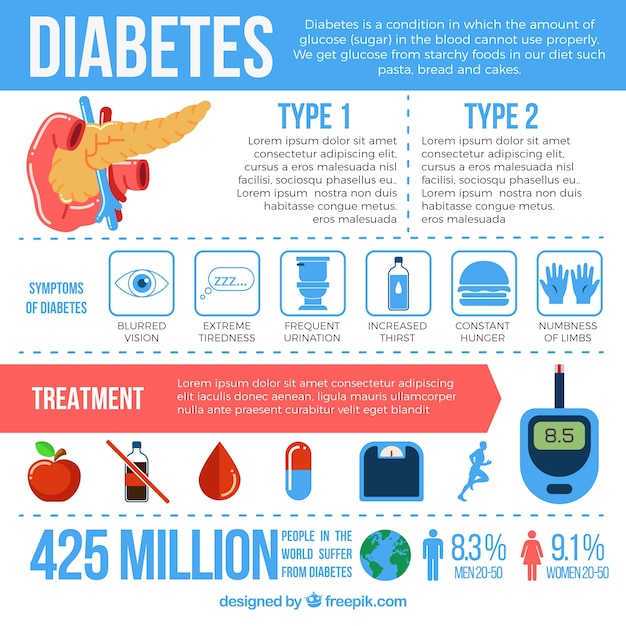
LADA shares many general symptoms with other forms of diabetes, such as increased thirst and frequent urination. Because it happens in adulthood and progresses slowly, it can easily hide in plain sight.
However, if you have LADA, you might notice that standard Type 2 oral medications (pills) lose effectiveness much quicker than expected. Within six months to a few years of starting treatment, your blood sugar may become harder to control, necessitating the use of insulin.
Common signs that your Type 2 diagnosis might actually be Diabetes Mellitus Type 1.5 include:
- Being diagnosed with Type 2 after age 30, but not being overweight or obese.
- Having a personal or family history of other autoimmune disorders (like thyroid disease or celiac disease).
- Rapid progression to needing insulin within five years of the initial diagnosis.
- Experiencing unintentional weight loss despite adequate caloric intake.
Key Indicators: What Makes LADA Different?
The key to identifying LADA lies in immunological testing. If your body is attacking its own cells, there will be specific antibodies present in your blood. These antibodies are the smoking gun that confirms the autoimmune nature of your diabetes.
Furthermore, because the autoimmune attack gradually destroys the beta cells, people with LADA often show very low levels of C-peptide. C-peptide is a byproduct of natural insulin production. Low levels indicate that the pancreas is struggling to produce insulin.
Who Gets Diabetes Mellitus Type 1.5 and When?
As the name suggests—Latent Autoimmune Diabetes in *Adults*—LADA typically develops later in life. While Type 1 often manifests before age 20, LADA usually appears in individuals over the age of 30, with the average age of diagnosis hovering around 40 to 50.
Genetics play a significant role. If you have immediate family members with Type 1 diabetes or other autoimmune conditions, your risk for developing LADA is higher. Interestingly, while obesity is a primary risk factor for Type 2 diabetes, most individuals diagnosed with LADA are not obese, further confusing the initial diagnosis.
LADA is not as rare as some might think. Estimates suggest that 5% to 10% of all adults initially diagnosed with Type 2 diabetes actually have Diabetes Mellitus Type 1.5. This shows just how critical it is to ask your doctor about specific testing if the standard Type 2 treatment isn't working for you.
Diagnosis and Testing: Finding the Answers
If you suspect you have LADA, don't wait. Proper diagnosis means the difference between delaying the inevitable and starting effective treatment early. If your doctor diagnoses you with Type 2 but you are lean and healthy, insist on specialized testing.
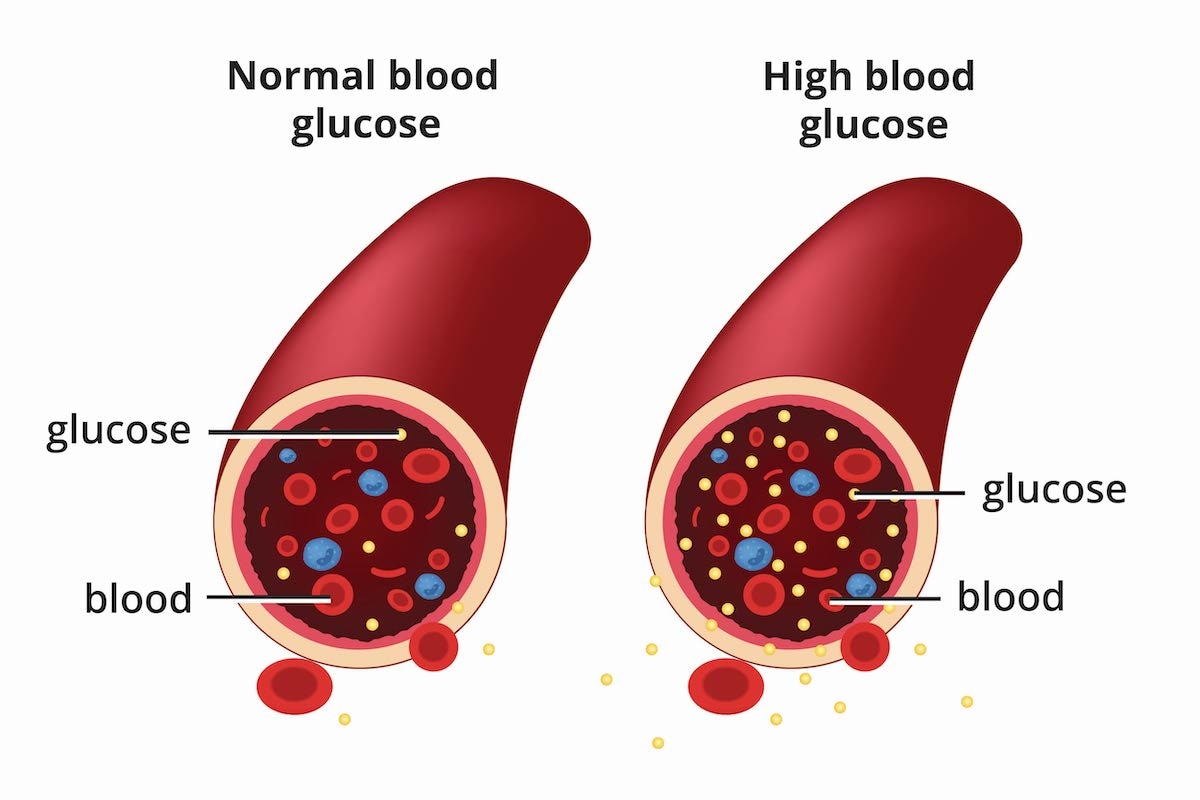
The standard A1C test confirms diabetes, but it cannot differentiate between the types. To accurately diagnose LADA, specific blood tests are required to look for the signs of an autoimmune attack.
Critical Diagnostic Tests
You and your endocrinologist should focus on two main types of tests:
- Antibody Tests: These look for markers of the autoimmune attack. The most common and important antibody is Glutamic Acid Decarboxylase antibody (GADA or GAD65). A positive GADA result almost always confirms an autoimmune form of diabetes (Type 1 or LADA).
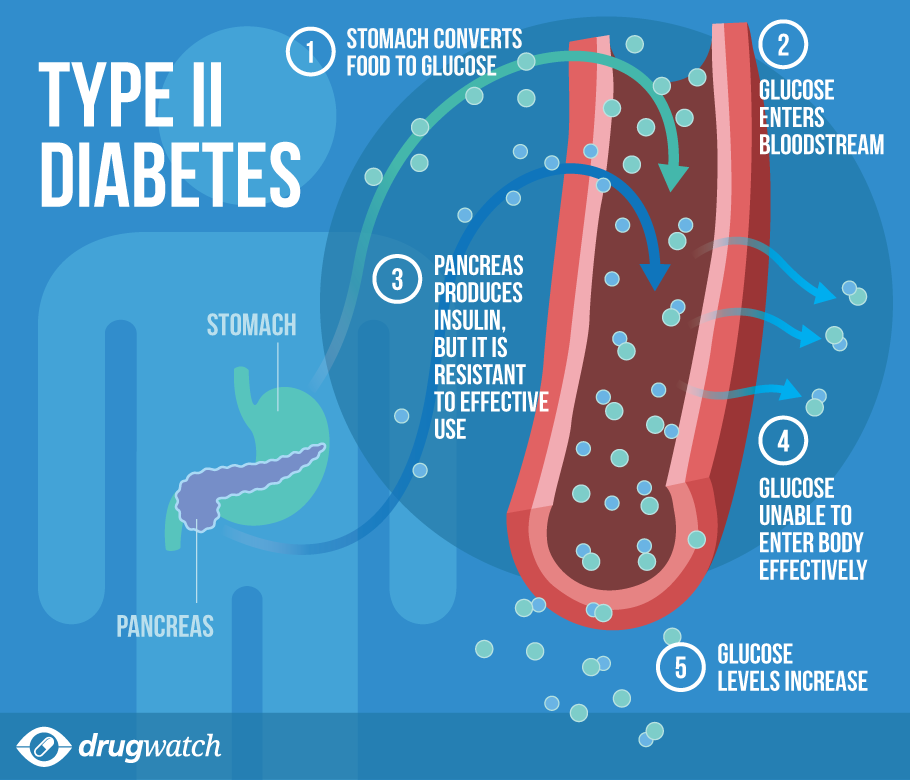
- C-Peptide Test: This measures how much C-peptide your pancreas is producing. Low C-peptide levels indicate that your beta cells are being destroyed and are producing very little natural insulin. High C-peptide levels, on the other hand, are typical of early Type 2 diabetes where the body is overproducing insulin to fight resistance.
It's important to note that while some Type 2 patients may also test positive for trace antibodies, the combination of high antibody levels and rapidly declining C-peptide is the hallmark indicator of Diabetes Mellitus Type 1.5.
Managing Diabetes Mellitus Type 1.5: Tailored Treatment
Because LADA is autoimmune, its management strategy fundamentally differs from Type 2. The goal is two-fold: preserve the remaining insulin production for as long as possible, and control blood sugar effectively.
Early diagnosis is key here. If LADA is caught before significant beta-cell damage occurs, some doctors may try to preserve residual function using specific Type 2 medications or lifestyle changes.
Lifestyle and Medication Strategies
Lifestyle adjustments are always necessary for any type of diabetes. Eating a balanced diet focused on low-glycemic foods and incorporating regular exercise will help keep blood sugar stable and reduce stress on the body. However, for LADA patients, this often isn't enough to prevent the progression of the disease.
While standard Type 2 treatments like sulfonylureas (which force the pancreas to produce more insulin) are often used initially, they can actually speed up beta-cell burnout in LADA patients. They push the already struggling cells too hard. Many endocrinologists prefer to transition LADA patients to insulin therapy much sooner than Type 2 patients.
Insulin Therapy: When and Why?
For most people with Diabetes Mellitus Type 1.5, insulin therapy is inevitable. It is the most effective and gentle way to manage the condition long-term. By introducing external insulin, you take the workload off your own pancreas, potentially preserving the remaining beta-cell function for a longer period.
Insulin therapy for LADA typically involves a basal (long-acting) insulin dose to cover background needs, often supplemented by bolus (rapid-acting) insulin doses around mealtimes, similar to Type 1 treatment protocols. Discussing an insulin regimen with your endocrinologist as soon as LADA is confirmed is the best way forward.
Conclusion
Diabetes Mellitus Type 1.5 (LADA) is a unique and often misunderstood diagnosis. If your diabetes doesn't seem to fit the Type 2 mold, if you are lean, or if oral medications are failing quickly, talk to your healthcare provider about specific antibody and C-peptide testing. Receiving the correct diagnosis is paramount because LADA requires a treatment strategy closer to Type 1 diabetes, usually involving insulin, to ensure long-term health and prevent complications. Don't settle for a generic diagnosis; advocate for a thorough investigation.
Frequently Asked Questions (FAQ) about Diabetes Mellitus Type 1.5
- Is Diabetes Mellitus Type 1.5 considered Type 1 or Type 2?
- Medically, LADA is categorized as a subtype of Type 1 diabetes because it is caused by an autoimmune process. However, because of its slow progression and adult onset, it acts as a hybrid, often initially presenting like Type 2.
- Can LADA be managed without insulin?
- Initially, yes, some patients can manage LADA with diet, exercise, and certain non-insulin medications (like metformin). However, since LADA involves the ongoing destruction of beta cells, virtually all patients will require insulin therapy within a few months to several years of diagnosis.
- What is the key test for LADA?
- The most definitive blood test is the Glutamic Acid Decarboxylase antibody (GADA) test. A positive result strongly suggests an autoimmune form of diabetes, confirming LADA over Type 2.
- Does being thin mean I have Diabetes Mellitus Type 1.5?
- Not necessarily, but it is a strong indicator. While many Type 2 patients struggle with obesity or overweight, LADA patients are frequently within a healthy weight range or have a low BMI. This absence of typical Type 2 risk factors should prompt further testing.
Diabetes Mellitus Type 1.5
Diabetes Mellitus Type 1.5 Wallpapers
Collection of diabetes mellitus type 1.5 wallpapers for your desktop and mobile devices.
Mesmerizing Diabetes Mellitus Type 1.5 Capture Collection
Explore this high-quality diabetes mellitus type 1.5 image, perfect for enhancing your desktop or mobile wallpaper.
Dynamic Diabetes Mellitus Type 1.5 Capture Digital Art
This gorgeous diabetes mellitus type 1.5 photo offers a breathtaking view, making it a perfect choice for your next wallpaper.
Lush Diabetes Mellitus Type 1.5 Artwork Digital Art
Immerse yourself in the stunning details of this beautiful diabetes mellitus type 1.5 wallpaper, designed for a captivating visual experience.
Serene Diabetes Mellitus Type 1.5 Design Photography
Experience the crisp clarity of this stunning diabetes mellitus type 1.5 image, available in high resolution for all your screens.
Breathtaking Diabetes Mellitus Type 1.5 Moment Digital Art
Discover an amazing diabetes mellitus type 1.5 background image, ideal for personalizing your devices with vibrant colors and intricate designs.

Detailed Diabetes Mellitus Type 1.5 Image Concept
Discover an amazing diabetes mellitus type 1.5 background image, ideal for personalizing your devices with vibrant colors and intricate designs.
Dynamic Diabetes Mellitus Type 1.5 Photo for Your Screen
This gorgeous diabetes mellitus type 1.5 photo offers a breathtaking view, making it a perfect choice for your next wallpaper.
Gorgeous Diabetes Mellitus Type 1.5 Moment for Desktop
Find inspiration with this unique diabetes mellitus type 1.5 illustration, crafted to provide a fresh look for your background.
Breathtaking Diabetes Mellitus Type 1.5 Artwork Photography
Experience the crisp clarity of this stunning diabetes mellitus type 1.5 image, available in high resolution for all your screens.
Vibrant Diabetes Mellitus Type 1.5 Background Illustration
Explore this high-quality diabetes mellitus type 1.5 image, perfect for enhancing your desktop or mobile wallpaper.
Lush Diabetes Mellitus Type 1.5 Wallpaper for Your Screen
A captivating diabetes mellitus type 1.5 scene that brings tranquility and beauty to any device.
/complicationsofdiabetes-GettyImages-1302948460-829d6ca13e4945eab127f8dd9d87b773.jpeg "Beautiful Diabetes Mellitus Type 1.5 View for Desktop")
Beautiful Diabetes Mellitus Type 1.5 View for Desktop
Transform your screen with this vivid diabetes mellitus type 1.5 artwork, a true masterpiece of digital design.
Beautiful Diabetes Mellitus Type 1.5 Picture Art
Experience the crisp clarity of this stunning diabetes mellitus type 1.5 image, available in high resolution for all your screens.

Serene Diabetes Mellitus Type 1.5 Picture Nature
Explore this high-quality diabetes mellitus type 1.5 image, perfect for enhancing your desktop or mobile wallpaper.

Exquisite Diabetes Mellitus Type 1.5 Image Collection
This gorgeous diabetes mellitus type 1.5 photo offers a breathtaking view, making it a perfect choice for your next wallpaper.
Vivid Diabetes Mellitus Type 1.5 Moment Digital Art
Transform your screen with this vivid diabetes mellitus type 1.5 artwork, a true masterpiece of digital design.

Lush Diabetes Mellitus Type 1.5 Background Collection
Immerse yourself in the stunning details of this beautiful diabetes mellitus type 1.5 wallpaper, designed for a captivating visual experience.

Artistic Diabetes Mellitus Type 1.5 View Illustration
A captivating diabetes mellitus type 1.5 scene that brings tranquility and beauty to any device.
Spectacular Diabetes Mellitus Type 1.5 Landscape for Desktop
A captivating diabetes mellitus type 1.5 scene that brings tranquility and beauty to any device.
High-Quality Diabetes Mellitus Type 1.5 Scene for Your Screen
Transform your screen with this vivid diabetes mellitus type 1.5 artwork, a true masterpiece of digital design.
Download these diabetes mellitus type 1.5 wallpapers for free and use them on your desktop or mobile devices.