Glutamic Acid Decarboxylase And Diabetes: Understanding the Crucial Connection
If you or someone you love has been diagnosed with Type 1 Diabetes (T1D), you've probably encountered some confusing terms along the way. One of the most important, yet often misunderstood, phrases in the world of autoimmune diabetes is Glutamic Acid Decarboxylase And Diabetes.
This enzyme, usually shortened to GAD, plays a central role in how the immune system mistakenly attacks the body's own insulin-producing cells. Understanding GAD isn't just academic; it helps us diagnose diabetes correctly, predict disease progression, and explore potential new treatments.
This article will take a deep dive into what GAD is, why it becomes a target, and how this knowledge is shaping the future of diabetes care. We aim to make this complex subject easy to understand, so let's get started!
What is Glutamic Acid Decarboxylase (GAD)?
At its core, Glutamic Acid Decarboxylase (GAD) is an enzyme found in various parts of your body, including the brain, spinal cord, and, crucially, the beta cells of the pancreas. These beta cells are the rock stars of your body, responsible for producing and secreting insulin.
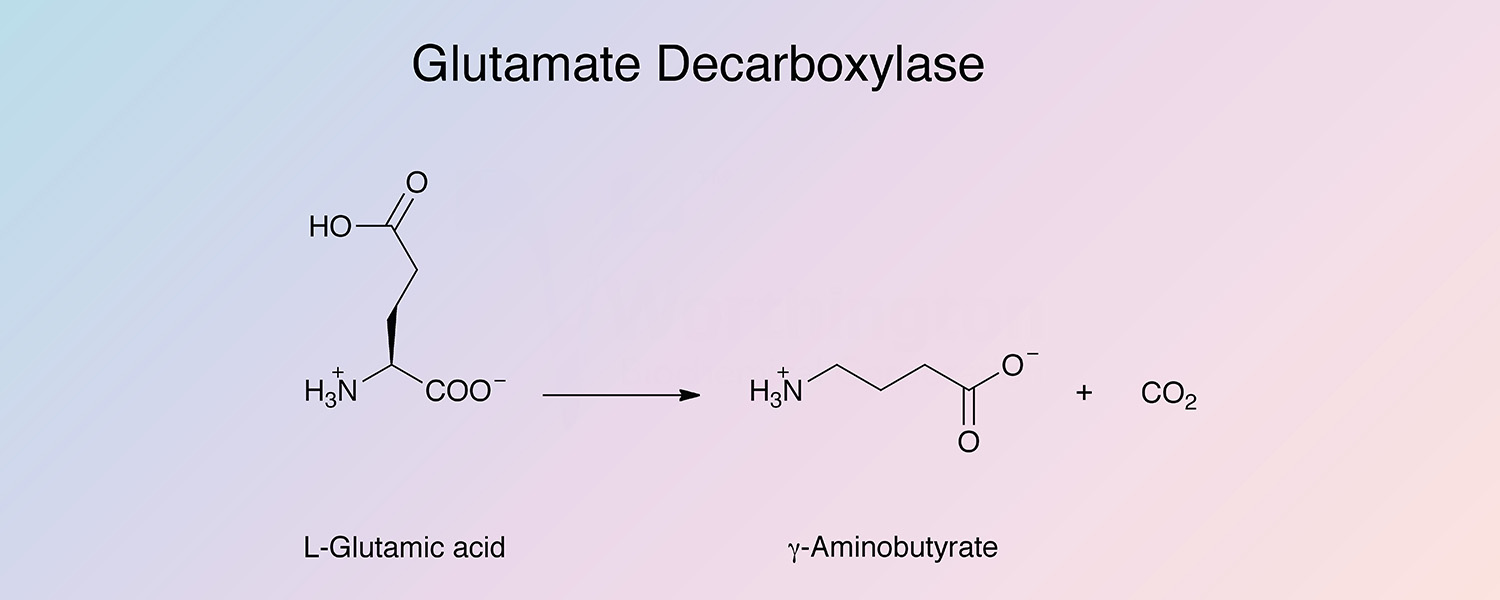
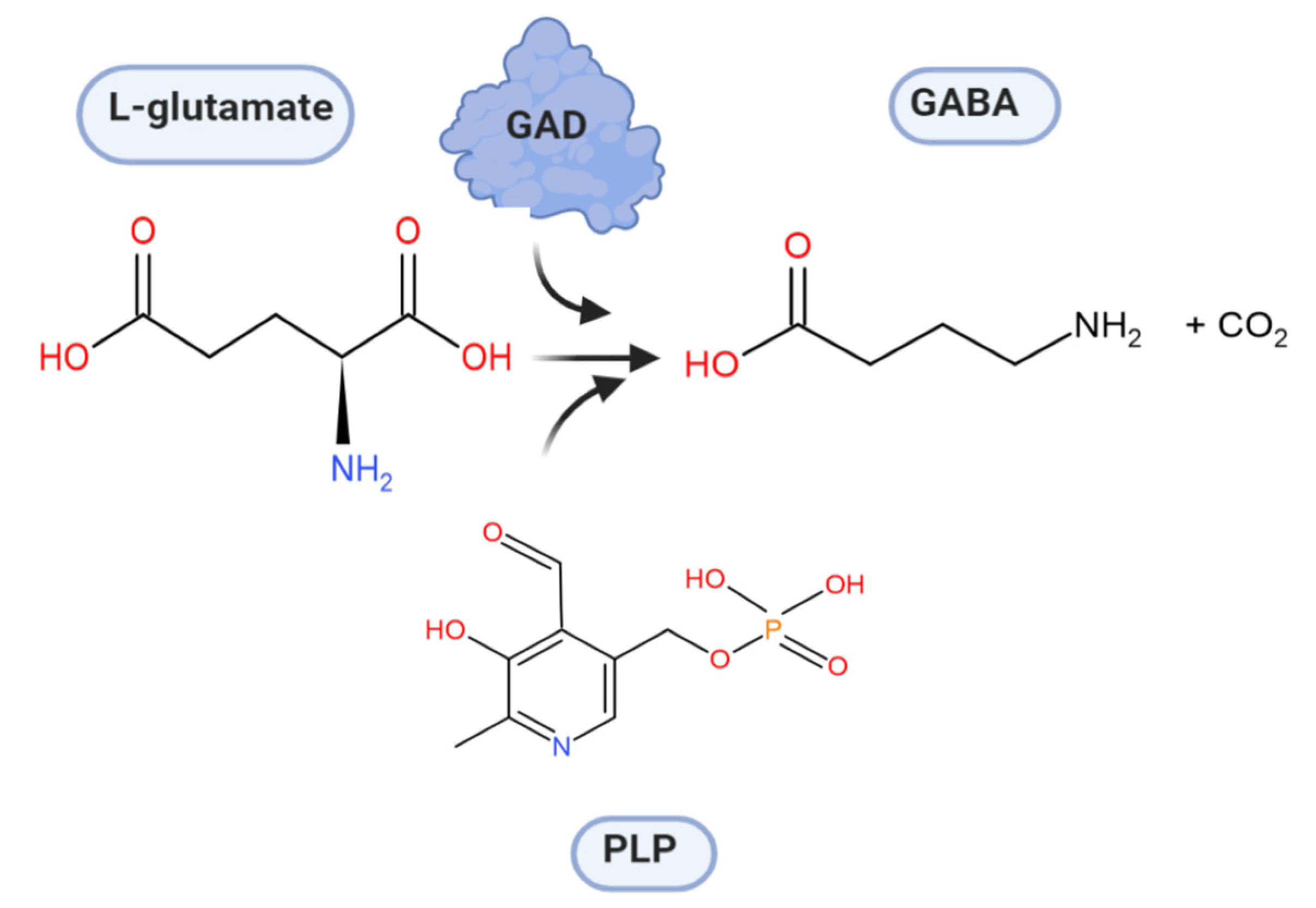
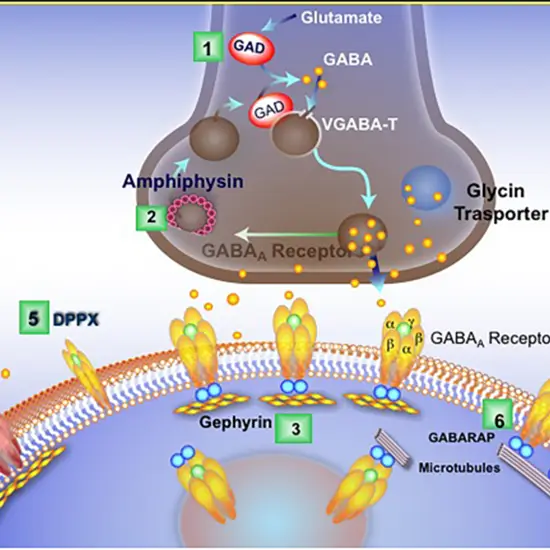
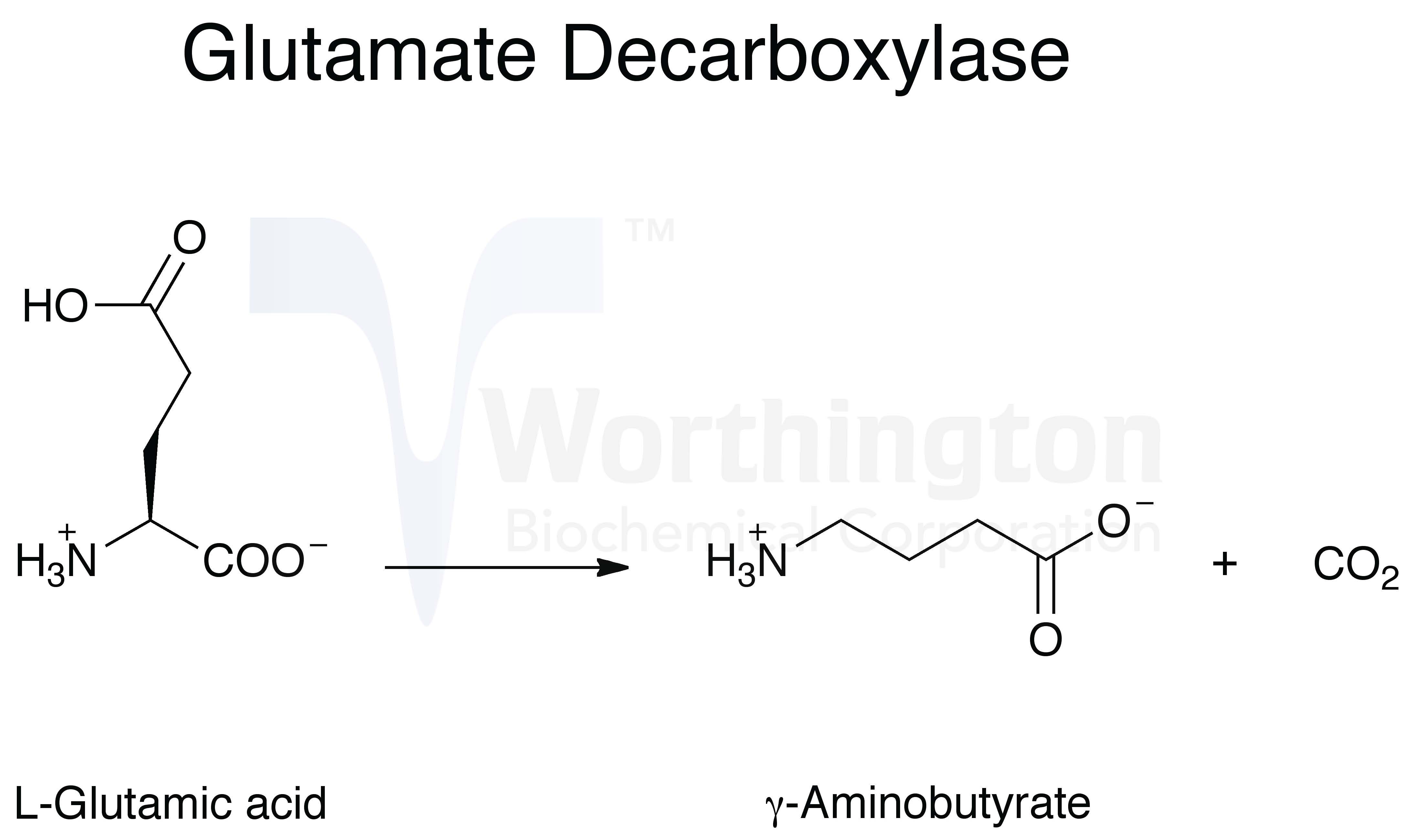
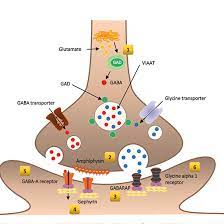
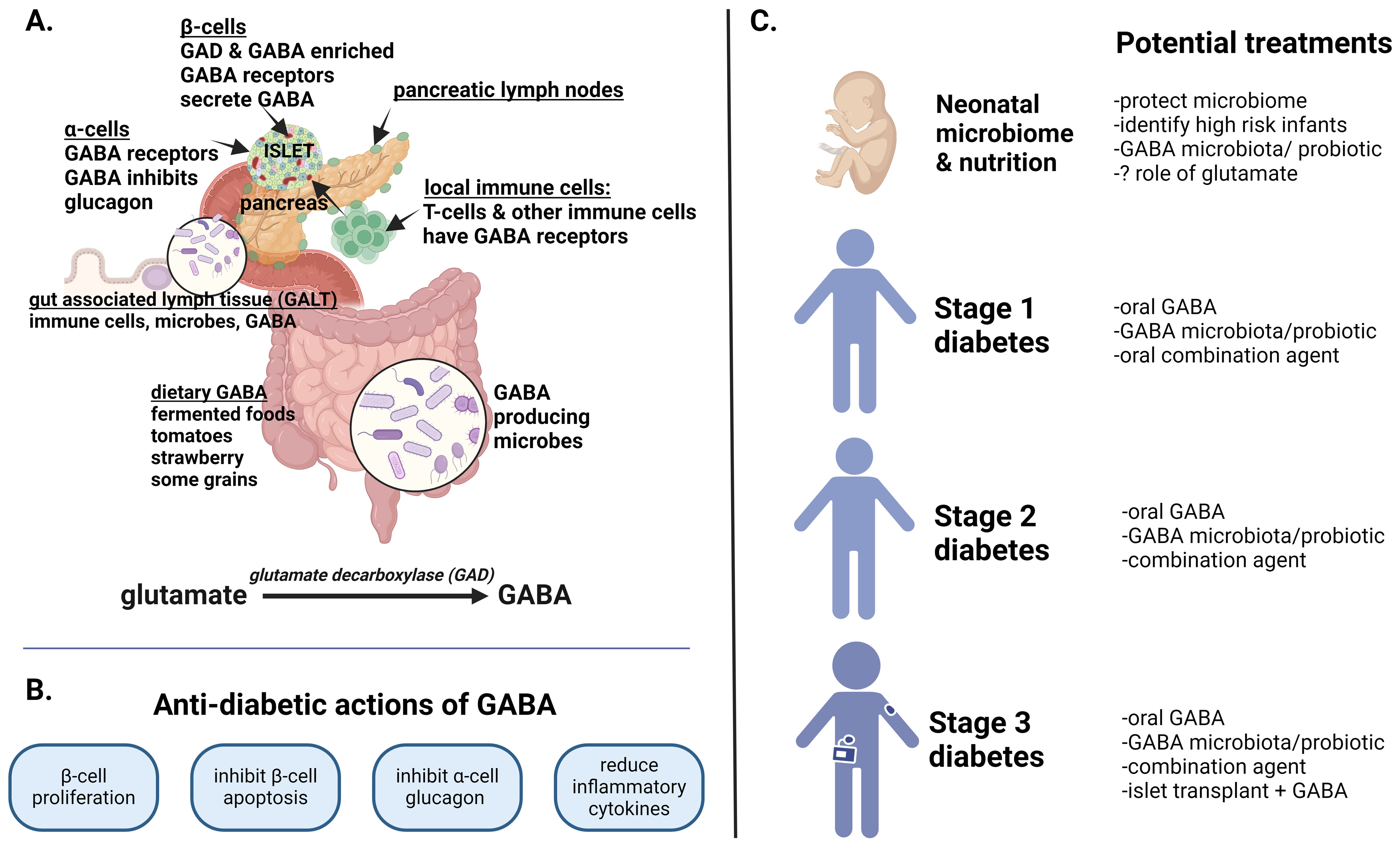
GAD has a very specific job: it converts the excitatory neurotransmitter glutamate into GABA (gamma-aminobutyric acid). GABA is a primary inhibitory neurotransmitter, meaning it helps to calm things down. In the nervous system, this helps regulate brain activity and anxiety.
In the pancreatic beta cells, GABA is believed to have protective effects. It may help shield the cells from stress and might even regulate insulin secretion. Unfortunately, GAD's presence in these insulin-producing cells is exactly why it becomes a major target in Type 1 Diabetes.
For individuals dealing with Glutamic Acid Decarboxylase And Diabetes, the issue isn't the enzyme itself, but the immune response mounted against it.
GAD and Autoimmunity: The Type 1 Diabetes Link
Type 1 Diabetes (T1D) is an autoimmune condition. This means that the body's immune system, which is supposed to fight off invaders like viruses and bacteria, mistakenly attacks healthy cells. In T1D, the target is the insulin-producing beta cells in the pancreas.
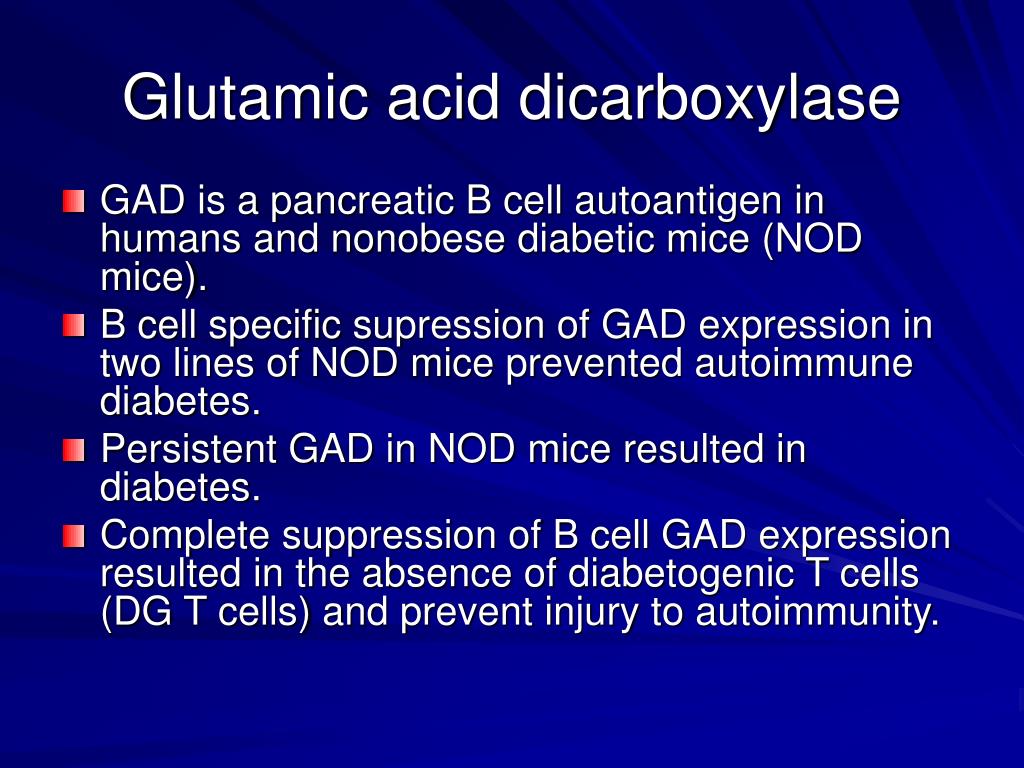
Why does GAD get involved? Scientists believe that GAD is one of the key "autoantigens" that trigger this misguided immune attack. When the immune system sees GAD, it produces specific weapons called GAD antibodies (often referred to as GADA or GAD65 antibodies).
The presence of these GAD antibodies is a strong indicator that an autoimmune process is underway, often years before a person shows any symptoms of high blood sugar. They serve as an early warning sign that the body is preparing to destroy its own insulin factories.
It's important to note that GAD antibodies are present in roughly 70-80% of newly diagnosed T1D patients, making them the most common antibody marker for the disease.
GAD Antibodies Testing: Why It Matters for Diagnosis
If you are an adult diagnosed with diabetes, doctors might test for GAD antibodies to differentiate between Type 1 and Type 2 Diabetes. This is particularly crucial because some adults are initially misdiagnosed with T2D when they actually have Latent Autoimmune Diabetes in Adults (LADA), which is essentially a slowly progressing form of T1D.
LADA patients are usually positive for GAD antibodies. Correct diagnosis changes the entire treatment plan, as LADA patients will almost certainly require insulin sooner than typical T2D patients.
Here are key reasons why GAD antibody testing is essential:
- Differential Diagnosis: Helps distinguish Type 1 Diabetes (including LADA) from Type 2 Diabetes, ensuring the patient receives appropriate treatment immediately.
- Risk Prediction: For close relatives of T1D patients, GADA testing can help predict their own risk of developing the condition in the future.
- Staging of Disease: High levels of GADA, especially alongside other antibodies, indicate an advanced stage of immune assault, even if blood sugar levels are still normal.
- Treatment Strategy: Knowing the autoimmune component allows doctors to discuss potential GAD-targeted therapies currently in clinical trials.
The Role of GAD in Islet Cell Destruction
When we discuss Glutamic Acid Decarboxylase And Diabetes, we must talk about how the destruction actually happens. While GAD antibodies are often seen as the primary marker, they aren't the foot soldiers causing the destruction themselves. They are more like flags pointing the way.
The true damage is done by T-cells. T-cells are another part of the immune system, and in T1D, specific T-cells become activated and trained to recognize the GAD enzyme, which resides within the beta cells.
When these rogue T-cells encounter GAD, they initiate a full-scale inflammatory attack, known as insulitis. This process systematically damages and eventually destroys the beta cells, leading to a profound insulin deficiency and the onset of clinical T1D.
Therefore, the presence of GAD in the beta cells provides the perfect camouflage for these cells to be targeted by the misplaced autoimmune response. If we can interrupt the immune system's recognition of GAD, we might be able to halt the disease.
GAD-Based Therapies: Hope for the Future
Because GAD is such a prominent target in T1D, researchers are heavily focused on developing therapies based around this enzyme. The goal of GAD-based therapy is not to eliminate GAD, but rather to teach the immune system that GAD is a friend, not a foe. This process is called immunotherapy.
One of the most widely studied approaches involves GAD vaccines. These vaccines contain GAD protein fragments which are injected into the patient. The hope is that by introducing GAD in a controlled, non-inflammatory environment, the immune system will "retrain" itself to tolerate the enzyme, reducing the attack on the beta cells.
Clinical trials have shown promising results, especially in patients who are newly diagnosed or those who are at high risk but haven't yet developed full-blown T1D. The research suggests these therapies could potentially preserve remaining beta cell function, leading to better long-term outcomes and less dependence on exogenous insulin.
Here are some of the GAD-based strategies currently being investigated:
- Immunotherapy via GAD Alum injections to induce immune tolerance.
- Combining GAD therapy with other immune-suppressing drugs to enhance protection.
- Developing oral forms of GAD to encourage immune tolerance through the digestive system.
- Using GAD antibodies as biomarkers to monitor the effectiveness of these trials.
Lifestyle Management and GAD-Antibody Positive Individuals
If you or your child tests positive for GAD antibodies but do not yet have diabetes, you are considered to be in Stage 1 or 2 of T1D development. This doesn't mean you will definitely develop T1D tomorrow, but it does mean proactive monitoring is absolutely necessary.
While lifestyle changes won't reverse the autoimmune process, maintaining optimal health is paramount. Stress, illness, and weight gain can all put extra pressure on the remaining beta cells, potentially accelerating the progression to clinical diabetes.
Focusing on a balanced diet, maintaining a healthy weight, and engaging in regular physical activity helps improve insulin sensitivity. If the body is more sensitive to the insulin produced by the few remaining beta cells, those cells don't have to work as hard, potentially prolonging their lifespan.
It is vital to work closely with an endocrinologist who understands the nuances of GAD positivity. They will schedule regular monitoring of your A1C and glucose levels. Staying ahead of the disease gives you the best chance to intervene therapeutically if and when new treatments become available.
Conclusion: The Future of Glutamic Acid Decarboxylase And Diabetes Management
The relationship between Glutamic Acid Decarboxylase And Diabetes is fundamental to understanding Type 1 Diabetes and LADA. GAD is the primary antigen that draws the immune system's fire, leading to the destruction of insulin-producing cells.
Fortunately, its role as a key target has made it a beacon of hope in diabetes research. Identifying GAD antibodies allows for earlier diagnosis, better risk assessment, and opens the door for innovative GAD-based immunotherapies aimed at preventing the disease altogether or preserving existing beta cell function.
As research continues to advance, we move closer to a future where testing positive for GAD antibodies means the start of preventative treatment, rather than the inevitable onset of T1D.
Frequently Asked Questions (FAQ)
- What is the difference between GAD and GAD antibodies (GADA)?
- GAD (Glutamic Acid Decarboxylase) is the enzyme found inside the beta cells of the pancreas. GAD antibodies (GADA) are the proteins produced by the immune system that mistakenly recognize and target the GAD enzyme, signaling an autoimmune attack.
- Can GAD antibodies cause Type 2 Diabetes?
- No. GAD antibodies indicate an autoimmune process, which defines Type 1 Diabetes (T1D) or LADA (Latent Autoimmune Diabetes in Adults). They are not typically present in standard Type 2 Diabetes, which is primarily linked to insulin resistance and lifestyle factors.
- If I am GAD antibody positive, will I definitely get Type 1 Diabetes?
- Not definitely, but your risk is significantly higher. If you test positive for only one antibody (like GAD), the risk is moderate. If you test positive for GAD antibodies plus one or more other diabetes-related antibodies, the likelihood of developing T1D within five years is very high (over 75%).
- Are GAD antibodies the only markers for Type 1 Diabetes?
- No, while GAD antibodies are the most common markers, doctors also test for several others, including IAA (Insulin Autoantibodies), ICA (Islet Cell Antibodies), and IA-2A (Insulinoma-Associated Antigen 2 Autoantibodies). The presence of multiple antibodies increases the diagnostic certainty.
Glutamic Acid Decarboxylase And Diabetes
Glutamic Acid Decarboxylase And Diabetes Wallpapers
Collection of glutamic acid decarboxylase and diabetes wallpapers for your desktop and mobile devices.

Serene Glutamic Acid Decarboxylase And Diabetes View Concept
Transform your screen with this vivid glutamic acid decarboxylase and diabetes artwork, a true masterpiece of digital design.
Amazing Glutamic Acid Decarboxylase And Diabetes Landscape Concept
Explore this high-quality glutamic acid decarboxylase and diabetes image, perfect for enhancing your desktop or mobile wallpaper.
Artistic Glutamic Acid Decarboxylase And Diabetes Scene for Mobile
Find inspiration with this unique glutamic acid decarboxylase and diabetes illustration, crafted to provide a fresh look for your background.

Detailed Glutamic Acid Decarboxylase And Diabetes Design Concept
Discover an amazing glutamic acid decarboxylase and diabetes background image, ideal for personalizing your devices with vibrant colors and intricate designs.

Spectacular Glutamic Acid Decarboxylase And Diabetes Scene Illustration
Immerse yourself in the stunning details of this beautiful glutamic acid decarboxylase and diabetes wallpaper, designed for a captivating visual experience.
Artistic Glutamic Acid Decarboxylase And Diabetes Photo Art
This gorgeous glutamic acid decarboxylase and diabetes photo offers a breathtaking view, making it a perfect choice for your next wallpaper.

Vibrant Glutamic Acid Decarboxylase And Diabetes Image in HD
Experience the crisp clarity of this stunning glutamic acid decarboxylase and diabetes image, available in high resolution for all your screens.
Lush Glutamic Acid Decarboxylase And Diabetes Background in HD
This gorgeous glutamic acid decarboxylase and diabetes photo offers a breathtaking view, making it a perfect choice for your next wallpaper.
Serene Glutamic Acid Decarboxylase And Diabetes Background Illustration
Discover an amazing glutamic acid decarboxylase and diabetes background image, ideal for personalizing your devices with vibrant colors and intricate designs.

Lush Glutamic Acid Decarboxylase And Diabetes Artwork Digital Art
Find inspiration with this unique glutamic acid decarboxylase and diabetes illustration, crafted to provide a fresh look for your background.
Beautiful Glutamic Acid Decarboxylase And Diabetes View Collection
Experience the crisp clarity of this stunning glutamic acid decarboxylase and diabetes image, available in high resolution for all your screens.
Spectacular Glutamic Acid Decarboxylase And Diabetes Capture Illustration
Find inspiration with this unique glutamic acid decarboxylase and diabetes illustration, crafted to provide a fresh look for your background.
Crisp Glutamic Acid Decarboxylase And Diabetes Design Collection
A captivating glutamic acid decarboxylase and diabetes scene that brings tranquility and beauty to any device.

Vibrant Glutamic Acid Decarboxylase And Diabetes Picture for Your Screen
Discover an amazing glutamic acid decarboxylase and diabetes background image, ideal for personalizing your devices with vibrant colors and intricate designs.

Artistic Glutamic Acid Decarboxylase And Diabetes Landscape Digital Art
Immerse yourself in the stunning details of this beautiful glutamic acid decarboxylase and diabetes wallpaper, designed for a captivating visual experience.

Beautiful Glutamic Acid Decarboxylase And Diabetes Capture for Desktop
Explore this high-quality glutamic acid decarboxylase and diabetes image, perfect for enhancing your desktop or mobile wallpaper.

High-Quality Glutamic Acid Decarboxylase And Diabetes Photo Art
Explore this high-quality glutamic acid decarboxylase and diabetes image, perfect for enhancing your desktop or mobile wallpaper.

High-Quality Glutamic Acid Decarboxylase And Diabetes Abstract for Your Screen
Transform your screen with this vivid glutamic acid decarboxylase and diabetes artwork, a true masterpiece of digital design.

Gorgeous Glutamic Acid Decarboxylase And Diabetes Wallpaper for Your Screen
A captivating glutamic acid decarboxylase and diabetes scene that brings tranquility and beauty to any device.

Gorgeous Glutamic Acid Decarboxylase And Diabetes Landscape Collection
Immerse yourself in the stunning details of this beautiful glutamic acid decarboxylase and diabetes wallpaper, designed for a captivating visual experience.
Download these glutamic acid decarboxylase and diabetes wallpapers for free and use them on your desktop or mobile devices.