How Diabetes Affect Pregnancy: A Comprehensive Guide for Expectant Mothers
Finding out you are pregnant is an incredibly exciting time, but if you are managing diabetes, or if you develop it during pregnancy, you might have a lot of worries. It's completely normal to feel anxious about how diabetes affect pregnancy, both for your health and the well-being of your baby.
The good news is that with careful management, excellent communication with your healthcare team, and modern medical support, most women with diabetes have healthy pregnancies and healthy babies. This guide will walk you through the specifics, helping you feel informed and prepared for this beautiful journey.
We are going to cover everything from the types of diabetes that affect pregnancy to the essential management strategies you need to follow.
Understanding Diabetes in Pregnancy: Types and Risks
When we talk about diabetes during pregnancy, we are usually discussing two main scenarios: pre-existing diabetes (Type 1 or Type 2) or gestational diabetes (GDM), which develops specifically during the pregnancy period.
Both conditions involve issues with blood sugar control, which is crucial because pregnancy significantly alters how your body uses insulin. Therefore, tight control is the number one priority regardless of the type you have.
Type 1 and Type 2 Diabetes During Gestation
If you already had Type 1 or Type 2 diabetes before conception, your management plan will need significant adjustments. Early pregnancy often requires a decrease in insulin doses, while the second and third trimesters usually require a substantial increase.
The primary concern for pre-existing diabetes is achieving excellent blood sugar control before conception. Poor control in the first eight weeks of pregnancy, when vital organs are forming, significantly increases the risk of birth defects.
Your healthcare provider will help you set stricter targets for your A1C and daily blood glucose levels. This proactive planning is the best way to minimize the potential negative impact of how diabetes affect pregnancy outcomes.
Dealing with Gestational Diabetes (GDM)
Gestational Diabetes Mellitus (GDM) typically develops around the 24th to 28th week of pregnancy. It happens because placental hormones interfere with the body's ability to use insulin effectively, leading to insulin resistance.
GDM is usually temporary, resolving shortly after the baby is born. However, while you have GDM, managing your blood sugar is critical for both you and your baby. Most women can manage GDM successfully through dietary changes and increased physical activity.
For some women, medication, such as insulin injections or oral medications, might be necessary to keep levels within the safe range. It is reassuring to know that GDM is highly detectable and treatable.
How Diabetes Affect Pregnancy: Risks for the Mother
When blood sugar levels are consistently high, it puts extra strain on your body. Understanding these risks isn't meant to frighten you, but rather to highlight the necessity of dedicated management.
The main maternal risks linked to diabetes during pregnancy center around hypertension, infection, and delivery complications.
Short-Term Complications for Expectant Mothers
One of the most concerning short-term risks is preeclampsia, a serious condition characterized by high blood pressure and signs of organ damage, usually starting after 20 weeks of pregnancy. Women with diabetes have a higher chance of developing this condition.
Furthermore, uncontrolled blood sugars can increase the risk of infections, particularly urinary tract infections (UTIs) and yeast infections. These infections must be treated promptly as they can sometimes trigger preterm labor.
Common short-term issues include:
- Increased risk of Preeclampsia or eclampsia.
- Higher incidence of polyhydramnios (excess amniotic fluid).
- Increased likelihood of requiring a C-section due to the size of the baby.
Long-Term Health Outlook
If you had Gestational Diabetes, your risk for developing Type 2 Diabetes later in life is significantly higher. This risk is usually around 50% within 5 to 10 years after delivery.
Because of this increased risk, doctors recommend continued monitoring and healthy lifestyle choices post-delivery. Regular exercise and maintaining a healthy weight can drastically reduce the chances of developing Type 2 diabetes permanently.
Impact of Diabetes on Fetal Health and Development
The core issue of how diabetes affect pregnancy outcomes for the baby lies in the transfer of glucose. If your blood sugar is high, the baby receives too much glucose through the placenta. The baby's pancreas must then produce extra insulin to process this excess sugar.
This fetal overproduction of insulin leads to several common complications, most of which are preventable with optimal glucose control.
Macrosomia and Birth Injuries
The primary result of excess glucose in the baby is macrosomia, meaning the baby grows significantly larger than average (often weighing over 9 pounds). While big babies sound nice, it creates substantial risks during delivery.
The extra weight is often distributed around the shoulders and torso, which can lead to shoulder dystocia—a serious complication where the baby's shoulder gets stuck in the birth canal. This can cause severe nerve injuries to the baby or require an emergency C-section.
Furthermore, uncontrolled diabetes increases the risk of other issues:
- Preterm Birth: The baby may arrive too early, leading to potential developmental challenges.
- Congenital Malformations: If blood sugar is high in the first trimester, organs may not form correctly (e.g., heart or spinal defects).
- Stillbirth: Though rare, uncontrolled blood sugar significantly increases this tragic risk, which is why frequent monitoring is crucial late in pregnancy.
Neonatal Hypoglycemia and Breathing Issues
After birth, the baby is suddenly cut off from the mother's high glucose supply. Since the baby's pancreas is accustomed to working overtime, it continues to release high amounts of insulin.
This causes a sudden drop in the baby's blood sugar levels, known as neonatal hypoglycemia. Doctors and nurses are always prepared for this, and frequent blood sugar checks and sometimes IV glucose are needed immediately after delivery.
Additionally, diabetic pregnancies can sometimes delay the maturation of the baby's lungs, increasing the risk of Respiratory Distress Syndrome (RDS). Strict management helps ensure fetal lung maturity occurs on schedule.
Managing Diabetes Successfully Throughout Pregnancy
The key takeaway is that the adverse impacts of how diabetes affect pregnancy are largely preventable through rigorous care. Your care team will likely include an obstetrician specializing in high-risk pregnancies, an endocrinologist, and a registered dietitian.
Your involvement and dedication are the most important components of this team. Here are the steps vital for success:
- Hyper-Vigilant Blood Glucose Monitoring: You will likely need to test your blood sugar more frequently—often six to eight times a day. If you use a Continuous Glucose Monitor (CGM), utilize it effectively.
- Strict Dietary Adherence: Focus on complex carbohydrates, high fiber, lean protein, and healthy fats. A dietitian will provide individualized meal plans crucial for maintaining stability.
- Insulin Adjustment: Insulin requirements change dramatically. Never adjust your dosage without consulting your endocrinologist, especially in the third trimester.
- Fetal Monitoring: Starting late in the second trimester, you will undergo frequent ultrasounds and non-stress tests (NSTs) to monitor the baby's growth, movement, and well-being.
- Physical Activity: Regular, moderate exercise (like walking) helps improve insulin sensitivity and is highly beneficial, provided your doctor approves it.
Remember that every week of successful glucose control significantly reduces the risks associated with diabetes. Be patient with yourself, but remain committed to your plan.
Conclusion
Understanding how diabetes affect pregnancy is the first step toward having a safe and healthy nine months. While the journey demands diligence and frequent medical check-ups, the outcomes for both mother and baby are excellent when blood sugar levels are kept tightly controlled.
Whether you are managing Type 1, Type 2, or Gestational Diabetes, your dedication to monitoring, diet, and medication adherence directly impacts your future and your baby's health. Work closely with your multidisciplinary team, ask questions constantly, and focus on celebrating the small victories in blood sugar management.
This period requires effort, but the reward—a healthy baby—is worth every single effort. You are capable of navigating this challenge successfully!
Frequently Asked Questions (FAQ)
- What is the main concern about uncontrolled diabetes in the first trimester?
- The primary concern is congenital defects. The first eight weeks are critical for organ formation, and high glucose levels during this time significantly increase the risk of birth defects, particularly affecting the heart and neural tube.
- Will my Gestational Diabetes go away after I give birth?
- For most women (over 90%), Gestational Diabetes resolves immediately after delivery. However, you will need a follow-up glucose tolerance test six to twelve weeks postpartum to confirm this. Importantly, having GDM means you have a higher lifetime risk of developing Type 2 Diabetes.
- How does diabetes increase the risk of C-section?
- Diabetes often leads to macrosomia (an excessively large baby). If the baby is too large, especially if they have broad shoulders, a vaginal delivery becomes difficult and dangerous due to the risk of shoulder dystocia, necessitating a planned or emergency C-section.
- Is it safe to take insulin during pregnancy?
- Yes, absolutely. Insulin is the preferred medication for diabetes management during pregnancy because it does not cross the placenta in significant amounts, meaning it effectively treats the mother without directly harming the baby. Some oral medications may also be used, depending on your doctor's assessment.
How Diabetes Affect Pregnancy
How Diabetes Affect Pregnancy Wallpapers
Collection of how diabetes affect pregnancy wallpapers for your desktop and mobile devices.

Spectacular How Diabetes Affect Pregnancy Wallpaper Collection
This gorgeous how diabetes affect pregnancy photo offers a breathtaking view, making it a perfect choice for your next wallpaper.
Exquisite How Diabetes Affect Pregnancy Image for Desktop
A captivating how diabetes affect pregnancy scene that brings tranquility and beauty to any device.

Stunning How Diabetes Affect Pregnancy Landscape for Desktop
Immerse yourself in the stunning details of this beautiful how diabetes affect pregnancy wallpaper, designed for a captivating visual experience.
Crisp How Diabetes Affect Pregnancy Image Art
Immerse yourself in the stunning details of this beautiful how diabetes affect pregnancy wallpaper, designed for a captivating visual experience.
Amazing How Diabetes Affect Pregnancy Image Photography
Experience the crisp clarity of this stunning how diabetes affect pregnancy image, available in high resolution for all your screens.
Dynamic How Diabetes Affect Pregnancy Wallpaper for Desktop
Immerse yourself in the stunning details of this beautiful how diabetes affect pregnancy wallpaper, designed for a captivating visual experience.

Breathtaking How Diabetes Affect Pregnancy Scene in HD
Experience the crisp clarity of this stunning how diabetes affect pregnancy image, available in high resolution for all your screens.
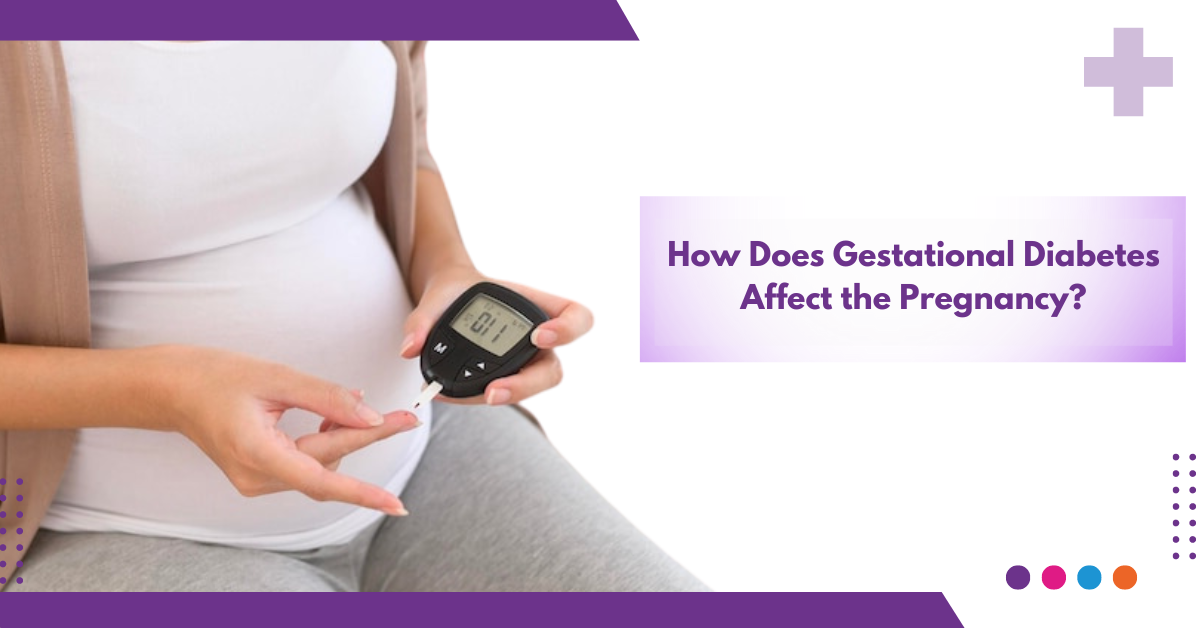
Lush How Diabetes Affect Pregnancy Scene Photography
This gorgeous how diabetes affect pregnancy photo offers a breathtaking view, making it a perfect choice for your next wallpaper.
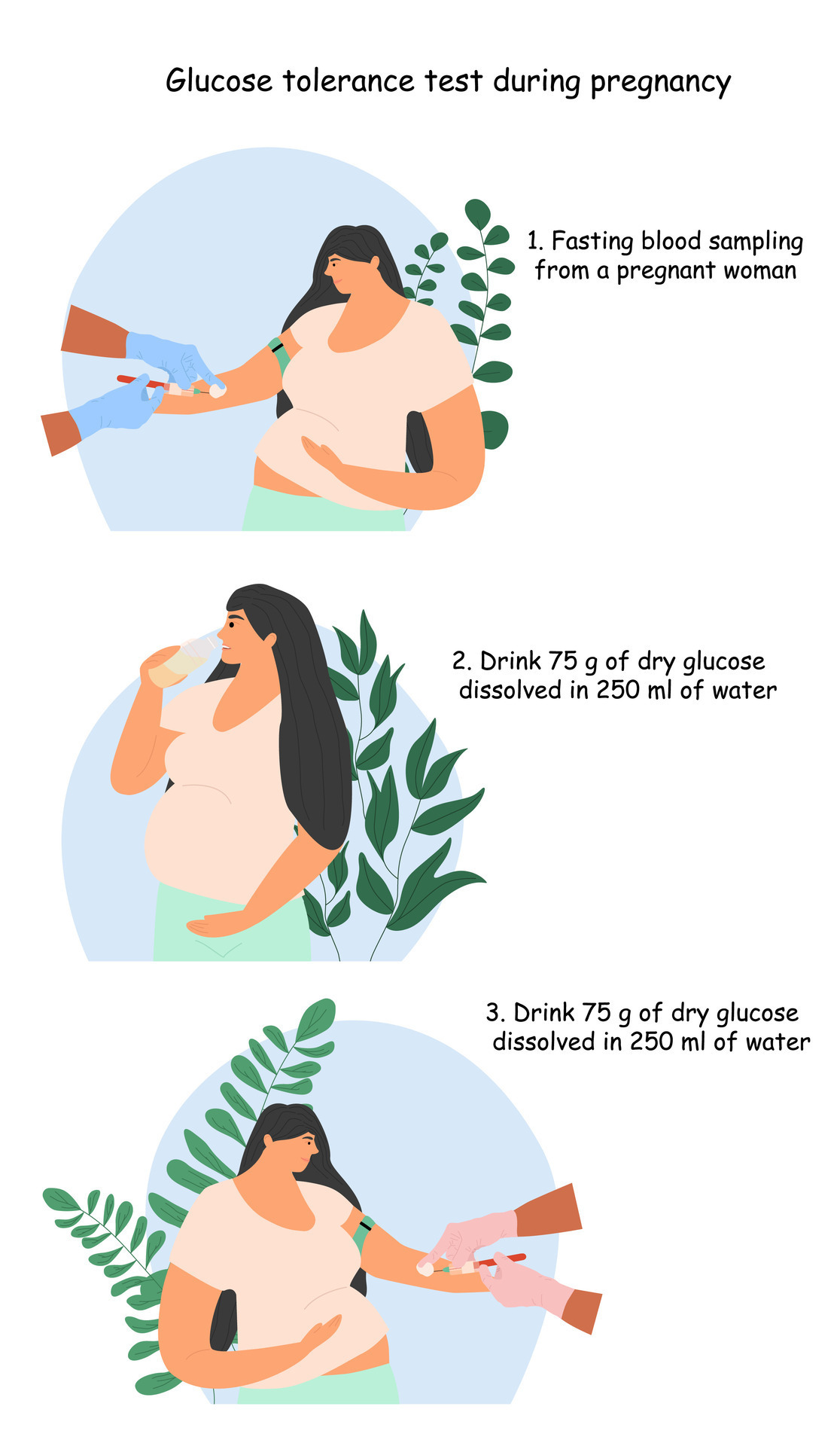
Lush How Diabetes Affect Pregnancy Artwork for Mobile
A captivating how diabetes affect pregnancy scene that brings tranquility and beauty to any device.

Mesmerizing How Diabetes Affect Pregnancy View Collection
Transform your screen with this vivid how diabetes affect pregnancy artwork, a true masterpiece of digital design.
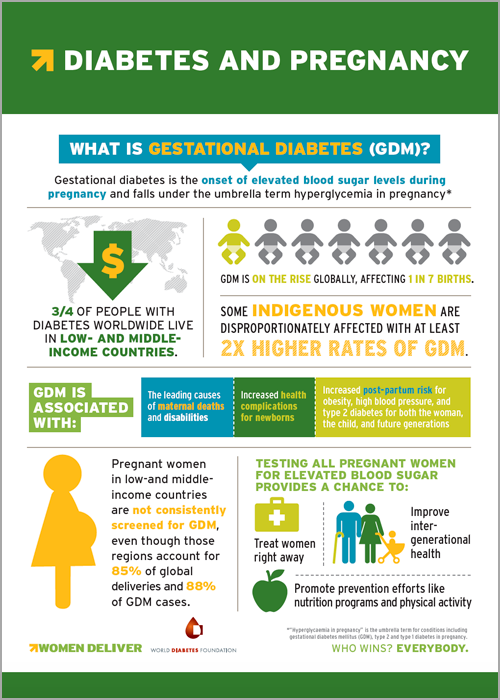
Vibrant How Diabetes Affect Pregnancy Abstract in HD
Explore this high-quality how diabetes affect pregnancy image, perfect for enhancing your desktop or mobile wallpaper.
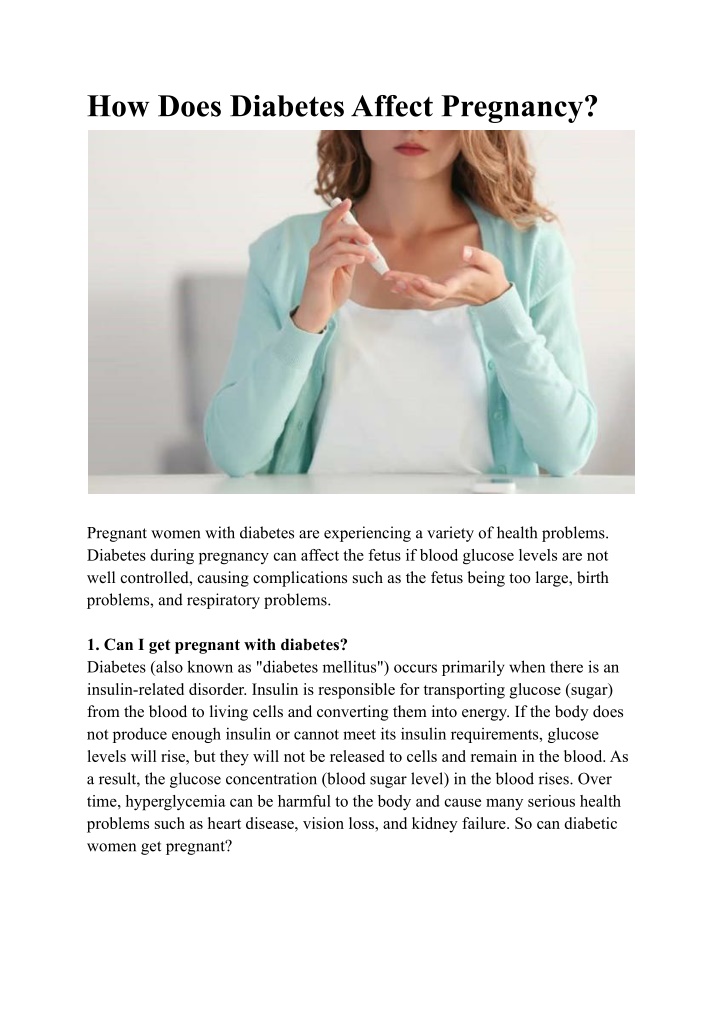
Captivating How Diabetes Affect Pregnancy Abstract in 4K
Find inspiration with this unique how diabetes affect pregnancy illustration, crafted to provide a fresh look for your background.
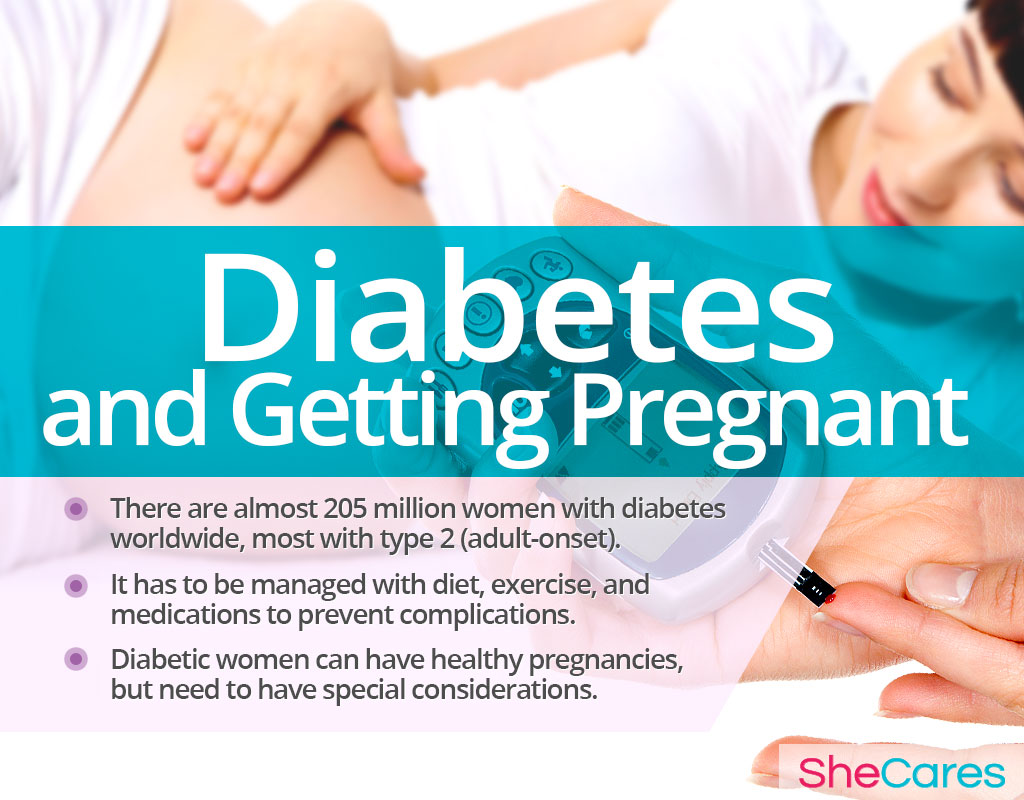
Stunning How Diabetes Affect Pregnancy Background Photography
Find inspiration with this unique how diabetes affect pregnancy illustration, crafted to provide a fresh look for your background.

Crisp How Diabetes Affect Pregnancy Capture in HD
Find inspiration with this unique how diabetes affect pregnancy illustration, crafted to provide a fresh look for your background.

Vibrant How Diabetes Affect Pregnancy Photo in 4K
Experience the crisp clarity of this stunning how diabetes affect pregnancy image, available in high resolution for all your screens.
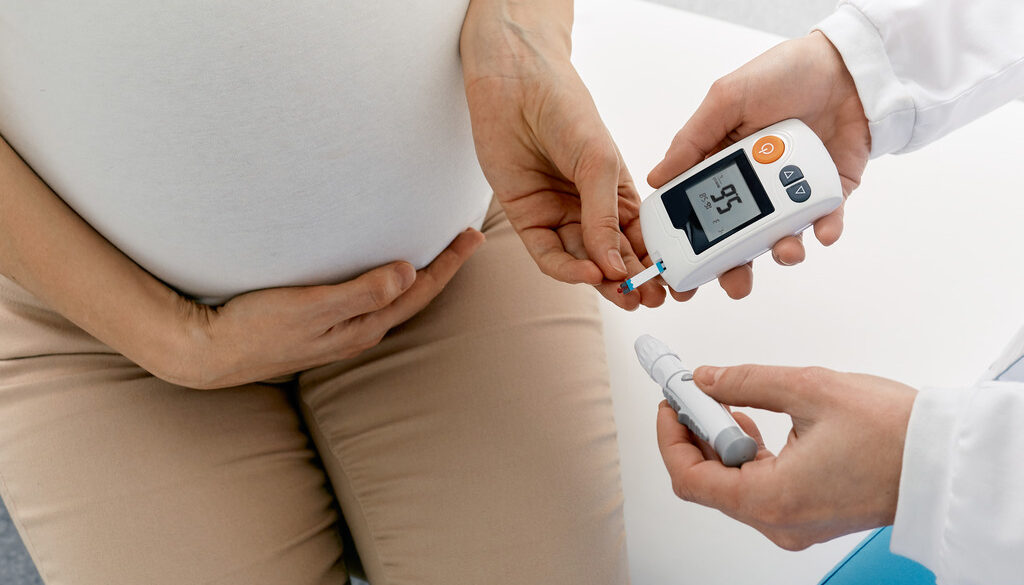
Vibrant How Diabetes Affect Pregnancy Moment Art
Transform your screen with this vivid how diabetes affect pregnancy artwork, a true masterpiece of digital design.

Amazing How Diabetes Affect Pregnancy Design Collection
Explore this high-quality how diabetes affect pregnancy image, perfect for enhancing your desktop or mobile wallpaper.

Mesmerizing How Diabetes Affect Pregnancy Photo for Your Screen
Transform your screen with this vivid how diabetes affect pregnancy artwork, a true masterpiece of digital design.

Crisp How Diabetes Affect Pregnancy Image Collection
A captivating how diabetes affect pregnancy scene that brings tranquility and beauty to any device.
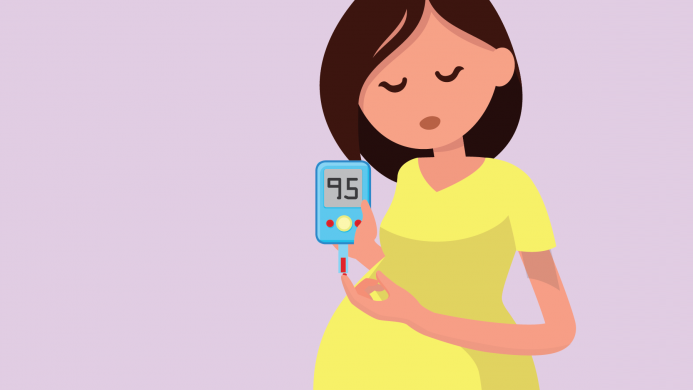
Dynamic How Diabetes Affect Pregnancy Picture for Desktop
Immerse yourself in the stunning details of this beautiful how diabetes affect pregnancy wallpaper, designed for a captivating visual experience.
Download these how diabetes affect pregnancy wallpapers for free and use them on your desktop or mobile devices.