Low Blood Sugar Diabetes: Your Essential Guide to Recognizing and Treating Hypoglycemia
If you live with diabetes, managing your blood sugar levels is a constant balancing act. We often hear warnings about high blood sugar (hyperglycemia), but the danger that can strike much faster—and sometimes feel scarier—is low blood sugar, medically known as hypoglycemia.
Understanding the risks and having an action plan for a low blood sugar diabetes episode is absolutely critical for your safety and confidence. This guide will walk you through everything you need to know, from spotting the subtle signs to treating a severe drop immediately.
What Exactly is Low Blood Sugar Diabetes (Hypoglycemia)?
Simply put, hypoglycemia occurs when the amount of glucose (sugar) in your blood drops to a level that is too low to fuel your body's needs, especially your brain. For most people managing diabetes, this is defined as a blood glucose reading below 70 milligrams per deciliter (mg/dL).
When this happens, your body enters a state of crisis because it is starving for fuel. If you have low blood sugar diabetes, you need to recognize that this condition requires immediate intervention to restore balance.
While people without diabetes can occasionally experience temporary drops, those using insulin or certain types of oral diabetes medications are at the highest risk for severe, recurring episodes.
Why Does Low Blood Sugar Happen? Understanding the Triggers
Hypoglycemia is often caused by a mismatch between the glucose entering your bloodstream (from food) and the glucose being processed or used by the body (through insulin and activity). Identifying your personal triggers is the first step toward prevention.
Medication, Meals, and Activity
Several common factors contribute to why someone experiences low blood sugar diabetes:
- Too Much Insulin or Medication: This is the most common cause. If you take more insulin than necessary for the carbohydrates you consumed, the excess hormone aggressively pulls sugar out of your blood.
- Skipping or Delaying Meals: If you take long-acting insulin or certain oral medications and then miss a scheduled meal, the medication continues to work without the necessary glucose input.
- Unplanned or Intense Exercise: Physical activity makes your body more sensitive to insulin. If you exercise more vigorously than usual without adjusting your insulin dose or increasing your carbohydrate intake, your blood sugar can drop quickly.
- Alcohol Consumption: Drinking alcohol, especially on an empty stomach, can interfere with your liver's ability to release stored glucose, leading to lows hours after consumption.
- Timing Issues: Taking rapid-acting insulin too far in advance of eating (bolusing too early) can lead to a dip just as you start the meal.
Remember, even small changes in routine can impact your blood sugar. Always monitor closely when trying a new exercise regimen or altering meal times.
Spotting the Signs: Early and Severe Symptoms of Low Blood Sugar
The symptoms of hypoglycemia can vary greatly from person to person. It is vital to learn your unique warning signs. The faster you recognize an impending drop, the sooner you can treat it and prevent it from becoming dangerous.
The Early Warning Signs You Shouldn't Ignore
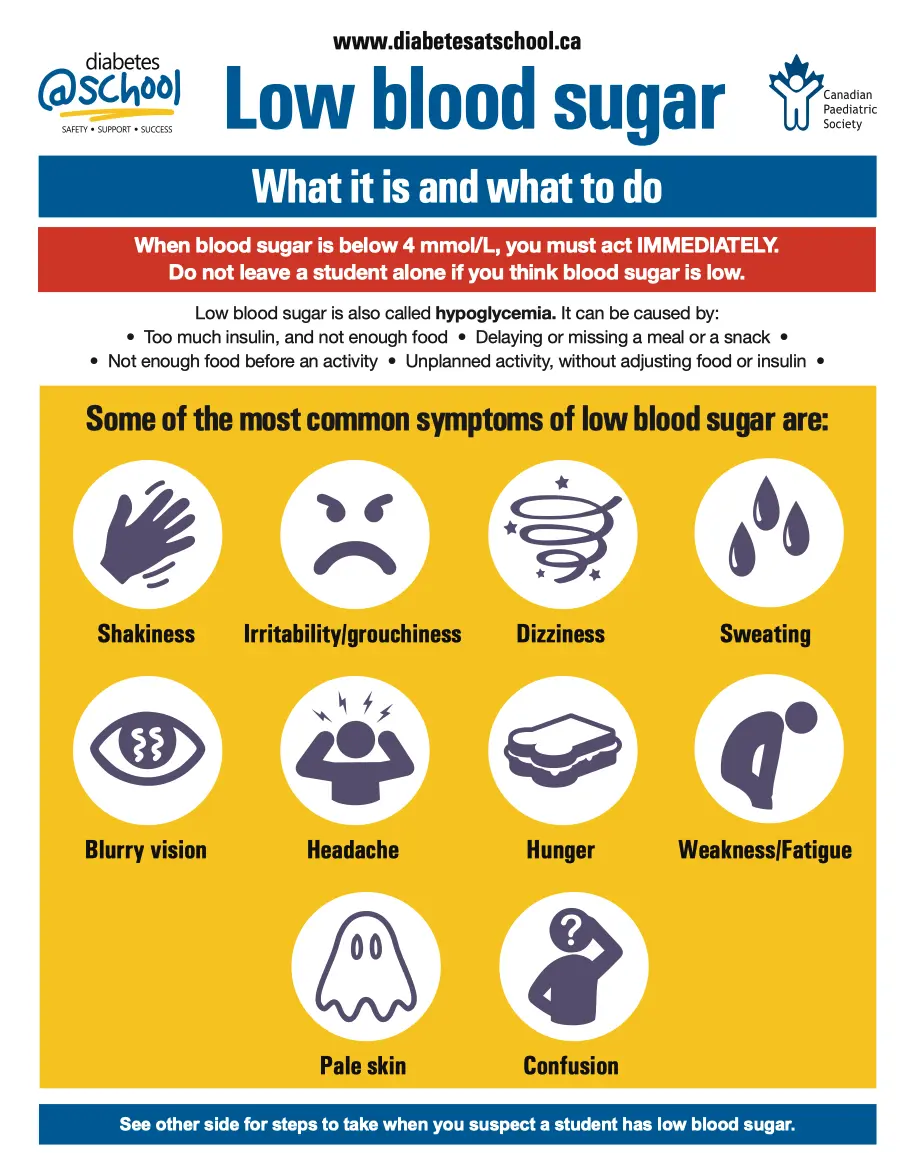
These initial symptoms are your body's alarm system, often triggered by the release of adrenaline as the body tries to raise glucose levels:
- Shakiness or Tremors
- Sweating and Clamminess
- Rapid or Pounding Heartbeat (Palpitations)
- Intense Hunger or Nausea
- Anxiety, Irritability, or Sudden Mood Changes
- Tingling sensation around the mouth
At the first sign of these symptoms, even if you are unsure, you must check your blood sugar immediately. Do not delay waiting for a more severe feeling.
When Hypoglycemia Becomes a Medical Emergency
If hypoglycemia is not treated quickly, it progresses rapidly to affect brain function, resulting in neuroglycopenic symptoms. This is where the situation becomes life-threatening and may require assistance from others.
Severe low blood sugar symptoms include:
- Difficulty concentrating or severe confusion
- Slurred speech or clumsiness, mimicking intoxication
- Loss of coordination (difficulty walking)
- Vision changes or blurred vision
- Loss of consciousness, faintness, or coma
- Seizures
If you suspect someone is experiencing severe low blood sugar diabetes, call for immediate medical help (emergency services) and administer glucagon if available and you are trained to do so.
Immediate Action: How to Treat Low Blood Sugar Diabetes Quickly
The treatment for mild to moderate hypoglycemia involves consuming fast-acting carbohydrates that rapidly enter the bloodstream. You are looking for pure glucose or simple sugars here, not complex carbs or fats, which slow absorption.
Applying the 15-15 Rule Effectively
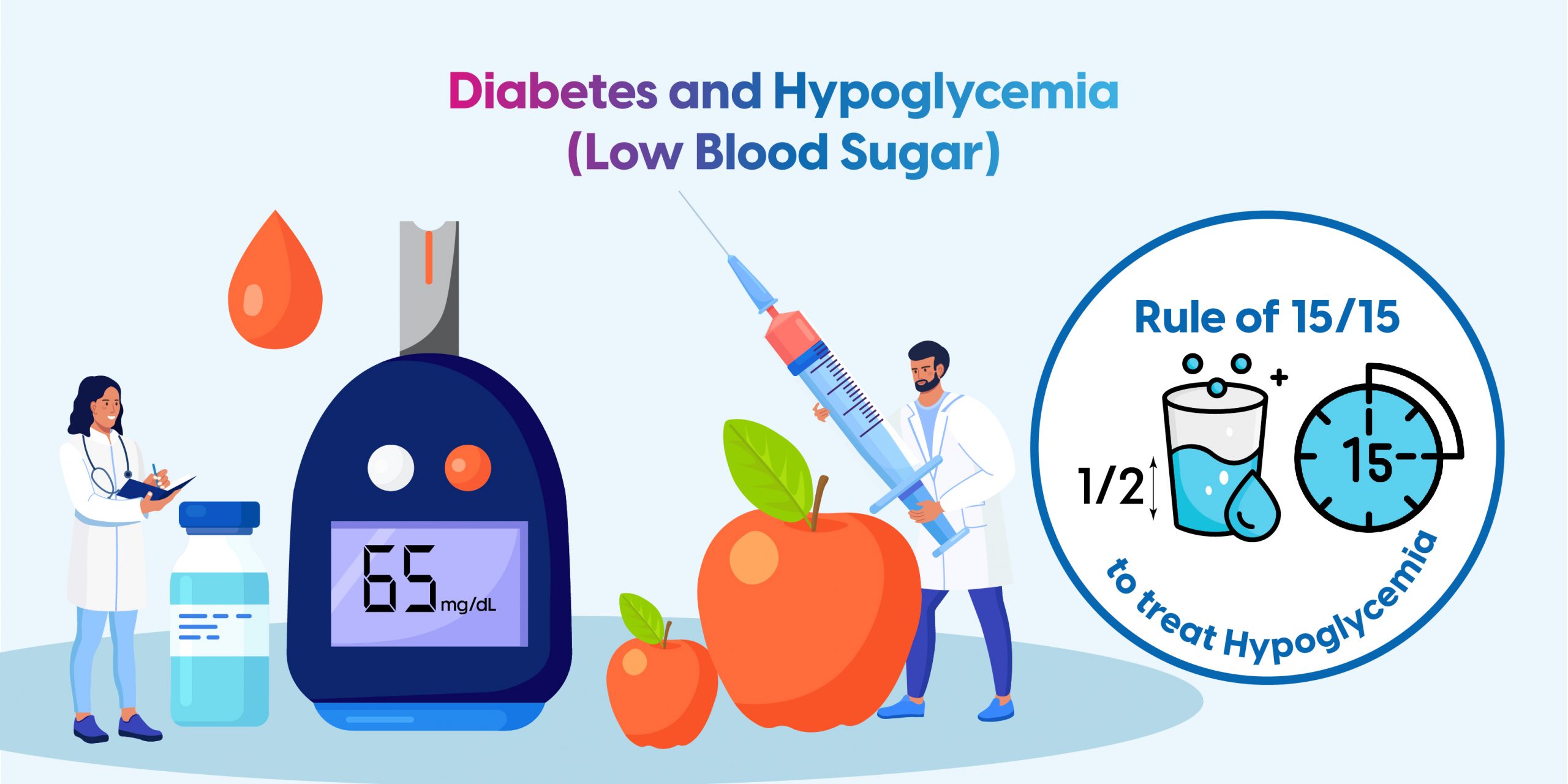
Healthcare professionals strongly recommend the 15-15 rule for treating conscious hypoglycemia. It ensures you consume enough sugar to recover without over-treating and causing a spike.
- Consume 15 Grams of Fast-Acting Carbohydrates: This could be 4 ounces of juice or regular soda (not diet), 3-4 glucose tablets, or a tablespoon of honey.
- Wait 15 Minutes: Allow time for the glucose to enter your system.
- Retest Your Blood Sugar: Check your level again.
- Repeat if Necessary: If your blood sugar is still below 70 mg/dL, repeat the 15-gram carb intake and wait another 15 minutes before retesting.
- Eat a Meal or Snack: Once your blood sugar is stable (above 70 mg/dL), if your next meal is more than an hour away, eat a small snack containing protein and complex carbohydrates to prevent another drop.
It is important to resist the urge to eat a large chocolate bar or a bag of chips during a low. The fat content in these items will slow down the absorption of the sugar, delaying recovery and often leading to overtreatment later.
Tips for Preventing Future Hypoglycemic Episodes
Prevention is always better than cure when dealing with low blood sugar diabetes. Here are practical steps to minimize your risk:
- Always carry a fast-acting glucose source (like glucose tabs).
- Check your blood sugar frequently, especially before driving, after intense exercise, and before bed.
- Inform loved ones and colleagues about your condition and teach them how to recognize and treat a severe low.
- Wear a medical ID bracelet or necklace stating you have diabetes.
- If you adjust your physical activity, talk to your doctor about adjusting your medication or carbohydrate intake beforehand.
If you experience frequent or recurring drops, discuss this immediately with your endocrinologist. Your medication dosages or timing may need significant adjustment.
Conclusion
Living with diabetes means always being prepared, and managing low blood sugar diabetes is arguably the most urgent part of your daily care. By knowing the signs—from the shivers and sweats to the confusion—and mastering the 15-15 rule, you empower yourself to react confidently and swiftly.
Preparation, communication, and regular monitoring are your best defenses against hypoglycemia. Stay vigilant, carry your emergency glucose, and never hesitate to seek medical guidance if your low blood sugar episodes become difficult to control.
Frequently Asked Questions About Low Blood Sugar Diabetes
- What is the main difference between low blood sugar and high blood sugar?
- High blood sugar (hyperglycemia) develops slowly over hours or days and is often related to insufficient insulin. Low blood sugar (hypoglycemia) typically develops rapidly (minutes to an hour) and is usually caused by too much insulin or lack of adequate carbohydrate intake, presenting an immediate danger to brain function.
- Is it possible to have low blood sugar without symptoms?
- Yes, this is called Hypoglycemia Unawareness. It happens when the body stops releasing adrenaline in response to low sugar, meaning you miss the early warning signs (like shakiness or sweating). This is highly dangerous and usually occurs in individuals who have had diabetes for many years or who experience frequent lows. Continuous Glucose Monitors (CGMs) are often recommended for those with unawareness.
- Should I use fruit juice or glucose tablets to treat a low?
- Both are excellent choices. Glucose tablets are preferred because they contain a precise, measured amount of pure glucose, making it easier to stick to the 15-gram rule without consuming excess sugar. However, any source of simple, non-fattening carbohydrate, like 4 oz of apple juice, works well in an emergency.
- What should I do if a person with diabetes has low blood sugar and is unconscious?
- Never try to give an unconscious person food or liquid, as this poses a choking hazard. If available and trained, administer emergency glucagon (injection or nasal spray) immediately, and call emergency medical services (e.g., 911).
Low Blood Sugar Diabetes
Low Blood Sugar Diabetes Wallpapers
Collection of low blood sugar diabetes wallpapers for your desktop and mobile devices.

Vibrant Low Blood Sugar Diabetes Background Art
Experience the crisp clarity of this stunning low blood sugar diabetes image, available in high resolution for all your screens.

Breathtaking Low Blood Sugar Diabetes Landscape Photography
Transform your screen with this vivid low blood sugar diabetes artwork, a true masterpiece of digital design.
High-Quality Low Blood Sugar Diabetes Capture Art
Transform your screen with this vivid low blood sugar diabetes artwork, a true masterpiece of digital design.
Exquisite Low Blood Sugar Diabetes Scene Photography
Find inspiration with this unique low blood sugar diabetes illustration, crafted to provide a fresh look for your background.

Stunning Low Blood Sugar Diabetes Abstract Photography
Find inspiration with this unique low blood sugar diabetes illustration, crafted to provide a fresh look for your background.
Amazing Low Blood Sugar Diabetes Moment Art
Explore this high-quality low blood sugar diabetes image, perfect for enhancing your desktop or mobile wallpaper.
Vibrant Low Blood Sugar Diabetes Picture Digital Art
Experience the crisp clarity of this stunning low blood sugar diabetes image, available in high resolution for all your screens.
Exquisite Low Blood Sugar Diabetes Wallpaper Photography
Find inspiration with this unique low blood sugar diabetes illustration, crafted to provide a fresh look for your background.
Vivid Low Blood Sugar Diabetes Background Collection
Discover an amazing low blood sugar diabetes background image, ideal for personalizing your devices with vibrant colors and intricate designs.
High-Quality Low Blood Sugar Diabetes Photo Collection
Experience the crisp clarity of this stunning low blood sugar diabetes image, available in high resolution for all your screens.

Gorgeous Low Blood Sugar Diabetes View in 4K
A captivating low blood sugar diabetes scene that brings tranquility and beauty to any device.
Detailed Low Blood Sugar Diabetes Picture Digital Art
Transform your screen with this vivid low blood sugar diabetes artwork, a true masterpiece of digital design.
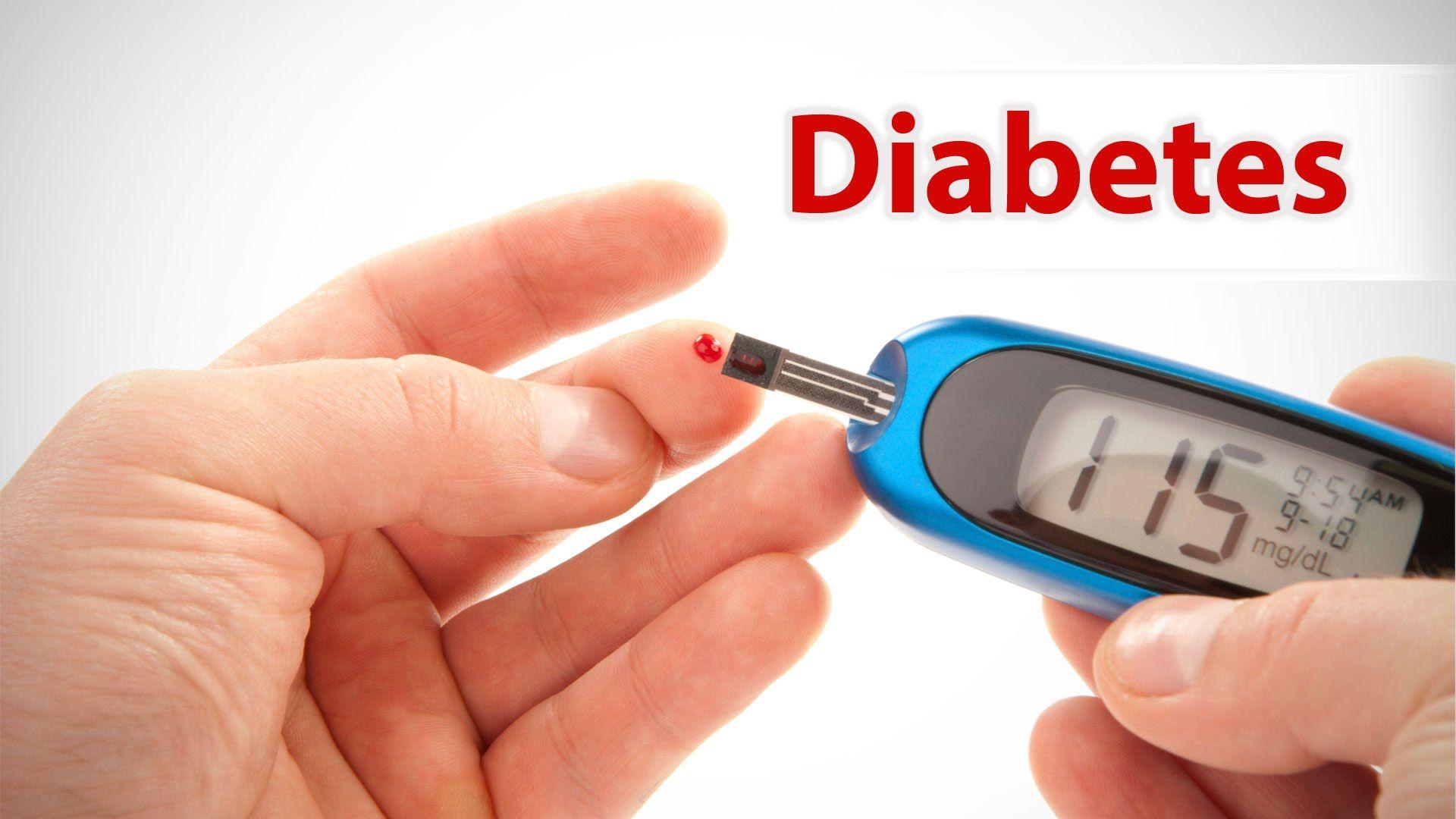
Mesmerizing Low Blood Sugar Diabetes Image Illustration
Transform your screen with this vivid low blood sugar diabetes artwork, a true masterpiece of digital design.
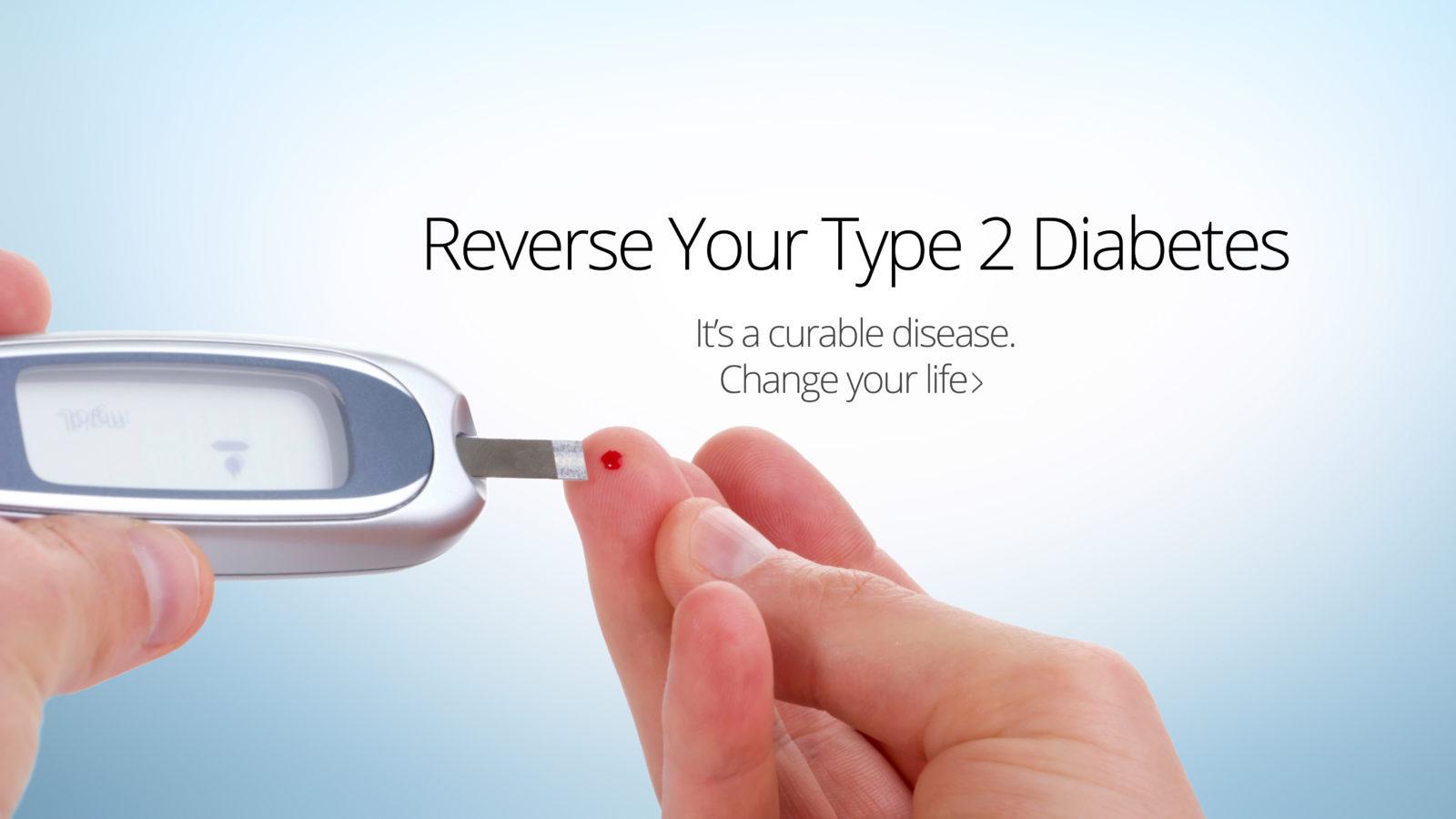
Spectacular Low Blood Sugar Diabetes Moment Art
This gorgeous low blood sugar diabetes photo offers a breathtaking view, making it a perfect choice for your next wallpaper.
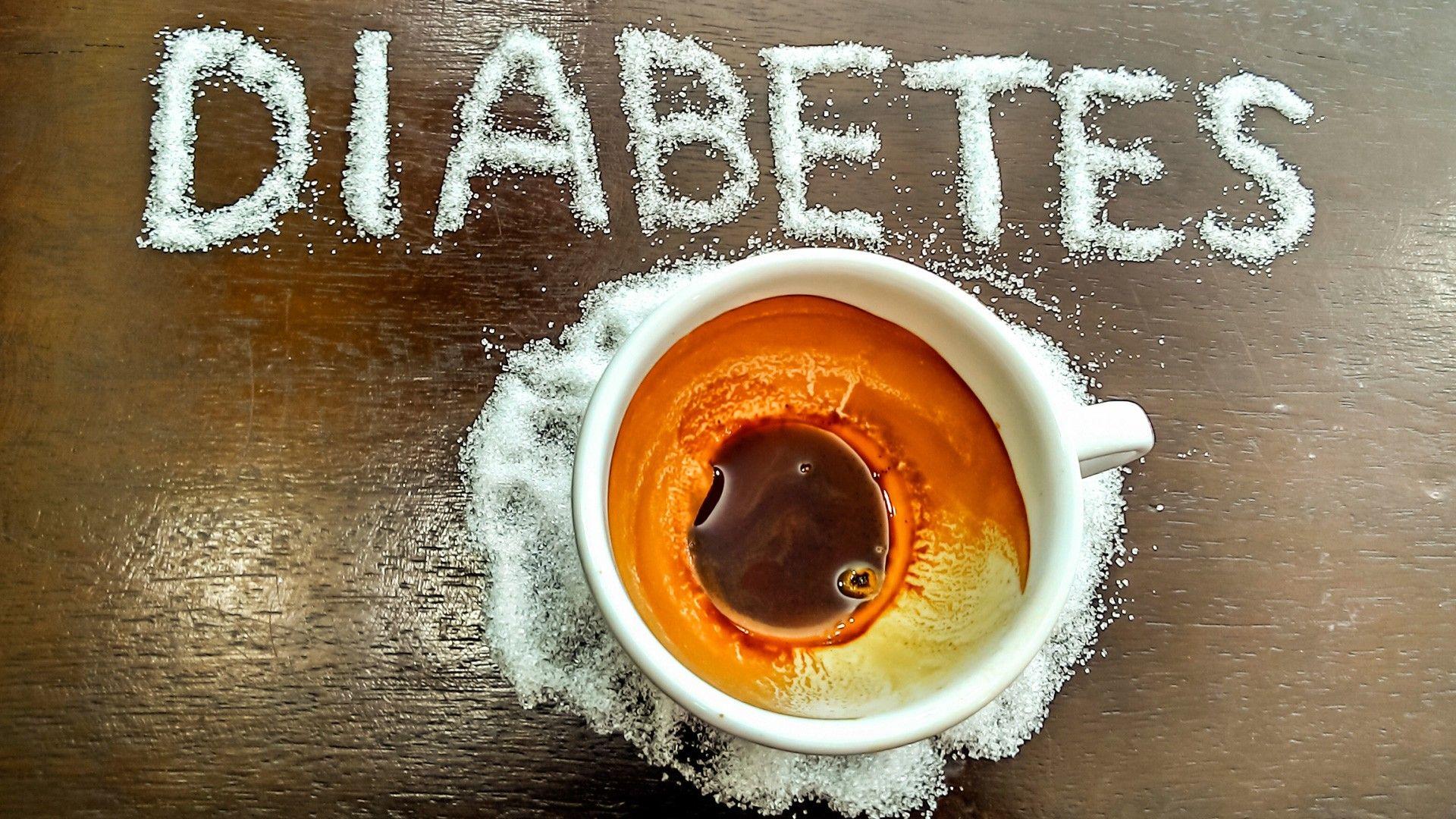
Amazing Low Blood Sugar Diabetes Image Illustration
Experience the crisp clarity of this stunning low blood sugar diabetes image, available in high resolution for all your screens.
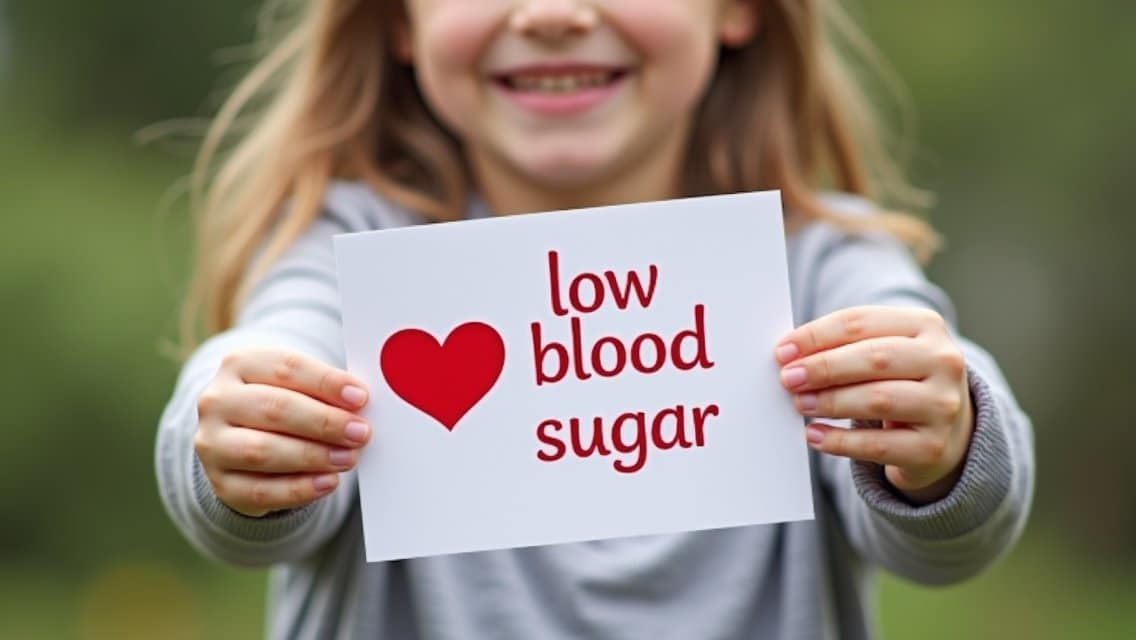
Artistic Low Blood Sugar Diabetes Background in HD
A captivating low blood sugar diabetes scene that brings tranquility and beauty to any device.

Exquisite Low Blood Sugar Diabetes Background for Your Screen
Find inspiration with this unique low blood sugar diabetes illustration, crafted to provide a fresh look for your background.

Gorgeous Low Blood Sugar Diabetes Photo in HD
This gorgeous low blood sugar diabetes photo offers a breathtaking view, making it a perfect choice for your next wallpaper.
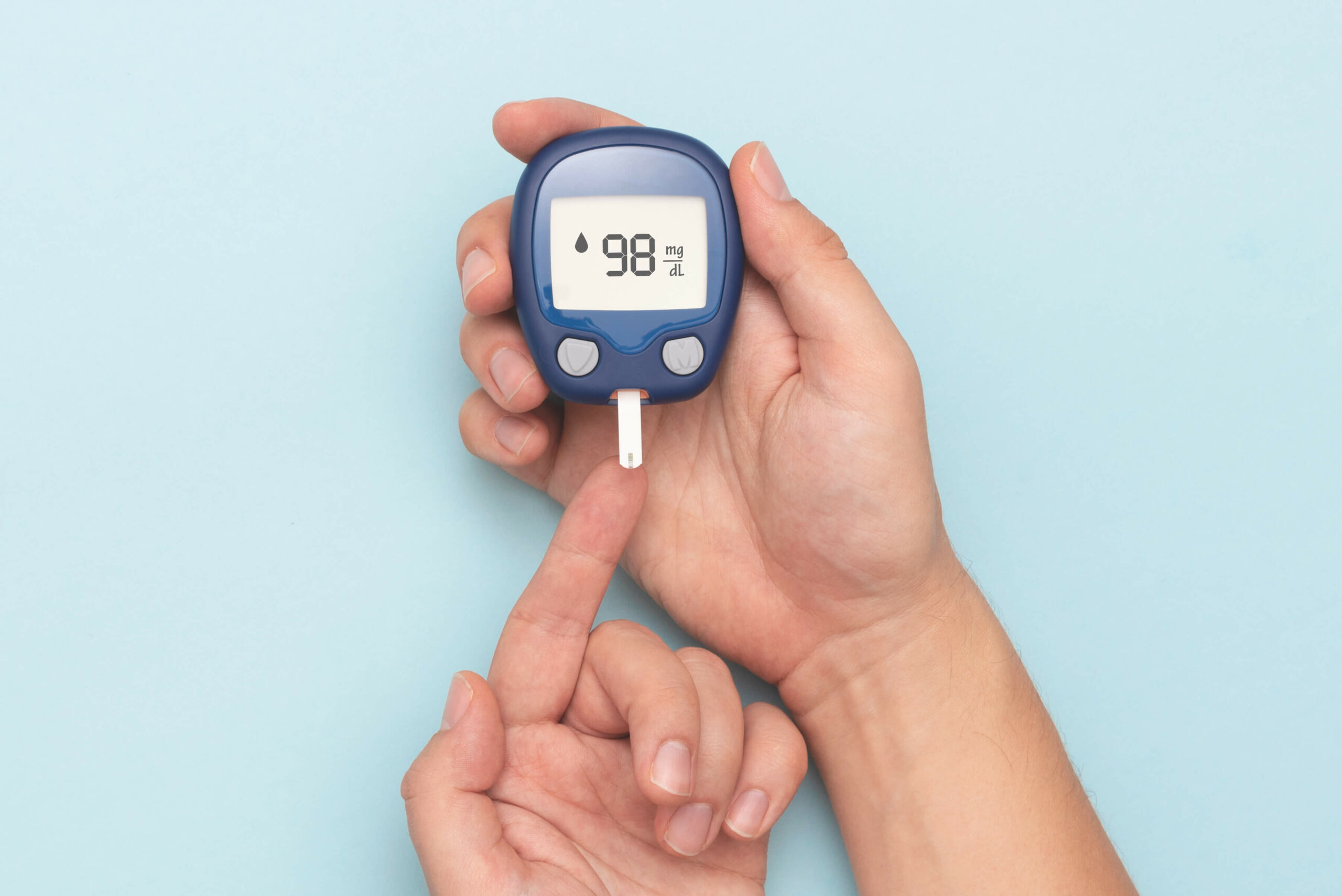
Serene Low Blood Sugar Diabetes Scene for Your Screen
Experience the crisp clarity of this stunning low blood sugar diabetes image, available in high resolution for all your screens.
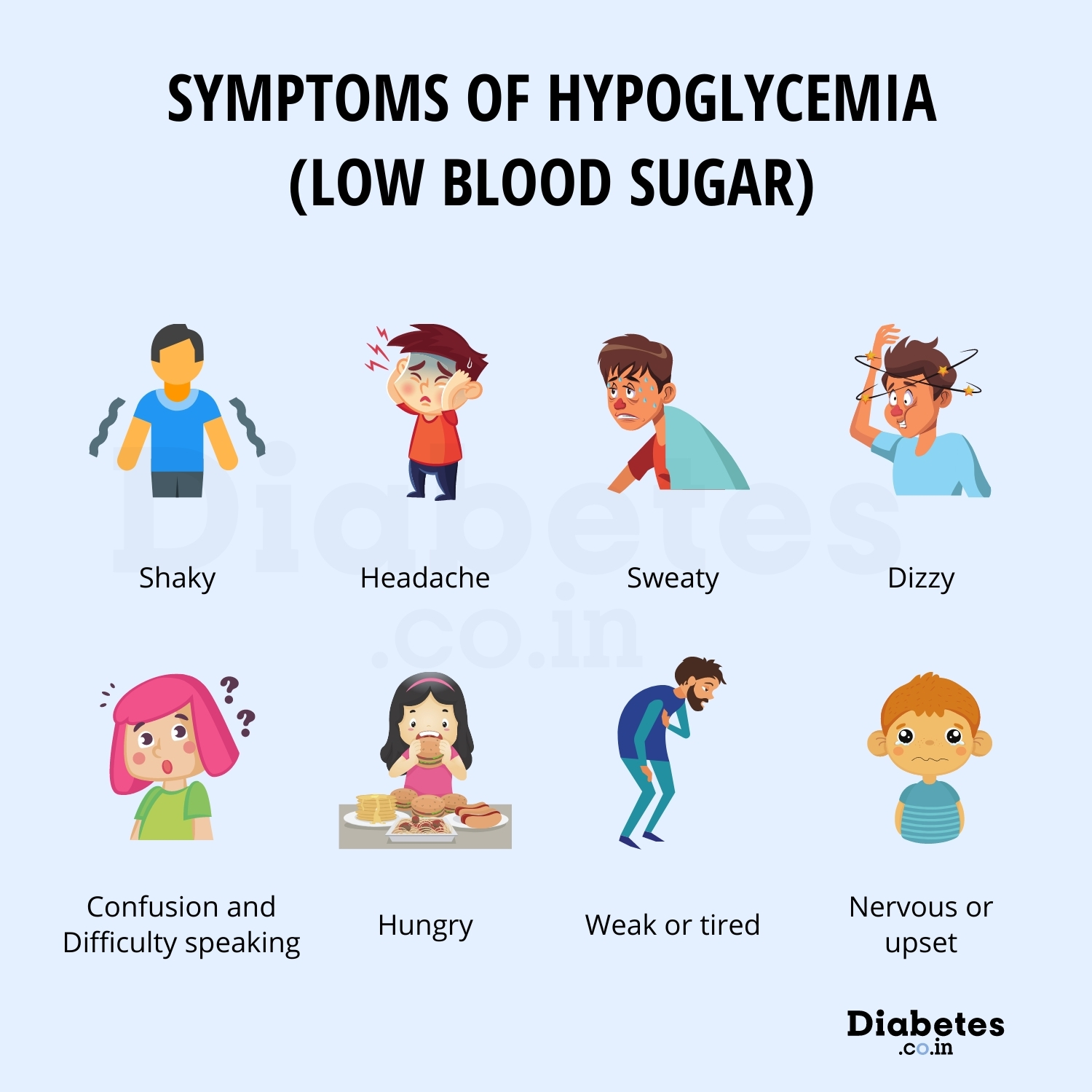
Detailed Low Blood Sugar Diabetes Artwork Digital Art
Explore this high-quality low blood sugar diabetes image, perfect for enhancing your desktop or mobile wallpaper.
Download these low blood sugar diabetes wallpapers for free and use them on your desktop or mobile devices.