Type One Diabetes Glucose Levels: Understanding Your Numbers and Staying Safe
Living with Type One Diabetes (T1D) means becoming a dedicated detective of your own body, constantly monitoring those crucial numbers. Understanding your Type One Diabetes Glucose Levels isn't just about avoiding extreme lows or highs; it's about optimizing your daily energy, mood, and long-term health. If you feel overwhelmed by the constant checks and calculations, you are definitely not alone!
This guide breaks down everything you need to know about managing your blood sugar readings. We will discuss target ranges, how to handle emergencies, and the many factors that make those numbers jump and dip.
The Basics: What Do Type One Diabetes Glucose Levels Mean?
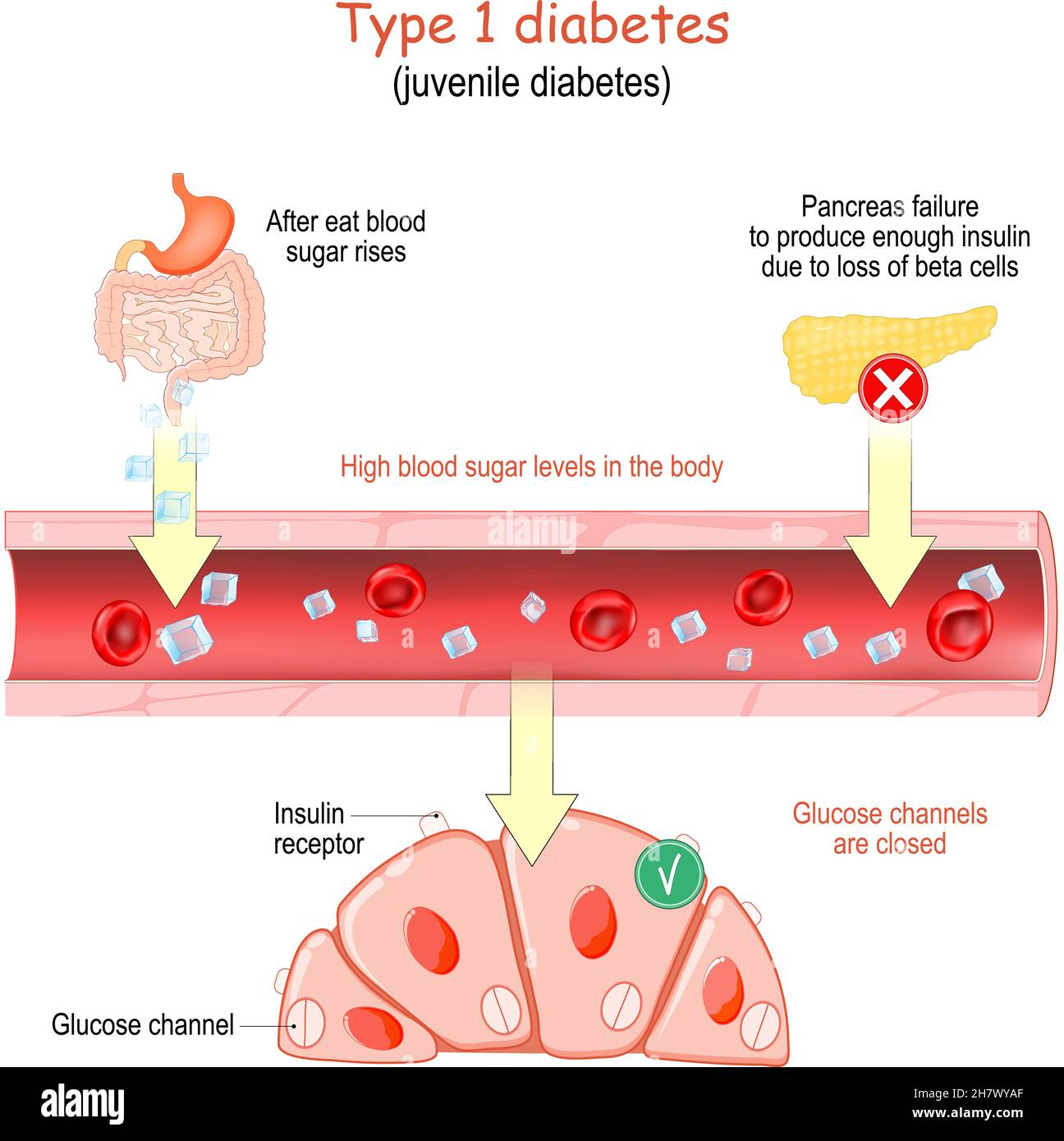
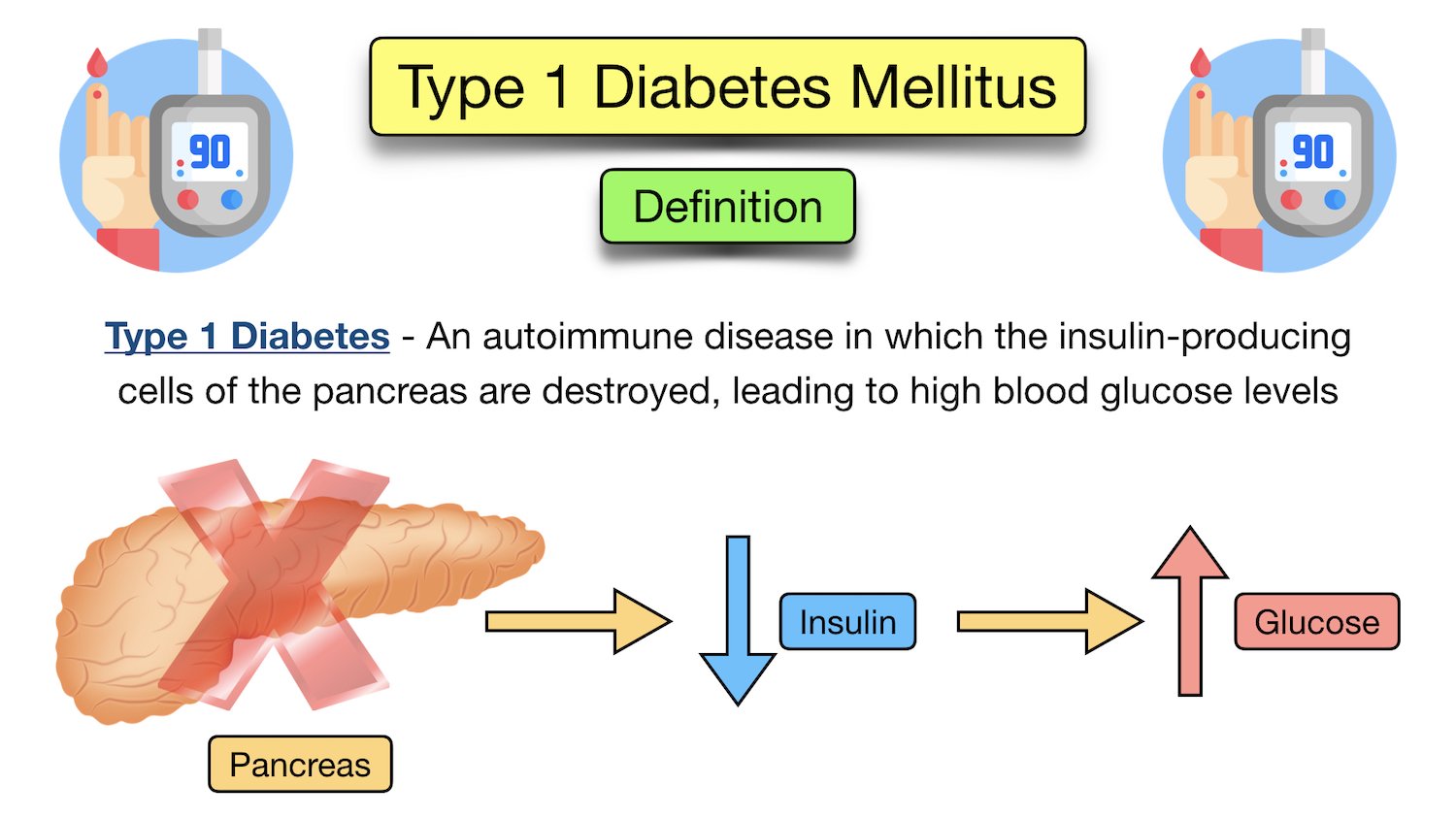
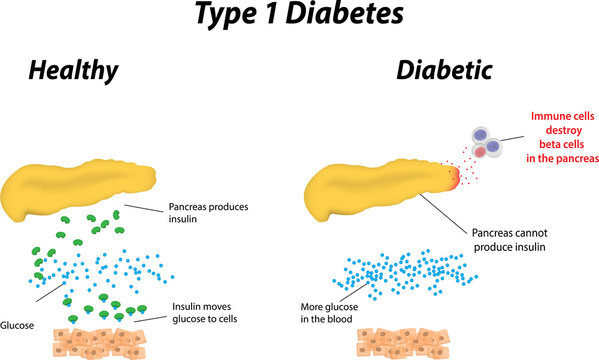
Glucose, often called blood sugar, is your body's primary fuel source. When you have T1D, your pancreas cannot produce insulin, which is the hormone required to move glucose from your bloodstream into your cells for energy.
Therefore, your Type One Diabetes Glucose Levels reflect the concentration of sugar currently circulating in your blood. These readings are measured in milligrams per deciliter (mg/dL) in the US, or millimoles per liter (mmol/L) in many other countries.
Monitoring these levels is essentially monitoring how much help your body needs from exogenous insulin to process the fuel you consume and create.
Target Ranges: What Should I Aim For?
Your exact target range might differ based on your age, overall health, and specific treatment plan. It is crucial to always discuss your personal goals with your endocrinologist or diabetes care team.
However, general guidelines for most adults with T1D are quite standard. These targets help minimize the risk of complications while maintaining optimal cognitive function throughout the day.
Typical target ranges often look like this:
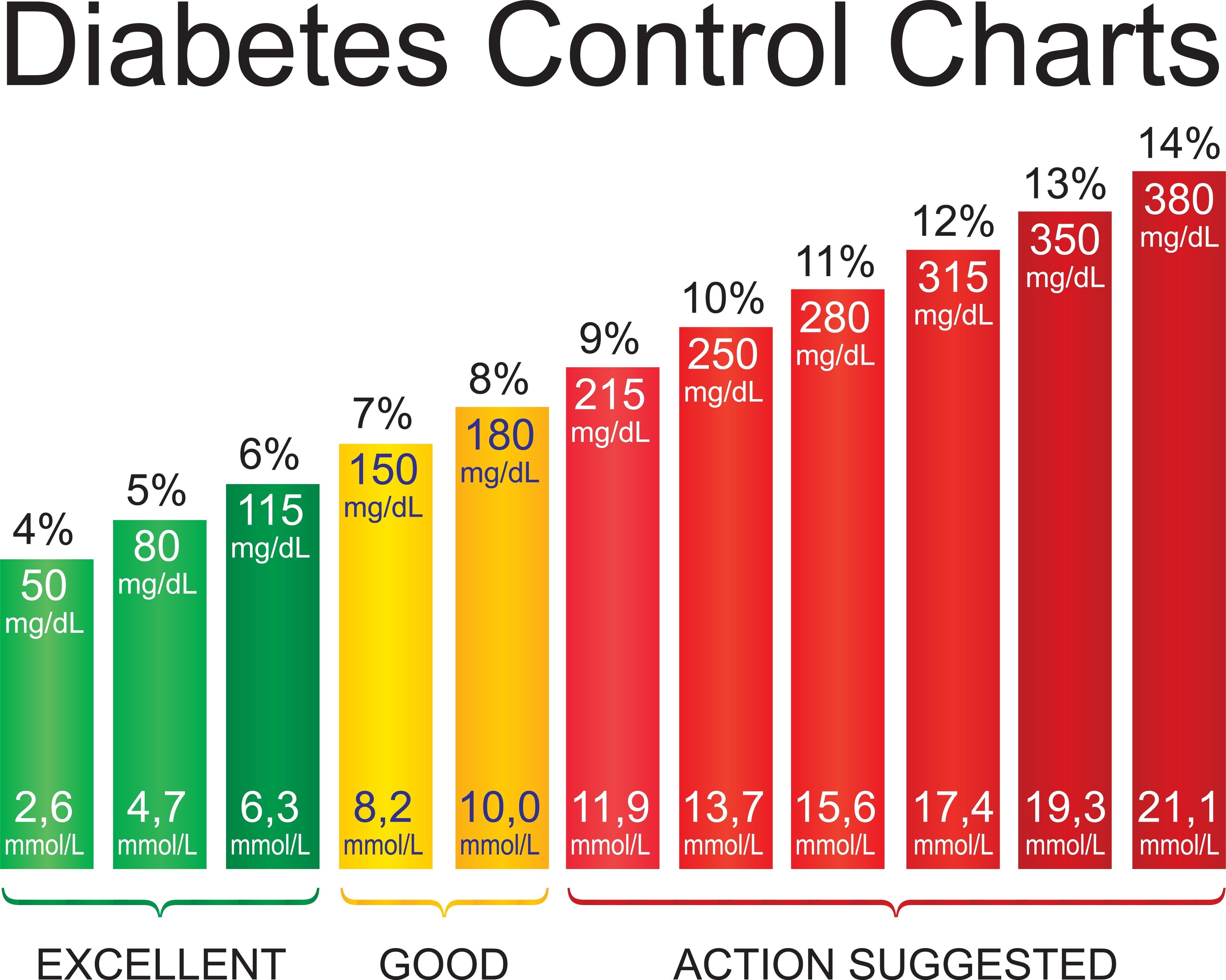
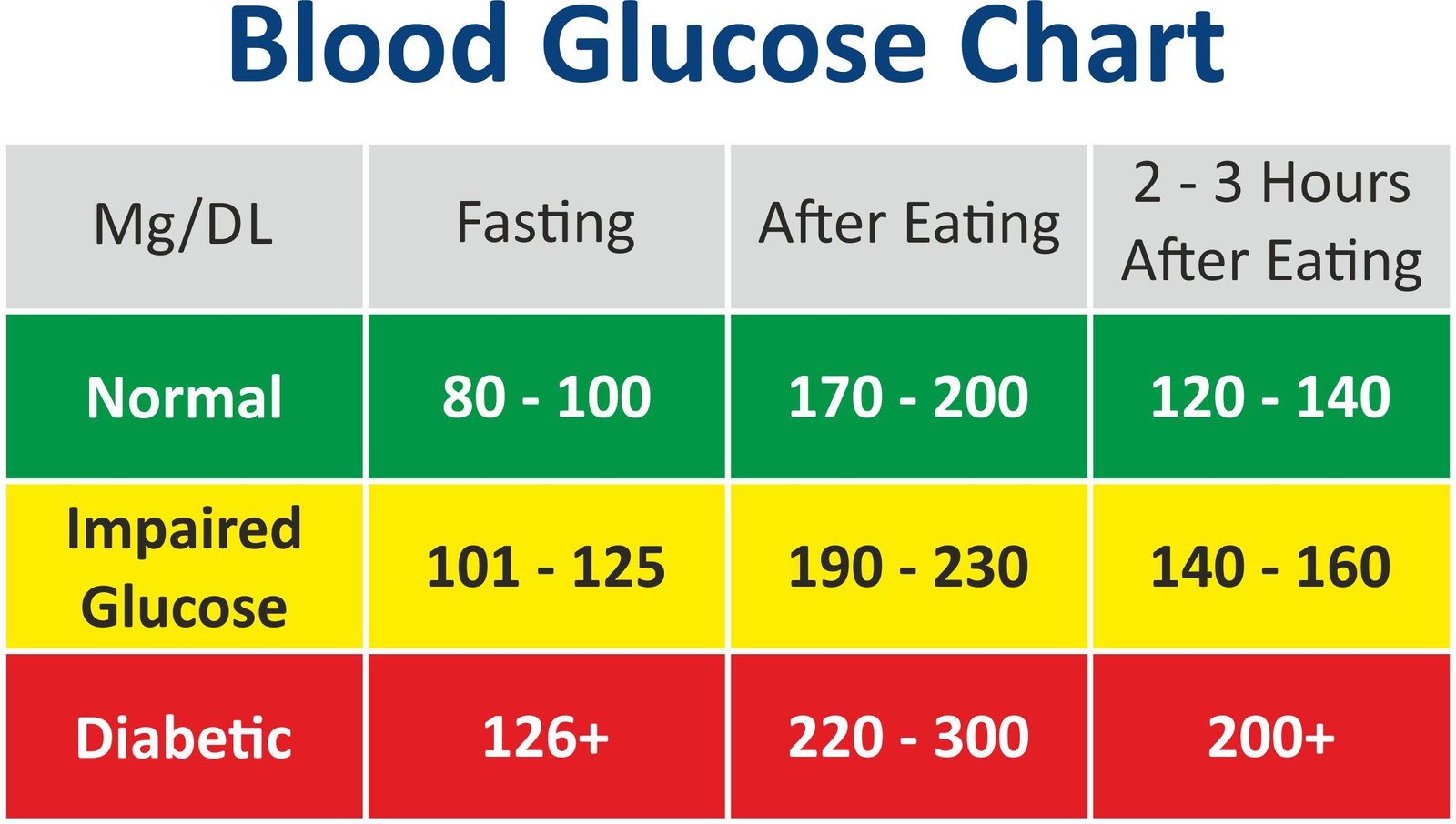
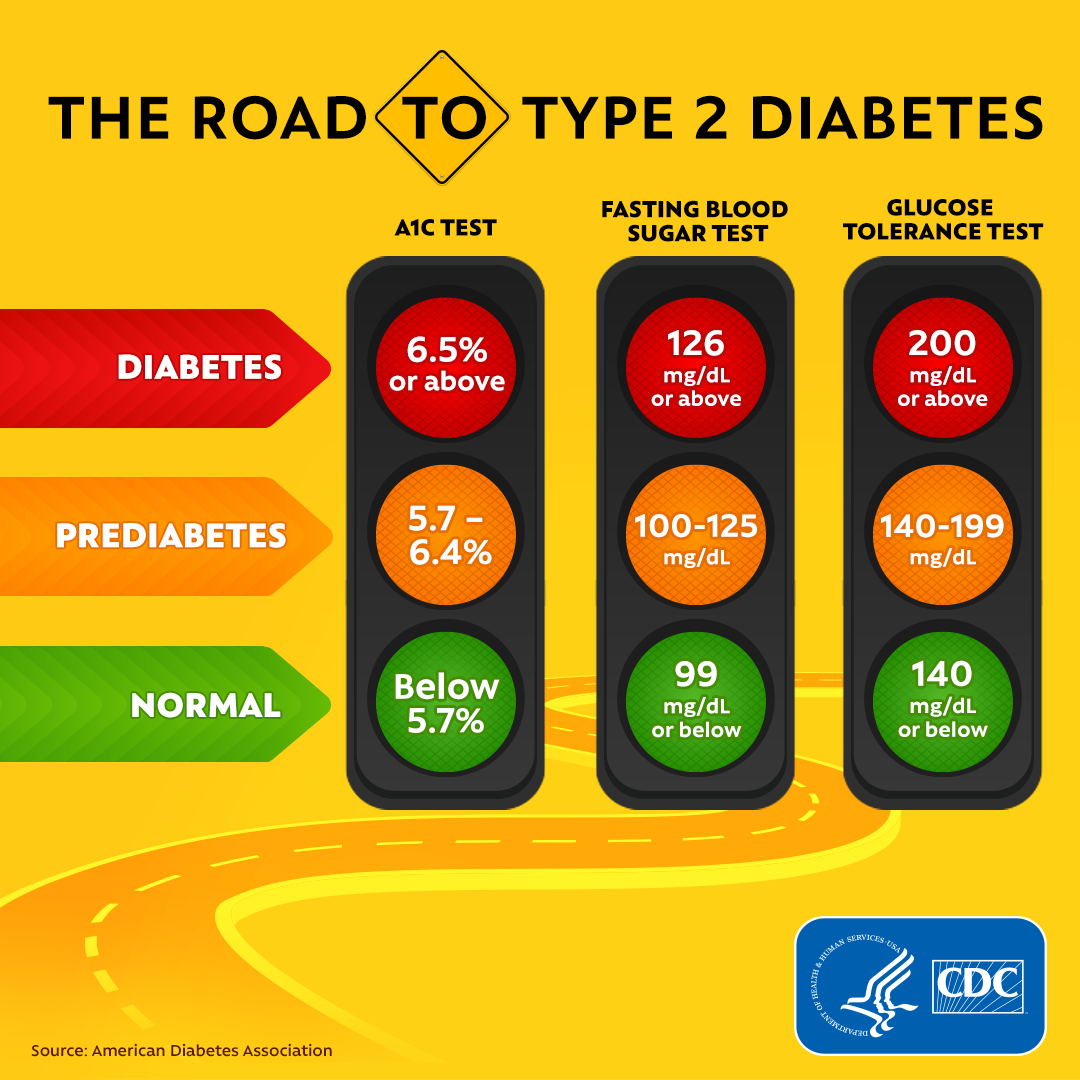
- Before Meals: 80–130 mg/dL (4.4–7.2 mmol/L)
- Two Hours After Meals: Less than 180 mg/dL (10.0 mmol/L)
- Bedtime/Overnight: Usually 100–140 mg/dL (5.6–7.8 mmol/L)
Remember that these are just averages. Consistent stability is often more important than hitting a single perfect number at any given moment.
The Importance of Time in Range (TIR)
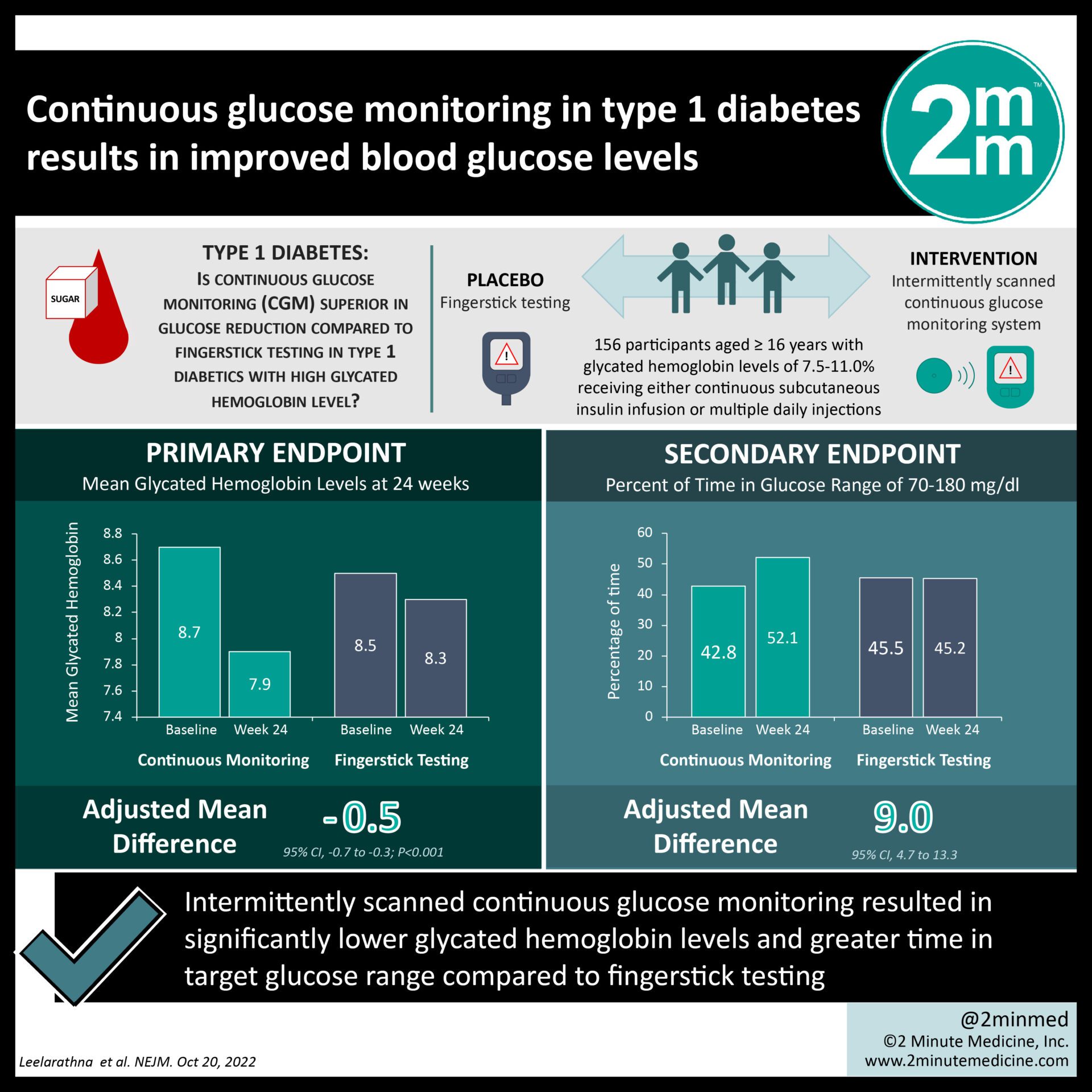
In modern diabetes management, the concept of "Time in Range" (TIR) has become paramount, especially with the use of Continuous Glucose Monitors (CGMs). TIR refers to the percentage of time your glucose levels spend within your personalized target range, usually defined as 70–180 mg/dL.
A higher TIR correlates directly with fewer long-term complications and better quality of life. For instance, most healthcare providers aim for a TIR of 70% or more for most adults, though specific targets vary during pregnancy or infancy.
Continuously tracking your TIR helps you and your medical team identify patterns and adjust basal rates or insulin-to-carb ratios more effectively.
Dealing with Highs (Hyperglycemia)
Hyperglycemia occurs when your Type One Diabetes Glucose Levels rise above your target range, typically defined as above 180 mg/dL. Prolonged high blood sugar can lead to serious immediate issues like Diabetic Ketoacidosis (DKA) and harmful long-term complications affecting nerves, eyes, and kidneys.
It is absolutely essential to recognize when your numbers are creeping too high and understand the cause so you can treat it effectively and promptly.
Identifying the Symptoms of High Blood Sugar
Sometimes, high glucose levels can be subtle, especially if they are only slightly elevated. However, as the numbers climb, the body begins to display clear warning signs that you need insulin fast.
Ignoring these signs can lead to dehydration and the build-up of ketones. Therefore, always look out for these common indicators:
- Increased thirst (Polydipsia)
- Frequent urination (Polyuria)
- Blurred vision
- Fatigue and lethargy
- Fruity-smelling breath (a serious sign of potential DKA)
Immediate Action Steps for Hyperglycemia
If your meter screams a high reading, don't panic. First, check your ketone levels using urine strips or a blood ketone meter, especially if your blood sugar is consistently over 250 mg/dL.
Next, administer a correction bolus of rapid-acting insulin as instructed by your healthcare team. You must also drink plenty of sugar-free fluids, like water, to help flush the excess sugar and ketones from your system.
If ketones are high, contact your doctor immediately, as you may need supplemental hydration or further medical intervention.
Dealing with Lows (Hypoglycemia)
Hypoglycemia, or "a low," is when your Type One Diabetes Glucose Levels drop below 70 mg/dL. This is an acute emergency because your brain relies heavily on glucose for function.
Severe lows can lead to confusion, loss of consciousness, and seizures if not treated instantly. Therefore, quick recognition and rapid treatment are absolutely critical for immediate safety.
Recognizing Hypoglycemic Warning Signs
The symptoms of low blood sugar can vary greatly between individuals, but many people experience the familiar combination of "shake, sweat, and panic." Sometimes, lows only manifest as irritability or difficulty concentrating.
It's important to share these warning signs with family members, friends, and co-workers so they can assist you if you are too compromised to treat yourself.
- Shakiness and jitters
- Sweating or clamminess
- Dizziness and confusion
- Rapid heartbeat
- Extreme hunger
- Irritability or mood swings
Treating Low Blood Sugar Quickly
When dealing with a low, speed is key. You must follow the standardized "Rule of 15." This technique ensures you consume enough fast-acting carbohydrates without accidentally over-treating, which can cause a rapid rebound high.
Here's how the Rule of 15 works:
- Consume 15 grams of fast-acting carbohydrate (e.g., 4 oz juice, glucose tablets, or gel).
- Wait 15 minutes.
- Recheck your glucose level.
- If your level is still below 70 mg/dL, repeat the process until levels rise.
Avoid foods high in fat (like chocolate or ice cream) during a low, as fat slows down glucose absorption, unnecessarily delaying your recovery.
Factors Affecting Type One Diabetes Glucose Levels
The complexity of managing T1D stems from the sheer number of variables that influence your blood sugar. It's never just about insulin and food; hormones, stress, and even sleep patterns can play a role.
Understanding these variables helps you anticipate changes and make proactive adjustments to your insulin delivery rather than simply reacting to a sudden reading.
Key factors that rapidly shift Type One Diabetes Glucose Levels include:
- Food Intake: Carbohydrates raise glucose; protein and fat can delay the spike, often requiring extended insulin boluses.
- Exercise: Intense cardio exercise often causes a drop, while high-adrenaline activity (like weightlifting or competitive sports) can sometimes cause a temporary spike due to stress hormones.
- Stress and Illness: Stress hormones (like cortisol) and fever dramatically increase insulin resistance, leading to high blood sugar that requires aggressive correction doses.
- Hormonal Changes: Puberty, menstrual cycles, and pregnancy require frequent and often dramatic changes in basal and bolus insulin doses due to fluctuating hormones.
- Medications: Steroids or certain cold medications can significantly increase glucose levels and must be managed carefully.
Conclusion: Mastering Your Type One Diabetes Glucose Levels
Managing your Type One Diabetes Glucose Levels is a marathon, not a sprint. Consistency, careful carbohydrate counting, and prompt response to highs and lows are the cornerstones of successful management. Utilizing technology, such as CGMs and smart insulin pens, has made achieving stability much more attainable.
By prioritizing your Time in Range and working closely with your diabetes care team, you can achieve greater stability and reduce the mental burden of T1D. Remember to be patient with yourself; diabetes is complex, but with knowledge and vigilance, you can stay safe and thrive.
Frequently Asked Questions About Type One Diabetes Glucose Levels
- What is considered a critically high Type One Diabetes Glucose Level?
- Levels consistently above 250 mg/dL (13.9 mmol/L) are critically high and increase the immediate risk of DKA. If these levels persist, especially when accompanied by moderate or high ketones, seek immediate medical attention.
- How often should I check my glucose levels?
- If you use fingersticks, you should check at least 4-8 times daily (before meals, two hours after meals, and before bed). If you use a CGM, you have real-time monitoring, but spot-checking may still be necessary to calibrate or confirm readings during symptomatic lows or device errors.
- Can stress truly raise my blood sugar?
- Yes, absolutely. Physical and emotional stress triggers the release of hormones (like adrenaline and cortisol) that counteract insulin's effects, leading to a temporary but significant rise in Type One Diabetes Glucose Levels. You often need extra insulin to correct for high stress.
- Should I exercise if my glucose levels are high?
- If your glucose level is high (e.g., above 250 mg/dL), you must check for ketones first. If ketones are present, do NOT exercise, as physical activity can accelerate DKA. If ketones are absent, light exercise may help lower your blood sugar, but intense activity should be avoided until levels normalize.
Type One Diabetes Glucose Levels
Type One Diabetes Glucose Levels Wallpapers
Collection of type one diabetes glucose levels wallpapers for your desktop and mobile devices.
Amazing Type One Diabetes Glucose Levels View Concept
Explore this high-quality type one diabetes glucose levels image, perfect for enhancing your desktop or mobile wallpaper.
Amazing Type One Diabetes Glucose Levels Abstract Nature
Experience the crisp clarity of this stunning type one diabetes glucose levels image, available in high resolution for all your screens.

Beautiful Type One Diabetes Glucose Levels Moment Nature
Discover an amazing type one diabetes glucose levels background image, ideal for personalizing your devices with vibrant colors and intricate designs.

High-Quality Type One Diabetes Glucose Levels Landscape in HD
Transform your screen with this vivid type one diabetes glucose levels artwork, a true masterpiece of digital design.

Serene Type One Diabetes Glucose Levels View in HD
Discover an amazing type one diabetes glucose levels background image, ideal for personalizing your devices with vibrant colors and intricate designs.

Breathtaking Type One Diabetes Glucose Levels Landscape Photography
Transform your screen with this vivid type one diabetes glucose levels artwork, a true masterpiece of digital design.

Vibrant Type One Diabetes Glucose Levels Photo Nature
Experience the crisp clarity of this stunning type one diabetes glucose levels image, available in high resolution for all your screens.
Beautiful Type One Diabetes Glucose Levels Capture Illustration
Discover an amazing type one diabetes glucose levels background image, ideal for personalizing your devices with vibrant colors and intricate designs.

Gorgeous Type One Diabetes Glucose Levels Moment Digital Art
Find inspiration with this unique type one diabetes glucose levels illustration, crafted to provide a fresh look for your background.
Lush Type One Diabetes Glucose Levels Abstract Collection
Find inspiration with this unique type one diabetes glucose levels illustration, crafted to provide a fresh look for your background.
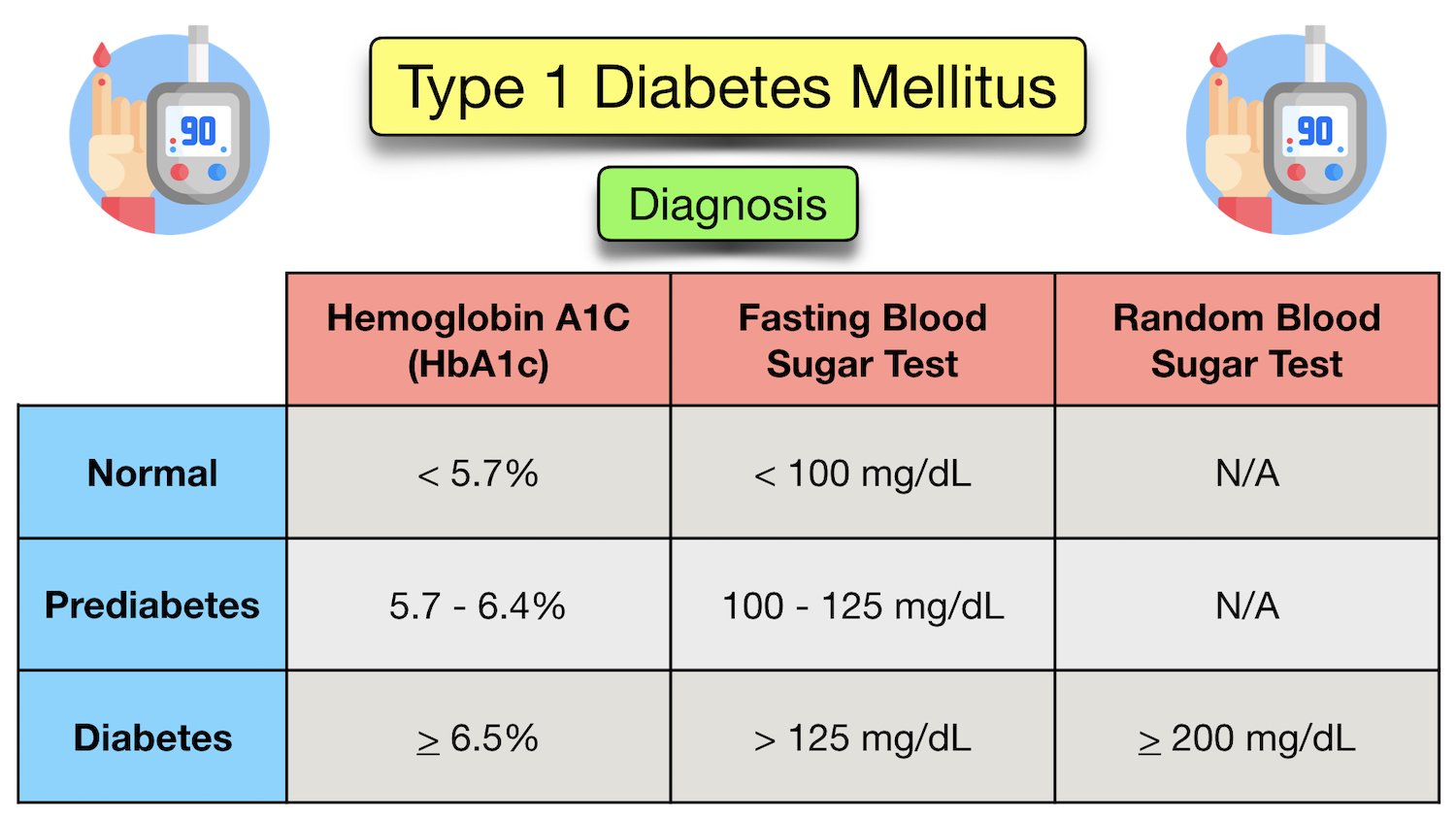
Gorgeous Type One Diabetes Glucose Levels Capture Nature
A captivating type one diabetes glucose levels scene that brings tranquility and beauty to any device.

Vivid Type One Diabetes Glucose Levels Picture Illustration
Transform your screen with this vivid type one diabetes glucose levels artwork, a true masterpiece of digital design.
Mesmerizing Type One Diabetes Glucose Levels Wallpaper in HD
Discover an amazing type one diabetes glucose levels background image, ideal for personalizing your devices with vibrant colors and intricate designs.

Stunning Type One Diabetes Glucose Levels Photo for Desktop
Find inspiration with this unique type one diabetes glucose levels illustration, crafted to provide a fresh look for your background.
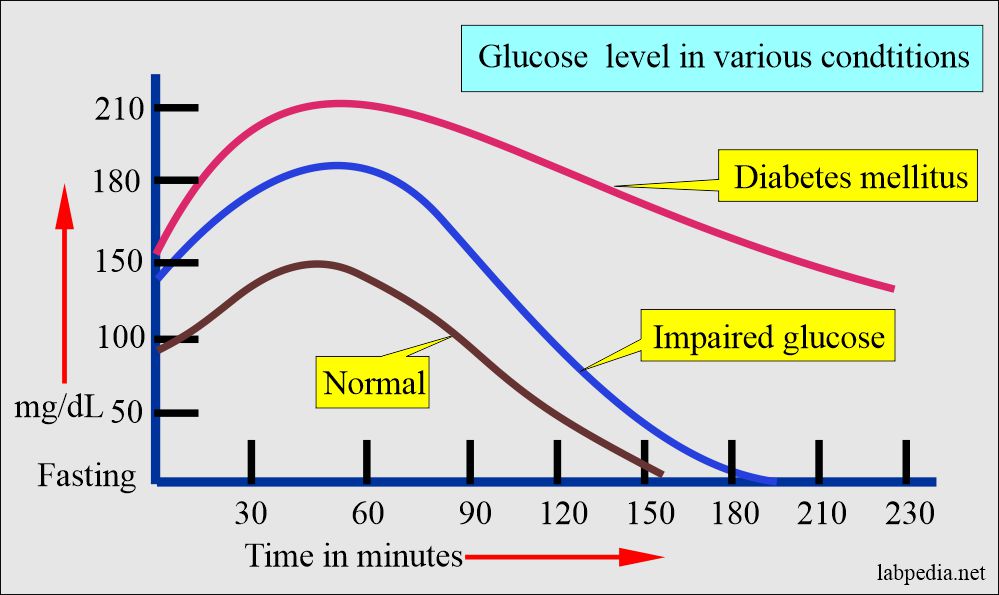
Mesmerizing Type One Diabetes Glucose Levels Picture Digital Art
Discover an amazing type one diabetes glucose levels background image, ideal for personalizing your devices with vibrant colors and intricate designs.
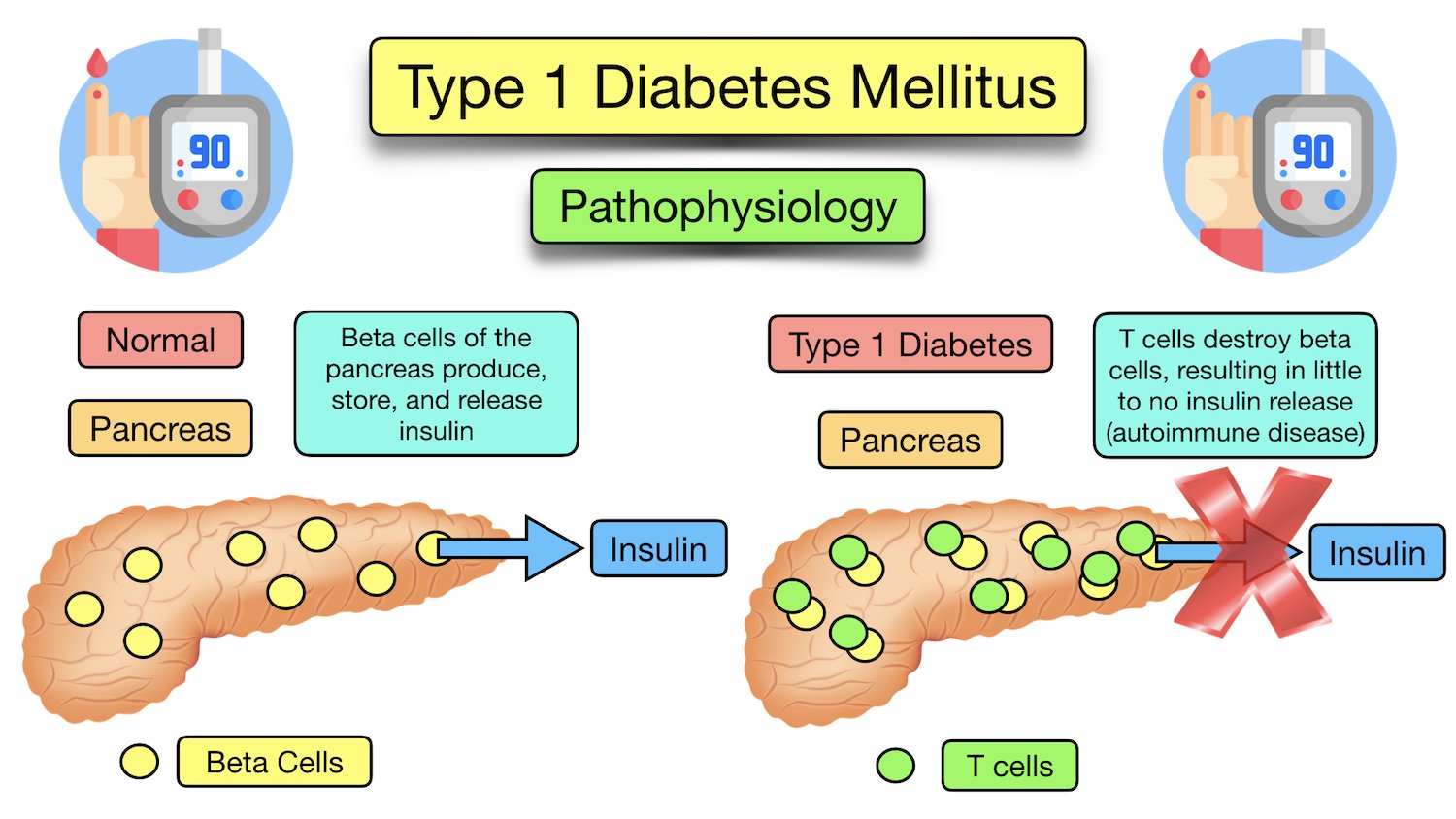
Lush Type One Diabetes Glucose Levels Wallpaper for Your Screen
A captivating type one diabetes glucose levels scene that brings tranquility and beauty to any device.
Detailed Type One Diabetes Glucose Levels Design Illustration
Discover an amazing type one diabetes glucose levels background image, ideal for personalizing your devices with vibrant colors and intricate designs.
Exquisite Type One Diabetes Glucose Levels Image for Desktop
A captivating type one diabetes glucose levels scene that brings tranquility and beauty to any device.
Vibrant Type One Diabetes Glucose Levels Background Concept
Transform your screen with this vivid type one diabetes glucose levels artwork, a true masterpiece of digital design.
Breathtaking Type One Diabetes Glucose Levels Capture Collection
Discover an amazing type one diabetes glucose levels background image, ideal for personalizing your devices with vibrant colors and intricate designs.
Download these type one diabetes glucose levels wallpapers for free and use them on your desktop or mobile devices.