Understanding Diabetes: A Comprehensive Guide to Type One Vs Type 2 Diabetes
If you or a loved one has recently been diagnosed with diabetes, you've likely encountered the terms Type 1 and Type 2. While both conditions involve high blood sugar levels, the underlying causes, progression, and management strategies are vastly different. Understanding the fundamental distinction between Type One Vs Type 2 Diabetes is absolutely crucial for effective treatment and long-term health. Don't worry, we're here to break down these differences in a way that is easy to understand, making sure you feel informed and empowered.
Think of it like comparing two different types of car trouble: one might be a fuel injector failure (Type 1), and the other might be a flat tire due to neglect (Type 2). The symptoms might appear similar—the car won't run well—but the fixes are completely unique. Let's dive into what makes these two chronic conditions so distinct.
Why Understanding the Difference Matters So Much
When dealing with diabetes, misdiagnosis or misunderstanding which type you have can lead to incorrect treatment, dangerous blood sugar fluctuations, and long-term complications. For instance, a Type 1 diabetic relies on insulin to live, while a Type 2 diabetic might manage the condition initially through diet and exercise alone. Knowing your diagnosis helps your medical team tailor a treatment plan specifically for your body's needs.
We often hear general advice about "managing diabetes," but successful management hinges entirely on identifying the source of the problem. This clear distinction is the key to minimizing risks and maximizing quality of life, especially when discussing Type One Vs Type 2 Diabetes.
Type 1 Diabetes: The Autoimmune Angle
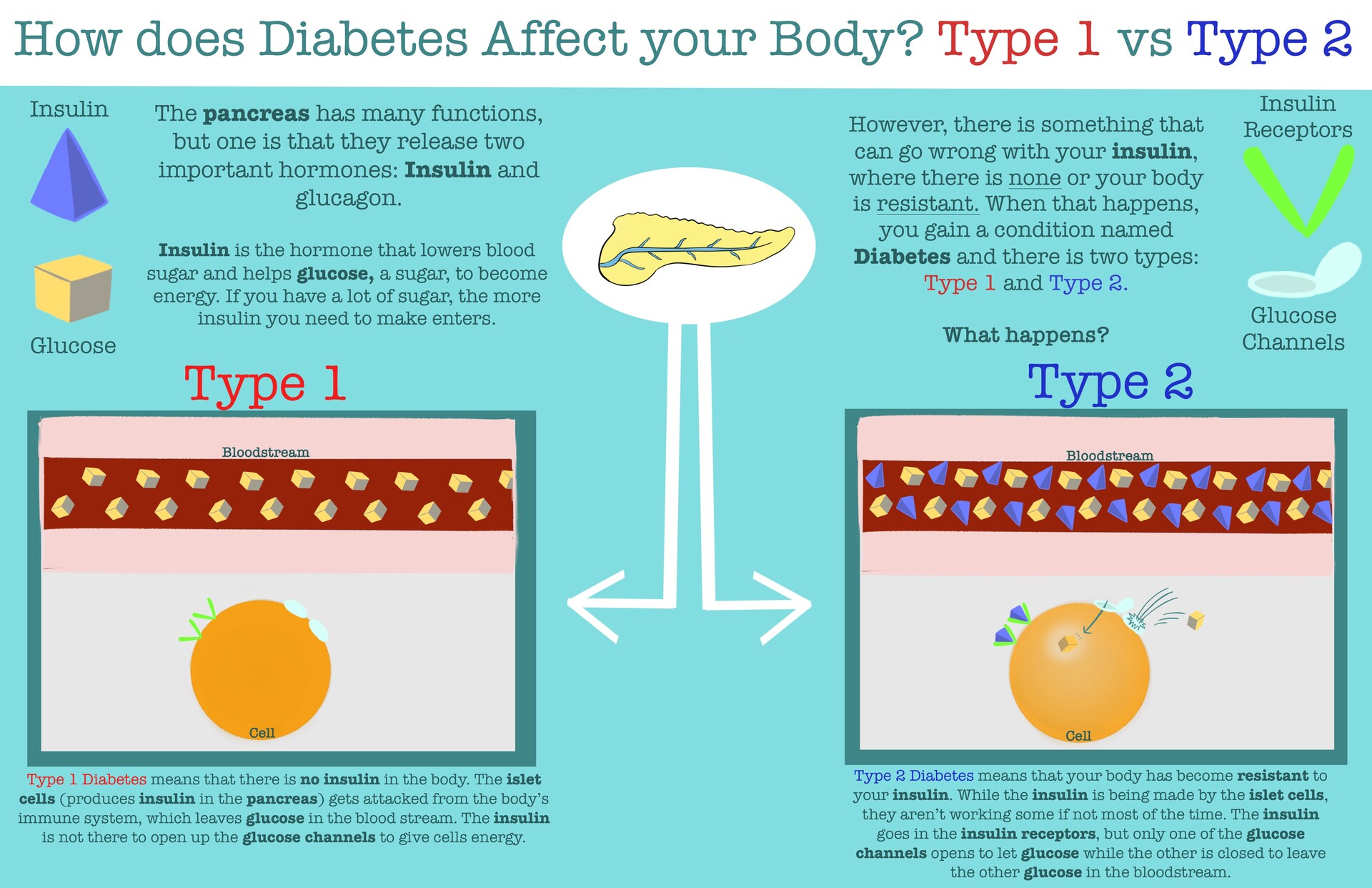
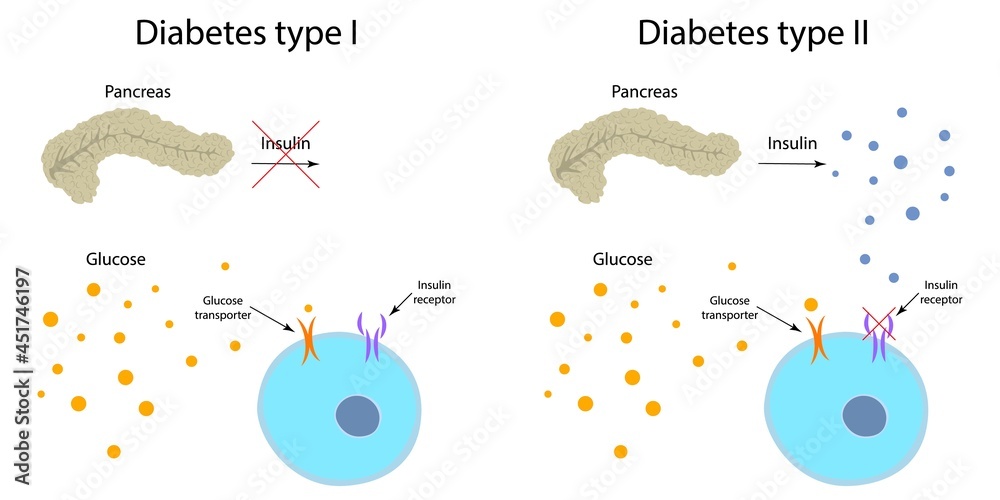
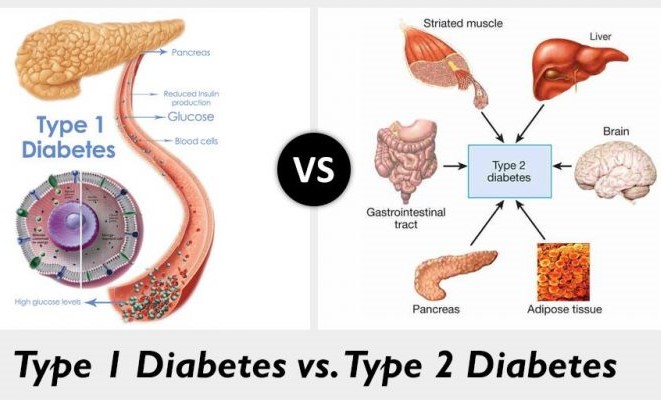
Type 1 diabetes (T1D) is considered an autoimmune disease. This means that, for reasons scientists don't fully understand, your body's immune system mistakenly attacks the beta cells in your pancreas. These are the cells responsible for producing insulin—the hormone required to move sugar (glucose) from the bloodstream into your cells for energy.
When those insulin-producing cells are destroyed, the body is left without the "key" necessary to unlock the cells and allow glucose inside. As a result, glucose builds up in the blood, leading to high blood sugar levels (hyperglycemia). T1D typically develops quickly, often in childhood or adolescence, though it can appear at any age.
Type 2 Diabetes: The Insulin Resistance Challenge
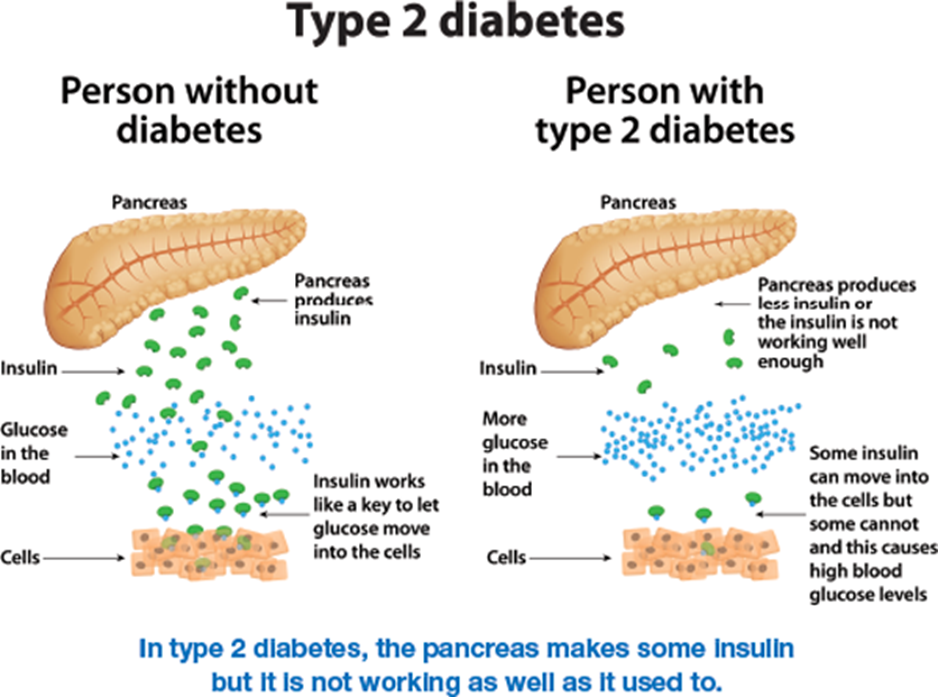
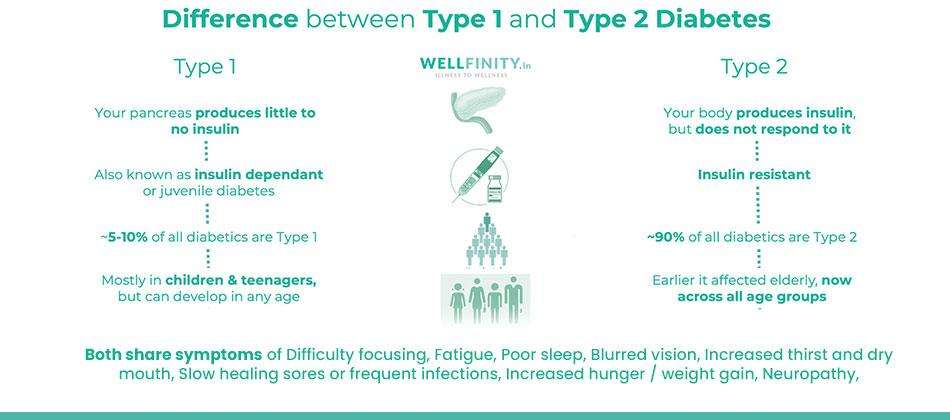
Type 2 diabetes (T2D) is far more common, accounting for about 90–95% of all diabetes cases. Unlike Type 1, T2D begins with a condition called insulin resistance. In this scenario, the pancreas is still producing insulin, perhaps even large amounts, but the body's cells aren't responding to it effectively.
Imagine the insulin is the key, but the locks on the cell doors are rusty—the key doesn't work well anymore. Eventually, the pancreas gets exhausted trying to produce enough insulin to overcome this resistance, and its production capabilities drop off significantly. T2D generally develops slowly over many years and is often linked to lifestyle factors, genetics, and age.
Key Differences: Age, Onset, and Causes
When putting Type One Vs Type 2 Diabetes side-by-side, the biggest differentiators lie in the cause and the typical age of diagnosis. While exceptions exist (like latent autoimmune diabetes in adults, LADA), these general rules hold true for most cases.
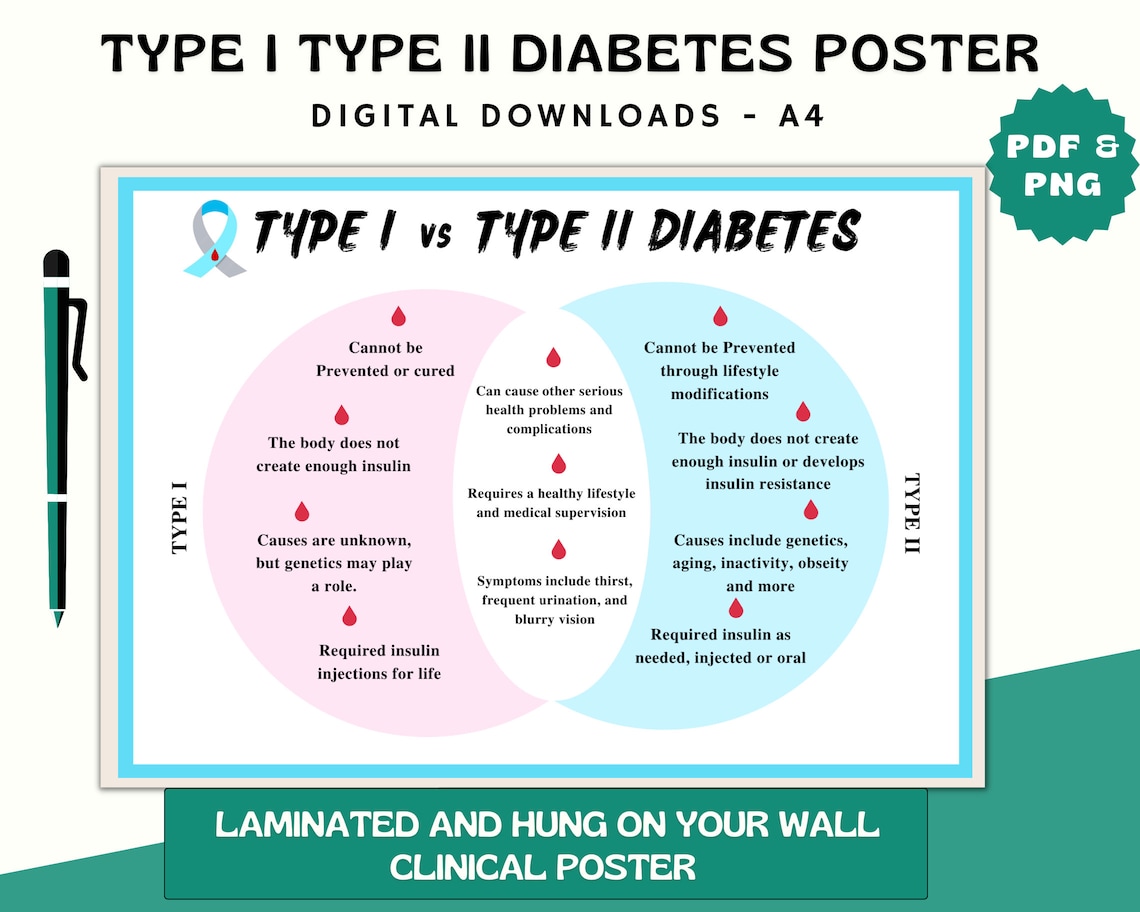
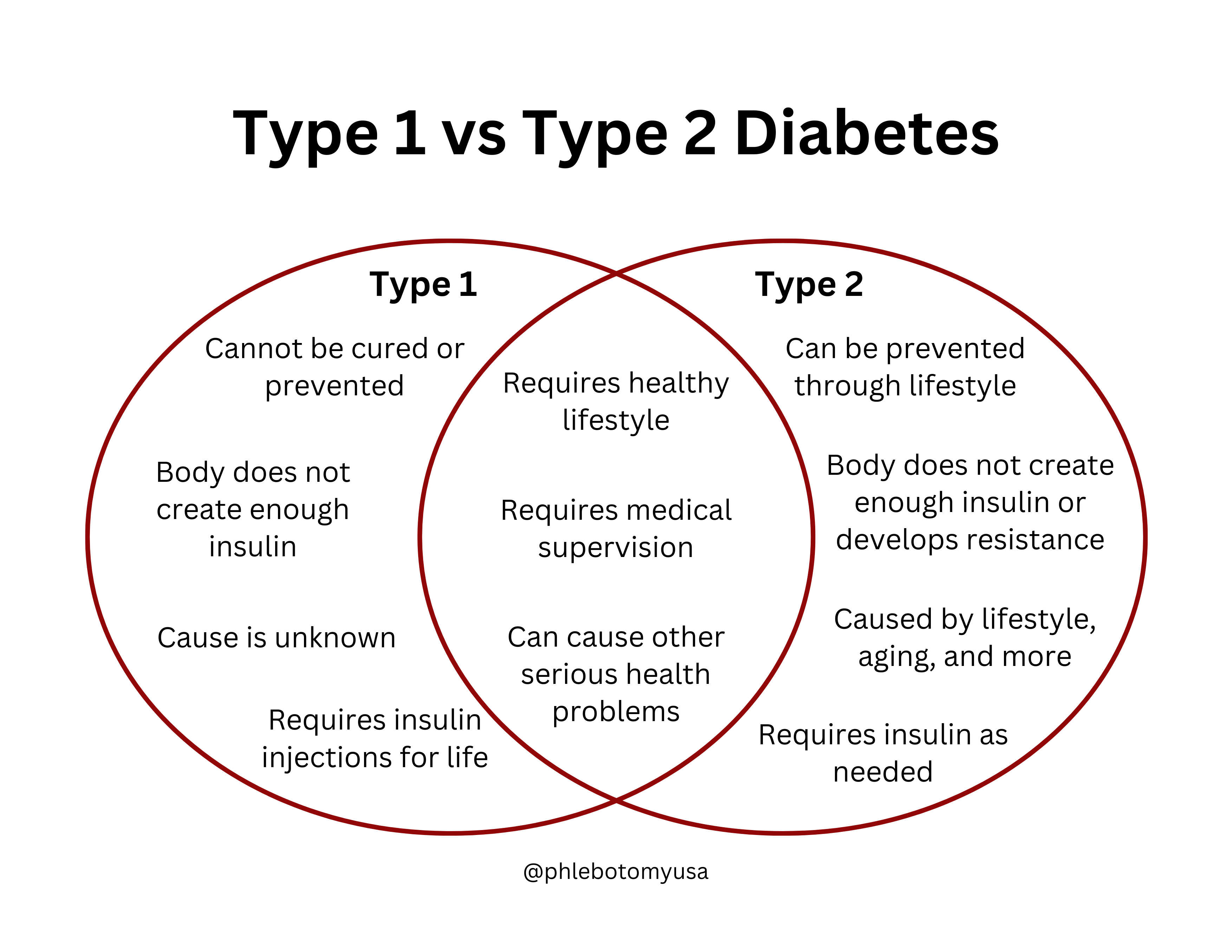
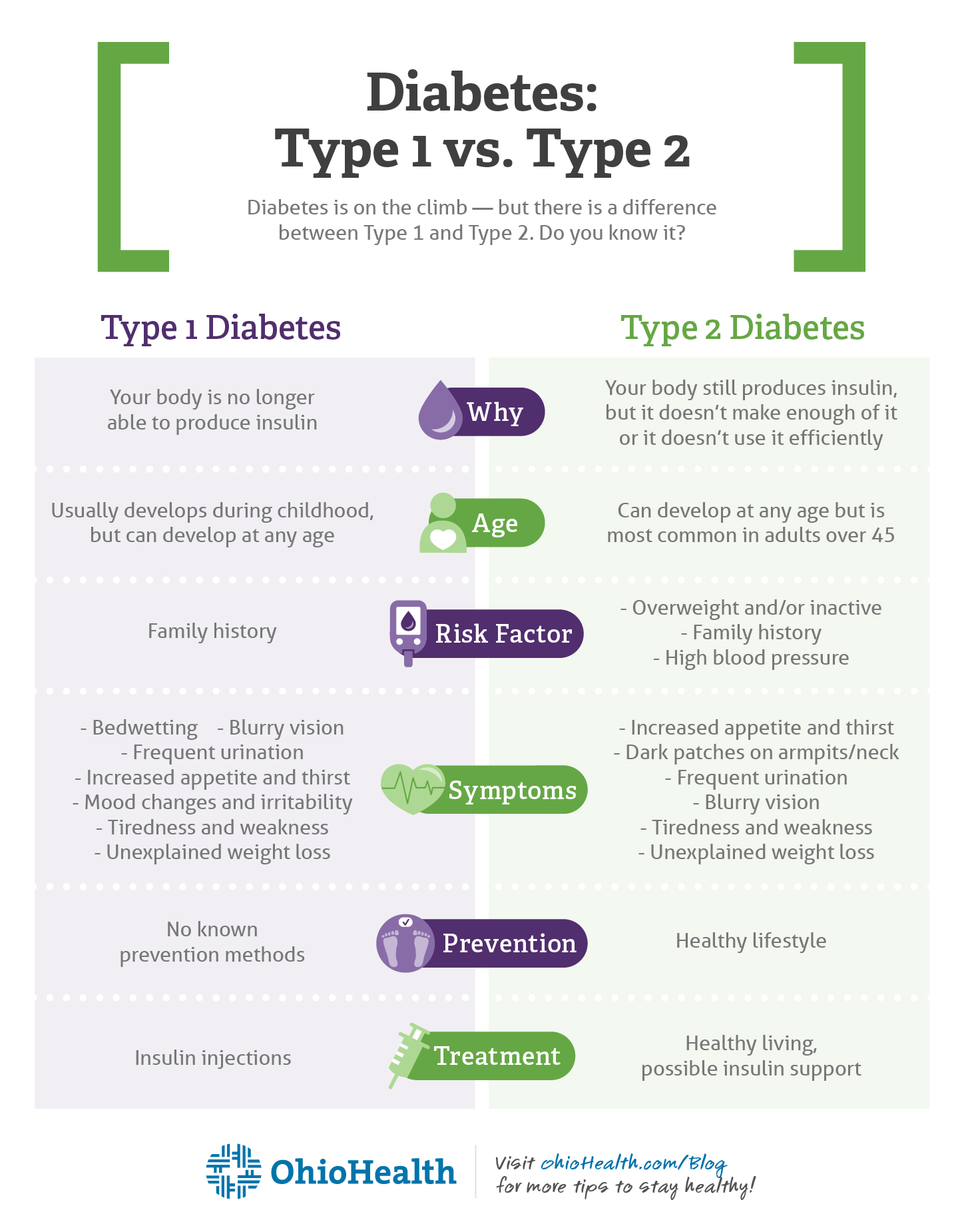
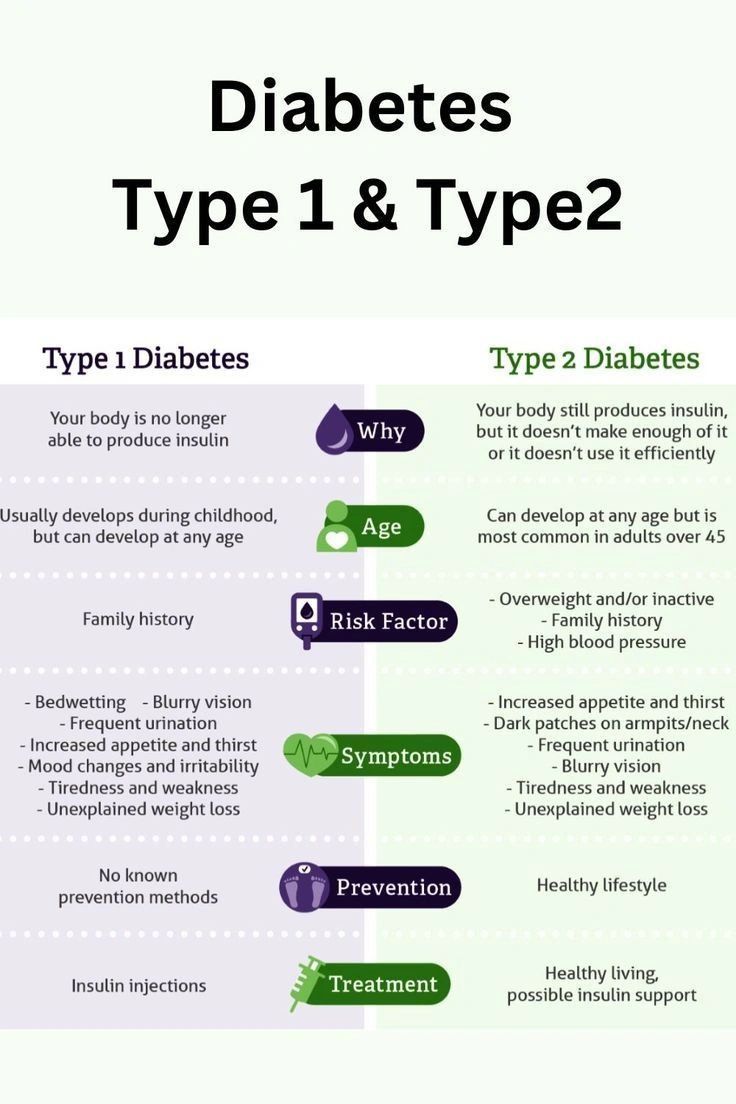
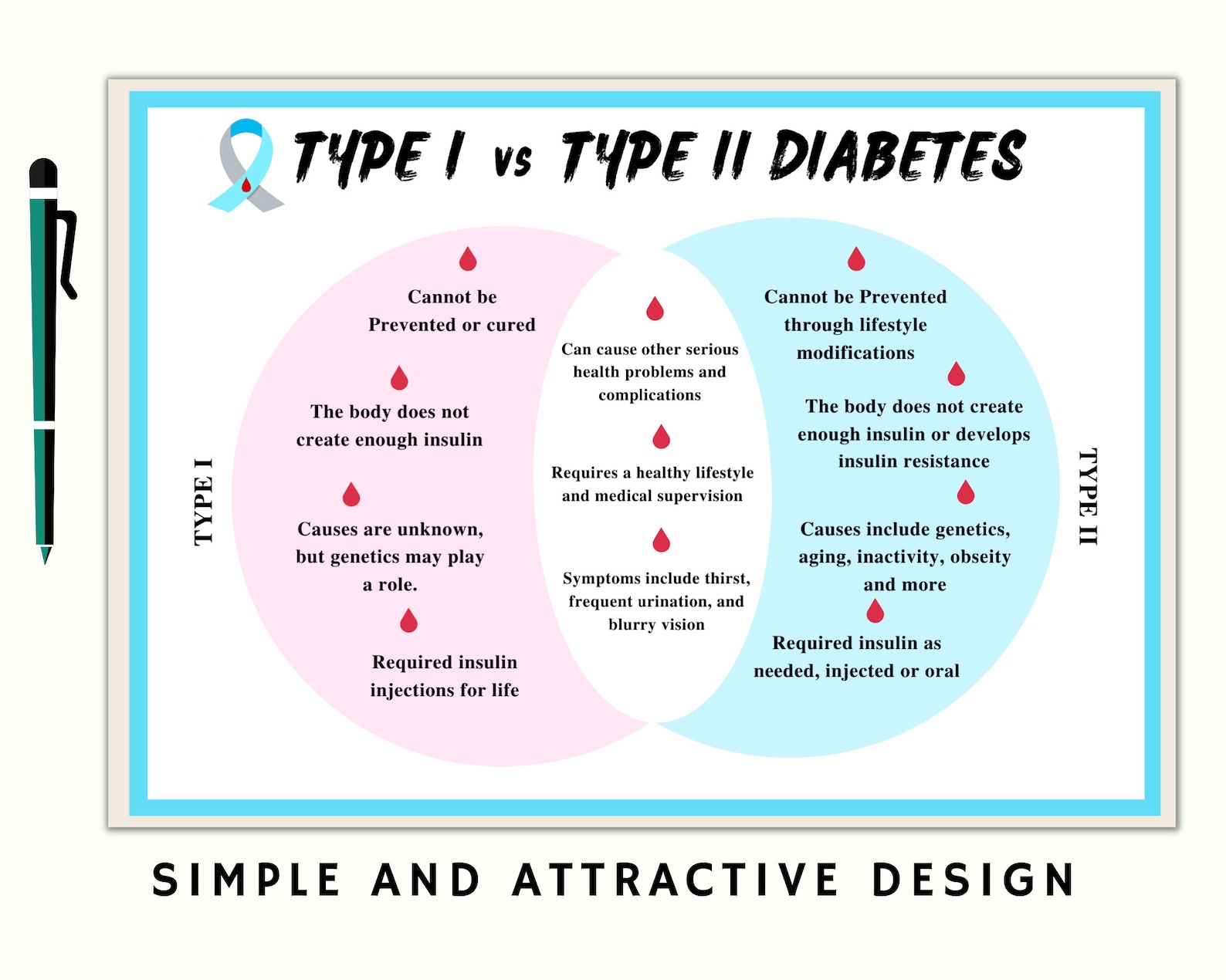
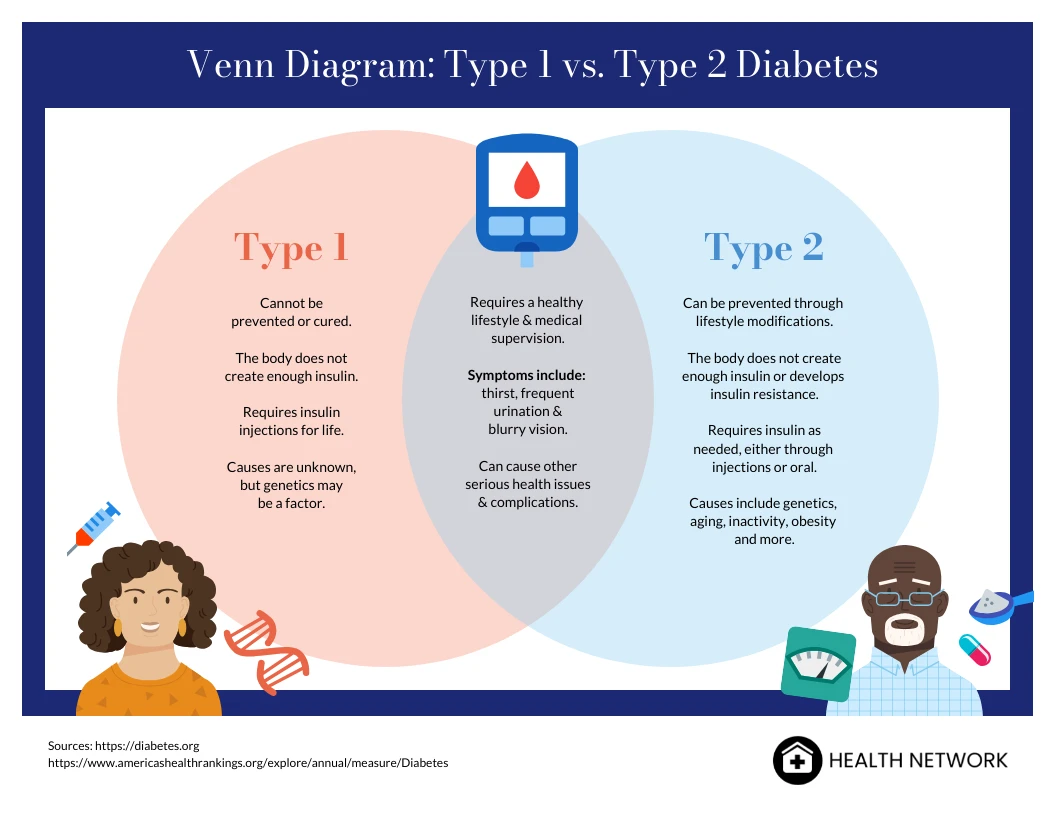
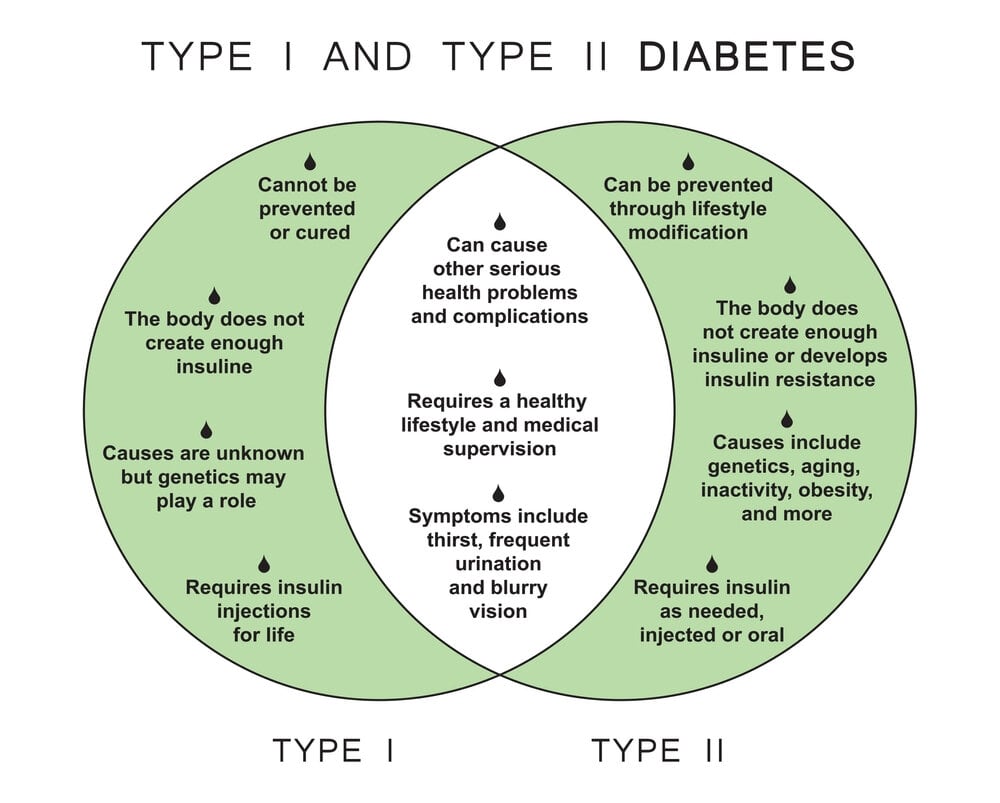
- Cause: T1D is autoimmune; T2D is metabolic (related to insulin resistance).
- Age of Onset: T1D usually appears in children and young adults; T2D usually appears in older adults (though diagnoses in younger people are increasing due to rising obesity rates).
- Body Weight: People with T1D are often at a healthy weight when diagnosed; people with T2D are frequently overweight or obese, though this is not always the case.
- Insulin Production: T1D results in almost no insulin production; T2D results in insufficient insulin production due to resistance and pancreatic exhaustion.
Symptoms and Diagnosis
Both types share classic symptoms stemming from high blood sugar, as the body tries to flush out excess glucose. However, the speed at which these symptoms appear often provides the first clue as to which type you might have.
T1D symptoms usually appear suddenly and severely, sometimes leading to a life-threatening condition called diabetic ketoacidosis (DKA) if not caught immediately. T2D symptoms develop slowly and may even go unnoticed for years.
Common Symptoms Shared by Both Types:
- Frequent urination (especially at night).
- Extreme thirst.
- Unexplained weight loss (more rapid and pronounced in T1D).
- Increased hunger.
- Blurred vision.
- Fatigue.
To definitively diagnose and differentiate between the two, doctors use blood tests, including the A1C test (average blood sugar over 2–3 months). Additionally, they may test for specific autoantibodies to confirm Type 1, or check C-peptide levels (a marker of insulin production) to assess the pancreas's function.
Treatment and Management: How the Approaches Differ
Here is where the management paths for Type One Vs Type 2 Diabetes diverge significantly. Since Type 1 involves a complete lack of insulin, management must focus on replacing that missing hormone.
Type 1 Management (Insulin Replacement is Essential):
- **Insulin Therapy:** Must be managed daily, either through multiple daily injections (MDI) or an insulin pump.
- **Carbohydrate Counting:** Meticulously calculating carb intake to match insulin doses.
- **Blood Glucose Monitoring:** Frequent testing using fingersticks or Continuous Glucose Monitors (CGMs).
Type 2 Management (Addressing Resistance):
- **Lifestyle Changes:** Diet modification (focusing on low glycemic index foods) and regular physical activity are the first line of defense to improve insulin sensitivity.
- **Oral Medications:** Drugs like Metformin are commonly used to help the body use insulin more effectively or reduce glucose production in the liver.
- **Non-Insulin Injectables:** Medications (GLP-1 receptor agonists, GIP/GLP-1 RAs) that stimulate insulin secretion or slow digestion.
- **Insulin Therapy:** Required if the pancreas becomes too exhausted or if resistance is severe, necessitating replacement doses.
Living Well: Practical Advice for Both Types
Regardless of whether you manage Type 1 or Type 2, consistency is your greatest ally. Diabetes management requires daily vigilance, but modern technology and medications make living a full life entirely possible. Your healthcare team—including endocrinologists, dietitians, and certified diabetes educators—are essential partners in this journey.
Monitoring Your Blood Sugar
The core task for both conditions is keeping blood glucose levels within the target range set by your doctor. Hypoglycemia (low blood sugar) and hyperglycemia (high blood sugar) must be managed promptly. Technology like Continuous Glucose Monitors (CGMs) has revolutionized care, providing real-time data that helps prevent dangerous lows and track trends over time, whether you are managing Type 1 or Type 2.
Remember that stress, illness, and exercise all impact glucose levels differently, requiring constant adaptation of your management plan. Consistent communication with your medical team is crucial.
Conclusion: The Takeaway on Type One Vs Type 2 Diabetes
While both Type 1 and Type 2 diabetes involve regulating blood sugar, they are fundamentally different conditions. Type 1 is an autoimmune deficiency requiring lifelong insulin replacement, typically diagnosed early in life. Type 2 is a metabolic resistance issue, highly linked to lifestyle, that can often be managed initially through diet, exercise, and oral medications, but may eventually require insulin. Understanding the nuances of Type One Vs Type 2 Diabetes is the crucial first step toward successful long-term management. Always work closely with your healthcare provider to ensure your treatment plan is tailored exactly to your specific type and needs.
Frequently Asked Questions (FAQ)
- Can Type 2 Diabetes turn into Type 1?
- No. These are two distinct conditions caused by different underlying mechanisms. However, there is a separate condition called LADA (Latent Autoimmune Diabetes in Adults), which is a slow-onset form of Type 1 often initially misdiagnosed as Type 2 due to its later appearance.
- Is Type 1 Diabetes preventable?
- Currently, Type 1 Diabetes is not preventable, as it is an autoimmune condition not caused by diet or lifestyle choices. Type 2 Diabetes, conversely, is highly influenced by diet, exercise, and weight management, making it largely preventable or manageable in its early stages.
- What is the main similarity between Type 1 and Type 2 Diabetes?
- The primary similarity is the end result: chronic high blood glucose (hyperglycemia). If left untreated, both types lead to similar long-term complications affecting the heart, kidneys, nerves, and eyes.
- Do all people with Type 2 Diabetes eventually need insulin?
- Not necessarily, but many do. As T2D progresses, the pancreas often becomes less efficient at producing insulin. If diet, exercise, and oral medications are no longer enough to maintain target blood sugar levels, supplemental insulin therapy becomes necessary.
Type One Vs Type 2 Diabetes
Type One Vs Type 2 Diabetes Wallpapers
Collection of type one vs type 2 diabetes wallpapers for your desktop and mobile devices.

Dynamic Type One Vs Type 2 Diabetes Design Concept
Find inspiration with this unique type one vs type 2 diabetes illustration, crafted to provide a fresh look for your background.
Detailed Type One Vs Type 2 Diabetes Capture Photography
Experience the crisp clarity of this stunning type one vs type 2 diabetes image, available in high resolution for all your screens.
:max_bytes(150000):strip_icc()/VWH-DanielFishel-Type1vsType2Diabetes-Standard-745d123c8736466f8a8e8a5c0eb61762.jpg "Mesmerizing Type One Vs Type 2 Diabetes Image Illustration")
Mesmerizing Type One Vs Type 2 Diabetes Image Illustration
Experience the crisp clarity of this stunning type one vs type 2 diabetes image, available in high resolution for all your screens.

Captivating Type One Vs Type 2 Diabetes View Concept
Immerse yourself in the stunning details of this beautiful type one vs type 2 diabetes wallpaper, designed for a captivating visual experience.
Breathtaking Type One Vs Type 2 Diabetes Capture Collection
Explore this high-quality type one vs type 2 diabetes image, perfect for enhancing your desktop or mobile wallpaper.

Spectacular Type One Vs Type 2 Diabetes Artwork Nature
Find inspiration with this unique type one vs type 2 diabetes illustration, crafted to provide a fresh look for your background.
Amazing Type One Vs Type 2 Diabetes Capture Collection
Experience the crisp clarity of this stunning type one vs type 2 diabetes image, available in high resolution for all your screens.
Lush Type One Vs Type 2 Diabetes Image in HD
This gorgeous type one vs type 2 diabetes photo offers a breathtaking view, making it a perfect choice for your next wallpaper.
Exquisite Type One Vs Type 2 Diabetes Background Digital Art
Immerse yourself in the stunning details of this beautiful type one vs type 2 diabetes wallpaper, designed for a captivating visual experience.
High-Quality Type One Vs Type 2 Diabetes Scene in HD
Explore this high-quality type one vs type 2 diabetes image, perfect for enhancing your desktop or mobile wallpaper.
Stunning Type One Vs Type 2 Diabetes Image Art
Find inspiration with this unique type one vs type 2 diabetes illustration, crafted to provide a fresh look for your background.
Dynamic Type One Vs Type 2 Diabetes Picture for Your Screen
Find inspiration with this unique type one vs type 2 diabetes illustration, crafted to provide a fresh look for your background.
Vibrant Type One Vs Type 2 Diabetes Moment in 4K
Discover an amazing type one vs type 2 diabetes background image, ideal for personalizing your devices with vibrant colors and intricate designs.
Stunning Type One Vs Type 2 Diabetes Picture Art
A captivating type one vs type 2 diabetes scene that brings tranquility and beauty to any device.
Exquisite Type One Vs Type 2 Diabetes Artwork Photography
Find inspiration with this unique type one vs type 2 diabetes illustration, crafted to provide a fresh look for your background.
High-Quality Type One Vs Type 2 Diabetes Wallpaper for Desktop
Transform your screen with this vivid type one vs type 2 diabetes artwork, a true masterpiece of digital design.
Amazing Type One Vs Type 2 Diabetes Capture for Desktop
Transform your screen with this vivid type one vs type 2 diabetes artwork, a true masterpiece of digital design.
Dynamic Type One Vs Type 2 Diabetes Artwork for Mobile
This gorgeous type one vs type 2 diabetes photo offers a breathtaking view, making it a perfect choice for your next wallpaper.

Stunning Type One Vs Type 2 Diabetes Capture Illustration
Immerse yourself in the stunning details of this beautiful type one vs type 2 diabetes wallpaper, designed for a captivating visual experience.
Spectacular Type One Vs Type 2 Diabetes Abstract for Mobile
Find inspiration with this unique type one vs type 2 diabetes illustration, crafted to provide a fresh look for your background.
Download these type one vs type 2 diabetes wallpapers for free and use them on your desktop or mobile devices.