Why Diabetes: Understanding the Root Causes and Risk Factors
If you or someone you love has been diagnosed with diabetes, you've likely asked the fundamental question: Why Diabetes? It's a common chronic condition that affects millions globally, yet the mechanisms behind it often feel complex and mysterious. We are here to break down the "why" in a way that is easy to understand, focusing on the root causes, from genetics to lifestyle factors.
Understanding why diabetes develops isn't just academic; it empowers you to take control of your health and potentially mitigate future risks. Let's dive deep into the internal workings of your body and explore the factors that lead to high blood sugar levels.
The Core Mechanics: What Goes Wrong?
At its heart, diabetes is a problem with insulin. Insulin is a hormone produced by the pancreas, and its job is essentially to act as a key. When you eat food, it turns into glucose (sugar) in your bloodstream. Insulin unlocks your cells, allowing the glucose to enter and be used for energy. When this system fails, glucose builds up in the blood, leading to diabetes.
The core issue of Why Diabetes varies depending on the type. We mainly categorize diabetes into Type 1 and Type 2, and while the outcome (high blood sugar) is the same, the cause is fundamentally different.
Type 1 Diabetes: The Immune System's Mistake
Type 1 diabetes, often diagnosed in children and young adults, is an autoimmune condition. Think of your immune system as your body's defense force. Unfortunately, in Type 1 diabetes, the defense force mistakenly attacks the insulin-producing cells (beta cells) in the pancreas.
When these cells are destroyed, the body can no longer produce sufficient insulin, if any at all. This means there is no key to unlock the cells, and sugar remains stuck in the bloodstream. Scientists believe a combination of genetic factors and environmental triggers (like viruses) may be responsible for initiating this autoimmune attack.
Type 2 Diabetes: Resistance is Futile
Type 2 is the most common form of diabetes, accounting for about 90–95% of all cases. Here, the problem isn't that the body doesn't produce insulin initially; the problem is that the body's cells stop responding properly to it. This phenomenon is called insulin resistance.
Imagine repeatedly trying to use a key in a lock that slowly gets rusty. Eventually, the key stops working easily. The pancreas tries to compensate by producing more and more insulin, but over time, it simply can't keep up with the demand. Eventually, blood sugar levels rise, leading to a Type 2 diagnosis.
Unpacking the Risk Factors: Why Diabetes Strikes
While Type 1 diabetes is mostly determined by genetics and autoimmunity, Type 2 diabetes is heavily influenced by a combination of genetics and lifestyle factors. Understanding these risk elements helps answer the broader question of Why Diabetes is so prevalent today.
Lifestyle and Environmental Contributors
The modern environment plays a huge role in the development of insulin resistance. Our diet and daily routines often make it harder for our bodies to manage blood sugar efficiently. These factors are often manageable and offer the greatest opportunity for prevention.
Diet and Weight Management
Consuming high amounts of processed foods, refined carbohydrates, and sugary drinks floods the body with glucose, constantly forcing the pancreas to overwork. This relentless demand contributes significantly to insulin resistance over time. Especially carrying excess weight, particularly around the abdomen (visceral fat), makes cells highly resistant to insulin's efforts.
Visceral fat releases hormones that actually promote insulin resistance throughout the body. Losing even a small percentage of body weight can dramatically improve how your body processes sugar and reduce your risk.
Physical Activity Levels
Exercise is incredibly beneficial because it makes your cells more sensitive to insulin. When you are physically active, your muscles use glucose for fuel, often without needing insulin to help it along. A sedentary lifestyle deprives the body of this powerful mechanism.
If you spend most of your day sitting, you are losing a major opportunity to keep your insulin receptors happy and functioning optimally. Regular activity, even brisk walking, acts as a preventative medicine against insulin resistance.
Genetic Predisposition and Family History
While lifestyle factors are huge, we cannot ignore genetics. If diabetes runs in your family, you may be genetically predisposed to developing the condition. This is especially true for Type 2 diabetes, though Type 1 also has a hereditary component.
Genetics might influence things like how efficiently your pancreas produces insulin or how prone your cells are to developing resistance. Having a parent or sibling with diabetes significantly increases your personal risk, meaning you need to be extra vigilant about the controllable risk factors we discussed above.
Pre-diabetes: A Crucial Warning Sign
Before a full diagnosis of Type 2 diabetes occurs, many people pass through a stage called pre-diabetes. This is when your blood sugar levels are higher than normal, but not yet high enough to be classified as diabetes. This stage is absolutely critical because it offers a significant opportunity for intervention.
If you are diagnosed with pre-diabetes, it means your body is already struggling with insulin resistance. It is the body sending a clear distress signal. Doctors strongly recommend aggressive lifestyle changes—improved diet and increased exercise—at this stage to reverse the trend.
What are the key differences in how the body handles glucose in Type 1 versus Type 2?
- Type 1: The body completely lacks the insulin needed to move glucose into the cells. Treatment always requires external insulin.
- Type 2: The body has insulin, but the cells ignore it (resistance). The pancreas also struggles to produce enough to overcome this resistance. Treatment often starts with diet, exercise, and oral medications.
- Pre-diabetes: Early stage resistance where the pancreas is still trying to keep up, but blood sugar levels are elevated.
Understanding these stages clarifies Why Diabetes progression is often slow for Type 2, allowing for months or years of subtle damage before the official diagnosis is made.
Beyond Type 1 and Type 2
While Type 1 and Type 2 cover the vast majority of cases, it's worth noting that other forms exist, which further complicate the answer to "Why Diabetes."
- Gestational Diabetes: This occurs during pregnancy when hormones block insulin from working effectively. While it usually resolves after delivery, it greatly increases the risk of the mother and child developing Type 2 diabetes later in life.
- Monogenic Diabetes (MODY/Neonatal): These are rare genetic forms of diabetes caused by mutations in a single gene. They often behave differently than the two main types and require specialized diagnosis.
In all cases, the underlying theme is the body's inability to maintain a healthy balance of blood glucose, leading to systemic complications affecting the heart, kidneys, and nerves.
Conclusion: Answering the Question of Why Diabetes
Asking Why Diabetes leads us to a complex interaction of nature and nurture. For Type 1, the cause is primarily autoimmune and genetic; it is a profound loss of insulin production. For Type 2, the cause is a chronic struggle against insulin resistance, driven by genetic predisposition coupled with significant environmental and lifestyle factors like obesity and inactivity.
The good news, especially concerning Type 2 and pre-diabetes, is that knowledge provides power. By addressing diet, increasing physical activity, and managing weight, individuals can dramatically reduce their risk and, in many cases, reverse pre-diabetic conditions. Early awareness and intervention are the best tools we have in the fight against this pervasive condition.
Frequently Asked Questions (FAQ)
- What is the single biggest risk factor for Type 2 diabetes?
- Obesity, particularly visceral fat carried around the abdomen, is considered the single largest modifiable risk factor for developing insulin resistance and Type 2 diabetes.
- Can stress contribute to why diabetes occurs?
- While stress doesn't directly cause diabetes, chronic stress releases hormones (like cortisol) that raise blood sugar levels and can increase insulin resistance, making it harder to manage the condition or increasing the risk of developing Type 2 diabetes.
- Is Type 2 diabetes reversible?
- While there is currently no formal cure for diabetes, Type 2 diabetes can often be put into remission, particularly if caught early. Significant weight loss and sustained intensive lifestyle changes can return blood sugar levels to a non-diabetic range.
- If I have a healthy diet, can I still develop Type 1 diabetes?
- Yes. Type 1 diabetes is an autoimmune condition not caused by diet or lifestyle. It can occur suddenly in people who are otherwise completely healthy. However, maintaining a healthy lifestyle is still crucial for managing the condition once diagnosed.
- Why is early detection of pre-diabetes so important?
- Early detection of pre-diabetes allows individuals to implement crucial lifestyle changes (diet and exercise) that can prevent the progression to full Type 2 diabetes, which reduces the long-term risk of severe complications like nerve damage and heart disease.
Why Diabetes
Why Diabetes Wallpapers
Collection of why diabetes wallpapers for your desktop and mobile devices.

Lush Why Diabetes Abstract Photography
This gorgeous why diabetes photo offers a breathtaking view, making it a perfect choice for your next wallpaper.

Breathtaking Why Diabetes Landscape Photography
Transform your screen with this vivid why diabetes artwork, a true masterpiece of digital design.

High-Quality Why Diabetes Photo Collection
Experience the crisp clarity of this stunning why diabetes image, available in high resolution for all your screens.
Beautiful Why Diabetes Wallpaper for Your Screen
Transform your screen with this vivid why diabetes artwork, a true masterpiece of digital design.

Amazing Why Diabetes Moment Art
Explore this high-quality why diabetes image, perfect for enhancing your desktop or mobile wallpaper.

Gorgeous Why Diabetes Scene Art
Find inspiration with this unique why diabetes illustration, crafted to provide a fresh look for your background.

Vibrant Why Diabetes Background Art
Experience the crisp clarity of this stunning why diabetes image, available in high resolution for all your screens.
Spectacular Why Diabetes Moment Art
This gorgeous why diabetes photo offers a breathtaking view, making it a perfect choice for your next wallpaper.
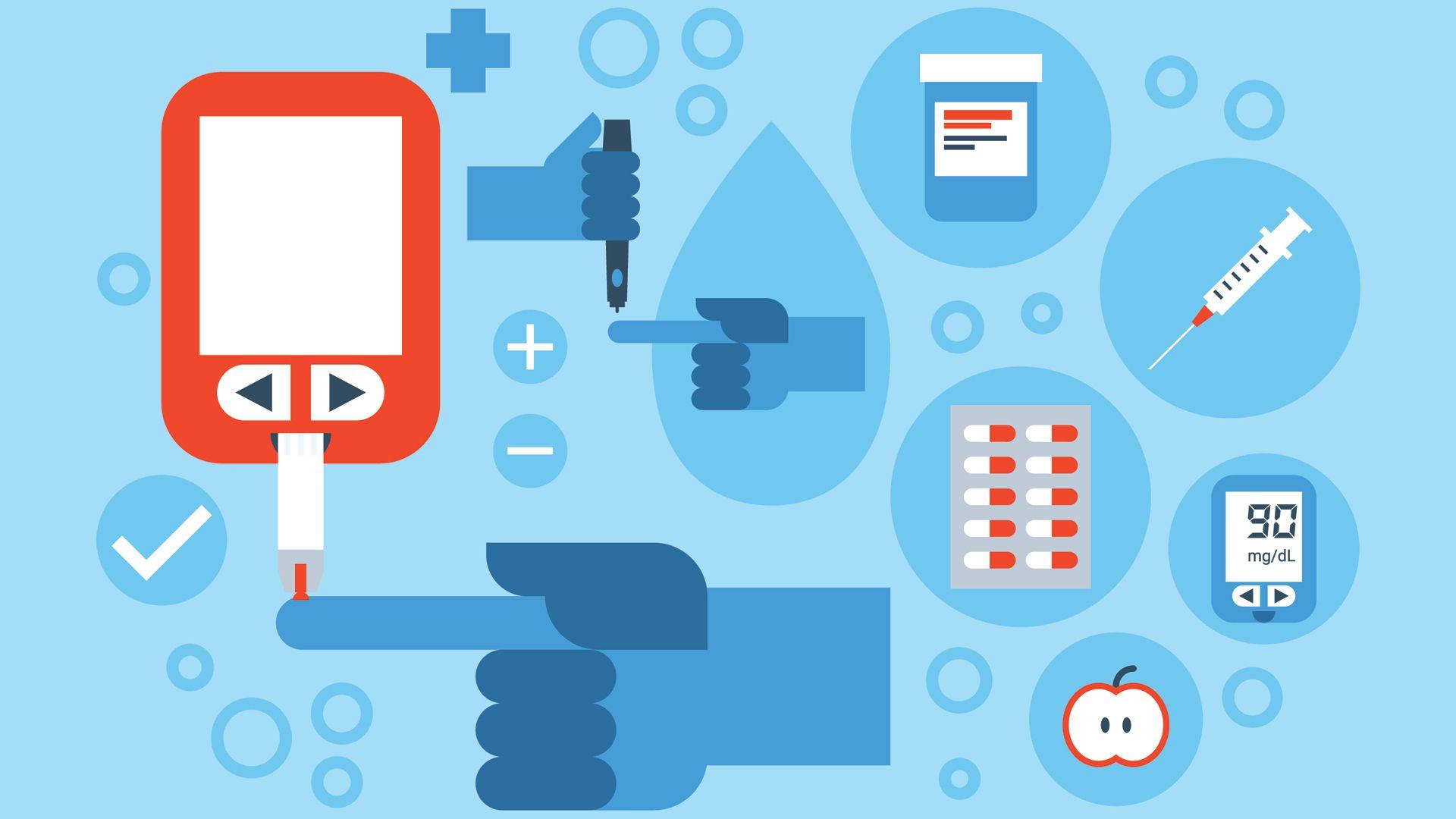
Breathtaking Why Diabetes View in 4K
Explore this high-quality why diabetes image, perfect for enhancing your desktop or mobile wallpaper.
Stunning Why Diabetes Image Concept
Find inspiration with this unique why diabetes illustration, crafted to provide a fresh look for your background.

Exquisite Why Diabetes Capture for Mobile
A captivating why diabetes scene that brings tranquility and beauty to any device.

Detailed Why Diabetes Capture for Desktop
Discover an amazing why diabetes background image, ideal for personalizing your devices with vibrant colors and intricate designs.

Dynamic Why Diabetes Capture Art
Find inspiration with this unique why diabetes illustration, crafted to provide a fresh look for your background.
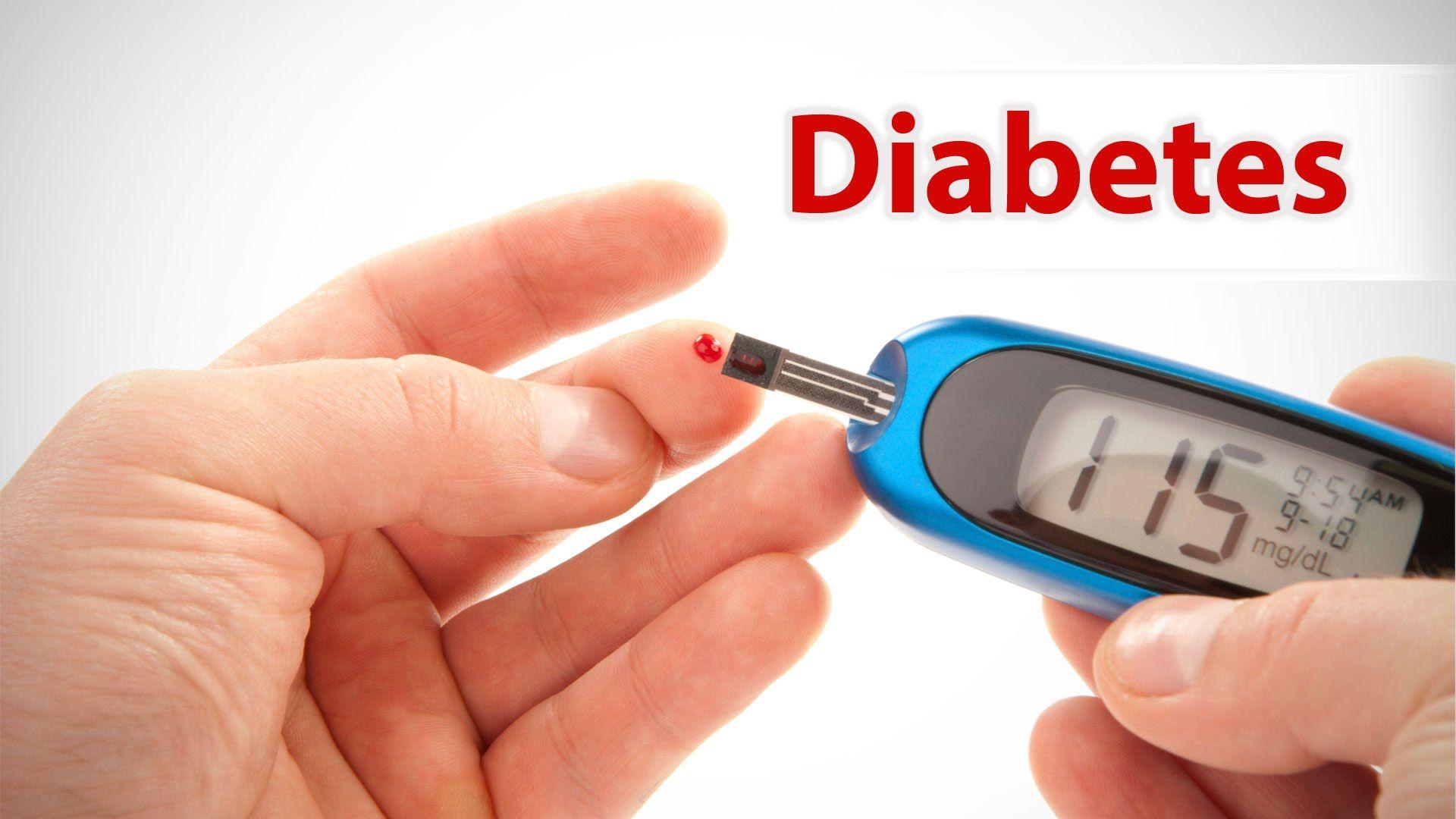
Mesmerizing Why Diabetes Image Illustration
Transform your screen with this vivid why diabetes artwork, a true masterpiece of digital design.
Exquisite Why Diabetes Abstract Photography
Immerse yourself in the stunning details of this beautiful why diabetes wallpaper, designed for a captivating visual experience.

Breathtaking Why Diabetes Artwork Collection
Discover an amazing why diabetes background image, ideal for personalizing your devices with vibrant colors and intricate designs.
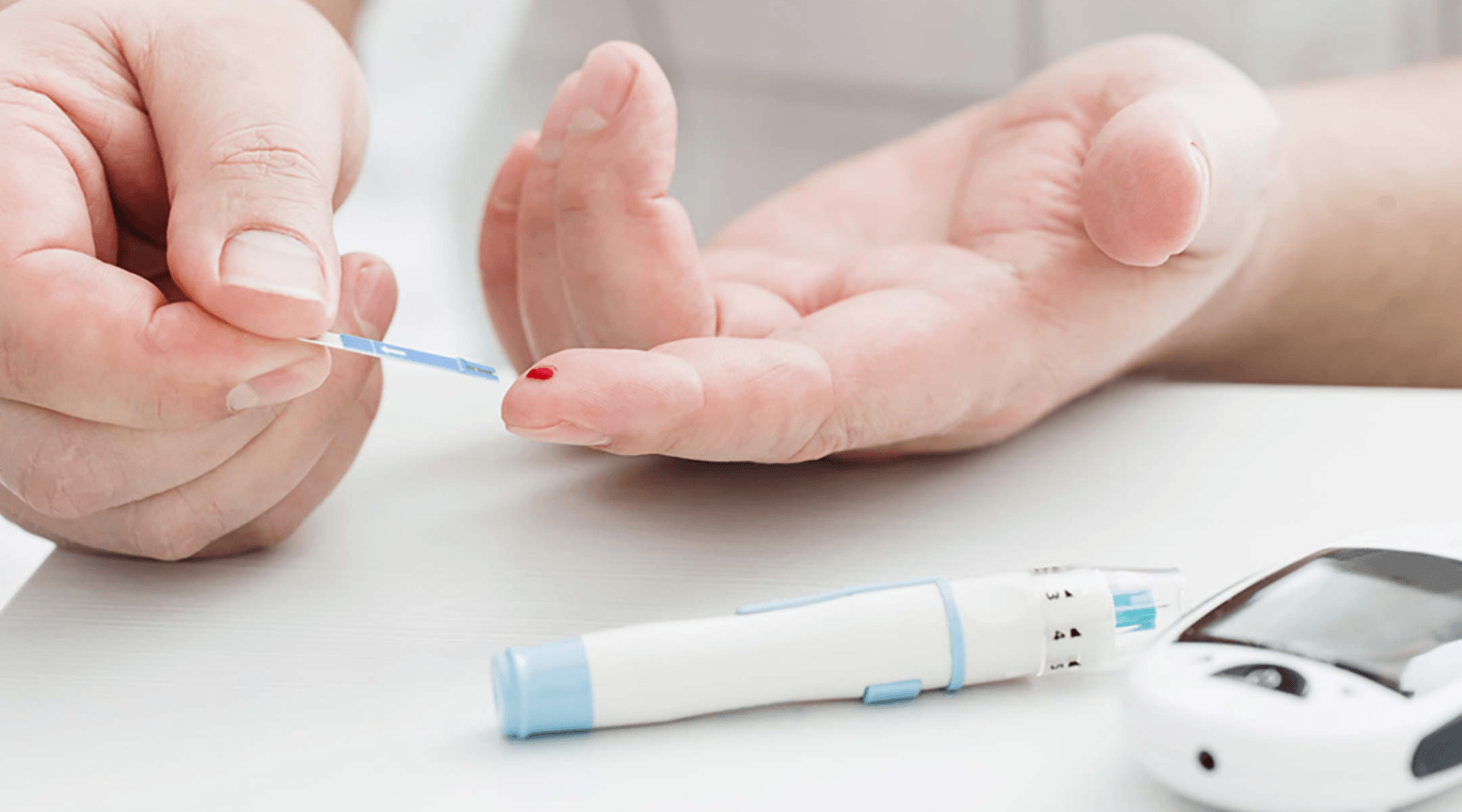
Lush Why Diabetes Image Nature
Immerse yourself in the stunning details of this beautiful why diabetes wallpaper, designed for a captivating visual experience.

Mesmerizing Why Diabetes Picture Illustration
Experience the crisp clarity of this stunning why diabetes image, available in high resolution for all your screens.
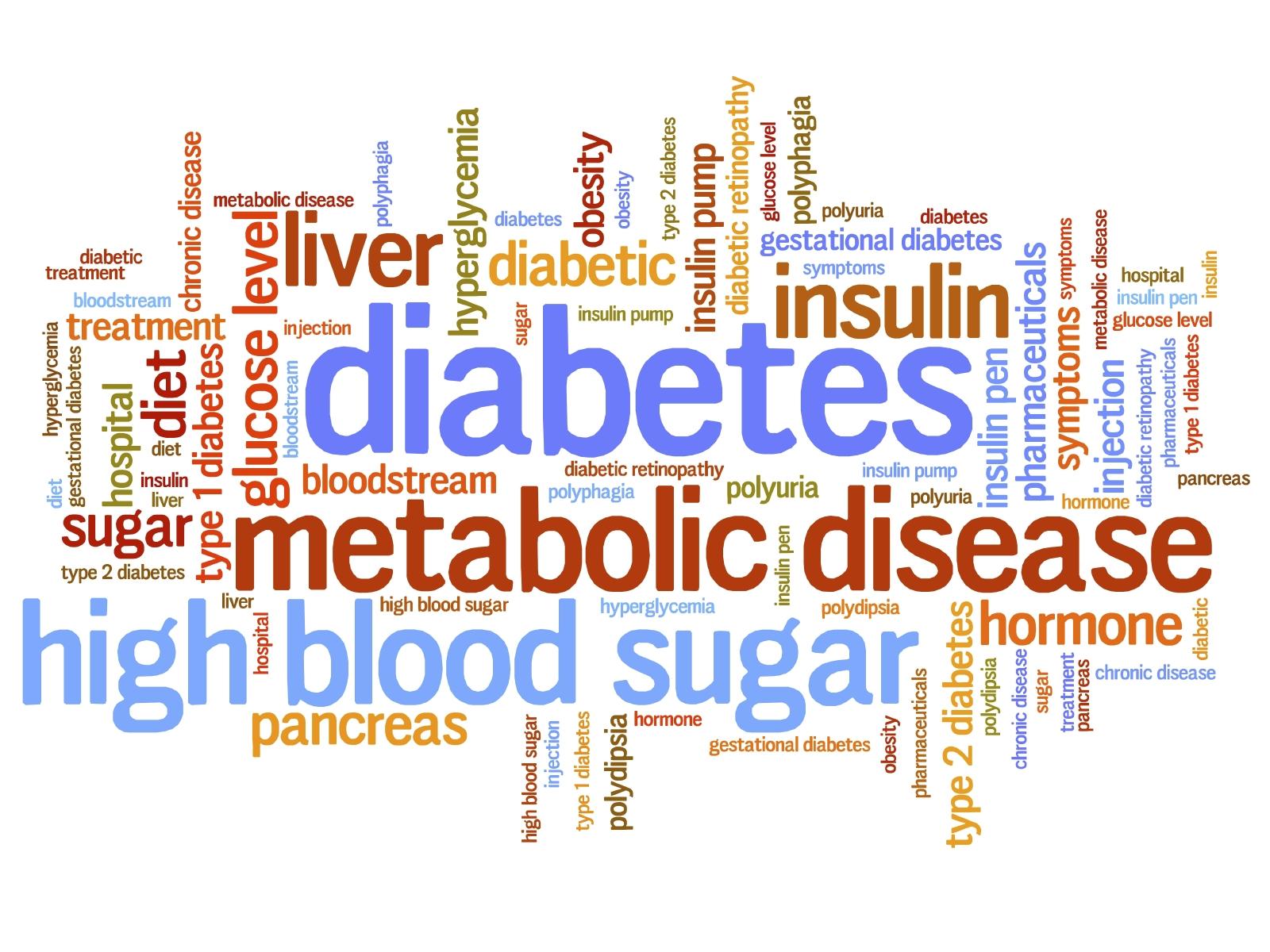
Vivid Why Diabetes Background Collection
Discover an amazing why diabetes background image, ideal for personalizing your devices with vibrant colors and intricate designs.
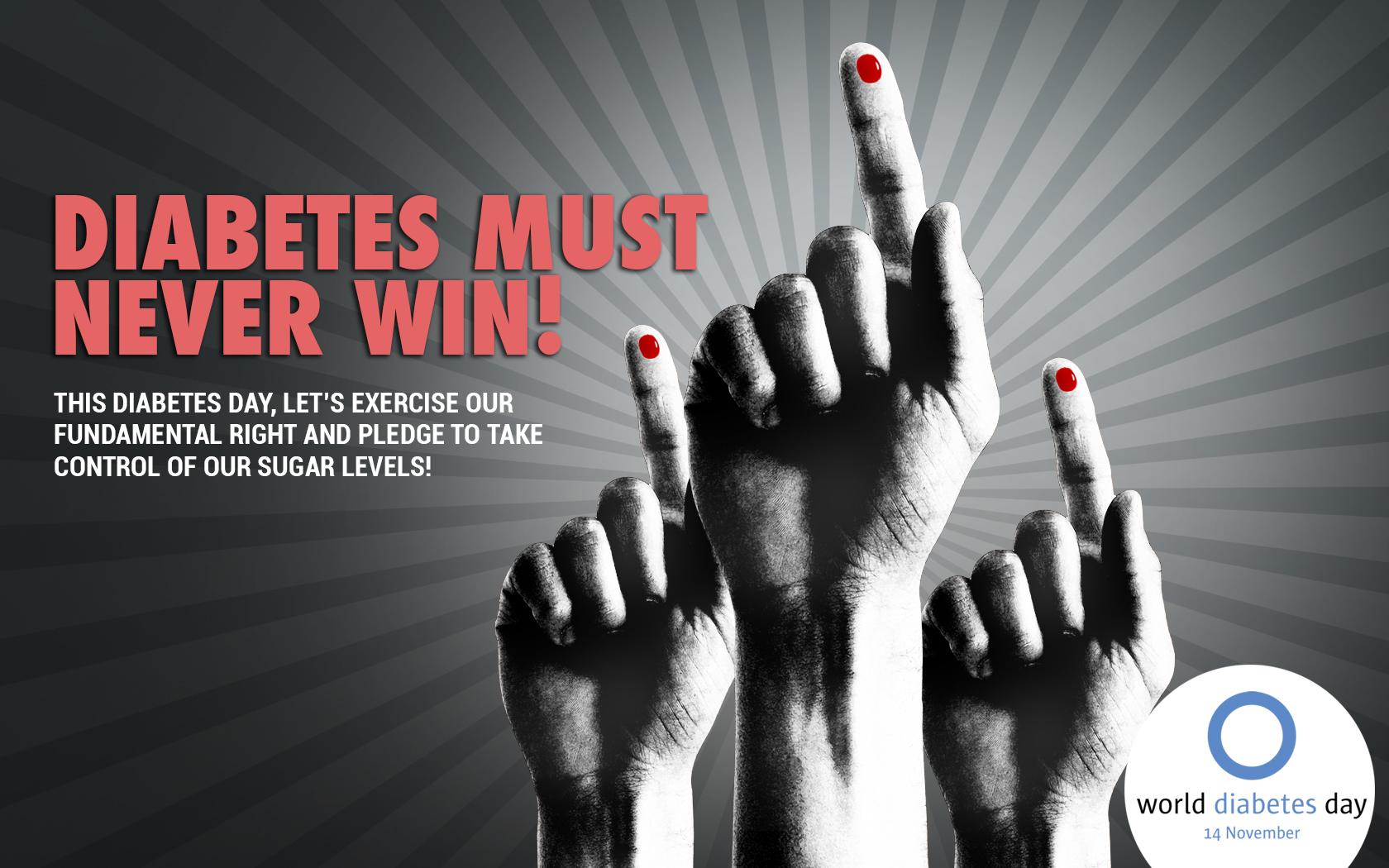
Detailed Why Diabetes Picture Digital Art
Transform your screen with this vivid why diabetes artwork, a true masterpiece of digital design.
Download these why diabetes wallpapers for free and use them on your desktop or mobile devices.