How Can Diabetes Be Diagnosed? Your Guide to Testing and Next Steps
If you're feeling unusually thirsty, constantly tired, or worried about your health, you might be asking: How can diabetes be diagnosed? It's a valid and crucial question. Understanding the diagnostic process is the first, most powerful step toward managing your health and moving forward. Fortunately, diagnosing diabetes is straightforward, relying on a few key blood tests.
This guide will walk you through the essential tests, explain what your results mean, and discuss the important steps you should take immediately afterward. We aim to make this process feel less intimidating and more informative.
Why Early Diagnosis Matters
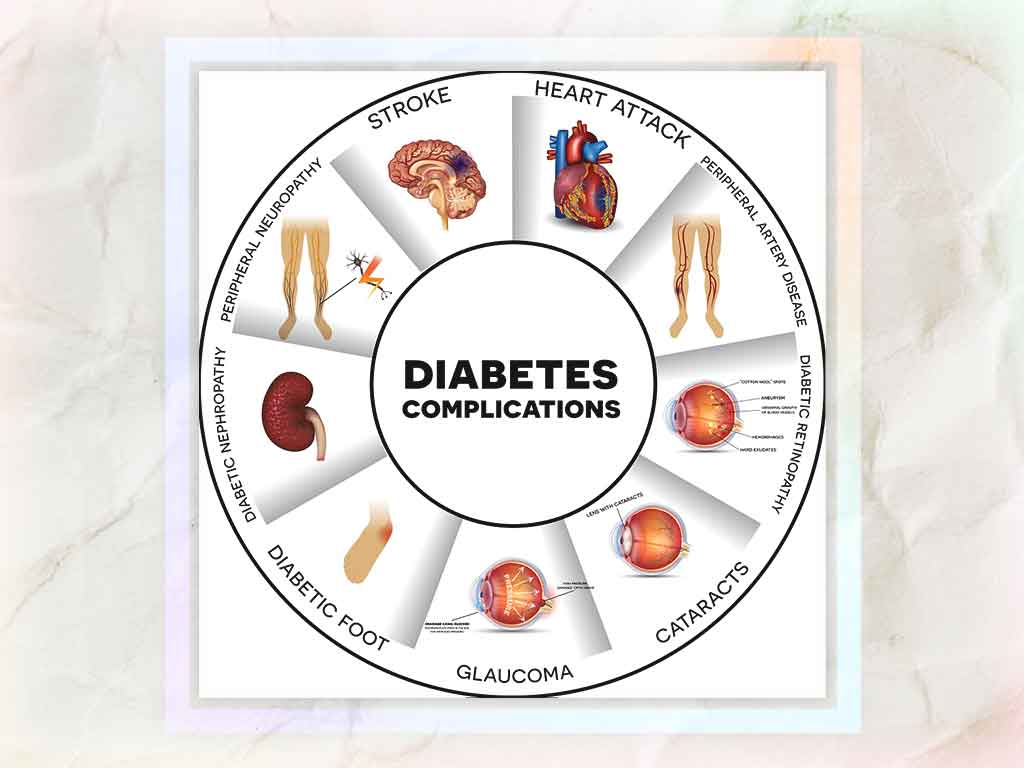
Many people live with undiagnosed diabetes for years, often mistaking the early symptoms for general fatigue or stress. However, the sooner diabetes is detected, the better the outcomes. Early intervention significantly reduces the risk of serious long-term complications, such as nerve damage, kidney failure, and heart disease.
If your doctor suspects you might have high blood sugar, either due to symptoms (like unexplained weight loss or frequent urination) or risk factors (like family history or weight), they will order specific blood tests to determine how diabetes can be diagnosed definitively.
Remember, these tests aren't just identifying a problem; they are offering clarity and a path toward effective management.
The Essential Diagnostic Tests
To accurately determine if you have diabetes or pre-diabetes, doctors primarily rely on three standard blood tests. Often, a doctor will require two abnormal results from the same test or two different tests run on separate days to confirm the diagnosis.
1. The A1C Test (Glycated Hemoglobin Test)
The A1C test is perhaps the most common and informative test. Unlike traditional glucose tests that provide a snapshot of your blood sugar at that exact moment, the A1C test gives an average of your blood glucose levels over the past two to three months.
This test measures the percentage of hemoglobin (a protein in red blood cells) that has sugar attached to it. It does not require fasting, which makes it very convenient. Because it averages the levels, it is highly reliable for confirming chronic high blood sugar.
2. Fasting Plasma Glucose (FPG) Test
The FPG test requires you to fast (not eat or drink anything except water) for at least eight hours prior to the blood draw. This test checks your blood sugar level in a controlled state, ensuring that the results are not influenced by recent meals.
This test is highly effective for determining baseline glucose control. If your body isn't processing glucose correctly, the levels will remain high even after an overnight fast.
3. Oral Glucose Tolerance Test (OGTT)
The OGTT is a more involved test, often used specifically for diagnosing gestational diabetes (diabetes during pregnancy) or when initial FPG or A1C results are borderline.
The process generally involves three steps over a few hours:
- Your blood is drawn after an overnight fast (the baseline reading).
- You drink a standardized, sugary liquid containing a precise amount of glucose (usually 75 grams).
- Your blood sugar is checked again two hours after drinking the solution.
This test reveals exactly how your body processes sugar after a heavy load, showing if your insulin response is delayed or insufficient.
4. Random Plasma Glucose (RPG) Test
If you are exhibiting severe, classic symptoms of diabetes—such as rapid weight loss, confusion, or diabetic ketoacidosis (DKA)—your doctor may use an RPG test. This test is taken at any time of the day, regardless of when you last ate.
If the RPG level is extremely high (200 mg/dL or higher), coupled with pronounced symptoms, a diagnosis of diabetes can be made immediately without needing a follow-up test.
Understanding the Results: What the Numbers Mean
Once you've taken the tests, the numbers might look confusing. Knowing the specific ranges for each test is key to understanding if you are in the normal, pre-diabetes, or diabetes range.
Interpreting A1C Values
The A1C test is reported as a percentage. These percentages are standard metrics used globally to determine how diabetes can be diagnosed and categorized.
- Normal: Below 5.7%
- Pre-diabetes: 5.7% to 6.4%
- Diabetes: 6.5% or higher
If you fall into the pre-diabetes category, this is a major warning sign but also a huge opportunity. Lifestyle changes at this stage can often prevent the progression to full diabetes.
Interpreting FPG Values
FPG values are measured in milligrams per deciliter (mg/dL). Remember, these readings require a minimum of eight hours of fasting.
- Normal: Below 100 mg/dL
- Pre-diabetes (Impaired Fasting Glucose): 100 mg/dL to 125 mg/dL
- Diabetes: 126 mg/dL or higher
A score of 126 mg/dL or greater is the clinical threshold for a diabetes diagnosis based on fasting glucose levels. If this occurs, a repeat test is usually done to confirm.
What Happens After Diagnosis?
Receiving a diabetes diagnosis can be overwhelming, but it is far from a dead end. It is simply a signal that requires immediate action and adjustments. Your doctor will likely refer you to a specialized team.
Confirming the Type and Creating a Management Plan
The next critical step is determining the type of diabetes (Type 1, Type 2, or Gestational). This often involves further blood tests, such as antibody screenings, particularly if Type 1 is suspected.
Once the type is confirmed, a comprehensive management plan is developed. This plan typically involves a combination of strategies:
- Medication: Depending on the type, this could range from oral medications (like Metformin) to insulin therapy.
- Dietary Guidance: Meeting with a registered dietitian to learn about carbohydrate counting and balanced eating.
- Activity Plan: Incorporating regular physical activity, which greatly improves insulin sensitivity.
- Monitoring: Learning to regularly monitor your blood sugar at home.
Working closely with your healthcare provider—including endocrinologists and diabetes educators—will ensure you have the tools needed to live a full, healthy life while managing your condition effectively.
Conclusion
Understanding how can diabetes be diagnosed is essential for anyone experiencing potential symptoms or belonging to a high-risk group. The diagnostic process relies primarily on three reliable tests: the A1C, the Fasting Plasma Glucose (FPG), and the Oral Glucose Tolerance Test (OGTT).
Early diagnosis provides a critical opportunity to intervene before complications set in. If your results indicate pre-diabetes or diabetes, view it as a necessary wake-up call. By embracing lifestyle changes and adhering to your medical plan, you can take control of your health journey.
Frequently Asked Questions (FAQ)
- What is the difference between diagnosing Type 1 and Type 2 diabetes?
- While both types are diagnosed using the same glucose tests (A1C, FPG), distinguishing between them often requires additional blood tests to check for autoantibodies (markers of Type 1 diabetes). Type 1 is an autoimmune condition, while Type 2 is usually linked to insulin resistance and lifestyle factors.
- Do I need to fast for every diabetes test?
- No. The A1C test and the Random Plasma Glucose (RPG) test do not require fasting. However, the Fasting Plasma Glucose (FPG) test and the initial draw for the Oral Glucose Tolerance Test (OGTT) both require an 8 to 12-hour fast.
- If my A1C is borderline, what does that mean?
- A borderline A1C (5.7% to 6.4%) means you have pre-diabetes. This indicates that your blood sugar is higher than normal but not yet high enough to be classified as diabetes. This stage is crucial because significant lifestyle changes, such as weight loss and increased exercise, can often revert glucose levels back to the normal range.
- How often should I get tested for diabetes?
- If you have pre-diabetes, your doctor will likely recommend annual testing. If you are over 45, overweight, and have risk factors (like a family history), screening every three years is typically recommended. If you have no symptoms or risk factors, routine checks are usually part of your standard annual physical.
How Can Diabetes Be Diagnosed
How Can Diabetes Be Diagnosed Wallpapers
Collection of how can diabetes be diagnosed wallpapers for your desktop and mobile devices.
Lush How Can Diabetes Be Diagnosed Landscape for Desktop
Immerse yourself in the stunning details of this beautiful how can diabetes be diagnosed wallpaper, designed for a captivating visual experience.

Gorgeous How Can Diabetes Be Diagnosed Photo Illustration
This gorgeous how can diabetes be diagnosed photo offers a breathtaking view, making it a perfect choice for your next wallpaper.

Exquisite How Can Diabetes Be Diagnosed Photo Nature
Find inspiration with this unique how can diabetes be diagnosed illustration, crafted to provide a fresh look for your background.
High-Quality How Can Diabetes Be Diagnosed Photo Collection
Experience the crisp clarity of this stunning how can diabetes be diagnosed image, available in high resolution for all your screens.
Amazing How Can Diabetes Be Diagnosed Landscape in 4K
Explore this high-quality how can diabetes be diagnosed image, perfect for enhancing your desktop or mobile wallpaper.
Serene How Can Diabetes Be Diagnosed Artwork Concept
Discover an amazing how can diabetes be diagnosed background image, ideal for personalizing your devices with vibrant colors and intricate designs.

Gorgeous How Can Diabetes Be Diagnosed Background for Desktop
This gorgeous how can diabetes be diagnosed photo offers a breathtaking view, making it a perfect choice for your next wallpaper.
High-Quality How Can Diabetes Be Diagnosed Capture Art
Transform your screen with this vivid how can diabetes be diagnosed artwork, a true masterpiece of digital design.
Mesmerizing How Can Diabetes Be Diagnosed Abstract for Your Screen
Explore this high-quality how can diabetes be diagnosed image, perfect for enhancing your desktop or mobile wallpaper.
Amazing How Can Diabetes Be Diagnosed Photo Photography
Experience the crisp clarity of this stunning how can diabetes be diagnosed image, available in high resolution for all your screens.
Mesmerizing How Can Diabetes Be Diagnosed Image Illustration
Transform your screen with this vivid how can diabetes be diagnosed artwork, a true masterpiece of digital design.

Amazing How Can Diabetes Be Diagnosed Artwork for Mobile
Experience the crisp clarity of this stunning how can diabetes be diagnosed image, available in high resolution for all your screens.
Captivating How Can Diabetes Be Diagnosed Capture for Desktop
This gorgeous how can diabetes be diagnosed photo offers a breathtaking view, making it a perfect choice for your next wallpaper.
Spectacular How Can Diabetes Be Diagnosed Moment Art
This gorgeous how can diabetes be diagnosed photo offers a breathtaking view, making it a perfect choice for your next wallpaper.

Serene How Can Diabetes Be Diagnosed View Nature
Experience the crisp clarity of this stunning how can diabetes be diagnosed image, available in high resolution for all your screens.
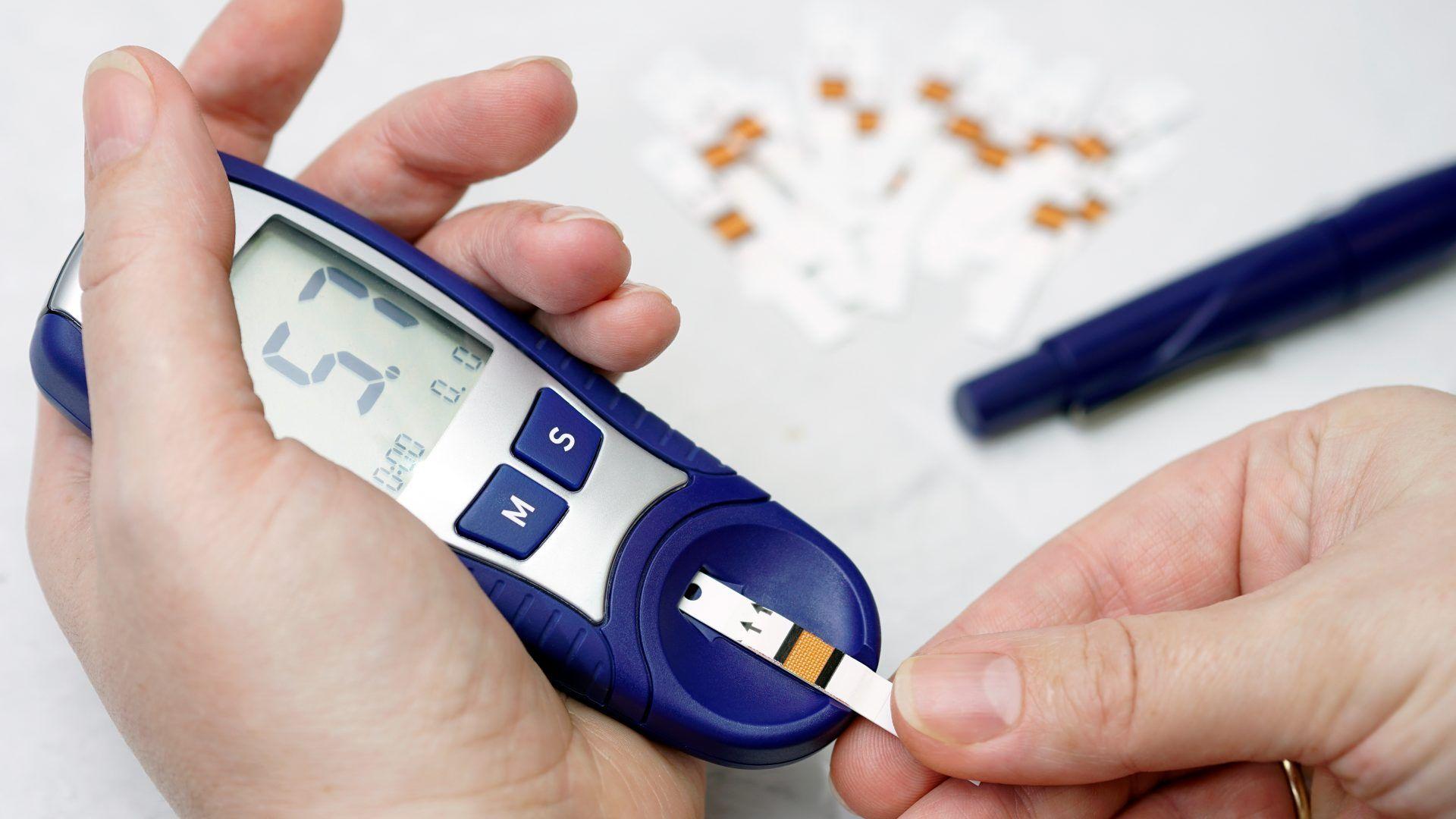
Amazing How Can Diabetes Be Diagnosed Landscape for Desktop
Explore this high-quality how can diabetes be diagnosed image, perfect for enhancing your desktop or mobile wallpaper.
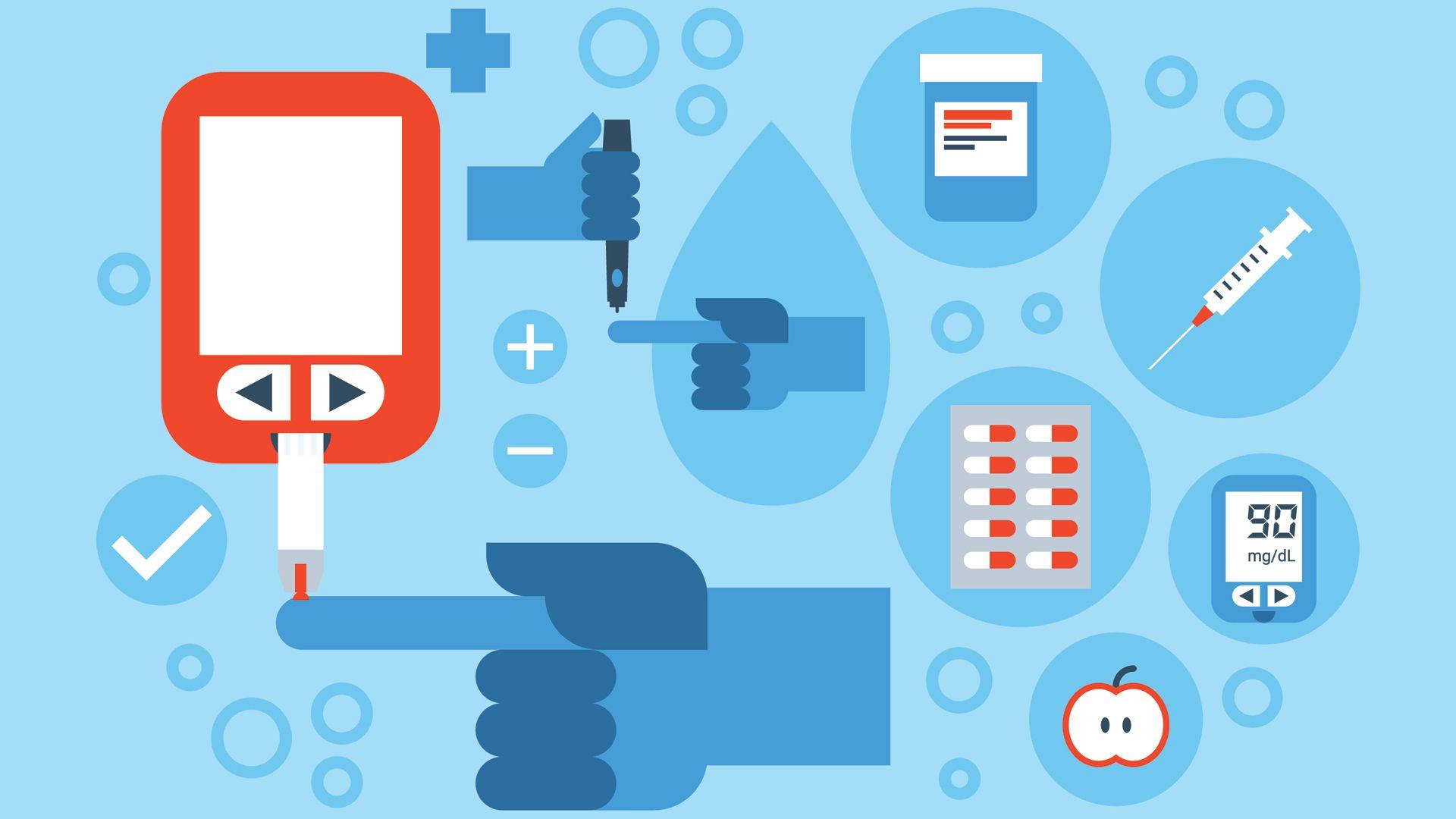
Breathtaking How Can Diabetes Be Diagnosed View in 4K
Explore this high-quality how can diabetes be diagnosed image, perfect for enhancing your desktop or mobile wallpaper.
Mesmerizing How Can Diabetes Be Diagnosed Picture Illustration
Experience the crisp clarity of this stunning how can diabetes be diagnosed image, available in high resolution for all your screens.

Gorgeous How Can Diabetes Be Diagnosed Background for Your Screen
A captivating how can diabetes be diagnosed scene that brings tranquility and beauty to any device.

Exquisite How Can Diabetes Be Diagnosed Moment Art
This gorgeous how can diabetes be diagnosed photo offers a breathtaking view, making it a perfect choice for your next wallpaper.
Download these how can diabetes be diagnosed wallpapers for free and use them on your desktop or mobile devices.