How To Take Care Of Someone With Diabetes: Your Essential Caregiver Guide
Taking care of someone with diabetes can feel overwhelming, especially when you are first starting out. It involves much more than just monitoring blood sugar; it requires patience, dedication, and a deep understanding of their condition. But don't worry, you are not alone in this journey. This comprehensive guide will walk you through the practical and emotional steps on how to take care of someone with diabetes effectively, making sure they live a healthy and fulfilling life.
We know you want the best for your loved one. By establishing a solid routine and learning to recognize warning signs, you can become an amazing support system. Let's dive into the core strategies you need to master.
Understanding Diabetes: The Basics
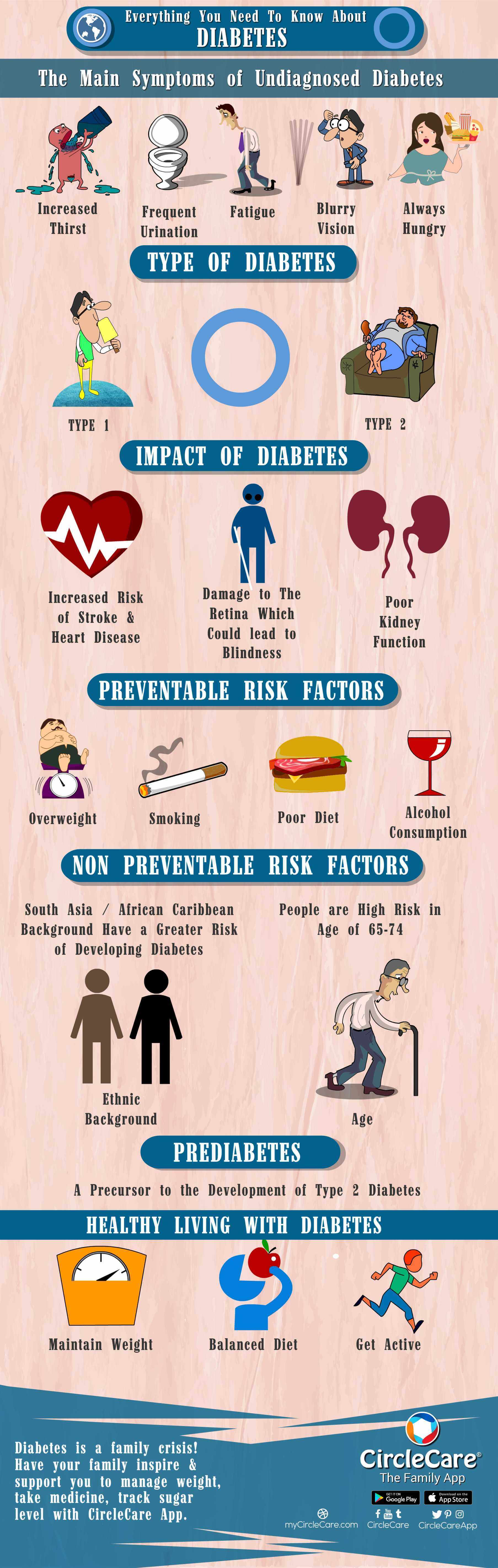
Before you can provide excellent care, you need a fundamental understanding of what diabetes is. Diabetes is a chronic health condition that affects how the body turns food into energy. Essentially, the body either doesn't make enough insulin (Type 1) or can't effectively use the insulin it makes (Type 2).
This inability to manage glucose leads to high blood sugar levels, which can cause serious long-term health problems if left unchecked. Your role as a caregiver is to help manage these levels and prevent complications. Knowing their specific type of diabetes and its treatment plan is the first crucial step.
Remember that diabetes care is highly personalized. What works for one person may not work for another. Always consult with their doctor or certified diabetes educator (CDE) to create the best individualized care plan.
Essential Daily Care Strategies
Daily routines are the backbone of effective diabetes management. Consistency is key when determining how to take care of someone with diabetes, ensuring that blood sugar levels remain stable throughout the day.
Managing Medication and Insulin
Medication adherence is non-negotiable. Whether your loved one takes oral medication or uses insulin injections, timing is critical. Missing doses or taking them incorrectly can lead to dangerous fluctuations in blood sugar.
If they rely on insulin, you need to be confident in proper injection techniques and storage. Insulin must be kept at the correct temperature and checked for expiration dates. Furthermore, understanding the different types of insulin (rapid-acting, short-acting, long-acting) and their intended effects is paramount.
Here are key steps for medication management:
- Create a written schedule detailing exact times for medication and meal intake.
- Use a pill organizer or digital reminder system to ensure no dose is missed.
- Always check the injection site for any signs of infection or irritation if administering insulin.
- Know the specific dosage adjustments that might be required based on blood sugar readings or activity levels, as instructed by their doctor.
The Power of Healthy Eating
Diet plays the most significant role in blood sugar control. A diabetes-friendly diet isn't necessarily restrictive; it's balanced and focuses on nutrient-dense foods. Your job is to help plan, shop for, and prepare meals that fit their specific dietary requirements.
Carbohydrate counting is often a core component of managing diabetes, especially for those who use insulin. Carbohydrates directly impact blood sugar levels, so tracking intake helps determine the correct medication dose.
Focus on these nutritional goals:
- Prioritize whole, unprocessed foods like vegetables, lean proteins, and healthy fats.
- Limit refined sugars, sugary drinks, and highly processed snacks.
- Ensure consistent meal times and snack times to prevent large blood sugar dips or spikes.
- Work with a registered dietitian (RD) to customize a meal plan that they genuinely enjoy and can stick to long-term.
Encouraging Physical Activity
Physical activity is a powerful tool in diabetes management. Exercise helps the body use insulin more effectively and can lower blood glucose levels. However, exercise must be approached cautiously, especially if they are insulin-dependent.
Encourage activities they enjoy, such as walking, swimming, or gardening. Make sure they check their blood sugar before and after activity, and always have a readily available source of fast-acting carbohydrate (like glucose tablets or juice) nearby in case of hypoglycemia.
Monitoring and Recognizing Warning Signs
Effective monitoring is non-negotiable when learning how to take care of someone with diabetes. You need to be diligent about testing and prepared to act quickly if something goes wrong.
Mastering Blood Sugar Checks
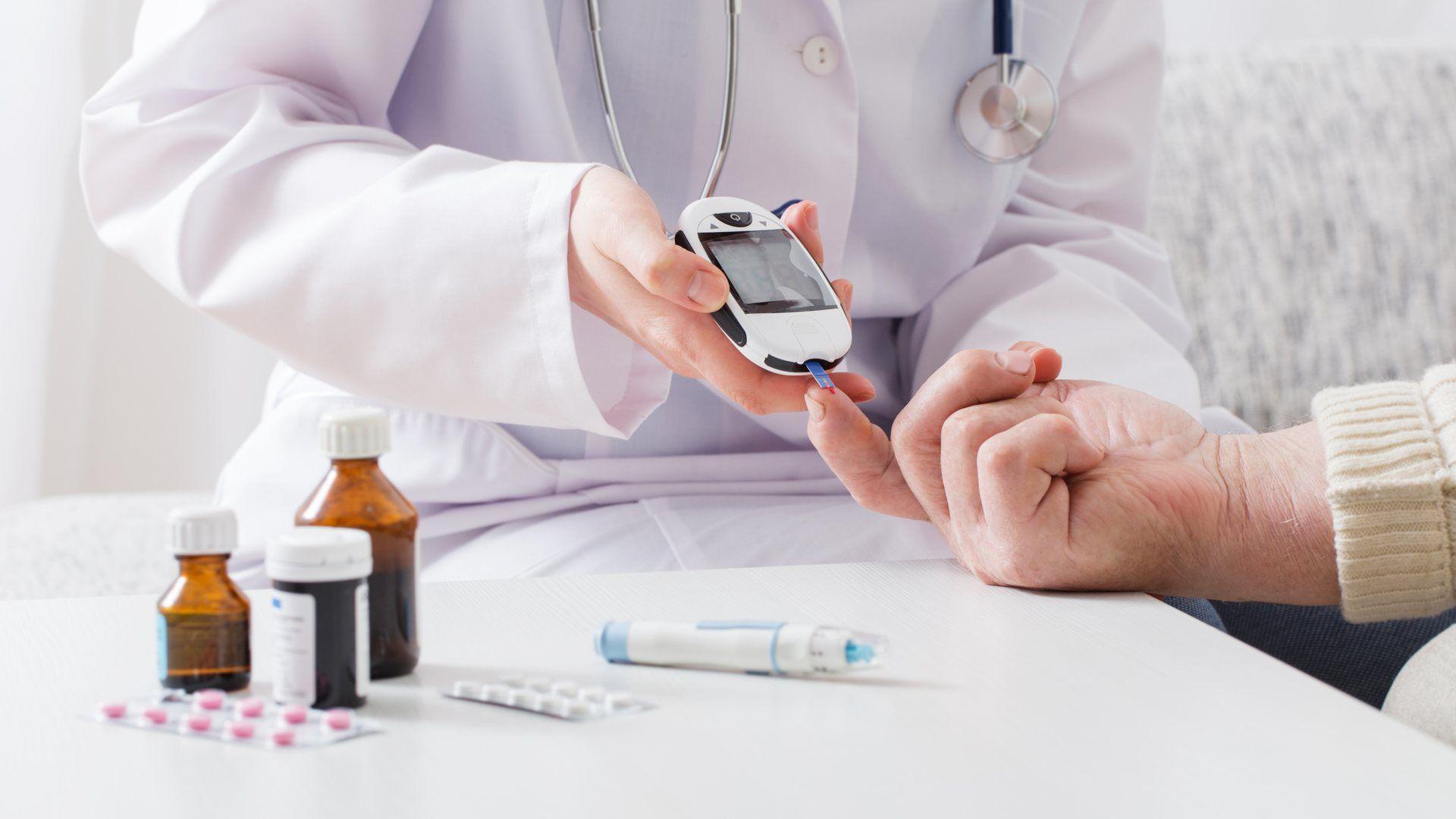
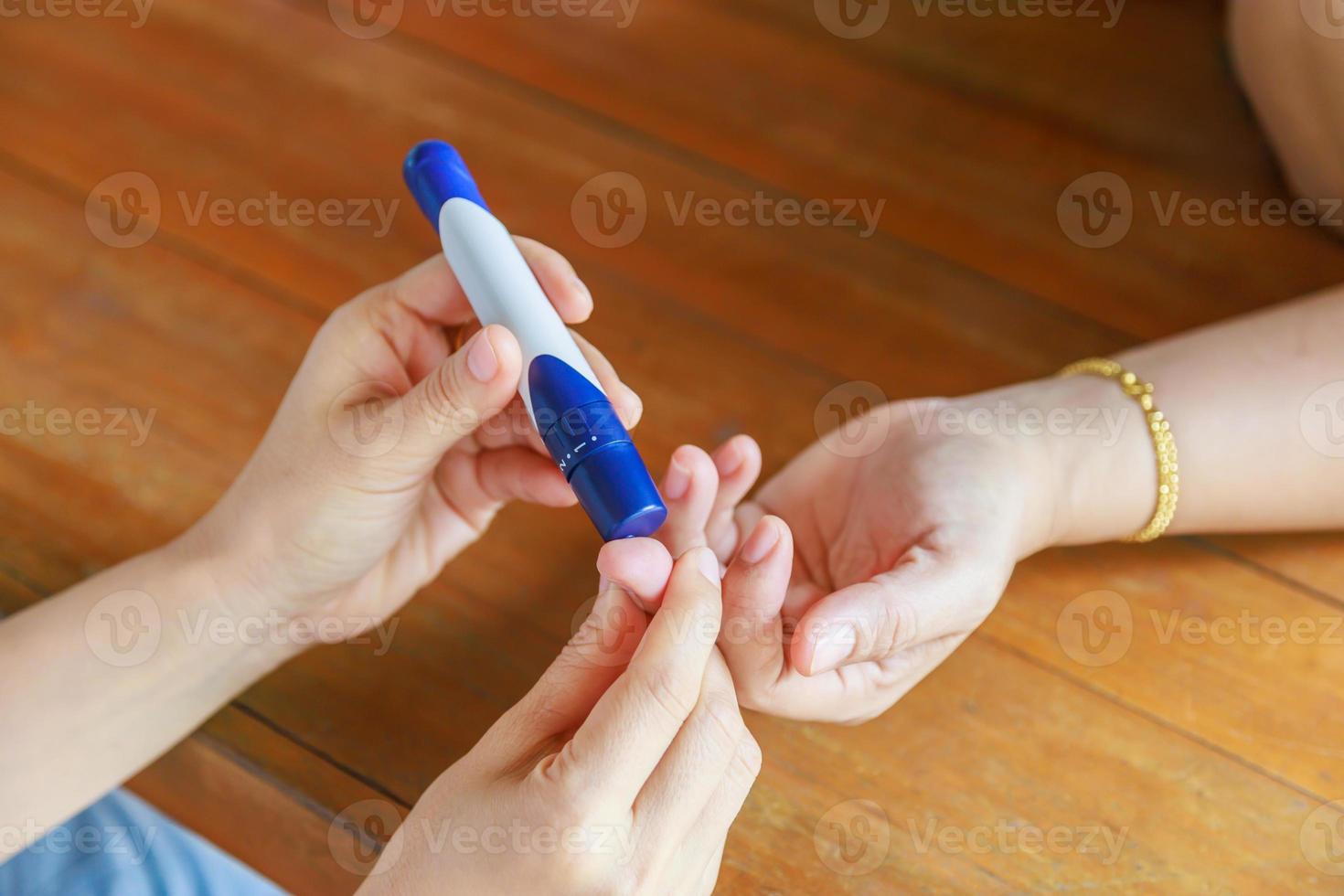
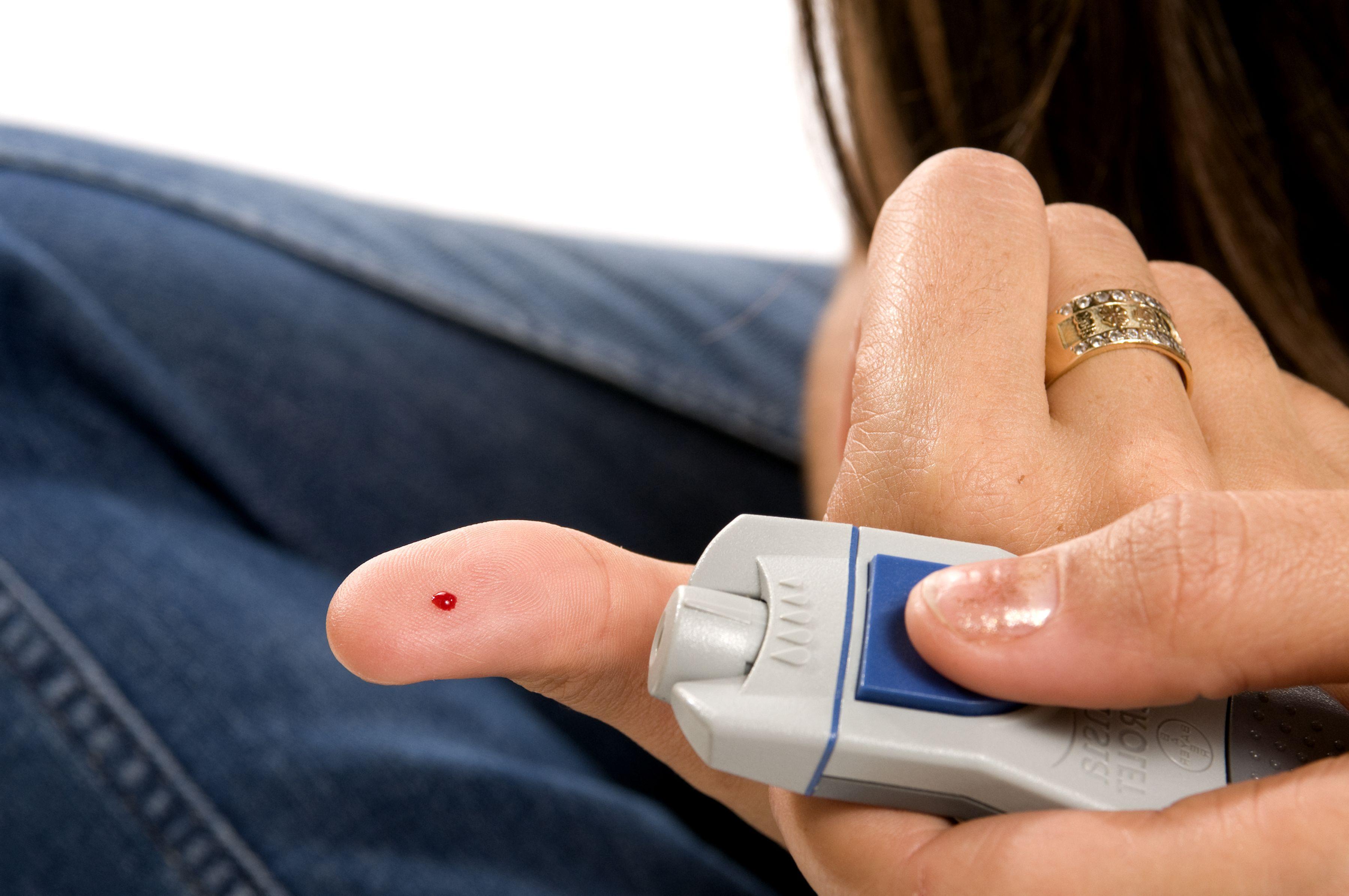
Regular blood sugar checks provide the real-time data needed to adjust diet, activity, and medication. Discuss with their healthcare provider how often they should check—it might be several times a day, particularly before meals, before bed, and occasionally in the middle of the night.
If your loved one uses a continuous glucose monitor (CGM), make sure you both understand how to read the graphs and interpret the trend arrows. Logging these results, whether manually or digitally, is vital for doctor appointments.
Dealing with Hypoglycemia and Hyperglycemia
These two conditions represent the most immediate dangers of poor diabetes management. As a caregiver, you must know the signs and the treatment protocols for both.
Hypoglycemia (Low Blood Sugar)
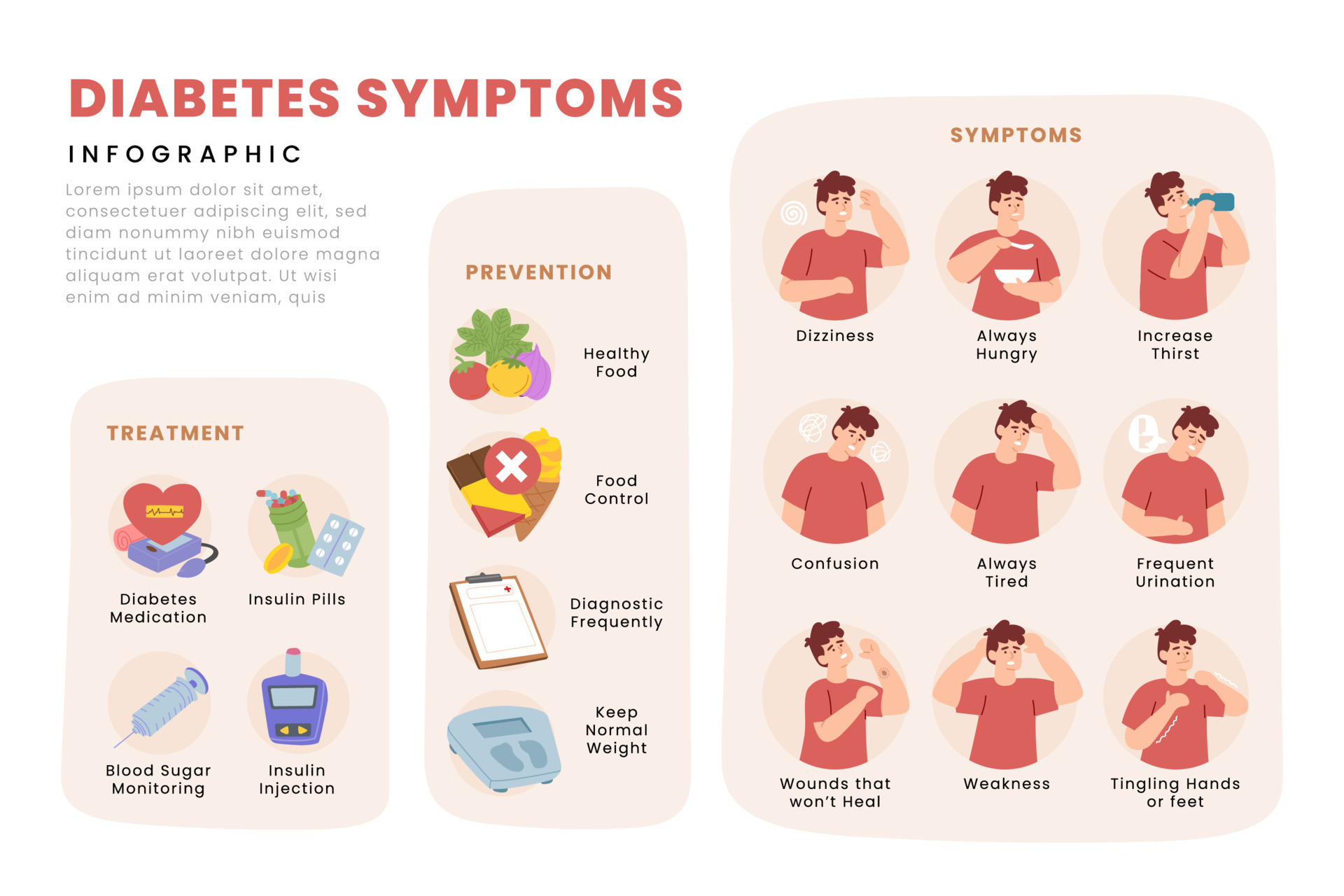
Hypoglycemia occurs when glucose drops too low (usually below 70 mg/dL). Symptoms include shakiness, dizziness, confusion, sweating, and extreme hunger. If untreated, it can lead to seizures or loss of consciousness. Always follow the 'Rule of 15': give 15 grams of fast-acting carbs (like juice or glucose tablets), wait 15 minutes, and check the sugar again. Repeat if necessary.
Hyperglycemia (High Blood Sugar)
Hyperglycemia occurs when glucose is too high. Symptoms include increased thirst, frequent urination, and blurred vision. Untreated hyperglycemia can lead to serious conditions like Diabetic Ketoacidosis (DKA) in Type 1 diabetes or Hyperosmolar Hyperglycemic State (HHS) in Type 2 diabetes. Ensure they drink plenty of water and follow their doctor's instructions for corrective insulin doses.
Emotional Support: Caring Beyond the Physical
Living with diabetes is a constant mental challenge. It requires vigilance 24/7, and this burden can lead to 'diabetes burnout'—feelings of exhaustion, frustration, and depression. Your role as an emotional anchor is just as important as your role as a health manager.
Encourage open communication without judgment. Let them vent about the difficulties of restrictive diets or constant testing. Try to focus on the small victories, not just the occasional high reading. Furthermore, make sure they maintain social connections and hobbies that make them happy, which helps mitigate stress—a factor that can also raise blood sugar.
Remember to take care of yourself, too! Caregiving is demanding. If you are burned out, you won't be able to provide the compassionate care they deserve. Seek respite care or join a caregiver support group.
Conclusion
Learning how to take care of someone with diabetes is an ongoing process of education, vigilance, and heartfelt support. By mastering the daily routines—consistent medication, balanced nutrition, and regular monitoring—you are providing a foundation for excellent health.
Always remember to prioritize communication with their healthcare team and your loved one. Your partnership in managing their blood sugar and providing unwavering emotional support will make a profound difference in their ability to manage this chronic condition successfully. Keep learning, stay resilient, and celebrate every moment of good health you achieve together.
Frequently Asked Questions (FAQ)
- What is the most important thing to monitor daily?
- The most important thing to monitor daily is their blood glucose level. Consistency in checking blood sugar allows for immediate adjustments to food or medication, preventing dangerous high or low episodes.
- Can the person I care for eat sugar at all?
- While refined sugars and sugary drinks should be strictly limited, people with diabetes can consume sugar as part of a balanced diet, especially when carefully counted as part of their carbohydrate intake. Furthermore, fast-acting sugar is essential for treating hypoglycemia (low blood sugar).
- What should I do if my loved one loses consciousness?
- If your loved one loses consciousness, immediately check for a medical identification bracelet indicating diabetes. If they are unresponsive but breathing, call emergency services (like 911 or local emergency number). If you have access to a glucagon emergency kit and are trained to use it, administer it immediately while waiting for help to arrive.
- How do I prevent 'diabetes burnout'?
- To prevent diabetes burnout, encourage flexible routines, not rigid rules. Focus on long-term health rather than perfect numbers. Most importantly, encourage them to talk about their feelings and ensure they schedule regular breaks from thinking about diabetes management (like a hobby or non-food reward).
How To Take Care Of Someone With Diabetes
How To Take Care Of Someone With Diabetes Wallpapers
Collection of how to take care of someone with diabetes wallpapers for your desktop and mobile devices.
Vibrant How To Take Care Of Someone With Diabetes Image for Your Screen
Transform your screen with this vivid how to take care of someone with diabetes artwork, a true masterpiece of digital design.
Mesmerizing How To Take Care Of Someone With Diabetes Abstract for Your Screen
Explore this high-quality how to take care of someone with diabetes image, perfect for enhancing your desktop or mobile wallpaper.
Lush How To Take Care Of Someone With Diabetes Background Nature
Find inspiration with this unique how to take care of someone with diabetes illustration, crafted to provide a fresh look for your background.

Gorgeous How To Take Care Of Someone With Diabetes Abstract in HD
Immerse yourself in the stunning details of this beautiful how to take care of someone with diabetes wallpaper, designed for a captivating visual experience.
:max_bytes(150000):strip_icc()/glucose-level-blood-test-1185738340-75b803e23e9a4ce6a550cbf41c3c2972.jpg "Stunning How To Take Care Of Someone With Diabetes Moment in 4K")
Stunning How To Take Care Of Someone With Diabetes Moment in 4K
A captivating how to take care of someone with diabetes scene that brings tranquility and beauty to any device.
Exquisite How To Take Care Of Someone With Diabetes Photo Art
A captivating how to take care of someone with diabetes scene that brings tranquility and beauty to any device.
High-Quality How To Take Care Of Someone With Diabetes Capture Art
Transform your screen with this vivid how to take care of someone with diabetes artwork, a true masterpiece of digital design.

Spectacular How To Take Care Of Someone With Diabetes Scene Nature
This gorgeous how to take care of someone with diabetes photo offers a breathtaking view, making it a perfect choice for your next wallpaper.

Beautiful How To Take Care Of Someone With Diabetes Wallpaper Photography
Explore this high-quality how to take care of someone with diabetes image, perfect for enhancing your desktop or mobile wallpaper.

Serene How To Take Care Of Someone With Diabetes Scene Art
Transform your screen with this vivid how to take care of someone with diabetes artwork, a true masterpiece of digital design.

Breathtaking How To Take Care Of Someone With Diabetes Landscape Photography
Transform your screen with this vivid how to take care of someone with diabetes artwork, a true masterpiece of digital design.
Breathtaking How To Take Care Of Someone With Diabetes View in 4K
Explore this high-quality how to take care of someone with diabetes image, perfect for enhancing your desktop or mobile wallpaper.

Spectacular How To Take Care Of Someone With Diabetes Image Nature
This gorgeous how to take care of someone with diabetes photo offers a breathtaking view, making it a perfect choice for your next wallpaper.
High-Quality How To Take Care Of Someone With Diabetes Photo Collection
Experience the crisp clarity of this stunning how to take care of someone with diabetes image, available in high resolution for all your screens.
Amazing How To Take Care Of Someone With Diabetes Photo Photography
Experience the crisp clarity of this stunning how to take care of someone with diabetes image, available in high resolution for all your screens.

Lush How To Take Care Of Someone With Diabetes Scene in HD
Find inspiration with this unique how to take care of someone with diabetes illustration, crafted to provide a fresh look for your background.

Dynamic How To Take Care Of Someone With Diabetes Photo Collection
A captivating how to take care of someone with diabetes scene that brings tranquility and beauty to any device.

Vivid How To Take Care Of Someone With Diabetes Moment Illustration
Explore this high-quality how to take care of someone with diabetes image, perfect for enhancing your desktop or mobile wallpaper.

High-Quality How To Take Care Of Someone With Diabetes Picture Digital Art
Discover an amazing how to take care of someone with diabetes background image, ideal for personalizing your devices with vibrant colors and intricate designs.
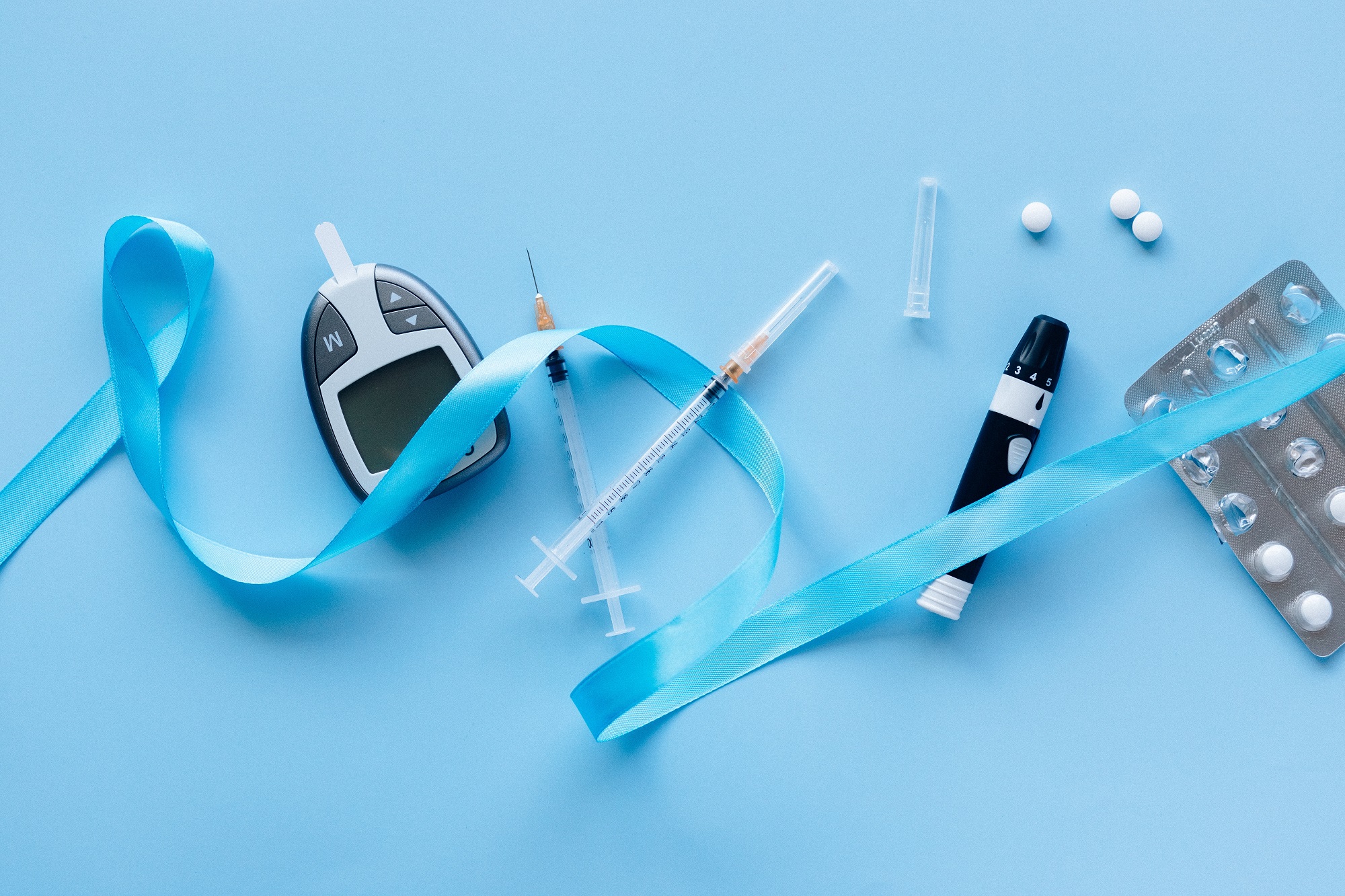
Serene How To Take Care Of Someone With Diabetes Capture for Desktop
Discover an amazing how to take care of someone with diabetes background image, ideal for personalizing your devices with vibrant colors and intricate designs.
Download these how to take care of someone with diabetes wallpapers for free and use them on your desktop or mobile devices.