Countries Where Polio Still Exists
You might think polio is a disease of the past, a historical footnote like smallpox. And for many parts of the world, that's thankfully true! The incredible efforts of global health initiatives have pushed wild poliovirus to the brink of eradication. However, the fight isn't over yet. There are still a handful of countries where polio remains a persistent threat, and understanding where these challenges lie is crucial for finally wiping this debilitating disease off the map. Let's dive into the current landscape and shed some light on the countries where polio still exists.
Our journey will take us through the incredible progress made, the remaining strongholds of the virus, and the reasons why it continues to linger in certain areas. We'll also explore the ongoing strategies to ensure a polio-free future for everyone.
Understanding Polio: A Brief Overview
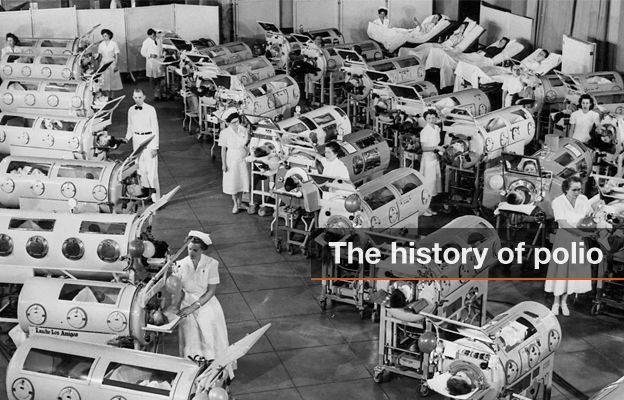
Before we look at the countries where polio still exists, let's quickly recap what polio is. Poliomyelitis, or polio, is a highly infectious disease caused by the poliovirus. It primarily affects young children, and in its most severe form, it can lead to irreversible paralysis.
The virus spreads mainly through the fecal-oral route, meaning it can be transmitted through contaminated food or water, or direct contact with an infected person. While most people infected with polio show no symptoms or only mild ones, about 1 in 200 infections leads to irreversible paralysis. Tragically, a small percentage of those paralyzed can die when their breathing muscles are affected.
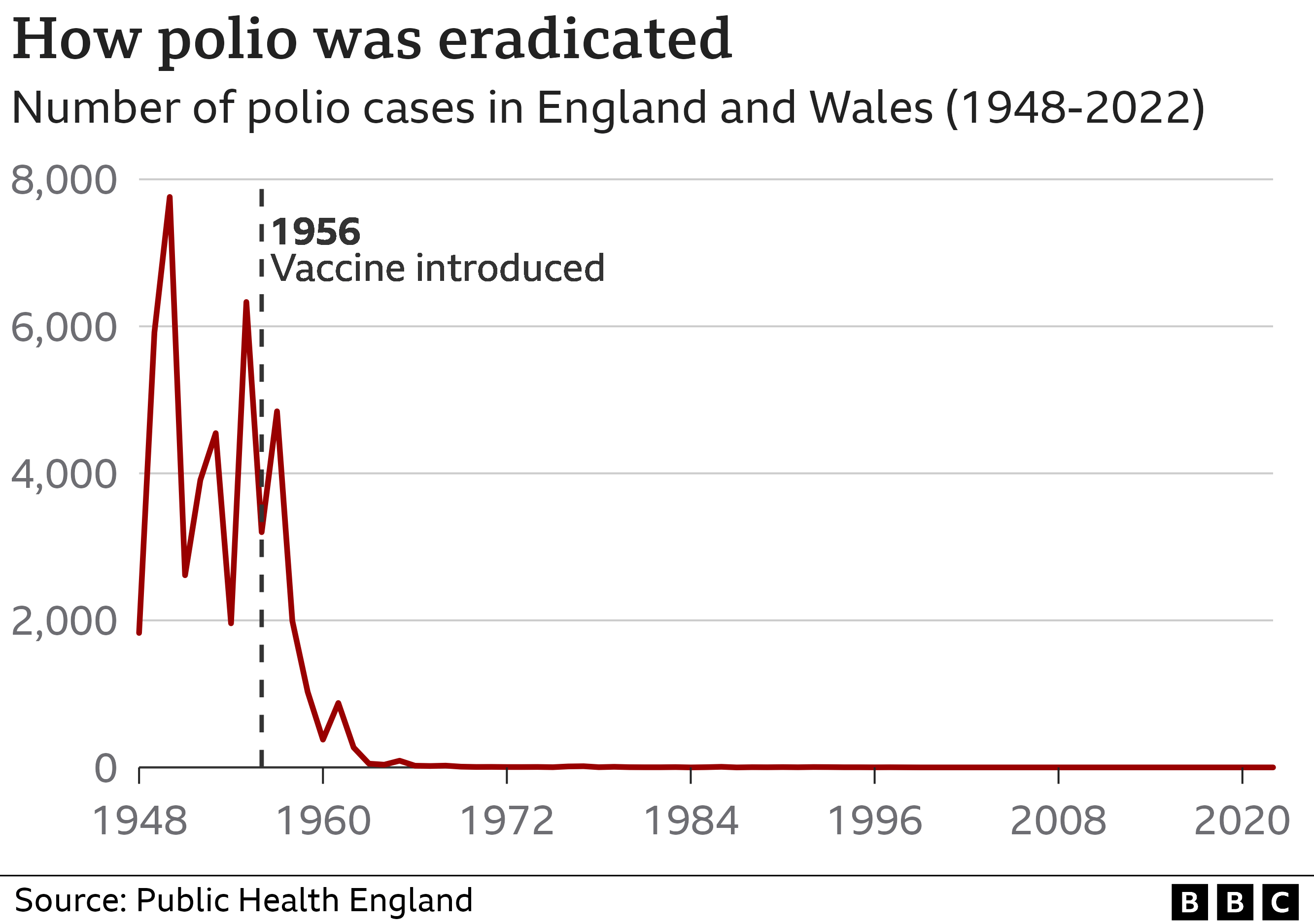
The good news is that polio is preventable through vaccination. Safe and effective vaccines have been available for decades, forming the backbone of global eradication efforts.
The Global Fight Against Polio: A Historic Success
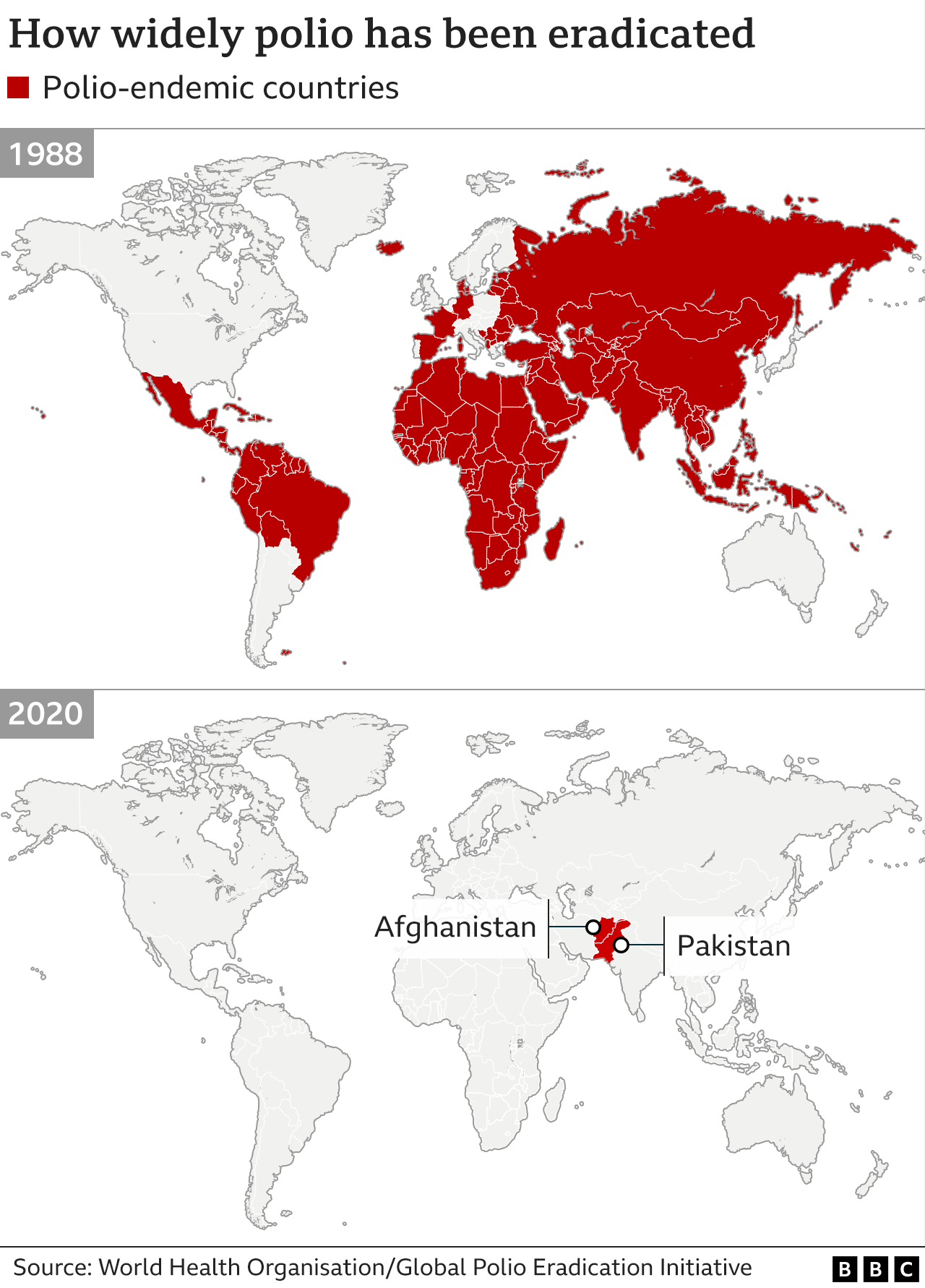
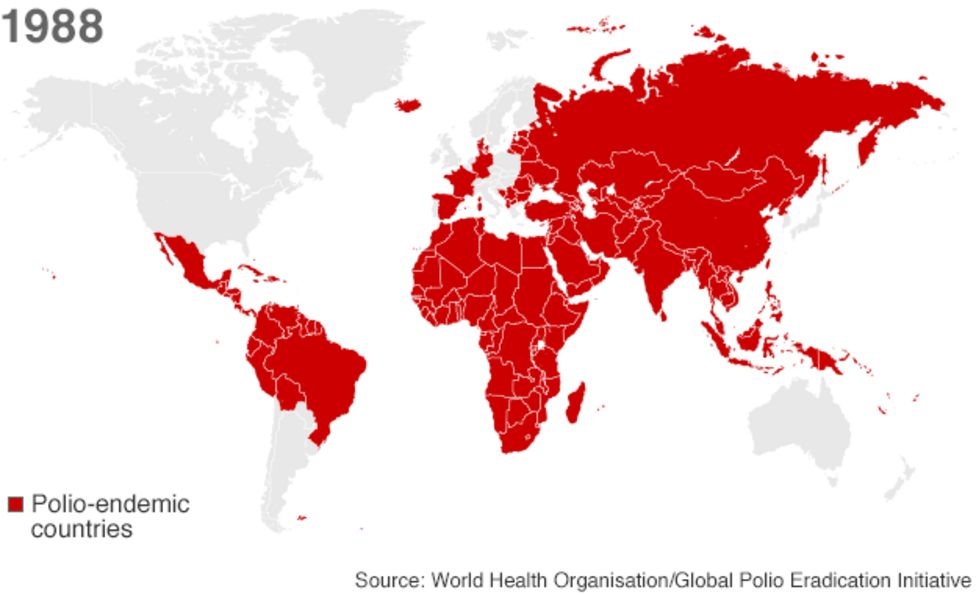
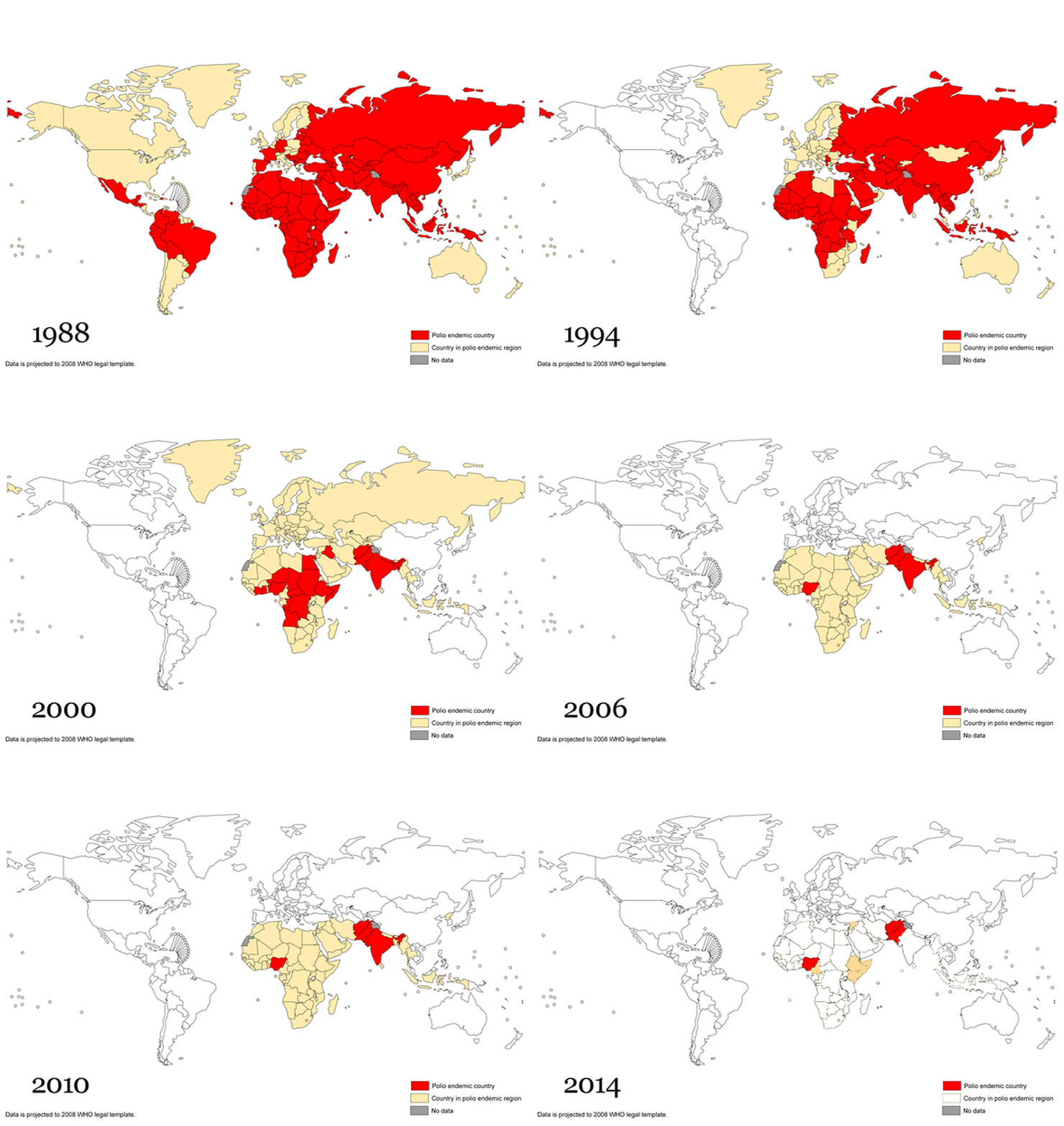
The story of polio eradication is one of the greatest public health achievements in history. In 1988, when the Global Polio Eradication Initiative (GPEI) was launched, wild poliovirus was endemic in 125 countries, paralyzing more than 350,000 children every year. Today, those numbers are dramatically different, a testament to decades of tireless work by health workers, governments, and communities worldwide.
Through massive, coordinated vaccination campaigns, improved surveillance, and dedicated funding, the incidence of polio has plummeted by over 99%. Millions of children have been saved from paralysis and death, and most regions of the world have been certified polio-free. This incredible progress shows that eradicating this disease is not just a dream, but an achievable goal.
The Remaining Strongholds: Countries Where Polio Still Exists
Despite the immense progress, the final stretch of polio eradication is proving to be the hardest. Currently, there are primarily two types of situations regarding countries where polio still exists: those where the wild poliovirus is endemic (meaning it has never been stopped), and those experiencing outbreaks of imported wild poliovirus or vaccine-derived poliovirus.
Endemic Countries: The Last Frontiers
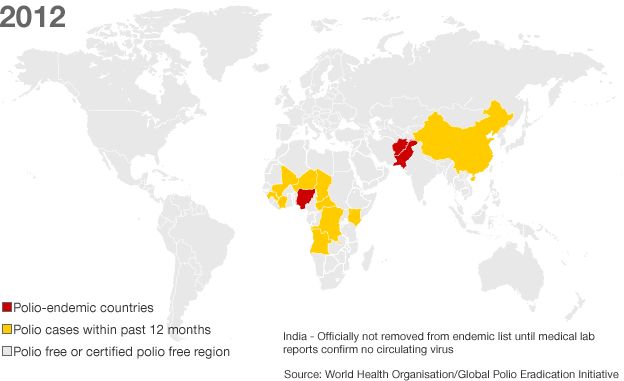
These are the places where wild poliovirus transmission has never been fully interrupted. For years, only two countries have remained on this list, representing the final challenge in the global eradication effort.
Afghanistan: This nation faces immense challenges due to ongoing conflict, insecurity, and difficult-to-reach populations. These factors have severely hampered vaccination efforts, leaving many children vulnerable to the virus. Despite the hurdles, dedicated health workers continue to strive to reach every child, often at great personal risk.
Pakistan: Similar to Afghanistan, Pakistan has struggled with insecurity, vaccine hesitancy, and highly mobile populations, making it difficult to achieve consistent high vaccination coverage. The virus often circulates in specific environmental reservoirs, posing a continuous threat. However, the country has made significant strides in recent years, demonstrating incredible commitment to stopping transmission.
Outbreak Countries: Vigilance is Key
Even countries that have been declared polio-free can experience outbreaks. This usually happens when the virus is imported from an endemic country or when vaccine-derived poliovirus begins to circulate in under-immunized communities. The rapid response to these outbreaks is critical to prevent wider spread.
It's important to understand the two main types of poliovirus that cause outbreaks in these areas.
Wild Poliovirus (WPV) Outbreaks
These outbreaks occur when the wild poliovirus, originating from one of the endemic countries, is carried to a polio-free area. This can happen through population movement, for example, by individuals traveling from an infected region. Countries like Malawi and Mozambique, for instance, have recently experienced WPV outbreaks due to importation, highlighting the need for robust surveillance and immunization everywhere until the virus is gone globally.
Vaccine-Derived Poliovirus (VDPV) Outbreaks
Vaccine-derived polioviruses (VDPVs) are rare strains of poliovirus that have genetically mutated from the weakened live virus contained in the oral polio vaccine (OPV). If a population is seriously under-immunized, the excreted vaccine-virus can continue to circulate for an extended period, allowing it to mutate and regain its neurovirulence. This means it can then cause paralysis just like the wild virus. These outbreaks often occur in areas with weak routine immunization and have been seen in various countries across Africa and Asia, emphasizing the critical importance of high vaccination coverage.
Why Polio Persists in These Areas
The persistence of polio in the remaining countries isn't due to a lack of effort but rather a complex interplay of challenging factors. Understanding these barriers is key to overcoming them:
Conflict and Insecurity: Active conflicts and political instability in regions like Afghanistan and parts of Pakistan make it incredibly dangerous for health workers to reach children, often leading to missed vaccination campaigns and accumulating numbers of unvaccinated individuals.
Geographical Barriers: Many vulnerable populations live in remote, mountainous, or hard-to-reach areas, making it difficult and costly to transport vaccines and deploy health teams.
Misinformation and Vaccine Hesitancy: False rumors, conspiracy theories, and mistrust of health authorities can lead parents to refuse vaccination for their children, creating pockets of unvaccinated communities where the virus can thrive.
Weak Health Infrastructure: In some areas, existing health systems are fragile, lacking sufficient resources, training, or capacity to conduct robust immunization programs and surveillance activities.
Population Movement: Large-scale movements of people, whether due to displacement, migration, or seasonal labor, can make it challenging to track and vaccinate every child, potentially spreading the virus to new areas.
Sanitation and Hygiene: Poor sanitation and hygiene practices in some communities facilitate the easy spread of the poliovirus, especially when vaccination rates are low.
The Path to a Polio-Free World
Eradicating the last vestiges of polio requires sustained global commitment and innovative strategies. The GPEI and its partners are intensifying efforts, focusing on several key areas:
Enhanced Vaccination Campaigns: Implementing tailored vaccination strategies to reach every child, including those in high-risk, difficult-to-access, or mobile populations. This often involves innovative approaches like community-led vaccination drives.
Robust Surveillance: Strengthening disease surveillance systems to quickly detect and respond to any new cases of wild or vaccine-derived poliovirus. This includes environmental surveillance, testing wastewater for the presence of the virus.
Community Engagement: Building trust and addressing vaccine hesitancy through open dialogue, community leaders, and culturally sensitive communication campaigns. This helps ensure that parents understand the importance and safety of vaccines.
Innovative Tools: Utilizing new and improved vaccines, like the novel oral polio vaccine type 2 (nOPV2), which is more genetically stable and reduces the risk of VDPV outbreaks, for targeted responses.
Global Collaboration: Maintaining strong partnerships between governments, international organizations, local communities, and donors to ensure continued funding and political will for eradication efforts.
Conclusion
While the list of countries where polio still exists has shrunk dramatically, the fight is far from over. The global community stands at the precipice of eradicating a second human disease, following smallpox, but the final steps require unwavering dedication, resources, and cooperation. The continued presence of polio, whether wild or vaccine-derived, in countries like Afghanistan and Pakistan, and the occasional outbreaks elsewhere, serve as a stark reminder that as long as polio exists anywhere, it poses a threat everywhere.
Your awareness and support for global health initiatives are vital. By understanding the challenges and celebrating the progress, we can all play a part in creating a world where no child ever has to suffer from polio again. The dream of a polio-free world is within reach, but we must continue to push forward until that final victory is achieved.
Frequently Asked Questions About Polio
- Is polio curable?
- No, there is no cure for polio once an individual is infected and develops symptoms. Treatment focuses on managing symptoms and providing supportive care. However, polio is entirely preventable through vaccination.
- How effective is the polio vaccine?
- Both the oral polio vaccine (OPV) and the inactivated polio vaccine (IPV) are highly effective at preventing polio. Multiple doses provide robust, lifelong immunity, protecting individuals and contributing to herd immunity in communities.
- Can I get polio if I travel to countries where polio still exists?
- If you are fully vaccinated against polio, your risk is extremely low. However, it's always advisable for travelers to polio-affected regions to ensure their vaccinations are up-to-date. Unvaccinated individuals are at risk when traveling to such areas.
- What is the difference between Wild Poliovirus (WPV) and Vaccine-Derived Poliovirus (VDPV)?
- Wild Poliovirus (WPV) is the naturally occurring virus. Vaccine-Derived Poliovirus (VDPV) is a mutated strain of the weakened virus in the oral polio vaccine. While rare, if a community has very low vaccination rates, the weakened vaccine virus can circulate, mutate, and regain its ability to cause paralysis.
- What can I do to help in the fight against polio?
- Staying informed, ensuring your own and your family's vaccinations are up-to-date, and supporting organizations like the Global Polio Eradication Initiative (GPEI) through donations or advocacy can all contribute to the final push to eradicate polio.
Countries Where Polio Still Exists
Countries Where Polio Still Exists Wallpapers
Collection of countries where polio still exists wallpapers for your desktop and mobile devices.

Spectacular Countries Where Polio Still Exists Photo Concept
A captivating countries where polio still exists scene that brings tranquility and beauty to any device.
Detailed Countries Where Polio Still Exists Artwork in 4K
Transform your screen with this vivid countries where polio still exists artwork, a true masterpiece of digital design.
Detailed Countries Where Polio Still Exists Landscape Nature
Explore this high-quality countries where polio still exists image, perfect for enhancing your desktop or mobile wallpaper.
Stunning Countries Where Polio Still Exists Photo Concept
Immerse yourself in the stunning details of this beautiful countries where polio still exists wallpaper, designed for a captivating visual experience.

High-Quality Countries Where Polio Still Exists Moment Illustration
Explore this high-quality countries where polio still exists image, perfect for enhancing your desktop or mobile wallpaper.

Exquisite Countries Where Polio Still Exists Scene Collection
This gorgeous countries where polio still exists photo offers a breathtaking view, making it a perfect choice for your next wallpaper.

Spectacular Countries Where Polio Still Exists Scene Concept
A captivating countries where polio still exists scene that brings tranquility and beauty to any device.
Crisp Countries Where Polio Still Exists Moment Photography
Find inspiration with this unique countries where polio still exists illustration, crafted to provide a fresh look for your background.

Gorgeous Countries Where Polio Still Exists Background Photography
A captivating countries where polio still exists scene that brings tranquility and beauty to any device.

Gorgeous Countries Where Polio Still Exists Image Nature
A captivating countries where polio still exists scene that brings tranquility and beauty to any device.

Exquisite Countries Where Polio Still Exists Capture Digital Art
Immerse yourself in the stunning details of this beautiful countries where polio still exists wallpaper, designed for a captivating visual experience.

Serene Countries Where Polio Still Exists View Collection
Explore this high-quality countries where polio still exists image, perfect for enhancing your desktop or mobile wallpaper.

Breathtaking Countries Where Polio Still Exists Photo in 4K
Discover an amazing countries where polio still exists background image, ideal for personalizing your devices with vibrant colors and intricate designs.
Vivid Countries Where Polio Still Exists Design for Mobile
Transform your screen with this vivid countries where polio still exists artwork, a true masterpiece of digital design.

Dynamic Countries Where Polio Still Exists Photo Collection
A captivating countries where polio still exists scene that brings tranquility and beauty to any device.

High-Quality Countries Where Polio Still Exists Capture Concept
Transform your screen with this vivid countries where polio still exists artwork, a true masterpiece of digital design.

Captivating Countries Where Polio Still Exists Scene Concept
Immerse yourself in the stunning details of this beautiful countries where polio still exists wallpaper, designed for a captivating visual experience.
Serene Countries Where Polio Still Exists Moment in 4K
Transform your screen with this vivid countries where polio still exists artwork, a true masterpiece of digital design.

Spectacular Countries Where Polio Still Exists Moment for Your Screen
Immerse yourself in the stunning details of this beautiful countries where polio still exists wallpaper, designed for a captivating visual experience.

Exquisite Countries Where Polio Still Exists Landscape Digital Art
This gorgeous countries where polio still exists photo offers a breathtaking view, making it a perfect choice for your next wallpaper.
Download these countries where polio still exists wallpapers for free and use them on your desktop or mobile devices.