Diabetes Physiology: Understanding How Your Body Copes (or Struggles)
If you or a loved one are dealing with diabetes, you've probably heard terms like "insulin resistance" or "blood glucose" thrown around. But truly grasping the root of the issue—the actual Diabetes Physiology—can be empowering. Think of your body as a high-performance machine; diabetes is simply a breakdown in its fuel delivery system.
This article aims to simplify the complex science behind diabetes, turning confusing biological processes into easy-to-understand concepts. We're going to explore what happens when your body can't properly manage blood sugar and why knowing this physiology is the first step toward better management.
The Basics: Sugar, Insulin, and Energy
Every time you eat carbohydrates—whether it's bread, fruit, or soda—your digestive system breaks it down into glucose, which is essentially sugar. Glucose is the primary fuel source for every cell in your body, from your brain to your muscles.
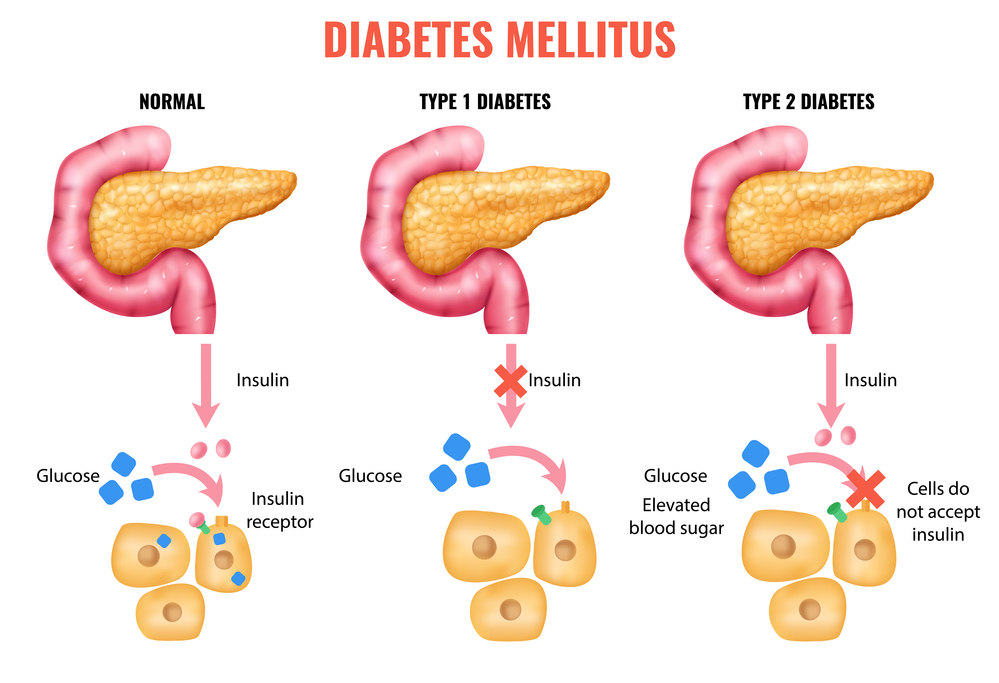
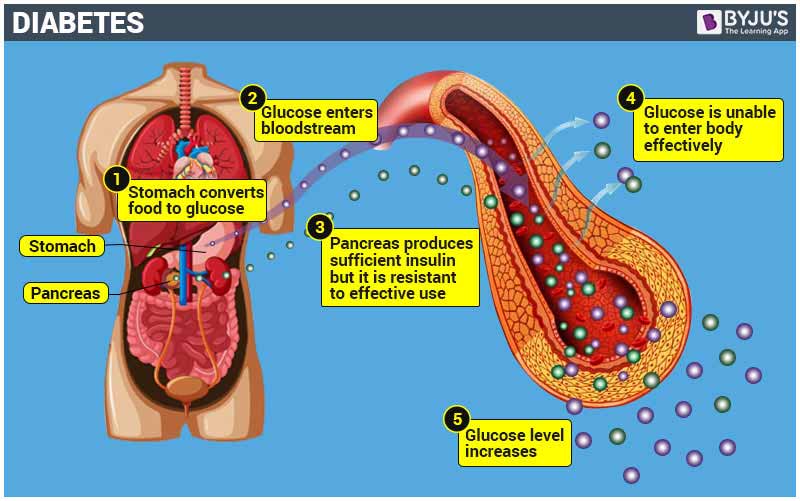
This glucose then enters your bloodstream. However, it can't just waltz into your cells on its own; it needs a key. That key is insulin, a crucial hormone produced by specialized cells, called beta cells, located in your pancreas.
Insulin acts as a messenger. When glucose levels rise after a meal, the pancreas releases insulin. Insulin travels through the bloodstream and signals the cells throughout your body to open up and allow glucose in. This process keeps your blood sugar levels stable and ensures your cells get the energy they need.
Diving Deep into Diabetes Physiology
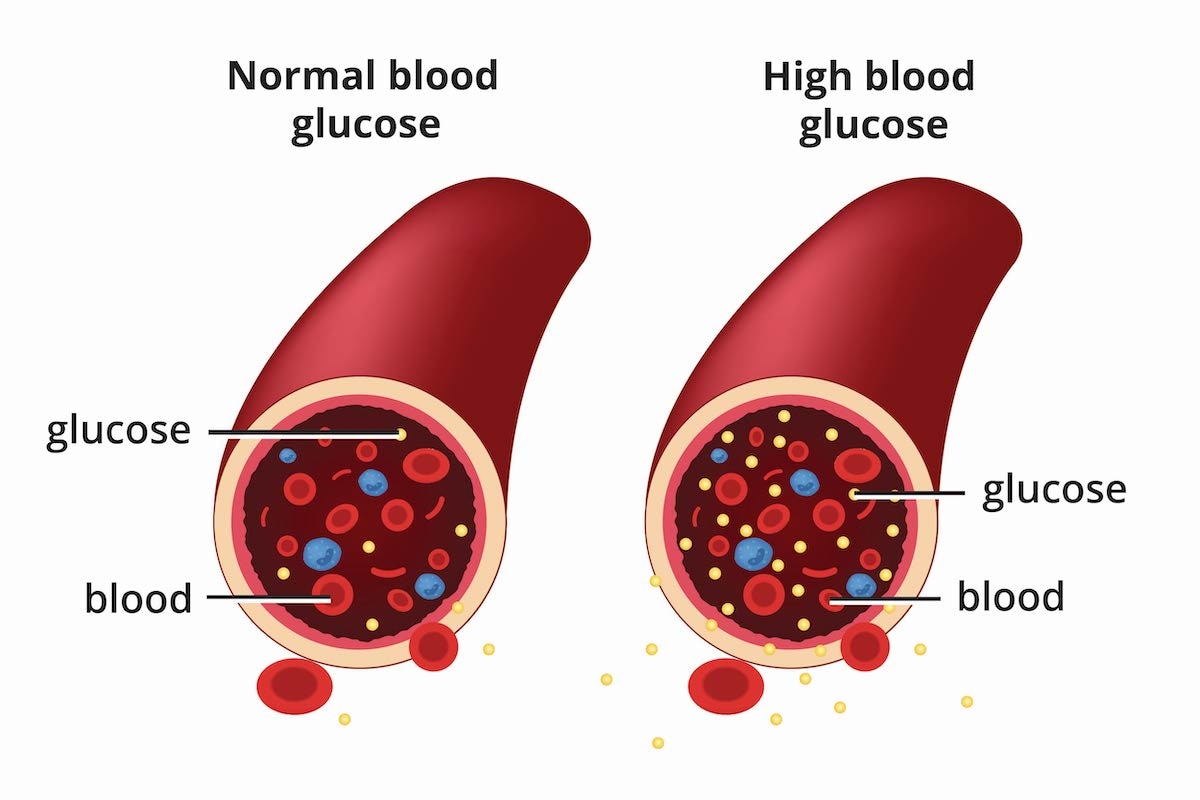
Diabetes occurs when this beautiful, balanced system breaks down. Fundamentally, diabetes is characterized by hyperglycemia, or high blood sugar. But the reason for this high blood sugar varies greatly depending on the type of diabetes.
Understanding the difference between Type 1 and Type 2 is central to grasping the core aspects of Diabetes Physiology. While both result in high glucose, the underlying mechanical failures are completely distinct.
Type 1 Diabetes: The Autoimmune Attack
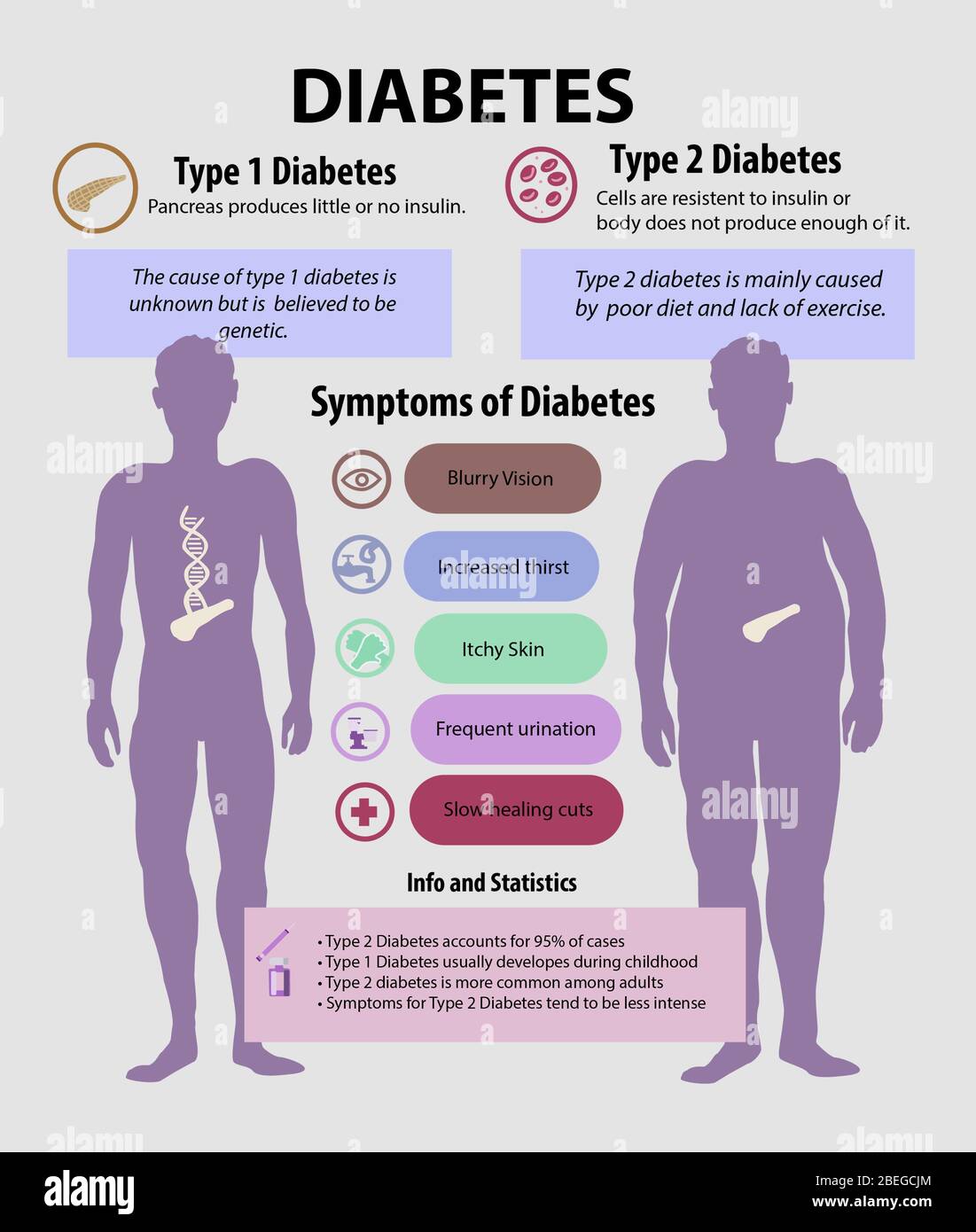
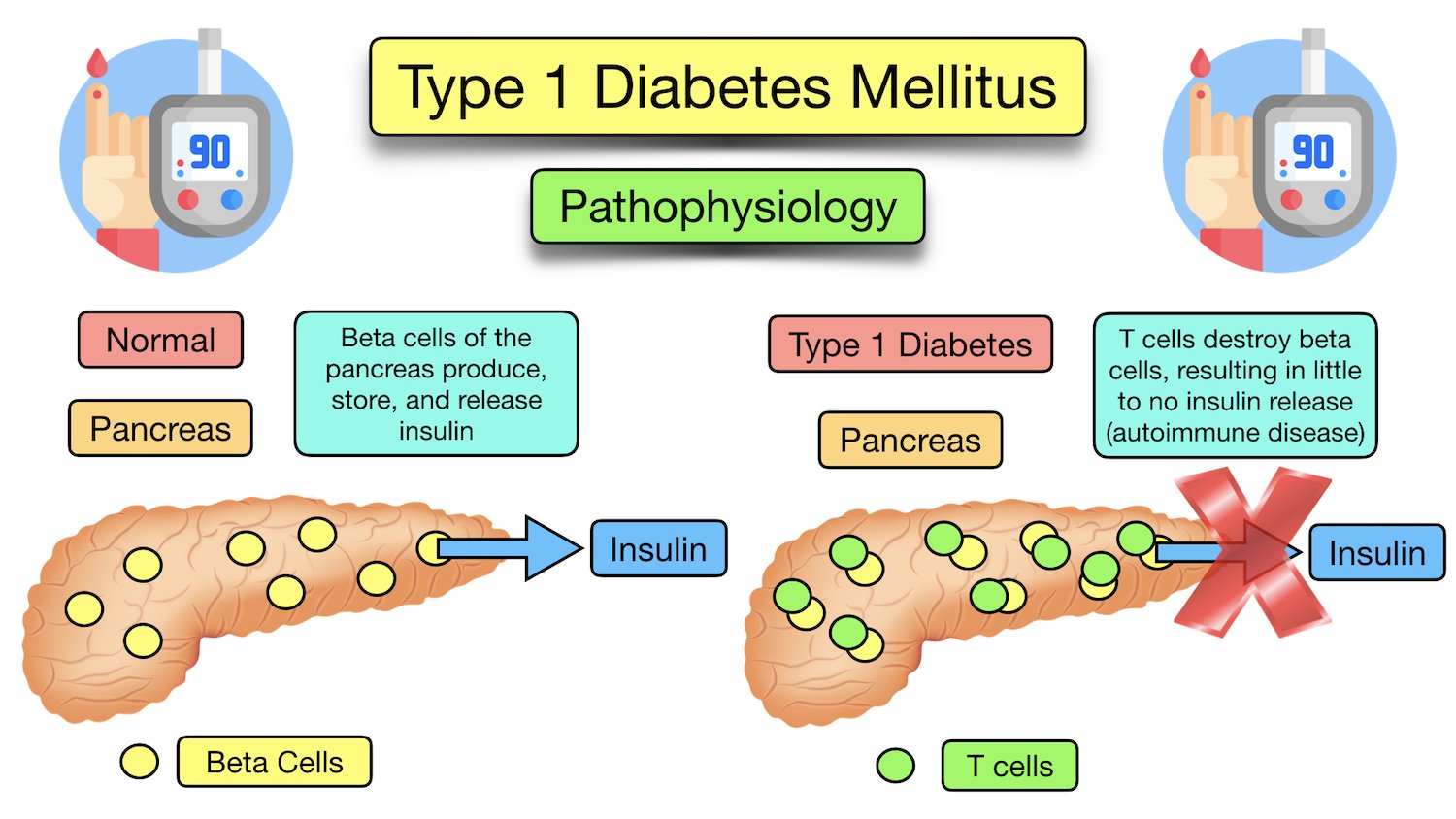
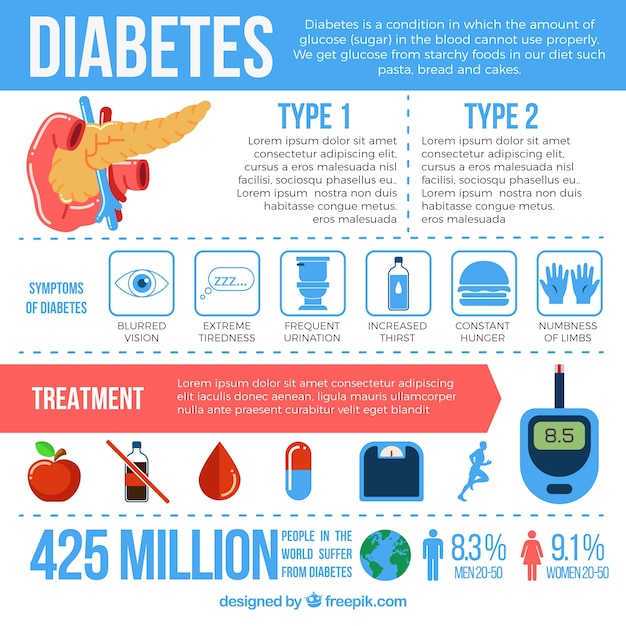
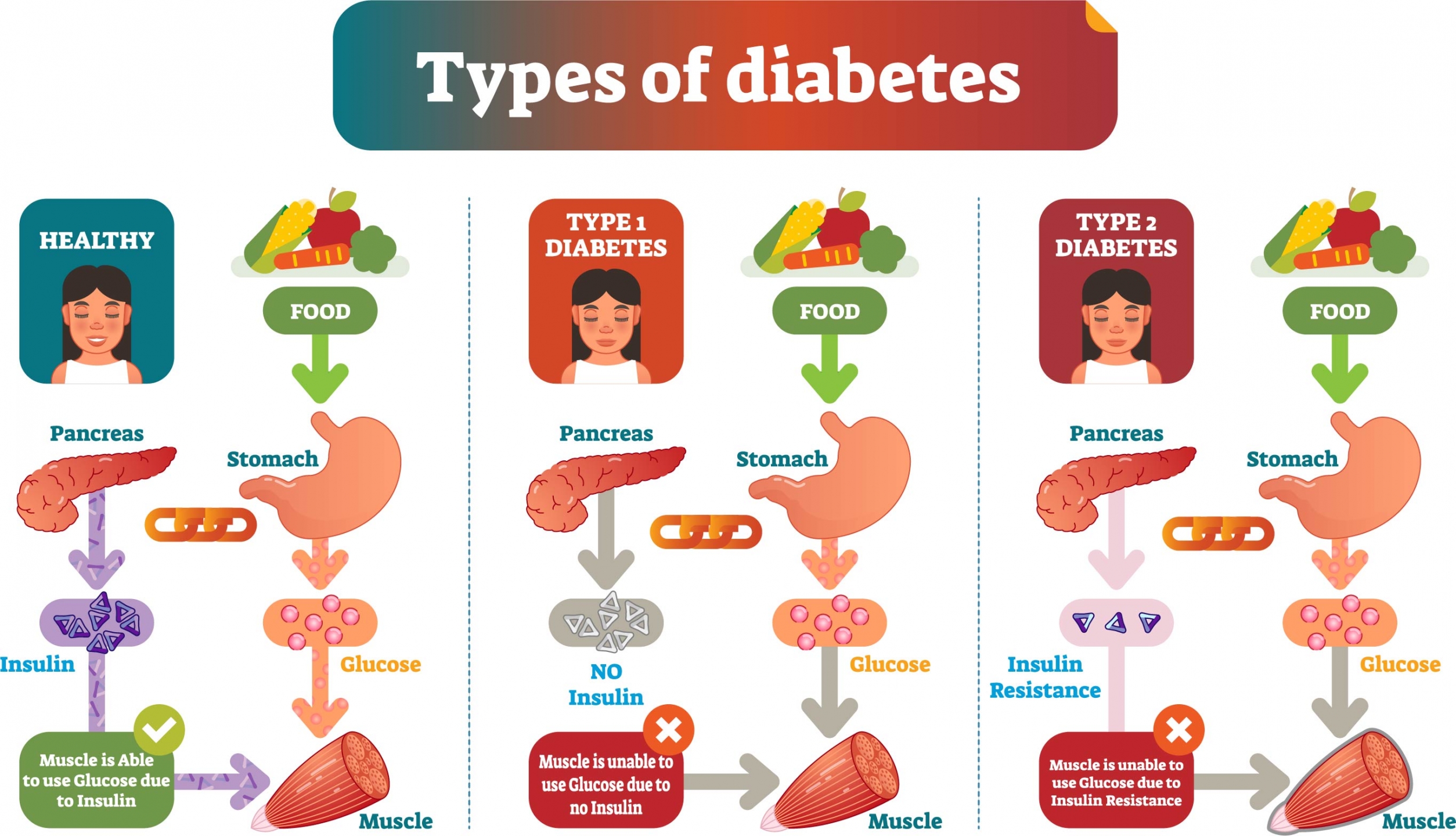
Type 1 Diabetes (T1D) represents about 5 to 10 percent of all cases. It is an autoimmune condition, meaning the body's own defense system mistakenly attacks healthy cells. In T1D, the immune system targets the insulin-producing beta cells in the pancreas.
When these beta cells are destroyed, the pancreas loses its ability to produce sufficient insulin. This physiological defect means there is no "key" to unlock the cells, leaving glucose trapped in the bloodstream where it cannot be used for energy.
This specific aspect of Diabetes Physiology requires external intervention, usually in the form of injected or pumped insulin, to replace what the body is no longer creating.
Key characteristics of Type 1 Diabetes physiology include:
- Absolute insulin deficiency due to beta cell destruction.
- Onset often occurs in childhood or young adulthood.
- Patients are often prone to ketoacidosis (DKA) if insulin is not administered.
- It is not preventable by diet or exercise alone, as it stems from an immune system malfunction.
Type 2 Diabetes: The Resistance Fighter
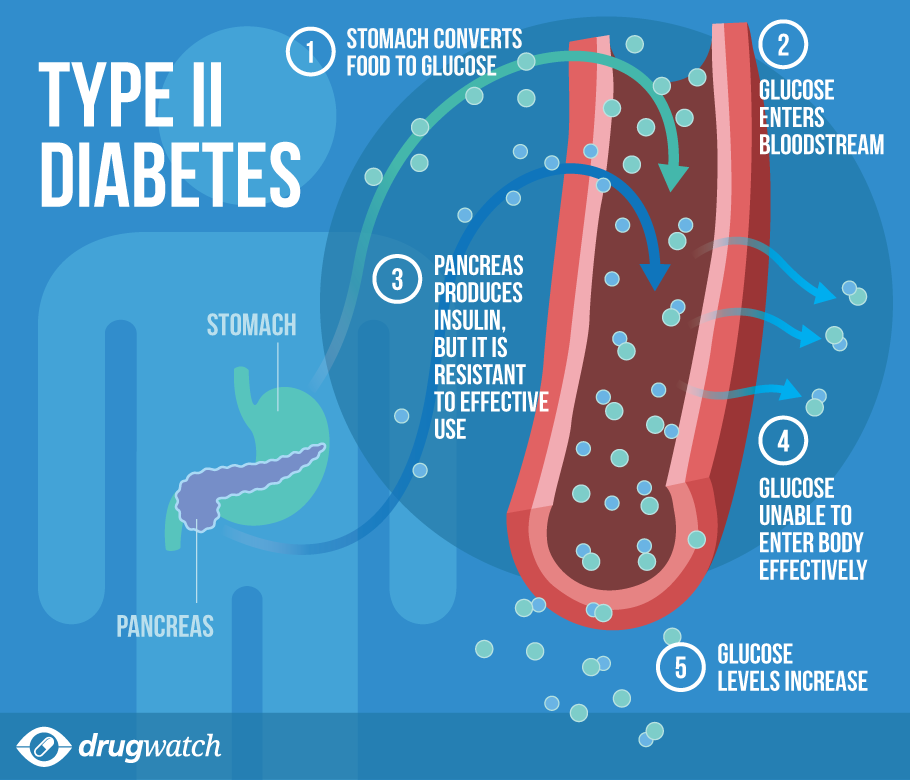
Type 2 Diabetes (T2D) is far more common, accounting for about 90 to 95 percent of all diagnoses. The core physiological problem here isn't a lack of insulin initially, but rather a lack of cellular response to it—a condition known as insulin resistance.
Imagine the cells' locks becoming rusty. The insulin key is present, but the lock won't turn easily. The cells are not absorbing glucose efficiently, leaving too much sugar in the blood.
The progression of T2D follows a distinct physiological pathway:
- Early Stage: Insulin Resistance: Cells, particularly fat and muscle cells, stop responding well to insulin. Glucose levels begin to creep up.
- Compensatory Stage: Pancreatic Overdrive: The pancreas recognizes the high blood sugar and works overtime, producing massive amounts of insulin to overcome the resistance.
- Late Stage: Beta Cell Burnout: Eventually, after years of overproduction, the beta cells become exhausted and fail. At this point, the patient experiences both resistance and insulin deficiency.
This complex Diabetes Physiology highlights why T2D management often focuses first on improving sensitivity (through diet, exercise, and certain medications) before requiring injected insulin.
What Happens When Things Go Wrong?
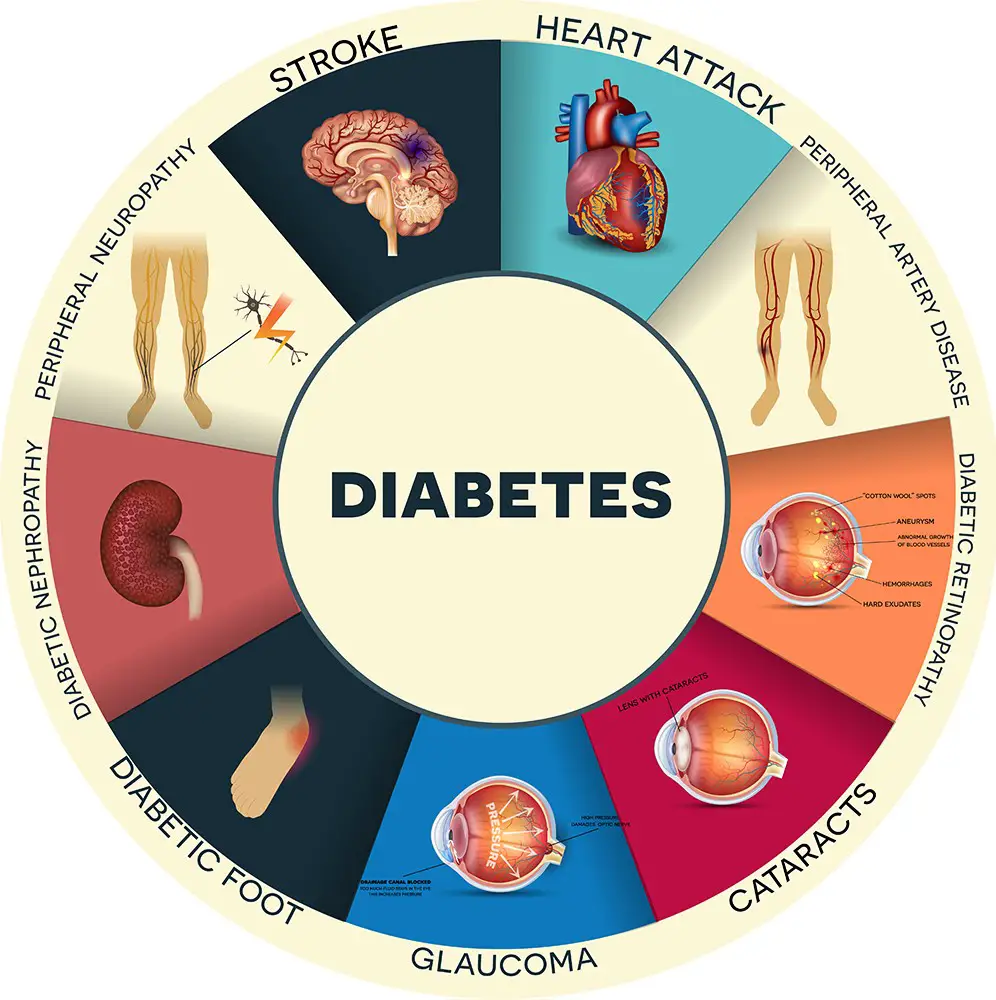
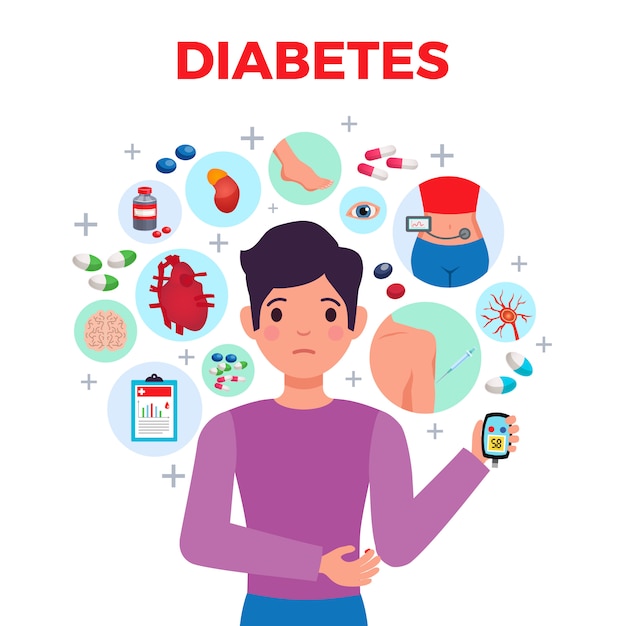
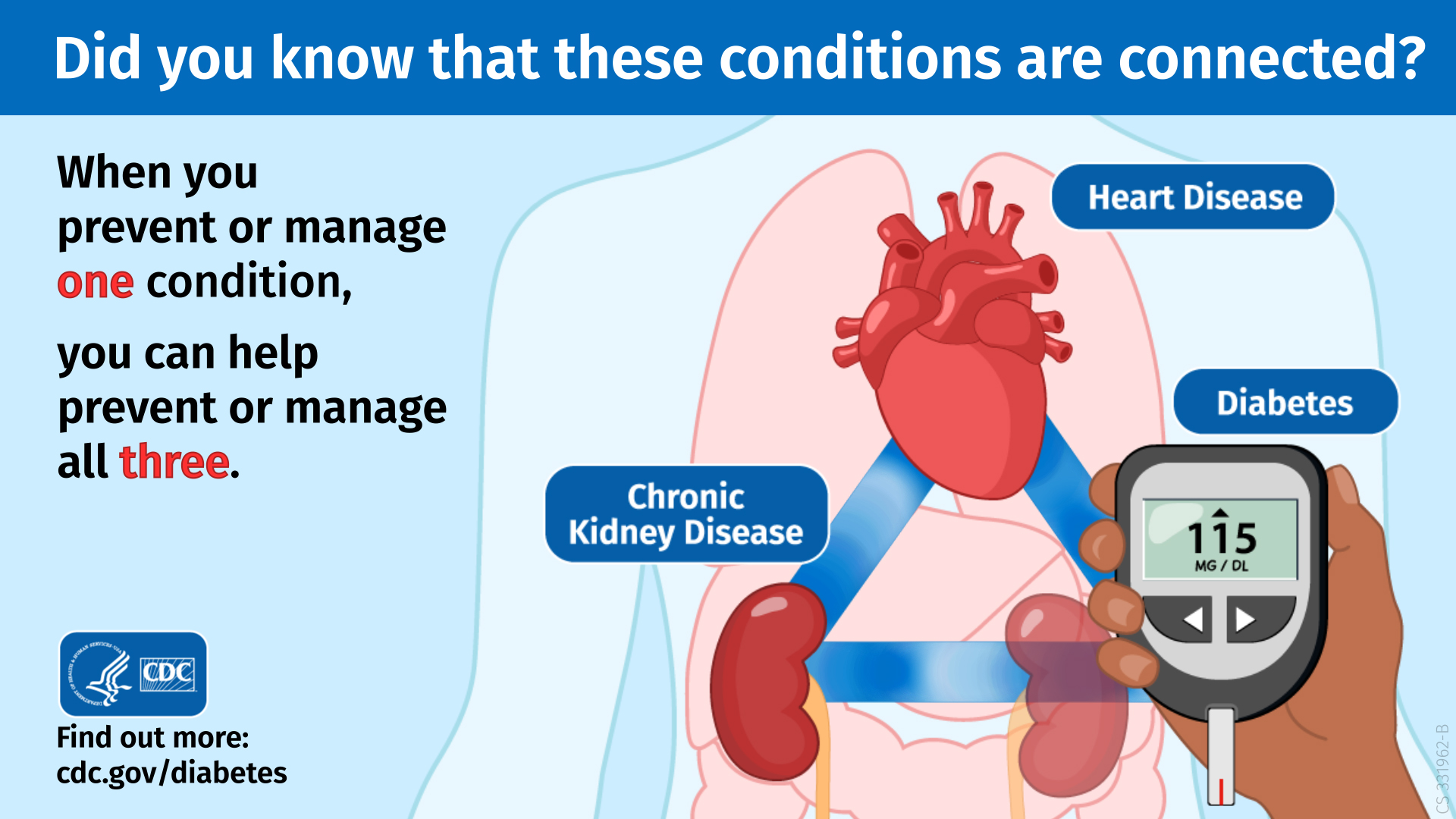
Uncontrolled hyperglycemia affects almost every system in the body. When glucose remains elevated, it damages blood vessels and nerves over time, leading to serious long-term complications. This is why strict management is crucial for protecting your long-term health.
Microvascular Complications: Tiny Blood Vessels
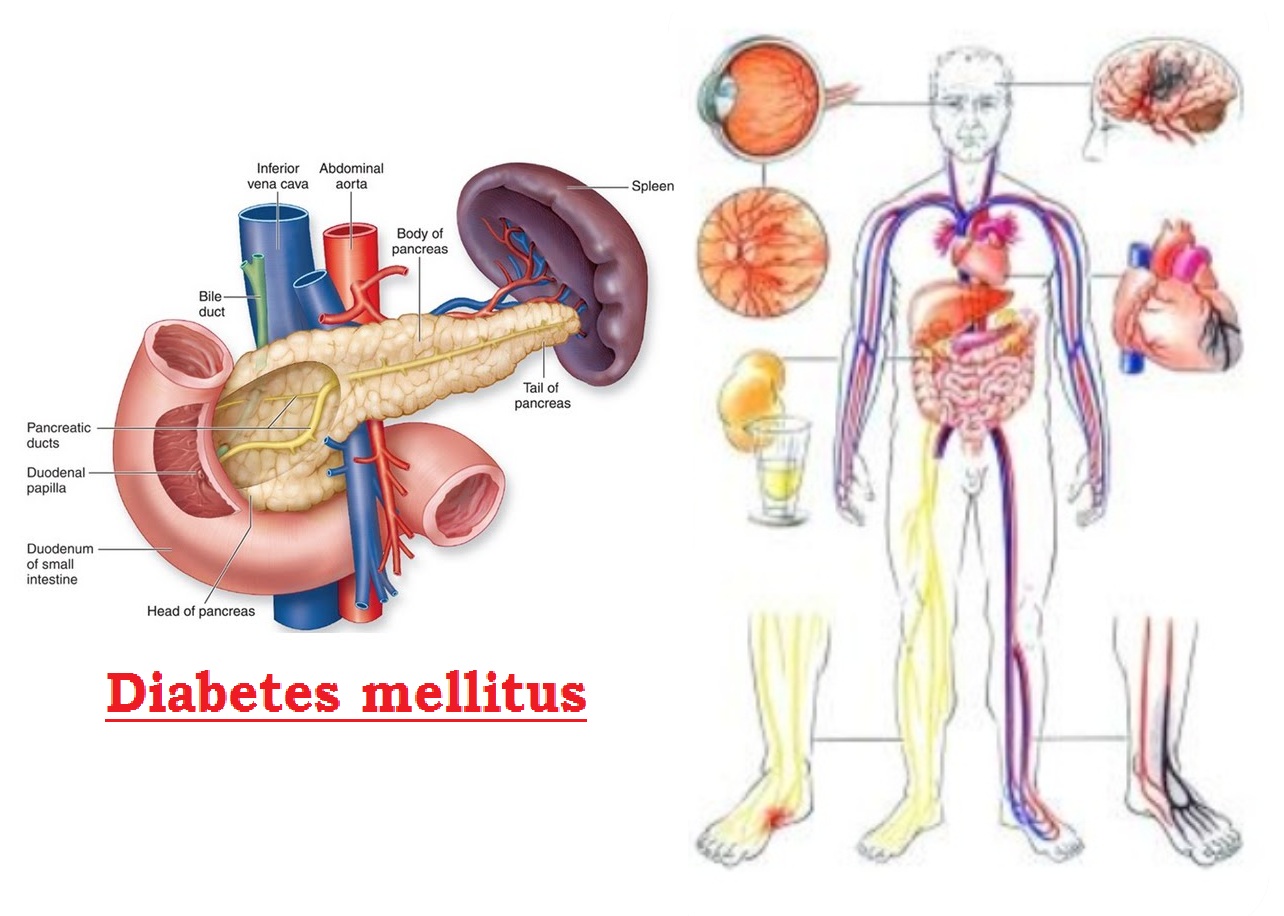
High glucose levels particularly attack the small blood vessels (capillaries). This damage often manifests in three key areas, fundamentally altering the local physiology:
- Nephropathy (Kidney Damage): Damage to the tiny filtering units in the kidneys can lead to chronic kidney disease and failure.
- Retinopathy (Eye Damage): Damage to the blood vessels in the retina is a leading cause of blindness in adults.
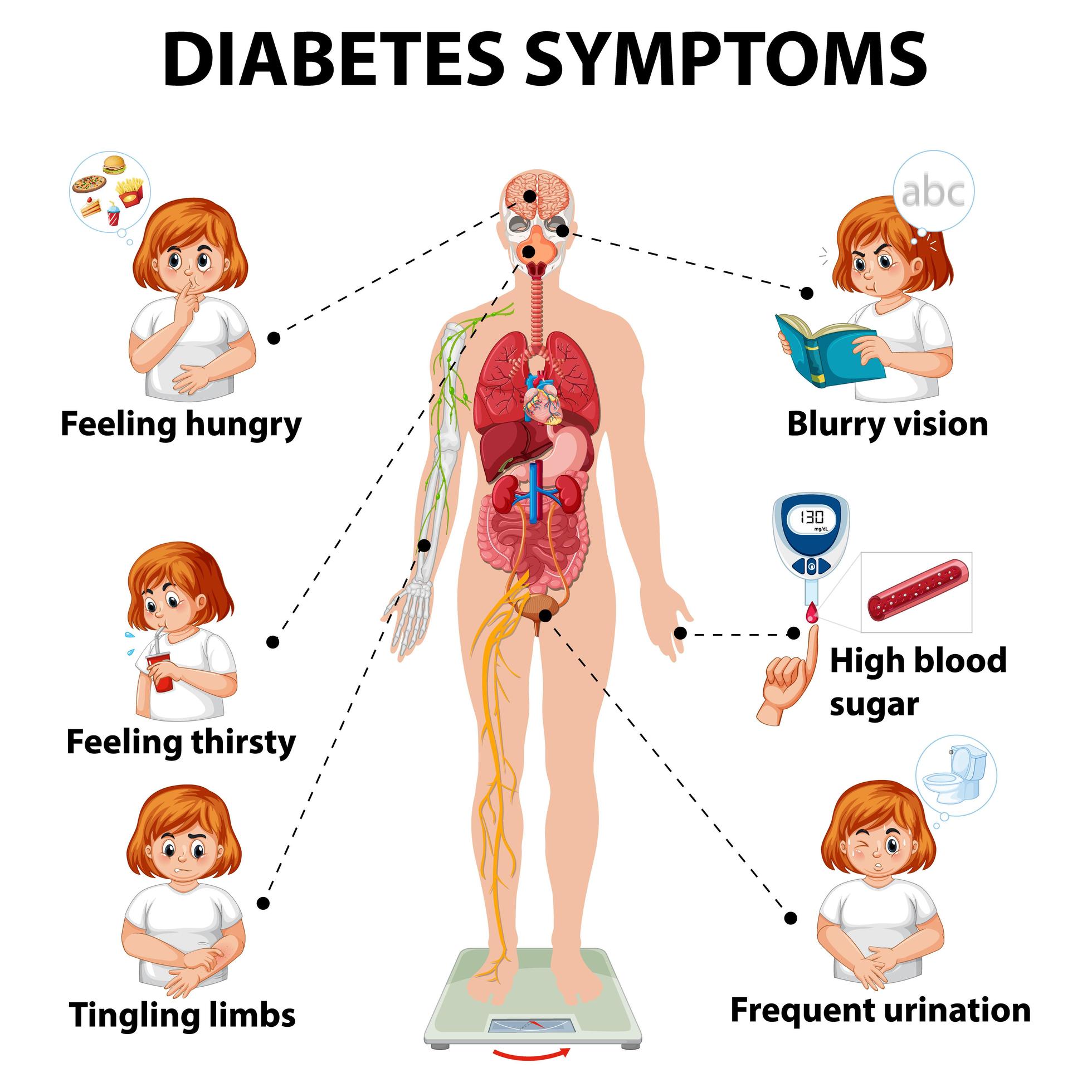
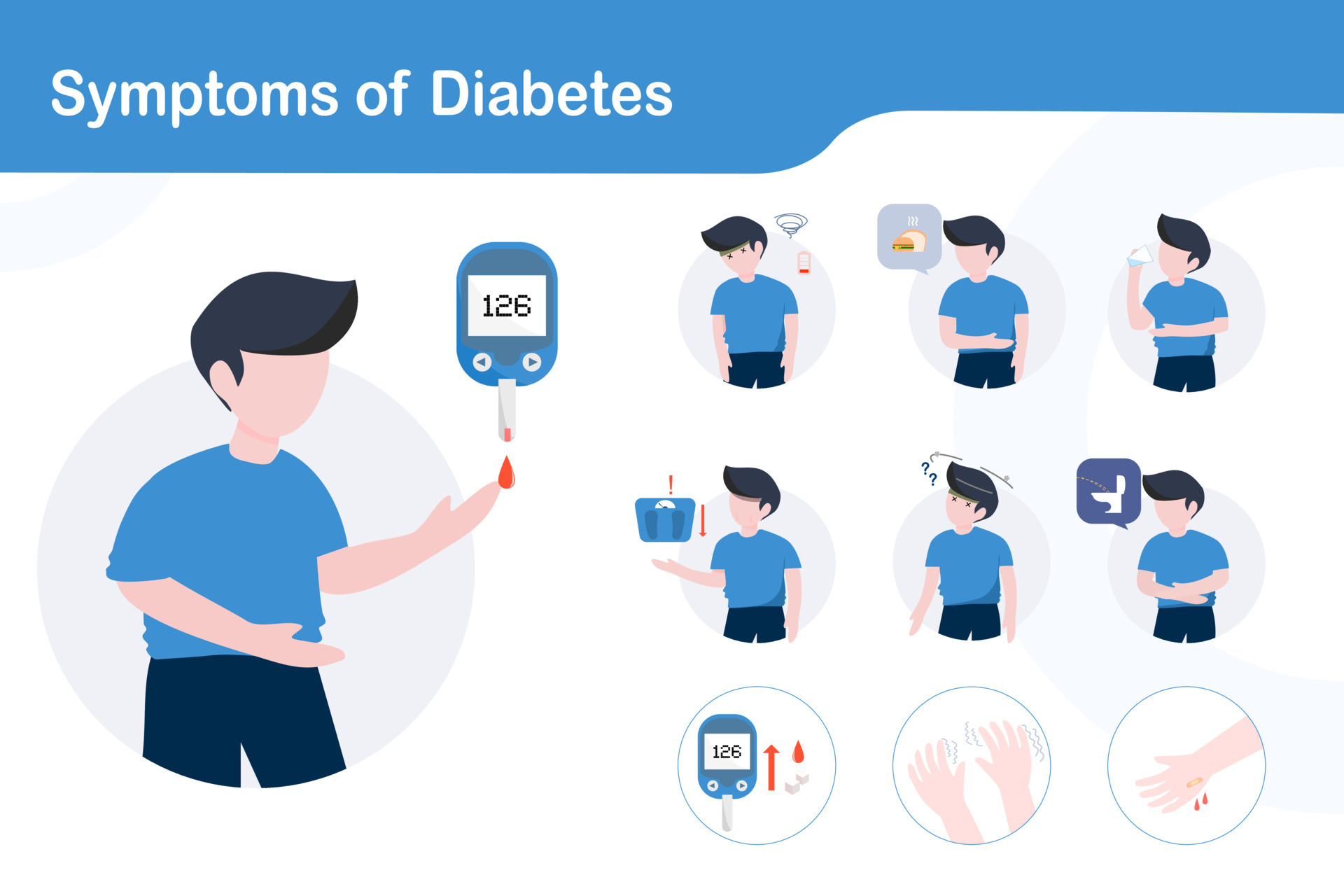
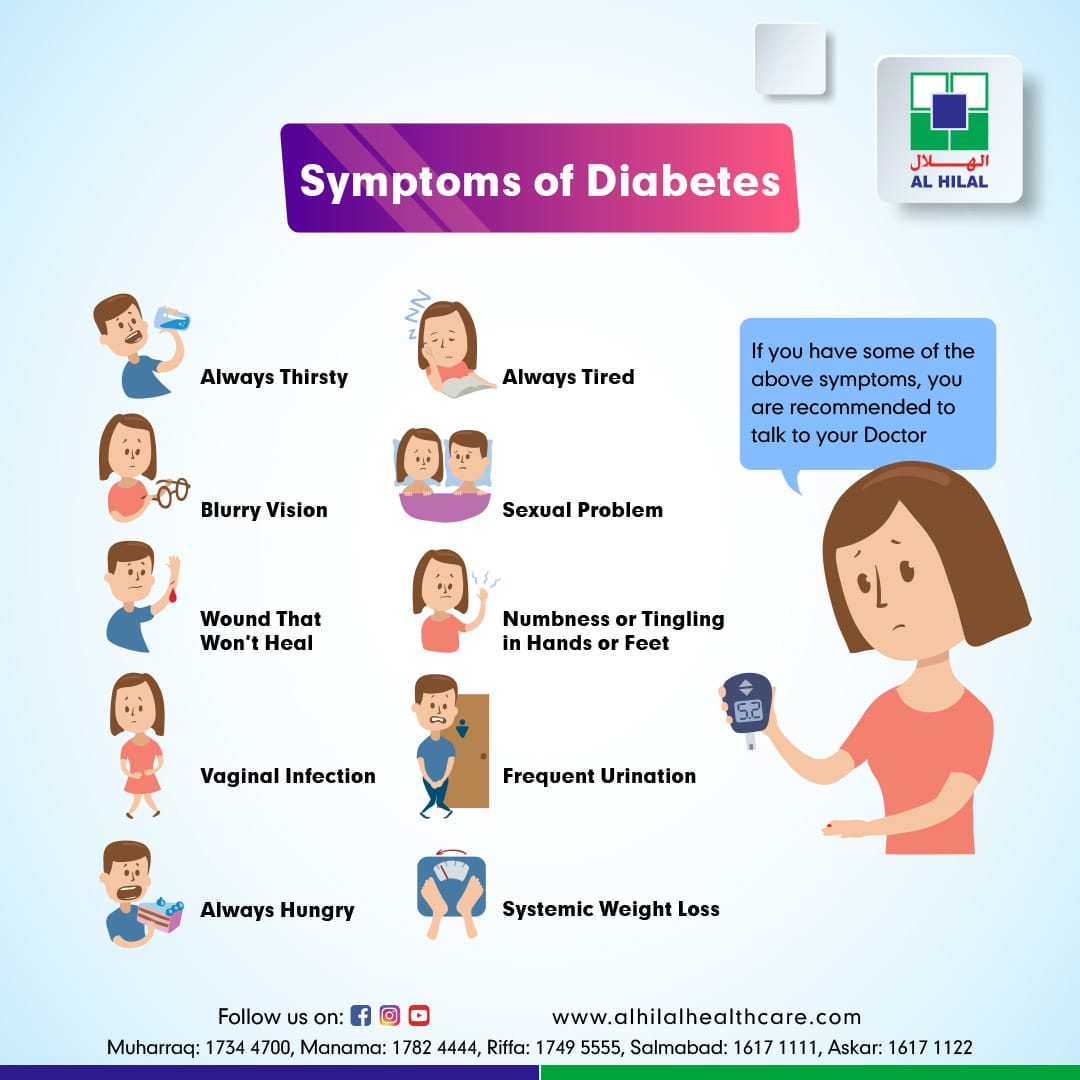
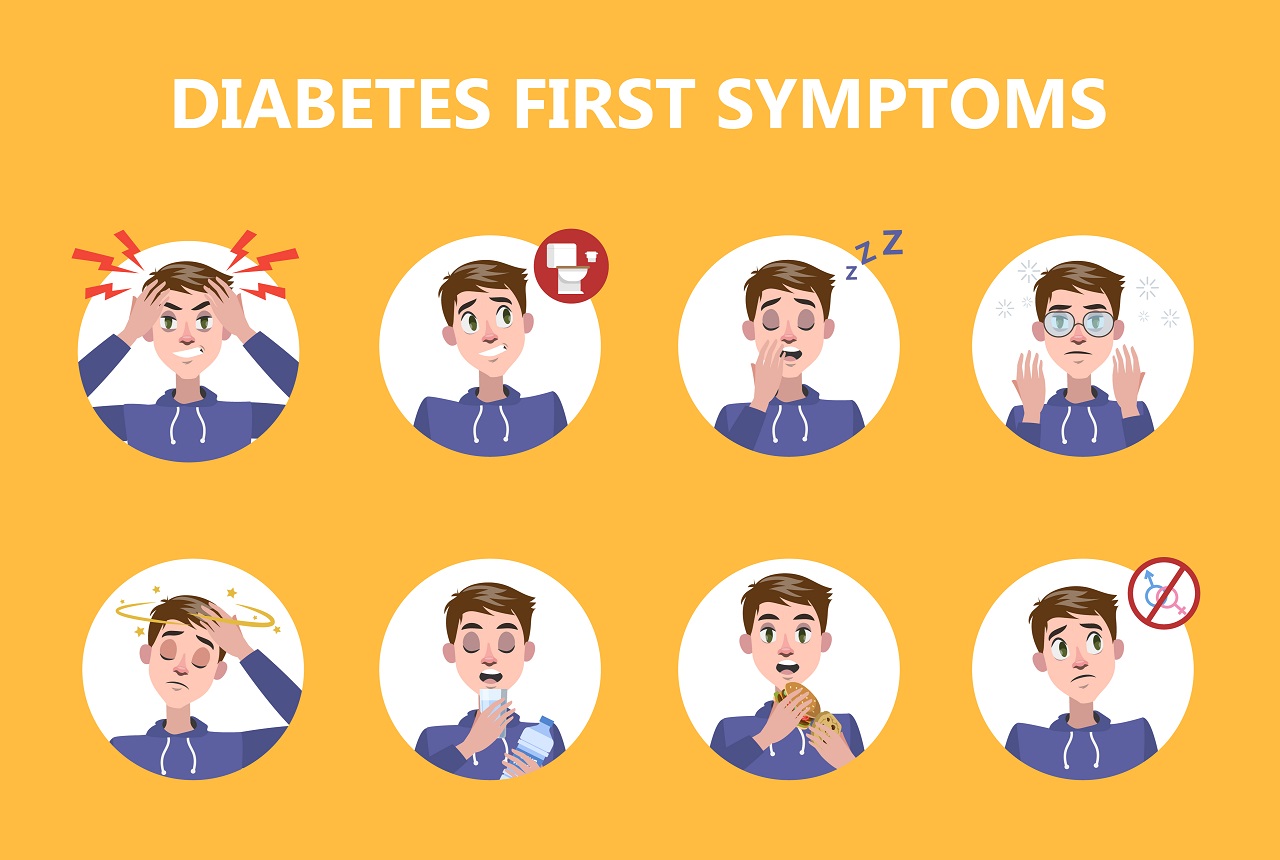
- Neuropathy (Nerve Damage): High sugar interferes with nerve function, often causing pain, tingling, or numbness, especially in the hands and feet.
Macrovascular Complications: Large Blood Vessels
The pathology also extends to larger blood vessels, increasing the risk of major cardiovascular events. Diabetes fundamentally accelerates atherosclerosis (hardening of the arteries).
This acceleration dramatically raises the risk of heart attacks and strokes. Controlling blood pressure and cholesterol, alongside glucose, becomes essential to counteract this systemic damage caused by disrupted Diabetes Physiology.
Managing the Physiology
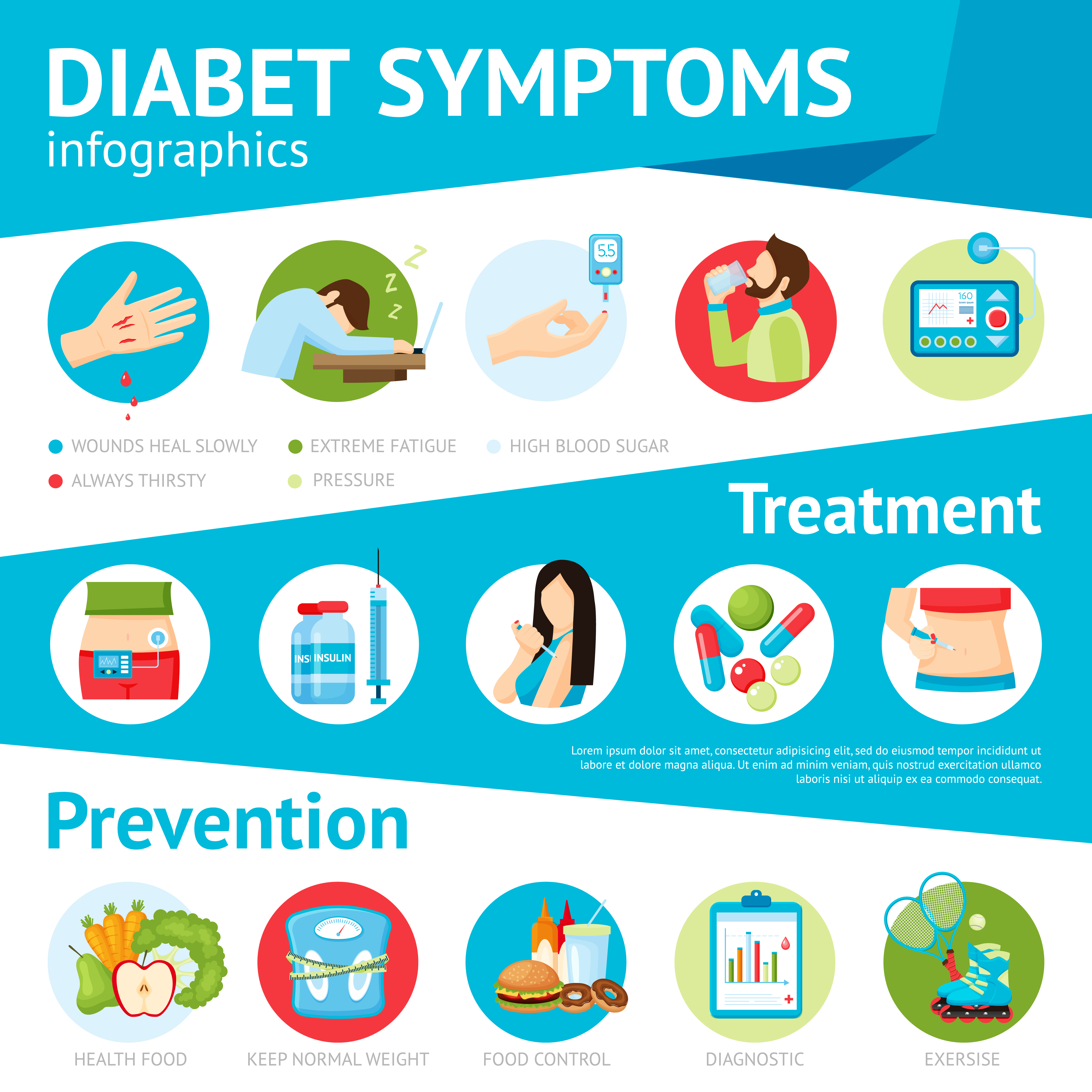
Management strategies are tailored specifically to the physiological fault line. For Type 1, the focus is entirely on insulin replacement to mimic the function of a healthy pancreas.
For Type 2, the goal is often twofold: first, to increase cellular sensitivity to existing insulin (through weight loss and drugs like metformin), and second, to supplement insulin production if the pancreas has begun to fail.
Lifestyle changes remain the cornerstone for improving T2D physiology. Regular exercise makes muscle cells much more receptive to insulin, effectively oiling those rusty locks. Diet management ensures that the body isn't constantly overwhelmed by excess glucose, reducing the load on the pancreas.
Conclusion
Understanding Diabetes Physiology is more than just academic knowledge; it's a powerful tool for self-management. Whether the issue is a complete lack of insulin (Type 1) or cellular resistance and eventual burnout (Type 2), the goal remains the same: keeping blood glucose within a safe range to ensure cells are fueled and organs are protected.
This knowledge allows you to partner effectively with your healthcare team, making informed decisions about diet, medication, and lifestyle adjustments. By respecting the intricate balance of glucose and insulin, you can minimize the physiological strain of diabetes and lead a healthier life.
Frequently Asked Questions (FAQ) About Diabetes Physiology
- What is the main physiological difference between Type 1 and Type 2 diabetes?
- The key difference lies in insulin function. Type 1 is characterized by absolute insulin deficiency because the beta cells are destroyed (autoimmune failure). Type 2 is initially characterized by insulin resistance, where cells ignore the insulin, which eventually leads to partial insulin deficiency.
- How does insulin resistance physically happen?
- Insulin resistance occurs when the signaling pathways inside the cells become impaired, often due to excess body fat, inflammation, and genetics. The cells' surface receptors don't respond effectively when insulin binds to them, preventing glucose uptake.
- If I have Type 2 Diabetes, does that mean my pancreas has stopped working?
- Not necessarily, but it may be working poorly. In the initial stages, the pancreas works overtime, producing too much insulin. However, after years of struggling against resistance, about 50% of beta cell function may be lost, meaning medication or injected insulin may eventually be needed.
- Why does diabetes cause problems with feet and eyes?
- Chronic high blood glucose damages microvasculature (small blood vessels) and nerves (neuropathy). The feet and eyes, which rely heavily on these tiny vessels and sensitive nerves, are often the first to show damage, leading to potential vision loss and loss of sensation.
- Can exercise actually improve the physiology of Type 2 Diabetes?
- Absolutely. Exercise improves insulin sensitivity almost immediately. When you exercise, muscle cells use glucose for fuel regardless of whether insulin is effectively signaling them, helping to lower blood sugar and improve the body's response to insulin over time.
Diabetes Physiology
Diabetes Physiology Wallpapers
Collection of diabetes physiology wallpapers for your desktop and mobile devices.
Mesmerizing Diabetes Physiology Capture Collection
Explore this high-quality diabetes physiology image, perfect for enhancing your desktop or mobile wallpaper.
Dynamic Diabetes Physiology Capture Digital Art
This gorgeous diabetes physiology photo offers a breathtaking view, making it a perfect choice for your next wallpaper.
Lush Diabetes Physiology Artwork Digital Art
Immerse yourself in the stunning details of this beautiful diabetes physiology wallpaper, designed for a captivating visual experience.
Serene Diabetes Physiology Design Photography
Experience the crisp clarity of this stunning diabetes physiology image, available in high resolution for all your screens.
Breathtaking Diabetes Physiology Moment Digital Art
Discover an amazing diabetes physiology background image, ideal for personalizing your devices with vibrant colors and intricate designs.

Detailed Diabetes Physiology Image Concept
Discover an amazing diabetes physiology background image, ideal for personalizing your devices with vibrant colors and intricate designs.
Dynamic Diabetes Physiology Photo for Your Screen
This gorgeous diabetes physiology photo offers a breathtaking view, making it a perfect choice for your next wallpaper.
Gorgeous Diabetes Physiology Moment for Desktop
Find inspiration with this unique diabetes physiology illustration, crafted to provide a fresh look for your background.
Breathtaking Diabetes Physiology Artwork Photography
Experience the crisp clarity of this stunning diabetes physiology image, available in high resolution for all your screens.
Vibrant Diabetes Physiology Background Illustration
Explore this high-quality diabetes physiology image, perfect for enhancing your desktop or mobile wallpaper.
Lush Diabetes Physiology Wallpaper for Your Screen
A captivating diabetes physiology scene that brings tranquility and beauty to any device.
/complicationsofdiabetes-GettyImages-1302948460-829d6ca13e4945eab127f8dd9d87b773.jpeg "Beautiful Diabetes Physiology View for Desktop")
Beautiful Diabetes Physiology View for Desktop
Transform your screen with this vivid diabetes physiology artwork, a true masterpiece of digital design.
Beautiful Diabetes Physiology Picture Art
Experience the crisp clarity of this stunning diabetes physiology image, available in high resolution for all your screens.
Serene Diabetes Physiology Picture Nature
Explore this high-quality diabetes physiology image, perfect for enhancing your desktop or mobile wallpaper.

Exquisite Diabetes Physiology Image Collection
This gorgeous diabetes physiology photo offers a breathtaking view, making it a perfect choice for your next wallpaper.
Vivid Diabetes Physiology Moment Digital Art
Transform your screen with this vivid diabetes physiology artwork, a true masterpiece of digital design.
Lush Diabetes Physiology Background Collection
Immerse yourself in the stunning details of this beautiful diabetes physiology wallpaper, designed for a captivating visual experience.
Artistic Diabetes Physiology View Illustration
A captivating diabetes physiology scene that brings tranquility and beauty to any device.
Spectacular Diabetes Physiology Landscape for Desktop
A captivating diabetes physiology scene that brings tranquility and beauty to any device.
High-Quality Diabetes Physiology Scene for Your Screen
Transform your screen with this vivid diabetes physiology artwork, a true masterpiece of digital design.
Download these diabetes physiology wallpapers for free and use them on your desktop or mobile devices.